Vinnytsia
Vinnytsia, Ukraine
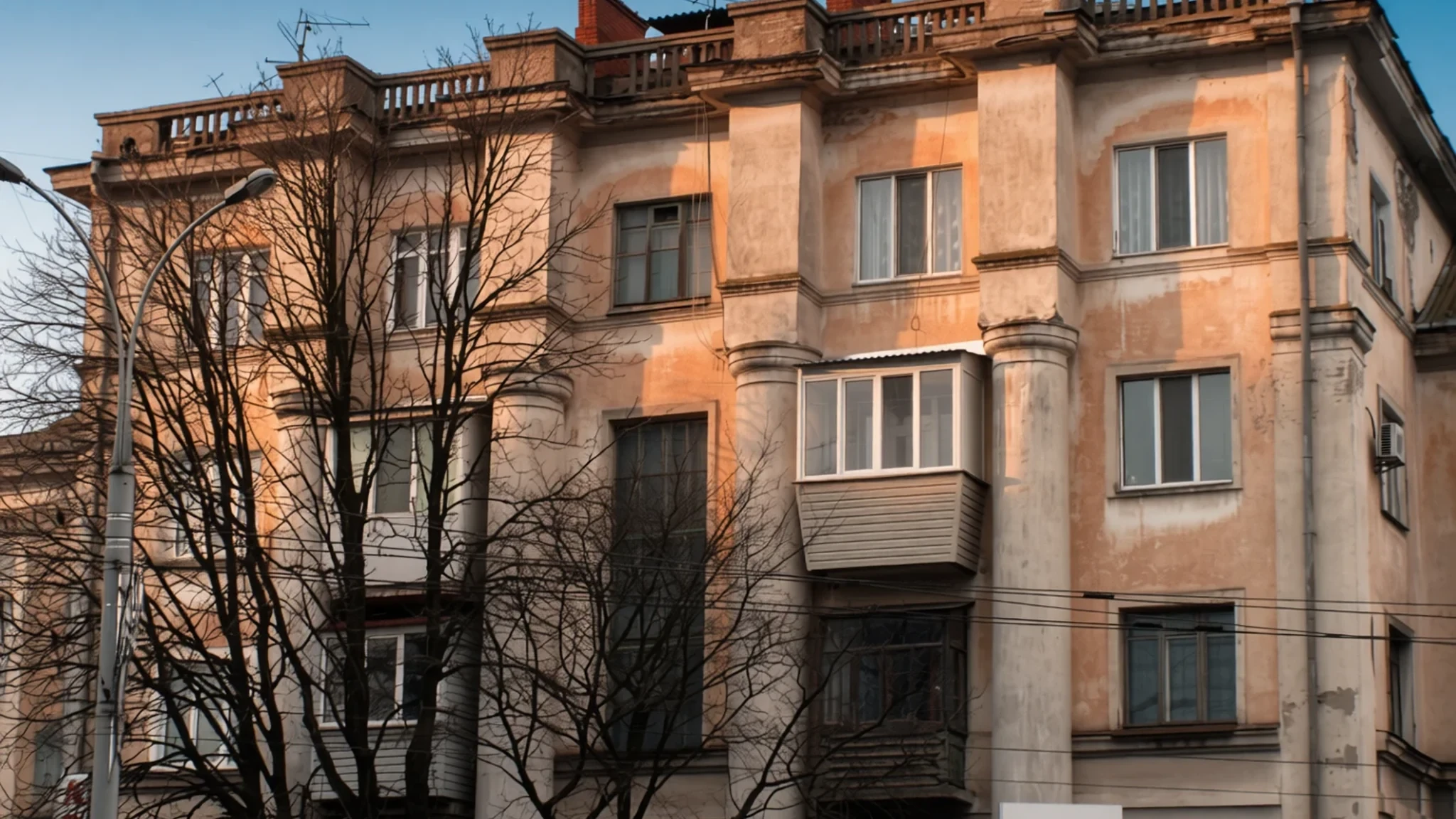
Vinnytsia mixes Podillia history, a riverfront city mood, and easy-going architecture you can cover on foot.
The place
Vinnytsia (Вінниця) sits in west-central Ukraine on the banks of the Southern Bug, acting as the administrative heart of Vinnytsia Oblast. It’s a city with real “daily life” energy rather than a single landmark that dominates everything, so walking between churches, theatres and museums feels natural.
The oldest roots are medieval: the settlement traces back to 1363, and over time Vinnytsia shifted through major Central and Eastern European spheres of power, from the Grand Duchy of Lithuania to the Polish–Lithuanian Commonwealth and, later, the Russian Empire. Today, you’ll see that layered history in the built fabric—churches and monastery buildings of different periods, plus civic architecture that reflects the city’s twentieth-century growth.
Practical travel-wise, Vinnytsia is straightforward: a compact centre for sightseeing, and enough local culture (theatres and museums) that a rainy day doesn’t derail the plan. The main “feel” you get is a pleasant, non-busy city rhythm—busier at weekends and around major attractions, but nowhere near the crush of the biggest European capitals.
Seasonally, plan around temperature and daylight. With winter cold and summer heat, the shoulder months listed for Vinnytsia are when the city is most comfortable for strolling, photography and museum-hopping—while keeping an eye on weather that can swing quickly in inland Ukraine.
Its story
Vinnytsia’s story reads like a timeline of the region itself. The city’s origins are tied to a fortified presence on the Southern Bug: in 1363, a fortress was established on the riverbank as a defence against raids. From there, the city’s fortunes shifted with the politics of the wider area.
For centuries, Vinnytsia sat in the orbit of major states. It was under the Grand Duchy of Lithuania and then the Polish–Lithuanian Commonwealth, with periods where control moved again as borders moved. Through the Ottoman era and back to Polish–Lithuanian rule, the city carried on as a trade and administrative centre.
In the nineteenth century, Vinnytsia passed to the Russian Empire, and later—like many cities across Eastern Europe—experienced the turbulent twentieth century. During the 1930s and early 1940s, it became the site of massacres during Stalin’s purges and later during the Holocaust in Ukraine under Nazi occupation. These are difficult parts of history, and the most respectful way to engage with them is through museums and memorial-minded visits rather than a casual “see it and move on” approach.
After the war, Vinnytsia also had a Cold War-era military airbase nearby, shaping how the city functioned behind the scenes. When you walk around now, the past isn’t always obvious on street level—but the mixture of older religious buildings, monastery complexes and civic places makes the layered history feel present, not abstract.
What to see
- Former Dominicans monastery area (Holy Transfiguration Cathedral) — Cathedral/monastery zone around the former Dominicans complex
Holy Transfiguration Cathedral, part of the former Dominicans monastery, is a strong architectural anchor in Vinnytsia. Its monastery setting gives you a calm pocket to slow down, and the church form stands out against the surrounding streets.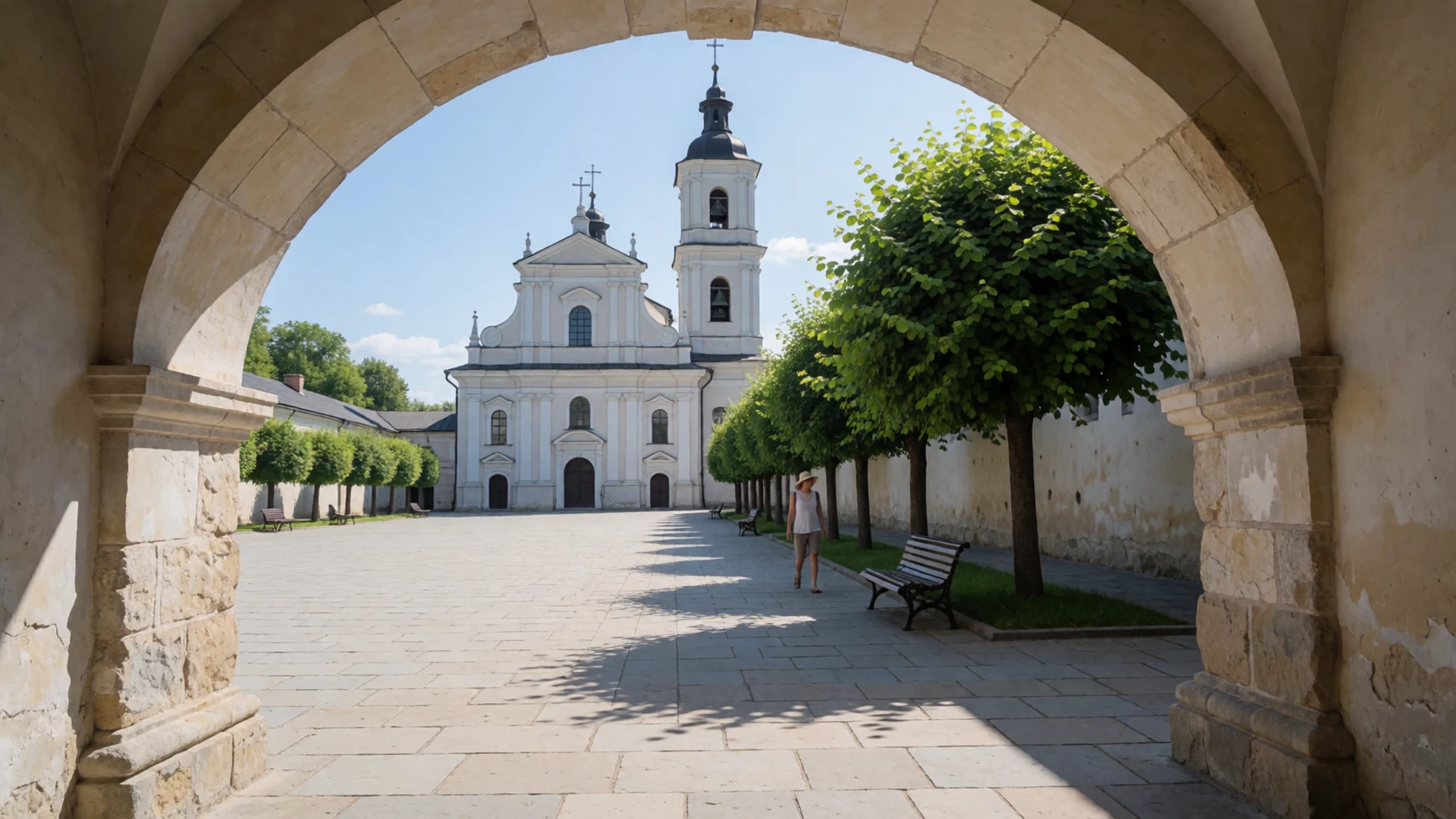
- St. Nicholas church and bell tower — Old-town church quarter near the Vinnytsia city centre
St. Nicholas church and bell tower is a good example of Vinnytsia’s layered religious landscape. The bell tower’s integration into the fortification-style walling makes the spot feel more defensive and historic than a typical town church.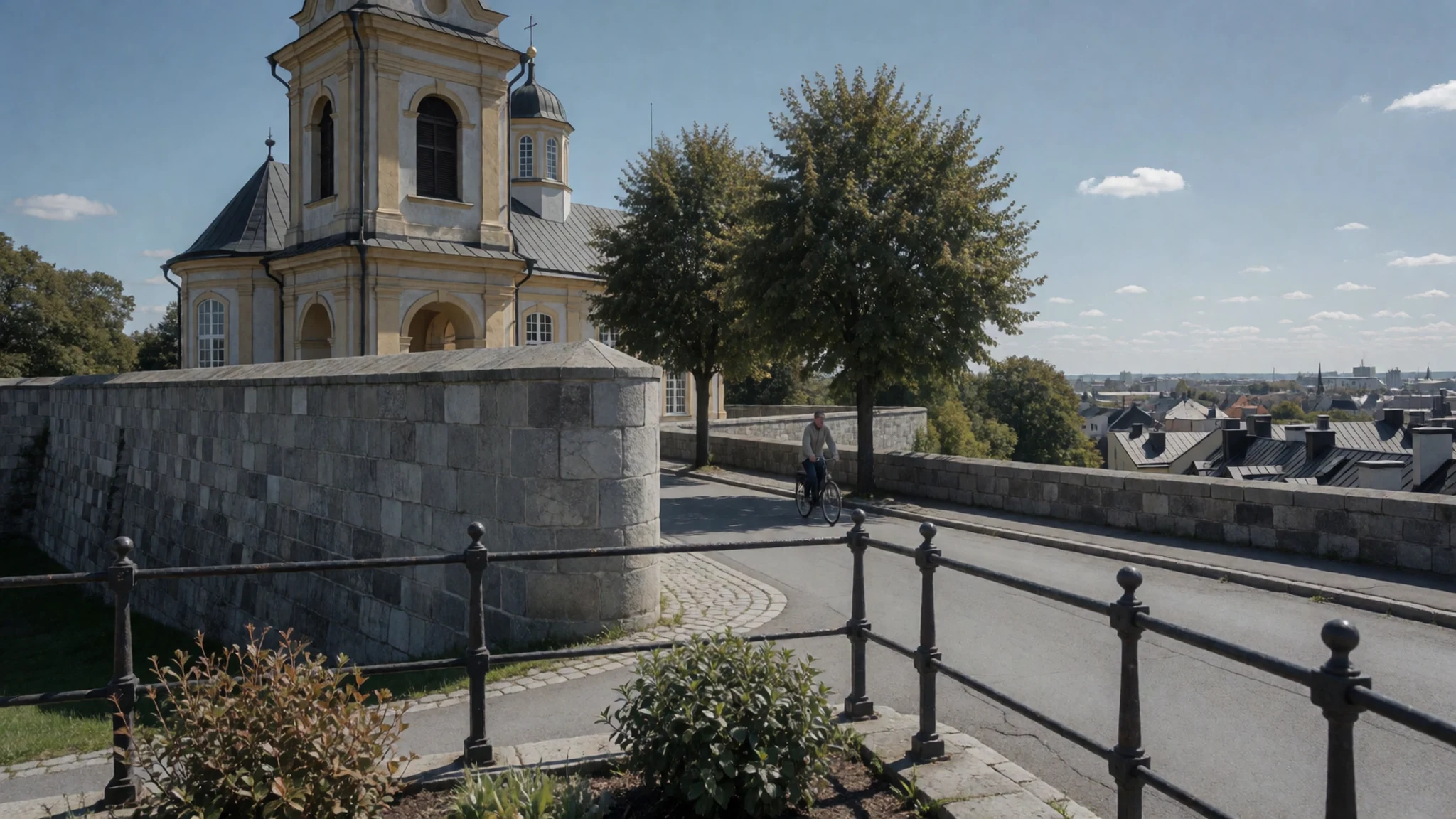
- Christ’s Resurrection Church — Central districts near the city’s main streets
Christ’s Resurrection Church is notable for its early twentieth-century character, including its interior iconostasis associated with Kyiv artists. It works well as a mid-day stop because the church sits within an easy walking radius of other central sights.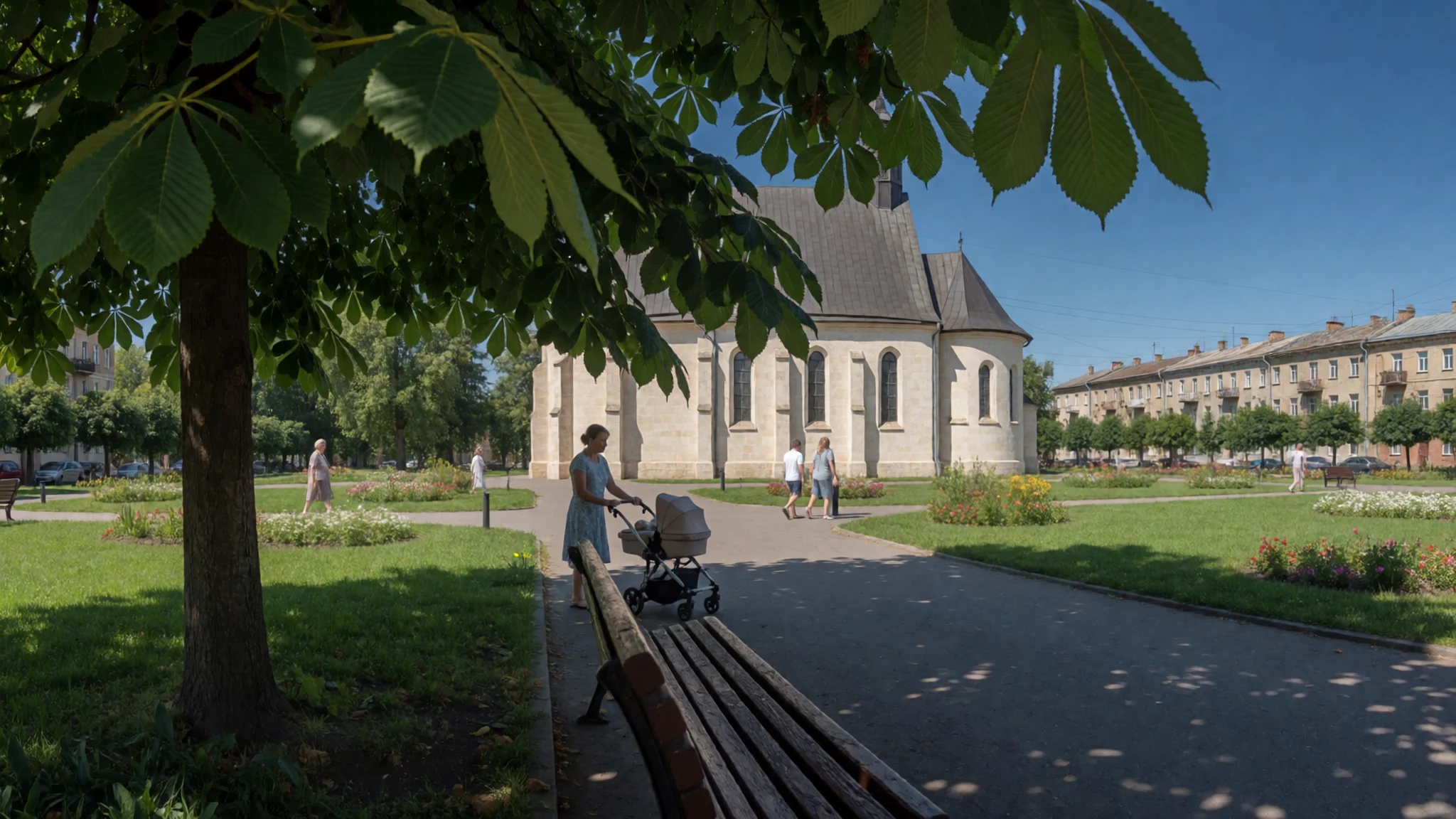
- Capuchin–Franciscan church — Cathedral Street area (вул. Соборна) around the church
The Capuchin–Franciscan church gives Vinnytsia a different church silhouette and a quieter atmosphere than the busiest streets. If the centre feels rushed, this is a good place to step into a calmer rhythm and take a few photos slowly.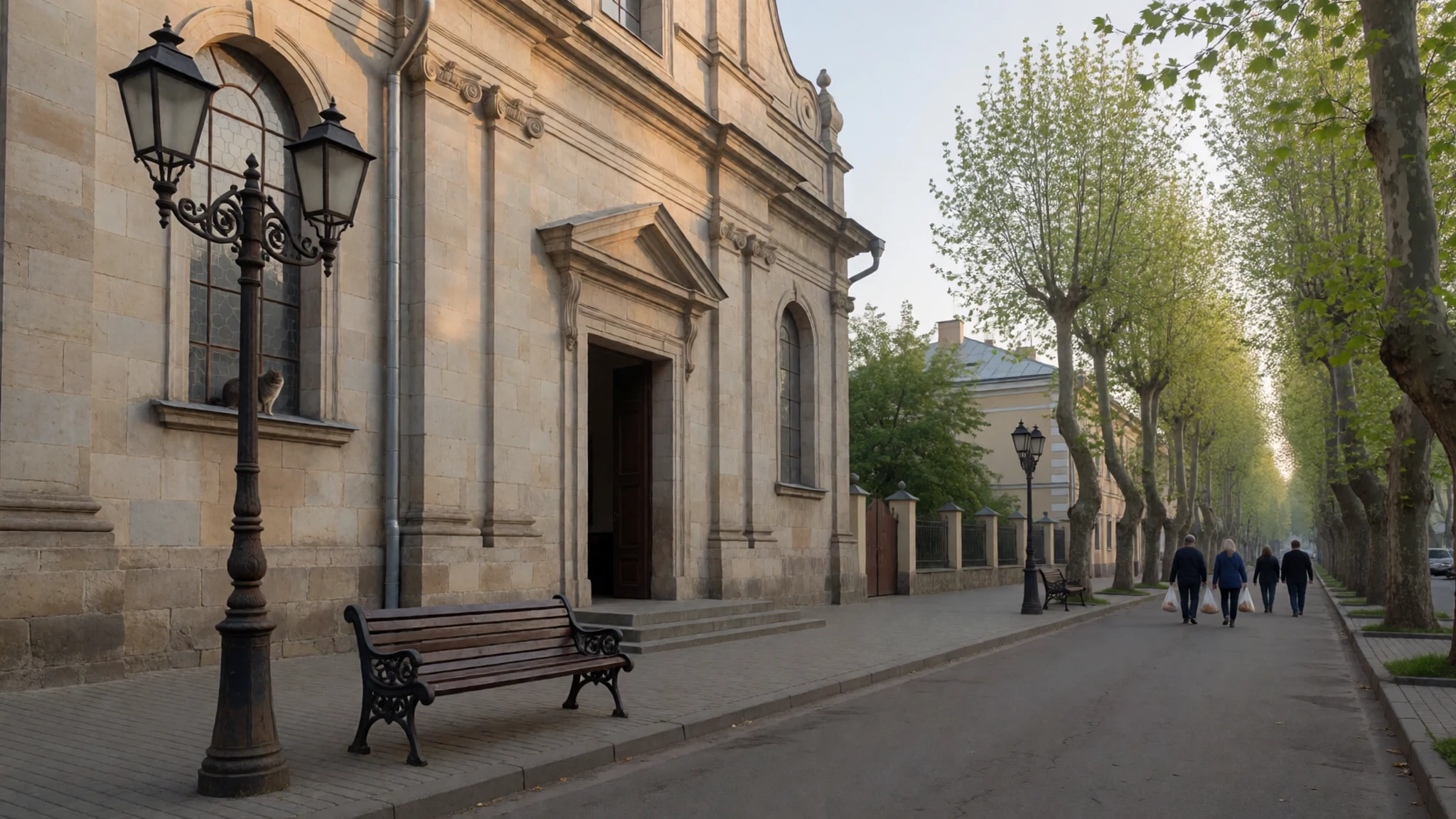
- Vinnytsia State Academic Music and Drama Theatre (M. K. Sadovskyi) — Teatralna Street area (theatre district)
For the cultural side of Vinnytsia, the music and drama theatre named after Mykola Sadovskyi is a classic city-facing venue. Even without a performance, the exterior helps you understand how the city centres its arts.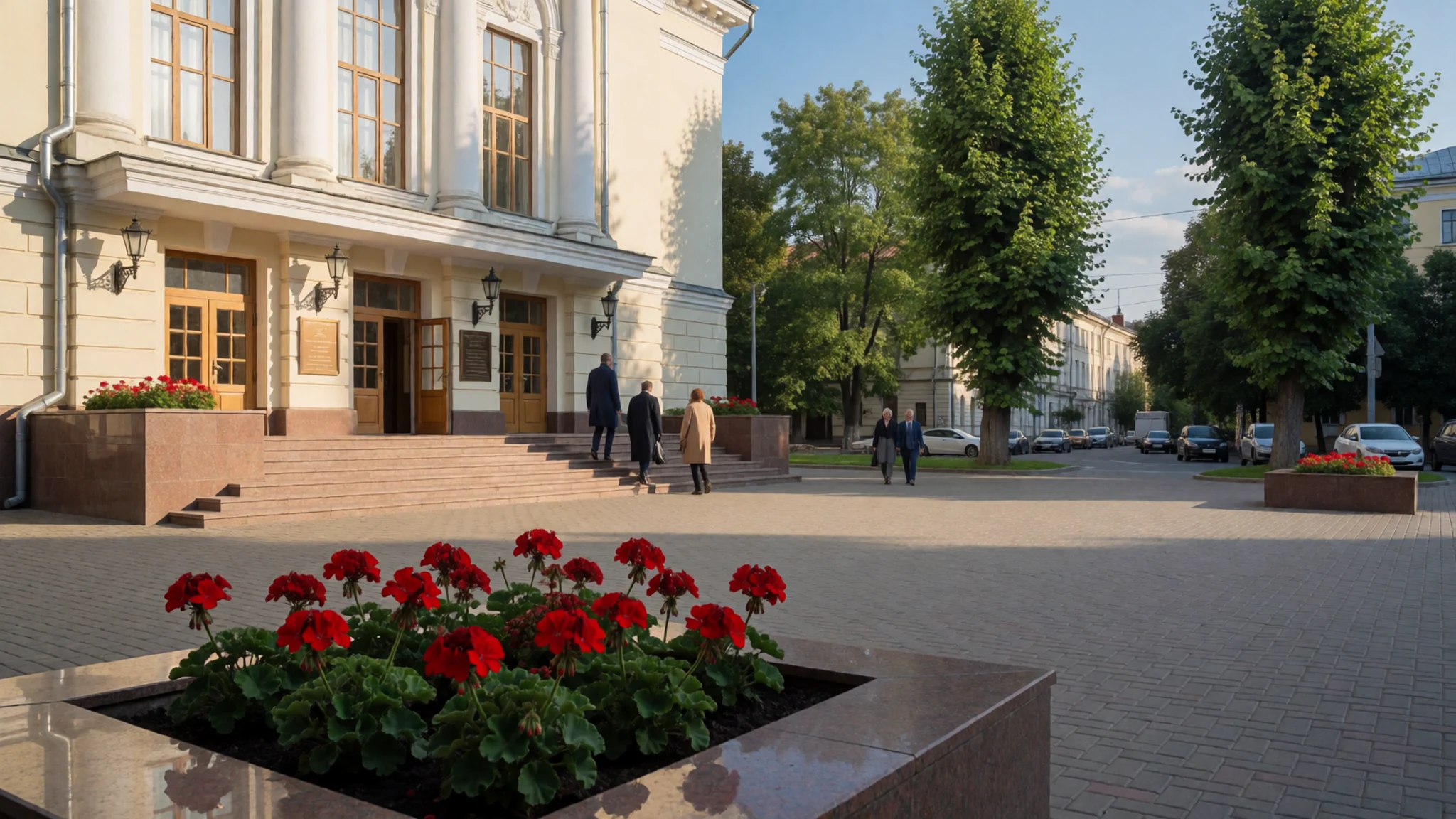
Culture
Vinnytsia’s culture is anchored in theatres and museums, so it doesn’t feel like a place you “just pass through”. The city has a State Academic Music and Drama Theatre named after Mykola Sadovskyi, plus a long-running puppet tradition at the Vinnytsia Academic Regional Puppet Theater Zolotyi Kliuchyk. There’s also the Vinnytsia Regional Philharmonic named after Mykola Leontovych—useful if your trip lines up with concerts.
Museums are equally varied. The National Pirogov’s Estate Museum is a strong choice if you want something that feels both local and story-led. For everyday culture and small, specific interests, Vinnytsia also lists options like a tram museum and a museum devoted to the Ukrainian postage stamp. If you prefer military history, the Military-historical Museum of the Air Force of the Armed Forces of Ukraine is the kind of place you visit with patience, not a quick skim.
In the background, Vinnytsia’s position as an administrative centre shapes the “tempo” of the day: you’ll see students, office workers and families moving between parks, shops and cultural venues. It’s a city that rewards a relaxed pace, especially outside the late-afternoon rush.
Visitor etiquette: dress modestly at churches, keep voices low inside, and follow any no-photo signs.
What to wear
Vinnytsia fashion is a mix of everyday Ukrainian wear and traditional pieces that appear more often on special occasions. The city’s traditional identity is commonly associated with embroidered garments and woven textiles, especially in regional patterns from Podillia—think decorative stitching, natural-looking fabrics and a careful attention to collars and cuffs.
What people wear day-to-day now looks like modern Eastern European city style: jeans, trainers, light jackets in spring and autumn, and warmer coats in winter. During colder months, you’ll see thicker layers because walking between sights involves some time outdoors. In warmer spells, breathable tops and shorts or lightweight trousers are common, but people still tend to dress practically for the weather.
For visitors, the practical approach works best. Bring comfortable walking shoes with decent grip, because streets and pavements can be uneven, especially outside the very centre. For religious buildings, cover shoulders and opt for clothing that isn’t too short; a light scarf is handy. In winter, warm boots matter—many people keep their feet protected and plan walks around the daylight.
What to eat
- Local meat-heavy dishes (meat restaurants) — Central districts with dedicated meat restaurants
If you want the hearty side of Ukrainian eating, look for meat-focused restaurants and pub-style menus around central streets. The vibe is filling and straightforward, with simple sides that work well for lunch between sights.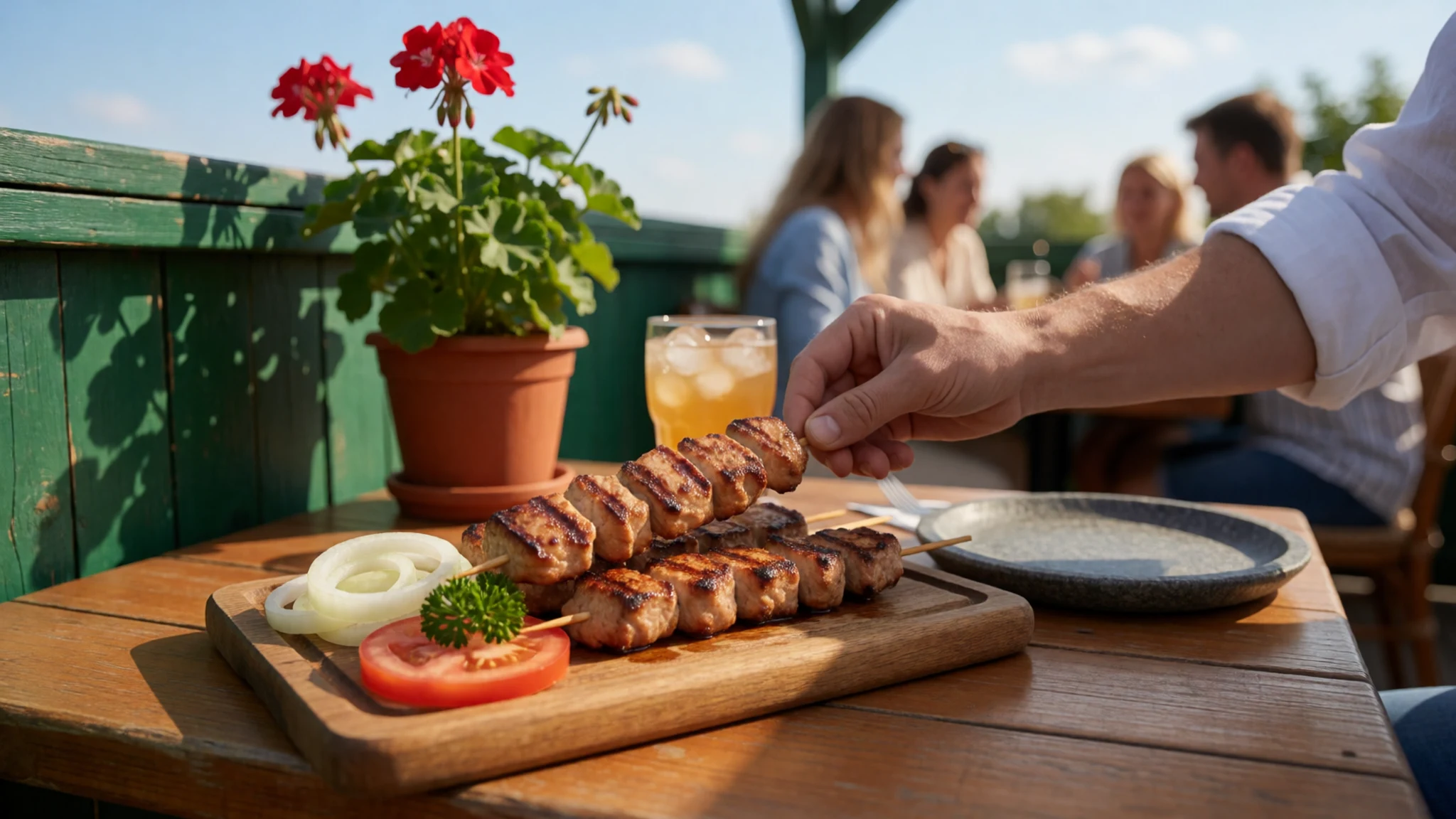
- Pizza — City-centre streets and shopping areas
Pizza is easy to fit into a sightseeing day, especially for groups who want something familiar. You’ll find it on central high streets and near transport routes, good for an early dinner without a long wait.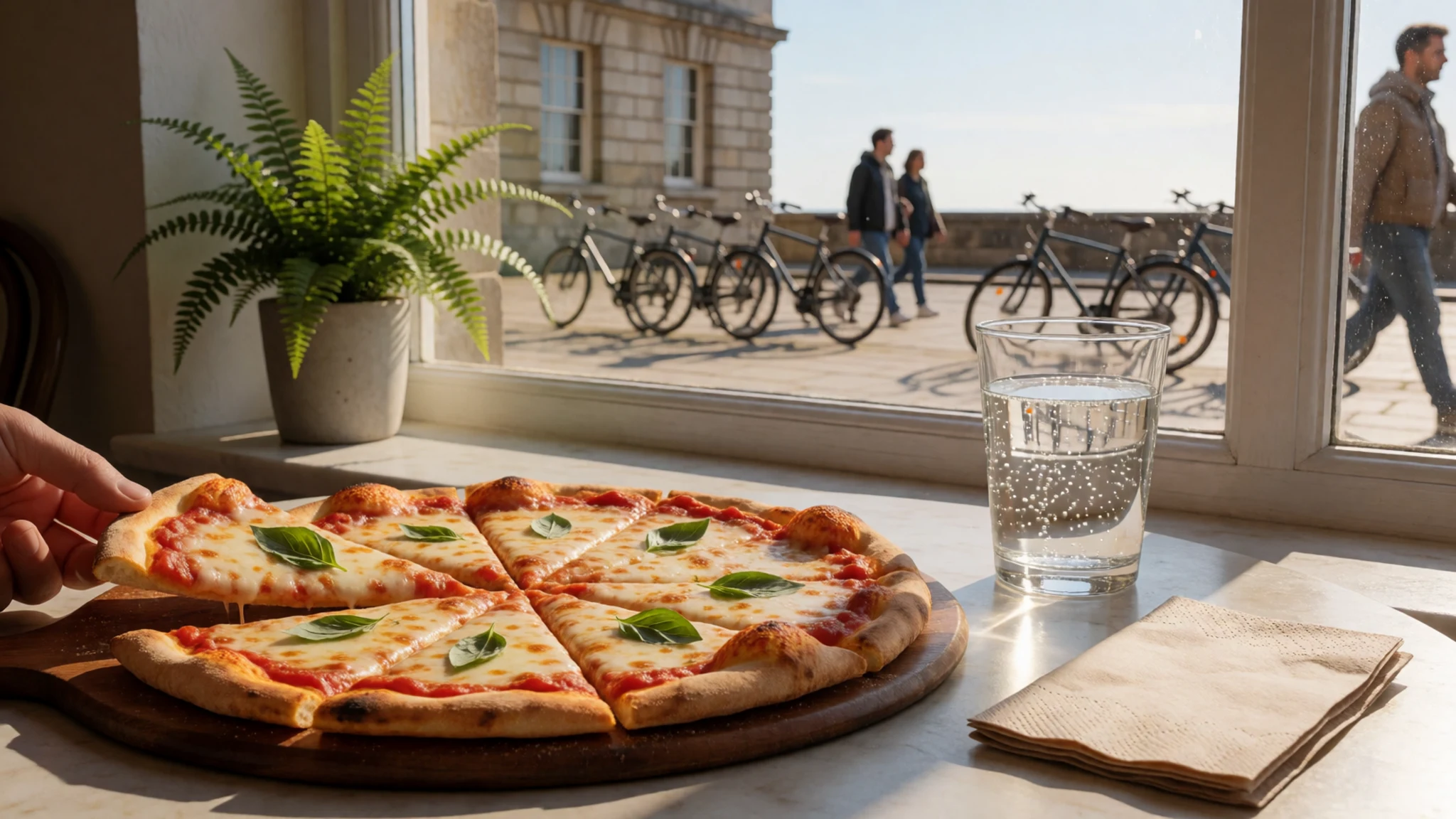
- Craft beer and ribs (pub evenings) — Pub spots around the Vinnytsia city centre
For an evening stop, go for a pub-style meal built around ribs and local craft beer. It’s a relaxed option when the museums close and you still want somewhere casual to sit with a drink. - Family-friendly fast food — Central-city areas where chain eateries operate
For a quick reset, fast-food outlets with predictable menus can be convenient between walking blocks. They’re also useful if you want Wi‑Fi and a simple place to eat without committing to a longer restaurant meal. - Cafés and casual sit-down restaurants — Neighbourhood streets across the centre
Vinnytsia also has everyday restaurants where you can order a mix of local and international dishes. It’s a good strategy: pick a place near where you are, then keep moving.
Plan it
Best time. April for mild days and comfortable walking; late October–November for autumn light—while keeping an eye on rain and early dark evenings.
How long. 3–4
Getting there. Use the nearest practical rail or road connection into western/central Ukraine, then continue by local train or bus to Vinnytsia’s centre. If flying, check current service routes and airport status before booking.
Budget. mid
Tips
- Start church and monastery visits earlier in the day to avoid crowds and harsh midday light
- Plan at least one museum slot so a changeable weather day doesn’t break the trip
- Keep a buffer for longer walks between central streets and cultural venues
- Carry some cash for smaller purchases and places that may not be card-first
Etiquette
- Remove hats indoors if a church requires it, and be quiet near prayer areas
- Dress modestly at churches and avoid very revealing clothing
- Ask before photographing people in religious settings
Nearby
Sources
- Wikidata Q157144 (CC0)
- Wikipedia (rev 1382086768) (CC BY-SA 4.0)
- Wikivoyage (rev 5421516) (CC BY-SA 4.0)
- Photo photos/01-old-tower-night-winter-2011-g1.jpg (CC BY-SA 4.0)
- Photo photos/02-p1730263.jpg (CC BY-SA 4.0)
- Photo photos/03-p1120184.jpg (CC BY-SA 4.0)
- Photo photos/04-4.jpg (CC BY-SA 4.0)
- Photo photos/05-p1100782.jpg (CC BY-SA 4.0)
- Photo photos/06-p-20190713-183412.jpg (CC BY-SA 4.0)
- Photo photos/07-p1100746.jpg (CC BY-SA 4.0)
- Photo photos/08-vinnytsia-1910s.jpg (Public domain)


