Kamianets-Podilskyi Castle
Kamianets-Podilskyi Castle, Ukraine
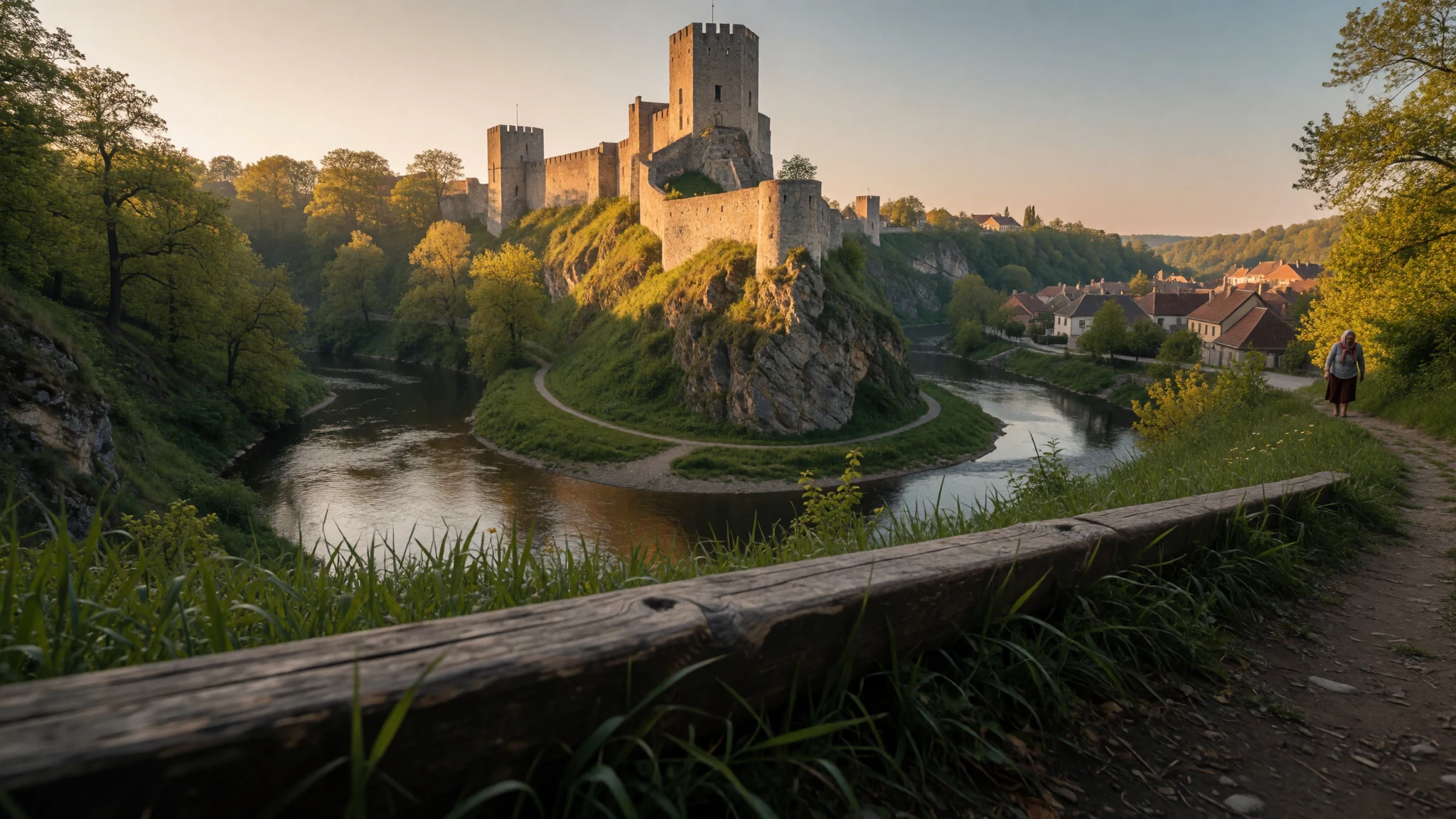
Kamianets-Podilskyi Castle is a layered stone fortress on a river-wrapped rock, where Lithuanian, Polish and Ukrainian history can be read in the towers.
The place
Kamianets-Podilskyi Castle stands in western Ukraine, in the historic region of Podilia, on a rocky peninsula almost wrapped by the Smotrych River. The river has cut a deep, winding gorge, and the old town sits inside its loop, so water does much of the work that walls would otherwise do. Only one approach from the mainland needed guarding, which explains why the first defences here were meant to cover the bridge. The name comes from a Slavic root meaning stone, and the grey towers rising straight out of the cliffs make that easy to believe.
What survives is not one castle but a layered complex. Casimir IV strengthened the town walls, Sigismund I and later Stephen Báthory reworked the older castle, and the newer castle was begun under Sigismund III and Władysław IV. Each ruler left a different hand in the stonework, which is why the outline looks so uneven and so interesting from the far side of the gorge.
The reason so many rulers rebuilt it is geography. Podilia lay on a crossroads of trade and military routes, so whoever held the castle was a target, and whoever took it remade it to suit their own needs. Today it is a museum site with towers, courtyards and ramparts to walk, and the cobbled old town below is a pleasant place to spend an evening. Expect school groups and weekend visitors in summer. For current opening arrangements, the official site is niazkamenec.org.ua.
Its story
Kamianets-Podilskyi Castle has a start date that historians still argue about. The traditional account places its founding in the second half of the 14th century, when much of western Rus' belonged to the Grand Duchy of Lithuania. A document issued by Prince Yuriy Koriatovych in 1374 supports this, since it describes the town receiving Magdeburg rights within the castle itself. Excavations in the 1960s complicated the picture by suggesting that people were building on the rock as early as the late 12th or early 13th century. Evidence also shows that an earlier earthen fort of the Kievan Rus' period existed nearby, though not on the spot where the stone castle now stands.
By the early 15th century the castle was old-fashioned but still too useful to abandon, because it guarded the town and the trade routes passing through it. Spytek of Melsztyn, a Polish magnate who served as voivode of Kraków, set about modernising it. The existing towers were repaired and ten new ones were added, giving the fortress much of the silhouette it still has.
Later Polish kings kept expanding it. Casimir IV strengthened the town defences, Sigismund I and Stephen Báthory rebuilt the old castle, and Sigismund III and Władysław IV founded the newer castle beside it. Because the region sat on a strategic crossroads, the fortress was repeatedly contested, and each owner adapted it to their own needs. The result is a mixed architectural record rather than a single clean design, and reading it tower by tower is half the pleasure of a visit.
What to see
- The fortress complex — Old Town peninsula
Kamianets-Podilskyi Castle is best taken slowly: walk the courtyards, climb onto the ramparts and look down at the Smotrych gorge. The Wikivoyage listing calls it the town's major attraction, and it spans several centuries of building. Allow a half day, and check the official site for current access.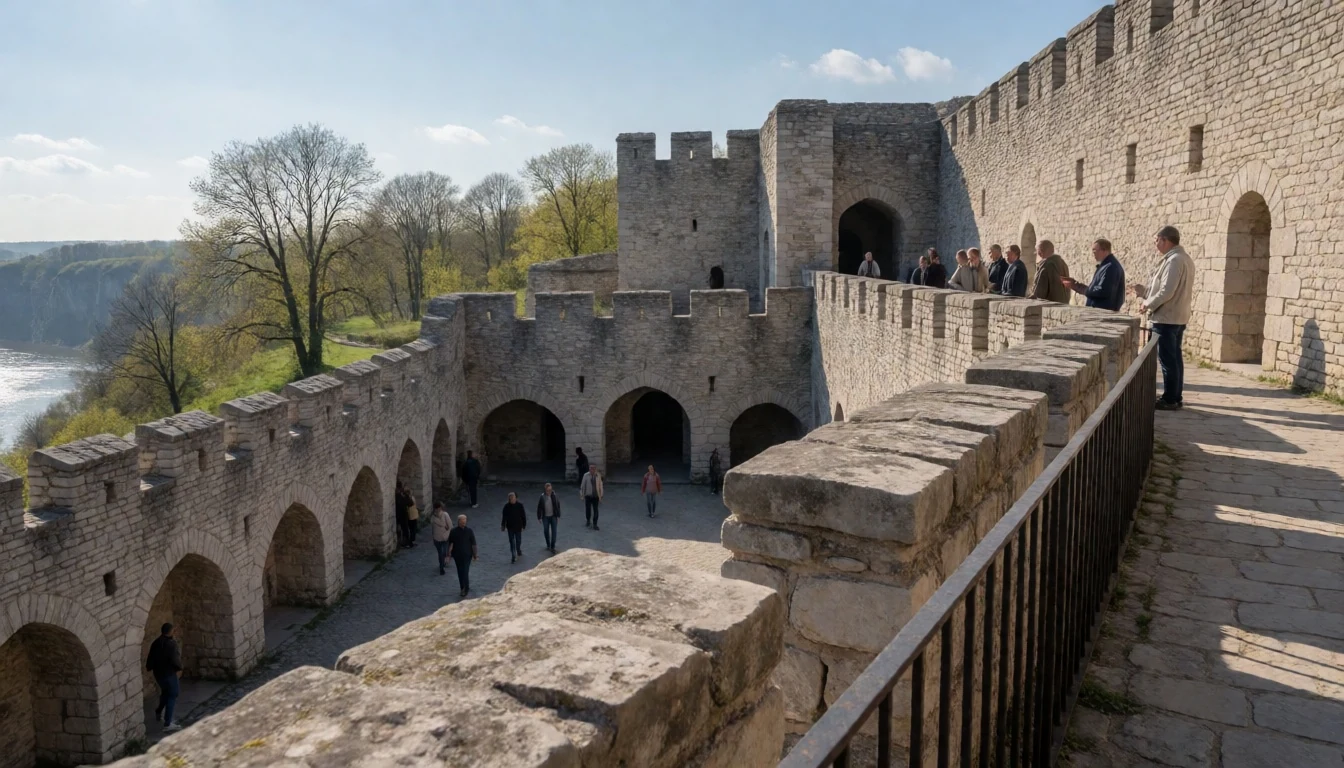
- Tenchynska Tower — Castle walls
This round tower has narrow loopholes for defenders and a solid, no-nonsense profile. It is a good place to understand how the castle was meant to work in practice, with thick walls, limited openings and a clear view of anyone approaching along the gorge.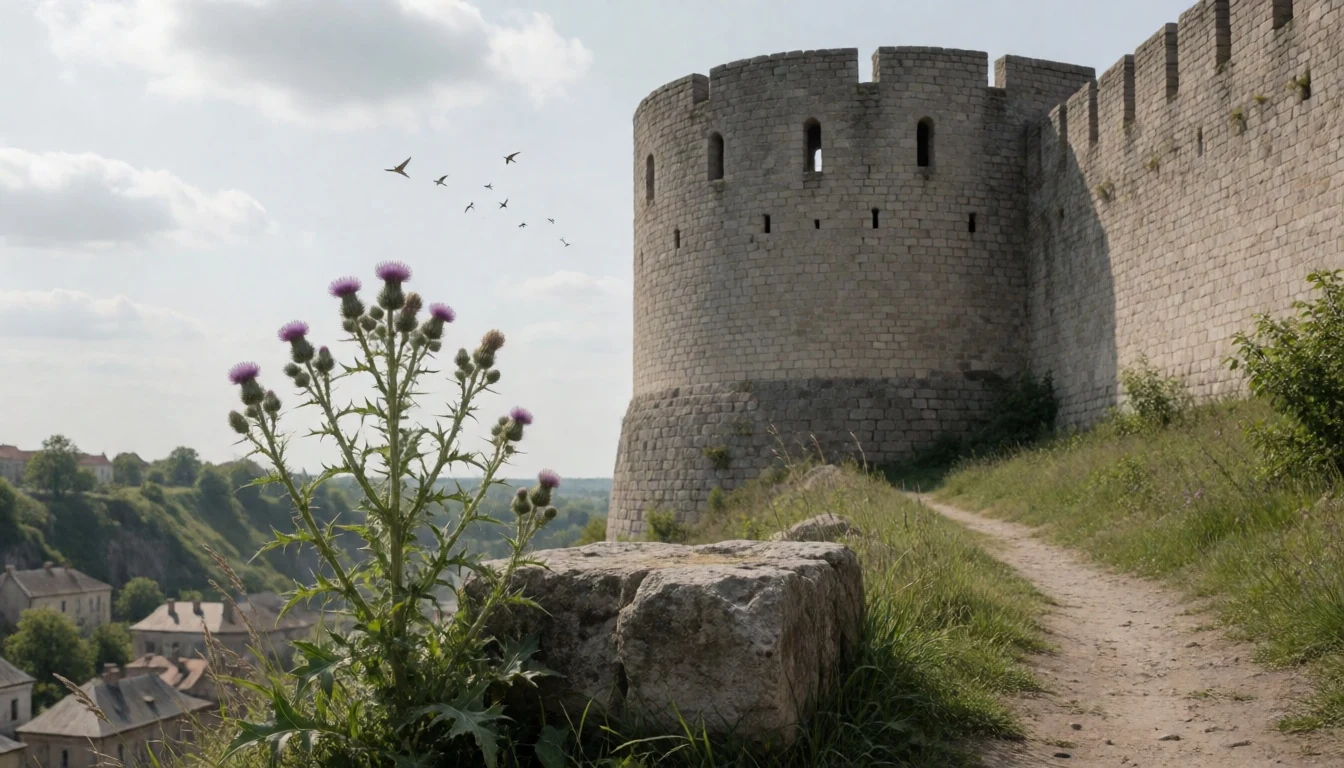
- Papal Tower — South-east corner of the castle
The Papal Tower guards the south-eastern corner of the castle, standing on rock above the cottages of the Karvasary suburb. The contrast between tall medieval masonry and ordinary houses below shows how closely the fortress and the living town have always sat together.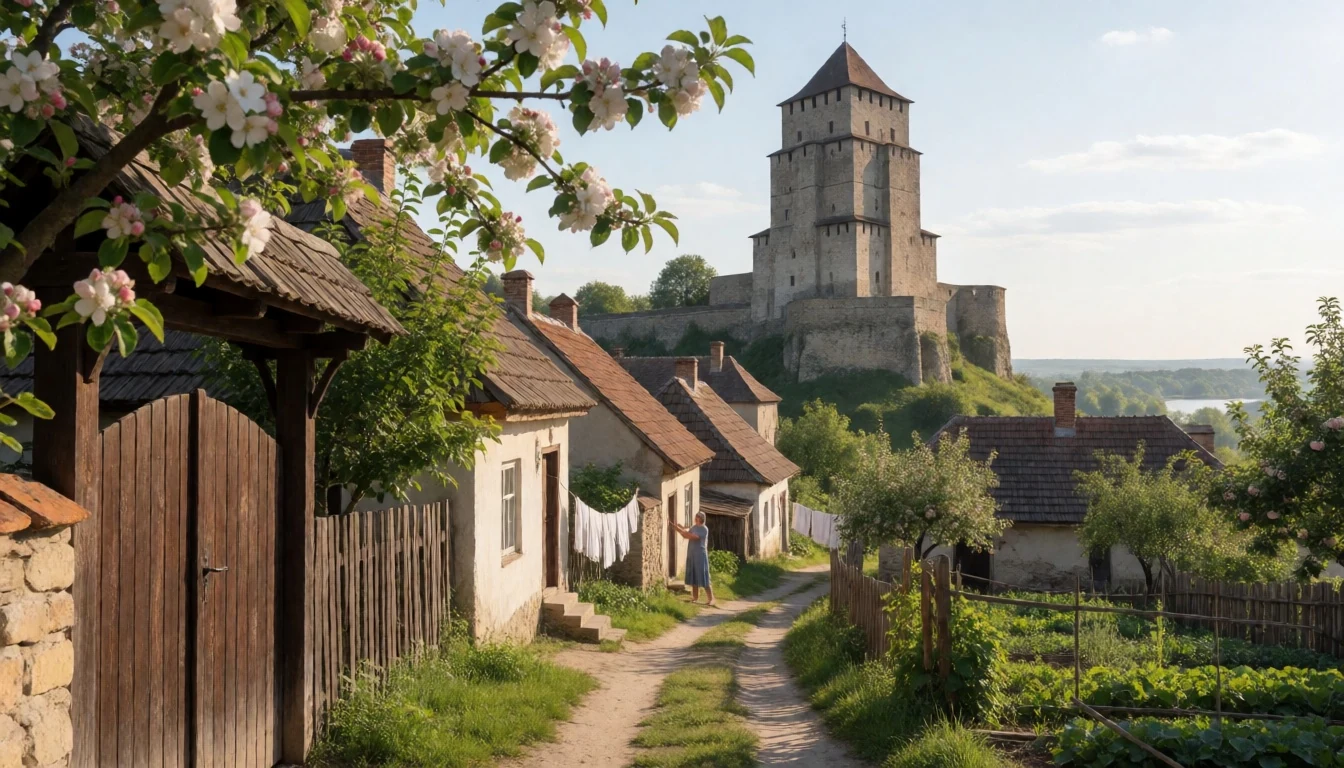
- Kovpak Tower — Western side of the castle
Kovpak Tower is similar in character to Tenchynska and stands on the opposite side of the complex. Visiting both gives a feel for how the defensive circuit was repeated around the rock, and the walk between them offers some of the better views across the river.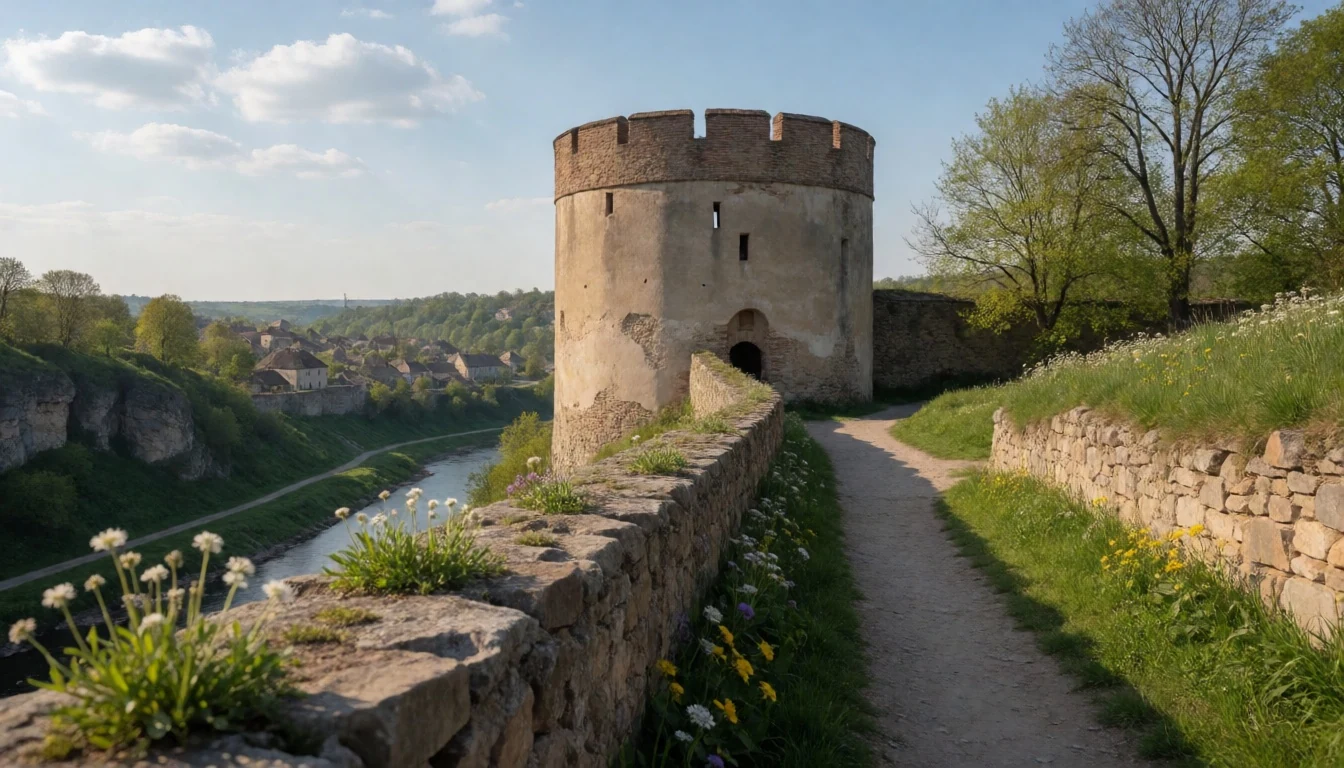
- Former Town Hall — Old Town centre
The former Town Hall, known in Polish as the Magistrat, dates from the later medieval and early modern town. It sits in the old centre and gives a civic counterpart to the military castle, a reminder that Magdeburg rights made this a self-governing trading town as well as a fortress.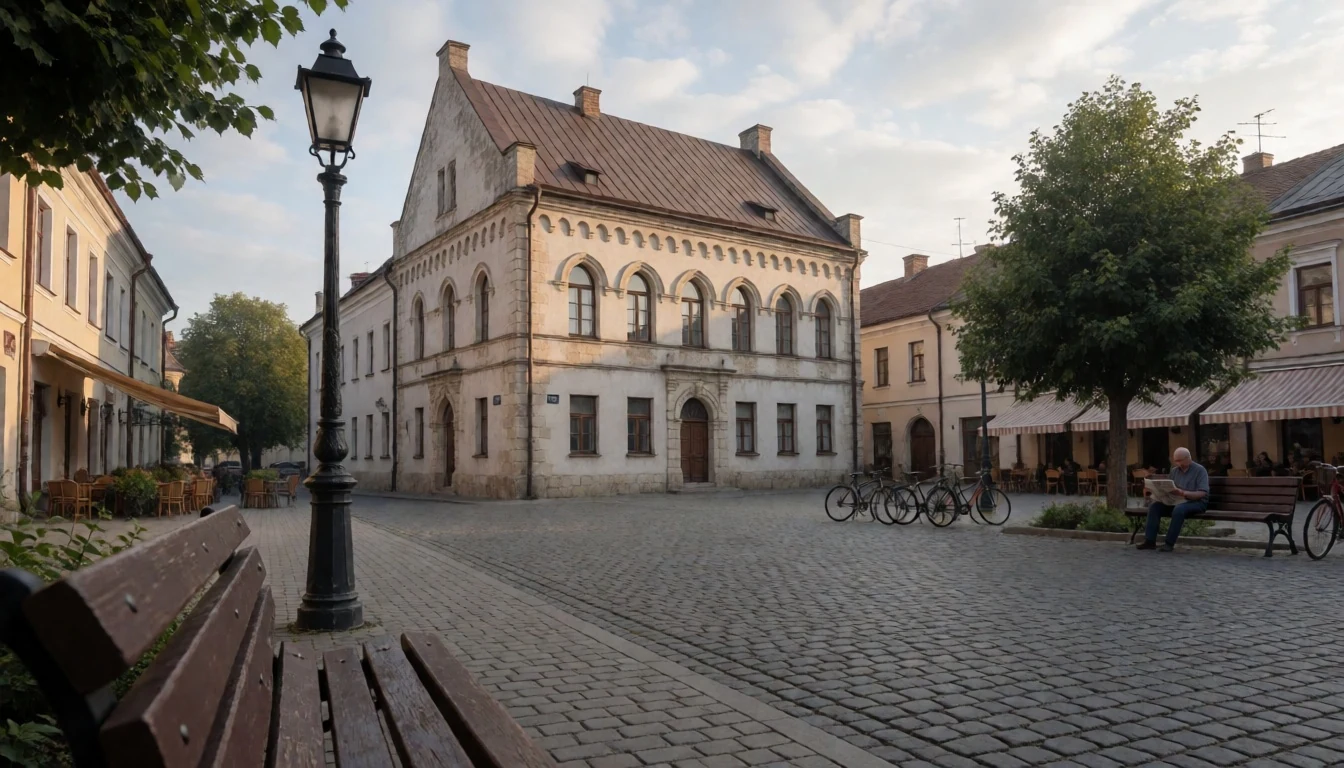
Culture
Kamianets-Podilskyi Castle sits in a town where Ukrainian, Polish and Lithuanian histories overlap, and local people are quietly proud of that mix. Podilia changed hands many times, and the town's Roman Catholic church, its old civic buildings and its Ukrainian cultural life all sit within a short walk of each other. Visitors who show interest in that layered story tend to get a warm reception.
Hospitality here is generous. A meal is rarely rushed, guests are pressed to eat more, and a toast usually comes with a few words of goodwill. Ukrainian is the language to use for greetings, and even a hesitant dobryi den (good day) is appreciated. Since Ukraine's recent history has been painful, many locals are glad to talk about their country, but it is polite to let them raise difficult subjects first.
The castle is both a museum and a symbol of local identity, so it is treated with some reverence by school groups and families. Churches in the town are in active use, with candles, icons and services that go on regardless of tourists. Photographing the towers is fine, but photographing people, especially worshippers, calls for a quick request first.
Greet people in Ukrainian rather than Russian, and cover your shoulders and knees if you step into one of the town's working churches.
What to wear
Traditional dress in Podilia and across Ukraine centres on the vyshyvanka, an embroidered shirt made from linen, cotton or hemp. Embroidery in red and black thread, or sometimes in many colours, runs along the collar, cuffs and chest, and patterns differ from region to region. Women have also worn wrapped skirts, aprons and floral headwreaths, while men wore wide trousers and sashes. This dress appears at weddings, folk festivals and national celebrations, and is often handed down within families.
Everyday clothing in Kamianets-Podilskyi is much like that of any central European town: jeans, jackets, trainers, and smart-casual outfits for evenings out. Many people choose a modest embroidered blouse or shirt for holidays or special occasions, and plenty of younger locals mix a vyshyvanka with ordinary clothes as a quiet statement of identity.
For visitors, comfort matters more than style. The castle and old town are built on stone, cobbles and steep slopes, so sturdy shoes with good grip are essential, especially after rain. The gorge can be windy, so bring a light layer even in summer, and a proper coat, hat and gloves in winter, when Podilia is cold. A sun hat and water help in hot spells. Cover shoulders and knees for church visits, and carry a scarf if it is easier for women to cover their heads. Nobody expects visitors to wear traditional dress, though an embroidered shirt bought locally makes a thoughtful souvenir.
What to eat
- Varenyky — Ukrainian cafés in the city centre, such as Dikanka
Boiled dumplings stuffed with potato, cabbage, cheese, cherries or meat, served with sour cream or fried onions. Wikivoyage notes a café in the centre with about 35 fillings, so a casual Ukrainian café in the old town is the obvious place to start.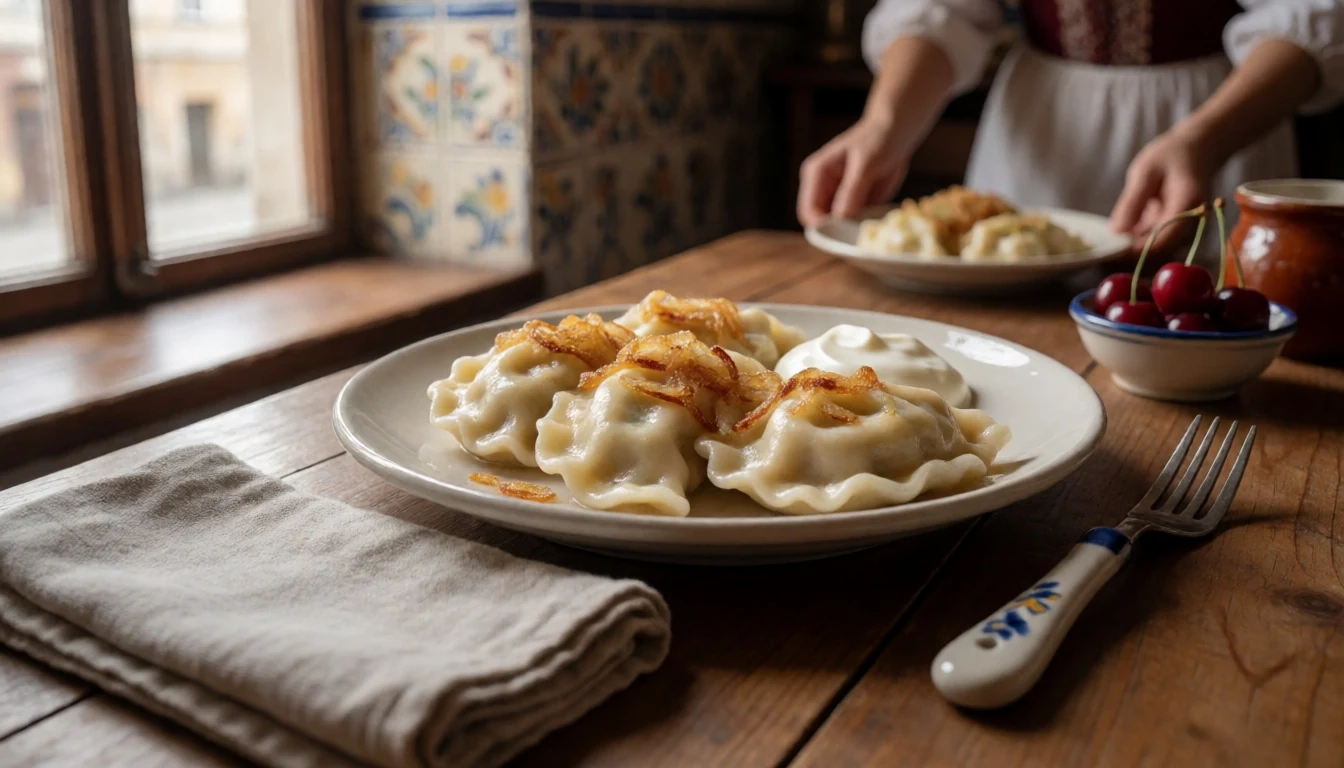
- Borshch — Traditional restaurants and canteen-style eateries across the town
A beetroot soup that is sometimes sour, sometimes sweet, and often thick with cabbage, potato and meat. It arrives with a spoonful of sour cream and dark bread or garlic rolls. Recipes vary between households, so trying it in several places is rewarding.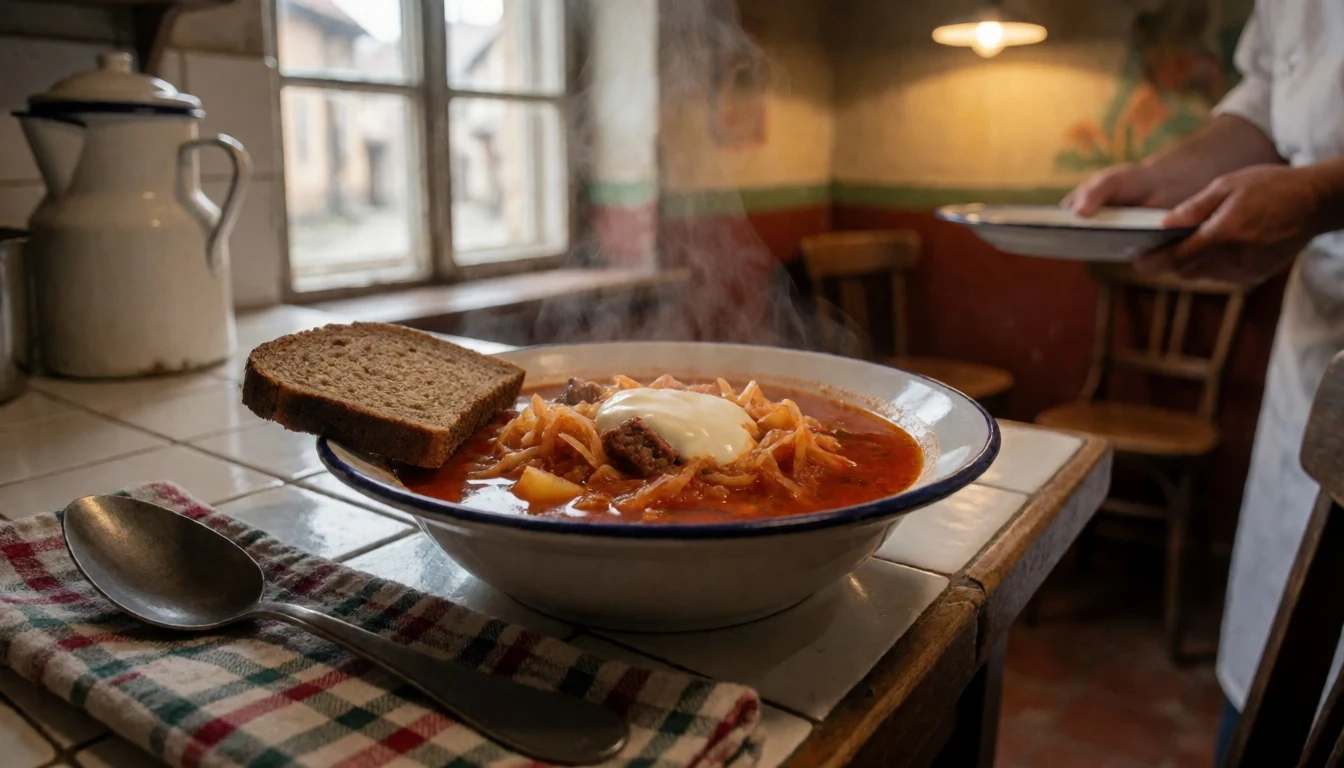
- Deruny — Ukrainian cafés and home-style eateries in the Old Town
Potato pancakes grated from raw potato and onion, fried until crisp at the edges and soft in the middle. They are usually served hot with sour cream, mushrooms or meat sauce, and make a filling, inexpensive lunch after climbing around the castle. - Holubtsi — Restaurants with traditional Ukrainian menus near the Old Town
Cabbage rolls stuffed with rice and minced meat, or sometimes buckwheat and mushrooms, then stewed in a tomato or sour cream sauce. They are comforting on a cold day and are a standard main dish in family-style restaurants. - Salo with rye bread — Restaurants with medieval or folk-themed interiors, and local food markets
Cured pork fat, thinly sliced and eaten on dark rye with garlic and pickles, often alongside a small glass of horilka. It sounds unusual to visitors, but it is a classic Ukrainian starter and worth one cautious try.
Plan it
Best time. May–June and September, when the weather is mild and the riverside greenery is at its best. July and August can be warm, while winters in Podilia are cold and the stone paths can be slippery.
How long. 1–2
Getting there. Kamianets-Podilskyi is linked by road and rail to nearby cities such as Chernivtsi and Khmelnytskyi, with bus services as well. The last leg is a short walk or taxi ride into the Old Town. Check current transport status and official travel advice before planning any journey.
Budget. mid
Tips
- Check current travel advice from your government, such as the UK FCDO or India's Ministry of External Affairs, before booking anything
- Confirm castle opening arrangements on the official site, niazkamenec.org.ua, close to your visit
- Start early to enjoy the ramparts with fewer groups and softer light
- Carry some cash as well as a card, since small cafés and market stalls may prefer it
- Wear shoes with good grip, as the cobbles and stone steps get slippery after rain
Etiquette
- Greet people in Ukrainian and avoid raising the war unless local people start the conversation
- Ask permission before photographing people, especially worshippers in churches
- Cover shoulders and knees when entering working churches
Nearby
Sources
- Wikidata Q2375603 (CC0)
- Wikipedia: Kamianets-Podilskyi Castle (rev 1383466597) (CC BY-SA 4.0)
- Wikivoyage: Kamianets-Podilskyi (rev 5406200) (CC BY-SA 4.0)
- Photo 01: Grzegorz Gołębiowski, Zamek w Kamieńcu Podolskim 2019 (CC BY-SA 4.0)
- Photo 02: Moahim, Fortress of Kamianets-Podilskyi (CC BY-SA 4.0)
- Photo 03: Nicolas de Fer, Kamianets-Podilskyi map 1691 (Public domain)
- Photo 04: Napoleon Orda, old lithograph of the castle (Public domain)
- Photo 05: Daniel Baránek, Kamjanec Podilskij, hrad, nádvoří (CC BY 3.0)
- Photo 06: Narking, Kamianets-Podilskyi Castle 2007 (CC BY 3.0)
- Photo 07: Daniel Baránek, Kamjanec Podilskij, hrad, celek (CC BY 3.0)
- Photo 08: Dima Sergiyenko (DiscoverWithDima), Tenchynska Tower (CC BY-SA 4.0)


