Livadia Palace
Livadia Palace, Ukraine
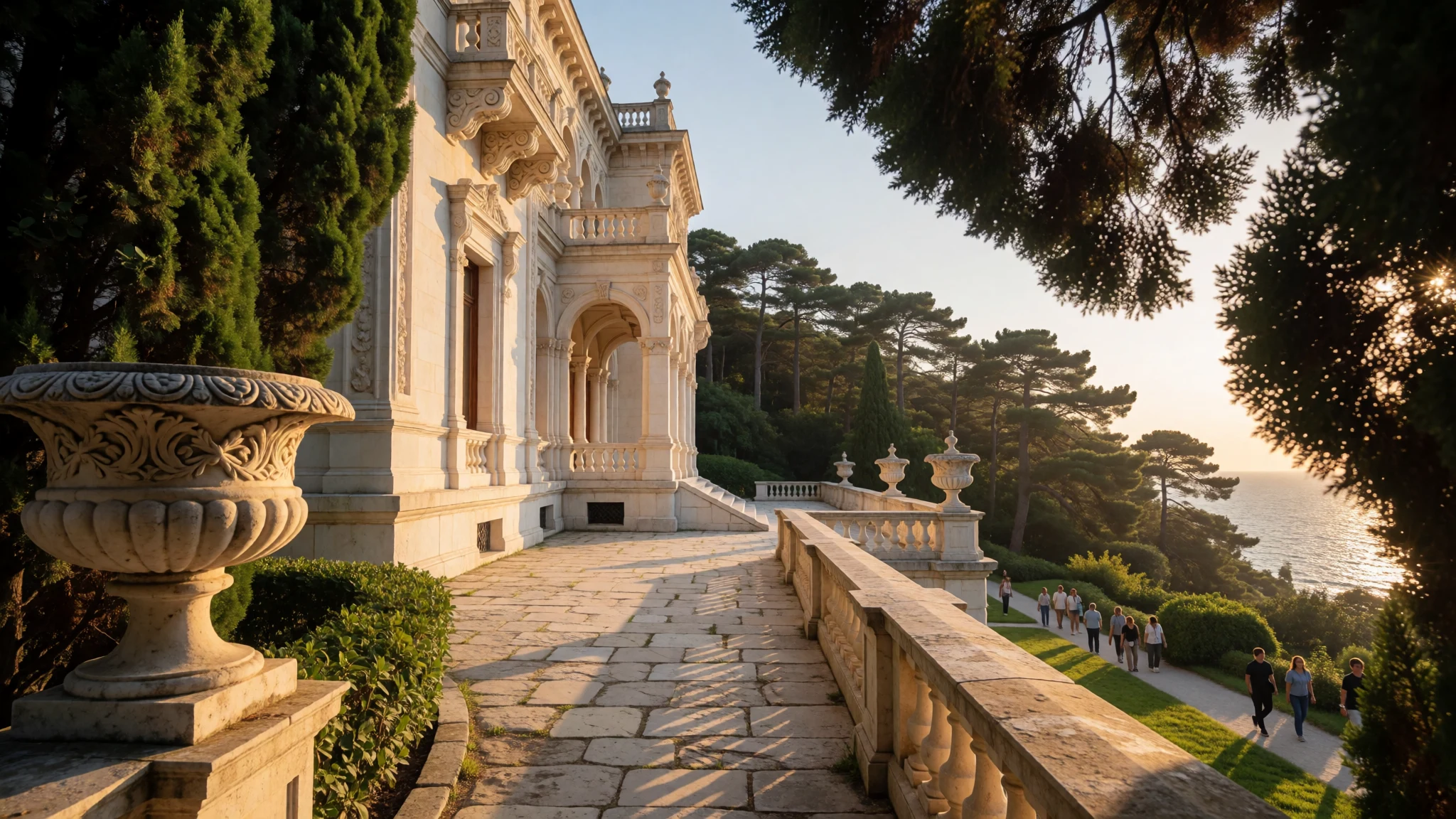
Livadia Palace is where a tsar's last summer home became the lodging for Roosevelt's team at Yalta, though visiting it today is complicated.
The place
Livadia Palace stands in the village of Livadiya on the south coast of Crimea, a short run from Yalta, on a wooded slope facing the Black Sea. Wikidata gives 1910 as its founding date. It began as a summer retreat for Nicholas II and his family and is now a museum, occasionally borrowed for official summits. Two stories bring most people here: the late-imperial one, and the Yalta Conference of 1945, when the American delegation lodged in this palace while the Soviet and British parties stayed in other palaces about eight kilometres away. The building is pale and varied, and each of its four façades was designed to look different, so a walk round it feels like meeting four separate houses. Inside are reception rooms, an inner courtyard and a small chapel, with park and sea views outside. A plain note belongs here. Livadiya lies in Crimea, which Russia has controlled since annexing it from Ukraine, and Ukraine and most of the world's governments still treat it as Ukrainian territory. The museum operates under Russian administration. That affects who can realistically visit, what the displays emphasise and which language appears on the signs. The palace is Ливадийский дворец in Russian and Лівадійський палац in Ukrainian. It rewards people interested in the last years of the Russian empire, the settlement that closed the Second World War, or early twentieth-century architecture, and it is best approached with some reading done beforehand.
Its story
Livadia Palace grew out of an estate once granted to Lambros Katsonis and later held by the Potocki family, before the Russian imperial family adopted it as a summer home in the 1860s. The architect Ippolito Monighetti built them a large palace, a smaller one and a church. Alexander II came often. His son Alexander III stayed in the small palace and died there, which is why Nicholas II, when he chose to replace the main house, kept that little building standing. It was destroyed later, during the Second World War. For the new palace the family turned to the Yalta architect Nikolay Krasnov around 1909. The tsar's diary shows the design was discussed at length within the family, and the decision that every façade should differ came out of those discussions. The palace was inaugurated on 11 September 1911. Within a few years the world around it had collapsed. After the revolution of 1917, the Dowager Empress Maria Feodorovna fled to Livadia with other relatives and was taken off by the British ship HMS Marlborough, sent by her nephew George V. The Soviet state nationalised the palace and turned it into a sanatorium for workers, a use that continued, under changing names and medical aims, until the war. Occupation and damage were followed by restoration and a return to sanatorium life. In 1945 the palace housed the American delegation to the Yalta Conference. Parts of it opened to visitors in 1974, and it has been a museum ever since.
What to see
- The four façades — Livadiya, main palace
Krasnov gave each side of Livadia Palace a different character, so the building changes as you circle it, from a tower and arches to calmer, flatter walls. Walk the full outside before going in. The pale stone looks best in morning or late-afternoon light, when the shadows pick out the carving.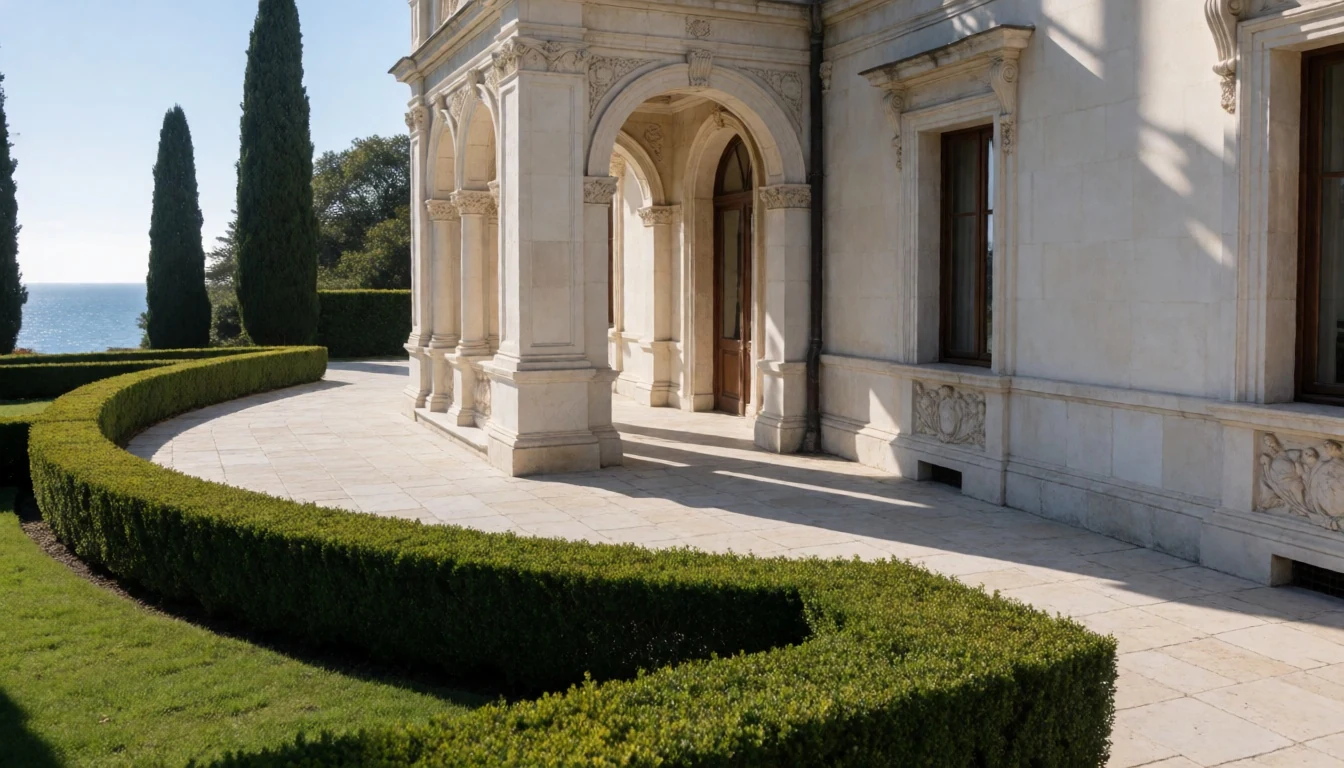
- The inner courtyard — Livadiya, inside the palace
An enclosed courtyard sits at the centre of the palace, with arcades and carved details that feel more Mediterranean than Russian. It is a quiet pause between rooms and a good place to understand how the four differing façades fit around a single plan. Photographs rarely capture its proportions.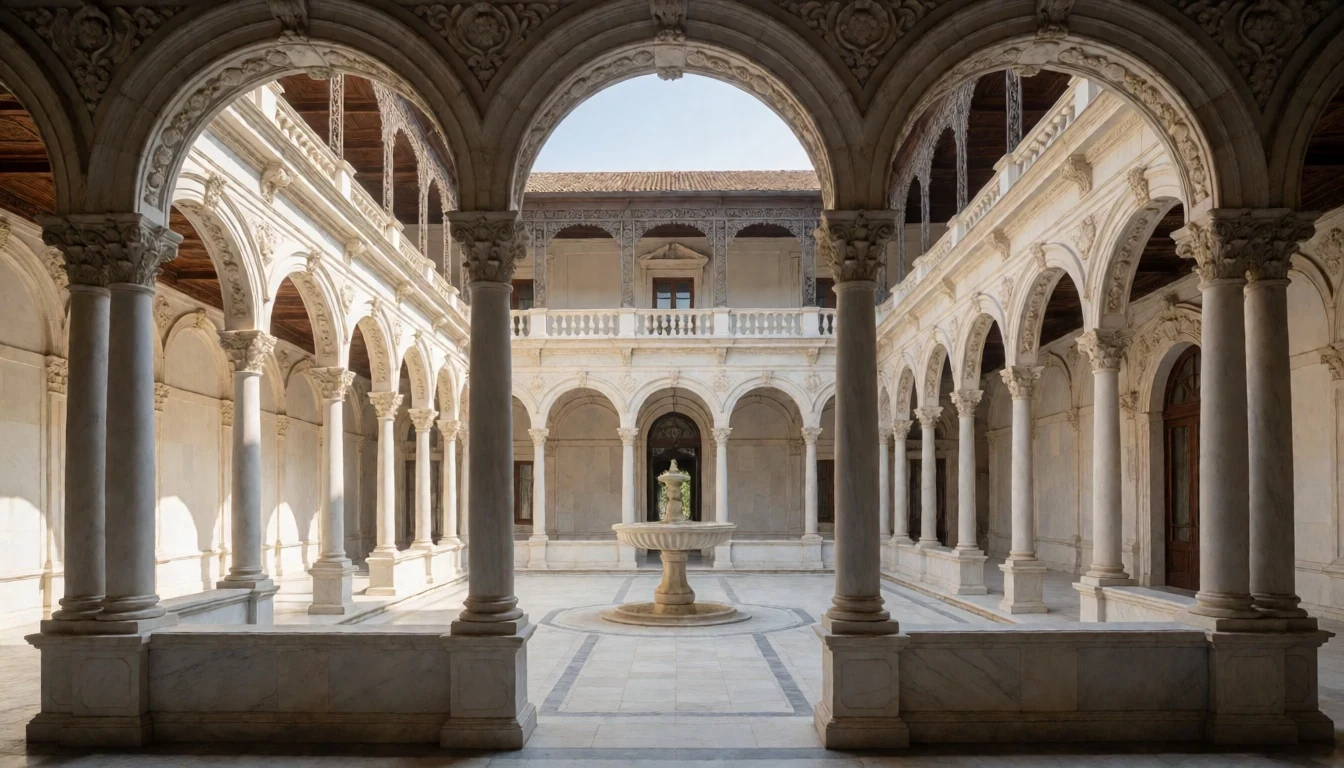
- The palace chapel — Livadiya, beside the palace
A small church stands next to the palace, a reminder that the imperial family worshipped here as well as holidaying. The stonework is modest compared with the main building, and the setting among trees is peaceful. Services and visiting arrangements can change, so check what is open before planning around it.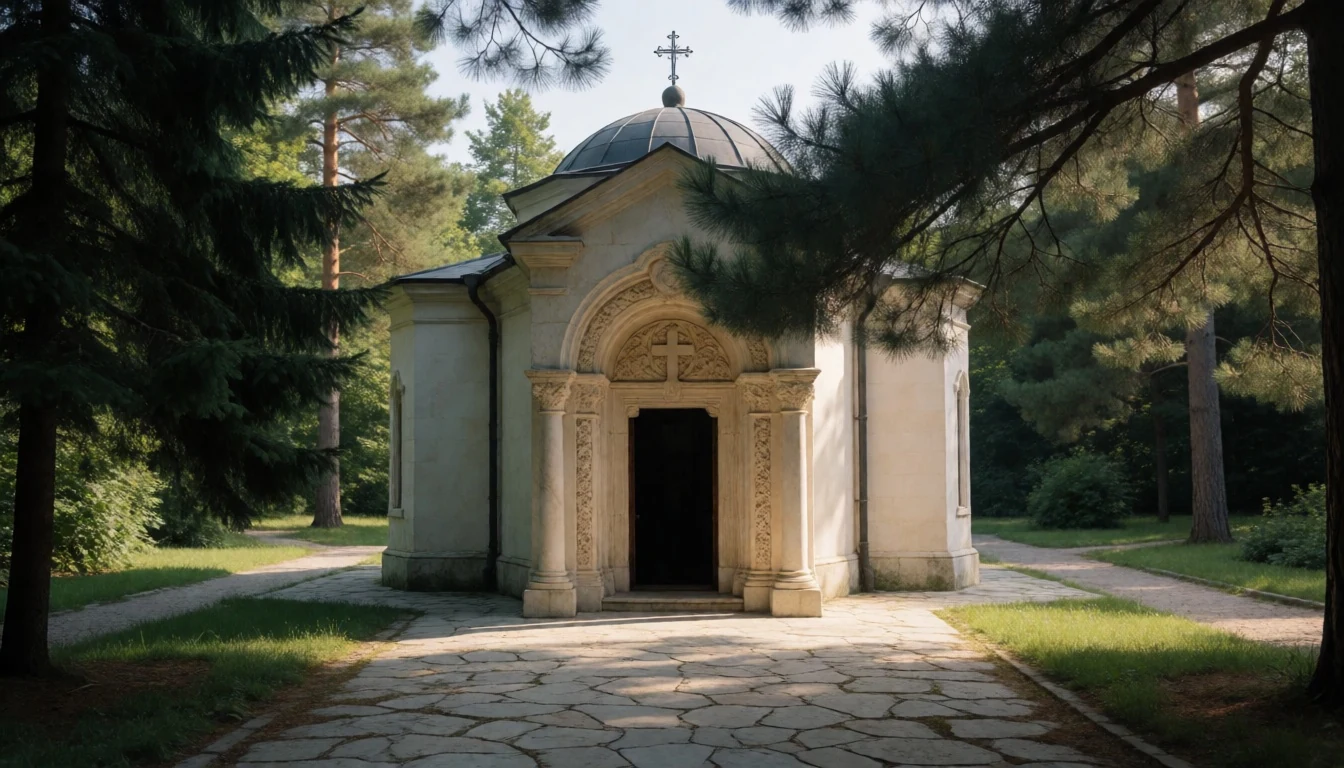
- The Yalta Conference rooms — Livadiya, ground-floor state rooms
The rooms where the American delegation was lodged and the 1945 talks are remembered tell the palace's best-known twentieth-century story. Displays and labelling vary over time and reflect the museum's present administration, so it helps to read an independent account of the conference beforehand and compare it with what is shown.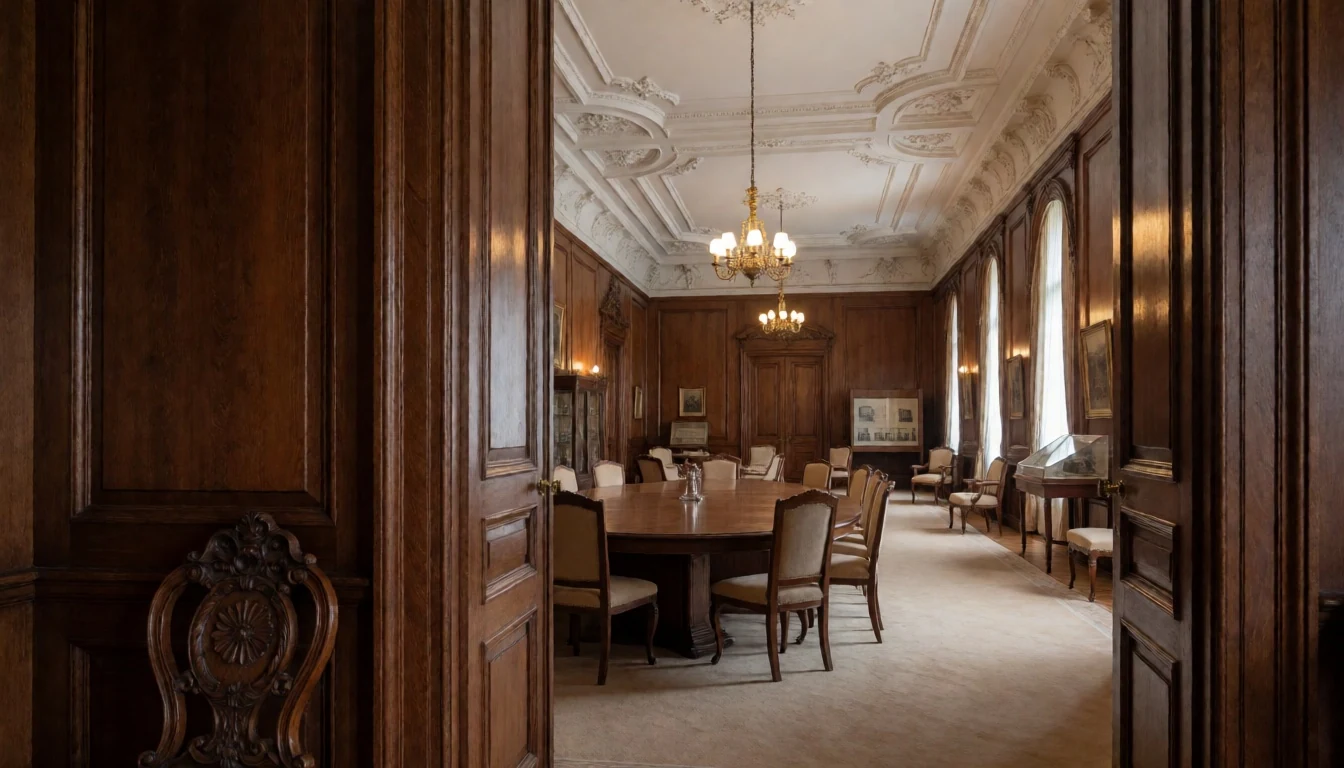
- The park and sea terraces — Livadiya, palace grounds
The grounds slope toward the Black Sea, with paths, mature trees and open views that explain why the imperial family chose this coast. Paths can be steep and warm in summer. An unhurried walk after the interiors works well, and it is the part of the visit with the most room to breathe.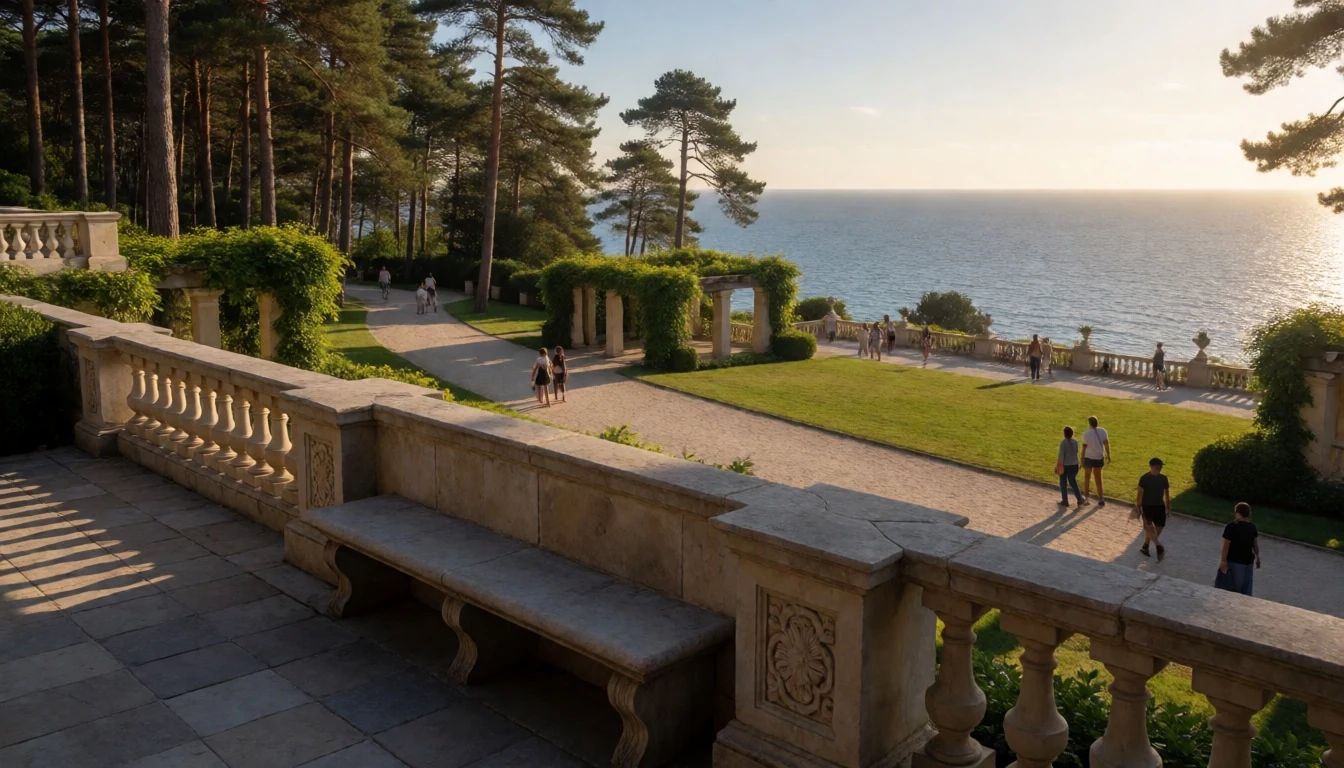
Culture
Livadia Palace sits in a place where several identities overlap, and a visit goes better with that in mind. Crimea is home to Crimean Tatars, the peninsula's indigenous people, who were deported under Stalin and began returning only decades later; their food, language and craft are part of daily life on this coast. The palace itself carries an imperial Russian layer, with its Orthodox chapel and tsarist rooms, a Soviet layer, when it served as a workers' sanatorium, and an international layer from the Yalta Conference. Each is told with a particular emphasis, and the museum's present presentation reflects the Russian administration that runs it. Many Ukrainians, and the governments that recognise Ukraine's borders, regard the occupation of Crimea as illegal, so the place is not neutral ground for everyone. Local people are generally courteous to visitors, and conversation about politics is best left to those who raise it first. Orthodox customs show in small ways: people cross themselves at the chapel, and candles and icons are treated with care. Summer crowds come in organised groups, and the seaside resort habit of long, late dinners shapes the evening rhythm in nearby Yalta. In the chapel, cover your shoulders and knees, keep your voice low, and ask before photographing anyone at prayer.
What to wear
Livadia Palace and its surroundings reflect several dress traditions. The Crimean Tatar costume is the oldest local one: women's festive outfits use velvet or silk, often with gold-thread embroidery and a decorated cap or headscarf, while men traditionally wore a long coat and a sheepskin hat. These pieces now appear mainly at festivals, weddings and cultural events rather than in daily life. The imperial court brought a different style, with military uniforms for men and long, light summer dresses in cotton and lace for the family at their seaside retreat. Today most people on the coast dress as in any Black Sea resort: shorts, sundresses, linen shirts and sandals in summer, and layered jackets in the cooler, damp months. Smart casual is normal for evenings. A visitor should plan for strong sun from late spring to early autumn, with a hat, sunglasses and light, breathable clothes. Comfortable closed shoes matter more than anything else, since the palace grounds and nearby paths are sloped and sometimes uneven, and the interiors involve a lot of standing. The chapel expects modest dress, so carry a scarf or light overshirt to cover shoulders, and wear something that covers the knees. Winter and early spring can be wet and chilly, so a waterproof jacket is worth packing.
What to eat
- Chebureki — street kiosks and casual cafés around Yalta
A large, thin, deep-fried turnover filled with seasoned minced meat and onion, with a blistered, crisp crust. It is the standard Crimean snack, often eaten standing up. Eat it hot, and wait a moment before the first bite, because the juices inside are scalding.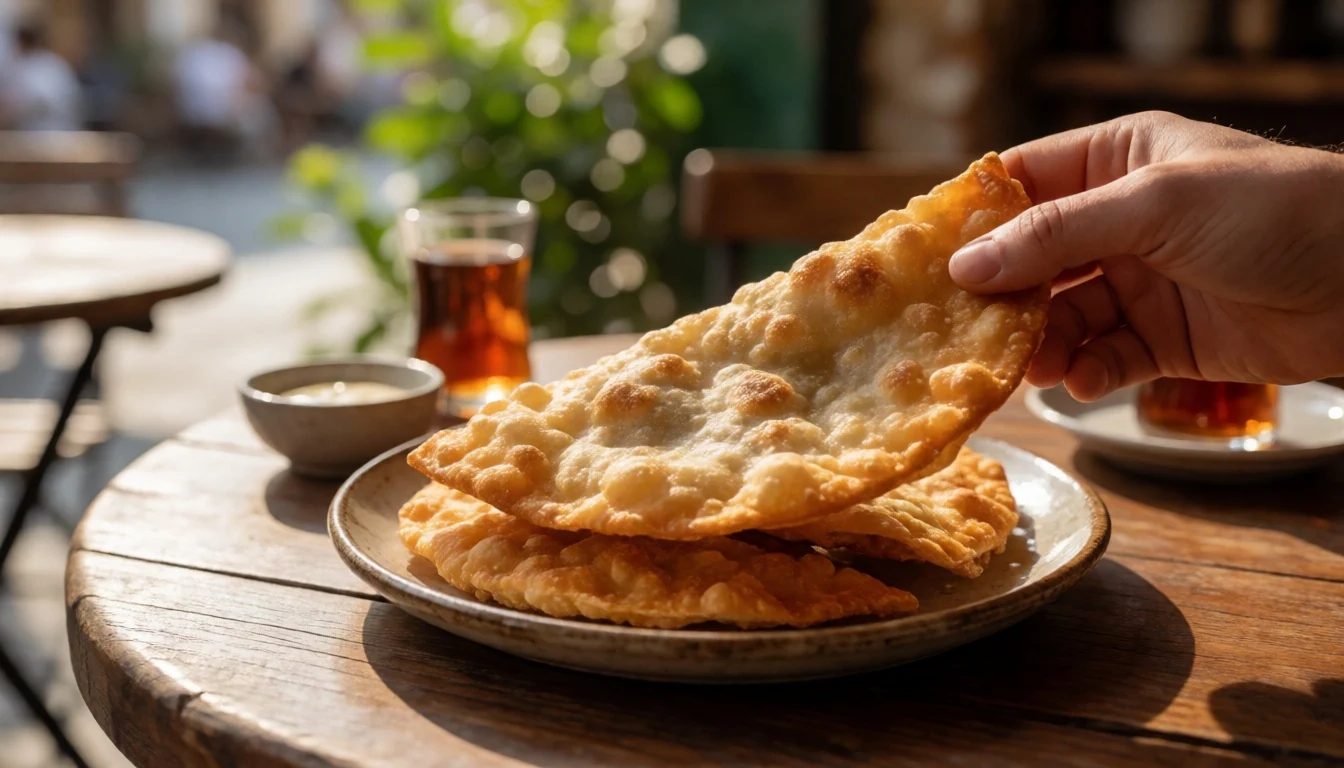
- Yantyk — Crimean Tatar eateries and bakeries
A baked pasty of meat and onion in thin dough, folded into a flat, crisp-edged parcel. It differs from chebureki in being baked rather than fried, and it tastes lighter. Look for it at places that advertise Crimean Tatar cooking.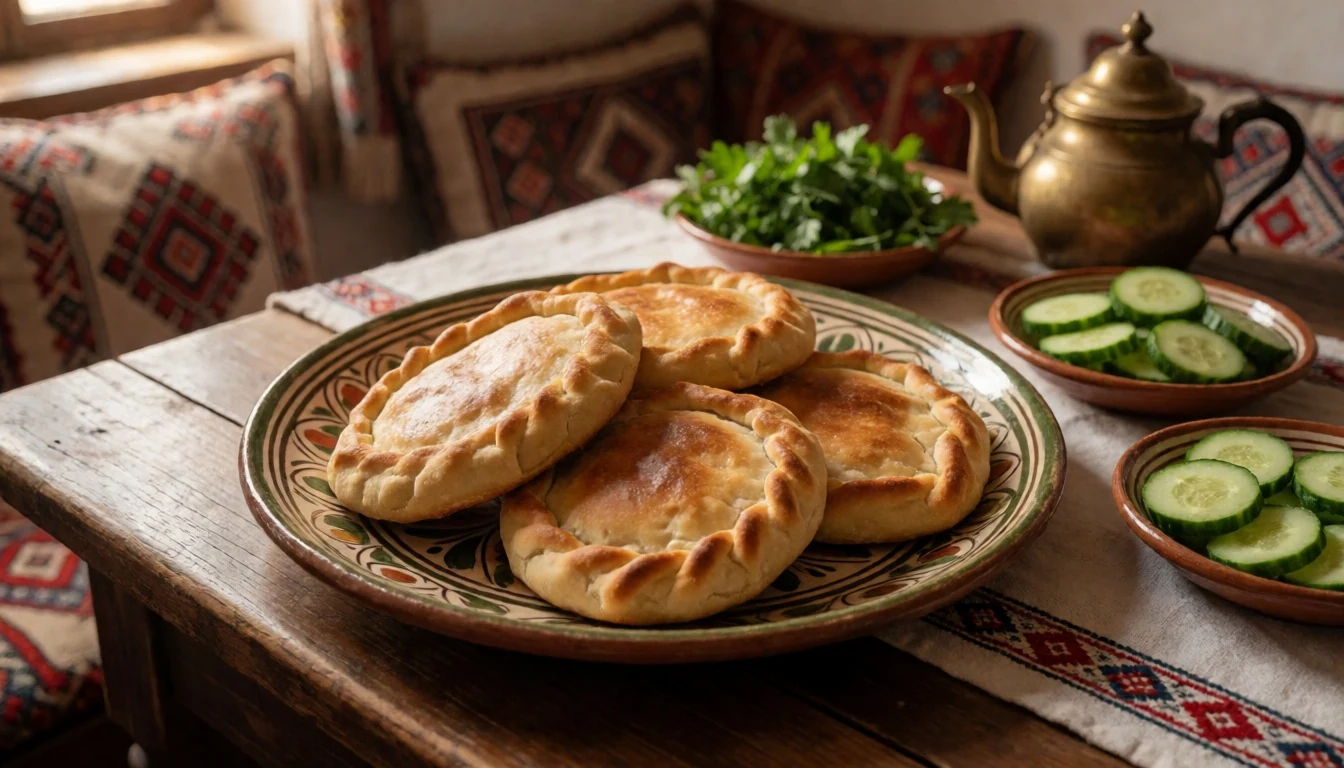
- Crimean Tatar plov — family-run Tatar restaurants
Rice cooked with lamb or mutton, carrots and spices, often with dried fruit. It is a rich, filling dish served for celebrations and Sunday meals. Portions tend to be generous, so it suits sharing between two. - Grilled Black Sea fish — seafront eateries along the Yalta embankment
Whole fish cooked over coals, usually served with lemon, bread and a simple salad. Ask what was caught locally and what has been brought in, since menus often mix the two. It makes an easy lunch after the palace and park. - Local wine tasting — tasting rooms and wine shops in and around Yalta
The south coast has a long winemaking tradition, and tasting rooms pour sweet and dry styles. Sweet fortified wines are the regional signature. Ask for a small pour of several rather than a full glass, and avoid drinking before climbing the park's slopes.
Plan it
Best time. May–June and September–October, when the south coast is warm but not oppressive and the park is pleasant to walk. July and August are hot and crowded, with the heaviest tour traffic around midday. Winter is mild but damp and grey, and some outdoor areas can feel bleak.
How long. 1
Getting there. Read current government travel advice before anything else: the UK and many other governments advise against travel to Crimea, Ukrainian law treats entry through Russian-controlled routes as illegal, and civilian flights to Simferopol have been suspended since 2022. The palace is in Livadiya, a short road journey along the coast from Yalta.
Budget. mid
Tips
- Check your government's travel advice and whether your insurance is valid before planning anything
- Go in the morning, as tour groups and heat both build by midday
- Wear comfortable closed shoes, since the park paths are sloped
- Check opening arrangements on the official site (http://ливадийский-дворец.рф/), which is run under Russian administration
- International bank cards generally do not work in Crimea because of sanctions, so carrying cash is a real concern
Etiquette
- Cover shoulders and knees in the chapel and keep your voice low
- Ask before photographing people, especially anyone at prayer
- Let local people raise politics before discussing it
Nearby
Sources
- Wikidata Q1055311 (CC0)
- Wikipedia: Livadia Palace (rev 1380933516) (CC BY-SA 4.0)
- Wikivoyage: Yalta (CC BY-SA 4.0)
- Photo: Livadia Palace Crimea.jpg (CC BY 3.0)
- Photo: Лівадія вул. Батурина, 44 (Derevyagin Igor) (CC BY 3.0)
- Photo: inner courtyard (Valyshka tyta) (CC BY-SA 4.0)
- Photo: The chapel at Livadiya Palace (KGGucwa) (CC BY 3.0)
- Photo: death of Alexander III (M. Zichy) (Public domain)
- Photo: Yalta Conference (Churchill, Roosevelt, Stalin) (Public domain)
- Photo: Лівадійський, м. Ялта (Wadco2) (CC BY-SA 4.0)
- Photo: Лівадійський палацовий комплекс (Neovitaha777) (CC BY-SA 4.0)


