Vienna
Vienna, Austria
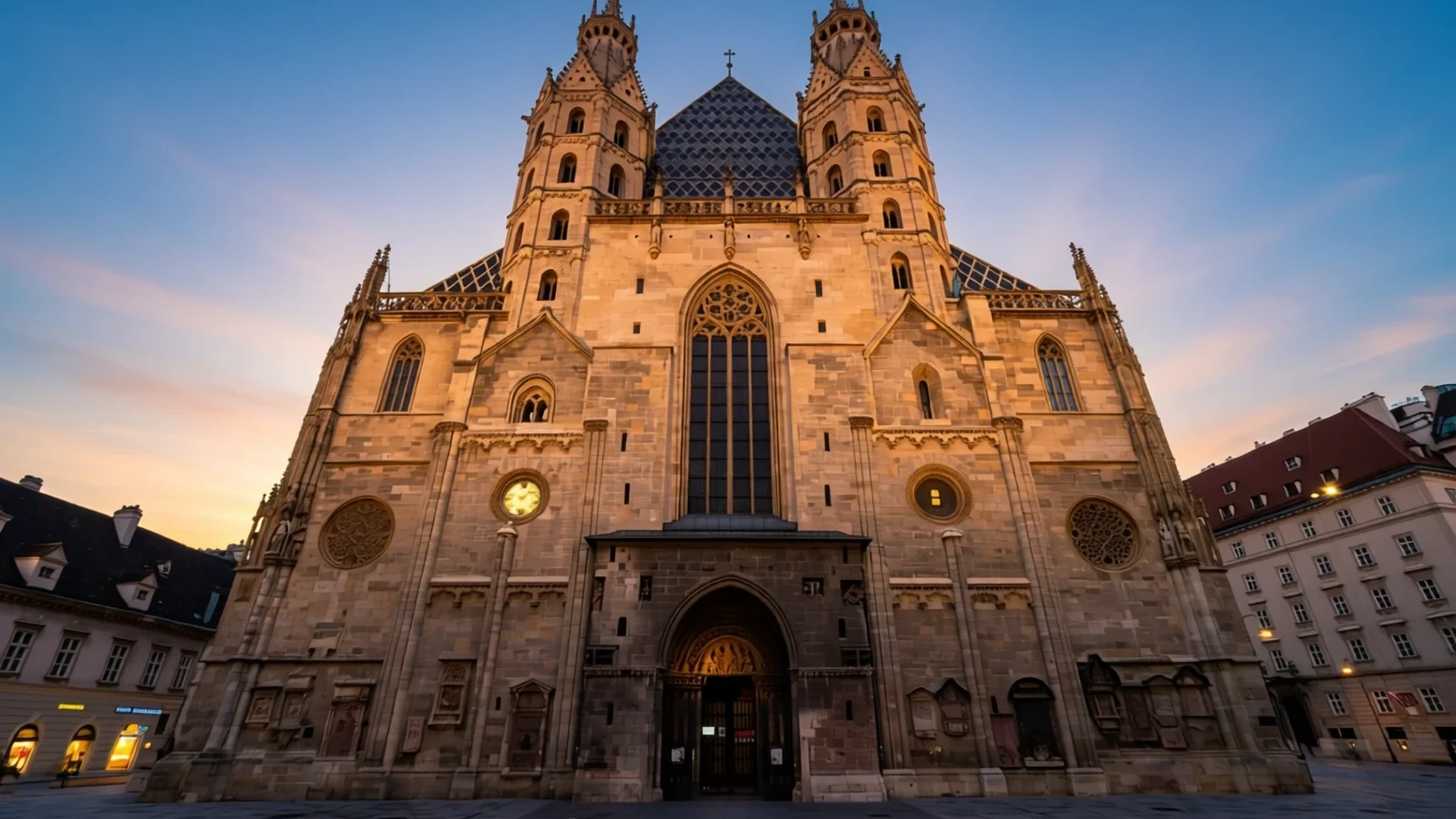
Vienna pairs imperial architecture and world-class classical music traditions with historic coffeehouse culture along the banks of the Danube.
The place
Vienna sits at the eastern edge of the Vienna Woods, spread across low plains where the Danube flows towards the Pannonian Basin. Positioned at an elevation of 151 metres, the Austrian capital serves as a bridge between central European mountain ranges and eastern plains. The city acts as Austria's primary urban hub, holding a population of over two million residents, which accounts for a substantial portion of the nation's total population.
The urban geography centres on the Innere Stadt, enclosed by the grand Ringstraße boulevard where medieval fortifications once stood. Beyond this historic core, district channels like the Wienfluss run through densely built residential neighbourhoods and leafy outskirts. Nearby borders bring Slovakia and Hungary within short travelling distance, shaping the city's strategic crossroad location.
Navigating Vienna reveals a clean, efficient metropolis with wide avenues, historic squares, and extensive municipal transport networks. Summer months bring warm to hot days with frequent showers that attract large international sightseeing crowds, particularly around the core imperial quarters. Winter transforms public squares into festive holiday markets, though frigid breezes sweeping down from surrounding slopes can make outdoor walking crisp. While daily expenses in central districts lean high, public parks and accessible riverbanks offer scenic, quiet space away from congested palace gates.
Its story
Vienna traces its urban history back to ancient settlements, with people living in the region since the Upper Palaeolithic, when the famous Venus of Willendorf figurine was made nearby. The location grew into strategic significance when Roman forces established the frontier garrison camp of Vindobona along the Danube riverbank. Built to protect trade and territorial boundaries, this legionary outpost featured civilian settlements, defensive walls, and paved roads connecting the outpost to broader imperial transport networks.
Following early turmoil and administrative transitions across central Europe, the settlement developed into a pivotal trading centre under medieval ducal dynasties. The city's geographic position along key riverways fostered rapid merchant expansion, encouraging the construction of defensive stone ramparts and majestic religious structures. Over subsequent centuries, the site evolved into the political seat of the ruling Habsburg empire, becoming a formidable seat of continental diplomacy and royal power.
During the nineteenth century, the city underwent dramatic architectural modernization. Urban planners dismantled ancient defensive fortifications, clearing ground for the construction of the circular Ringstraße. This ambitious expansion replaced old ramparts with grand civic halls, artistic institutions, national theatres, and expansive public gardens. Through periods of political restructuring and modern governance, the former imperial stronghold retained its prominent position, establishing itself as the modern federal capital of Austria and a cultural centre of international diplomacy.
What to see
- Stephansdom — Innere Stadt
Standing at the geographic centre of the old city, this Gothic cathedral features a distinctively tiled roof and towering spires. Visitors can climb the narrow stairs up the north tower for panoramic city views. The interior showcases vaulted ceilings, medieval stone carvings, and quiet subterranean catacombs.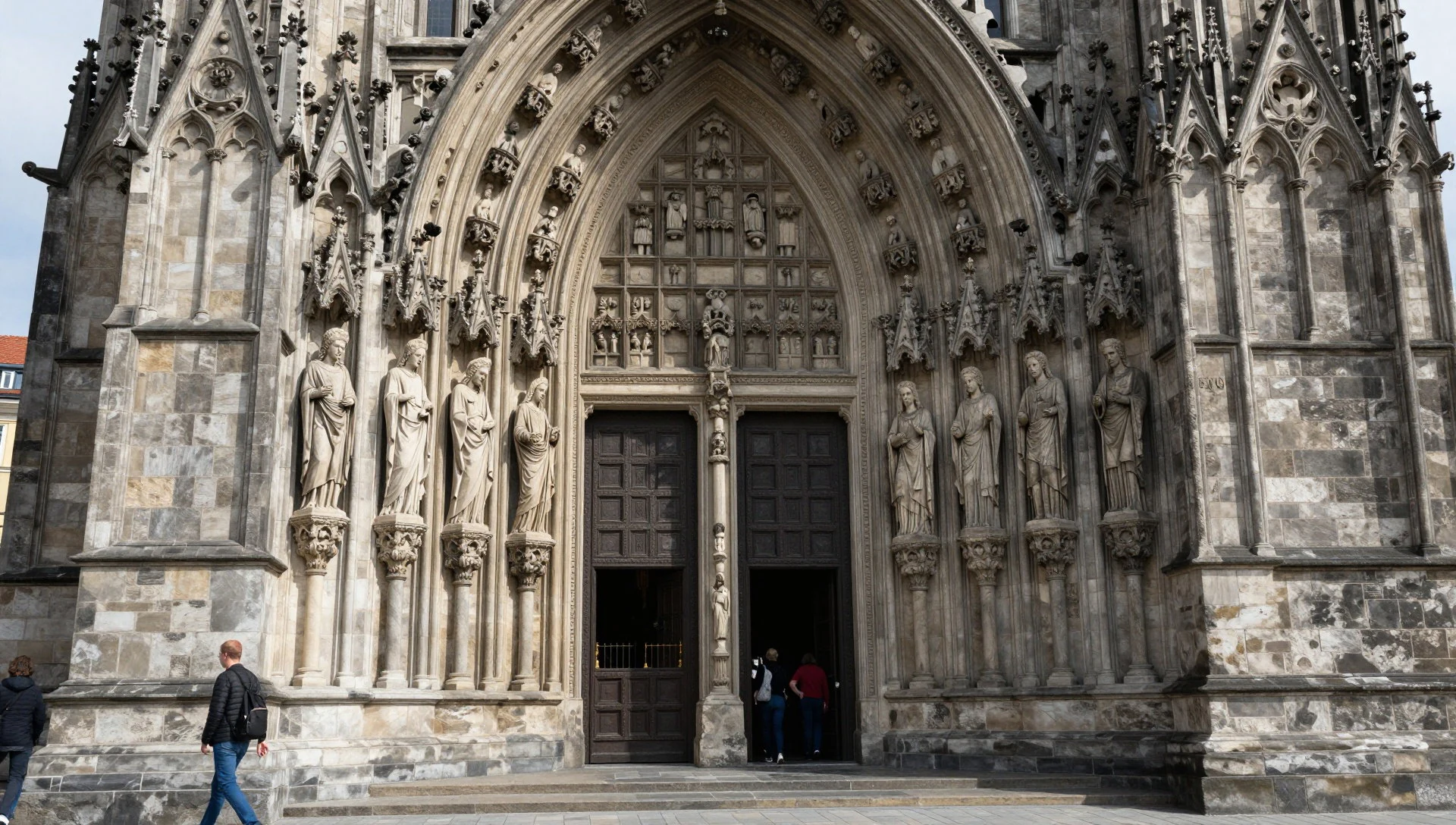
- The Ringstraße — Innere Stadt perimeter
This grand circular boulevard circles the historic central district along the line of former city walls. Constructed during the late nineteenth century, the avenue features monumental historicist public buildings including Parliament, City Hall, and major art museums, framed by manicured urban gardens and tree-lined walkways.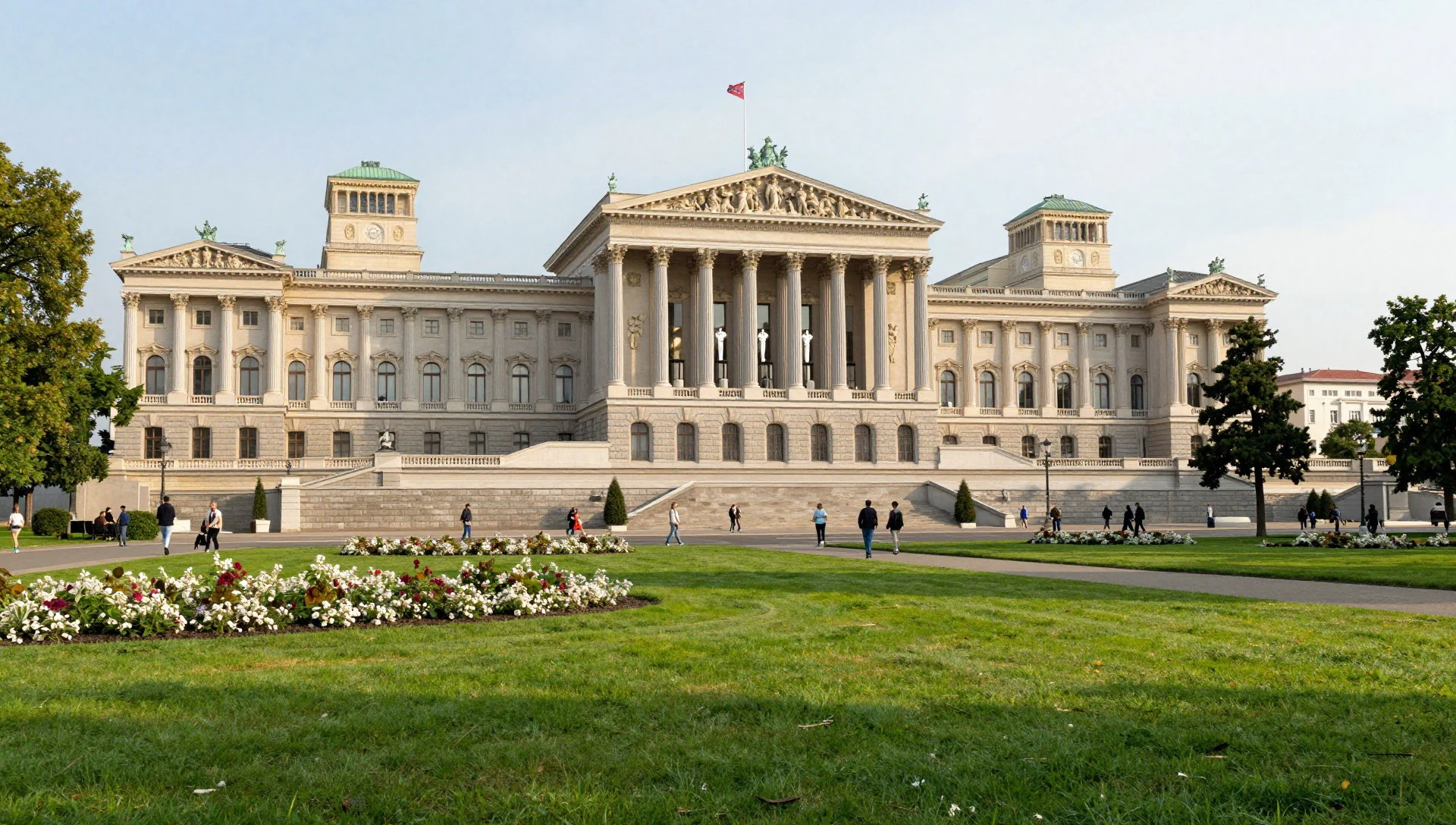
- Karlskirche — Karlsplatz
Located south of the historic centre, this Baroque church features a prominent green dome flanked by two relief-carved columns inspired by Roman monuments. The surrounding plaza offers quiet reflection pools, while inside, a high elevator whisks visitors up to examine ceiling frescoes up close.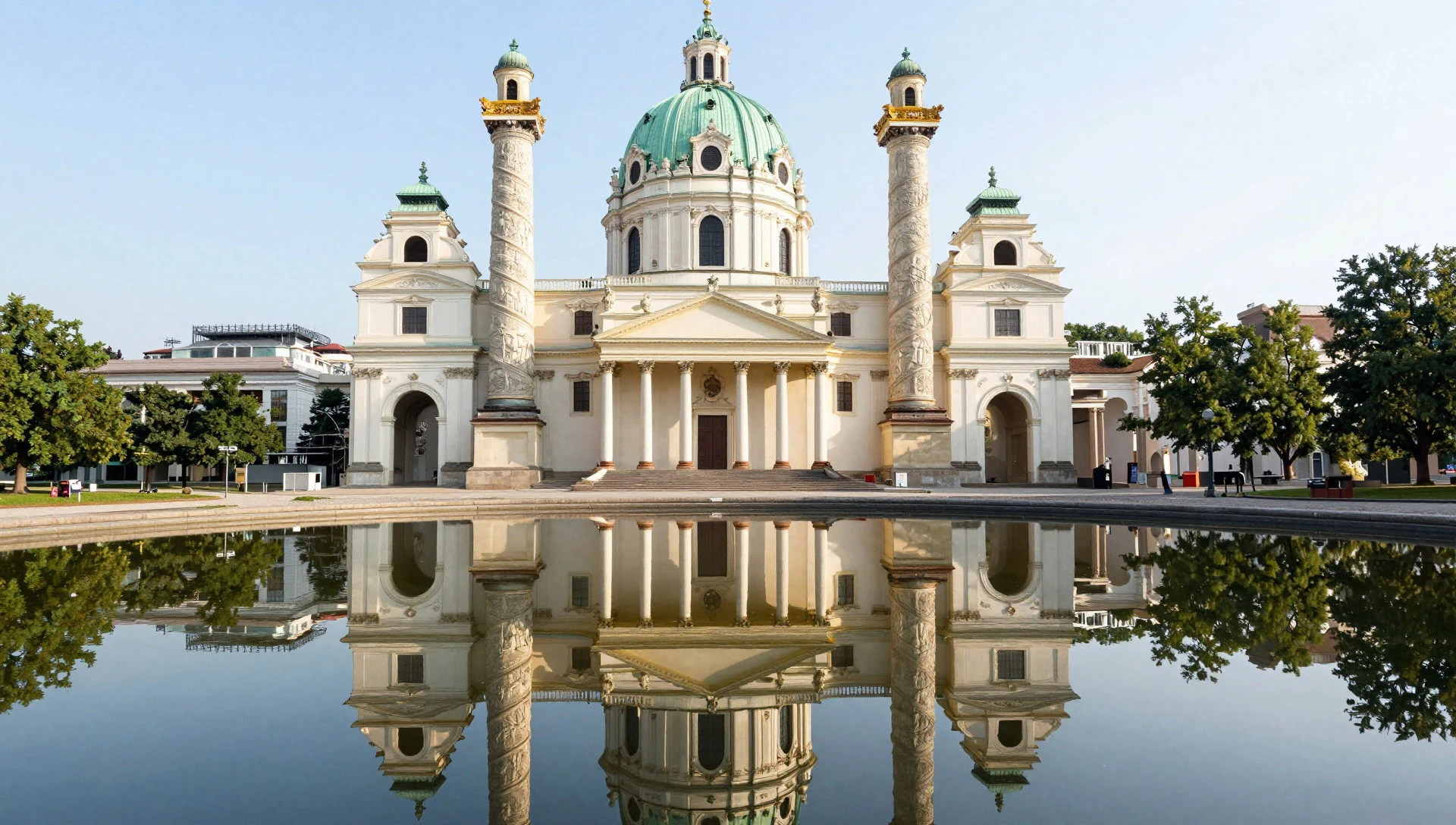
- Vienna State Opera — Innere Stadt
Positioned along the Ringstraße, this premier opera house represents one of the focal points of world classical music performance. The grand Neo-Renaissance structure hosts world-class opera and ballet productions throughout the main season, offering standing room tickets for travellers seeking accessible evening performances.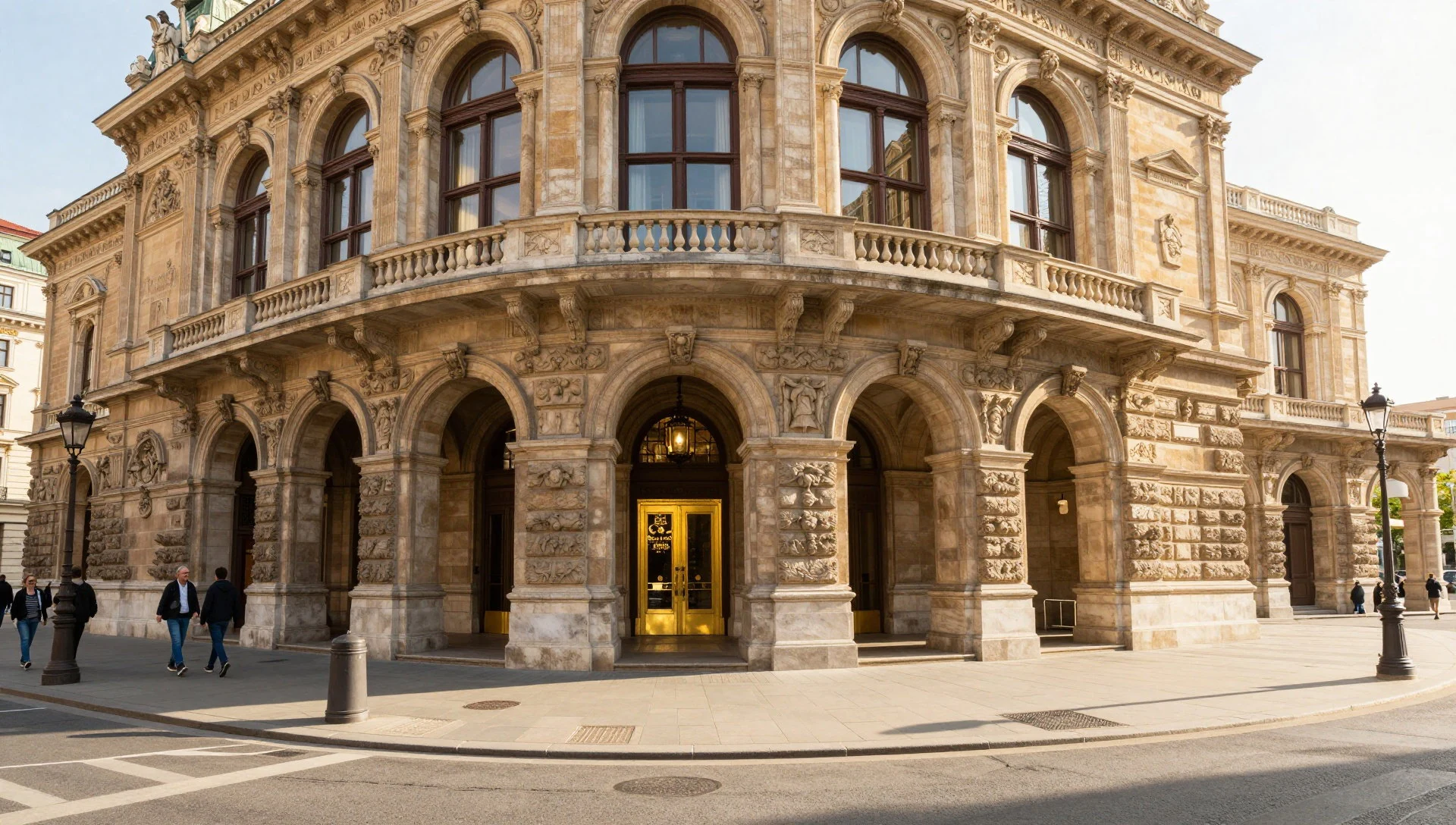
- Hofburg Palace — Innere Stadt
Serving as the winter seat of the former ruling Habsburg dynasty, this vast sprawling palace complex encompasses grand courtyards, national museum collections, and historic state apartments. The expansive estate now houses official government offices alongside public venues like the Spanish Riding School.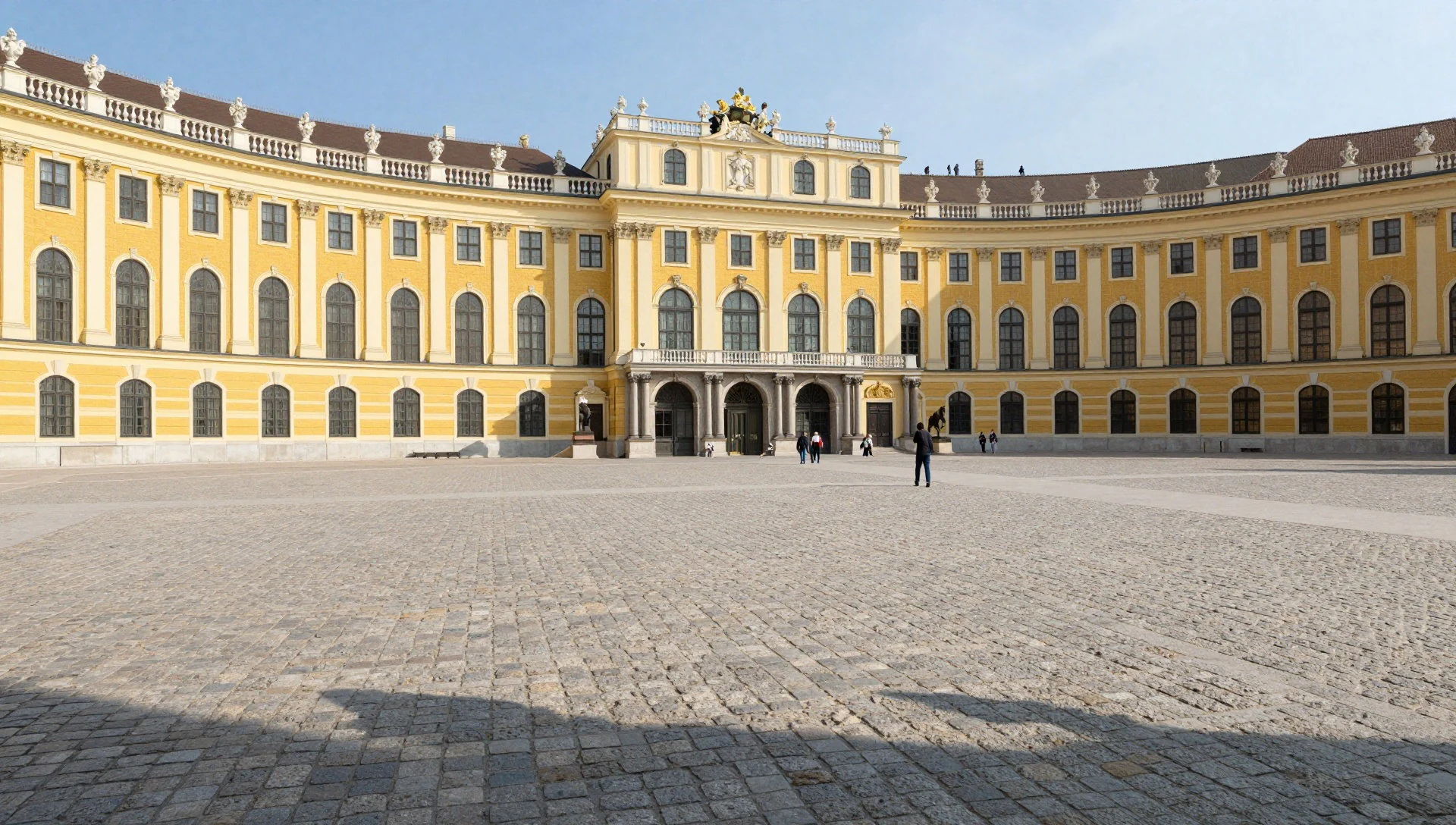
Culture
Vienna maintains a rich theatrical and musical tradition, anchored by world-famous performing institutions and historic venues. Central venues like the Burgtheater and Akademietheater stand at the summit of German-language drama, while traditional operetta fills halls like the Volksoper and Theater an der Wien. The city's classical legacy remains deeply tied to prominent composers who lived and composed here, creating a lasting musical standard that draws performers from across the globe.
Beyond high-art concert halls, traditional coffeehouse culture provides an essential civic lounge setting. Locals sit for hours over coffee and pastries while reading print newspapers in vaulted heritage rooms. Modern nightlife thrives in diverse social venues, from neighbourhood wine taverns called Heurigen to independent clubs along the canal. Theatre audiences generally dress in polite, smart attire for evening shows, maintaining a long-standing appreciation for civic decorum. When visiting classic Viennese coffeehouses, wait for a server to seat you and keep your voice lowered to respect the calm atmosphere.
What to wear
Vienna displays a refined approach to attire that balances historic Alpine traditions with modern European urban style. Traditional Austrian regional clothing includes Trachten garments, most notably structured loden wool coats, tailored jackets with antler buttons, and embroidered Dirndl dresses or leather Lederhosen worn during harvest festivals and formal rural gatherings. High-quality heavy wools and linens remain signature textiles associated with this traditional heritage.
In daily municipal life, residents favour understated, tailored street wear that leans towards tidy dark coats, neat leather shoes, and classic scarves during cold months. Summer style in the city stays polished yet functional, with breathable cotton shirts and comfortable trousers taking precedence over casual sports clothes or beach attire.
Visitors planning a trip should pack versatile layers to accommodate shifting urban temperatures. Sturdy, well-cushioned walking shoes are essential for navigating cobblestone alleys and paved boulevards across historic districts. When attending performances at grand opera houses or dining in formal restaurants, smart clothing like tailored trousers, dresses, or collared shirts is customary, while modest dress covering shoulders and knees is appropriate when touring active churches.
What to eat
- Wiener Schnitzel — Historic taverns in the Innere Stadt
This tenderized veal cutlet is lightly breaded and pan-fried to a golden crispness, traditionally served with a slice of lemon and warm Austrian potato salad. It remains a staple offering across traditional city centre taverns.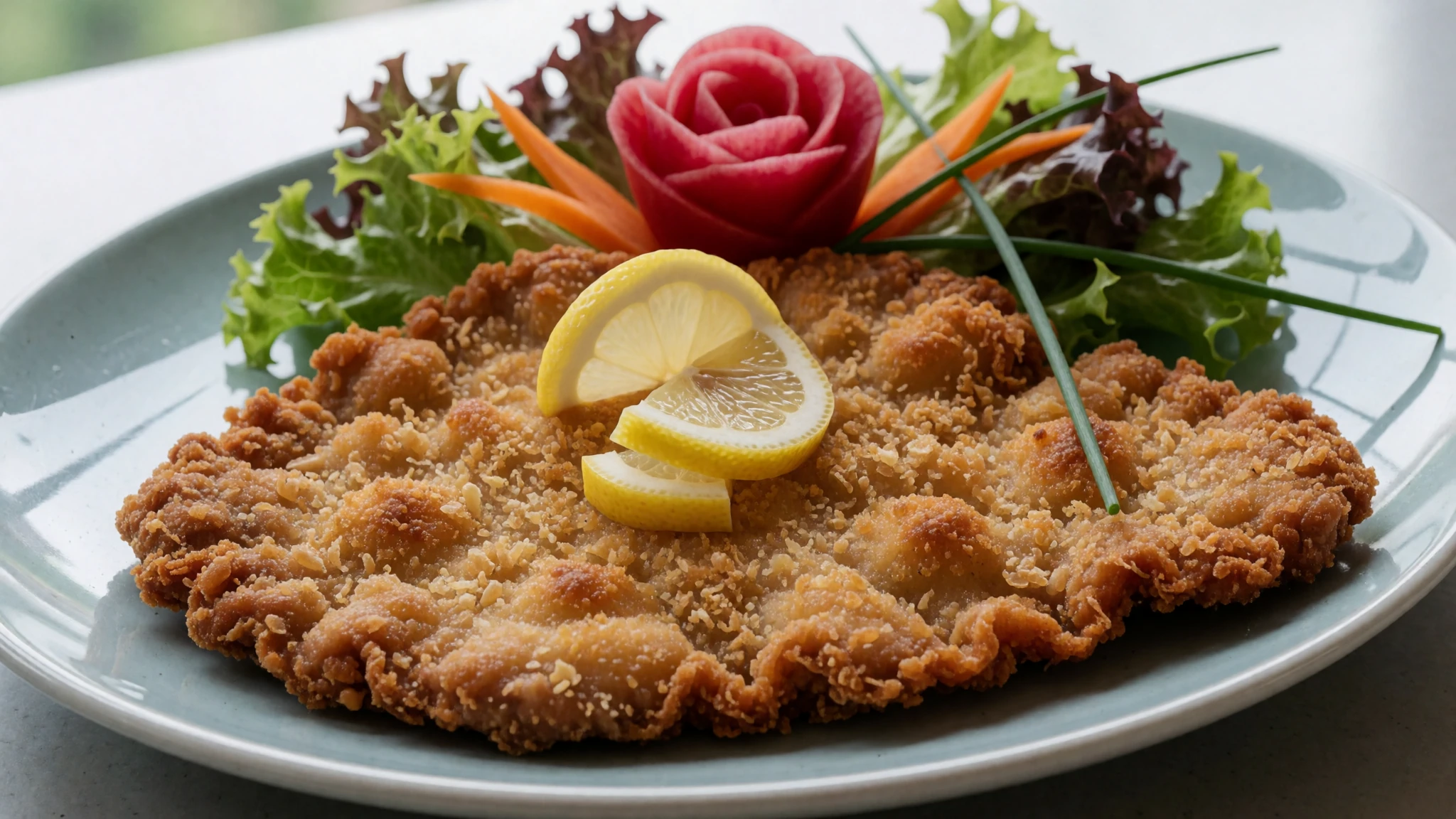
- Sachertorte — Classic coffeehouses across the central district
A dense chocolate cake layered with dark apricot jam and covered in smooth chocolate glaze, typically enjoyed alongside unsweetened whipped cream. Historic grand coffeehouses serve it alongside rich espresso drinks in vaulted dining rooms.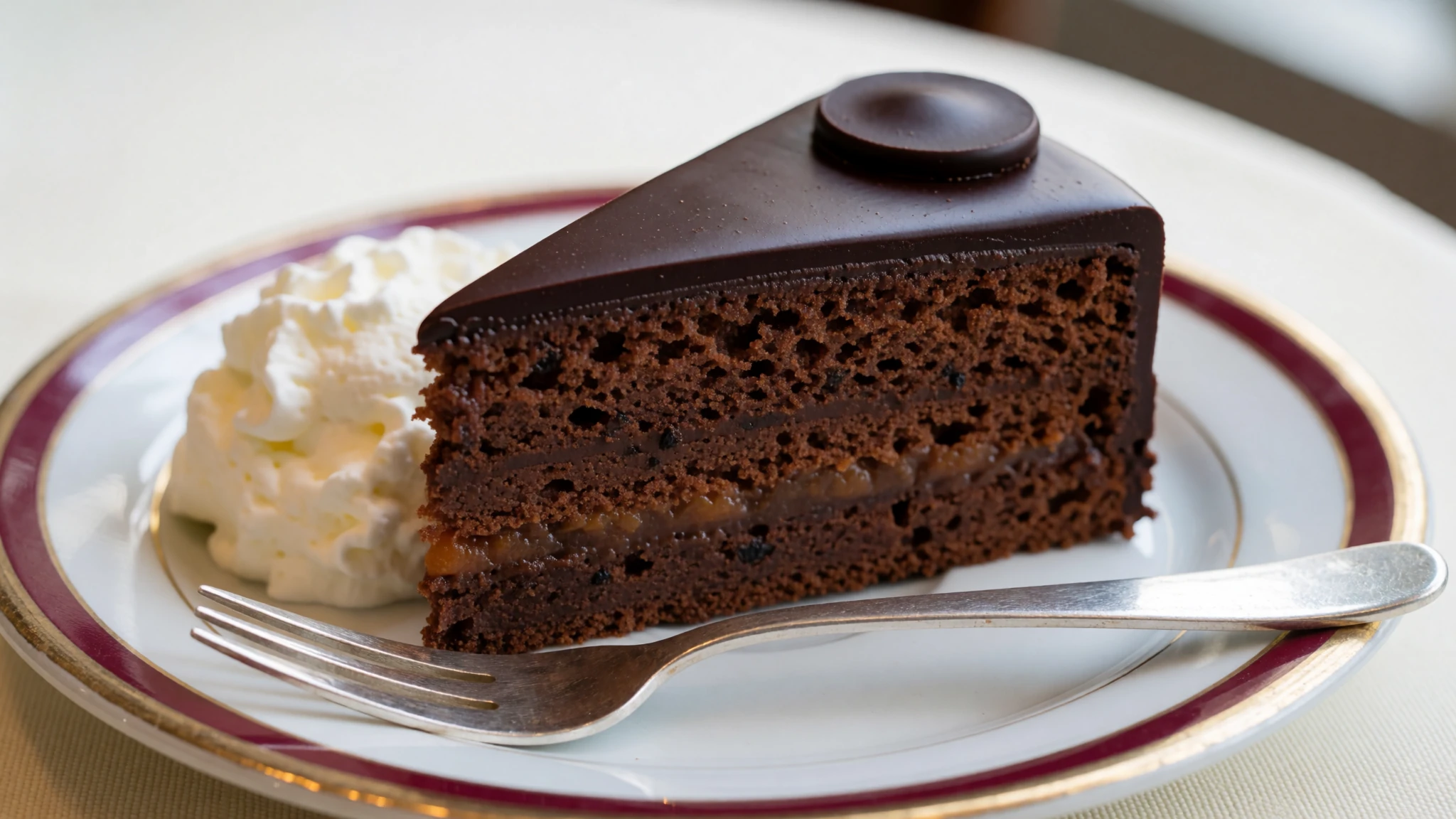
- Grüner Veltliner — Suburban wine taverns (Heurigen) in Grinzing
This crisp, dry white wine represents Austria's signature grape variety, known for citrus and pepper notes. It is served fresh in cozy suburban wine taverns nestled among vineyards on the outer slopes of the city. - Tafelspitz — Traditional dining halls near the Ringstraße
A classic imperial dish featuring beef tenderloin boiled gently in a savoury broth with root vegetables, served alongside minced apples with horseradish and chive sauce. It is featured prominently in traditional family-run dining halls.
Plan it
Best time. April for spring blossoms and warm but manageable walking weather, or September–October for autumn foliage; December brings festive holiday markets, while July and August are the hottest months, with highs of 36–38 °C and frequent showers.
How long. 3–4
Getting there. Fly into Vienna International Airport (VIE), then take the City Airport Train or S-Bahn rail directly to central stations; regional express trains connect smoothly from neighboring European capitals.
Budget. mid
Tips
- Book opera and theatre tickets weeks in advance for regular seating
- Purchase a transit day pass for unlimited subway and tram rides
- Visit popular palace gardens early in the morning to beat tour groups
- Carry cash for small bakeries and traditional market stalls
Etiquette
- Wait to be seated when entering traditional coffeehouses
- Keep voice levels moderate when travelling on public transport and inside quiet cafes
- Validate transit tickets before boarding subways and trams
Nearby
Sources
- Wikidata Q1741 (CC0)
- Wikipedia (rev 1382136598) (CC BY-SA 4.0)
- Wikivoyage (rev 5393204) (CC BY-SA 4.0)
- Photo photos/01-wien-katedra-sw-szczepana-widok-z-wiezy-6.jpg (CC BY-SA 4.0)
- Photo photos/02-vienna-austria-skyline-aerial-october-2024.jpg (CC0 1.0)
- Photo photos/05-20180109-vienna-state-opera-at-blue-hour-850-9387.jpg (CC BY-SA 4.0)
- Photo photos/07-wien-hofburg-2018-3185.jpg (CC BY-SA 4.0)
- Photo photos/08-karlskirche-vienna-september-2016.jpg (CC BY-SA 4.0)


