Lubart's Castle
Lubart's Castle, Ukraine
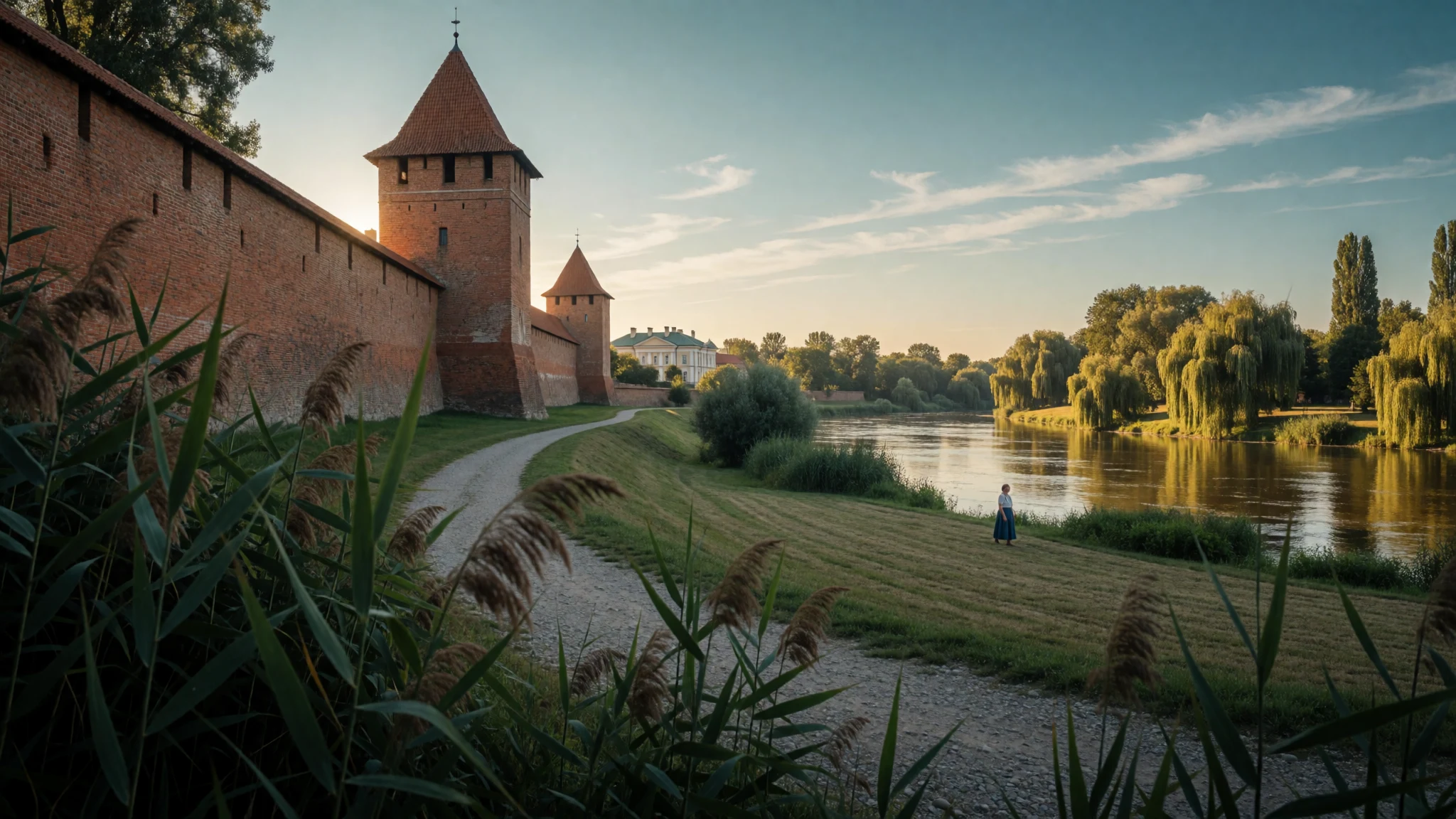
Lubart's Castle in Lutsk is a brick fortress above the river Styr, where medieval princes and kings met and the town's layered past survives.
The place
Lubart's Castle stands in the old centre of Lutsk, a city in Ukraine, on slightly raised ground beside the river Styr. Locals also call it Lutsk Castle or the Upper Castle, which separates it from a second fortress, now a ruin, that the Czartoryski family built nearby. In Ukrainian it is Замок Любарта. Wikidata dates it to 1340, and most of the stonework that remains was raised in the years after that for Liubartas, a Lithuanian prince who ruled Volhynia from Lutsk. His builders swapped the earlier timber defences for brick, and the walls still have that dark, russet look. The castle is printed on the 200 hryvnia note, so plenty of Ukrainians know its outline long before they see it.
What remains is a ring of walls with three towers, called Lubart, Švitrigaila and the Bishop's tower, plus the Neoclassical bishops' palace. The cathedral and the grand ducal palace that once filled the courtyard have gone, so the interior is mostly open lawn and feels roomier than the outside suggests. The western gate, the original main entrance, has been bricked up.
Around the castle, the historic quarter of Lutsk is protected as a preserve and is easy to cover on foot: cobbled lanes, a market square, churches of several denominations and a pedestrian main street of shops and eateries. Lviv lies about 155 km to the south-west and Rivne about 75 km to the east, so Lutsk suits a stop on a longer route through western Ukraine rather than a destination on its own. Crowds tend to be modest, though school groups and weekend visitors fill the courtyard in summer.
Its story
Lubart's Castle belongs to a site that was fortified long before the present walls. Lutsk, then called Luchesk, had a timber wall by the eleventh century, and chronicles record sieges by rival Rus princes and, in the thirteenth century, by Mongol forces. Brick came with Liubartas, son of a Lithuanian grand duke, who married a local princess and governed Volhynia from the town. The castle that stands today went up mostly in the 1340s, reusing stretches of older wall, and it held out against several attackers, among them Casimir the Great.
Its best-known moment came in 1429, when the Congress of Lutsk gathered Władysław II Jagiełło, Grand Duke Vytautas, the Holy Roman Emperor Sigismund, the Grand Prince of Moscow and the ruler of Wallachia under one roof. Under Vytautas the defences were strengthened against artillery. The towers took their present names in the sixteenth and seventeenth centuries. By then the castle mattered less as a stronghold, though Lutsk itself stayed important, and its townspeople gained Magdeburg rights, a form of elected self-government.
The twentieth century added a darker chapter. In 1941 the castle was used by Nazi forces as a place of mass killing, and thousands of Jews from Lutsk were murdered there and in its courtyard. The sources available to us record no memorial at the castle itself, so anyone interested in this history should ask locally about commemorations elsewhere in the city. Many visitors find it changes how they walk through the courtyard.
What to see
- Lubart's Castle walls and towers — Old Lutsk, Kafedralna Street
Lubart's Castle is best taken slowly: circle the brick walls, climb the towers where access is open, then cross the lawn to the Neoclassical bishops' palace. Exhibitions are held inside the grounds. Opening hours and ticket arrangements change, so check locally before going. Allow a couple of hours.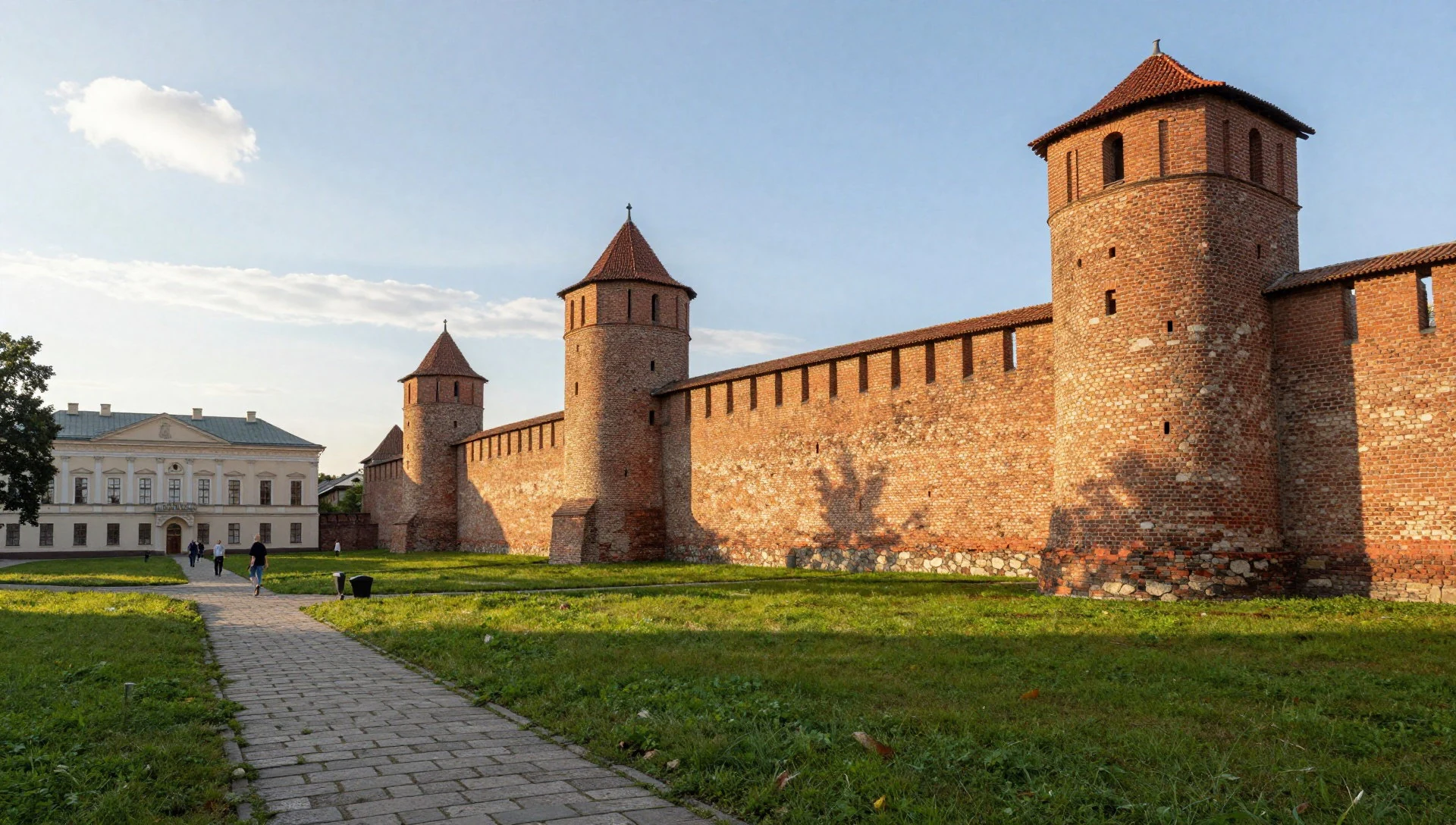
- Market Square — Old Lutsk
Market Square is one of the old trading centres of Lutsk, ringed by Orthodox churches and a Catholic cathedral, with an Armenian church once settled close by. The mix of faiths shows how varied the town was. It makes a good first stop for a coffee and a look at how the lanes fan out.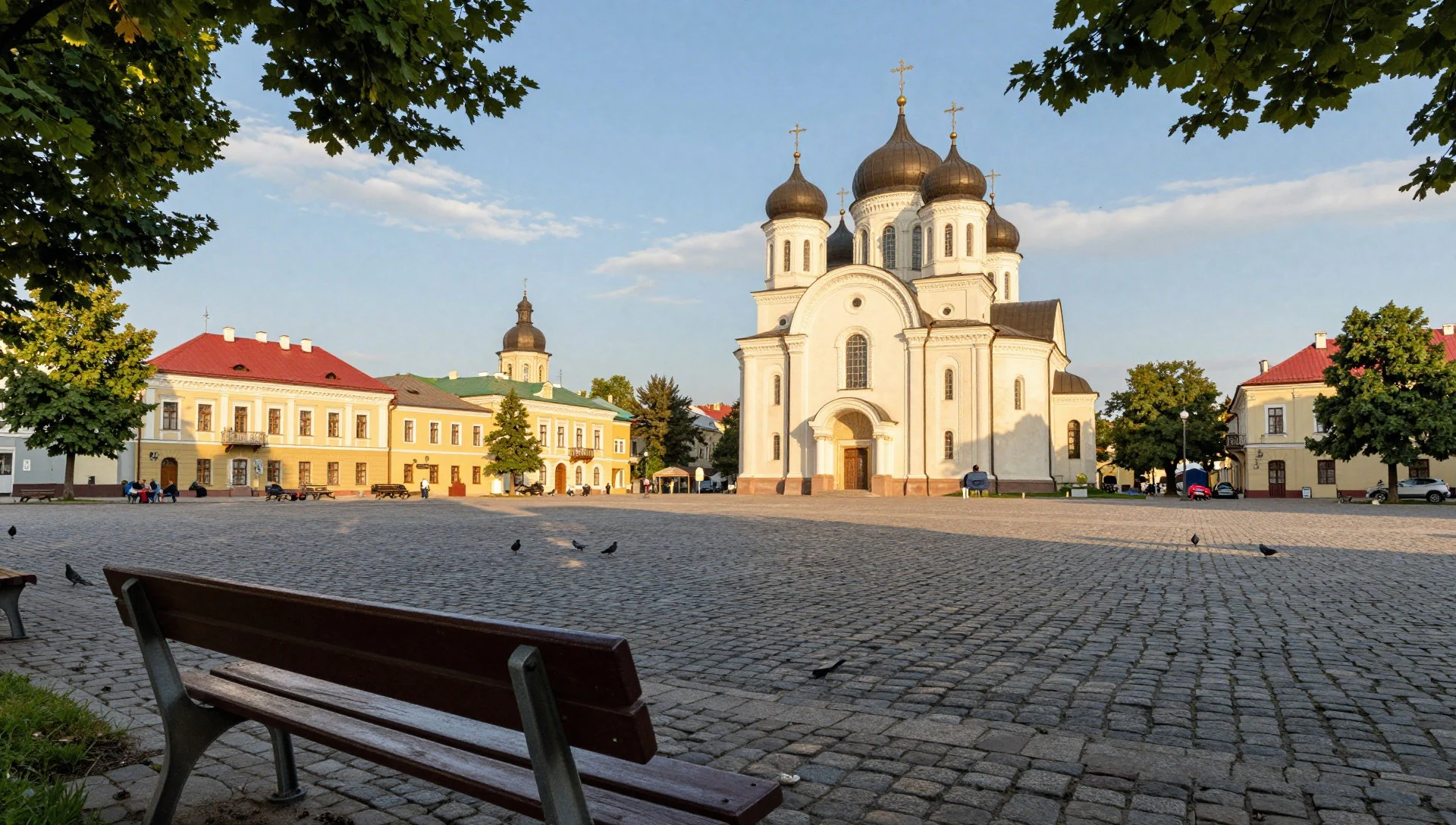
- House of Sculptors — Old Lutsk
The House of Sculptors, nicknamed the house with chimeras, is a decorated residence built for the sculptor Nikolai Golovanov. Its façade is crowded with fantastical carved creatures, which makes it a favourite for photographs and an easy detour from the castle through quieter streets of the old town.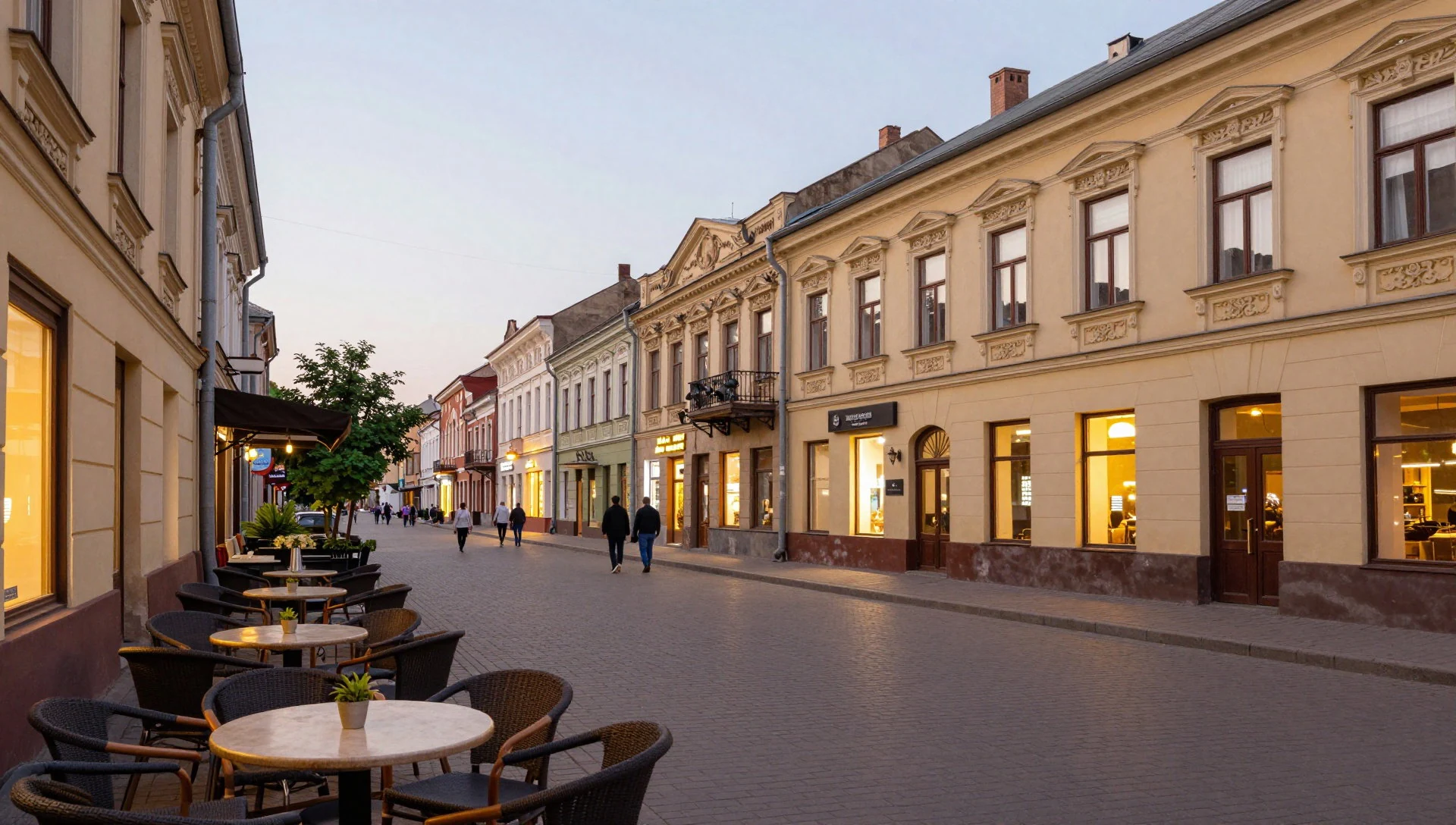
- Lesya Ukrainka Street — Central Lutsk
Lesya Ukrainka Street is the pedestrian spine of central Lutsk, lined with shops, cafés and eateries and with buildings from several periods. It suits an unhurried evening walk after the castle closes, and it is the easiest place to find a meal and watch local life.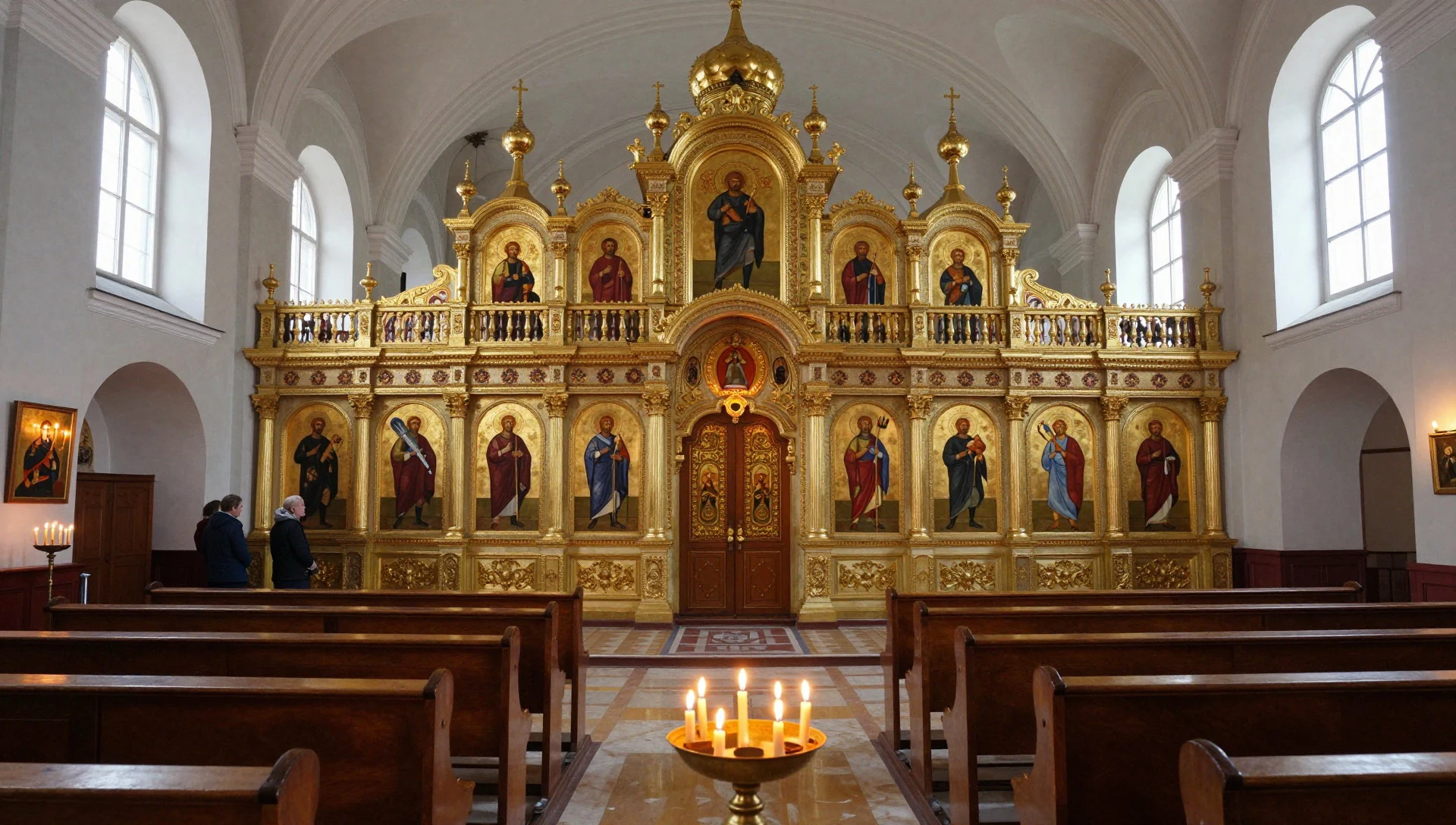
- Holy Trinity Orthodox Cathedral — North of the old centre
Holy Trinity Orthodox Cathedral is an eighteenth-century Baroque church that was reworked in the nineteenth century. It is still an active place of worship, so it rewards a short, quiet visit rather than a long tour. Cover shoulders and knees, and check service times before going inside.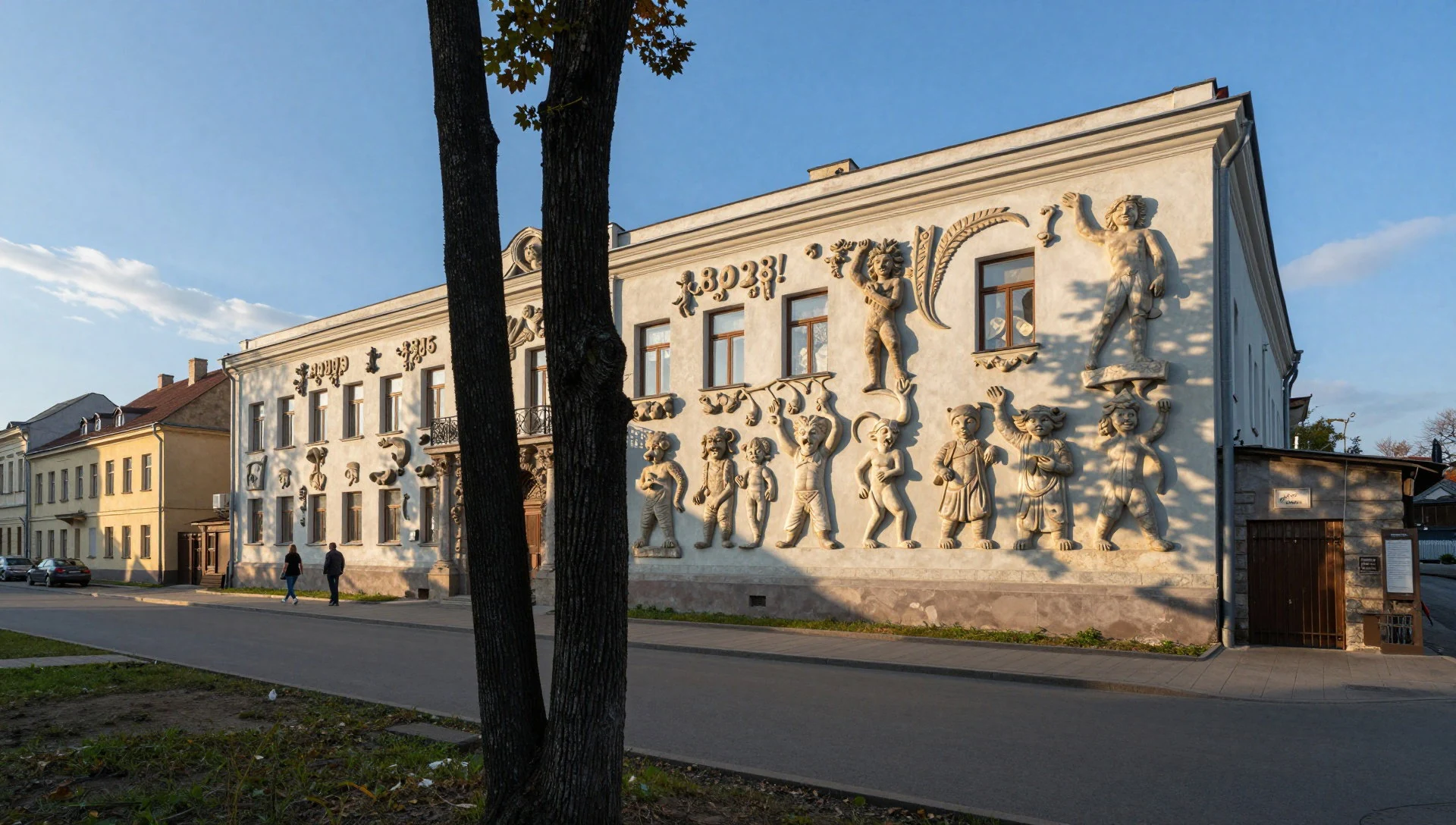
Culture
Lubart's Castle sits in a city that has been Ruthenian, Lithuanian, Polish, Russian and Ukrainian by turns, and the town's culture still shows those layers. The old centre packs Orthodox and Catholic churches, a Lutheran church and the traces of an Armenian one into a few walkable streets, a reminder that Lutsk was a trading town where several faiths lived side by side. Its townspeople gained rights of self-government centuries ago, and a sense of civic pride in the old town survives. Many buildings have been rebuilt more than once, and local guides tend to tell the story as a long chain of repairs rather than a single golden age.
Most people in Lutsk speak Ukrainian, and a few words, such as 'dyakuyu' for thank you, are warmly received. Faith is visible in daily life: people cross themselves at church doors, and candles and icons are part of ordinary street corners. Since the war, national symbols such as the blue and yellow flag and the embroidered shirt have felt especially present.
The castle also carries the memory of the 1941 killings of Jews from Lutsk, and some visitors treat the courtyard as a place for quiet reflection as well as sightseeing.
At the castle and in the churches around it, speak quietly, cover your shoulders and knees, and ask before photographing people at prayer or anyone who has not agreed.
What to wear
Around Lubart's Castle in Lutsk, as across Ukraine, traditional dress means embroidery, and the vyshyvanka, an embroidered linen or cotton shirt, is the best-known piece. Patterns, colours and stitches vary by region and even by village, and the shirts are worn for weddings, church festivals, folk performances and national days. Women's costume traditionally adds a wraparound skirt, a woven belt and, for girls at celebrations, a flower wreath with ribbons; in cold weather sheepskin waistcoats and wool coats take over. Cloth was once woven at home from linen, hemp and wool.
Everyday clothing in Lutsk today looks much like any central European city: jeans, trainers, practical jackets, and smarter outfits for restaurants and evenings out. Many people pair an embroidered shirt or a small embroidered detail with ordinary clothes, especially in May and around national occasions.
For visitors, comfortable shoes matter most, because the castle's paths and the old town's cobbles are uneven and can be slippery after rain. Bring layers: summers can be warm, while winters call for a proper coat, hat and gloves. A light waterproof is useful in any season. For churches, cover shoulders and knees, and women may be glad of a scarf for Orthodox services, though it is not always required. Smart-casual is fine almost everywhere in town.
What to eat
- Borscht — Traditional Ukrainian restaurants and cafés in the old town
Borscht is a beetroot soup, usually with cabbage and potato and a spoonful of sour cream, often eaten with garlic bread rolls called pampushky. Traditional Ukrainian restaurants and canteen-style cafés in the old town serve it all year, and every household has its own version.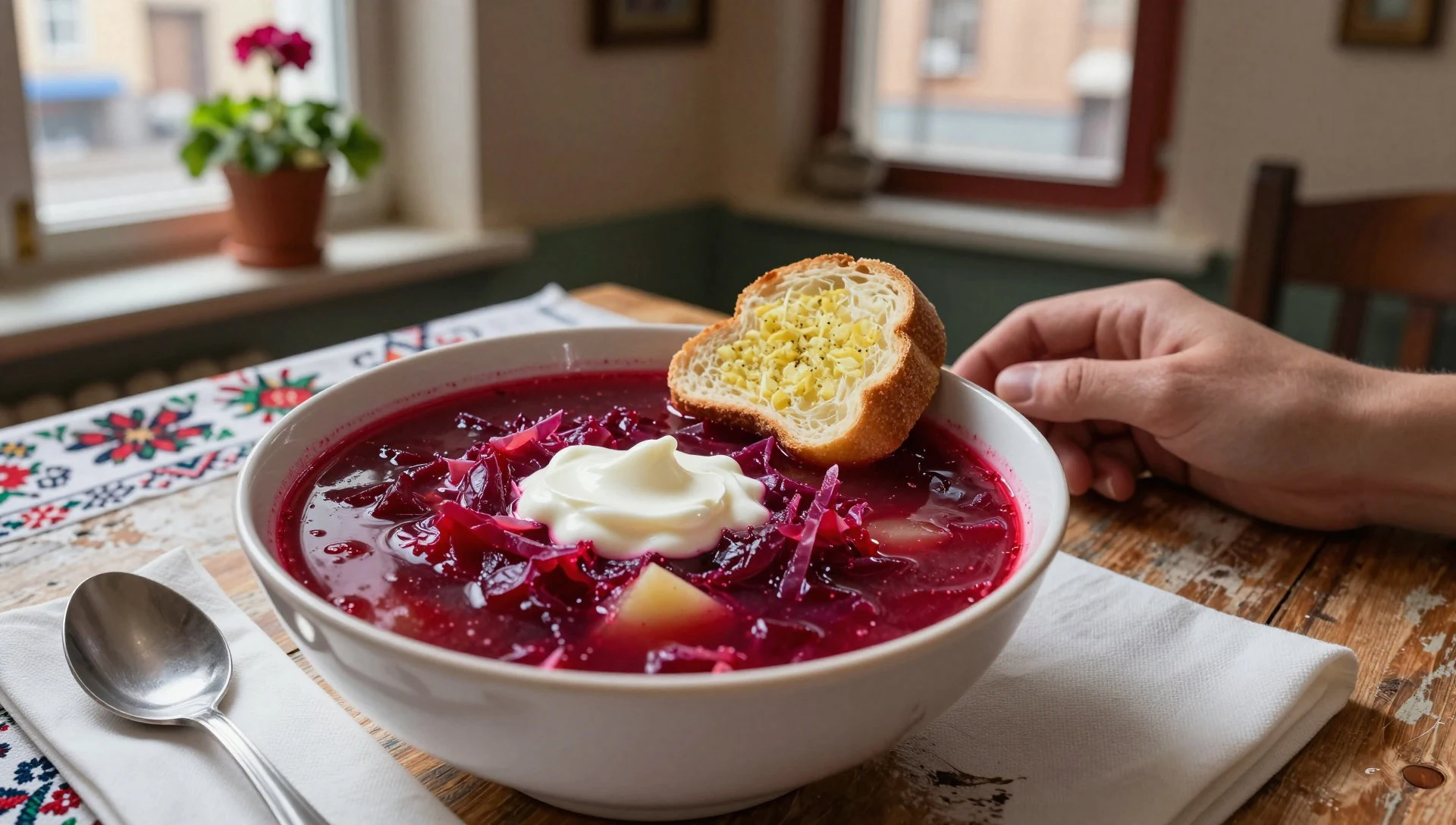
- Varenyky — Eateries around Lesya Ukrainka Street and the old town
Varenyky are boiled dumplings filled with potato, cheese, cabbage, mushrooms or, in summer, cherries, served with sour cream or fried onions. They are on the menu of nearly every traditional eatery around the old town and the pedestrian streets, and they are an easy vegetarian choice.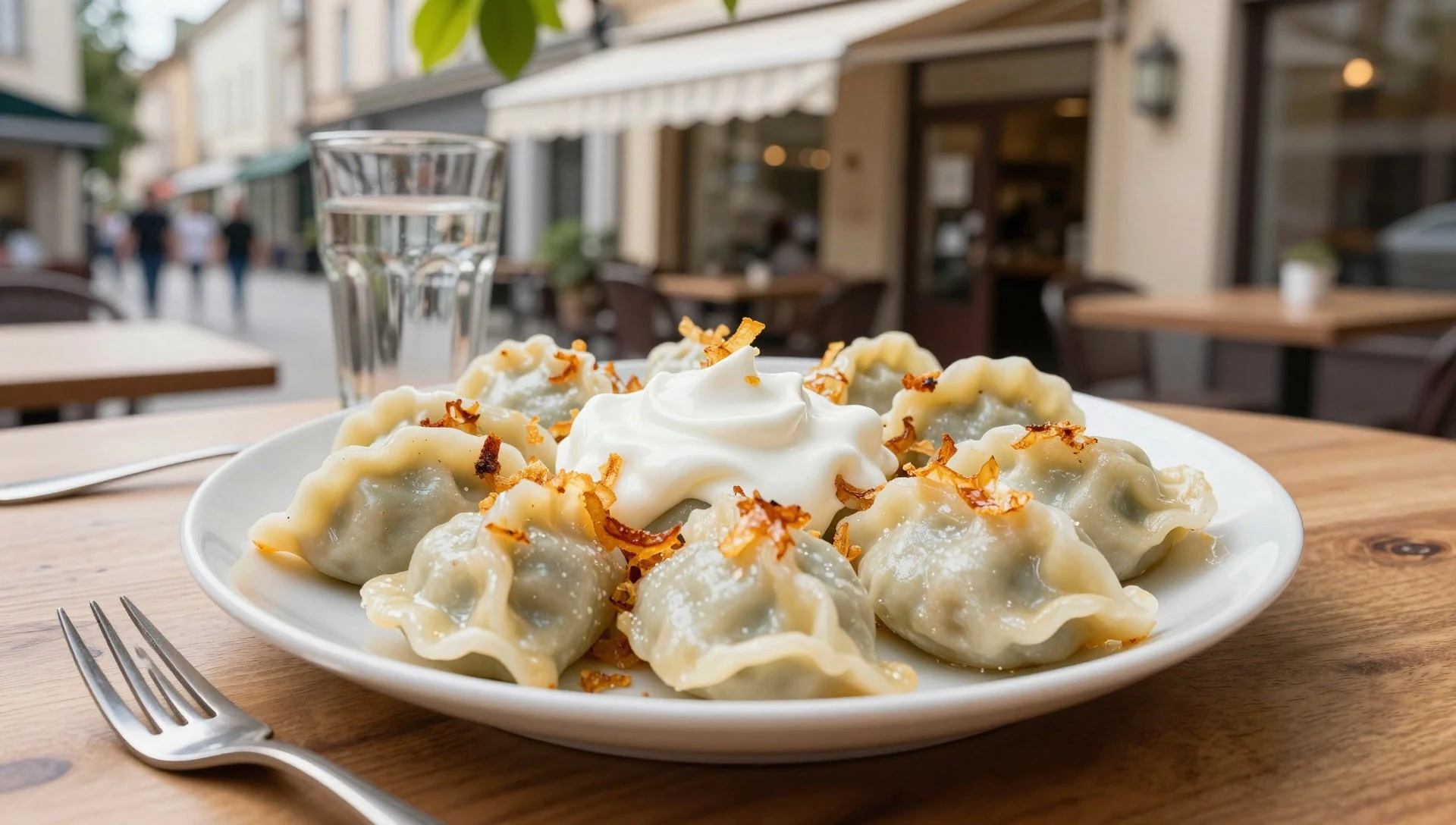
- Deruny — Home-style cafés and canteen-style eateries
Deruny are crisp potato pancakes, fried until golden and served with sour cream or a mushroom sauce. They make a filling lunch or side dish and appear in most home-style cafés. Order them hot, since they lose their crunch quickly. - Holubtsi — Restaurants serving traditional Ukrainian recipes
Holubtsi are cabbage leaves rolled around rice with minced meat or mushrooms and simmered in a tomato sauce. The dish is slow, comforting cooking, common in restaurants that focus on folk recipes. Vegetarians should ask for the mushroom version, which many places offer. - Syrnyky — Breakfast cafés in central Lutsk
Syrnyky are small pan-fried pancakes of curd cheese, served with sour cream, jam or honey. They are a common breakfast and a good way to start a day at the castle. Most cafés in the centre have them, sometimes under the name of a house speciality.
Plan it
Best time. March and November are the gentlest months, with highs near 20 C; June to September run hot, with highs above 32 C and July the wettest month, and winters are cold with short daylight, though the brick walls look striking in snow.
How long. 1–2
Getting there. There are bus links towards Lublin and Warsaw in Poland. The castle is a short walk or local taxi ride from the centre. Check current services before travelling.
Budget. low
Tips
- Check your government's current travel advice for Ukraine before booking, as conditions and transport can change quickly.
- Check the castle's opening hours and ticket arrangements locally, since they change by season and are not fixed.
- Go early or late in the day for a quieter courtyard and softer light for photographs.
- Carry some hryvnia in cash for small cafés and kiosks, although many places also take cards.
- Wear shoes with good grip, as the cobbles and castle paths are uneven and slippery when wet.
Etiquette
- Dress modestly and keep your voice low when entering active churches.
- Ask before photographing people, especially at prayer.
- Treat the castle courtyard with respect, as it is the site of a wartime massacre.
Nearby
Sources
- Wikidata Q1866166 (CC0)
- Wikipedia: Lubart's Castle (rev 1365032319) (CC BY-SA 4.0)
- Wikivoyage: Lutsk (rev 5409932) (CC BY-SA 4.0)