Ivano-Frankivsk
Ivano-Frankivsk, Polish–Lithuanian Commonwealth
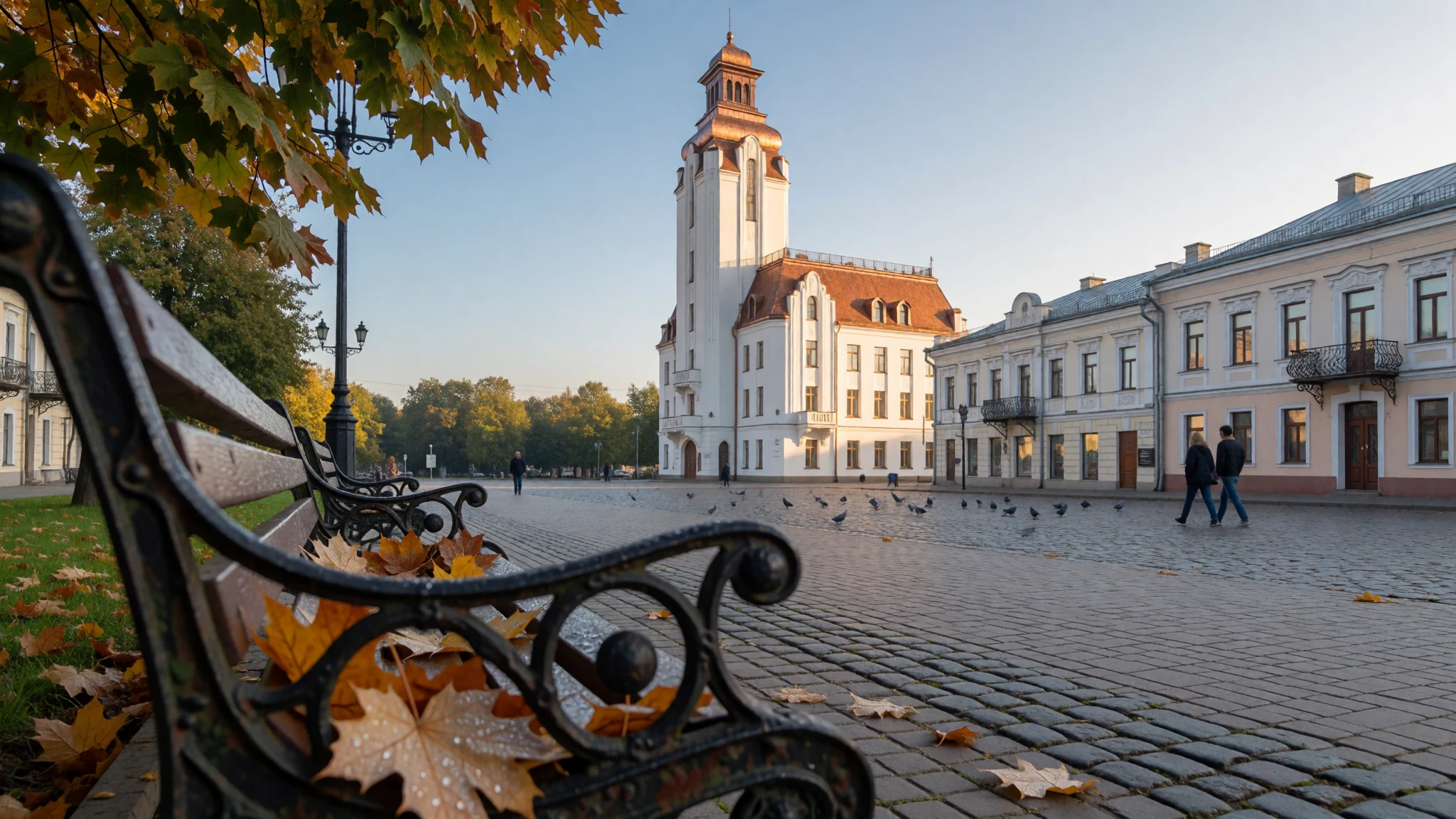
Discover a gracious western Ukrainian city defined by centuries of Polish, Austrian, and Hutsul heritage at the foothills of the Carpathian Mountains.
The place
Ivano-Frankivsk sits quietly in the western reaches of Ukraine, serving as a cultural and administrative hub near the majestic foothills of the Carpathian Mountains. Originally established as a private noble stronghold, the settlement gradually evolved into a prominent regional centre characterised by distinct European architectural influences. Its urban layout reflects centuries of changing governance, moving through periods under Polish, Austrian, and Soviet administrations before finding its modern identity within an independent Ukraine. Unlike larger metropolises that rush past the visitor, this city encourages unhurried exploration through shady parks, pedestrian promenades, and quiet residential courtyards where wrought-iron balconies recall late Habsburg days. The urban atmosphere remains unpretentious and warm, anchored by friendly local cafes, lively street musicians, and an unhurried pace of daily life that contrasts sharply with the frantic energy found elsewhere. Visitors wandering through the central grid will encounter pastel-coloured facades, weathered masonry, and tree-lined avenues that open onto expansive public squares. The surrounding geography provides a natural gateway for travellers looking to explore the wider Carpathian region, offering clean mountain air and rich regional traditions without the overwhelming crowds of major European capitals. Although current geopolitical realities bring unmistakable challenges to daily existence across the country, the city maintains its proud community spirit, welcoming guests with resilient hospitality and deep historical pride.
Its story
The origins of the city trace back to the mid-seventeenth century when a powerful Polish noble family sought to establish a secure stronghold against frequent Tatar incursions from the south. The founder issued a formal charter granting Magdeburg rights to the fledgling settlement, creating a fortified haven designed to protect a diverse, multi-ethnic population during volatile regional conflicts. Initially constructed from sturdy timber, the fortifications were soon upgraded to durable stone, brick, and mortar to withstand sustained sieges. A grand residential palace was erected nearby for the ruling family, laying the groundwork for administrative importance. Following the partitions of Poland, the fortress town passed into the hands of the Austrian Empire, eventually becoming part of the Kingdom of Galicia and Lodomeria. During this imperial era, military ramparts gave way to civil development, transforming the fortified outpost into a thriving hub of commerce, education, and culture near the Carpathian foothills. The turbulent twentieth century brought sweeping upheavals, including brief periods as a temporary capital for an independent regional republic, subsequent occupations, and decades under Soviet rule. Through every shift in borders and ideology, the community retained its unique architectural character and resilient spirit, blending Central European grace with enduring Ukrainian identity to create a fascinating urban tapestry that spans multiple historical epochs.
What to see
- Town Hall — Central Square
Standing proudly at the heart of the central square, this striking civic landmark is built in a distinctive Art Deco style quite unlike standard municipal buildings in the region. Its slender central tower rises above surrounding rooftops, offering a remarkable focal point for the historic district and a gathering spot for local residents strolling through the pedestrian core. - Stanislav Fortress Compound — Old Town
Remnants of the original seventeenth-century defensive works reveal the city's military roots, constructed in the shape of a regular hexagon complete with historical bastions and redoubts. Walking along these preserved traces offers a tangible connection to the early days when nobles and guards protected the settlement from regional incursions and regional conflicts. - Church of the Holy Resurrection — Shevchenka Street
This magnificent Greek Catholic Cathedral originally functioned as a Jesuit church, displaying ornate Baroque architecture with exquisite detailing on its historic facade. Inside, visitors find a serene sanctuary adorned with religious iconography, memorial plaques honouring notable regional figures, and soaring vaulted ceilings that have welcomed worshippers for generations. - Potocki Palace Complex — Shpytalna Street
Constructed originally as a grand residential estate for the founding noble family, this sprawling historical compound has witnessed centuries of military and civic transformation. After serving various institutional roles over the decades, the renovated grounds now house cultural exhibitions including a museum dedicated to local history and historic weaponry. - Monument to Adam Mickiewicz — Adam Mickiewicz Square
Positioned gracefully on a lively public square next to the regional concert hall, this poignant memorial commemorates one of Poland's most celebrated romantic poets. Originally erected during the late nineteenth century and carefully restored in later decades, it stands as the oldest surviving monument in the city and a tribute to shared cultural history.
Culture
The cultural fabric of Ivano-Frankivsk is shaped by a rich mosaic of Polish, Austrian, Jewish, and Ukrainian influences that have left a permanent mark on its architecture, traditions, and daily social life. Baroque churches, Habsburg-era public buildings, and historic synagogues stand side by side, reflecting a long history of multicultural coexistence. Local residents take immense pride in their linguistic heritage, regional arts, and musical traditions that draw heavily from nearby Carpathian folklore. Cafes and public squares buzz with lively conversation, poetry readings, and outdoor gatherings, especially during pleasant weather when street musicians fill the air with acoustic melodies. Traditional crafts, wooden carvings, and embroidered textiles from the surrounding mountain communities are celebrated across the region and often showcased during local festivals. When visiting religious sites or entering historic churches, dress modestly, speak in hushed tones, and be mindful of active prayer services taking place.
What to wear
Traditional dress in the western Ukrainian region is renowned for its vibrant artistry, featuring intricately embroidered linen shirts known as vyshyvankas, woven woollen waistcoats, and colourful beaded necklaces that reflect ancient Hutsul motifs. These traditional garments are not merely museum pieces but are worn with great pride during national holidays, weddings, and cultural festivals, showcasing complex geometric patterns and rich crimson and black threadwork passed down through generations. In daily modern life, residents of Ivano-Frankivsk dress in contemporary European urban fashion, favouring smart-casual layers, comfortable walking shoes for navigating historic cobblestone streets, and practical outerwear suited to changing weather conditions. Visitors should pack comfortable footwear for uneven pavements, a sturdy umbrella or waterproof jacket for sudden rain showers, and modest, conservative clothing if planning to visit active cathedrals and religious sanctuaries where shoulders and knees should be covered.
What to eat
- Varenyky — Traditional cafes across the Old Town
These traditional filled dumplings are a staple of local cuisine, typically stuffed with mashed potatoes, savoury cottage cheese, or seasonal wild mushrooms, then served hot with a generous dollop of sour cream. - Borscht — Local eateries near the central square
A hearty, deeply comforting beetroot soup enriched with tender chunks of beef or pork, cabbage, carrots, and potatoes, traditionally accompanied by garlic-rubbed bread rolls and fresh herbs. - Banos — Regional restaurants and traditional taverns
A traditional Carpathian mountain dish made from slow-cooked cornmeal, enriched with rich sheep's cheese, crisp pork crackling, and fried wild mushrooms for a deeply satisfying flavour. - Deruny — Street food kiosks and local pizzerias
Crispy golden potato pancakes fried to perfection on the outside while remaining tender within, usually served steaming hot alongside thick sour cream or savoury mushroom sauce.
Plan it
Best time. May through September offers the most pleasant weather for exploring the historic centre and surrounding mountain foothills, with warm daytime temperatures and lively outdoor cafe culture.
How long. 2–3
Getting there. Due to airspace closures, international travellers arrive by train or bus from neighbouring hubs such as Lviv or Kyiv, followed by convenient local transit into the city centre.
Budget. mid
Tips
- Check official government travel advisories regarding regional safety before planning your journey
- Carry a mix of local currency and international bank cards for small shops and cafes
- Wear sturdy walking shoes to comfortably navigate historic cobblestone streets and squares
- Download offline translation apps to assist with Ukrainian signage and menus
Etiquette
- Dress modestly with covered shoulders and knees when entering historic churches and cathedrals
- Greet shopkeepers and service staff politely when entering local establishments
- Ask permission before photographing local residents in traditional dress or intimate market settings
Nearby
Sources
- Wikidata Q156726 (CC0)
- Wikipedia (CC-BY-SA 4.0)
- Wikivoyage (CC-BY-SA 4.0)