Isle of Arran
Isle of Arran, United Kingdom
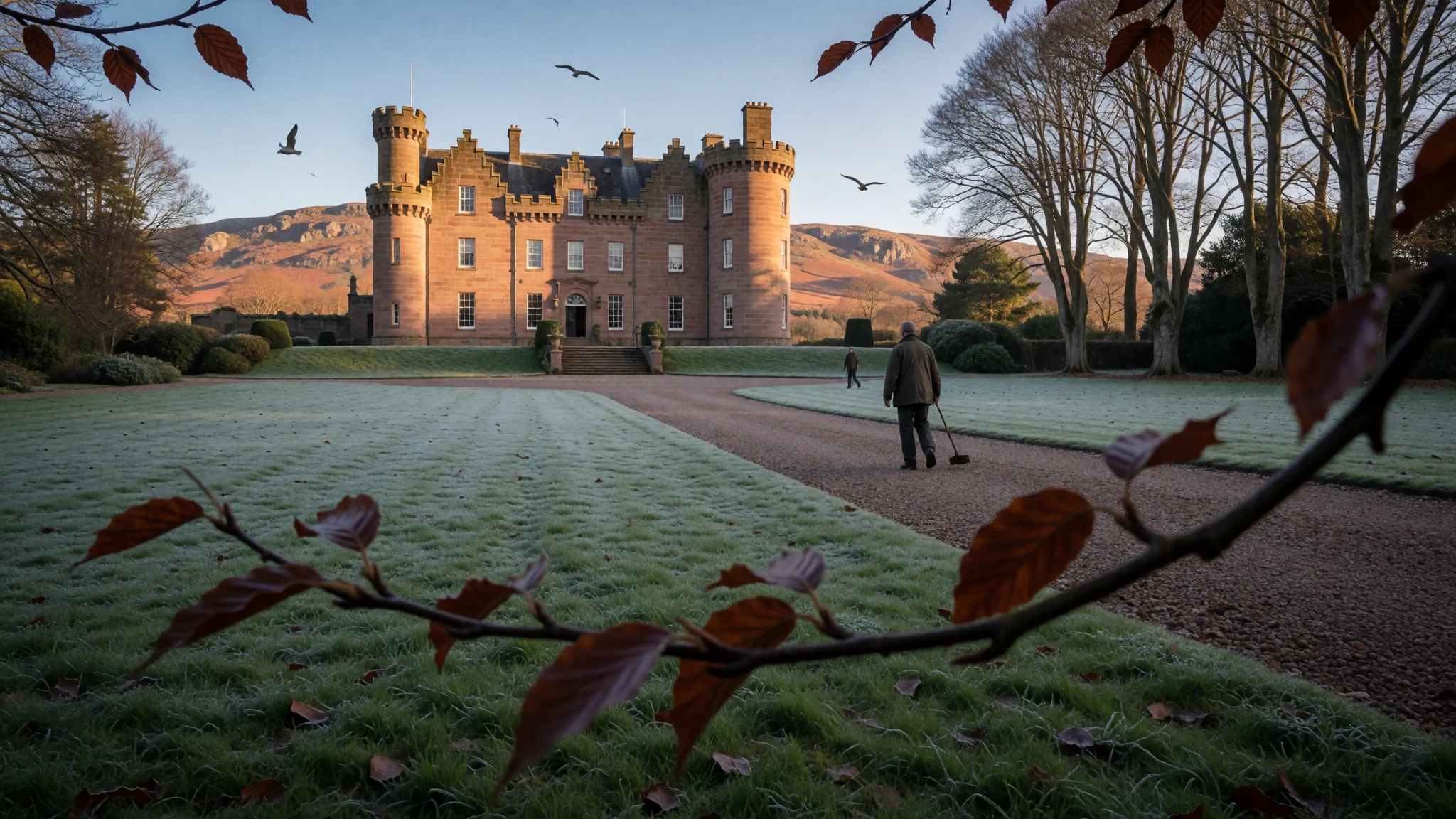
Isle of Arran is a compact Scottish island where beaches, stone circles, castles and geology all feel within a day’s reach.
The place
Isle of Arran sits off the west coast of Scotland in the Firth of Clyde, and it’s often described as “Scotland in miniature” because the landscapes swap quickly: rounded hills and rocky crags, forested pockets, small lochs, rivers and long coastal stretches. The island’s coastline is broken up by bays and harbours, so even a short drive or walk can feel like a new setting rather than a repeat of the same view.
Arran is also where you feel the geology under your feet. The land is split into highland and lowland areas by the Highland Boundary Fault, and it’s the kind of place that rewards paying attention—what looks like an ordinary hillside can be a clue to the island’s longer story. For visitors, that means varied walking: from easy coastal paths to hill days where wind and weather change the mood fast.
Practical reality check: Arran is popular, and the summer ferry-and-car rhythm can make the island feel busy around the main settlements and the most photographed spots. Service (and the weather) can be variable, so it’s worth building in buffer time—especially for connections by ferry. In the quieter months you still get the same “island” feeling, just with fewer queues and more space to hear the sea.
If the idea of a road trip with prehistoric sites, castles and coastal views appeals, Arran delivers a lot for a small place—best tackled with flexible plans and a willingness to slow down for weather.
Its story
Isle of Arran’s story runs deep, long before ferries and holiday homes. The island has a concentration of early Neolithic Clyde Cairns—gallery graves built as stone and earth mounds over chambers. In places like Monamore Glen near Lamlash and around Whiting Bay (with sites known as the “Giants’ Graves”), pottery and bone fragments point to burials, while the forecourt-like areas suggest a social or ceremonial space rather than something hidden away.
Later, Arran’s landscape kept feeding ideas and materials. Pitchstone deposits provided a usable stone in Mesolithic times, and in the Neolithic and Early Bronze Age, pitchstone from Arran—or items made from it—spread around Britain. That matters for the island’s reputation because it turns geography into a kind of ancient supply chain.
Arran also shows up in the shifting politics of the first millennium. From the 6th century, Goidelic-speaking peoples from Ireland colonised the island and Arran became a centre for religious activity. In the Viking Age, it belonged to the Norwegian crown, and only later did it get absorbed into the kingdom of Scotland. The 13th century is when that absorption happened, bringing new patterns of rule.
The more recent chapters are about change and cost. During the 19th century, clearances emptied the island and wiped out Gaelic culture, though numbers and the local economy have since bounced back. Today, tourism is a major industry, and that growth comes with a downside too: pressure from holiday homes can raise the challenge of affordable housing.
What to see
- Brodick Castle — Brodick
Brodick Castle anchors a full day near the main ferry arrival point. The current dramatic character comes from later rebuilds and gardens around the grounds, so it works whether someone prefers history indoors or a walk outside for sea-and-hill views.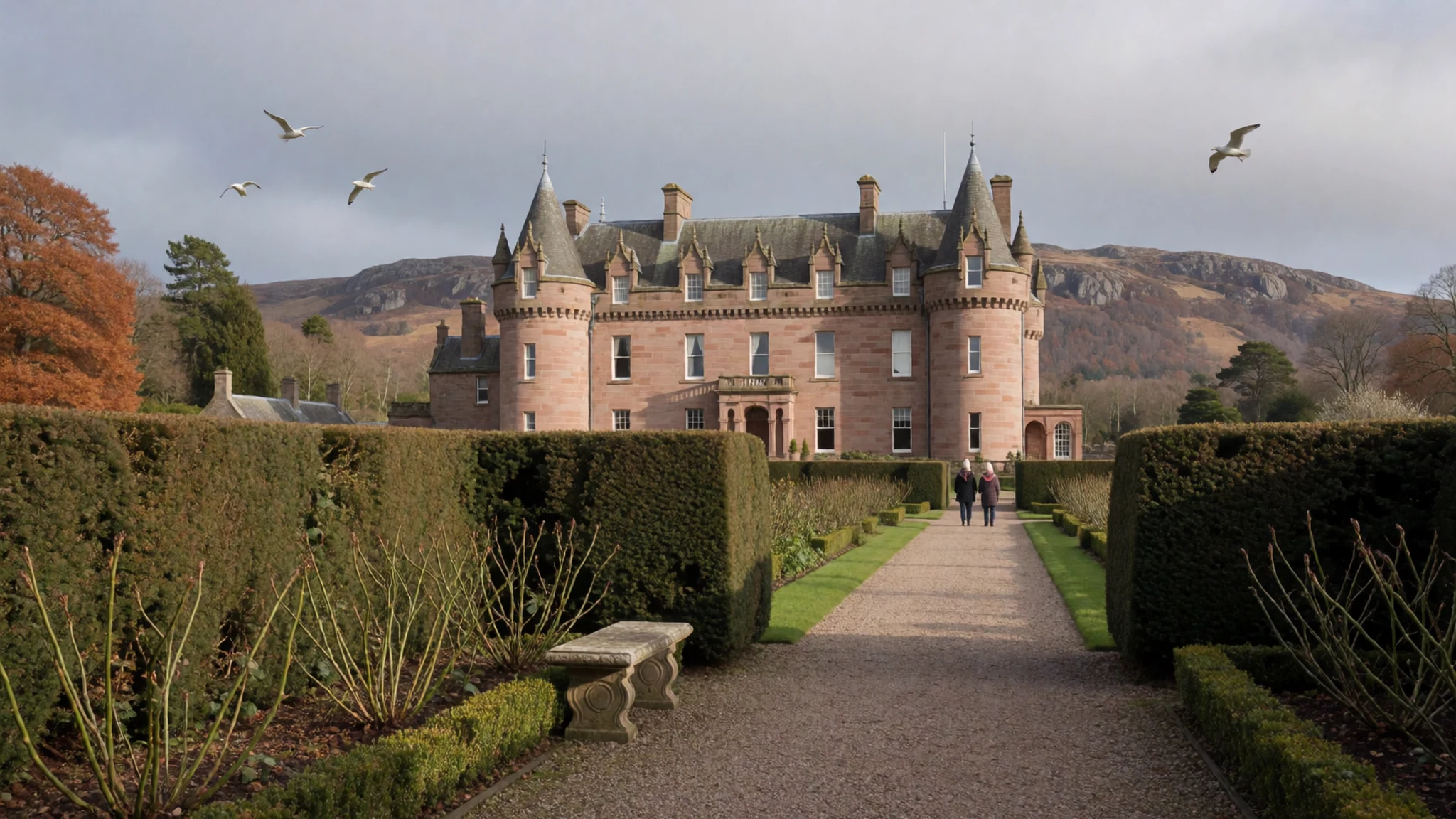
- Machrie Moor Stone Circles — Machrie Moor
Machrie Moor is where the island’s prehistoric atmosphere really lands. Standing stones sit across open moorland, and the emptiness of the setting makes it easy to imagine how people marked time and seasons here long before farming villages spread across the coast.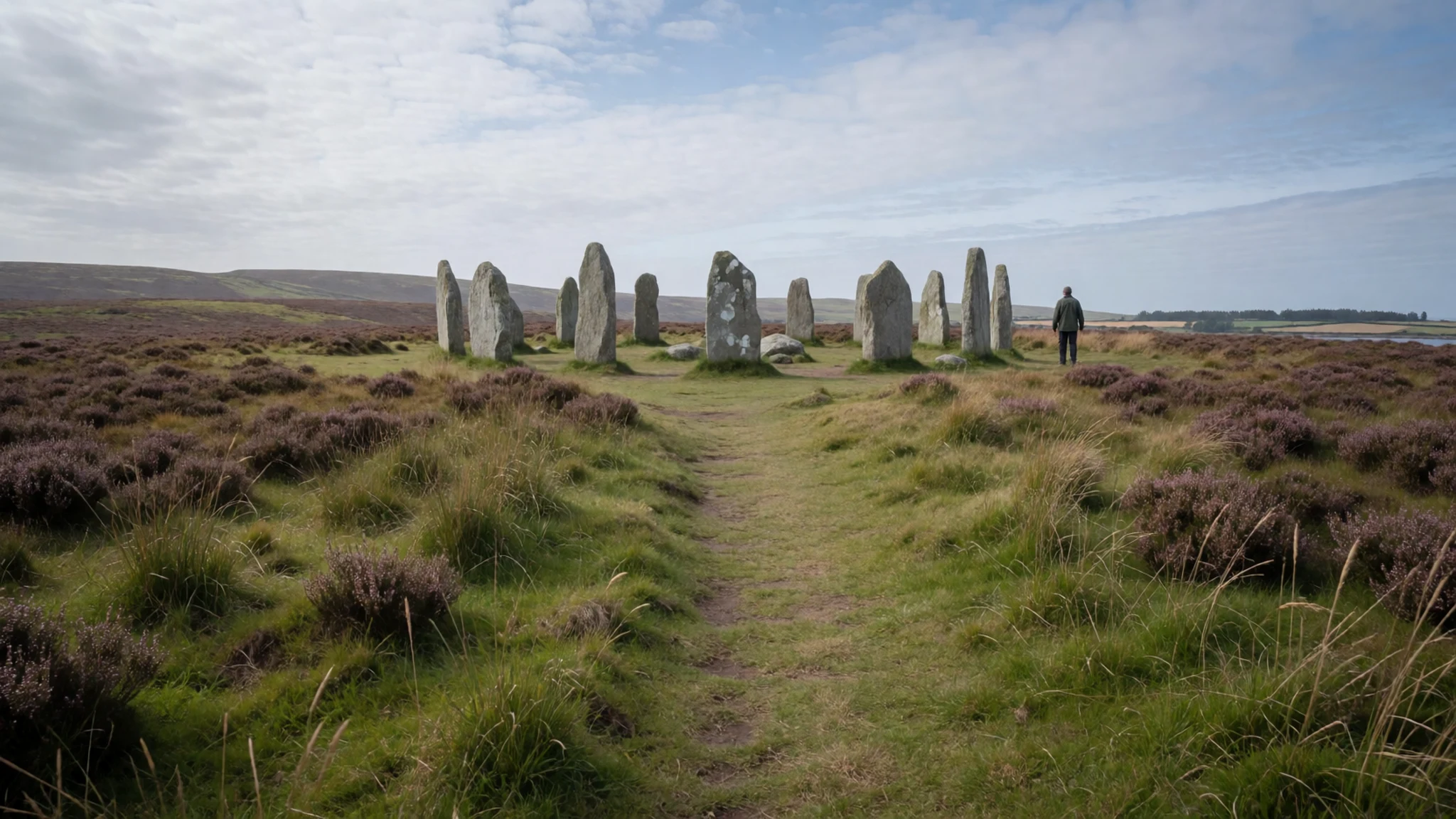
- Lochranza Castle — Lochranza
Lochranza Castle is a masonry shell set into a dramatic coastal setting. It’s the kind of ruin that feels stronger because it’s still attached to the harbour landscape—an easy-to-reach spot for photos and a short stretch of walking without needing a long itinerary.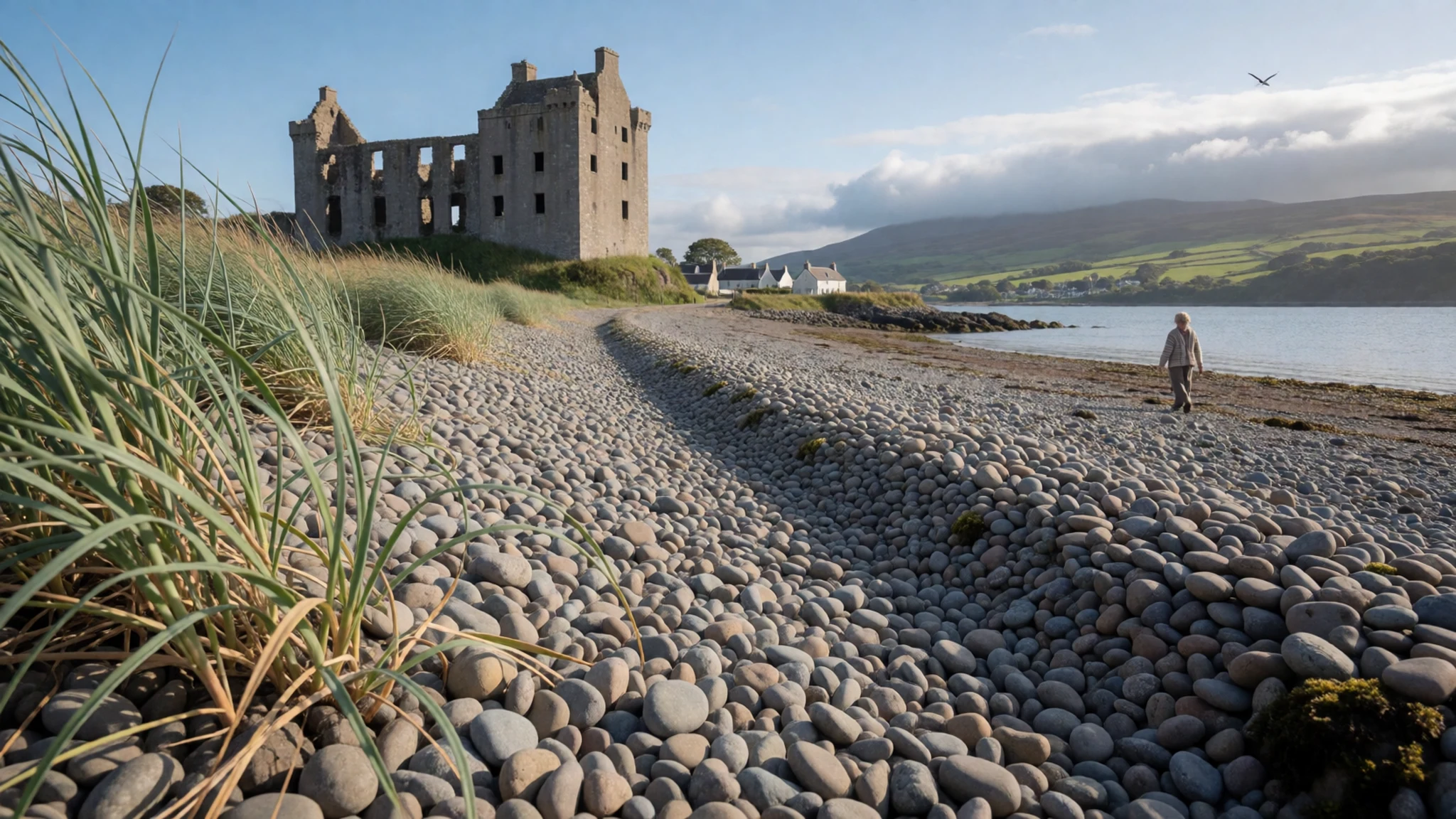
- Heritage Museum — Lamlash (north edge town)
The Heritage Museum in a former farmstead gives context for everything outdoors. Expect geology and archaeology themes plus the social history that links prehistoric finds to living communities, which makes later stops across the island feel less random.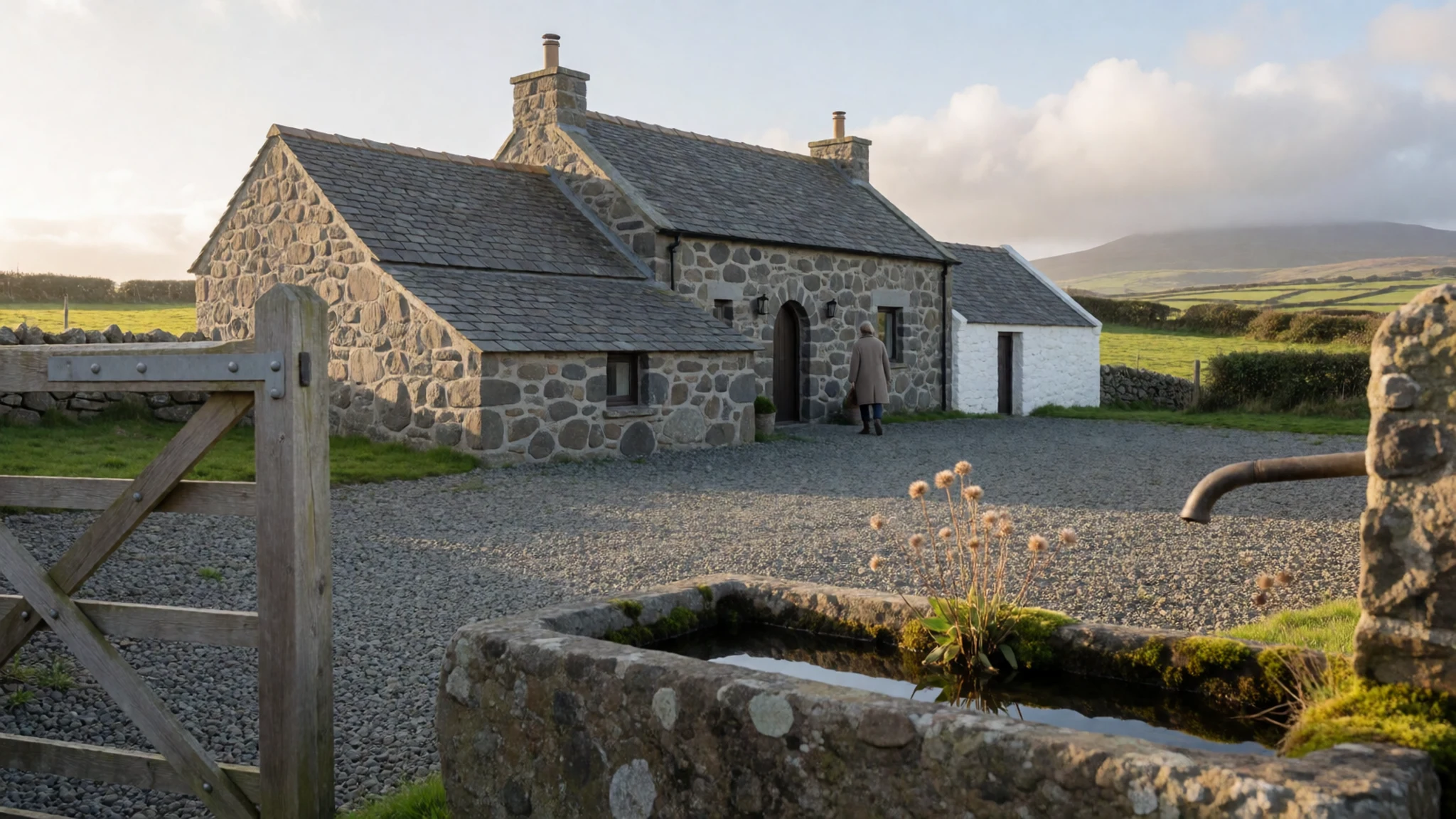
- Coast Discovery Centre — Coastal area
If the weather turns, the Coast Discovery Centre is a practical change of pace. It focuses on marine life with a catch-and-release aquarium, so the island’s coasts become something you can read even on a day when wind and showers interrupt longer hikes.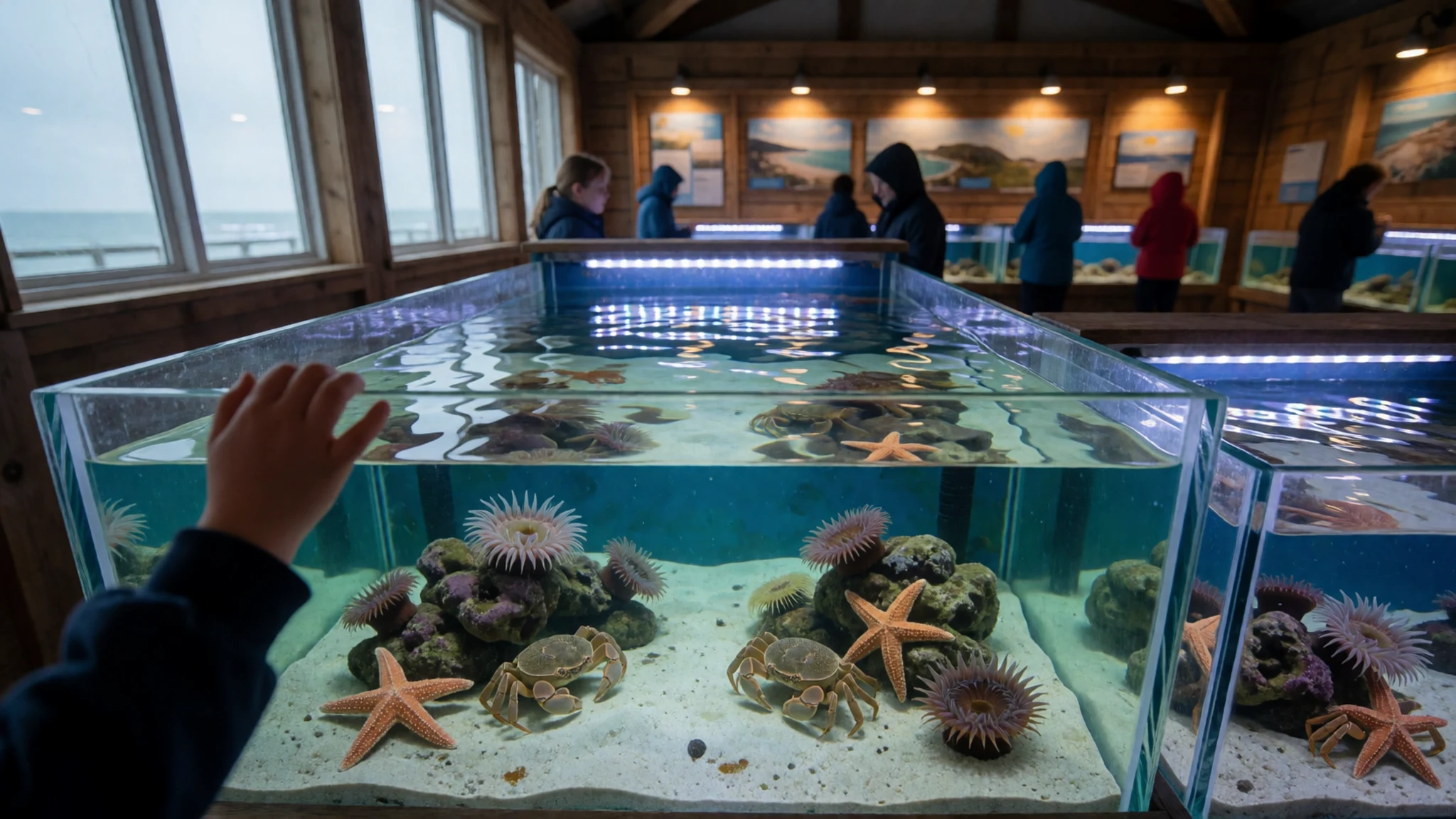
Culture
Isle of Arran’s culture is shaped by the way people have lived on an island: adapting to changing livelihoods, valuing landscapes, and keeping communities running through weather and seasons. Prehistoric heritage is visible in the cairns and stone circles, and modern life leans into what that heritage means—tourism provides jobs, while local history museums and visitor centres help translate the geology and archaeology into something understandable.
The island’s Gaelic past still colours the sense of identity, even if daily language has changed over time. You’ll notice this in place names, in the way locals talk about land and sea, and in how the island’s stories are curated rather than just left as “old stones.”
Crowd reality: in peak weeks, the main road and the ferry-linked towns can feel busy, particularly around iconic viewpoints. Outside that, Arran’s culture shifts to something quieter—more walking time, more time in small eateries, and more conversations that start with “where did you go today?”
Visitor etiquette still matters most where people and wildlife overlap: stay on paths around historic sites, keep noise down in sheltered bays, and respect signage for boats, conservation and access routes.
Keep to marked paths around historic sites and be gentle with wildlife—listen before you step closer.
What to wear
On Isle of Arran, clothing has to work for coastal wind and sudden weather shifts. Traditional dress in Scotland is most visible during special events and heritage gatherings: you’ll commonly see tartan patterns associated with Scottish clans, with textiles like wool used for warmth. In daily life, most people wear modern layers—hooded waterproofs, knitwear and sturdy walking trousers—because the island is built for moving outside.
What visitors actually need now: a waterproof jacket (even in warmer months), layers you can peel off for hills, and comfortable footwear with grip for wet rock and muddy tracks. If visiting churches or any religious settings, aim for modest coverage and keep shoulders and knees reasonably covered; it’s usually about being respectful rather than a formal dress code.
During breezier coastal evenings, an extra layer helps more than people expect. Bags are easier if they’re compact and water-resistant, since ferry days involve salt air and occasional drizzle. For longer walks to stone circles, sturdy footwear beats fashion trainers—traction and ankle support make the difference between enjoying the terrain and wrestling it.
What to eat
- Fish and chips from Hooked and Cooked — Takeaway spots on Arran
Hooked and Cooked is a popular fish-and-chip takeaway on Arran, known for classic portions and an honest “island food” vibe. If the queues look long, it’s still worth grabbing something and eating near the harbour.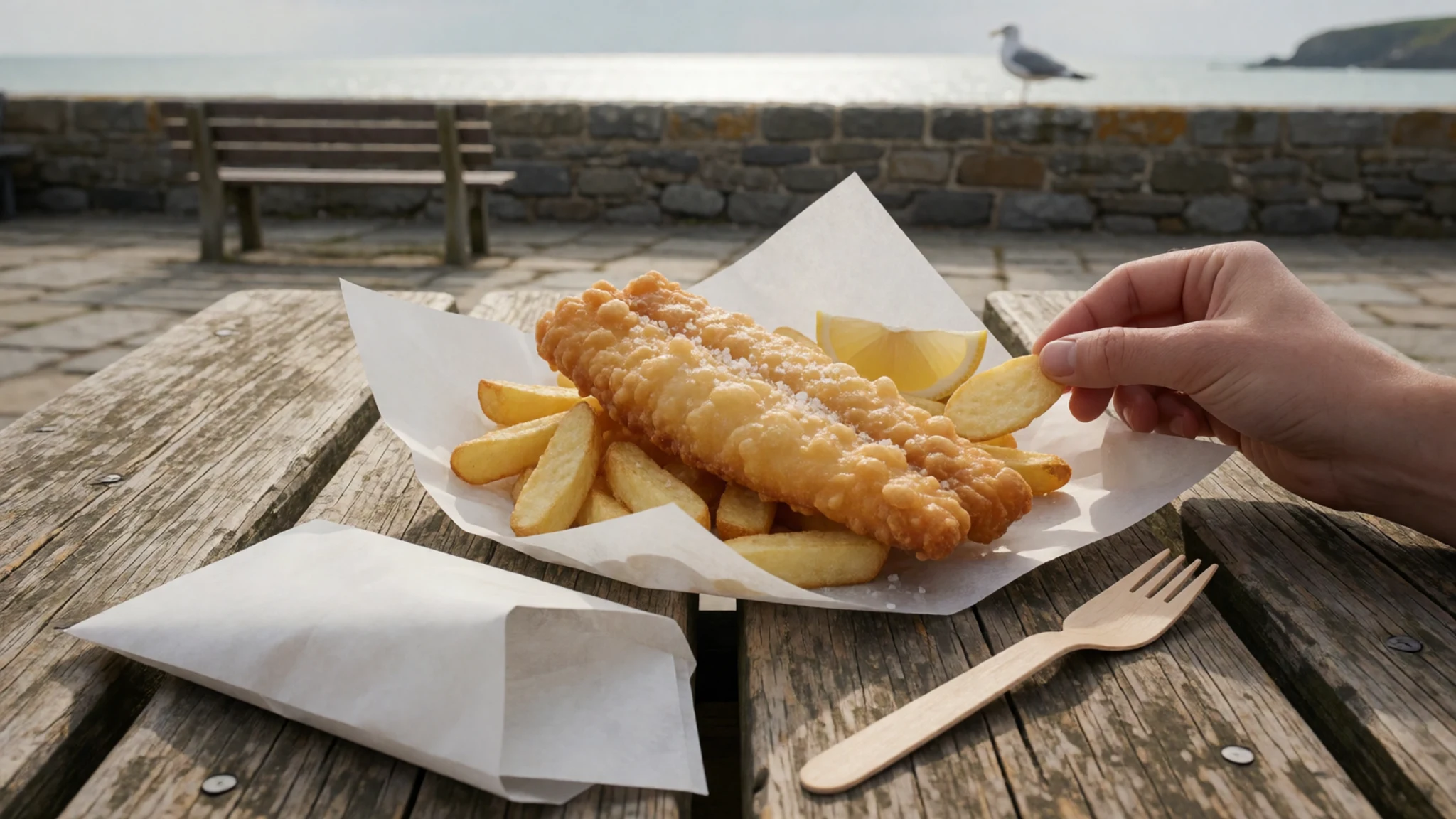
- Chinese takeaway from Shanghai — Arran
Shanghai is a reliable Chinese takeaway option when cooking feels like effort. It’s the kind of place to go for something quick and familiar after a day of driving and walking.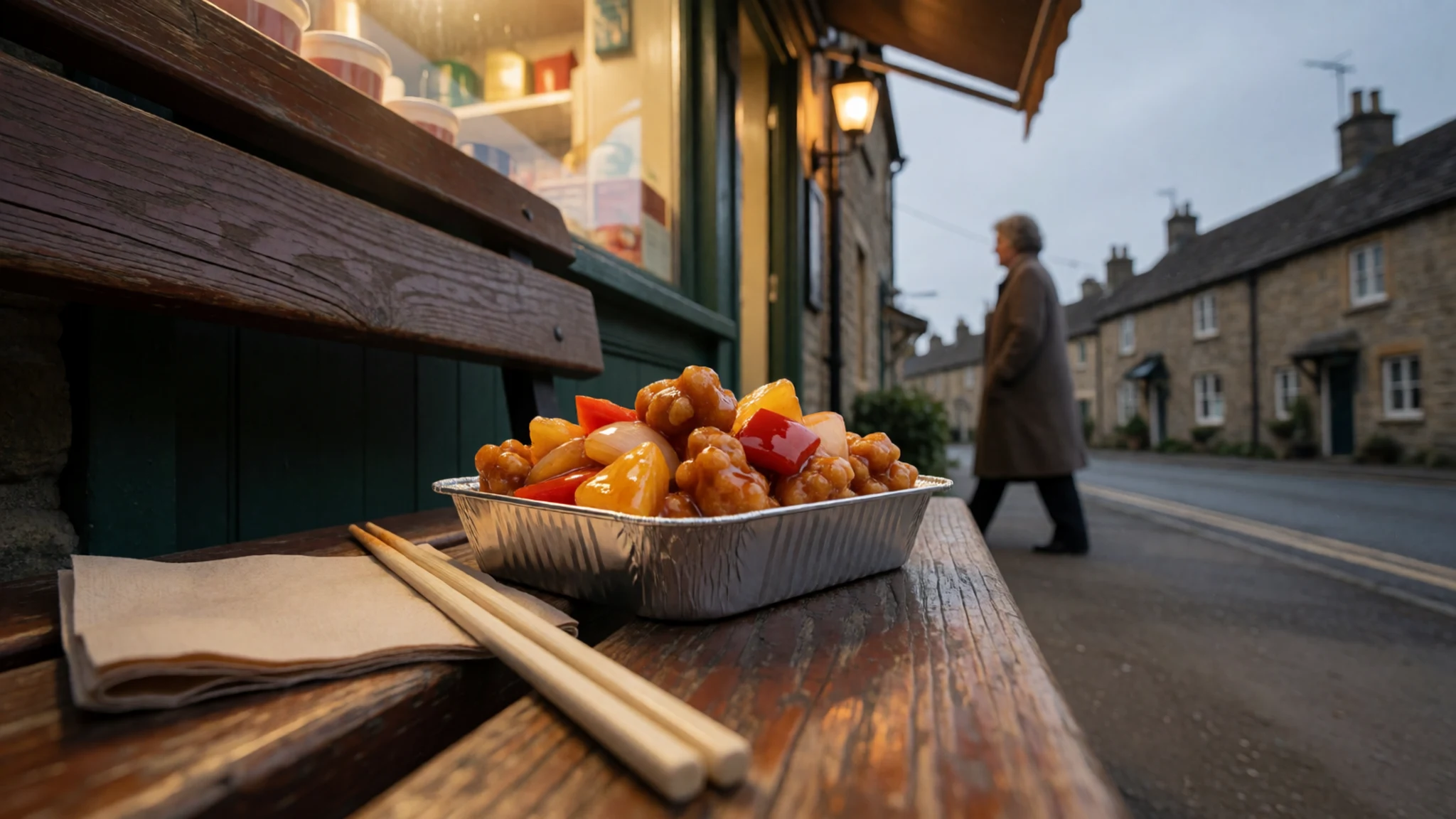
- Sandwiches and snacks from The Sandwich Station — Local takeaway spot on Arran
The Sandwich Station runs a seasonal takeaway menu with freshly made sandwiches, plus snacks and drinks. It’s a handy stop before a coast walk or a hill day when a packed lunch makes everything smoother. - Venison burgers and café meals at Machrie Bay Tearoom — Machrie Bay area
Machrie Bay Tearoom is known for café meals, including venison burgers, with breakfast, sandwiches and cakes also on the menu. It’s a good place to sit down, warm up and recharge before heading back out. - Pub grub at Drift Inn — Holy Isle/nearby west-coast area
Drift Inn is a pub grub choice with plenty of seafood and grill options, plus views towards Holy Isle. It’s a comfortable evening pick when the day’s weather has been changeable and appetites need feeding. - Lunch and whisky at Casks Cafe — Café on Arran
Casks Cafe offers lunch and a chance to try whisky, but it’s small and can get busy. If a walk runs late, it’s wise to plan the timing so you’re not arriving when everything is already full.
Plan it
Best time. March–April for the best mix of longer daylight and comfortable walking; late October–November for autumnal colour and quieter trails. June is usually the rainy season and August can feel hot and humid.
How long. 3–4
Getting there. Arran is reached by ferry, most often via Ardrossan or Troon to Brodick. From there, plan the rest of the island by car or on foot. Check Calmac service status before leaving, since weather can affect sailings.
Budget. mid
Tips
- Book ferry tickets early for summer weekends and Sunday–Monday return plans.
- Check the Calmac website for service status before setting out on travel day.
- Start walks early to avoid the warmest part of the day and to beat peak crowds around main viewpoints.
- Carry water and a waterproof layer—wind off the water can make it feel cooler than expected.
- Keep some flexibility for delays and weather; island days work better when routes aren’t overbooked.
Etiquette
- Stay on paths around historic sites like stone circles and cairns.
- Keep noise low near coastal wildlife and in sheltered bays.
- Dispose of litter properly and don’t leave items in ruins or on moorland.
Nearby
Sources
- Wikidata Q211873 (CC0)
- Wikipedia (Isle of Arran) (CC BY-SA 4.0)
- Wikivoyage (Isle of Arran) (CC BY-SA 4.0)