Beaumaris Castle
Beaumaris Castle, United Kingdom
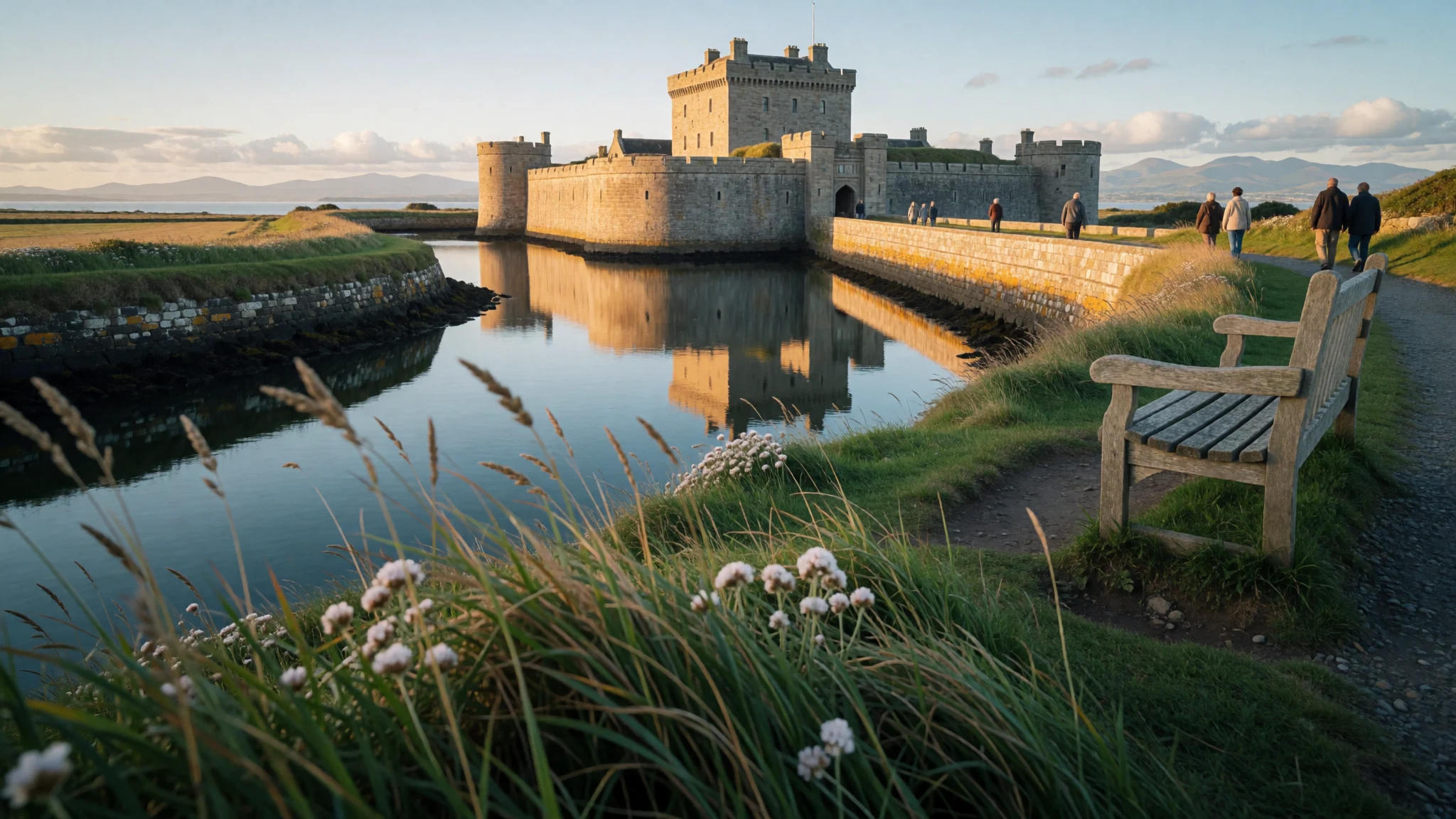
Beaumaris Castle is a moated, symmetrical fortress on Anglesey, left unfinished and still wonderfully readable, with the sea and Snowdonia close at hand.
The place
Beaumaris Castle stands on flat ground beside the Menai Strait, on the edge of the small town of Beaumaris on Anglesey, only about five metres above sea level. Its Welsh name is Castell Biwmares, and the English name is said bew-MAR-is, which catches many first-time readers out. Because the site is level, with no crag to dictate the plan, the builders could lay it out almost like a geometry exercise. A square inner ward with towers at its corners and along its sides sits inside a lower outer wall, and a moat runs around the whole thing. The effect is of rings within rings, so an attacker who broke through one line of defence would immediately face another. Work began in 1295 and the castle was never completed, which is why some towers stop short of their intended height and parts of the interior were never built. It is a ruin in good order rather than a romantic wreck: the walls are largely intact, the moat still holds water and the layout is easy to follow even without a guidebook. The castle is inscribed by UNESCO as part of a group of fortresses raised by Edward I. The town itself is compact, with a seafront green, a few pubs and cafés, and views across the water to the mountains of the mainland. The official site is http://www.beaumaris.com.
Its story
Beaumaris Castle belongs to the story of Edward I's conquest of north Wales. After his invasion in 1282, Edward set out to hold the region permanently, and the Statute of Rhuddlan of 1284 reorganised it into English-style shires, including Anglesey. Castles and walled towns followed at Caernarfon, Harlech and Conwy, and a similar scheme was planned beside the busy trading port of Llanfaes on Anglesey. The cost of the other castles meant that plan had to wait. Then, in 1294, Madog ap Llywelyn led a revolt in which the sheriff of Anglesey was killed, and the delay ended. Work began in 1295 under the master builder James of St George, with a large workforce. Money soon drained away to Edward's war in Scotland, and building stalled, restarting only after an invasion scare in 1306. By about 1330 the spending had stopped, a vast sum by the standards of the time, yet the castle was still incomplete. Its later history was turbulent. Forces loyal to Owain Glyndŵr seized it in 1403, and royal troops took it back in 1405. In the Civil War it was held for Charles I until it surrendered to Parliament's armies in 1646. It decayed from about 1660 and was later absorbed into the grounds of a country house.
What to see
- The concentric walls and gatehouse — Beaumaris Castle, edge of Beaumaris town
Walk the full circuit of the outer wall first, then go in through the gatehouse to see how the two rings work together. The inner wall stands noticeably higher, so defenders could shoot over the heads of those on the lower line. Some towers stop abruptly where money ran out, which tells the story better than any sign.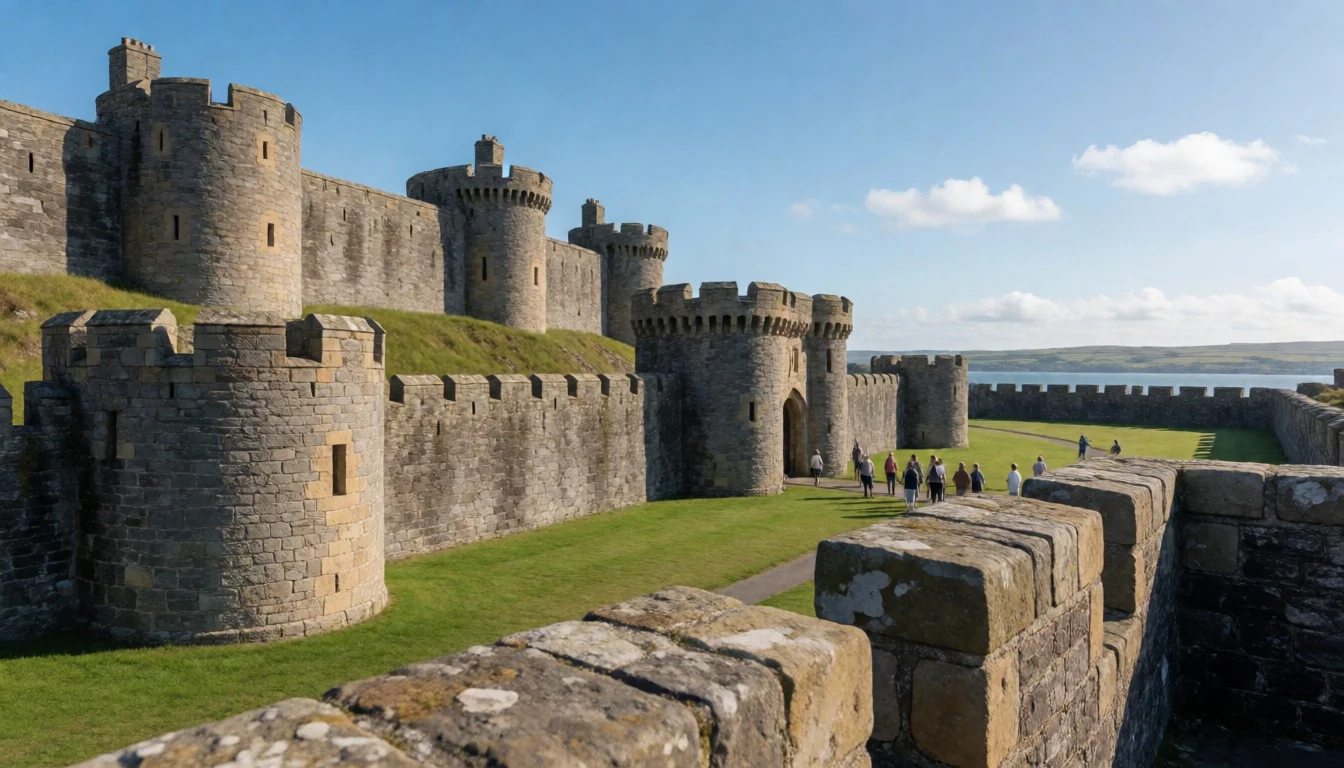
- Gunner's Walk and the moat — Outer wall and moat, Beaumaris Castle
The path along the outer wall, known as Gunner's Walk, gives a good view of the moat, the lower defences and the towers rising behind. It is also the easiest place to photograph the castle's symmetry. Look for the water birds in the moat and the way the stonework changes colour with the light.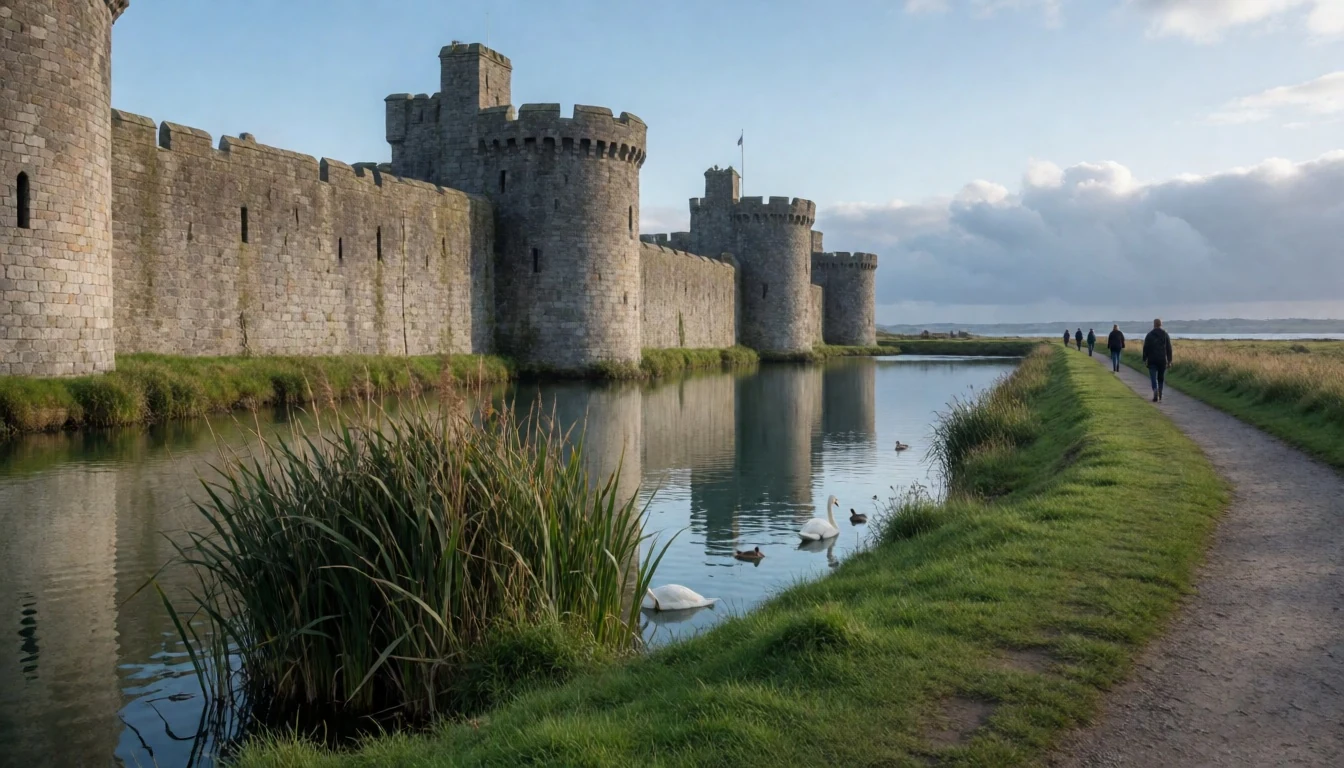
- Beaumaris Courthouse — Town centre, Beaumaris
This small court building, in use from the early seventeenth century, tried some of Anglesey's most serious offenders. Visits explain how a trial worked in those days and display objects a judge would have handled. It is a short stop, but a useful reminder that the town was an administrative centre as well as a seaside place.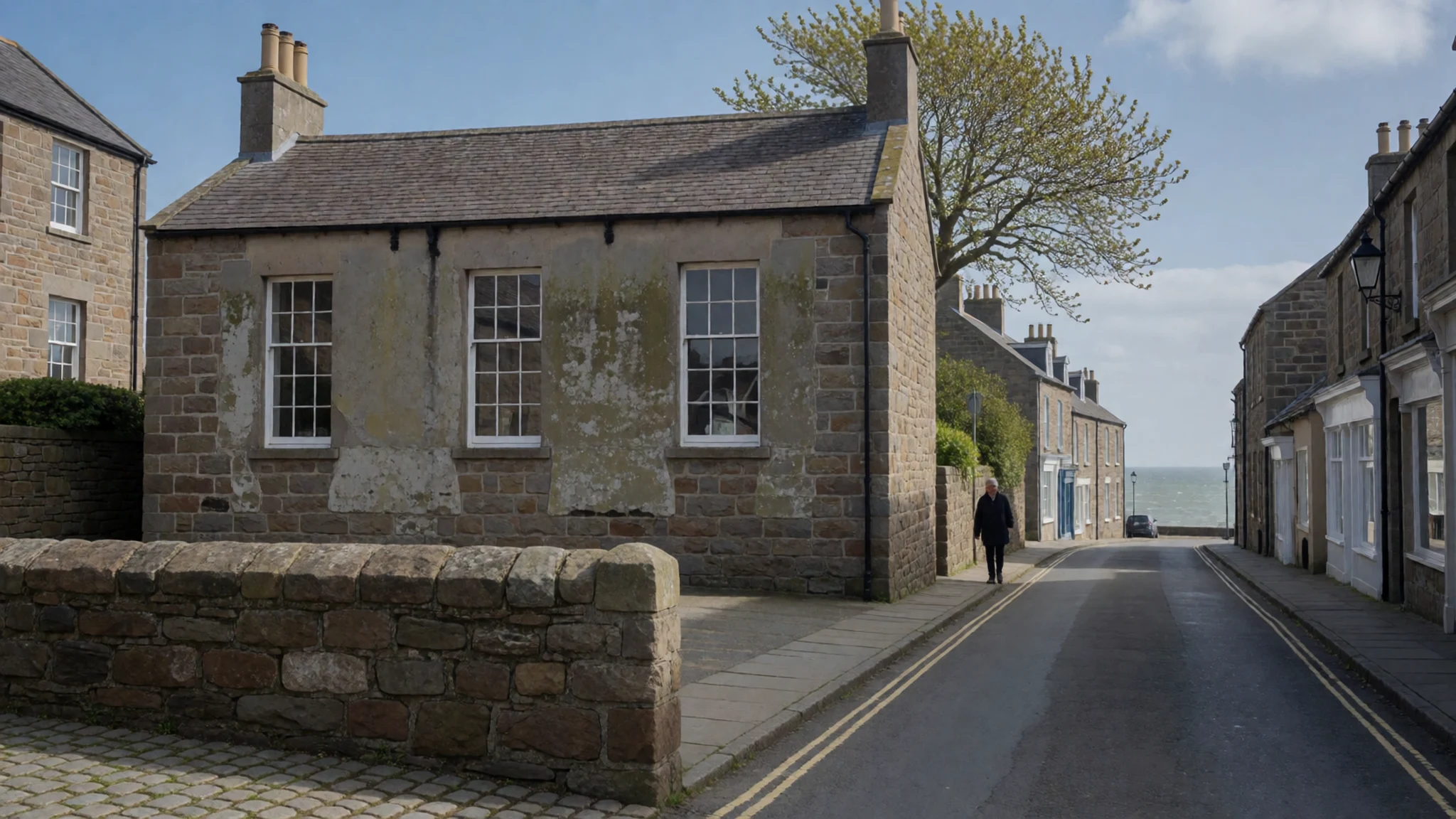
- Beaumaris Gaol — West end of Beaumaris town
The town's nineteenth-century prison is now a museum, and it is a sobering contrast to the medieval castle down the road. Cells, corridors and exhibits show how inmates were held and punished. Allow an hour, and check the official listings before going, as opening times change by season.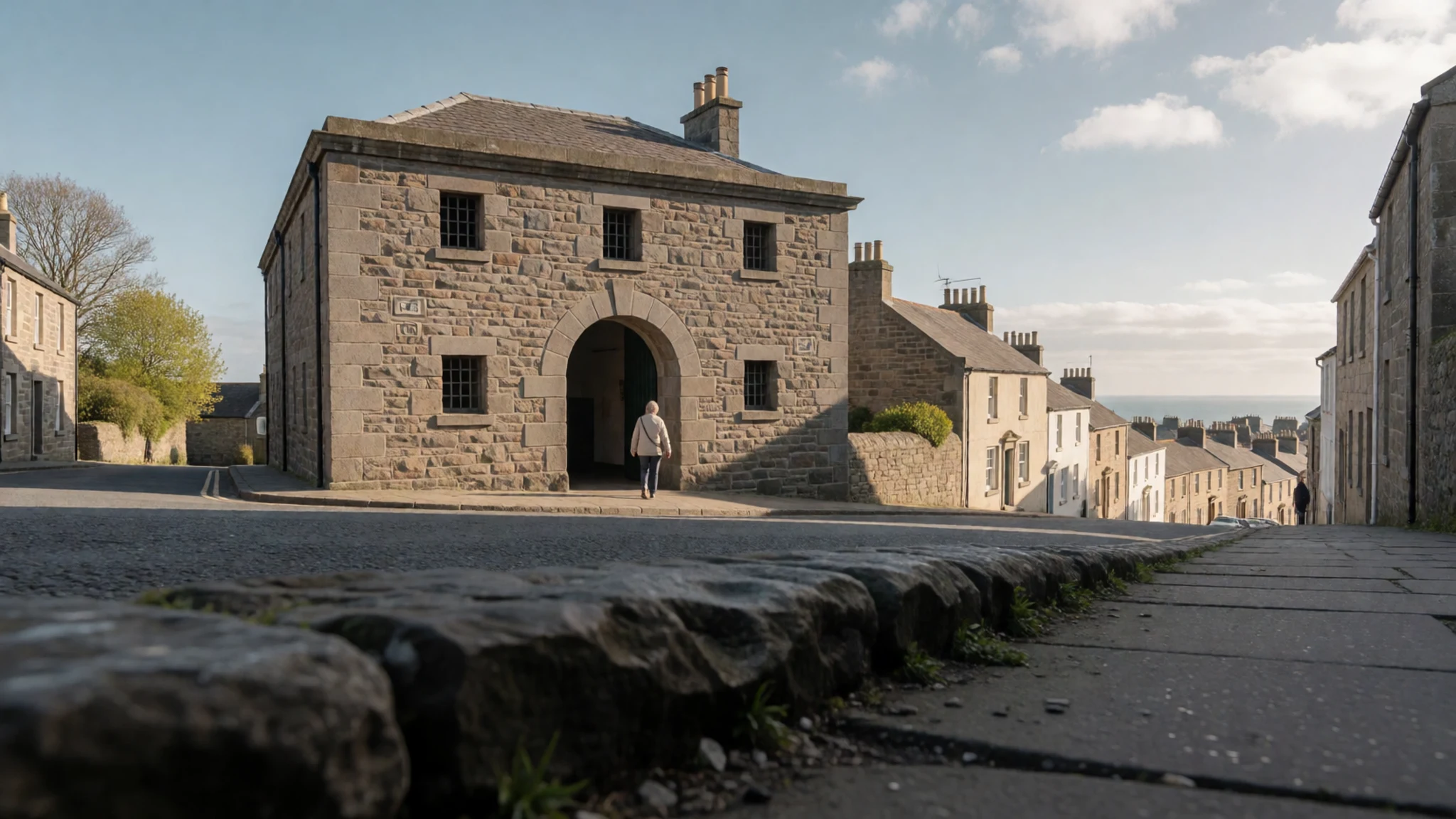
- St Mary's parish church — Church area, Beaumaris
This medieval church is quiet and pleasantly plain inside, and worth a few minutes after the busier castle. In the porch is the stone coffin of Princess Joan, a daughter of King John of England. The church sits within easy walking distance of both the castle and the seafront.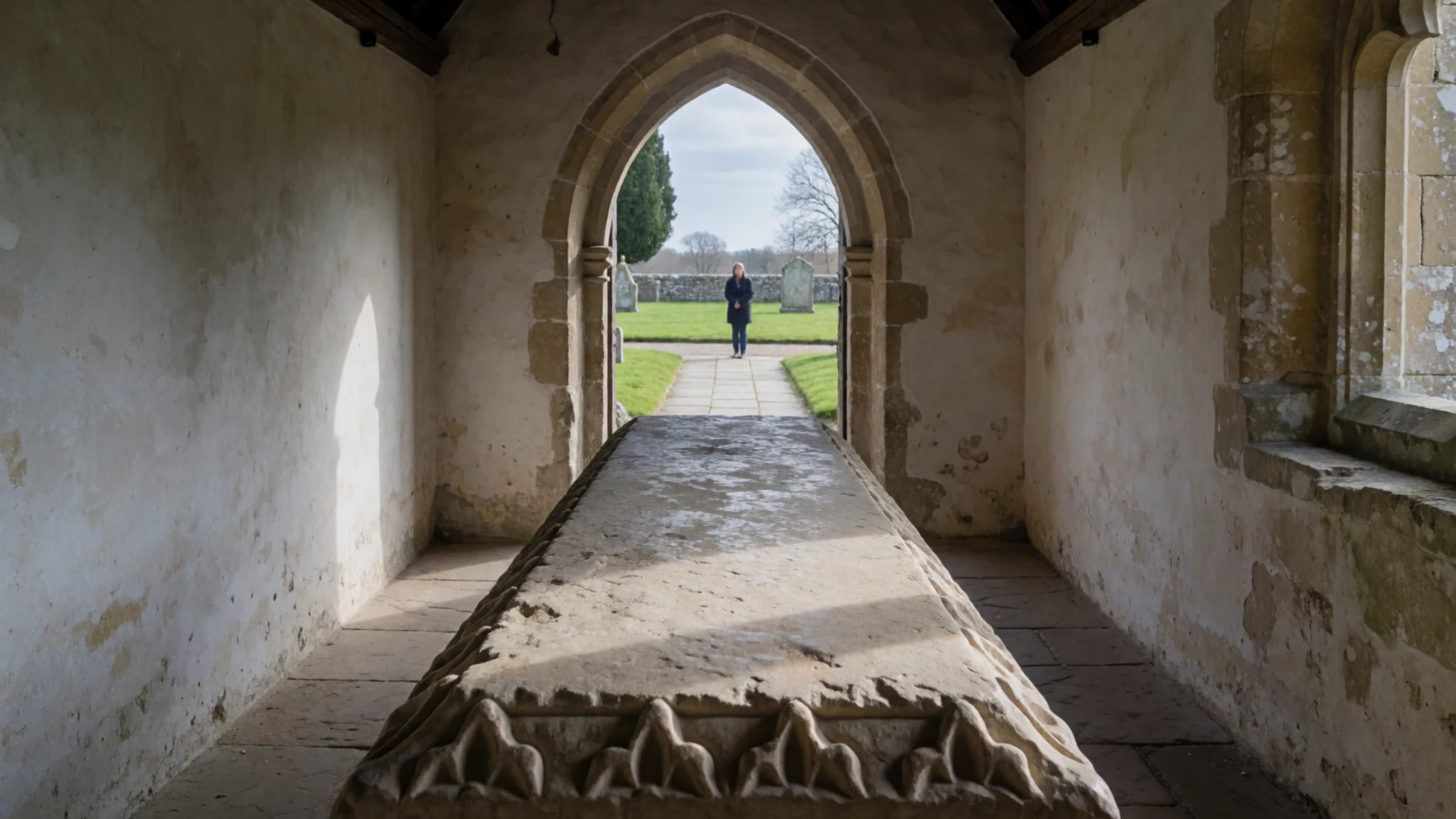
Culture
Beaumaris Castle sits in a part of Wales where Welsh is a living everyday language, and the signs, menus and staff in the town are often bilingual. Anglesey, or Ynys Môn, has its own strong local identity, and the castle's history is told here with some awareness of what the conquest meant for the Welsh. It was built to hold down a defeated country, and the rebellions of Madog ap Llywelyn and Owain Glyndŵr are part of its story as much as Edward I's plans are. Visitors often find it a thoughtful rather than triumphant place. The town has a long maritime past, and boat trips on the Menai Strait still leave from near the pier. Local life revolves around the seafront green, the pubs and the weekend visitors from the mainland. Bonfire Night and New Year's Eve bring fireworks along the shore, and these draw large crowds, so people arrive early to find a place. Rugby matches on pub televisions are a regular social fixture, and conversation in the bars is friendly and unhurried. The castle and the old courthouse give the town a sense of continuity, and many residents are happy to talk about both. When talking to locals, try a simple diolch (thank you) in Welsh, and do not climb on or lean against the old walls, because the stonework is fragile and protected.
What to wear
Beaumaris on Anglesey is not a place with an everyday costume, but Welsh traditional dress has a recognisable look: woollen flannel and tweed in sturdy weaves, striped or checked shawls, aprons, and the tall black hat often seen in Victorian images. It appears now mostly on St David's Day, at school events, in folk festivals and in eisteddfod performances, rather than in daily life. What people actually wear in Beaumaris is practical coastal clothing. Waterproof jackets, fleeces, walking boots and trainers are the norm, with a smarter shirt or dress for a pub dinner or a church service. Visitors from India or warmer places often underestimate the wind off the strait, which can feel cold even in summer. Layers work best: a light base, a warm mid-layer and a proper waterproof with a hood. Footwear matters at the castle, where the paths, stairs and lawns can be uneven, slippery after rain and muddy near the moat. Shoes with grip are better than sandals or smooth soles. There is no formal dress code at the castle or in the town's churches, though modest clothing is polite when entering St Mary's for a quiet look. Bring sun protection too, since the castle has little shade and bright days can be surprisingly strong.
What to eat
- Cawl — Pubs and cafés in Beaumaris town centre
A slow-cooked Welsh broth of lamb or beef with root vegetables, eaten with bread and sometimes cheese. It suits a cold, windy day beside the strait. Look for it on the menus of the town's pubs and cafés, especially outside high summer.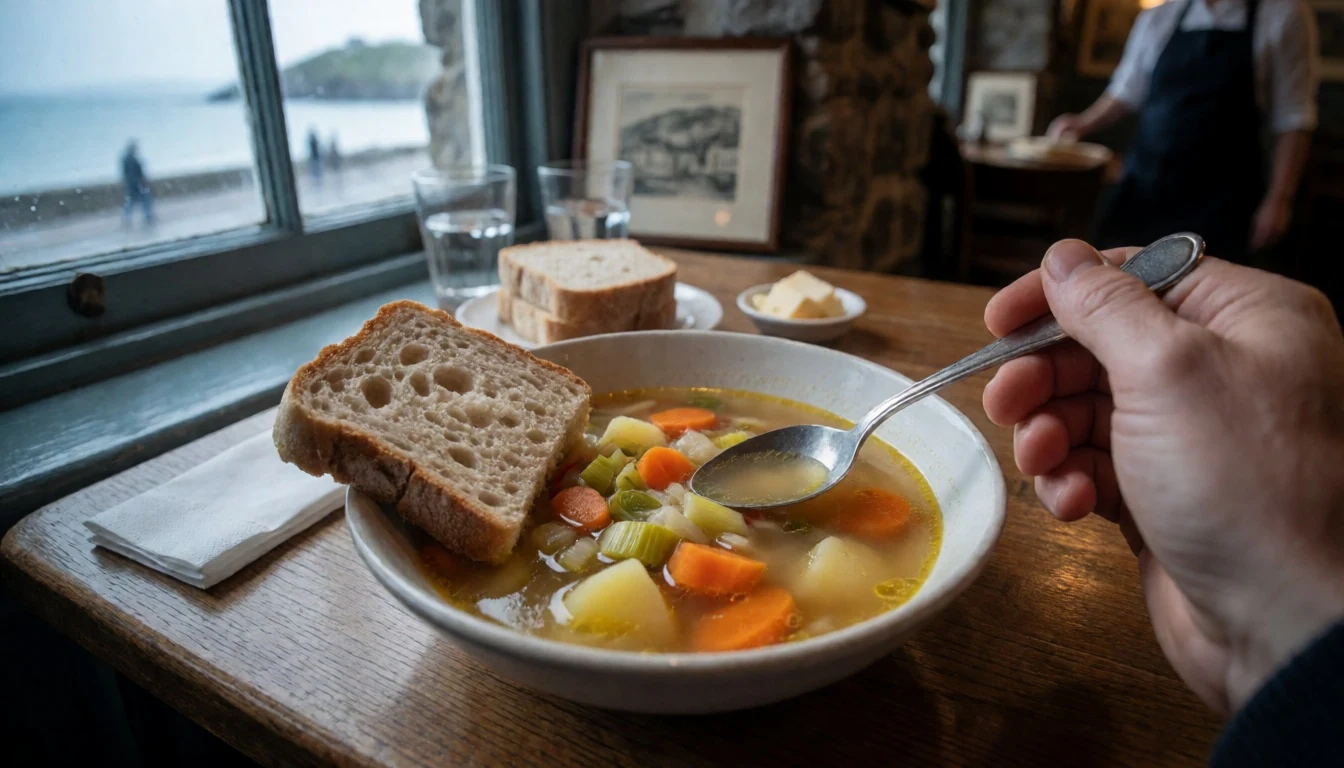
- Menai mussels — Seafront restaurants and pubs, and local fishmongers
Mussels from the strait are a local speciality, usually steamed with garlic, cider or white wine and served with bread. They are a good option for a sociable meal, though availability varies by season, so ask what is fresh.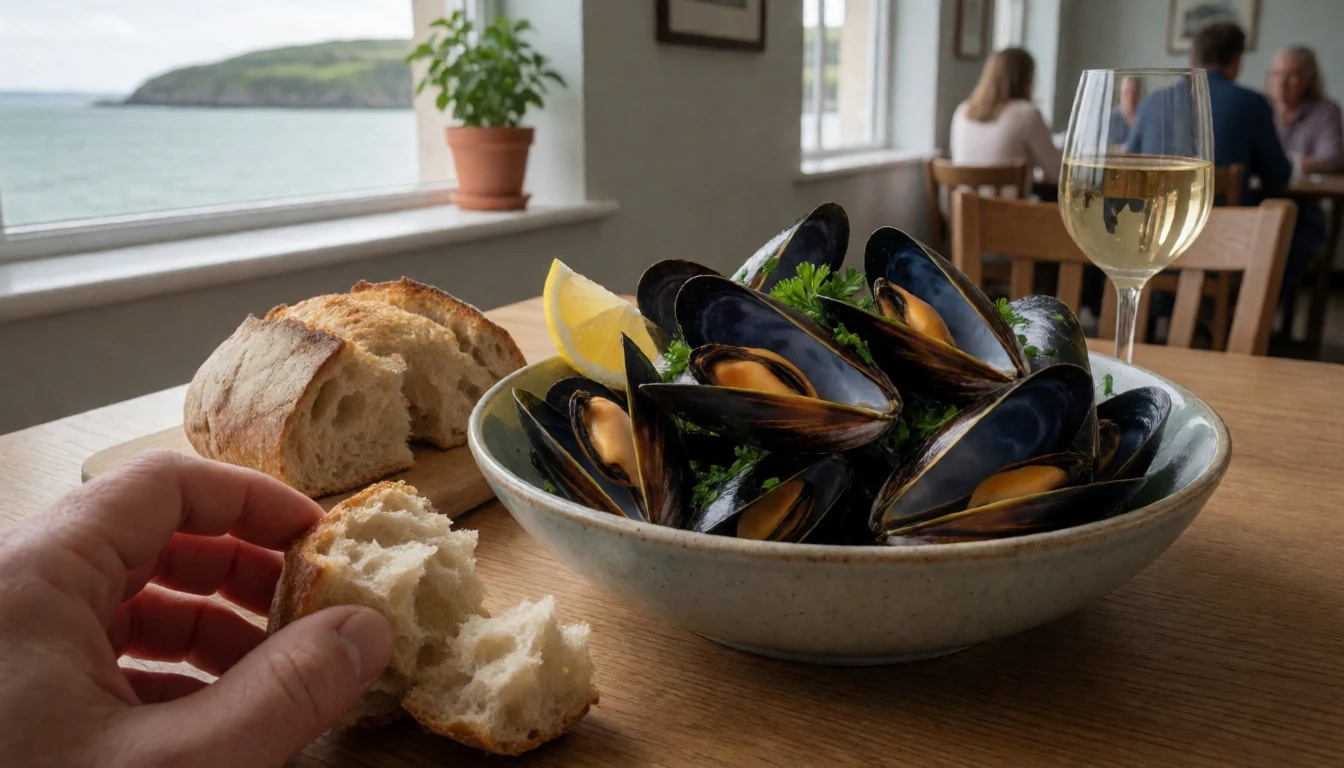
- Anglesey sea salt — Delis and gift shops in Beaumaris and nearby villages
The island is known for flaked sea salt harvested from the surrounding water, and it appears on tables and in gift shops. It is a light, easy souvenir to carry home, and it is also used in local bakes, butters and chocolates. - Welsh rarebit — Cafés and tea rooms around the town centre
Toasted bread under a sharp, savoury cheese sauce, often seasoned with mustard and sometimes ale. It is simple, filling and vegetarian in its basic form, though the sauce can contain beer or other additions, so ask when ordering. - Welsh cakes and bara brith — Bakeries and tea rooms in Beaumaris
Welsh cakes are small, griddled, lightly spiced rounds with dried fruit, eaten warm or cold. Bara brith is a tea-soaked fruit loaf, usually sliced and buttered. Both go well with a pot of tea after the castle.
Plan it
Best time. Spring and early autumn are the easiest times to visit, with mild temperatures, drier spells from April to June and fewer crowds than in July and August, when it is warmest. Winters are damp and windy, and some attractions in town keep shorter hours, so check before going.
How long. 1–2
Getting there. The nearest big airports are Manchester and Liverpool, with Holyhead the closest port for ferries from Ireland. By train, go to Bangor on the north Wales coast line, then take a local bus or taxi across the Menai Strait to Beaumaris. Drivers cross to Anglesey at Menai Bridge and follow the signs to the town. Check current bus timetables and routes with local operators before travelling.
Budget. mid
Tips
- Check the official site, http://www.beaumaris.com, for opening times, tickets and any seasonal changes before planning your day
- Go early or late in the day in July and August, when coach parties and families make the castle busier
- Carry a waterproof layer even on bright mornings, as weather on the strait changes fast
- Combine the castle with the courthouse, gaol and church on foot, as they are all within the small town
- Arrive well ahead of time for Bonfire Night or New Year's Eve fireworks, which draw big crowds along the shore
Etiquette
- Stay on the marked paths and do not climb on the old walls or towers
- Greet people with a friendly hello, and try a simple Welsh diolch in a bilingual town
- Take litter away, especially around the moat and seafront green
Nearby
Sources
- Wikidata Q756815 (CC0)
- Wikipedia: Beaumaris Castle (rev 1365730928) (CC BY-SA 4.0)
- Wikivoyage: Beaumaris (rev 5402904) (CC BY-SA 4.0)
- Photo 01: Castell Beaumaris Castle, Ynys Môn (Anglesey), Wales 44, Llywelyn2000 (CC BY-SA 4.0)
- Photo 02: Castell Beaumaris Castle, Ynys Môn (Anglesey), Wales 45, Llywelyn2000 (CC BY-SA 4.0)
- Photo 03: Beaumaris, 1610, John Speed (Public domain)
- Photo 04: Beaumaris Castle, Traveler100 (CC BY 3.0)
- Photo 05: Beaumaris Castle, east outer curtain wall, Tilman2007 (CC BY-SA 4.0)
- Photo 06: Beaumaris Castle, East Wall, Tilman2007 (CC BY-SA 4.0)
- Photo 07: Beaumaris Castle, Gunner's Walk, Tilman2007 (CC BY-SA 4.0)
- Photo 08: Beaumaris Castle, Gunner's Walk, Tilman2007 (CC BY-SA 4.0)


