Anglesey
Anglesey, United Kingdom
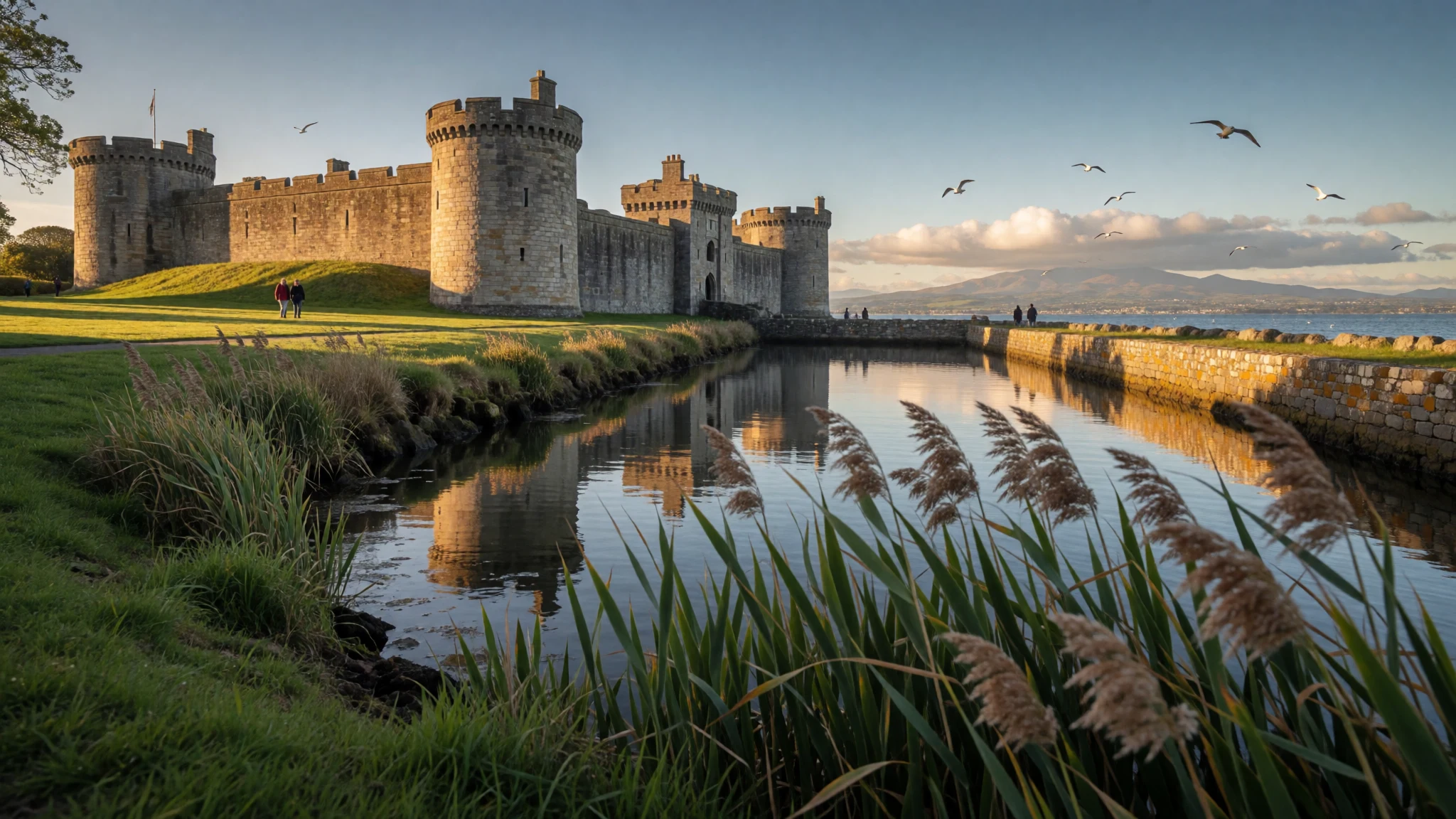
Anglesey is a Welsh-speaking island of quiet coves, prehistoric tombs and a great castle, reached by bridge and slow enough to enjoy.
The place
Anglesey (Ynys Môn in Welsh) is an island off the north-west corner of Wales, parted from the mainland by the Menai Strait and washed by the Irish Sea on every other side. About 70,000 people live here, and Welsh is an everyday language in shops, schools and pubs, so the island works as a heartland of the tongue rather than a museum of it. The coast does most of the talking. The north and east are rugged, with cliffs and small coves, while the south and west soften into dunes, long sands and estuaries. The interior is gently rolling farmland, stone walls and sky. Holy Island, tied to the main island by road and rail, carries Holyhead, the ferry port for Dublin and the end of the railway from Chester and London. Llangefni, in the middle, is the administrative centre. Beaumaris and Menai Bridge sit on the strait, and Amlwch is on the north coast. The economy rests on farming, energy and tourism, and the visitor year follows the weather: busy in school holidays, quiet and bracing outside them. Self-catering cottages and caravans around Trearddur Bay, Red Wharf Bay and Rhosneigr are the usual bases. Wind and tide shape everything here, from the crops to the day's walking plans, and a morning can change from sun to sea fog and back again.
Its story
Anglesey was not habitable until the last ice age had gone, and its human story starts after that, with hunter-gatherers of the Mesolithic. Excavation at Trwyn Du near Aberffraw found traces of that early life buried beneath a later Bronze Age cairn, a good example of how this island stacks its centuries on top of one another. Farming villages followed, among the first in Wales, and the people who settled left stone behind them: burial chambers, standing stones and menhirs scattered across the farmland. Bryn Celli Ddu, the 'dark grove mound', began as a henge enclosure and was altered many times over a thousand years before becoming the passage tomb visitors see now. Din Lligwy and the hut circles on Holyhead Mountain show that people kept building on the island through Roman and medieval times. Later centuries brought Beaumaris Castle, a Victorian gaol and courthouse, lighthouses on every headland, and the Menai Suspension Bridge, which finally linked the island to the mainland by road. Amlwch was once a copper-mining town, and Holyhead had an aluminium smelter until 2009. The Wylfa nuclear power station generated electricity from 1971 until its reactors were retired, and wind farms now stand on the land. Antiquarian engravings of 'Druidical remains' show how long outsiders have been fascinated by the island's ancient stones.
What to see
- Beaumaris Castle — Beaumaris
Beaumaris Castle stands on flat ground beside the Menai Strait, its low concentric walls and water-filled moat giving it a tidy, geometric look. Allow a couple of hours, then walk into the little town for the old courthouse and the Victorian gaol, both open to visitors. Check the official heritage site for times.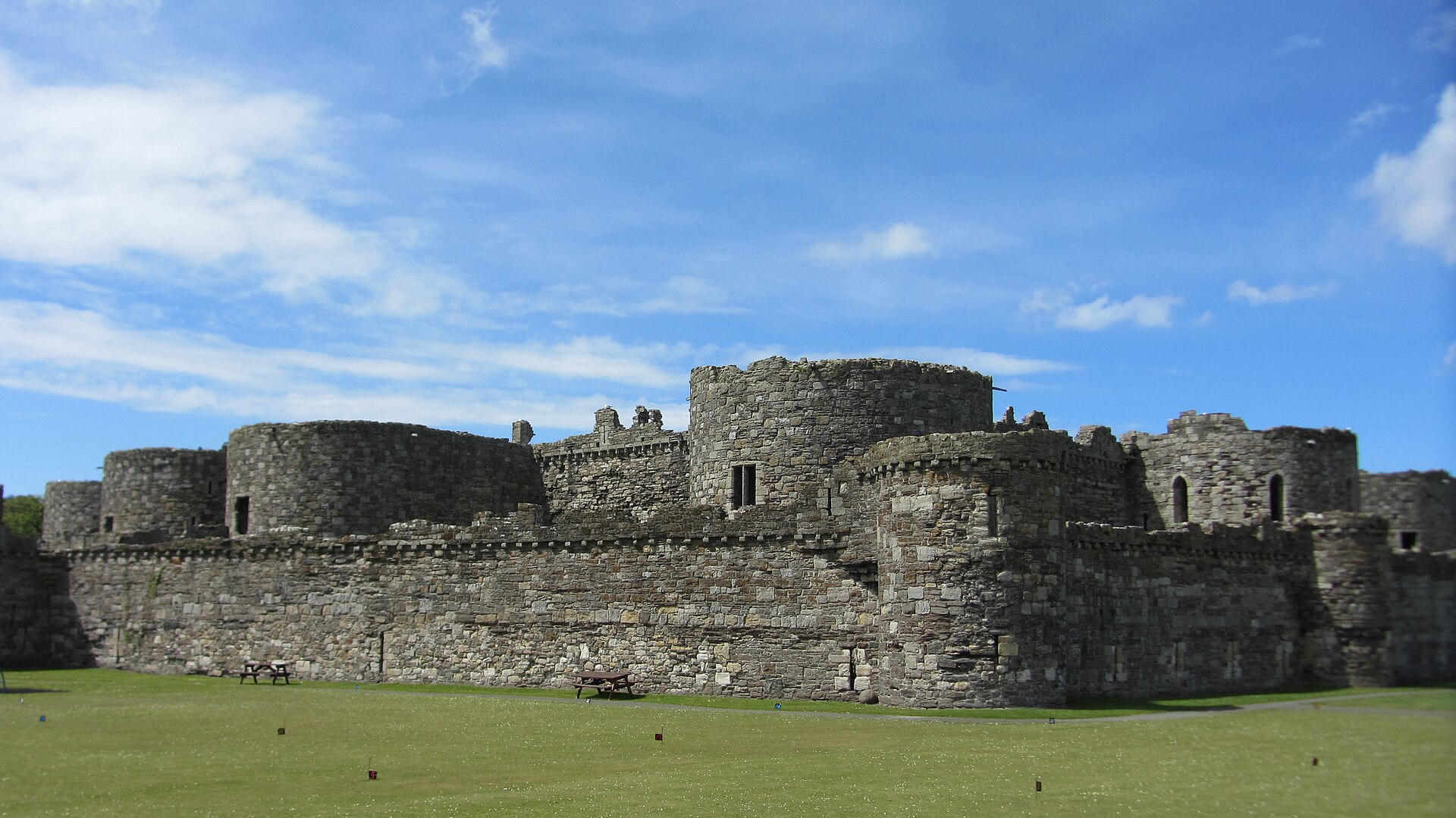
- Bryn Celli Ddu — Near Llanfairpwllgwyngyll
Near Llanfairpwllgwyngyll, Bryn Celli Ddu is a passage tomb under a grassy mound, built over an older henge. The narrow passage can be entered, and the site is free to reach on foot from a small lay-by. It is best on a quiet morning, when sheep and silence are the only company.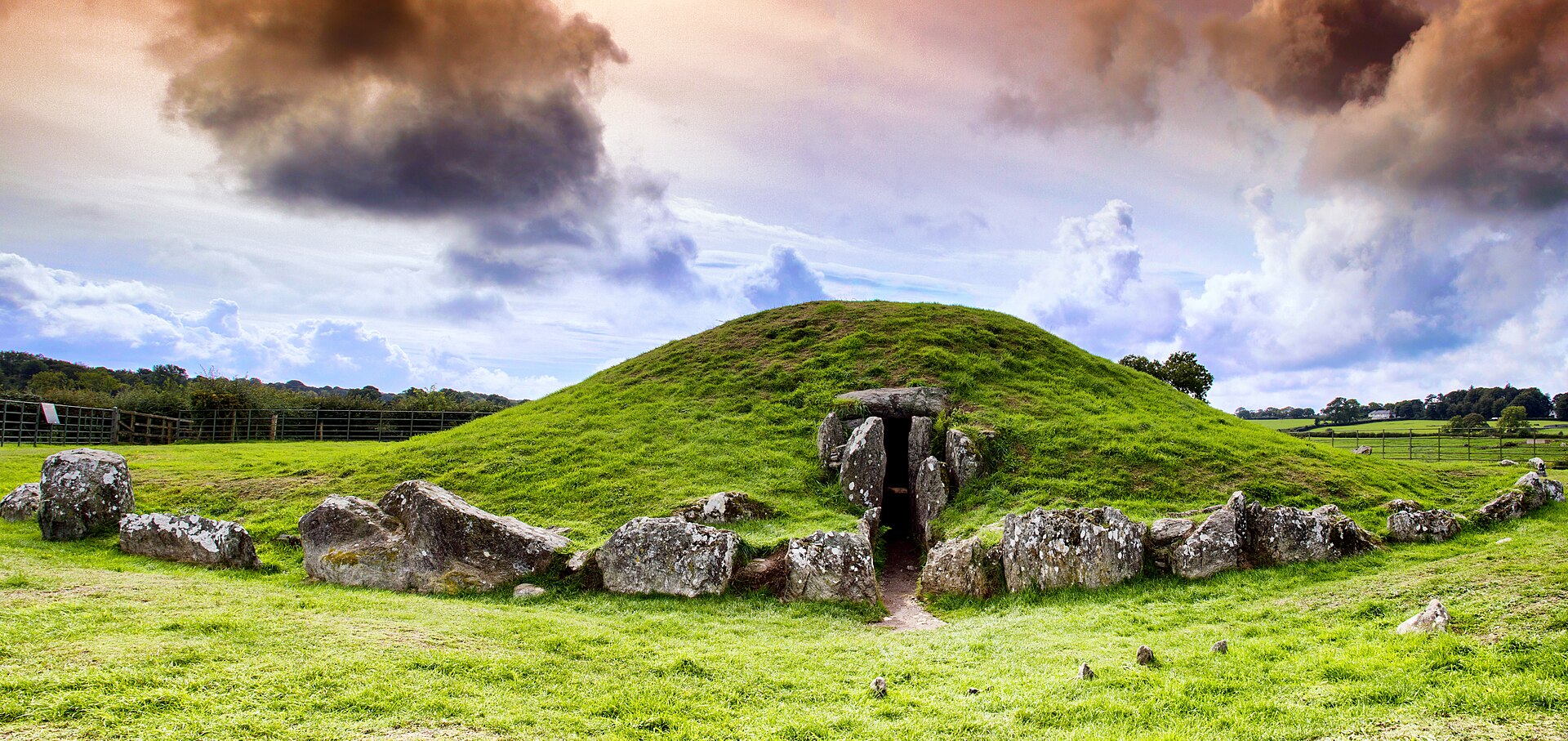
- South Stack and Holyhead Mountain — Holy Island, near Holyhead
At the western tip of Holy Island, South Stack lighthouse sits on a rock below sea cliffs full of nesting birds in spring and early summer. Close by, the Holyhead Mountain hut circles mark an ancient village site. Wind is strong here, so bring a windproof layer even on a sunny day. - Plas Newydd — Near Llanfairpwllgwyngyll
Plas Newydd is a country house with gardens on the shore of the Menai Strait, with views across to the mountains of Snowdonia on a clear day. It is a gentle half-day, easy with children or in wet weather. Opening times and tickets are set by the operator, so check before travelling.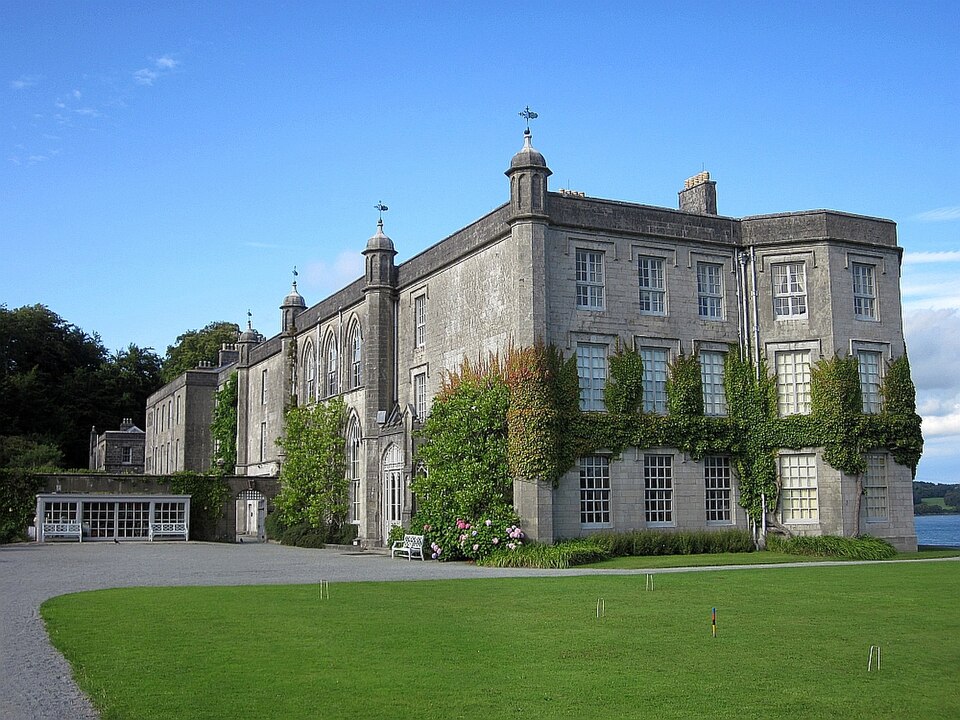
- Llanddwyn Island — Newborough, south-west coast
Llanddwyn Island is reached on foot across sand and rock from Newborough, and only when the tide allows. It has a lighthouse, ruined church remains and wide views back to the mountains. Check tide times before setting out, and allow a slow two or three hours for the round trip.
Culture
Anglesey (Ynys Môn) is a place where Welsh is spoken in the supermarket queue, on the school run and on the island's volunteer community radio station, Môn FM, which broadcasts from Llangefni. Chapels dot the villages, and the calendar is built around gatherings rather than attractions. The island has hosted the National Eisteddfod, Wales's great festival of poetry, music and performance, more than once. Each August the Anglesey Show fills a showground with farmers competing in sheep and cattle classes, alongside food stalls and local crafts. In summer the Carreglwyd estate hosts Gottwood, an electronic music and arts festival that draws a younger crowd from across Britain. Village pubs are the everyday meeting places, and a quiet hour in one is often the best way to hear how the island talks. Farming remains close to daily life, so fields, gates and lanes belong to working people. Many residents are used to visitors but are glad of a few Welsh words, even clumsy ones. Holyhead's ferry links to Ireland also give the north-west a long habit of mixing with neighbours across the water. Say a friendly 'bore da' or 'diolch' where you can, close farm gates behind you, and keep dogs on leads near livestock and nesting birds.
What to wear
Traditional Welsh dress, which Anglesey shares with the rest of Wales, grew out of rural wool: hard-wearing tapestry-weave cloth in bold stripes and checks, woollen shawls, and for women a tall black hat in the style often shown in old prints. It is now worn mostly for St David's Day, school concerts, folk dance and the Eisteddfod, rather than daily life. Today's islanders dress for weather and work. Waterproof jackets, fleeces, walking boots and wellingtons are normal in farming areas, and neat casual clothes are usual in towns like Beaumaris and Llangefni. Surf and sailing wear is common around Rhosneigr and Trearddur Bay, and smarter clothes appear for chapel, weddings and the Eisteddfod. A visitor should dress in layers. The wind off the Irish Sea can turn a warm afternoon cold, and rain can arrive without warning at any time of year. Bring a proper waterproof, not just an umbrella, and trainers or boots with a good grip for wet grass, cliff paths and rocky shores. Sandals suit beach days in summer but not clifftop walking. No special dress code applies at the historic sites, though modest, practical clothing is sensible when entering churches. Pack sun cream too, since coastal light can be strong even when it feels cool.
What to eat
- Cawl — Village pubs and café kitchens across the island
Cawl is the Welsh broth of lamb or beef with potatoes, swede, carrot and leek, eaten with bread and sometimes cheese. It is a cold-weather staple and often the sensible choice on a wet day. - Menai mussels — Waterside restaurants and seafood stalls near Menai Bridge and Beaumaris
Mussels farmed in the sheltered Menai Strait are served steamed with garlic, cider or cream. They are at their best fresh from the water, with a view over the strait. - Anglesey sea salt — Farm shops, delicatessens and gift shops
Sea salt is harvested from the waters around the island and sold as fine flakes. It is a popular edible souvenir and appears on tables in many local restaurants and pubs. - Welsh lamb or Welsh Black beef — Country pubs in small villages
The island's grazing land supports sheep and cattle, so roast lamb or a good beef dish is a safe order in a country pub. Ask the kitchen which farm it comes from. - Welsh cakes — Bakeries, market stalls and village tearooms
Welsh cakes are small, round, lightly spiced griddle cakes with currants, eaten warm or cold with tea. They are easy to carry on a coastal walk and keep well in a bag.
Plan it
Best time. May to June and September are the best months: longer days, fewer crowds than the school holidays, and the sea is calmer for walking and boat trips. July and August are busiest and the roads and beaches fill. Winter is wild and quiet, with some seasonal businesses closed, and rain is likely in any month.
How long. 3–4
Getting there. There are no scheduled flights to Anglesey Airport, so fly to Manchester or Liverpool, each under two hours' drive away. Trains run direct to Holyhead from Chester and London; the A55 crosses the Menai Strait by bridge, with a smaller road crossing at Menai Bridge. National Express and Arriva coaches also serve Holyhead, and ferries run from Dublin and Dún Laoghaire.
Budget. mid
Tips
- Hire a car or bring bikes: buses reach the main towns but the coves, tombs and headlands are spread out.
- Check tide times before crossing to Llanddwyn Island or walking on exposed shores.
- Book cottages and caravans early for July and August, especially around Trearddur Bay, Red Wharf Bay and Rhosneigr.
- Carry a waterproof and a warm layer even in summer, because the weather changes quickly.
- Check the official council site (http://www.anglesey.gov.uk/) and each attraction's own page for current opening times, as many close or shorten in winter.
Etiquette
- Greet people with a few words of Welsh when you can, and ask before assuming someone prefers English.
- Close farm gates and keep dogs on leads near livestock and nesting birds.
- Keep to marked paths at burial chambers and ancient sites, and do not climb on the stones.
Nearby
Sources
- Wikidata Q168159 (CC0)
- Wikipedia — Anglesey (CC BY-SA 4.0)
- Wikivoyage — Anglesey (CC BY-SA 4.0)
- View from the Anglesey Coastal Path — Jeff Buck (CC BY-SA 2.0)
- Beaumaris Castle — Steve Collis (CC BY 2.5)
- Celtic Gateway bridge, Holyhead — Hefin Owen (CC BY-SA 2.0)
- Anglesey Caernarnan Atlas — Christopher Saxton (CC0 1.0)
- Druidical remains in Anglesey — J. Smith and S. Alken (CC0 1.0)
- Bryn Celli Ddu Burial Chamber — Sterim64 (CC BY-SA 4.0)
- Beaumaris Castle — Stephen Colebourne (CC BY 2.5)
- Plas Newydd Anglesey UK — Waterborough (CC BY 3.0)


