Avebury
Avebury, United Kingdom
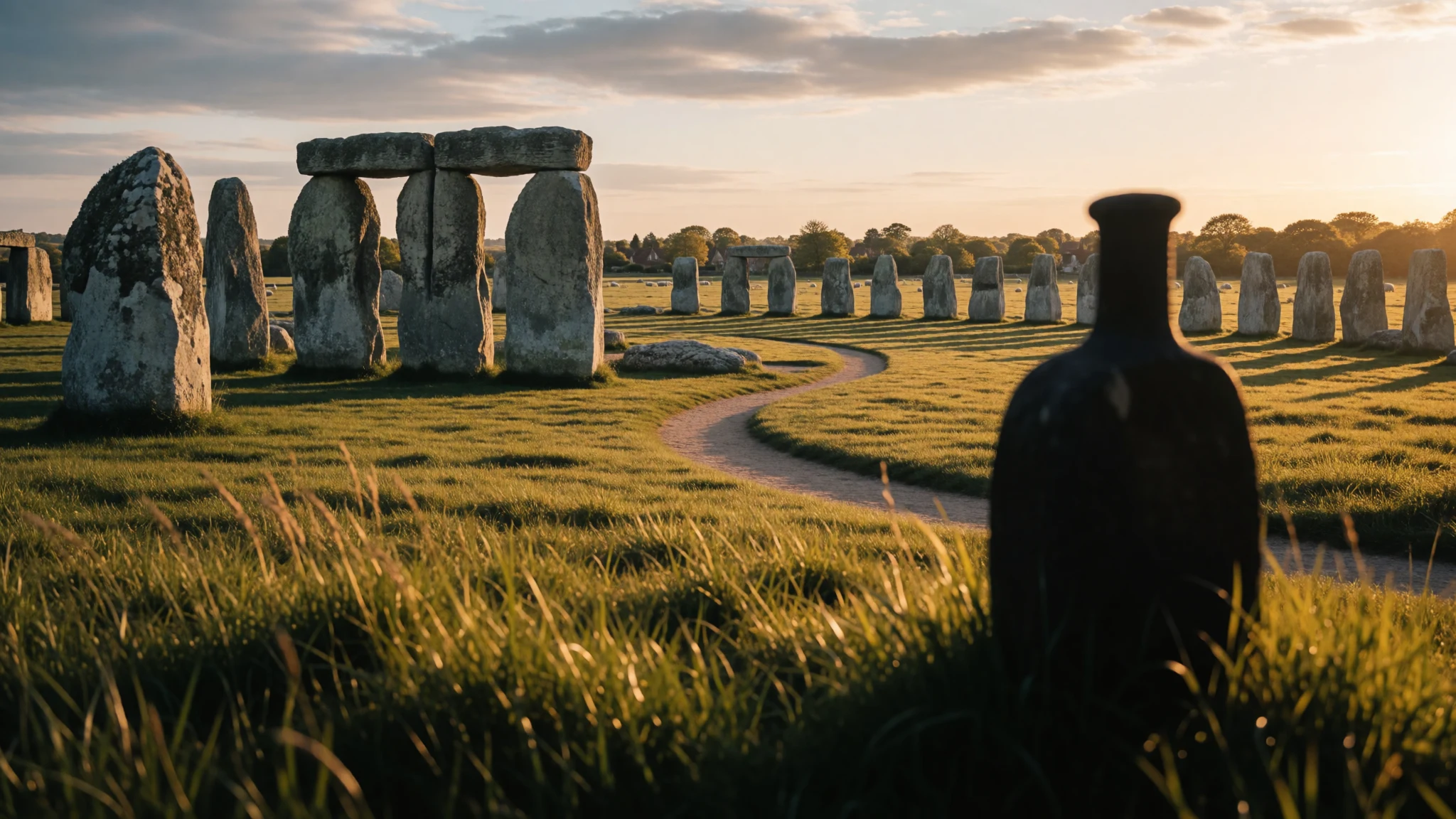
Avebury is a full prehistoric landscape in one place—bank, ditch and stone circles—where history, space and modern spirituality overlap.
The place
Avebury sits in Wiltshire in south-west England, centred on a Neolithic henge monument near the village of Avebury. The setting does a lot of the work: rolling, open grass around large earthworks makes the stone ring feel less like a fenced-off attraction and more like an outdoor room.
The monument is built as a henge (a bank with a surrounding ditch) and then marked out with stone circles. There’s an outer circle and two smaller circles arranged within the monument’s interior. Walking the paths and stepping near the standing stones gives a sense of how the site might have structured movement across the landscape, even though the original purpose is still debated.
Avebury is often visited for its scale and familiarity in British prehistory. It’s also a living place for some contemporary pagans, so there’s a quieter rhythm to parts of the grounds—less like a theme park, more like a site where people come to think, gather and photograph.
In practice, the experience depends heavily on when you arrive. Midday footfall can be busy, especially around the central circuit and the road crossings into different quadrants. Early in the day, the stones feel more grounded and the grass textures come alive. Weather matters too: the site stays open and exposed, so rain, mist and sun all change how the stone colour reads.
Avebury is managed by the National Trust, which helps keep the ground easy to navigate and usually means clear on-site direction and facilities.
Its story
Avebury’s story starts long before there was a village. The henge and circles were constructed across the third millennium BC during the Neolithic period. Over time, the monument became part of a broader prehistoric landscape in Wiltshire, sitting alongside older sites such as West Kennet Long Barrow, Windmill Hill and Silbury Hill.
By the Iron Age, the site was effectively abandoned, though people still returned later—there’s evidence of activity during the Roman period. Then, in the early Middle Ages, a village began to form around the monument and it eventually extended into it. That matters because Avebury is not just “ruins in the fields”; it’s a settlement grown around ancient ground.
Later centuries brought a different chapter. In the late medieval and early modern periods, standing stones around the henge were destroyed for a mix of religious and practical reasons. Even so, memory of Avebury didn’t vanish. Antiquarians John Aubrey and William Stukeley took an interest in the site in the 17th and 18th centuries and recorded details as parts were lost.
Serious archaeological investigation followed in the 20th century. Harold St George Gray led excavation of the bank and ditch, and Alexander Keiller oversaw a later project that reconstructed much of the monument. Today the results feel strangely immediate: a walkable, legible prehistoric landscape managed by the National Trust—one where history has been argued, recorded, lost, and rebuilt.
What to see
- Avebury Henge & Stone Circles
The henge is the main event: follow the circuit through the four quadrants so the outer ring and the inner arrangements reveal themselves in sequence. Many visitors loop it twice—once close to the stones, once up on the bank where the views across the grasslands open up.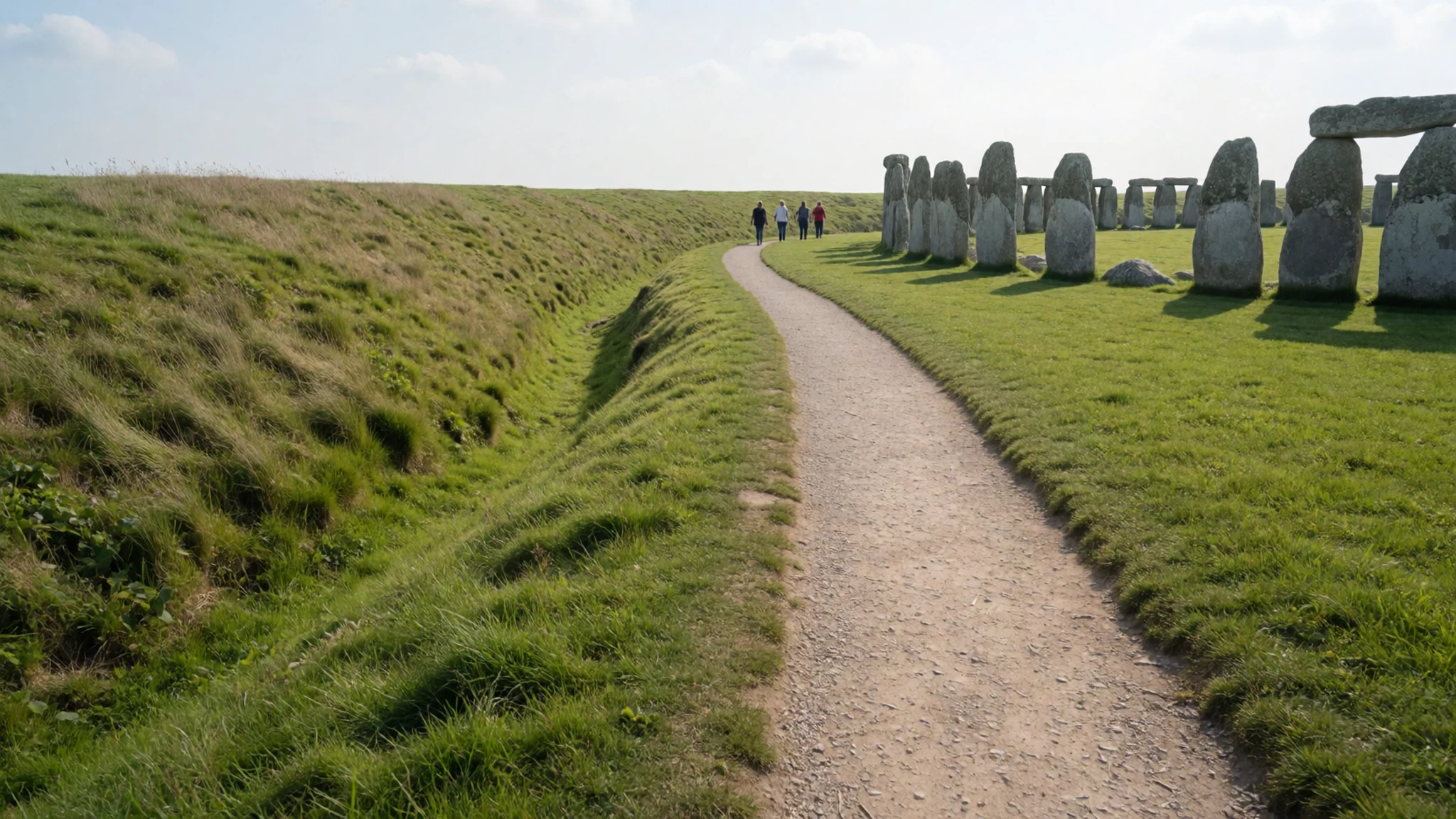
- Silbury Hill
Silbury Hill is a nearby man-made mound in the wider prehistoric landscape. It stands as a large, grass-covered shape that you can spot from the area, giving a strong sense that Avebury sits inside a much bigger set of earthworks.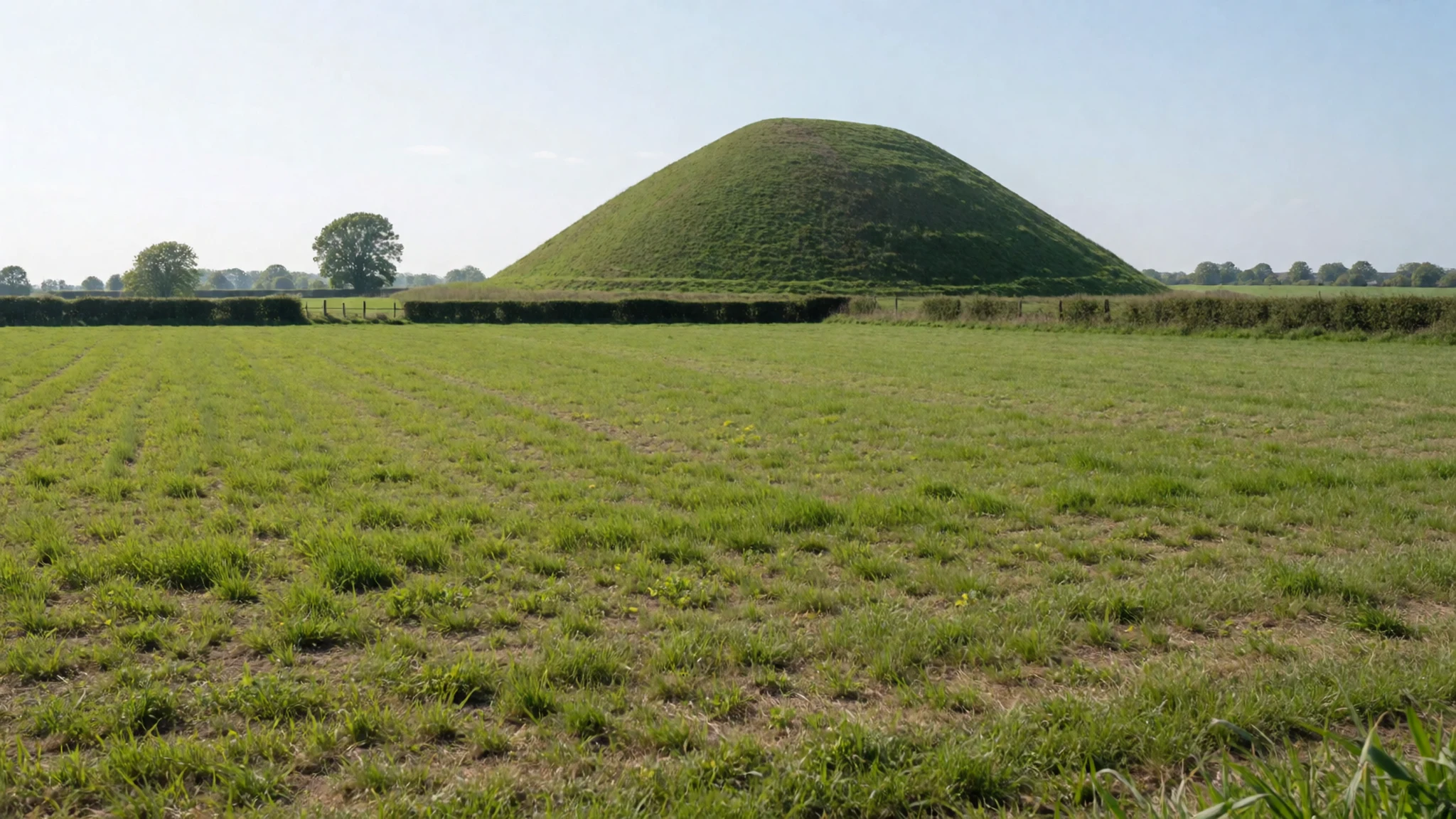
- Alexander Keiller Museum
The Alexander Keiller Museum helps fill in the “what are we looking at?” gap, with an indoor context for the site’s archaeology. It’s a good stop when weather turns or when the stones and banks start to blur into one long walk.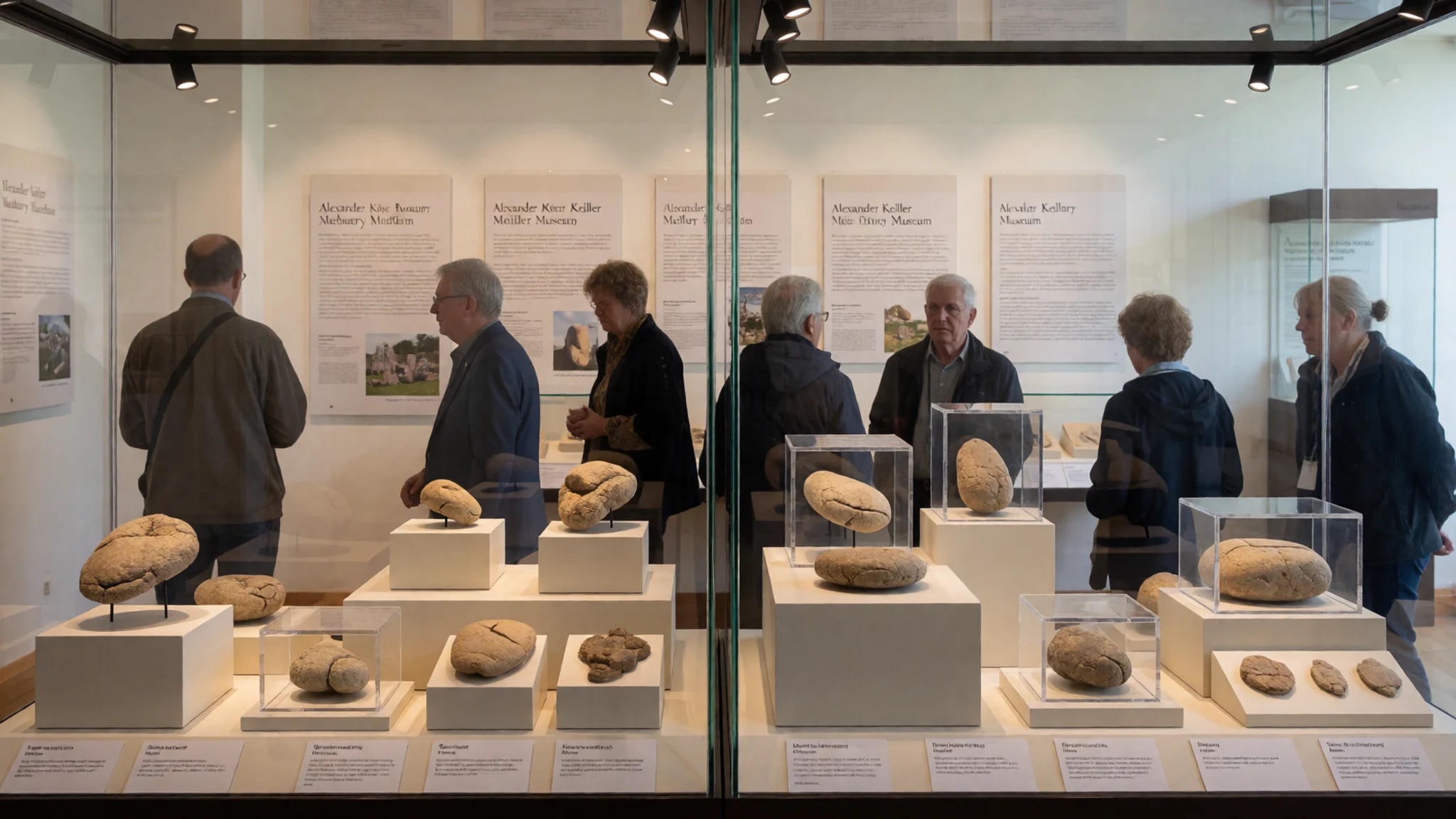
- Avebury Manor
Avebury Manor sits within the same wider property and connects the visitor to the later phase of Avebury’s modern story. It’s associated with Alexander Keiller and sits beside period-style gardens, giving a calmer contrast to the open-air circle.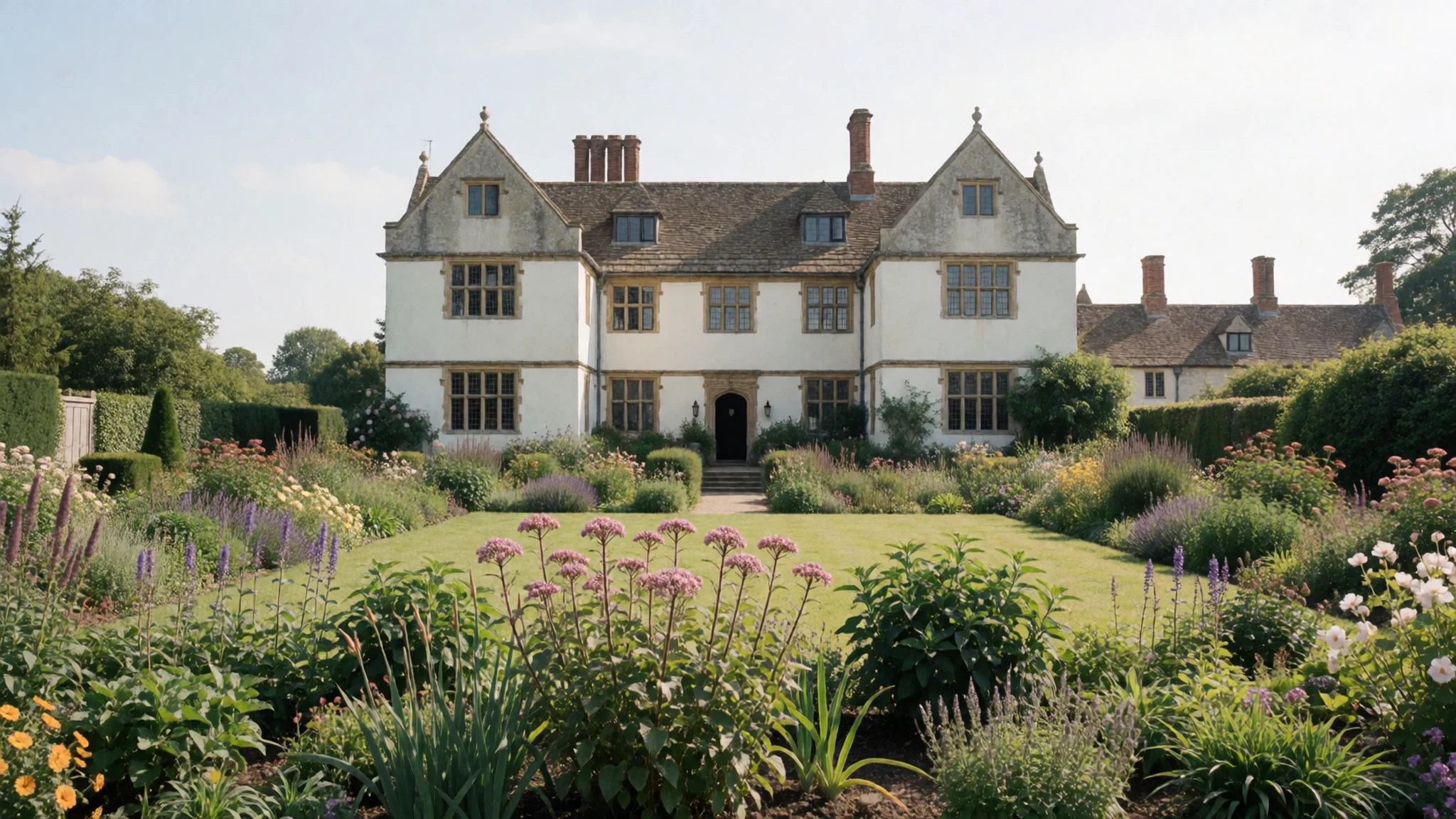
- South East Quadrant: Devil's Chair & Inner Remains
On the south-east side, the path leads to the Devil's Chair, a large stone with a small ledge people use like a perch. In this quarter you also find what is left of the inner stone circle, with a central marker stone that Keiller set up.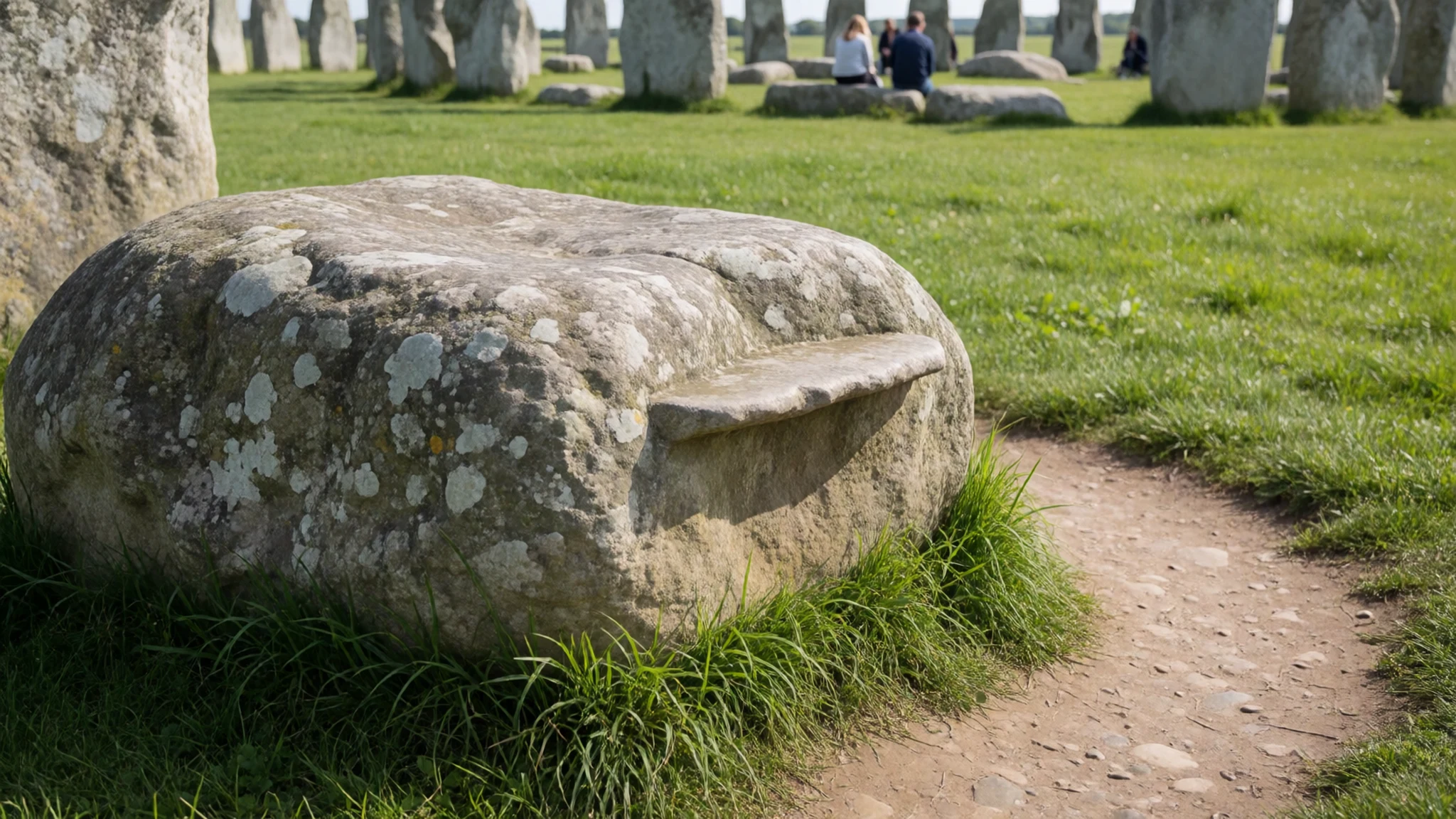
Culture
Avebury is culturally interesting because it sits on the boundary between heritage and ongoing belief. The monument’s Neolithic creation is long history, but the site is also used today for religious significance by some contemporary pagans. That means the atmosphere can shift: in quiet corners it can feel contemplative, while in the busiest stretches you’ll get the normal mix of families, photo stops and curious history fans.
The “stone circle” label can make Avebury sound like a single feature. On the ground, it behaves more like a landscape sequence. The bank and ditch, the outer circle, and the separate stone circles work together with pathways that guide people through different viewpoints. Once people realise there’s a circuit to follow, the site starts to feel like a route with rhythms rather than scattered monuments.
Crowds tend to cluster around the central approach and road crossings between quadrants, so early mornings usually bring a calmer walk and better time to look at individual stones without constant back-and-forth passing. Rain and wind can also thin the crowd, but they make surfaces slippery, so slow down around the edges of the earthworks and keep an eye on footing.
Visitor behaviour matters here more than at a standard viewpoint. The site is still “in use” by some visitors, so keeping noise down helps everyone settle into the place. Please respect any gathering and don’t treat people’s spirituality as a background for photos.
Visitor etiquette: keep voices low near any group activities and follow any signage about staying on paths or around stones.
What to wear
Avebury is a place of open grass, exposed earthworks and long outdoor walks, so clothes need to handle British weather changes. Traditional dress at Avebury is not a single “standard outfit” the way it is for some cultural festivals, but the contemporary vibe from visiting pagans often leans into earth-friendly colours and practical layers. Think natural fabrics and flowing shapes for the ceremonies, plus outer layers for damp air.
In day-to-day visitor life, most people dress like they’re exploring the Wiltshire countryside: waterproof jackets, fleece or jumpers, jeans or walking trousers, and sturdy shoes. Trainers are common, but the ground can be muddy after rain, and paths can be uneven near the bank.
For a visitor, the best outfit is practical and modest in the way that suits heritage sites: long trousers are safer for bramble edges and uneven footing, and a light waterproof helps if the sky changes. If visiting during colder months, warm layers beat trying to “look seasonal” with thin clothing. If there’s any chance of mist or drizzle, carry a hat or hood—Avebury can feel chilly because it’s so open.
Finally, remember this is a working historic landscape: wear clothes that can get grass stains, and keep your footwear quiet and careful near the stones.
What to eat
- Circle Cafe (National Trust) — Courtyard beside the Great Barn Museum
The National Trust Circle Cafe sits in the courtyard beside the Great Barn Museum. It’s a straightforward option for walkers: hot lunches with seasonal ingredients, plus sandwiches, cakes and tea in a space that works with walking boots.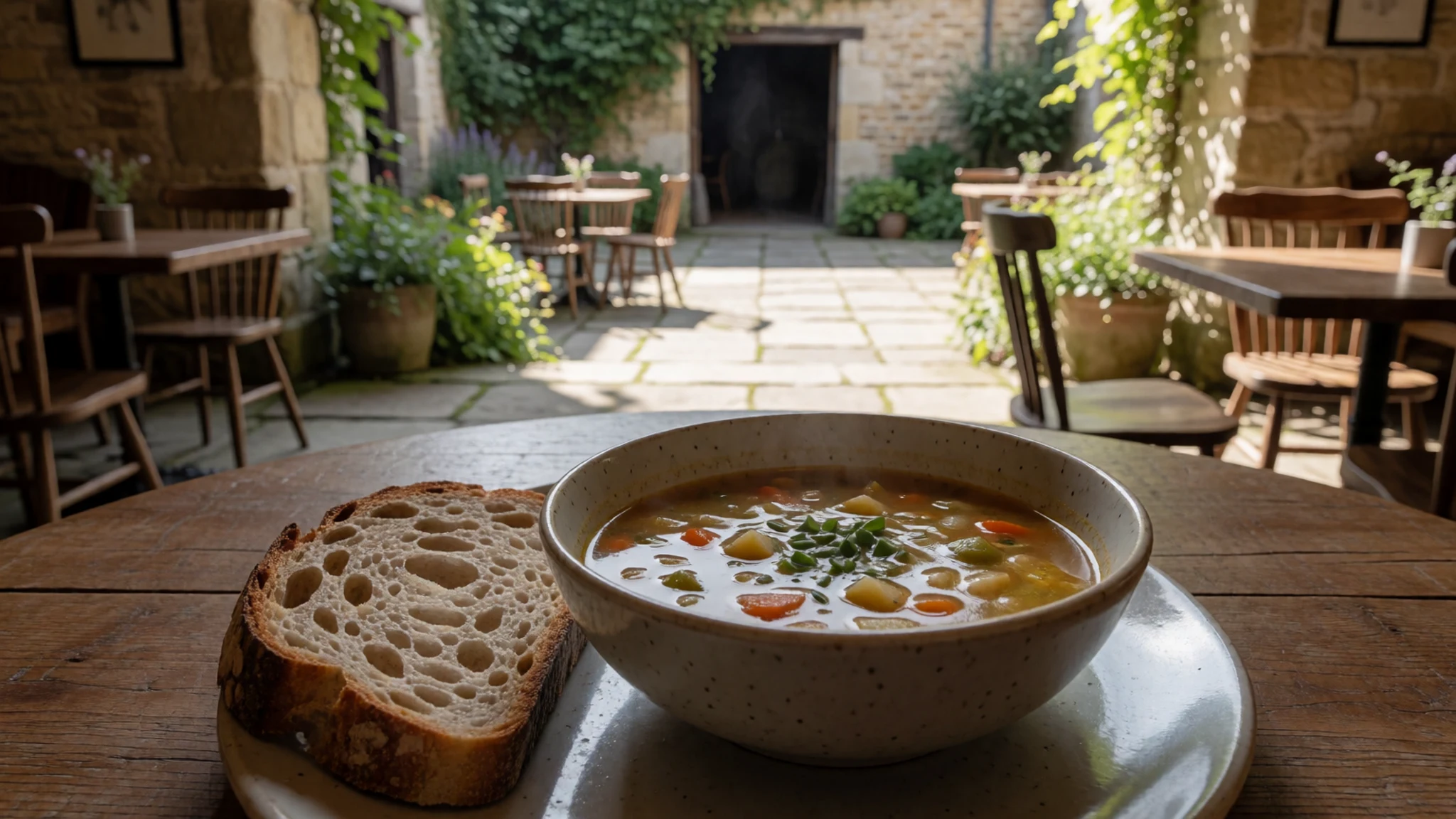
- Avebury village pub meals (Red Lion area) — Avebury village
The Red Lion Pub is a well-known spot in Avebury and a common lunch or early-evening stop. It’s a good “refuel between walks” choice, especially when the weather makes outdoor eating less appealing.
- Seasonal snacks at the henge complex — Near the main visitor areas
Between views around the circle, many visitors grab quicker snacks and hot drinks rather than a long sit-down meal. Look for easy-to-access options on the property run by the National Trust so the day stays on schedule. - Devizes day-trip meals — Devizes
If the plan includes time in Devizes, it’s a useful place to eat before or after exploring the wider prehistoric connections. The Wiltshire Museum area is close to spots for food and drink and can break up a long day.
Plan it
Best time. March–April for pleasant spring light and autumnal clarity; late October–November also suits quieter walking and cooler temperatures. The site is exposed, so choose months when the weather is most stable.
How long. 3–4
Getting there. Avebury is accessible by road via the M4 motorway, with local signposting to the official tourist car park near the circle. The nearest train stations are in Pewsey and Swindon, and the Trans-Wiltshire Express service runs between Swindon, Avebury, Devizes and Trowbridge; Swindon connects to London’s main line. The last leg is then by local bus or a short taxi.
Budget. mid
Tips
- Start with the henge circuit early in the day to reduce the busiest queues at road crossings
- Plan for extra time if visiting in wet weather, when edges of the bank and grass can feel slippery
- Use the on-site National Trust directions so the quadrants read as a route rather than separate stops
- If the stones start to blur, break the day with the Alexander Keiller Museum for indoor context
Etiquette
- Keep to the paths and be careful around the earthworks so the ground stays undamaged
- Keep voices low in quieter areas, especially if other visitors are gathering
- Be respectful when photographing people near stones and avoid blocking viewpoints for long periods
Nearby
Sources
- Wikidata Q661855 (CC0)
- Wikipedia (rev 1381310123) (CC BY-SA 4.0)
- Wikivoyage (rev 5378505) (CC BY-SA 4.0)
- Photo photos/01-wiltshire-avebury.jpg (CC BY-SA 4.0)
- Photo photos/02-avebury-aerial.jpg (CC BY-SA 4.0)
- Photo photos/03-silburyhill-gobeirne.jpg (CC BY 3.0)
- Photo photos/04-asc-10-db.jpg (CC BY 3.0)
- Photo photos/06-avebury-south-inner-circle-wiltshire-uk-diliff.jpg (CC BY 3.0)


