Edinburgh
Edinburgh, United Kingdom
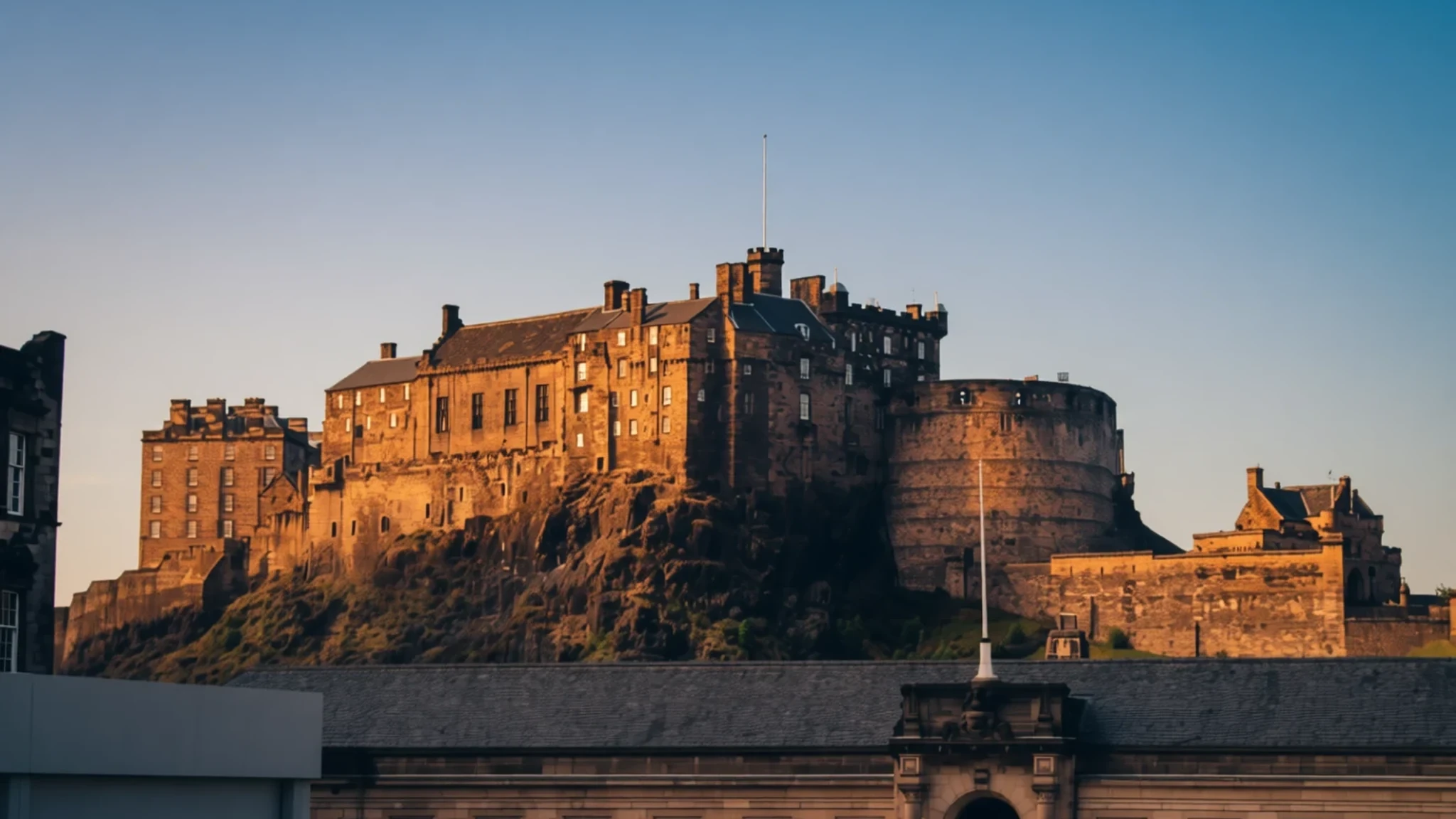
Edinburgh pairs a dramatic volcanic castle rock and medieval closes with grand Georgian squares, world-renowned arts festivals, and a proud literary heritage.
The place
Edinburgh sits in southeast Scotland, cradled between the shimmering waters of the Firth of Forth to the north and the rolling green curves of the Pentland Hills to the south. As the capital city of Scotland, Edinburgh serves as the political and administrative heart of the nation, housing the Scottish Parliament, the Scottish Government, and the Palace of Holyroodhouse. The urban landscape is famously split in two by the lush valley of Princes Street Gardens: the medieval Old Town clings dramatically to a high ridge beneath the castle, while the orderly New Town unfurls across the slopes to the north with its wide avenues, neoclassical facades, and elegant symmetrical squares. Walking through the city reveals sharp contrasts in texture and tone, from dark, weathered stone closes and cobbled alleys to bright, open vistas overlooking the North Sea. The local climate is temperate and maritime, tempered by the Firth of Forth, though brisk coastal winds and sudden showers can roll in off the water at any hour, keeping the air remarkably crisp. Navigating the centre requires stamina, as the streets frequently climb steeply or descend via hidden stairways known locally as wynds and pends. Despite its compact footprint, Edinburgh feels expansive, filled with green parks, jagged volcanic crags, and grand public monuments that honour the thinkers, writers, and scientists who shaped its intellectual history. It is a city designed for walking, where every corner turned reveals a fresh perspective on stone spires, gothic crowns, and distant blue waters.
Its story
Edinburgh holds a deep history written into its volcanic topography, with human settlement in the wider area stretching back millennia. The earliest recorded human habitation in the Edinburgh area dates to a Mesolithic camp site at Cramond, while later Bronze Age and Iron Age communities established hillforts on commanding heights such as Castle Rock, Arthur's Seat, and Craiglockhart Hill. When Roman legions pushed into Lothian towards the end of the first century, they encountered a Brittonic Celtic tribe known as the Votadini. Over subsequent centuries, these communities evolved into the Gododdin kingdom during the Early Middle Ages, using the great rock outcrop of Din Eidyn as a primary defensive stronghold. This turbulent era is preserved in medieval Welsh verse such as the poem Y Gododdin, which records a warrior band gathering in Eidyn before riding out to a fateful battle around the dawn of the seventh century. In the year 638, the Gododdin fortress faced a decisive siege led by forces loyal to King Oswald of Northumbria, after which political control of the surrounding Lothian territory shifted towards the Angles. Over the ensuing medieval centuries, the settlement steadily expanded under Scottish monarchs, developing from a royal stronghold into a recognised capital city by the fifteenth century. It evolved through turbulent religious reformations, a golden age of Enlightenment philosophy and literature, and rapid Victorian expansion, ultimately forging the distinct dual identity of medieval closes and neoclassical grandeur that defines the Scottish capital today.
What to see
- Edinburgh Castle — Castle Hill, Old Town
Dominating the city skyline from its high volcanic rock, Edinburgh Castle has served as a royal residence, military fortress, and the guardian of the Scottish Honours. Visitors can explore ancient halls, historic war museums, and the tiny chapel of Queen Margaret while taking in sweeping panoramic views across the capital.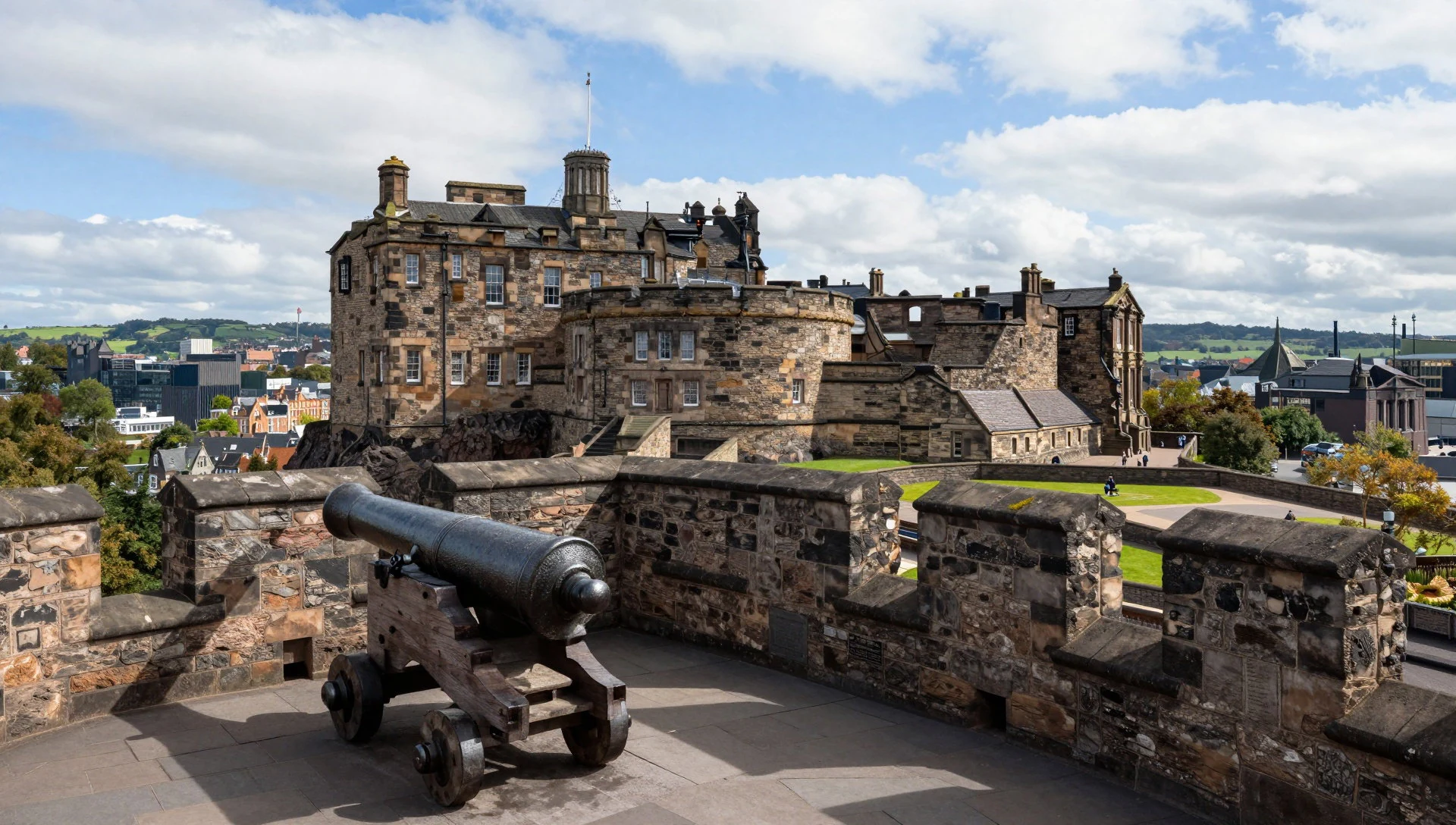
- Sir Walter Scott Monument — Princes Street Gardens, New Town
Standing proudly in Princes Street Gardens, this soaring Gothic spire commemorates one of Scotland's greatest literary figures. Visitors with enough stamina can climb the hundreds of narrow stone steps inside the monument for breathtaking aerial views across both the medieval Old Town and the sweeping Georgian New Town.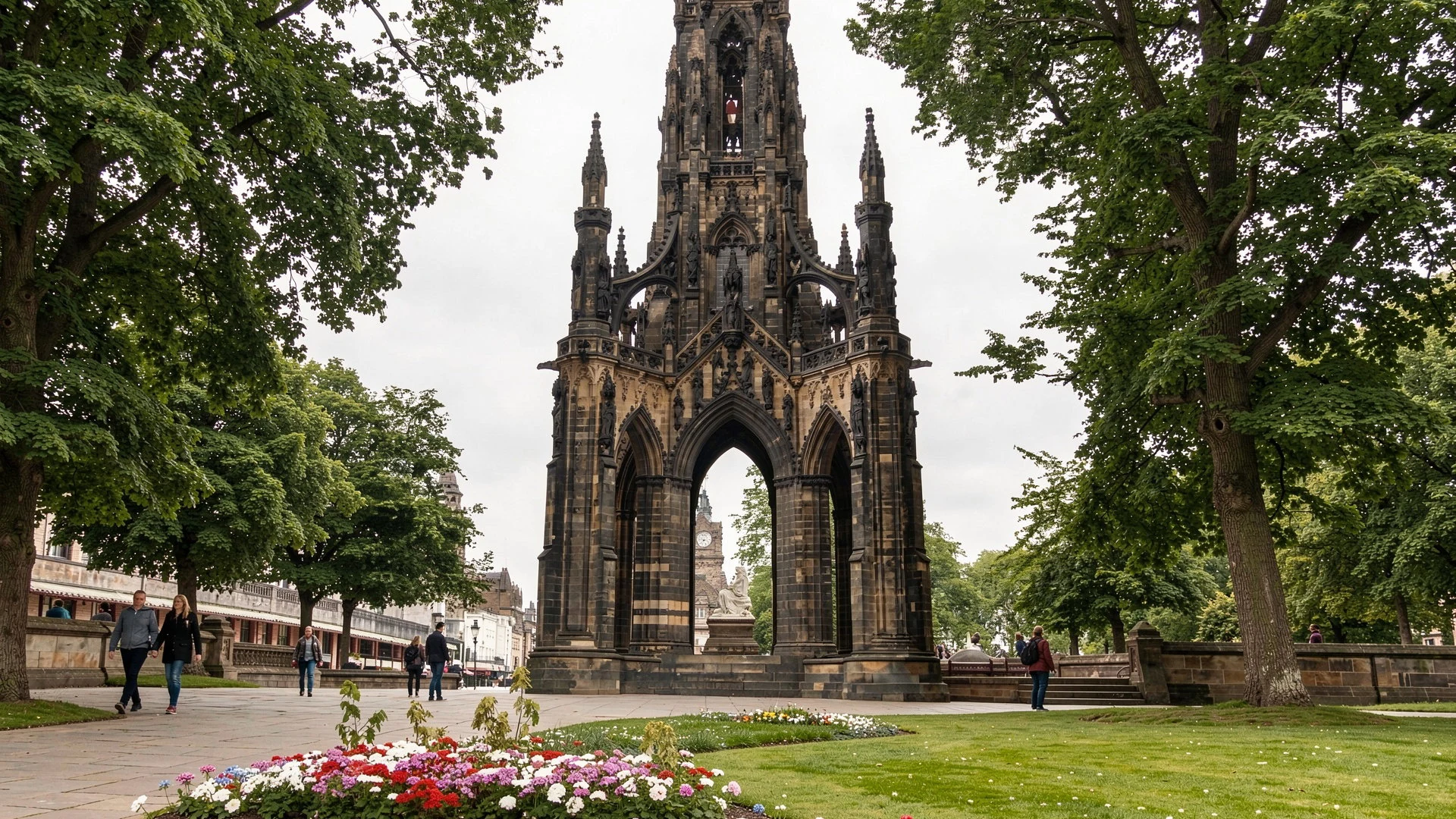
- St Giles' Cathedral — High Street, Royal Mile
Founded centuries ago on the historic Royal Mile, St Giles' Cathedral is instantly recognisable by its distinctive crown steeple piercing the Edinburgh skyline. Inside, the high kirk features vaulted stone ceilings, intricate stained glass windows, and historic memorials dedicated to prominent figures in Scottish religious and civic life.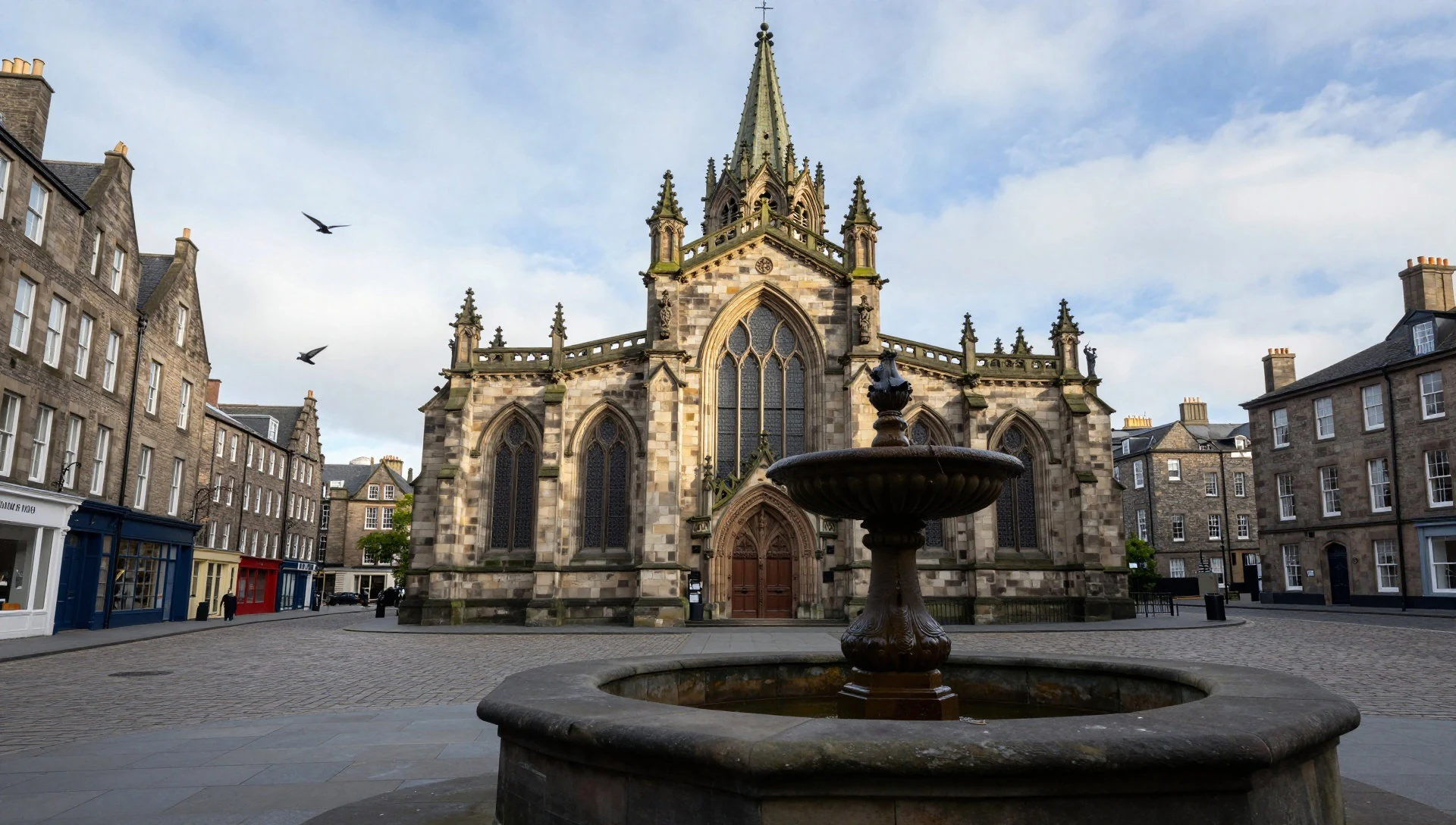
- Scottish Parliament — Holyrood, foot of Royal Mile
Located at the foot of the Royal Mile opposite the Palace of Holyroodhouse, the modern Scottish Parliament building is a striking architectural landmark. Designed by Enric Miralles, the complex blends organic forms, Scottish timber, and striking stone details to create a contemporary civic space that reflects the nation's political identity.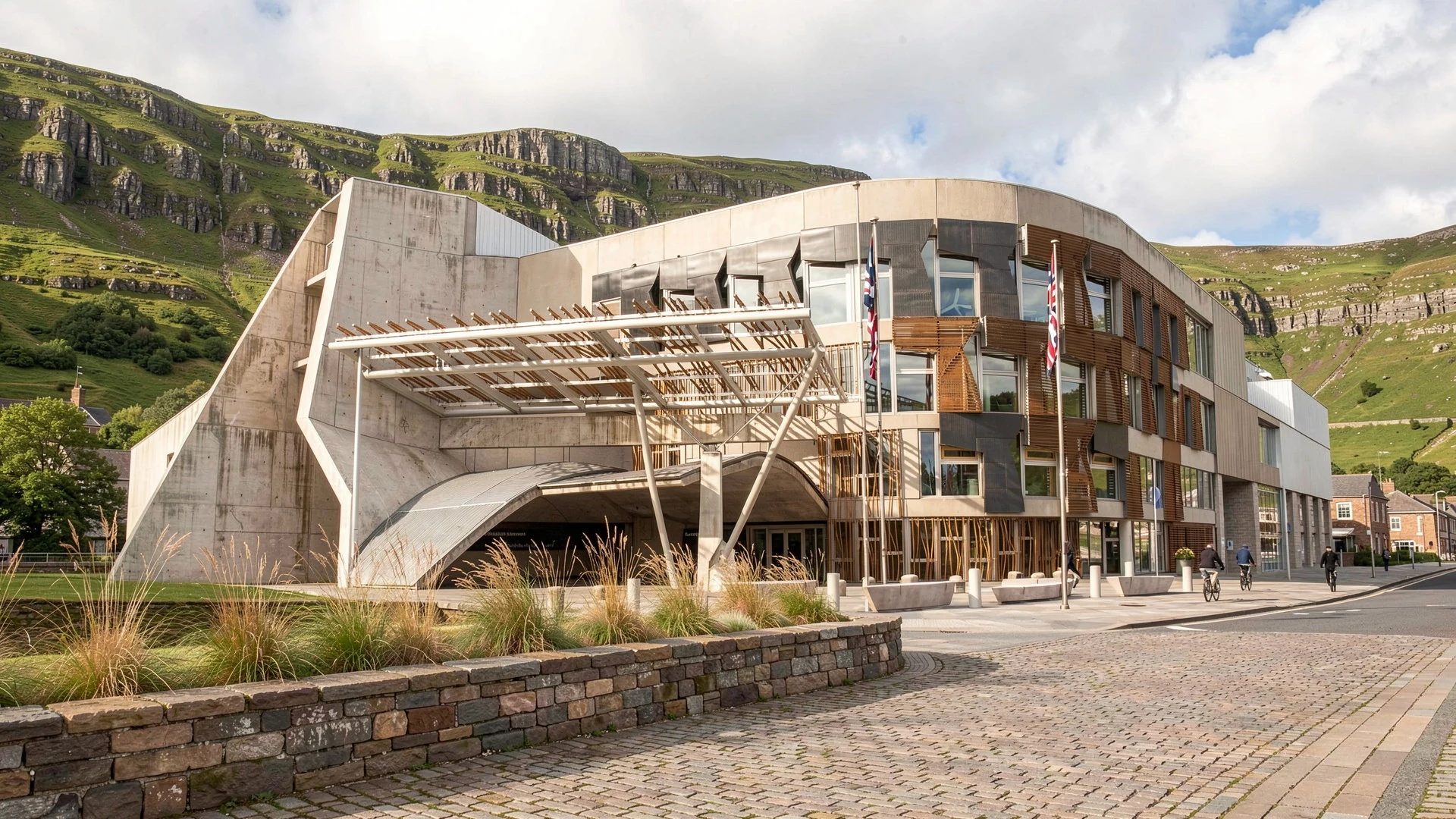
- National Monument of Scotland — Calton Hill
Perched dramatically atop Calton Hill, this incomplete neoclassical monument was inspired by the Parthenon in Athens. Built to honour Scottish soldiers who fell in the Napoleonic Wars, the rugged columns provide a romantic focal point alongside sweeping vistas out towards the Firth of Forth and the distant hills.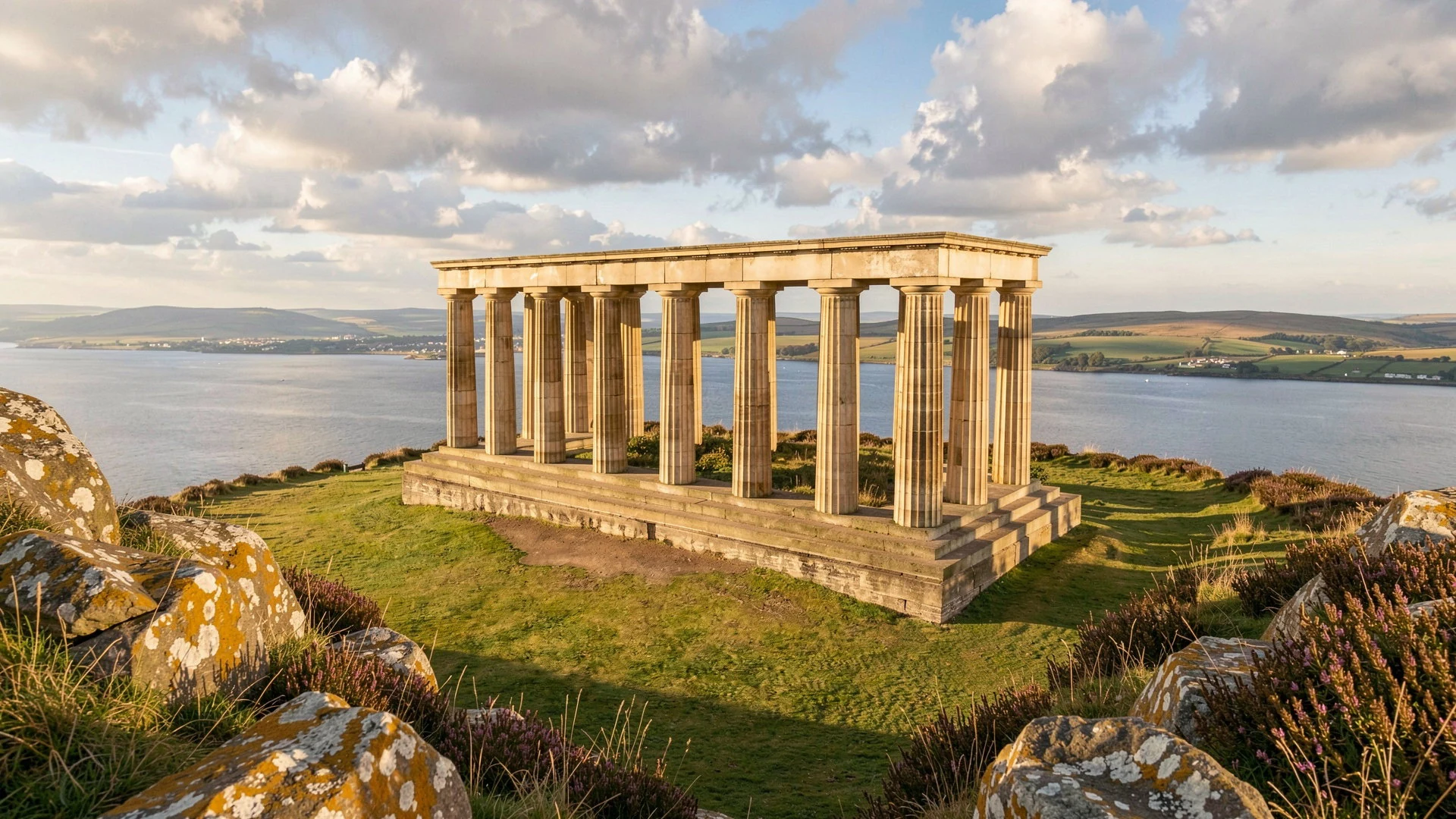
Culture
Edinburgh pulses with creative energy, maintaining a legendary reputation as a global capital for theatre, literature, and the performing arts. Throughout the year, and particularly during the bustling festival season running from late July through early September, the streets fill with performers, artists, and international visitors attending the Edinburgh Festival Fringe, the Edinburgh International Festival, and the Royal Military Tattoo. This cultural vibrancy is matched by a strong sense of civic pride, rooted in centuries of intellectual debate, scientific discovery, and literary output from figures like Robert Louis Stevenson and Sir Walter Scott. Locals are famously warm and direct, possessing a dry wit and a deep appreciation for community traditions, pub culture, and outdoor rambling across nearby hills. When visiting historic churches, places of worship, or attending performances, keep your voice modest and respect local photography guidelines.
What to wear
Edinburgh showcases a practical and understated everyday style shaped by its bracing coastal climate and collegiate atmosphere. Residents in the Scottish capital typically dress in versatile, weather-resistant layers, favouring sturdy woollen jumpers, waterproof trench coats, heavy scarves, and comfortable walking shoes capable of handling steep cobblestones and sudden rain showers. While traditional highland dress—including tartan kilts, tweed jackets, and sporrans—is rarely worn for everyday errands, it remains a proud fixture at weddings, ceilidhs, and formal ceremonial events across the city. Visitors exploring Edinburgh should pack sensible footwear with good grip for walking up steep closes and volcanic hills, along with a reliable windproof and waterproof outer shell. Indoor venues are generally well-heated, so layering lightweight garments beneath a warm coat allows you to transition easily between chilly outdoor monuments and cosy, wood-panelled cafes or pubs.
What to eat
- Haggis, Neeps and Tatties — Traditional pubs and bistros across the Old Town
Scotland's national dish combines savoury spiced minced sheep offal with oatmeal, served alongside buttered mashed turnip and potatoes. You can find hearty traditional plates of this comforting specialty in historic pubs and neighbourhood bistros across the Old Town.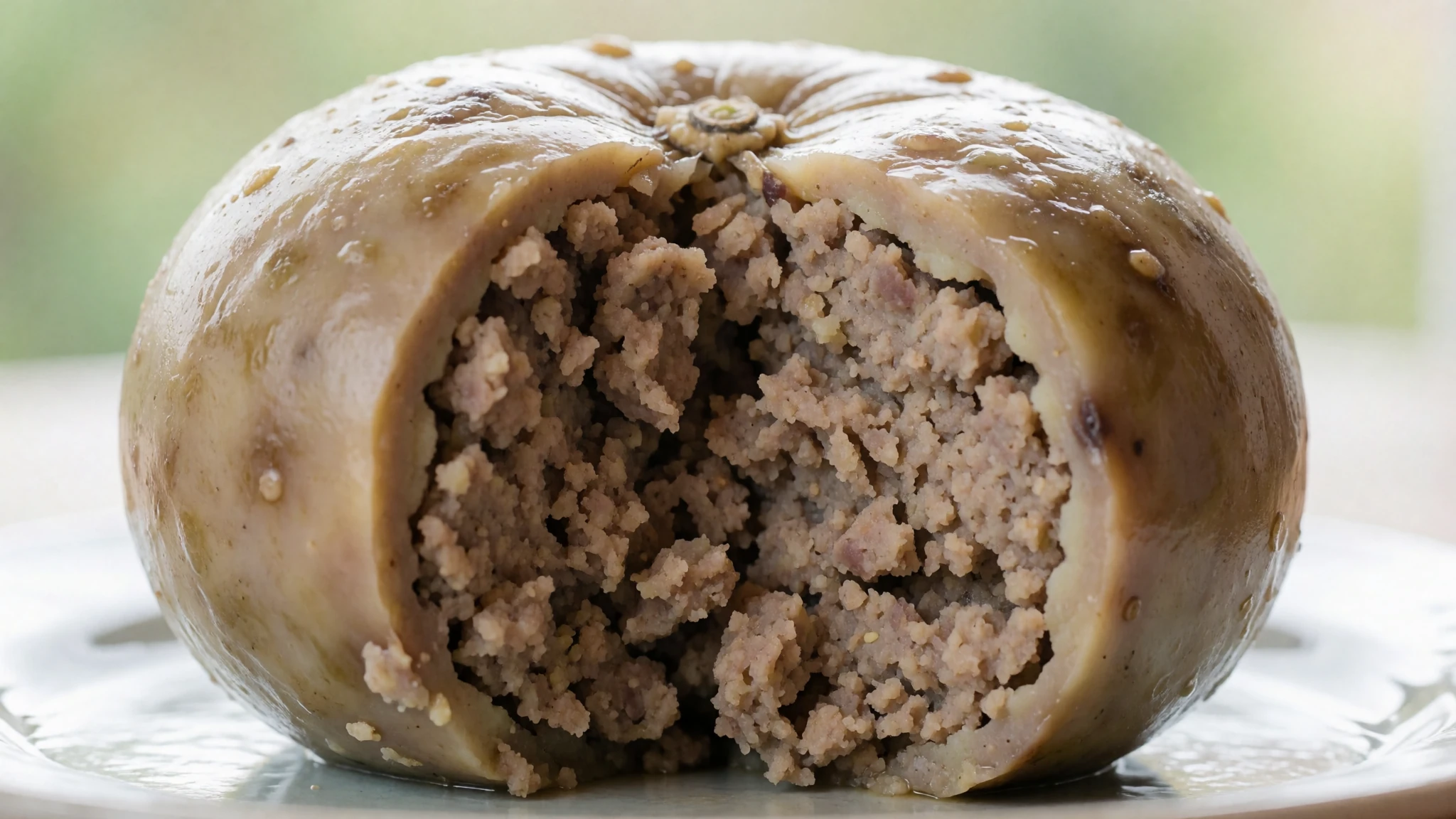
- Fresh Seafood — Casual seafood spots along the shore of Leith
Thanks to its coastal location, Edinburgh offers exceptional catches, including Scottish salmon, plump local oysters, and fresh mussels prepared in white wine and garlic broth. Look for daily seafood menus at casual eateries along the historic shoreline of Leith.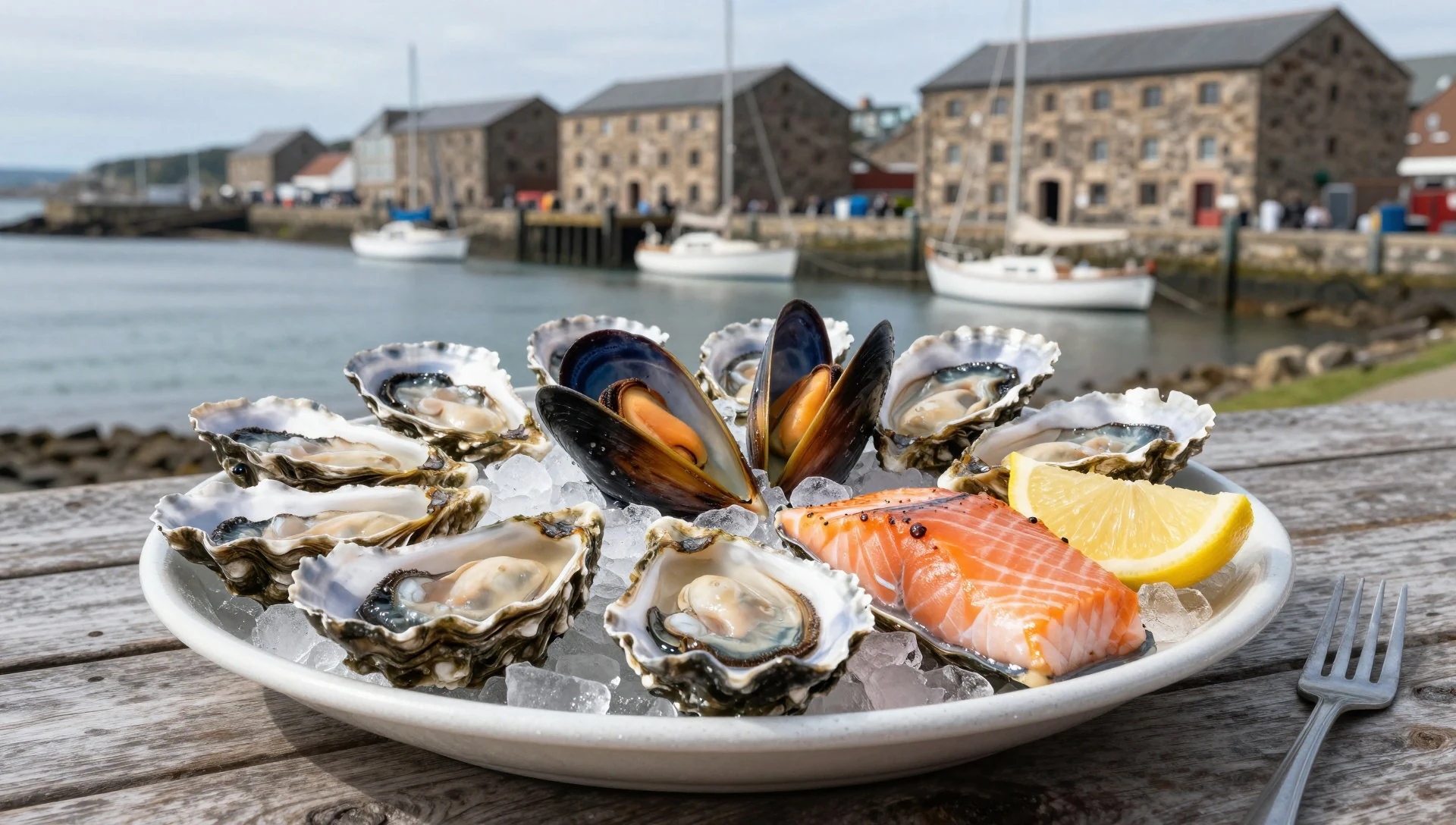
- Cullen Skink — Cosy city-centre cafes and traditional taverns
This rich, creamy Scottish soup is made from smoked haddock, potatoes, onions, and milk, originating from a small fishing town in the northeast. It is served steaming hot with crusty artisanal bread in cosy city-centre cafes and traditional taverns.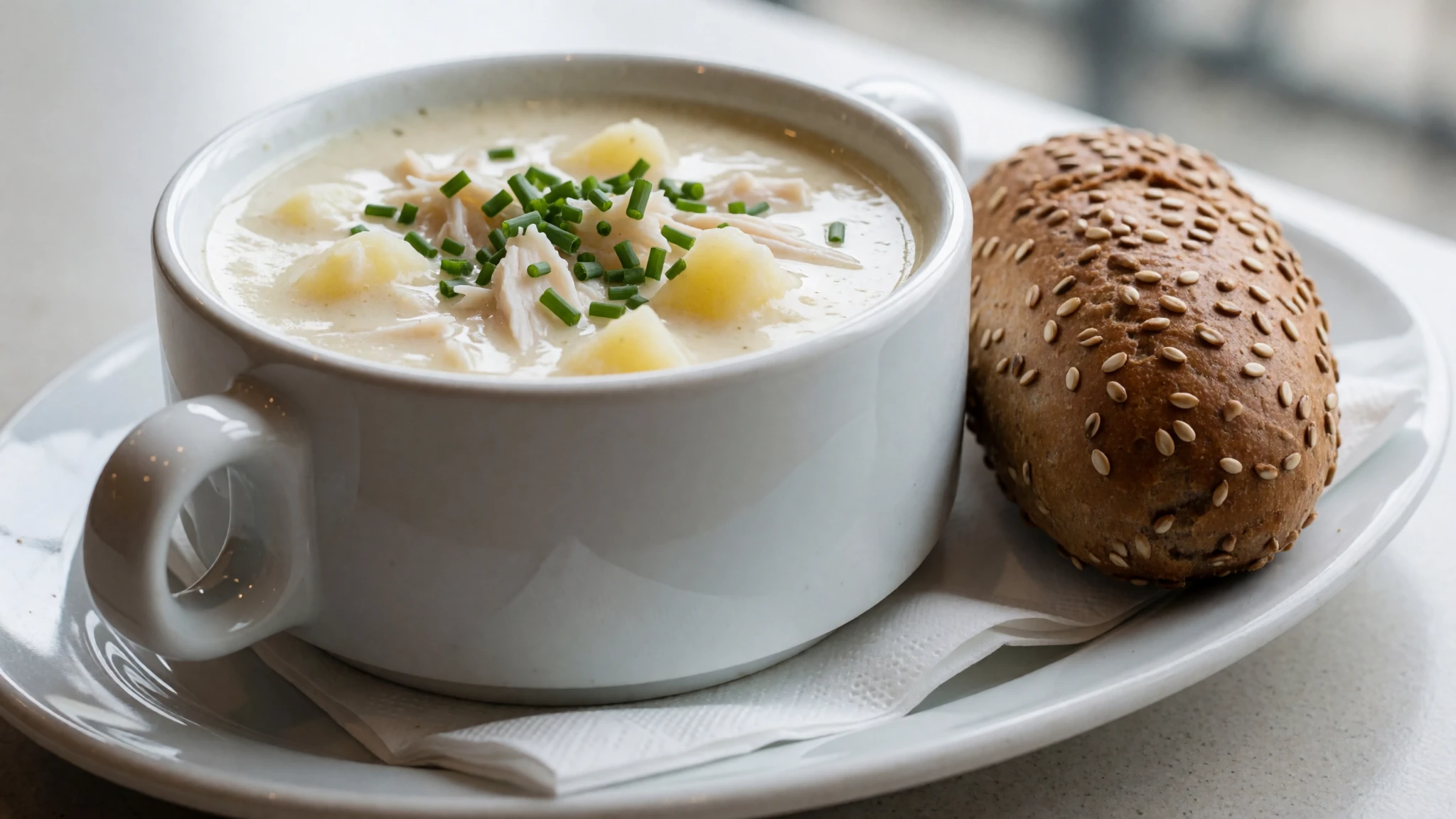
- Shortbread and Afternoon Tea — Tea rooms throughout the Georgian New Town
Crisp, buttery shortbread biscuits have been a Scottish baking staple for centuries, often enjoyed alongside a warm pot of loose-leaf tea. Elegant tea rooms throughout the Georgian New Town serve tiered pastry stands featuring shortbread and local baked goods. - Cranachan — Neighbourhood restaurants and upscale dining rooms
A traditional Scottish dessert layering toasted oatmeal, fresh raspberries, Scottish honey, double cream, and a splash of whisky. This sweet, textured treat appears on dessert menus in neighbourhood restaurants and upscale dining rooms throughout the capital.
Plan it
Best time. May through August offers the warmest weather and endless festival programming, though spring and autumn bring smaller crowds and striking seasonal colours.
How long. 3–4
Getting there. Fly into Edinburgh Airport, then take the bright blue Airlink 100 double-decker bus or the tram directly into the city centre in about twenty to thirty minutes.
Budget. mid
Tips
- Book accommodation months in advance if visiting during the August festival season
- Wear sturdy, comfortable walking shoes to tackle steep cobblestones and stone stairwells
- Carry contactless cards for most transactions, though small coins are useful for occasional needs
- Check official websites online for up-to-date opening hours and advance ticket booking for major sights
Etiquette
- Queue politely and wait your turn when boarding buses or entering crowded venues
- Respect residential quiet hours in historic neighbourhoods and tenement stairs
Nearby
Sources
- Wikidata Q23436 (CC0)
- Wikipedia (rev 1380904284) (CC-BY-SA 4.0)
- Wikivoyage (rev 5406369) (CC-BY-SA 4.0)