Bleaker Island
Bleaker Island, United Kingdom
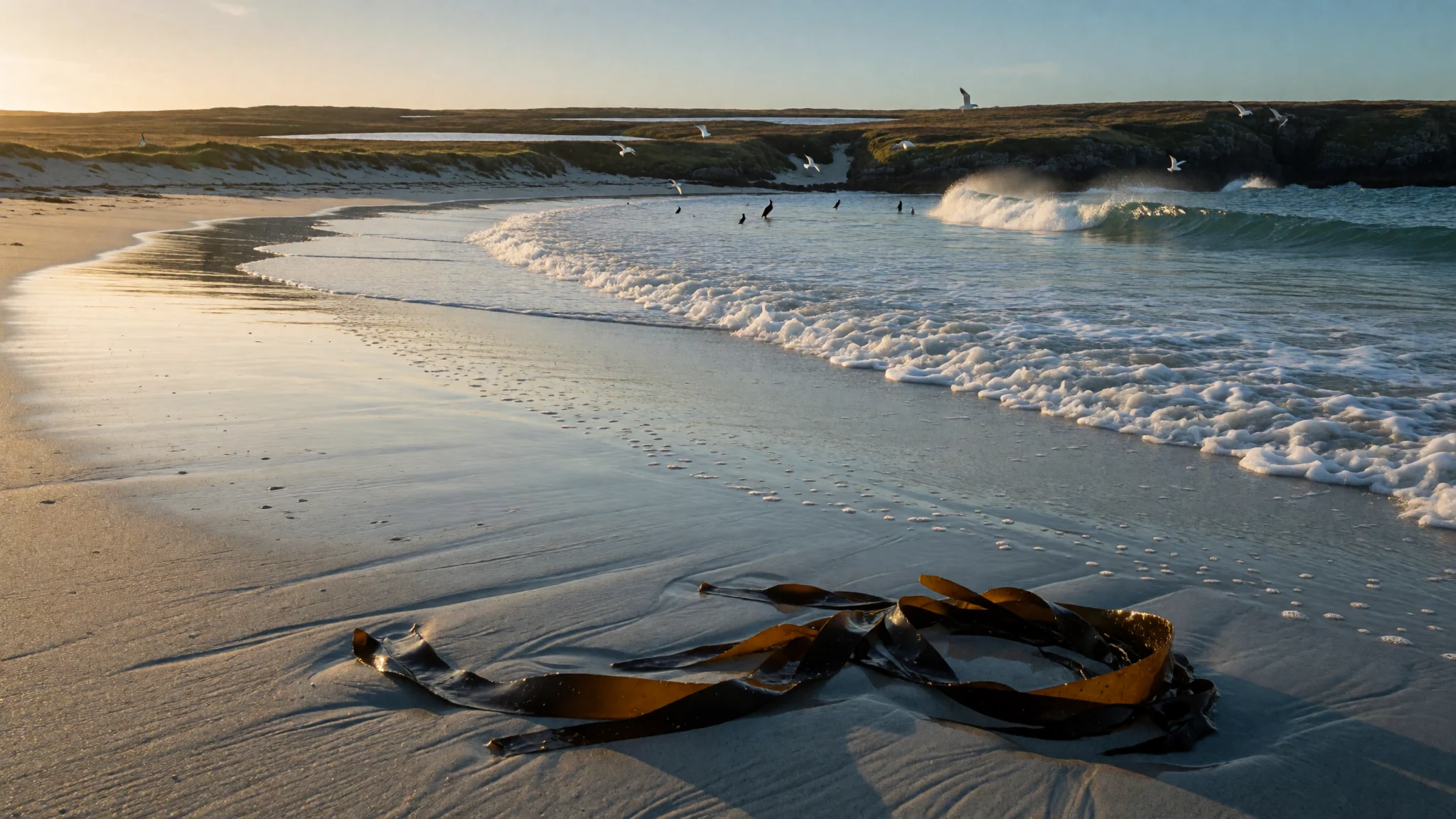
Bleaker Island is a flat, windswept Falklands farm island where penguins, cormorants and surf-battered beaches lie off East Falkland.
The place
Bleaker Island lies off the south-east corner of Lafonia, the southern peninsula of East Falkland, and belongs to the Falkland Islands, a UK Overseas Territory that Argentina also claims as the Islas Malvinas. Its name is a worn-down form of "Breaker Island", a nod to the surf that pounds its edges. At one stage it was called Long Island, which describes it just as well. The island stretches about 19 km from end to end, is never wider than 2.5 km, and covers 20.70 square kilometres. It is low and flat: the highest ground, Semaphore Hill, reaches only 27 m. In several places the land pinches into narrow necks, and a thin channel called The Jump marks the break from Lafonia at the southern tip. The two coasts have different characters. The west is gentle, edged with shallow beaches of stones. The east takes the full force of the Atlantic, with low cliffs, gulches, and beaches of sand and pebbles. Several large ponds sit inland, and Sandy Bay, a beach about 2 km long, is the one the island is known for. The only cluster of buildings, the settlement, stands on the isthmus near the middle. Around it is a working farm of grass and heath, with no trees to break the wind. The wider archipelago is roughly the size of Wales but very thinly populated, and that emptiness is much of the appeal.
Its story
Bleaker Island has been sheep country for more than a hundred years, and its history is mostly a story of farming, shipwrecks and a few writers. In the early twentieth century the island was managed by Arthur Cobb, a respected local agriculturalist and amateur naturalist. His book on the subject features forty-six black-and-white photos that he took himself. The island's low profile made it a hazard for ships. Five vessels were wrecked here in the first quarter of the twentieth century, and wrecks were common in the century before as well. The best remembered is the French tall ship Cassard, which ran aground at the southern tip in May 1906 with a cargo of coal. Mike and Phyll Rendell have managed the island as an organic sheep and cattle farm since 1999. They built a self-catering cottage named Cobb's Cottage, then a house called The Outlook in 2000, and added Cassard House in 2011. A farming couple employed by the Rendells live on the island. In 2017 the British writer Nell Stevens published Bleaker House, a memoir of several months spent here. The wider islands have a longer and more contested past: an English navigator sighted them in 1592, a first landing followed in 1690, and settlers from Saint-Malo founded a French colony in 1764, which is why Spanish speakers say Malvinas.
What to see
- Sandy Bay — East coast
Sandy Bay runs for about 2 km along the exposed east side of Bleaker Island, a pale curve of sand with low ground and ponds behind it. It is the place to walk slowly, watch the surf that gave the island its name, and see which seabirds have turned up. Expect wind whatever the season.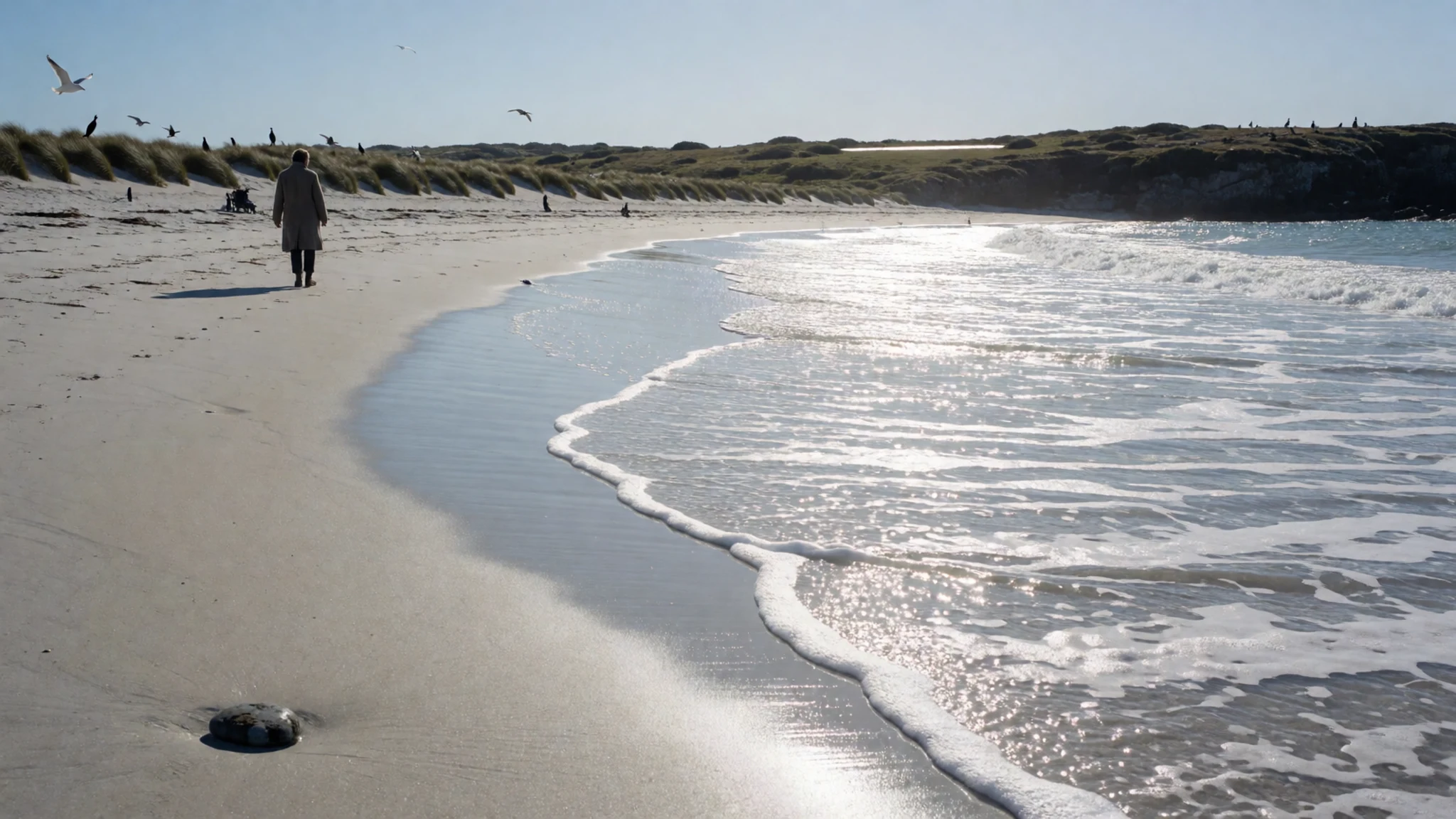
- Bleaker Island Settlement — Central isthmus
The settlement sits on the narrow isthmus near the middle of the island, and it is where the farm, the self-catering accommodation and the small resident community are found. It makes a practical base: everything is walkable, the buildings give some shelter from the wind, and local advice on wildlife is close at hand.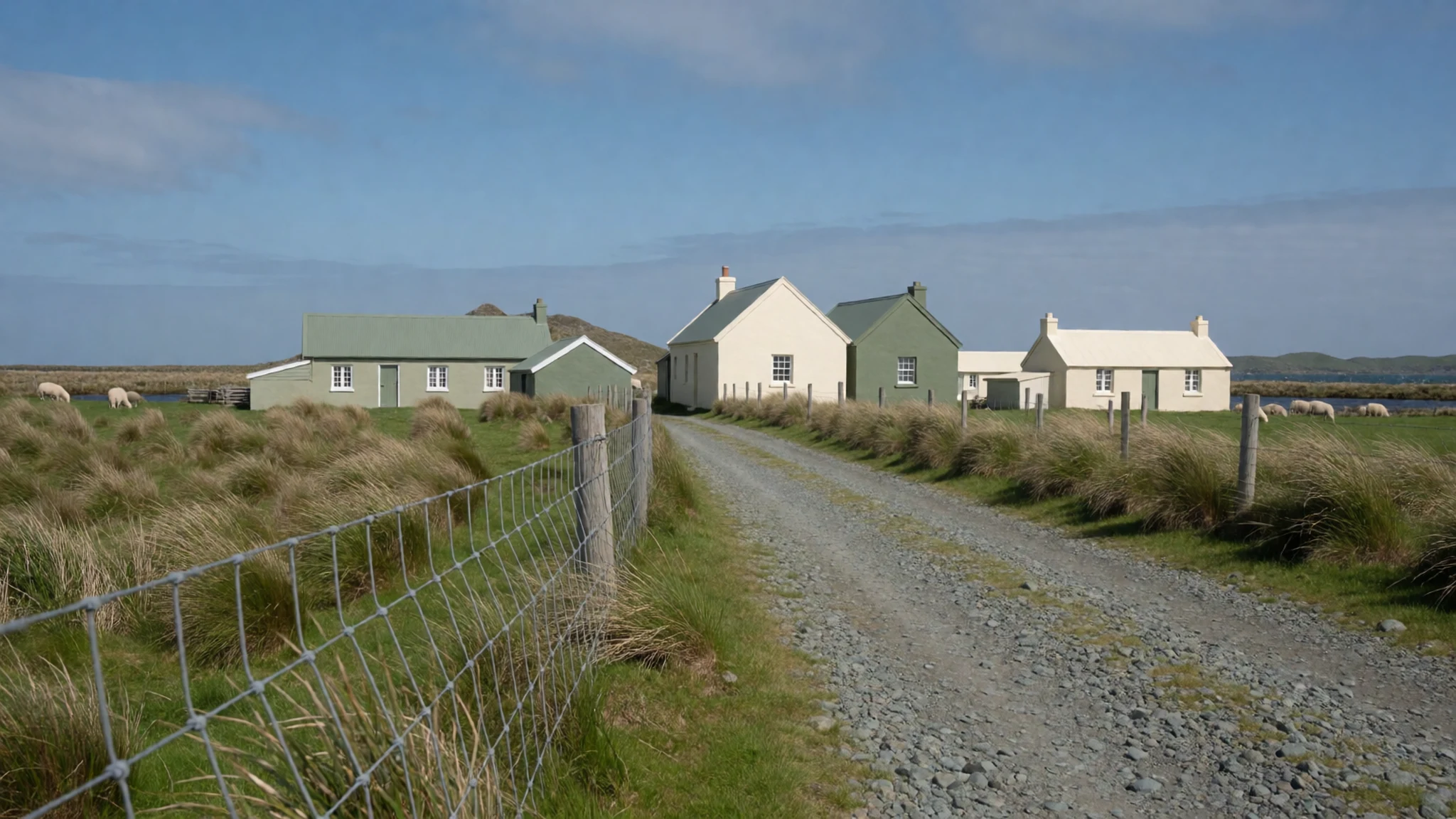
- Rock cormorants and penguins on the shore — Rocky shoreline
Rock cormorants are a regular sight on Bleaker Island's coast, perched on rocks above the waves, and several species of penguin live on the island too. Binoculars matter more than a long lens here. Watching from a distance rewards patience and leaves the birds free to feed, nest and preen undisturbed.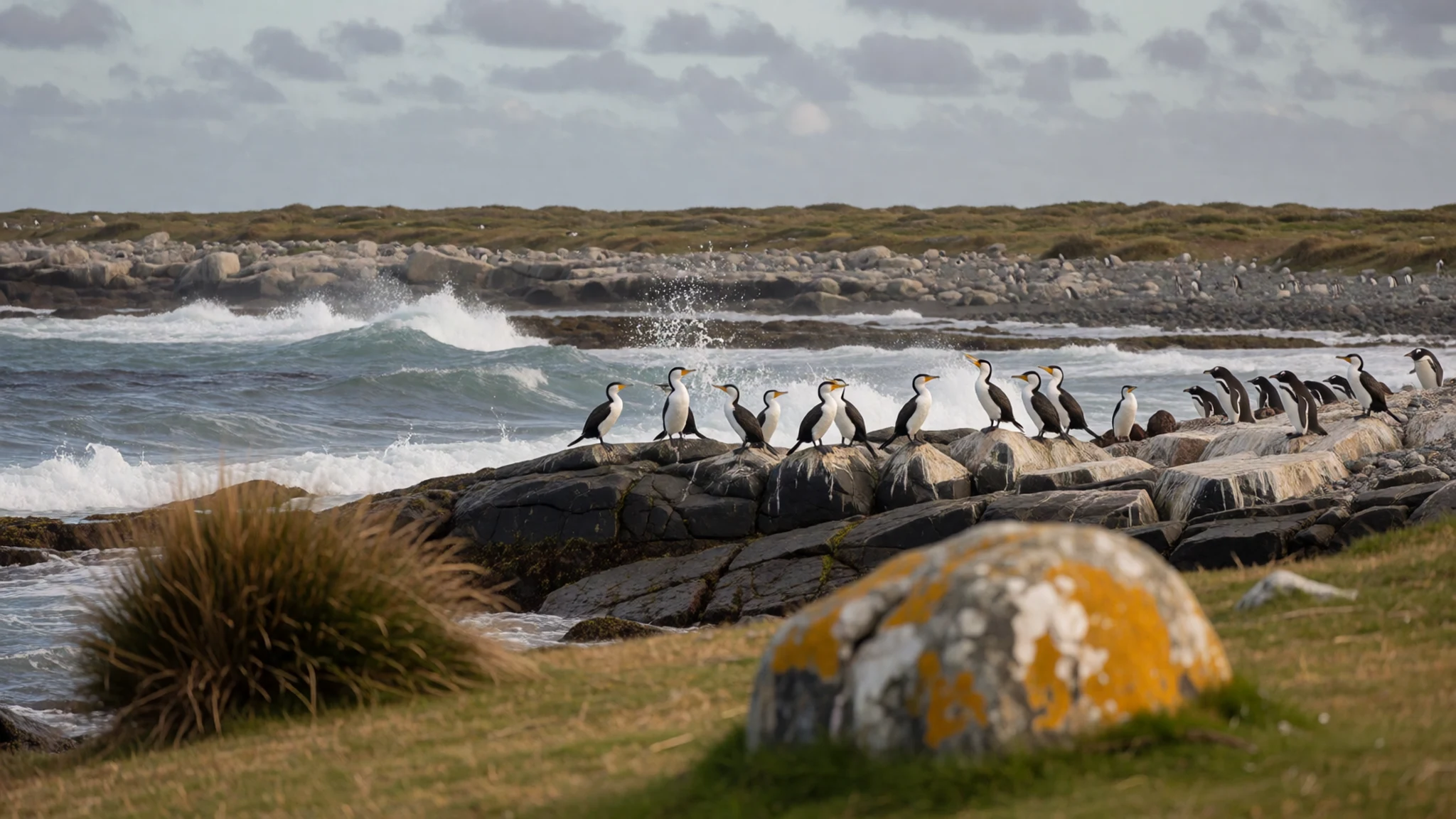
- East coast cliffs and gulches — East coast
The eastern shore is a line of low cliffs broken by gulches and small beaches of sand and pebbles, all open to the Atlantic. The cliffs are not tall, but the swell is heavy, and a walk along the top gives wide sea views and a clear sense of why ships struggled here. Keep back from the edge, where ground can crumble.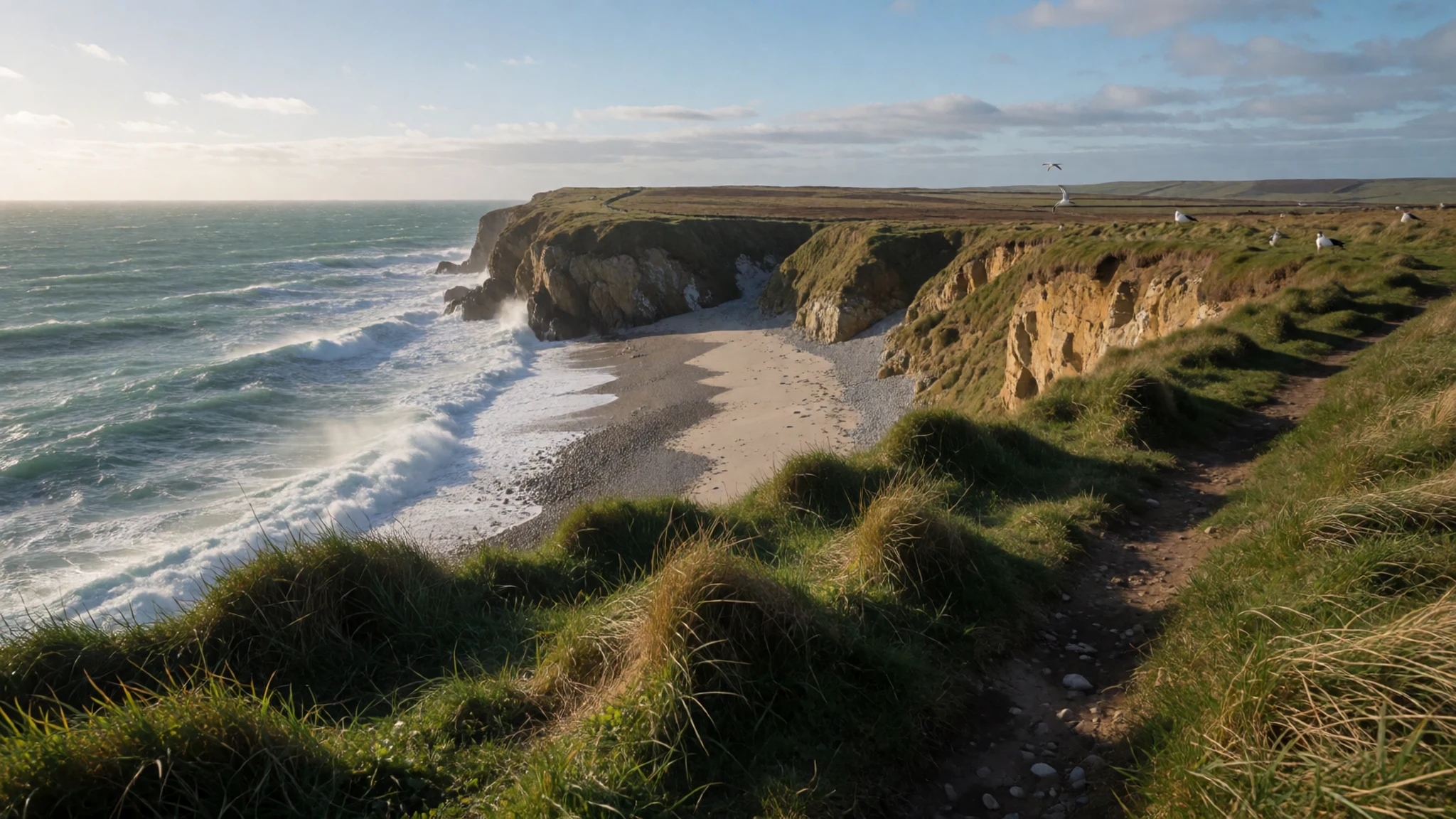
- The southern tip and The Jump — Southern tip
The southern end of Bleaker Island is where the French tall ship Cassard ran aground in May 1906 while carrying coal. Just off the tip, a narrow channel called The Jump separates the island from Lafonia. It is a quiet, exposed corner, and a good place to understand how low this coast sits and how easily sailors missed it.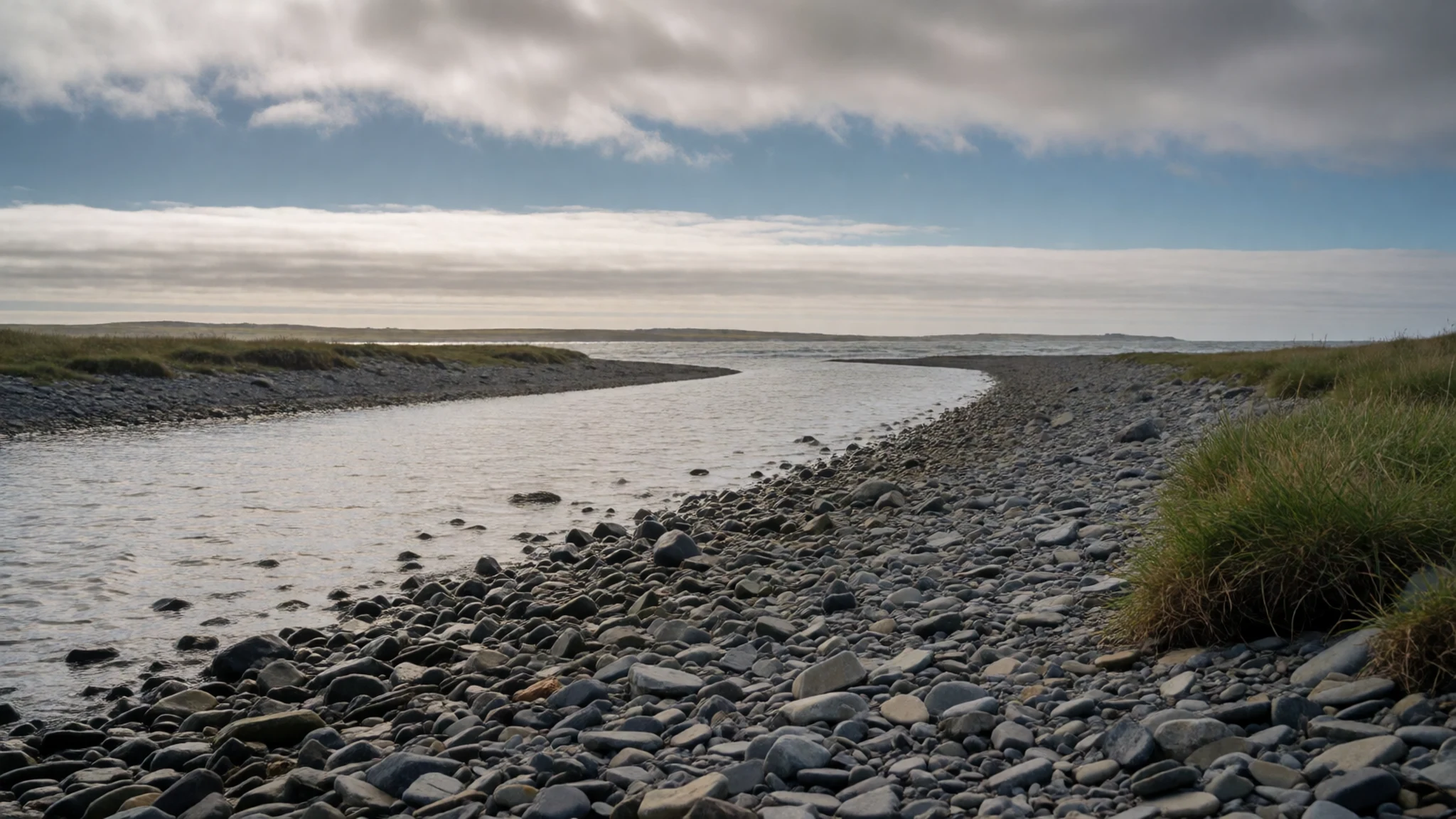
Culture
Bleaker Island has only a handful of residents, so its culture is really that of the Falkland Islands as a whole, where customs follow British ones, though in many ways islanders are more conservative than people in Britain. Life on the farms is practical and self-reliant, and hospitality to visitors is a point of pride. Drugs are not tolerated. Margaret Thatcher, prime minister during the 1982 conflict, is viewed warmly here, rather than as the divisive figure she is often seen as elsewhere. Attitudes towards LGBT people are broadly positive: same-sex marriage became legal in 2017, and discrimination on grounds of sexual orientation is illegal. Politics is never far from the surface. Many residents lived through 1982, and some still distrust Argentines because of it. In a 2013 referendum, 99.8% of those who voted chose to remain British, and that result is part of how people describe themselves. Visitors from Argentina or with Argentine links can expect courtesy, but should be aware of this history and tread carefully in conversation. Day to day, small talk about weather, wildlife and farming is the safest and most welcome ground. Call the place the Falkland Islands, never Argentine, and let residents bring up the 1982 conflict before you do.
What to wear
Bleaker Island has no formal national or folk costume, and the clothing tradition here is a working one, shaped by British roots and by sheep farming. Wool is the defining textile: knitted jumpers, thick socks, wool or tweed caps, and waterproof outer layers and rubber boots for wet ground. Today people on the farms wear much the same, with overalls and sturdy footwear for stock work. In Stanley, the capital, dress is casual to smart casual, much as in a small British town, and nobody dresses up for the outdoors. For visitors, the climate decides everything. Wind is constant and weather changes fast, so bring layers: a warm mid-layer, a windproof and waterproof jacket and trousers, a hat and gloves even in summer. Sunglasses and sun protection are worth carrying too, as the sky is open and bright. Waterproof walking boots with good grip suit the wet heath, pebble beaches and boggy patches, and spare dry socks help. There are no religious dress rules to follow on Bleaker Island, and casual outdoor clothing is entirely normal in lodges and farm kitchens. Pack for comfort and practicality rather than style.
What to eat
- Roast mutton — Home-cooked dinners at farm lodges and self-catering cottages; pubs in Stanley
Mutton is the staple meat of the Falklands, and the only fresh meat usually sold in Stanley's supermarket. On Bleaker Island it turns up as a roast dinner with generous portions, the kind of plain, filling meal that suits a day spent walking in the wind.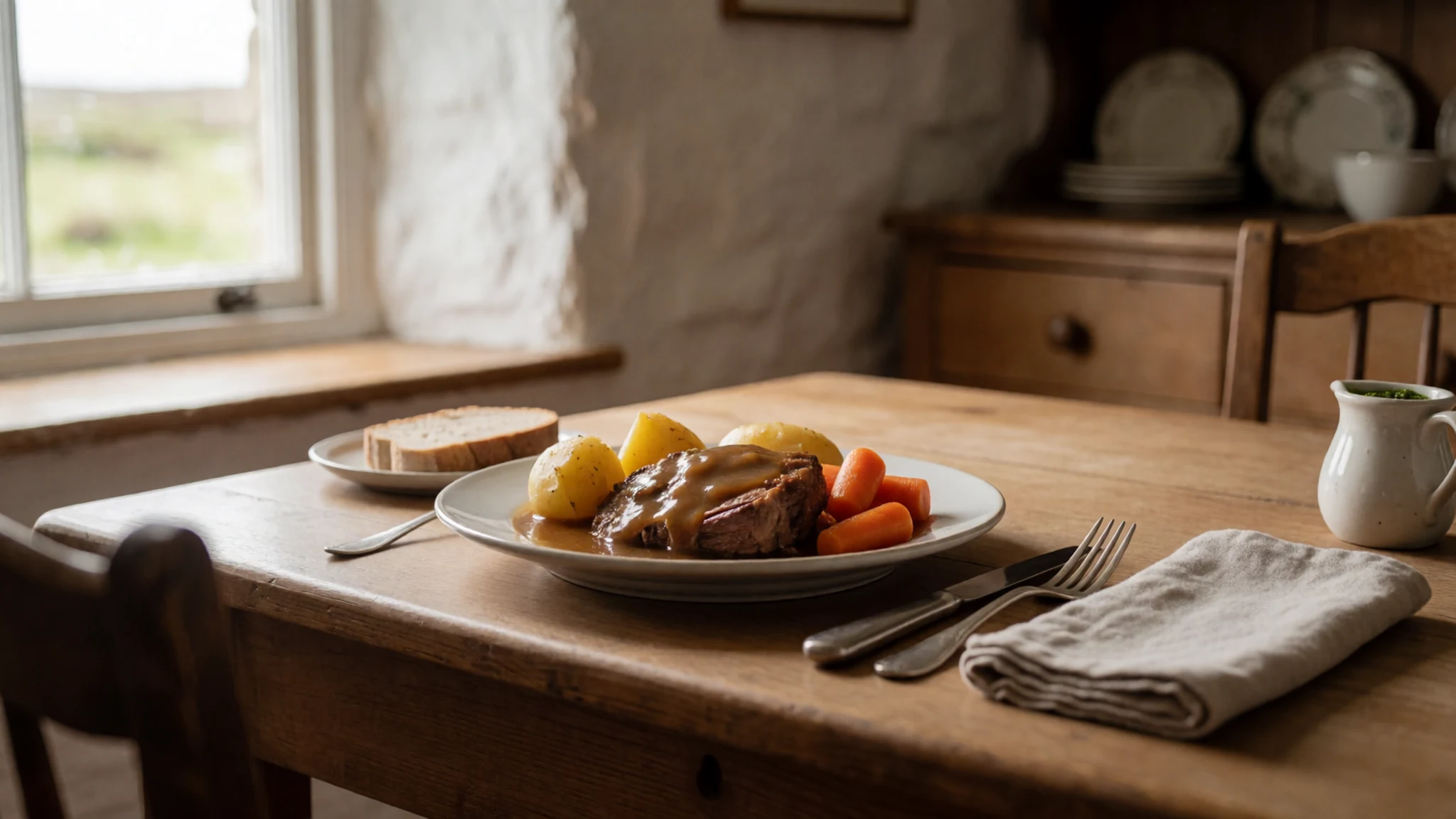
- Roast beef — Camp lodges and farmhouse dining rooms
Beef is another standard of the British-style table here, and Bleaker Island runs cattle as well as sheep. Expect it served as a traditional roast with vegetables, usually in a farm kitchen or lodge dining room, where meals tend to be better than in town cafés.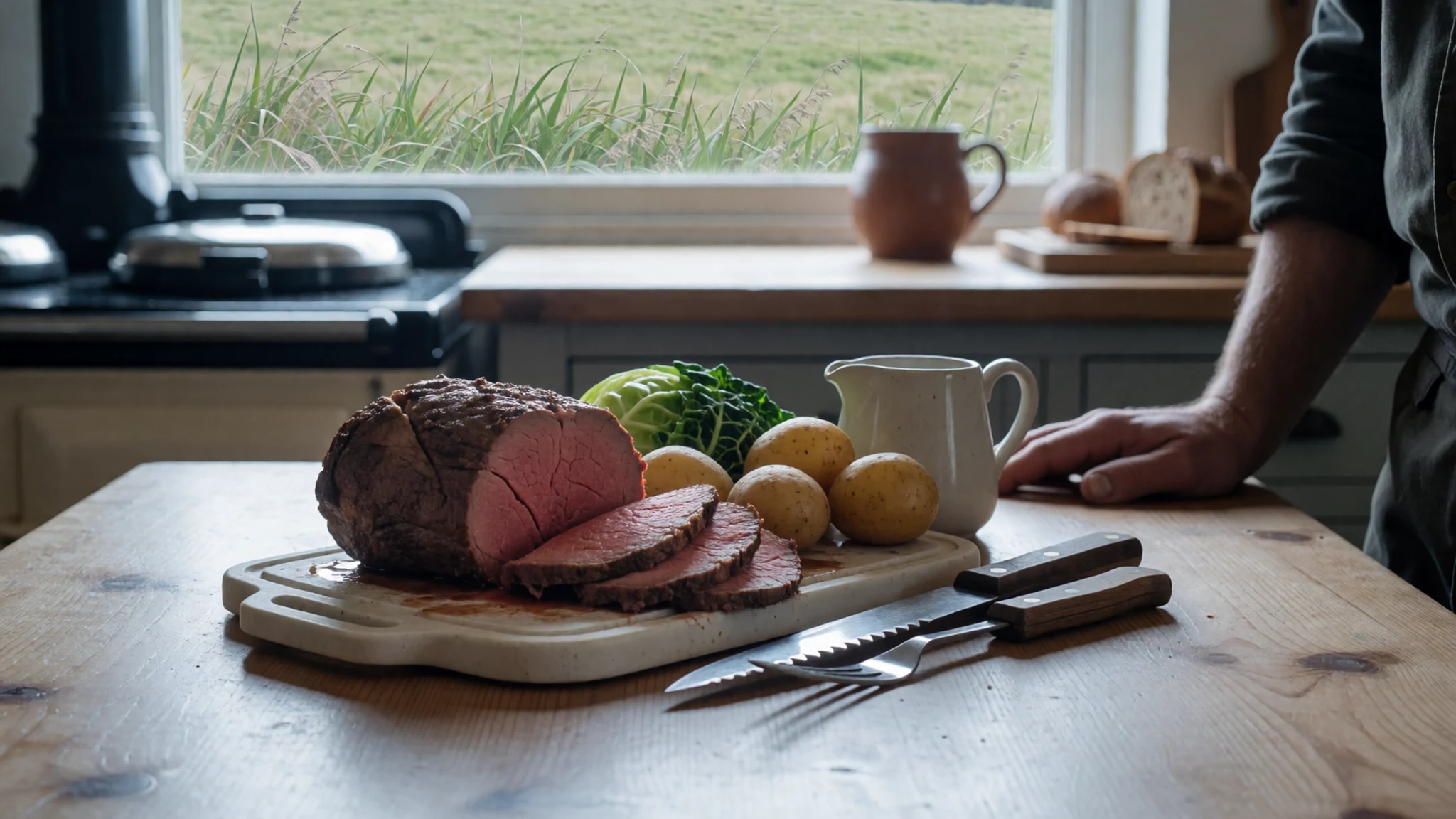
- Fish and chips — Pubs and cafés in Stanley
Fish and chips is as familiar in the Falklands as in Britain, and a reliable choice when staying in Stanley before or after the island. Expect a simple pub or café plate, best eaten without fuss after a flight or a day on the road. - Diddle-dee jam — Farm teas, gift shops and shops in Stanley
Diddle-dee is the local name for red crowberry, a low shrub that grows wild on the island heaths. Its berries are cooked into a tart jam, a true local speciality, usually spread on bread or scones and sold as a souvenir. - Local microbrewery beer — Gift shops and bars in Stanley
Alcohol carries no tax in the Falklands, so beer is fairly priced compared with most other goods, and a few small local breweries make drinks inspired by the islands. Most pubs and lodges serve it from a bottle or can, though some Stanley bars have it on tap.
Plan it
Best time. November to March, the southern summer, when days are long and the weather is at its mildest, though still cool and windy; seabirds and penguins are most active on the coast through these months. Anglers should note that the fishing season runs from September to April.
How long. 2–3
Getting there. International flights reach the Falklands at Mount Pleasant airport, from where a road transfer leads to Stanley. Bleaker Island itself is reached by a short light-aircraft hop from Stanley or by arrangement with the island's farm. Routes and schedules change, so check with the official Falkland Islands sources and your host before booking.
Budget. high
Tips
- Check current entry rules with the Falkland Islands government before travelling: even British citizens need a passport, and visitors must show a return ticket, accommodation, enough funds and medical evacuation insurance.
- Book flights and accommodation early, as capacity is small and many places are self-catering.
- Buy food and supplies in Stanley before heading out, as fresh fruit and vegetables are scarce and expensive on the islands.
- Bring layers, a windproof jacket and waterproof boots, and plan for four seasons in a day.
- Carry some cash and a card, and ask your host in advance what payment they accept.
Etiquette
- Call the place the Falkland Islands, never Argentine, and leave talk of the 1982 conflict to residents.
- Keep a safe distance from wildlife: if an animal seems to notice you, you are too close.
- Ask the landowner for permission before camping or crossing farmland.
Nearby
Sources
- Wikidata Q167208 (CC0)
- Wikipedia: Bleaker Island (rev 1375139566) (CC BY-SA 4.0)
- Wikivoyage: Falkland Islands (rev 5400949) (CC BY-SA 4.0)
- Rock Cormorants on Bleaker Island — Antarctic96, via Wikimedia Commons (CC BY 3.0)
- Bleaker Island Settlement — The joy of all things, via Wikimedia Commons (CC0 1.0)
- Sandy Bay, Bleaker Island — The joy of all things, via Wikimedia Commons (CC0 1.0)


Wildlife
- Rock cormorant (animal)
Think of the rock shag, also called the Magellanic cormorant, as a seabird of the far southern shores of South America, which also nests around the Falkland Islands. On Bleaker Island it is a familiar sight on the coast, sitting on rocks above the waves. Use binoculars rather than stepping closer, stay calm and quiet, let a guide suggest a good viewpoint, and never feed it. - Penguin (animal)
The Magellanic penguin is a southern penguin, named after the explorer Ferdinand Magellan, who noticed it long ago. It breeds in the Falkland Islands, and several kinds of penguin live on Bleaker Island. The notes do not say where or when to look, so ask a guide for advice. Keep your distance, speak softly, move slowly, and never feed them. - Rock cormorant (bird)
Think of the rock shag, also called the Magellanic cormorant, as a seabird of the far southern shores of South America, which also nests around the Falkland Islands. On Bleaker Island it is a familiar sight on the coast, sitting on rocks above the waves. Use binoculars rather than stepping closer, stay calm and quiet, let a guide suggest a good viewpoint, and never feed it.