London
London, United Kingdom
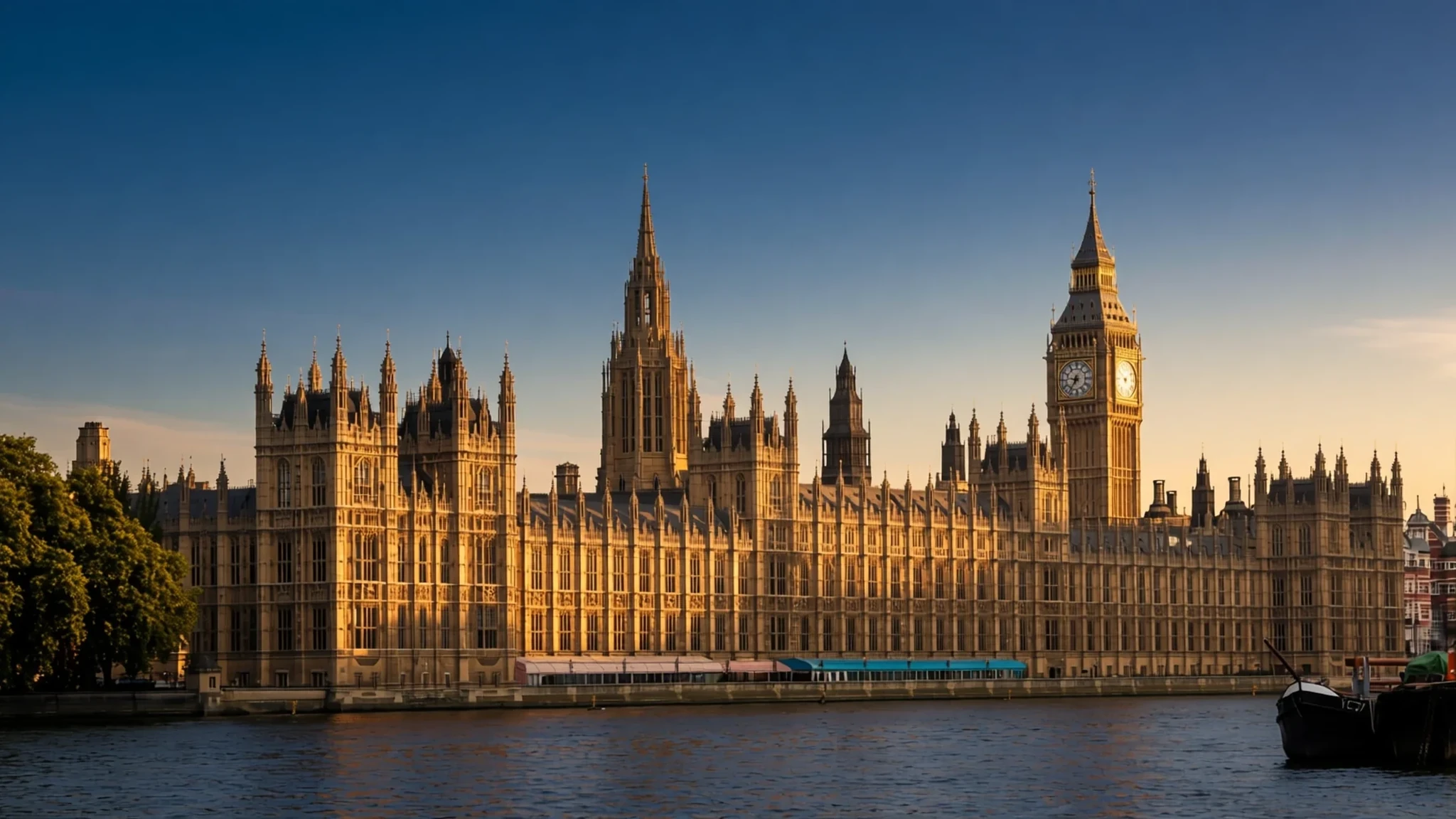
London blends ancient Roman roots, royal heritage, and a vibrant modern arts scene along the historic River Thames.
The place
London stands as the capital and largest metropolis of England and the United Kingdom. Positioned in southeast England, the city is shaped by the River Thames, which carves a wide path through the region toward its estuary and the North Sea. For nearly two millennia, this basin has served as a primary hub of human settlement, trade, and governance. The historic core, known today as the City of London, preserves the ancient boundaries first laid out by Roman builders who named their fledgling port Londinium. Directly adjacent to the west, the City of Westminster has functioned for centuries as the physical seat of the national government and the British parliament. Beyond these historic administrative centres, the urban sprawl stretches across a vast landscape, incorporating numerous districts, parks, and distinct neighbourhoods that once stood as separate villages. Today, the metropolis accommodates a massive resident population while managing extensive commuter networks, subterranean transit systems, and dense commercial districts. From the bustling pedestrian precincts around the West End to the towering corporate offices of financial hubs, the cityscape is a layered mosaic of architectural eras. Medieval stone churches stand beside gleaming contemporary towers, while royal parks offer wide expanses of green sanctuary amid the relentless urban pulse. The weather is characteristically temperate yet changeable, bringing frequent overcast skies and periodic rain showers across all seasons, ensuring the city's gardens and tree-lined squares remain lush throughout the year.
Its story
The deep history of London reaches far back into prehistoric times, long before the arrival of imperial legions. Archaeological excavations along the southern river foreshore have uncovered remarkable traces of early human engineering, including Bronze Age bridge timbers and ancient foundations dating back thousands of years, clustered near the marshy confluence where tributary streams once fed the main channel of the Thames. Despite these early scattered communities, the first true urban settlement arrived with the Roman invasion, which established the fortified port around the middle of the first century. This initial outpost experienced a violent setback when indigenous tribal forces led by Queen Boudica attacked and razed the settlement to the ground. Undeterred, the administration rebuilt the grid on a grander scale, eventually elevating the port to serve as the principal administrative capital of the Roman province of Britannia. During its second-century peak, the fortified enclave supported a thriving multicultural populace. Following the withdrawal of imperial legions in the early fifth century, the walled stronghold was largely abandoned, though localized civic life persisted in surrounding pockets for decades. As the centuries turned, Anglo-Saxon and Viking rulers alternately contested and cultivated the fertile river valley, laying the foundations for the medieval kingdom that would eventually expand outward from the old Roman walls to create the expansive modern capital seen today.
What to see
- Buckingham Palace — Westminster
Serving as the official London residence of the British monarch, this grand Westminster landmark draws crowds eager to watch the traditional Changing of the Guard ceremony. While the opulent state rooms open to ticketed visitors during the late summer months, the sweeping front gates and surrounding royal parks provide an impressive viewing experience year-round.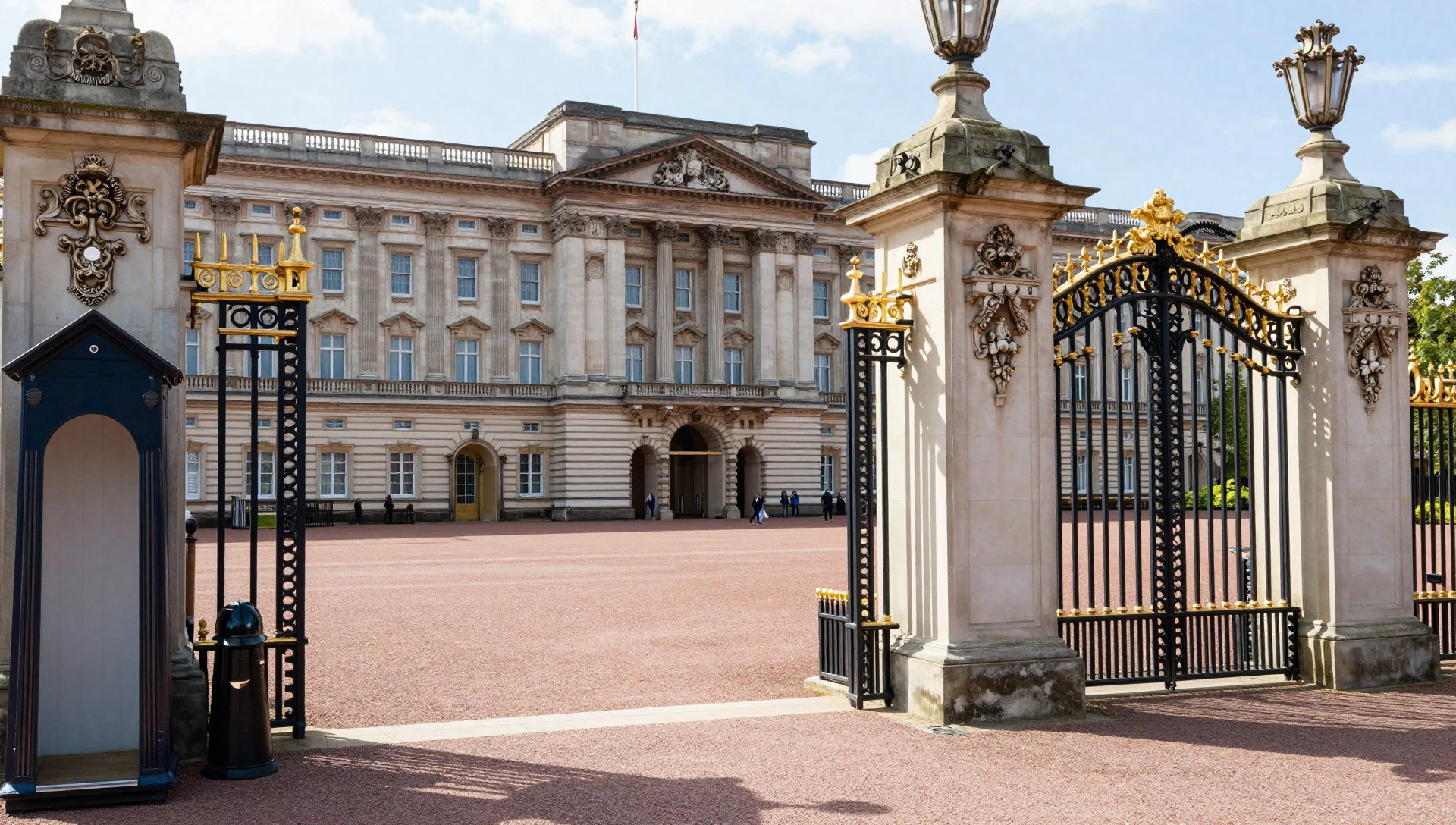
- London Eye — South Bank
Positioned prominently on the South Bank of the River Thames, this enormous rotating observation wheel offers sweeping panoramic vistas across the entire urban landscape. Encapsulated glass pods carry passengers high above the river, revealing detailed perspectives of nearby bridges, historic rooftops, and distant skyline landmarks during a slow, steady rotation.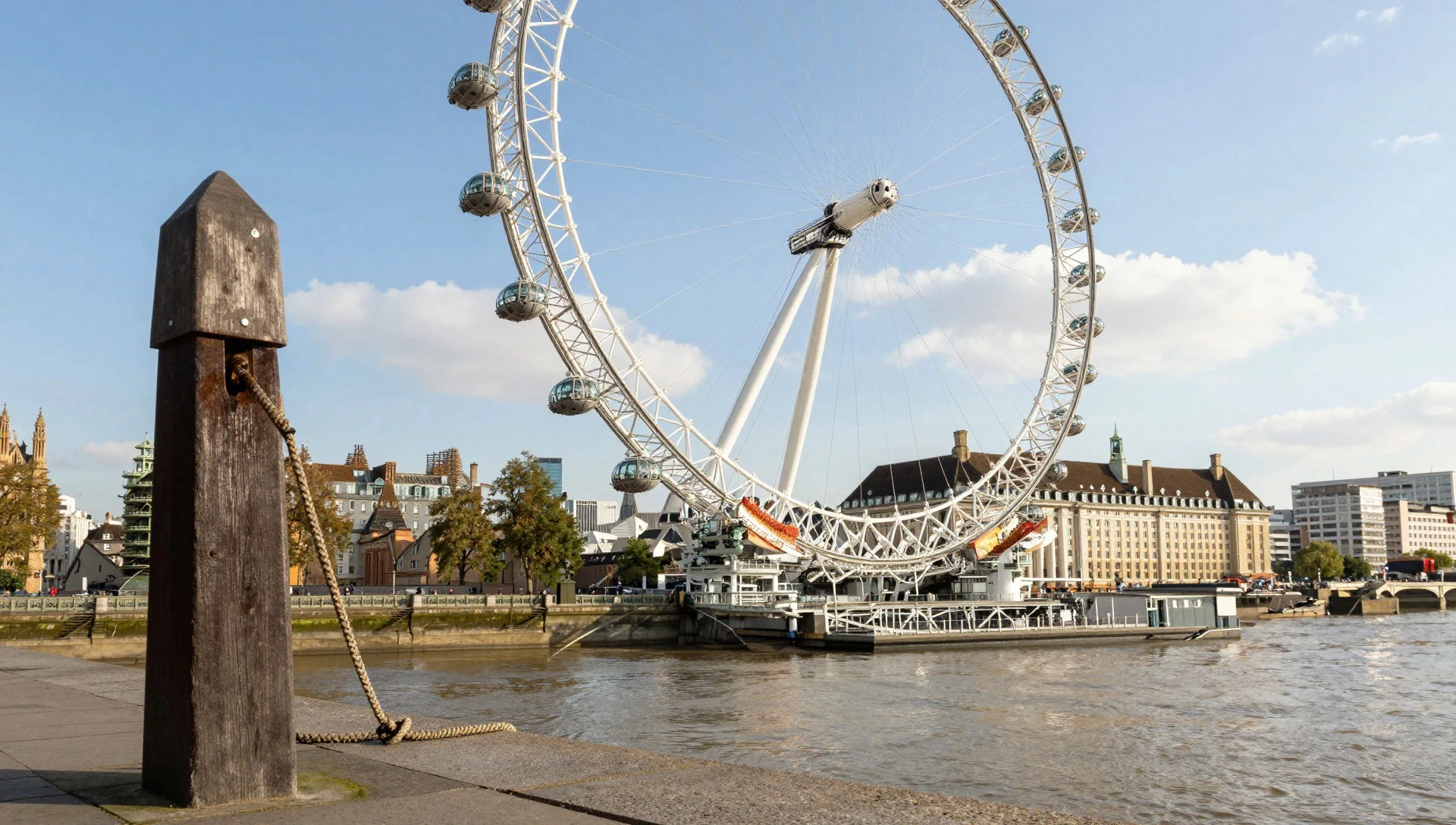
- Piccadilly Circus — West End
Famed for its dazzling array of giant electronic advertising screens and bustling pedestrian crowds, this lively road junction acts as a central hub for entertainment. Located at the intersection of major thoroughfares, it serves as an energetic gateway into the heart of the West End's vibrant theatre and shopping districts.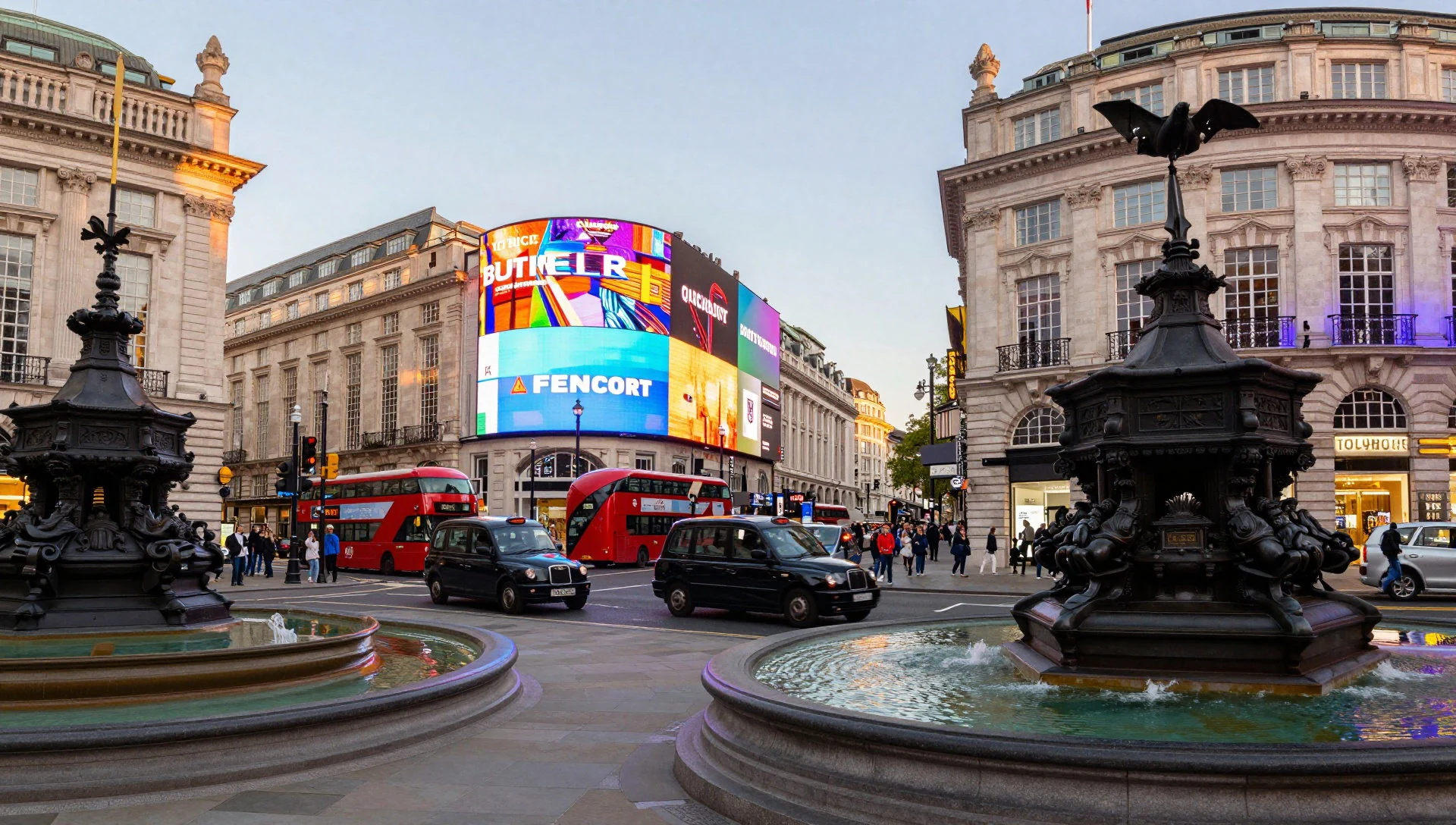
- Marble Arch — Mayfair
Designed by the architect John Nash, this triumphal white Carrara monument stands isolated on a busy traffic island where major commercial streets converge near Hyde Park. Crafted from fine marble blocks, it marks a historic boundary point between Mayfair and the sprawling parklands to the west.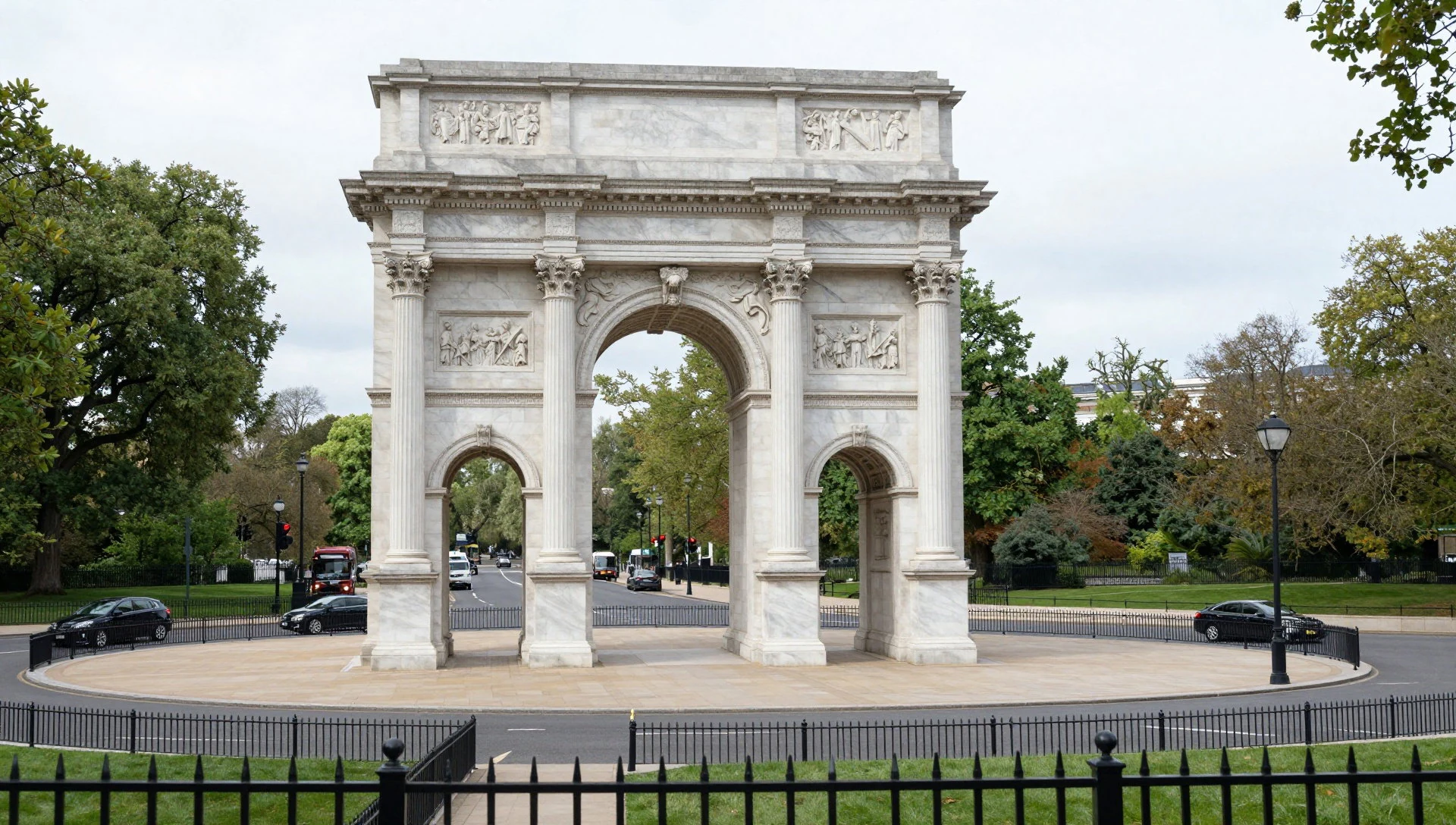
Culture
London functions as a global powerhouse for arts, entertainment, and cultural production, commanding a massive share of the nation's leisure economy. The city maintains a reputation as a leading international fashion capital and ranks among the world's busiest centres for film production. Its stages host an extraordinary volume of live comedy and theatrical performances, anchored by the historic theatres of the West End where long-running productions have played to packed auditoriums for decades. Classical music, opera, and ballet find prestigious homes in legendary concert halls and opera houses across the capital, while vibrant multicultural communities contribute diverse culinary traditions, independent art galleries, and grassroots music venues to the urban fabric. Navigating the city's bustling public transit requires adherence to local unwritten customs, particularly on subterranean escalators where standing on the right is strictly expected by hurried commuters.
What to wear
Traditional British attire historically emphasizes structured tailoring, woollen textiles, and heritage fabrics like tweed and tartan, rooted in centuries of bespoke tailoring traditions centred around historic streets like Savile Row. Contemporary London fashion is vastly different, functioning as a bold, eclectic mix of avant-garde streetwear, vintage finds, and sleek designer collections driven by the city's prominent creative colleges and global design houses. For visitors, practicality and comfort are paramount due to the changeable weather and extensive walking required to navigate the streets. Packing layers is essential, including a reliable waterproof jacket, a sturdy umbrella, and well-broken-in footwear suitable for covering long distances across pavement, cobblestones, and underground station stairs. While most venues maintain relaxed, casual dress codes, carrying a smarter outfit is recommended for upscale dining rooms, private clubs, or prestigious evening theatre performances.
What to eat
- Traditional Pie and Mash — Traditional pie shops across East London
A working-class comfort classic featuring minced beef pastry pies served with mashed potatoes and a savory parsley liquor sauce, best experienced in historic Victorian pie shops across east and south districts.
- Pub Sunday Roast — Traditional neighbourhood pubs citywide
A beloved weekend institution consisting of roasted joints of beef, lamb, or pork served alongside roasted potatoes, seasonal vegetables, Yorkshire puddings, and rich gravy, found in traditional pubs throughout every neighbourhood.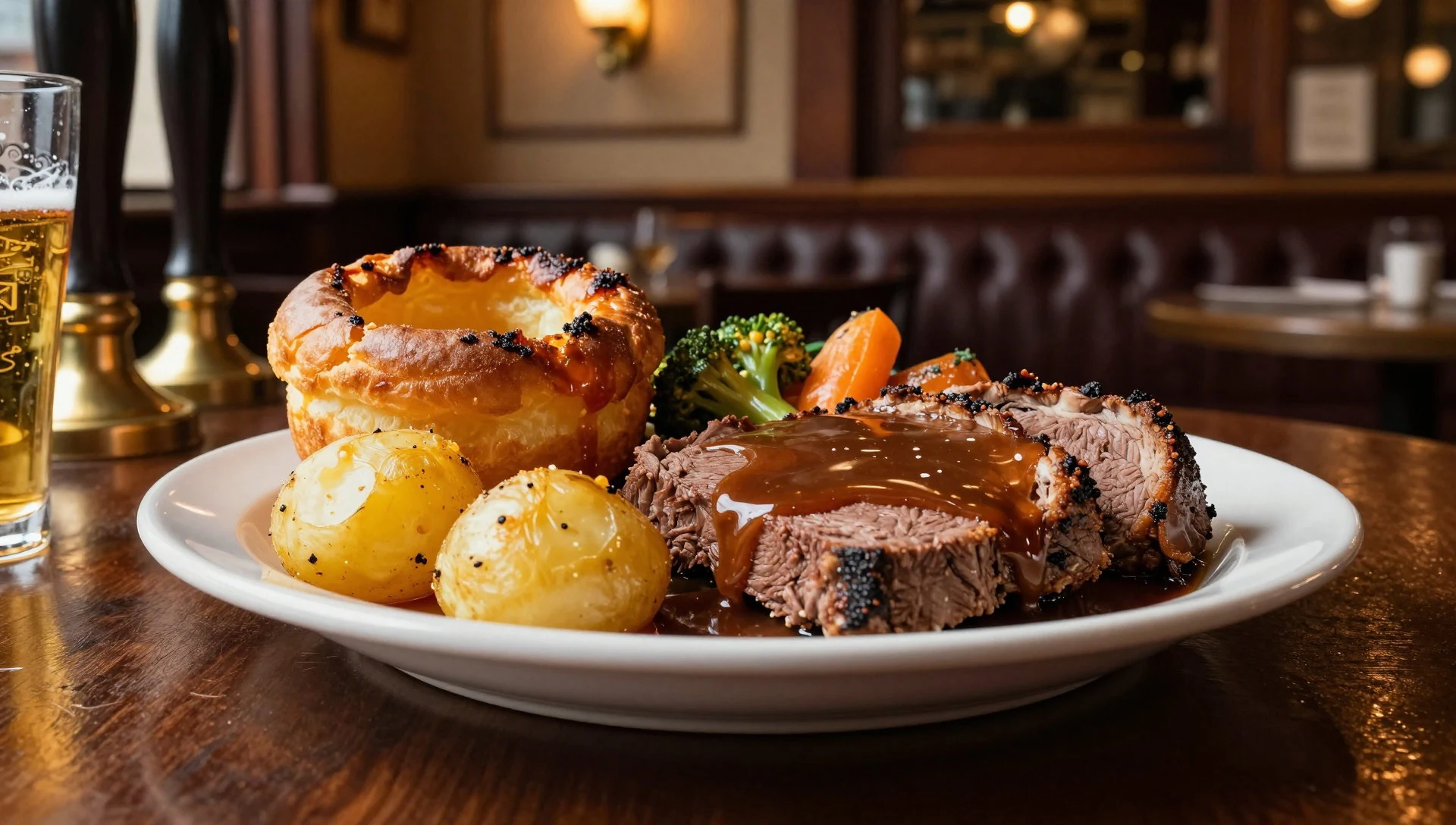
- Jellied Eels — Historic market stalls in the East End
An iconic historical East End delicacy prepared by boiling chopped fish in spiced stock and allowing it to set into a cool, gelatinous broth, traditionally seasoned with vinegar and white pepper. - Brick Lane Curry — Brick Lane market area
A testament to the city's diverse immigrant communities, offering fragrant curry houses, Balti dishes, and traditional Bangladeshi sweets along a historic street renowned for its vibrant South Asian culinary heritage.
Plan it
Best time. May through September offers the warmest weather and extended daylight hours for exploring parks and outdoor sights, though spring and autumn bring smaller crowds despite cooler, damp conditions.
How long. 3–5
Getting there. Arrive via any of the major international airports linked directly to the city centre by express train and underground services, or travel by high-speed rail into central termini like King's Cross or St Pancras.
Budget. high
Tips
- Book tickets for major galleries and popular attractions well in advance
- Use contactless payment cards or mobile devices for all public transport gates
- Allow extra travel time when connecting between different airports across the metropolitan area
- Wear comfortable walking shoes to handle long underground corridors and pavement
Etiquette
- Always stand on the right-hand side of escalators on the underground network
- Queue patiently for buses, taxis, and venue entrances without pushing ahead
Nearby
Sources
- Wikidata Q84 (CC0)
- Wikipedia (rev 1382239624) (CC BY-SA 4.0)
- Wikivoyage (rev 5409570) (CC BY-SA 4.0)