Cairngorms
Cairngorms, United Kingdom
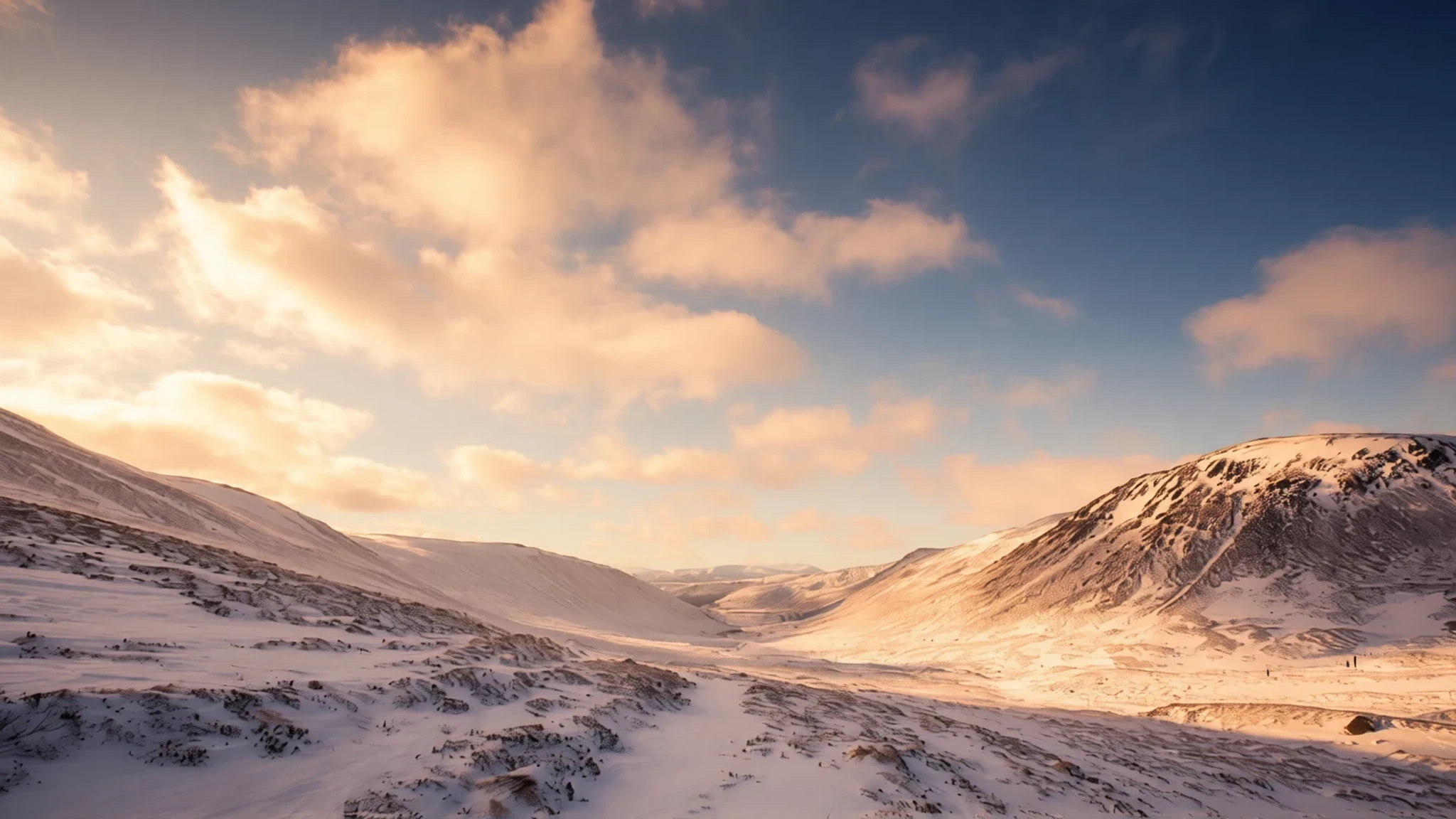
Vast arctic-alpine plateaux, granite tors, pine forests and wild weather make the Cairngorms Britain's most formidable mountain landscape.
The place
The Cairngorms rise as a high arctic-alpine landscape in the eastern Highlands of Scotland. At the core of the region lies an expansive granite plateau dotted with weathered rock outcrops called tors, surrounded by steep cliffs and deeply carved glens. Dense pine woods—remnants of the ancient Caledonian forest—blanket the lower valleys, offering habitat for red squirrels, capercaillie, crested tits and pine martens. Up on the tundra-like heights, herds of reindeer graze alongside mountain hares, dotterels, curlews and ptarmigan.
Weather in the Cairngorms is notoriously severe and subject to sudden changes. Snow can fall during any month, leaving persistent drifts across the high gullies even through summer. Cold winds whipping across the exposed plateau frequently create blinding whiteouts near the surface, turning simple mountain walks into serious navigation exercises.
Beyond the high peaks, the landscape opens out into quiet river valleys and rolling pine forests. Glens like Strathspey shelter picturesque highland villages, traditional malt whisky distilleries and clear salmon rivers. During winter, snow-filled bowls attract skiers and ice climbers seeking some of the most reliable cold-weather terrain in Great Britain. Whether explored along wooded valley trails or across stark arctic plateaux, the region offers a hauntingly raw encounter with northern mountain nature.
Its story
The Cairngorms have been shaped over millennia by severe glacial erosion and extreme climate conditions. Ice sheets once ground down ancient granite domes, carving out deep glens and leaving behind boulder fields, steep corries and isolated rock tors on top of the plateaux. For centuries, human presence in these harsh uplands was limited to seasonal grazing, hunting and timber extraction from the extensive native pine forests.
Royal interest altered the region's cultural landscape when Queen Victoria and Prince Albert acquired an estate along the River Dee, establishing a grand country retreat in the Scottish Baronial architectural style. Their presence drew writers, artists and aristocratic visitors to the valley, turning the quiet eastern Highlands into a favoured holiday destination for the British monarchy.
Over time, conservation efforts sought to protect both the delicate tundra flora on the summits and the rare forest habitats below. Local estates and wildlife organisations worked to restore damaged peatlands, preserve remaining stands of native Caledonian pine and safeguard endangered species like capercaillie and wildcats. The establishment of a national park united these conservation projects under a single stewardship framework. Today, traditional land management—balancing game sports, timber production and nature conservation—continues alongside outdoor recreation, maintaining a landscape where wild sub-arctic ecology and highland traditions exist side by side.
What to see
- Balmoral Castle — Royal Deeside near Ballater
This Victorian castle built in Scottish Baronial style features mock turrets and stag antlers decorate its grand staircases. Surrounding woodlands and landscaped grounds stretch along the River Dee, serving as a private royal estate. Visitors can tour the grounds and ballroom during spring and summer months when royalty is not in residence.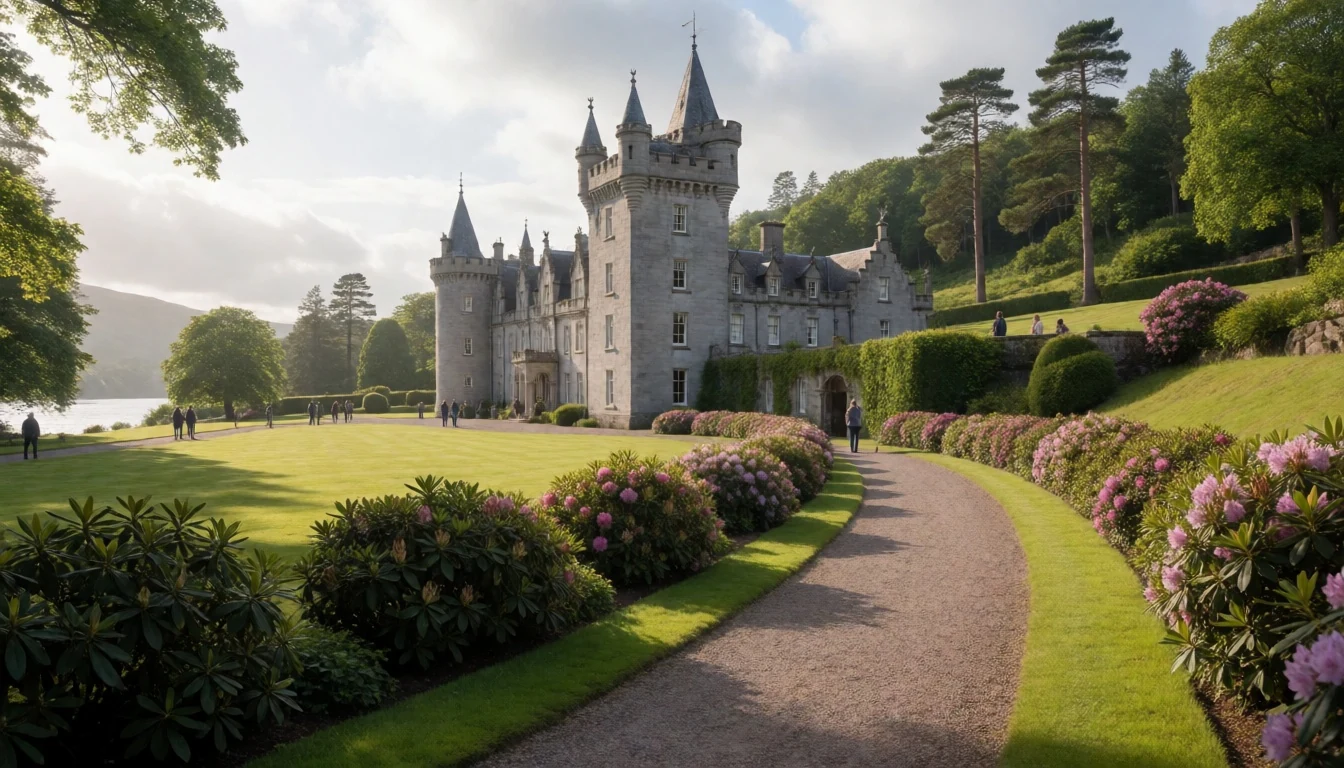
- Glenshee Ski Centre — Cairnwell south of Braemar
Spanning steep gullies and high bowls across both sides of the main pass, Glenshee provides broad skiing terrain with multiple lifts. Winter sports enthusiasts gather here for downhill skiing and snowboarding when conditions permit, while summer visitors use the mountain passes for hillwalking and taking in expansive views of southern Cairngorms peaks.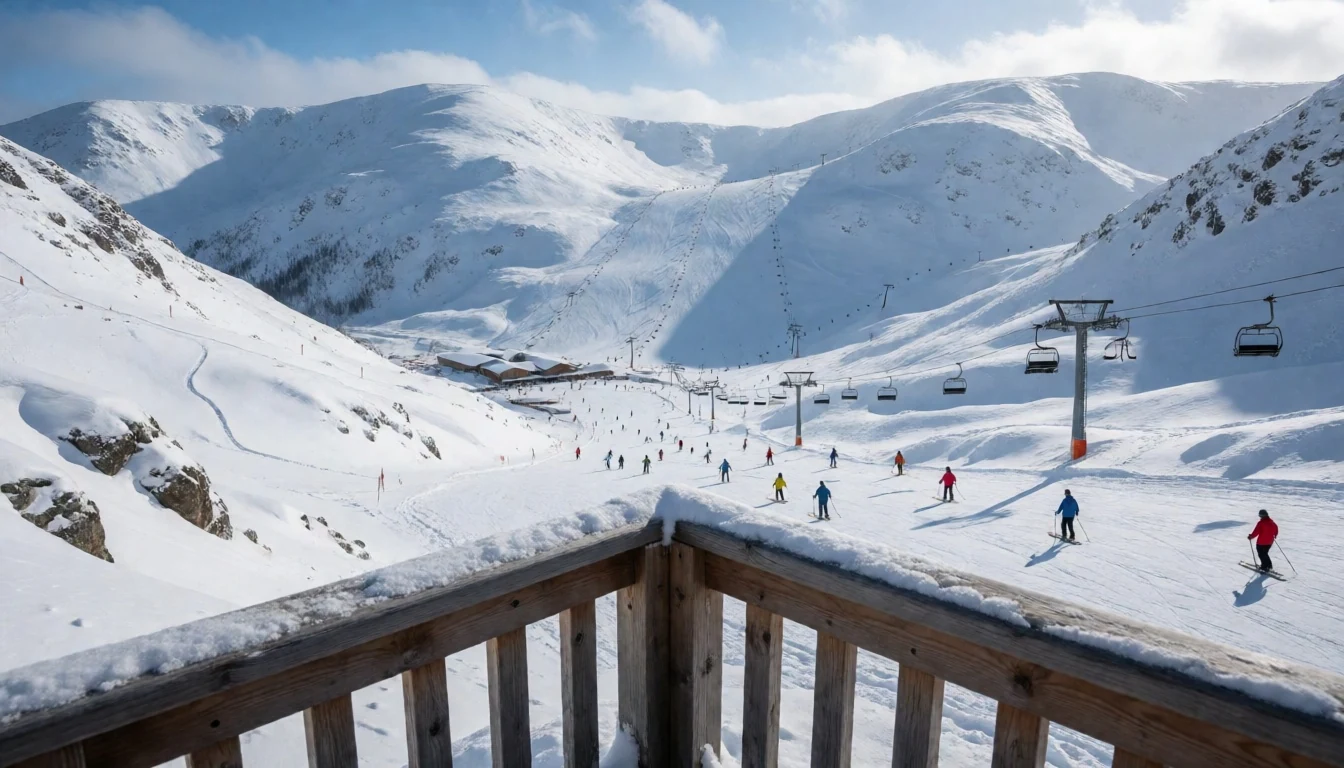
- Lecht Ski Resort — Between Strathdon and Tomintoul
Situated at a lower altitude pass, this resort caters particularly well to beginners and families. A collection of gentle slopes and beginner lifts makes learning snowsports accessible. In summer, the mountain road offers scenic driving routes connecting quiet highland villages, heather moorlands and historic whisky distilleries in the northern glens.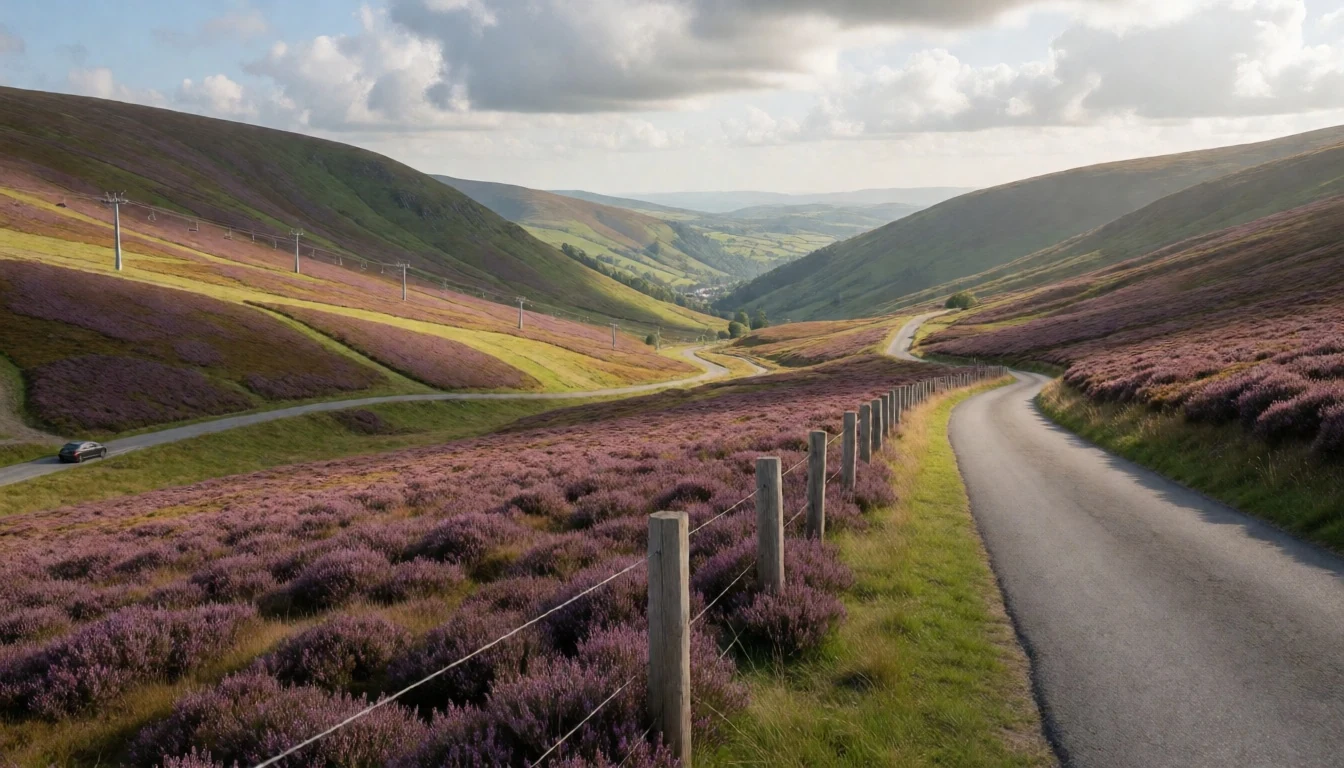
- Coastal Fishing Villages — Moray Firth coast
Picturesque coastal hamlets like Pennan, Gardenstown and Crovie nestle beneath steep sea cliffs along the northern edge of the region. Pennan famously featured in the film Local Hero, complete with its iconic red phone booth. Narrow lanes and stone cottages sit feet from the breaking waves, offering peaceful coastal atmosphere.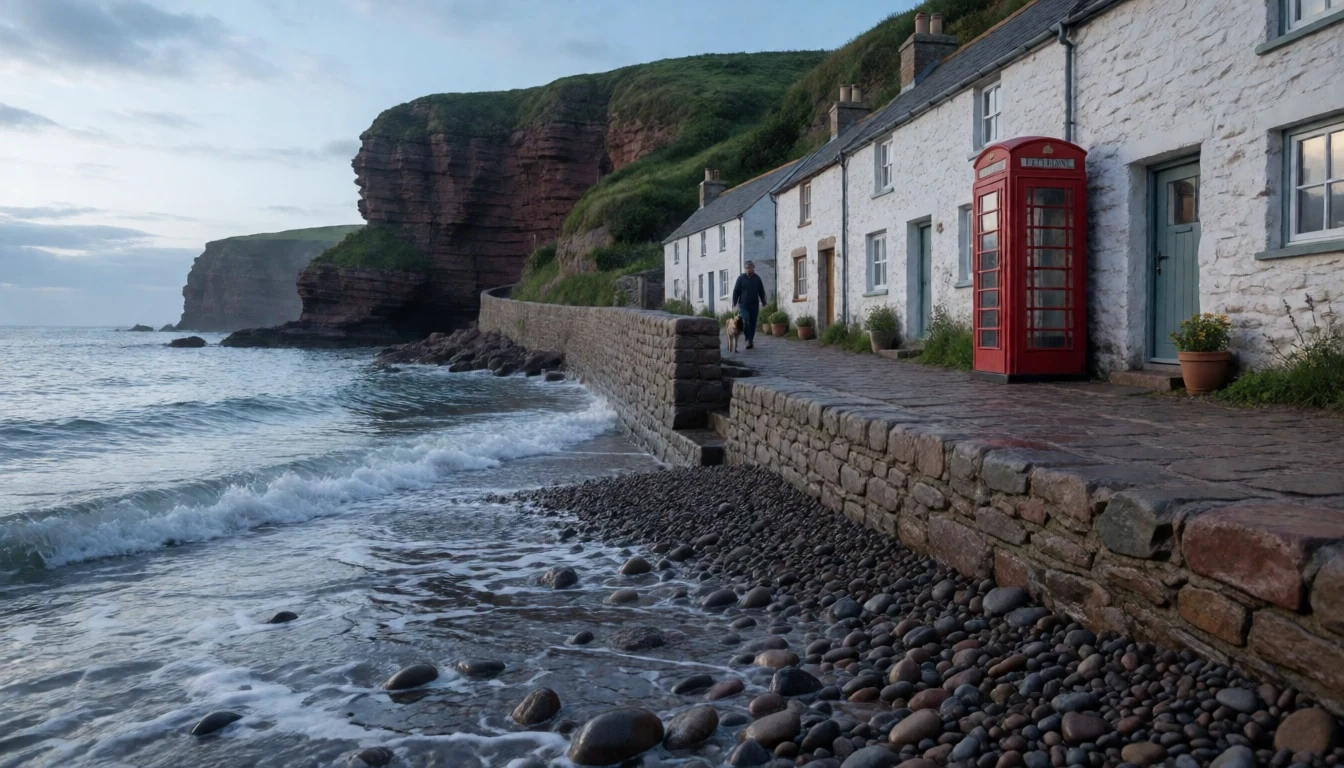
- Peterhead Prison Museum — Peterhead, Aberdeenshire coast
Formerly known as one of Britain's most austere penal facilities, this historic granite prison now operates as a museum. Visitors walk through former cell blocks, kitchen areas and exercise yards while learning about court history, inmate life and famous incidents through audio guides narrated by former prison officers.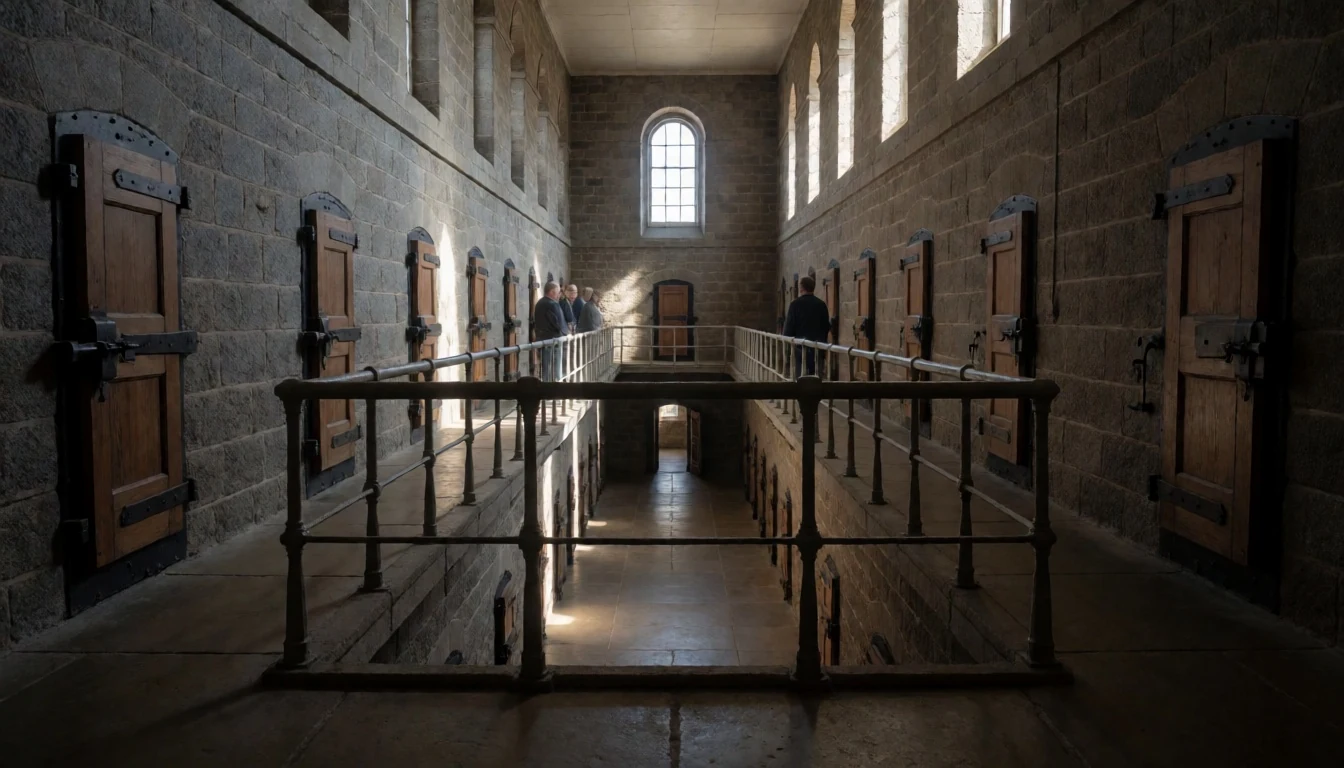
Culture
The Cairngorms harbour a mountain culture shaped by Gaelic heritage, Highland estate traditions and seasonal rural life. In the river straths and market towns, local identity revolves around Highland games, traditional folk music and land management practices like deer stalking and forestry. Summer agricultural shows and community gatherings showcase pipe bands, caber tossing and traditional dancing, celebrating centuries of Highland custom. Local spirit is equally tied to malt whisky distilling, with pristine mountain spring water feeding world-famous distilleries along the nearby rivers.
Highland hospitality centres on warm pubs and tea rooms where estate workers, hillwalkers and visitors gather after long days on the hills. Storytelling and local folklore remain vibrant, with tales of mountain spirits and historic clans attached to dramatic glens and high passes. Respecting working estates and fragile tundra ecosystems is a core value shared by residents and hillcrafters alike. When hiking through estate lands or near livestock, always keep dogs on lead and close all farm gates securely behind you.
What to wear
In the Cairngorms region, traditional Highland clothing centres on woven woollen textiles like tartan kilts, Harris tweed jackets and knitted wool socks. Historically, thick wool kilts and plaid cloaks provided essential warmth and weather protection against wet mountain winds, while specific tartan patterns denoted clan affiliation. Today, formal Highland dress is worn for weddings, ceilidhs and annual Highland games, where caber tossers and dancers don full traditional attire.
For everyday life, locals wear practical outdoor clothing suited to unpredictable weather. Heavy wax-cotton or waterproof jackets, fleece layers, durable trousers and durable rubber or leather boots are standard wear around farms, estates and highland villages. Warm woollen caps and thick gloves remain winter essentials for everyone.
Visitors exploring the Cairngorms must prepare for severe, rapidly changing sub-arctic weather regardless of the season. Dress in a multi-layered system including a moisture-wicking base layer, an insulating fleece middle layer and a fully waterproof, windproof outer shell. Sturdy, waterproof hiking boots with ankle support are essential for walking across rocky plateaux and boggy tracks. Pack a warm hat, gloves and extra warm clothing even on sunny summer days, as mountain top temperatures drop quickly.
What to eat
- Aberdeen Angus Beef — Local pubs and traditional eateries across Aberdeenshire
Prized globally for its rich marbling and tender flavour, locally raised Aberdeen Angus beef appears on menus as thick steaks or hearty braised dishes. Trimmings and prime minced beef are crafted into high-quality burgers served in country pubs across the valley.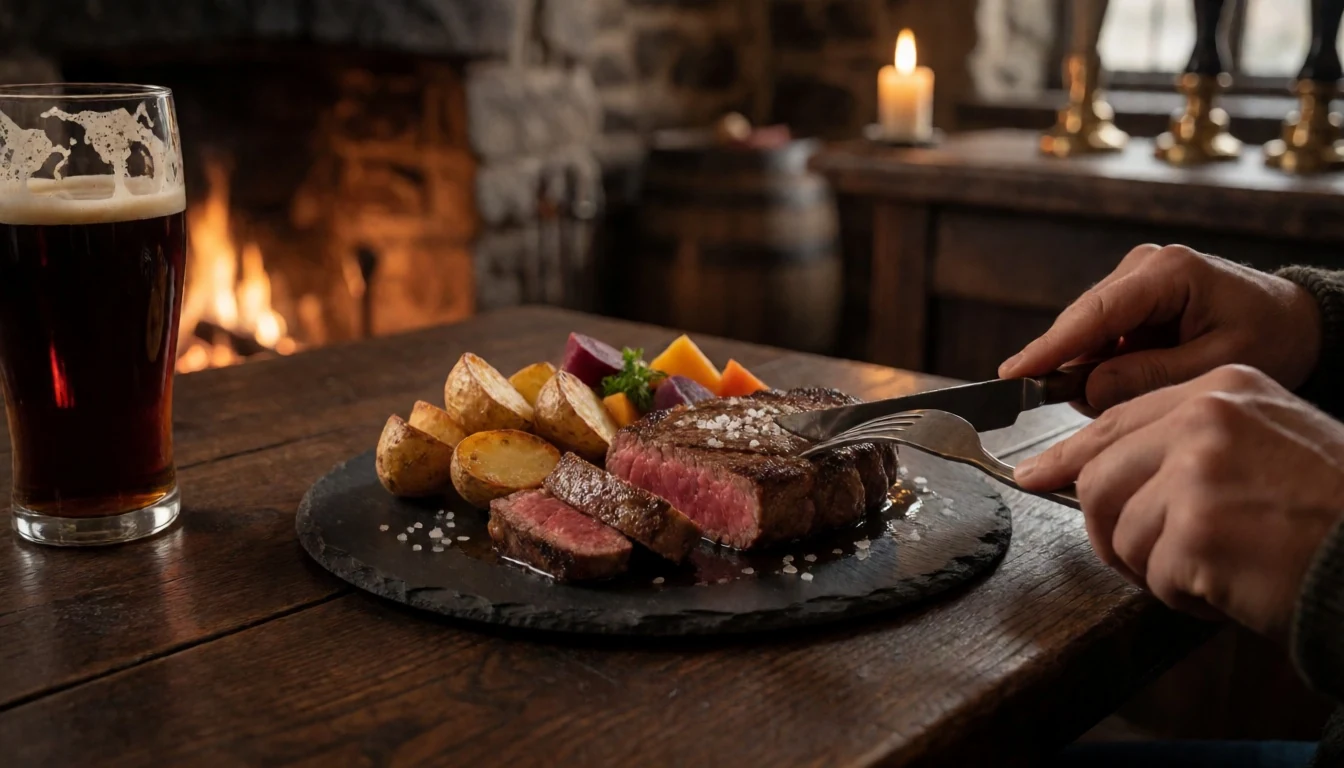
- Deep-fried Mars Bar — Fish and chip shops in Stonehaven
Created as a cheeky seaside curiosity in Stonehaven, this indulgent treat involves dipping a chocolate caramel bar in batter before deep frying it to melt the middle. It remains a famous novelty bite sold in local chip shops along the coast.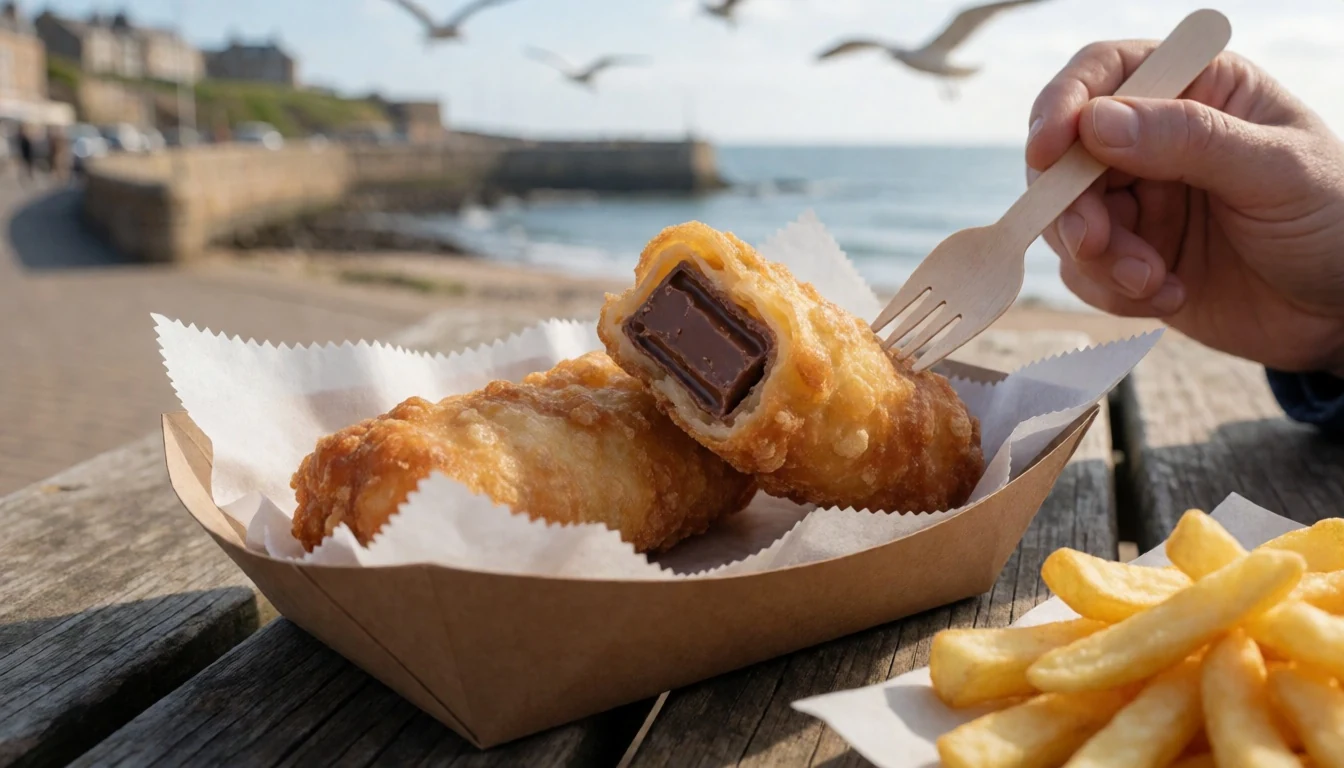
- Haddock Fish and Chips — Harbour takeaways and coastal chip shops
Freshly caught North Sea haddock is battered or breaded and served piping hot alongside thick-cut chips. Sprinkled with salt and malt vinegar, it is a comforting staple enjoyed wrapped in paper by harbour sides or in cozy village eateries. - Single Malt Whisky — Distillery tasting rooms and traditional pubs
Distilled using soft mountain spring water and malted barley, Speyside and Highland single malts offer complex flavours ranging from sweet honey and fruit to light smoke. Local pubs serve drams neat or with a splash of clear well water. - Venison Stew — Country inns and highland restaurants
Sourced from wild red deer managed across highland estates, venison is a lean, flavourful meat. Slow-cooked with root vegetables, herbs and red wine or local ale, it forms a comforting, rich stew perfectly suited after cold mountain walks.
Plan it
Best time. May to September for hiking, milder weather and longer daylight hours; January to March for winter sports, though weather can be extreme.
How long. 3–4
Getting there. Fly or take the train to Aberdeen or Inverness, then rent a car or catch local buses into the national park via Strathspey or Deeside.
Budget. mid
Tips
- Check mountain weather forecasts before setting out on the high plateau
- Carry a map, compass and proper navigation tools as whiteouts occur quickly
- Pack extra warm clothing and waterproof layers even in midsummer
- Book highland accommodation well ahead during summer and peak ski season
Etiquette
- Keep dogs on leads near livestock and ground-nesting birds
- Close all gates firmly and stay on established tracks in fragile areas
- Follow the Scottish Outdoor Access Code when wild camping
Nearby
Sources
- Wikidata Q747064 (CC0)
- Wikipedia (rev 1371971285) (CC BY-SA 4.0)
- Wikivoyage (rev 5321533) (CC BY-SA 4.0)
- Photo photos/01-the-cairngorms-from-geal-charn.jpg (Public domain)
- Photo photos/02-cairngorms-sketch-map.jpg (Public domain)
- Photo photos/03-the-cairngorms-flickr-graham-grinner-lewis.jpg (CC BY 2.5)
- Photo photos/04-garbh-choire-mor-8th-august-2008.jpg (Public domain)
- Photo photos/05-mountain-hare.jpg (CC BY-SA 4.0)
- Photo photos/06-cairn-gorm-funicular-dsc06413.jpg (CC BY-SA 2.0)
- Photo photos/07-cairngorms-panorama.jpg (Public domain)
- Photo photos/08-view-north-west-from-the-summit-of-beinn-bhreac-geograph-org.jpg (CC BY-SA 2.0)


