Galați
Galați, Romania
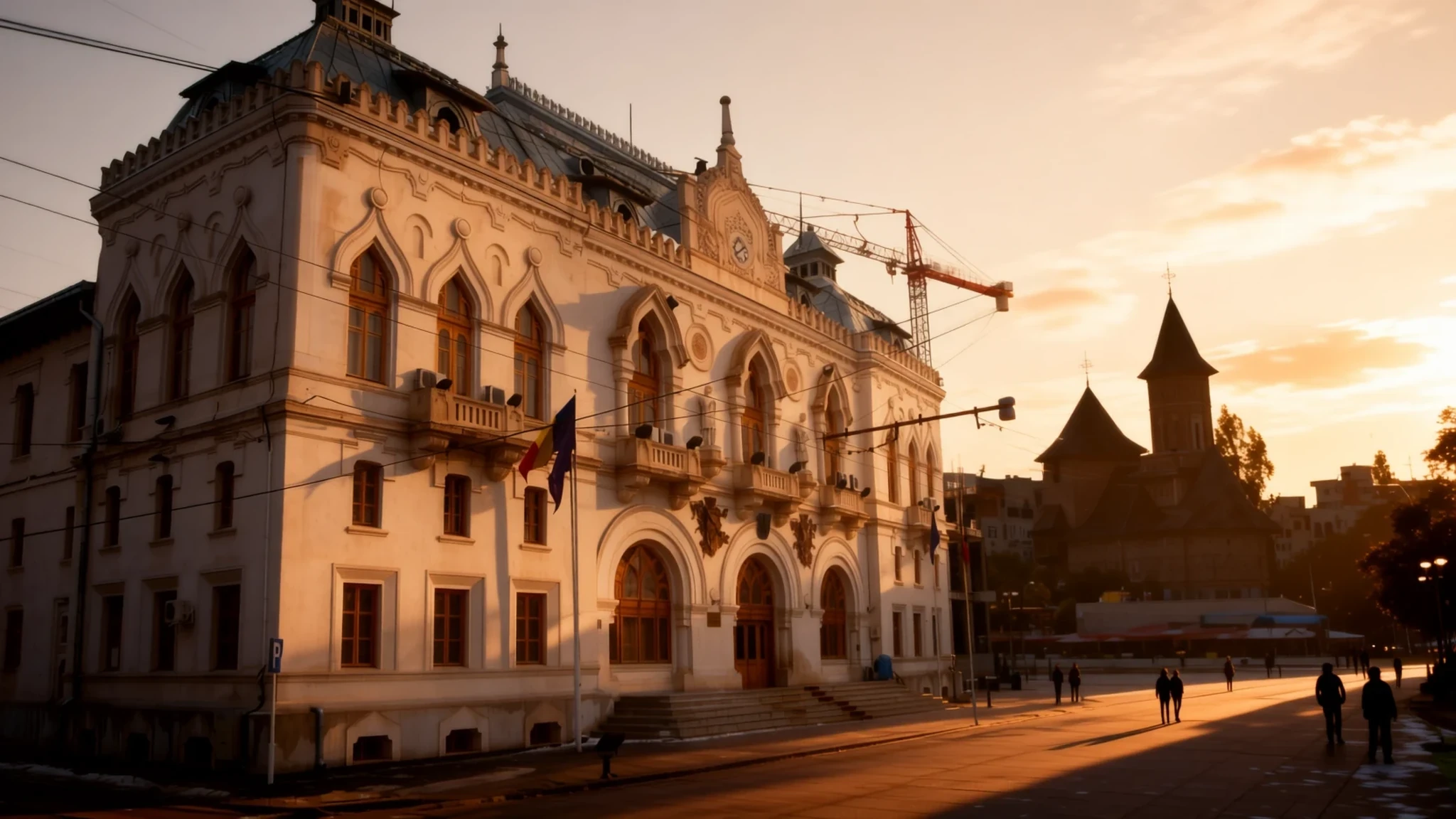
Galați is an eastern-Romania port city where big river views, old churches, and steel-industry history sit side by side.
The place
Galați is the county-seat city of Galați County in eastern Romania’s Western Moldavia (it’s on the Danube, opposite the river’s shifting network of towns). The river presence is the first thing that feels true: the city grows along it, and the port-and-industry economy keeps the waterfront busy and changeable. With a population of 217,851 and an elevation of 55 metres, Galați has the scale of a proper regional hub rather than a small riverside town.
Geographically, the city sits on the Moldavian Plateau, on the west bank of the Danube, near where the Siret and Prut rivers meet the wider waterways. That helps explain why the city doesn’t feel flat everywhere—Galați is built on three terraces, with older core streets around the mid-level elevations and newer areas on higher ground. For visitors, that matters because walking routes can involve gentle climbs, and the Danube comes and goes between streets and viewpoints.
Historically, Galați’s story is older than the modern port. Evidence points to long habitation, including Dacian settlement patterns and later fortress-building connected to controlling a Danube crossing. By the time the city had a stronger documented presence (founded in 1541, as commonly given in reference sources), it had already become a strategic node between regions.
Today, the atmosphere is shaped by transport links and by heavy industry—especially the steel works (often still called “Sidex” by locals) and the shipyard. It’s not a city built mainly for tourism, so crowds are usually manageable, and you’ll travel more like a city explorer than a package-tour shopper. The best experience tends to come in the milder months: March, April, October, and November usually feel most comfortable, with daytime temperatures generally ranging from the mid-20s to the low 30s.
Its story
Galați’s past reads like a chain of river-crossing decisions. Long before the modern port, the area grew around a ford across the Danube. Dacian communities fought Romans in the wider region in the early centuries of the Common Era, and defensive structures were later tied to protecting control over the crossing.
From there, the timeline keeps layering. Evidence of continuous inhabitation stretches forward through the early medieval period, with finds that include a treasure hoard of silver coins (dated across the 7th century range) recovered near a church tradition linked to the Church of the Virgin. In practical terms, this is what the Danube did to places like Galați: it brought trade and movement, but also conflict and the need for fortification.
Galați’s medieval and early-modern identity also shifted with bigger powers. Records mention it in the context of Moldavia, and over time the city’s name and control changed alongside Moldavian, Ottoman, and regional arrangements. There’s even a reference to the city being associated with a Genoese sphere at one stage—an indication of how seriously outsiders treated Danube access.
The modern “port city” feel has roots in that long strategic role. In the present day, the steel works and the shipyard concentrate economic activity, and the waterfront takes on a working look rather than a postcard one. That doesn’t make the city feel cold or purely industrial; it makes the history visible in a different way—through monuments, museums, and older neighbourhoods that have survived beside the factories.
If there’s a theme across the centuries, it’s adaptation: settlement patterns around water, defensive needs around crossings, and later industrial development around the logistics of moving goods. Galați’s character comes from that ongoing re-use of the same geographic advantage: the Danube.
What to see
- Fortified church Saint Precista — City centre / historic core
Fortified church Saint Precista is one of Galați’s anchoring landmarks, tied to the town’s older religious life. The building is associated with worship dating back to the 1600s, and it’s known for its defensive feel—something you’d expect from a settlement shaped by crossings and risk. Plan a slower visit to notice the structure.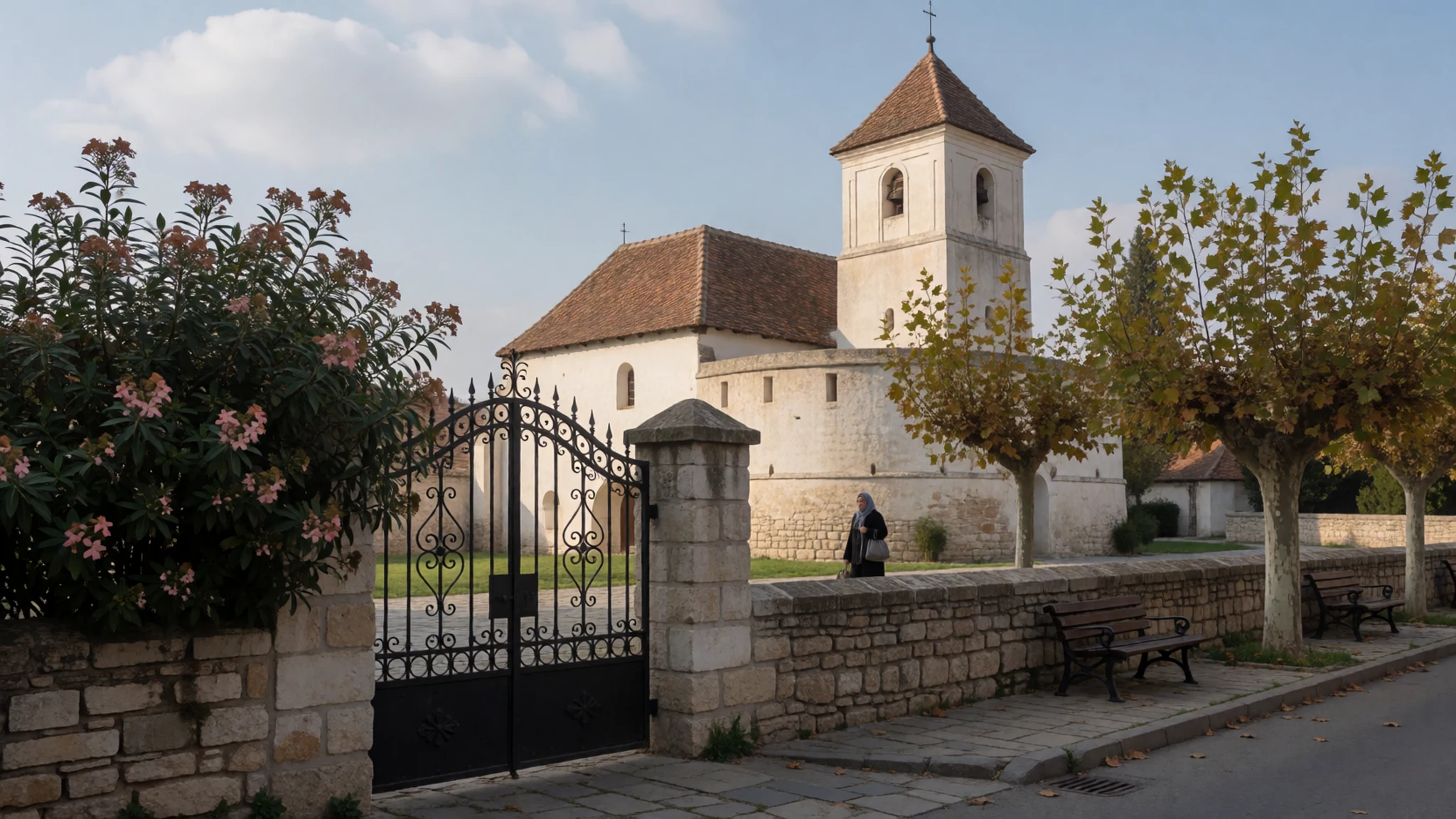
- Galati Prefecture — Central Galați
Galati Prefecture is a good “orientation” stop: it helps you read how the city developed into a modern administrative centre. The façade gives a sense of civic ambition, and the surrounding streets are where you can start mapping a self-guided walk from older parts towards the wider waterfront. It’s especially handy when pairing museums with a city stroll.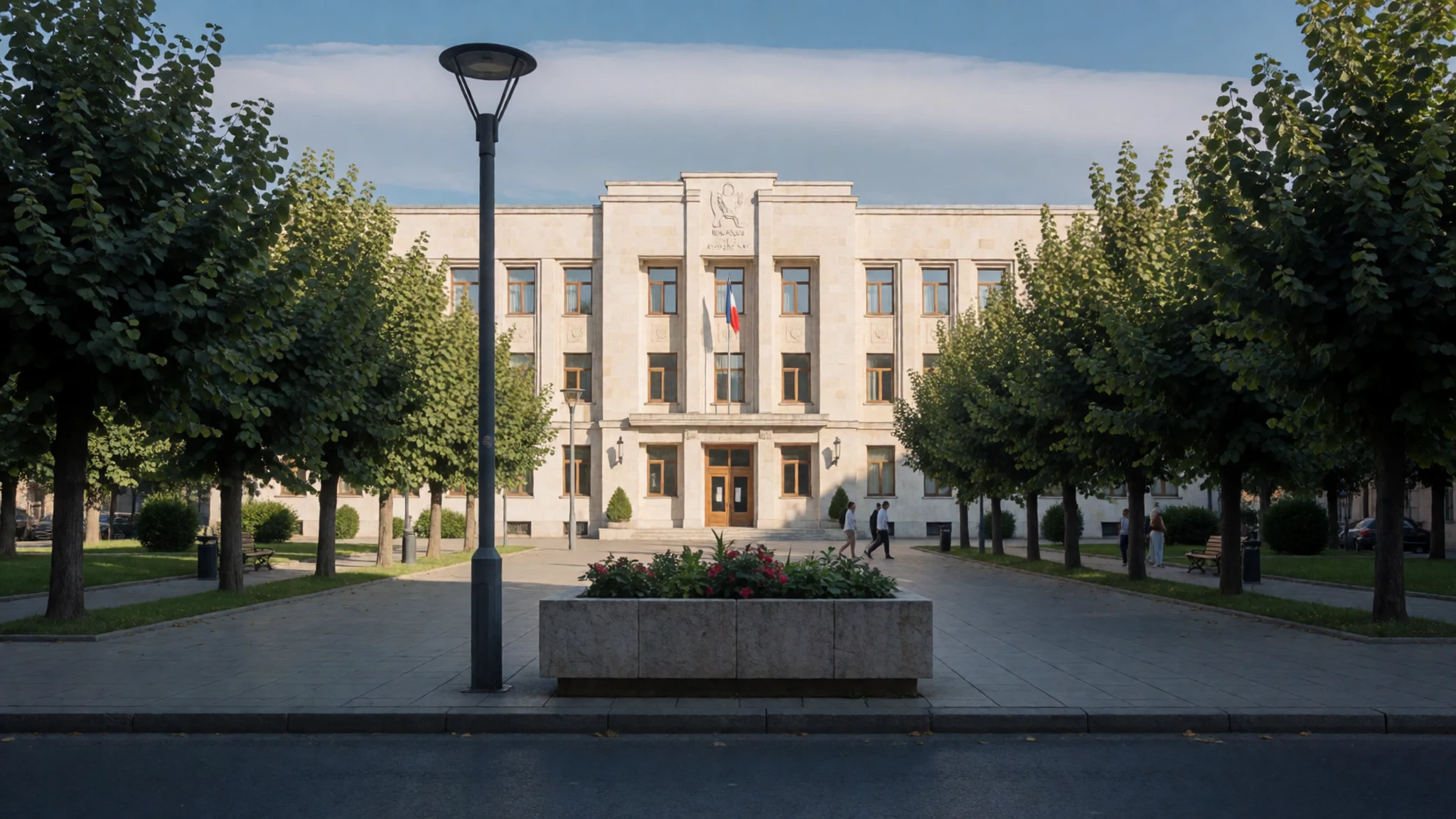
- Lambrinidi House (Casa Lambrinidi) — Central neighbourhood streets
Lambrinidi House stands out as a distinctive residence-style building in Galați’s urban fabric. It’s the kind of stop that works well when travelling between museum visits: short, photogenic, and useful for spotting how architecture shifts by era. In practice, it’s also a calm break from the industrial edge you may notice later in the day.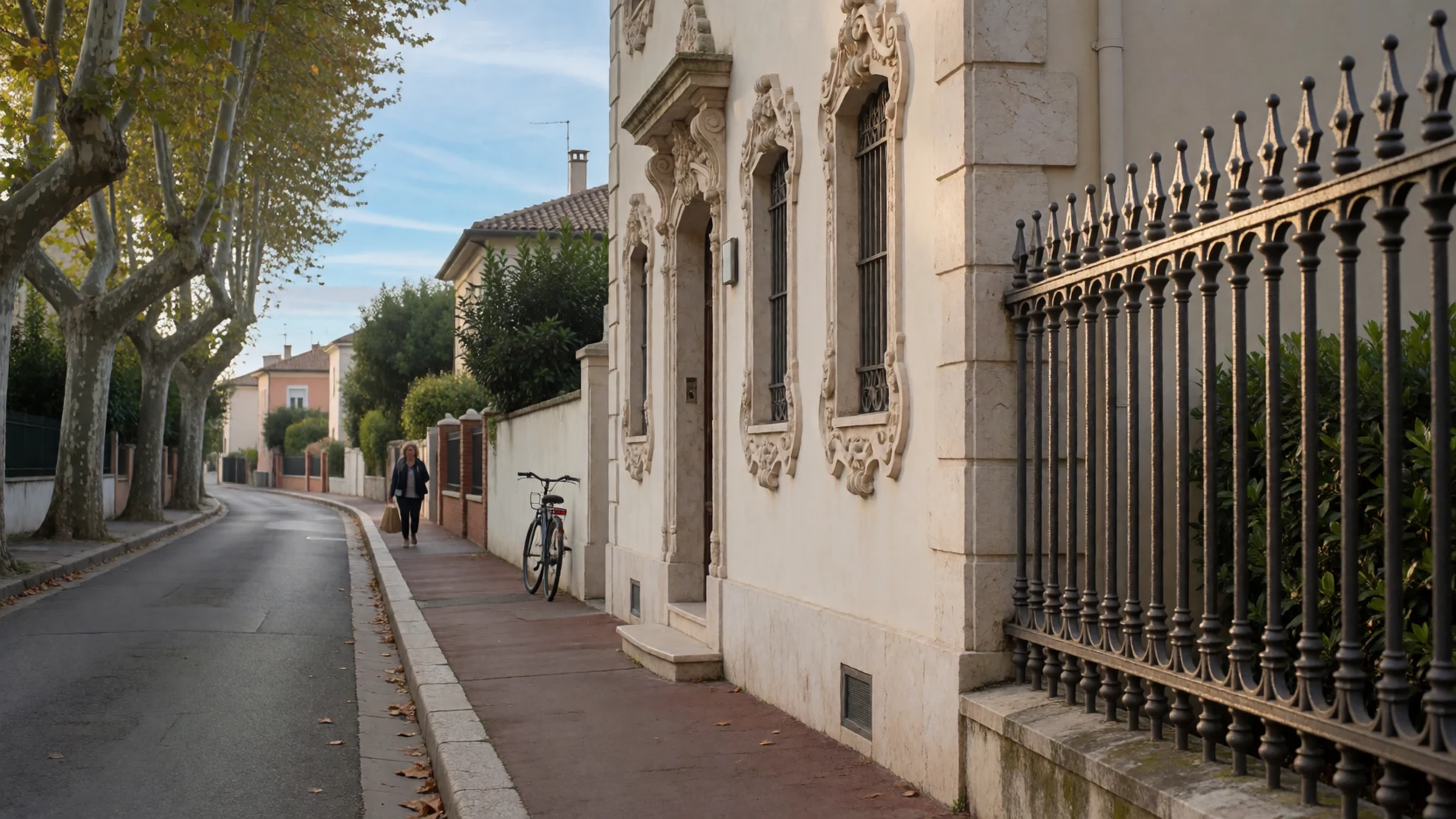
- Casa colectiilor (Collection House) — Inner-city
Casa colectiilor is a compact, interesting building to include in a heritage-focused afternoon. It gives a sense of how Galați curates its cultural memory through dedicated spaces rather than only through monuments. Because it sits within the walkable inner-city area, it’s easy to combine with churches and museums, especially on days when the weather turns.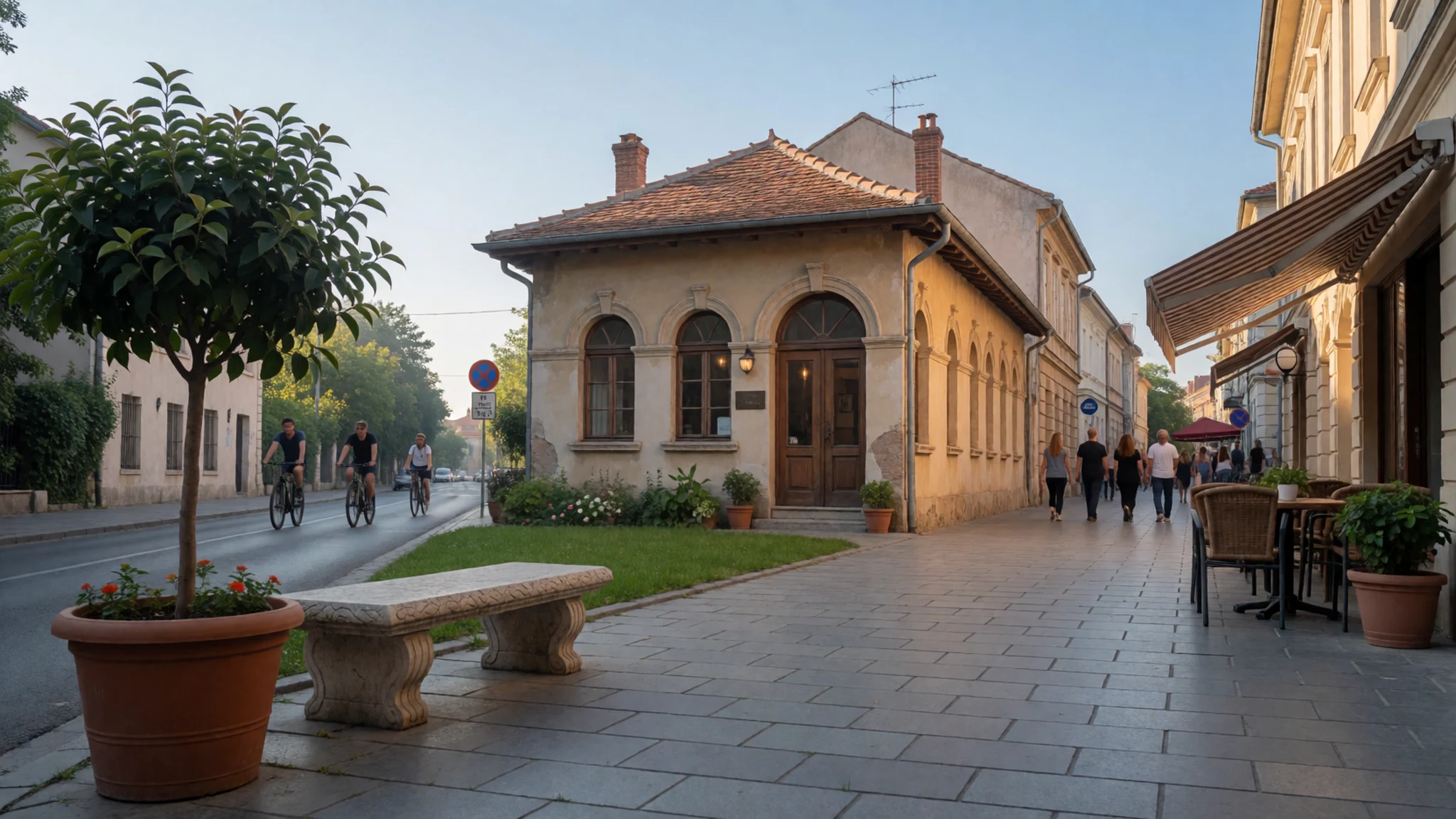
- Greek Church square — Central district near churches
Greek Church square is a neighbourhood-feeling stop: a place to watch local life drift past while the city’s historical layers show up in church-and-street form. It’s a good meeting point for a morning walk, and it works nicely for photos without needing a long detour. If the light is clear, the square gives an immediate sense of local rhythm.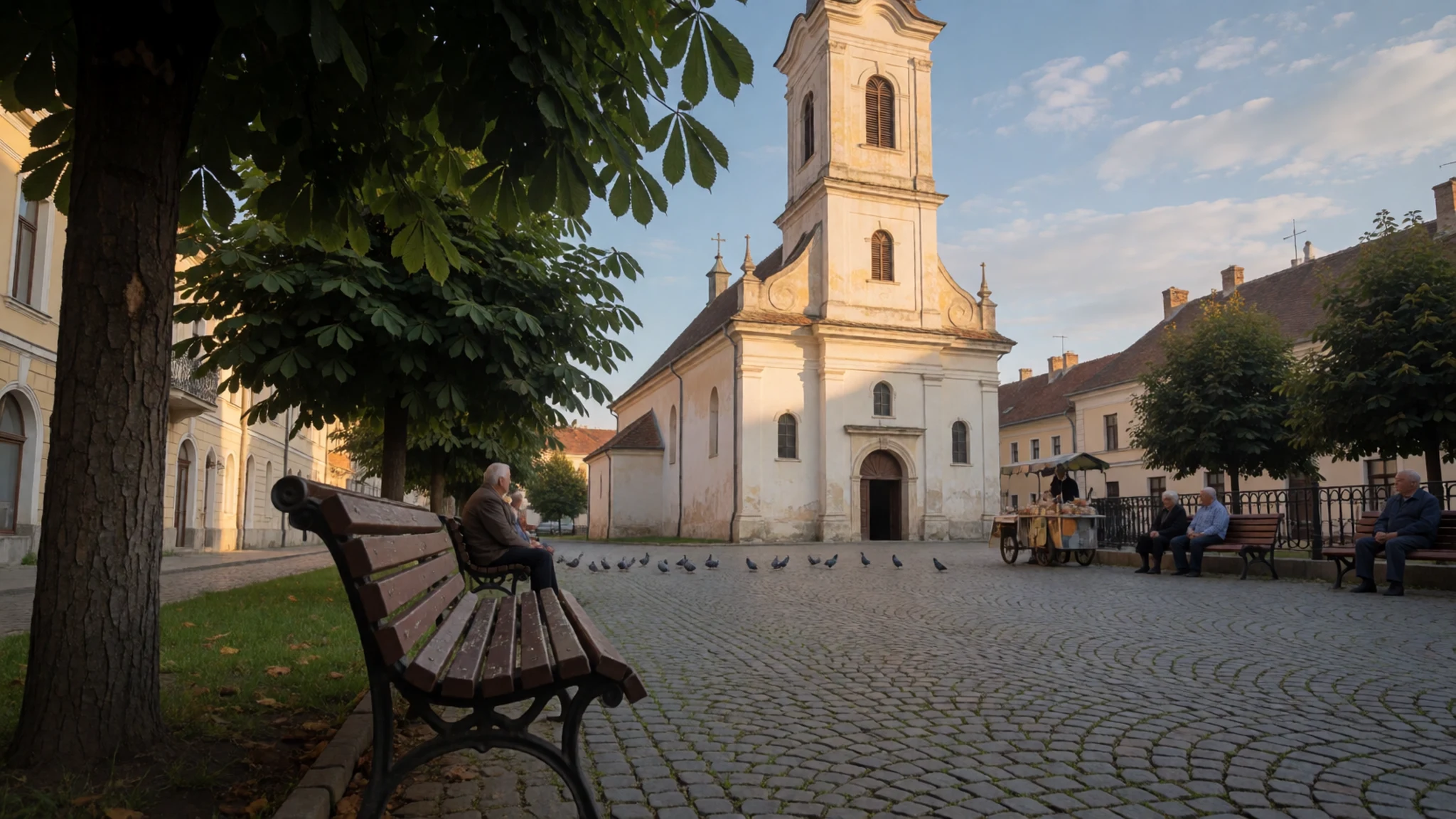
- Museum of Natural Sciences Complex / Botanical Garden — Danube riverbank area
The Museum of Natural Sciences Complex, often linked with the Botanical Garden and Dendrological Park, is a calming counterpoint to Galați’s port-and-industry image. The gardens sit by the river and support a slower pace, and the museum side ties into nature themes—including a planetarium and aquatic exhibits linked to the Danube basin. Great when the city feels warm.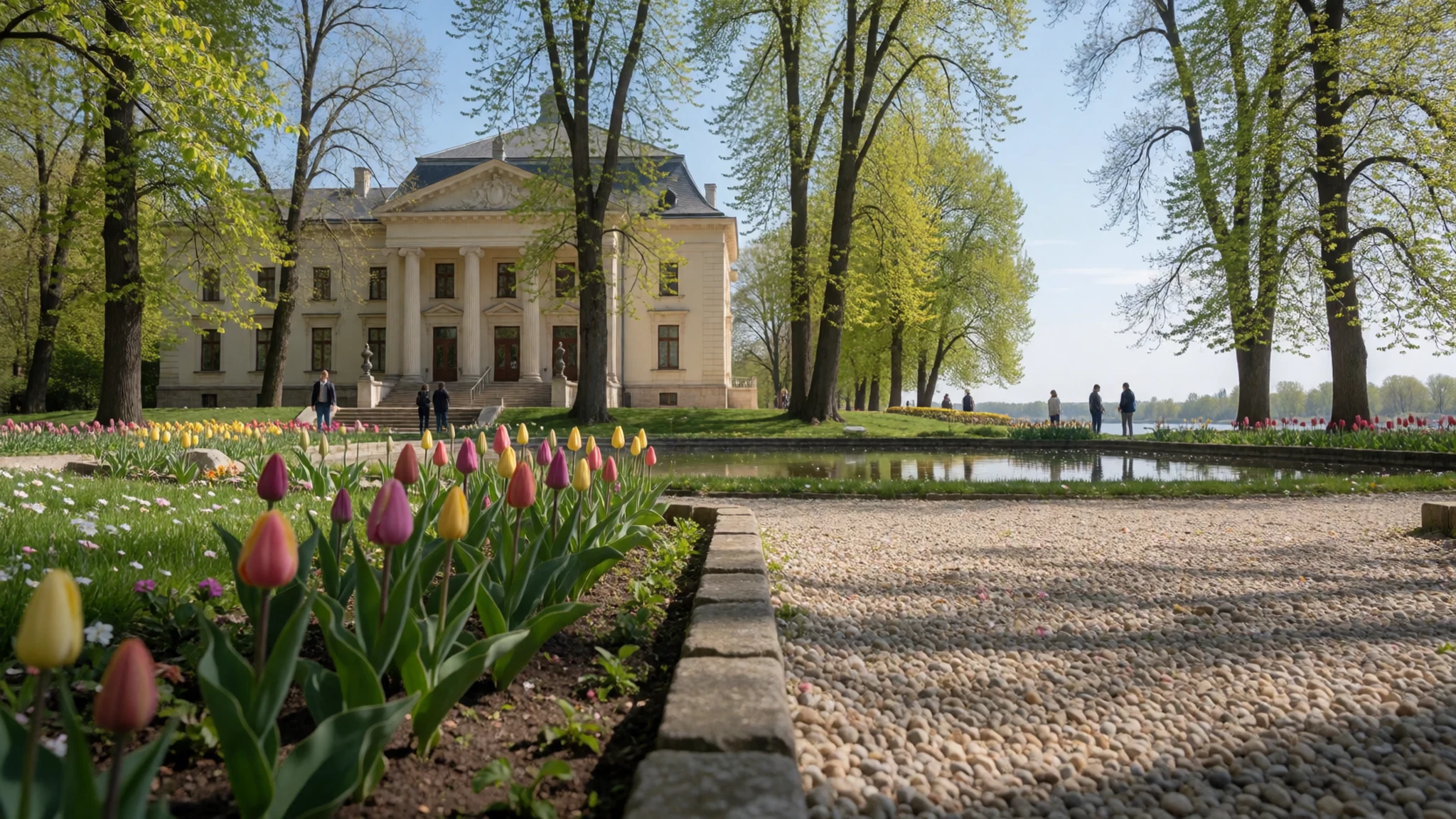
Culture
Galați’s culture is practical and layered: the city’s working port identity shows up in how locals talk about places—steel, ships, routes, and river life—while older churches and small heritage buildings remind you the settlement has long histories beyond the modern economy. Musuem visits tend to feel less “curated for tourists” and more like local institutions serving the region.
Because the city sits on river terraces, moving around can involve small shifts in elevation and street layout, so the easiest way to enjoy Galați is to keep plans flexible. When the day is bright, aim for waterfront time and then dip into indoor museums when the heat or wind swings. In shoulder months (March–April and October–November), you’ll get the most comfortable walking conditions, while summer tends to be warm and wetter.
What to expect socially: locals are used to a regional rhythm rather than constant international tourism. That usually means fewer crowds, but also less “tourist scaffolding”—signage and spoken English may be limited outside central areas.
For photography, stick to public spaces and ask before filming or photographing people in religious settings. Dresses don’t need to be formal, but modesty and cleanliness are appreciated in churches.
Visitor etiquette: remove hats/keep voices down inside churches, and dress modestly at entrances—shoulders and knees covered help.
What to wear
Galați doesn’t have a single “tourist uniform”, but the city’s mix of church visits and Danube-side weather makes dressing sensibly a lot easier than dressing stylishly. Traditional Romanian dress is often associated with embroidered shirts and blouses, ornate vests, and patterned skirts or trousers, with decorative weaving doing most of the visual work. You’ll mainly see these textiles during local festivals, in cultural events, or in museum contexts rather than on everyday streets.
What people wear now is standard urban Europe: T-shirts and light shirts for daytime, jeans or casual trousers, and warmer layers for the cooler months. In March, April, October, and November (the best visiting months listed), temperatures can be mild-to-cool, so a light jacket is useful. In summer, the days can be uncomfortable, and breathable fabrics help when walking along the river.
For visitors, the key is church readiness and terrain. If visiting older churches, cover shoulders and wear footwear that handles uneven pavements; comfortable walking shoes beat sandals on terrace streets. Bring a light scarf or shawl that can cover shoulders quickly, and a small layer for windy waterfront moments along the Danube.
What to eat
- Danube-fish dishes — Eateries and local dining spots in central Galați
Look out for fish-focused meals linked to Danube traditions—simple grilled fish or richer stews show up across local menus. Try these at everyday eateries around the inner city, especially where locals eat after work.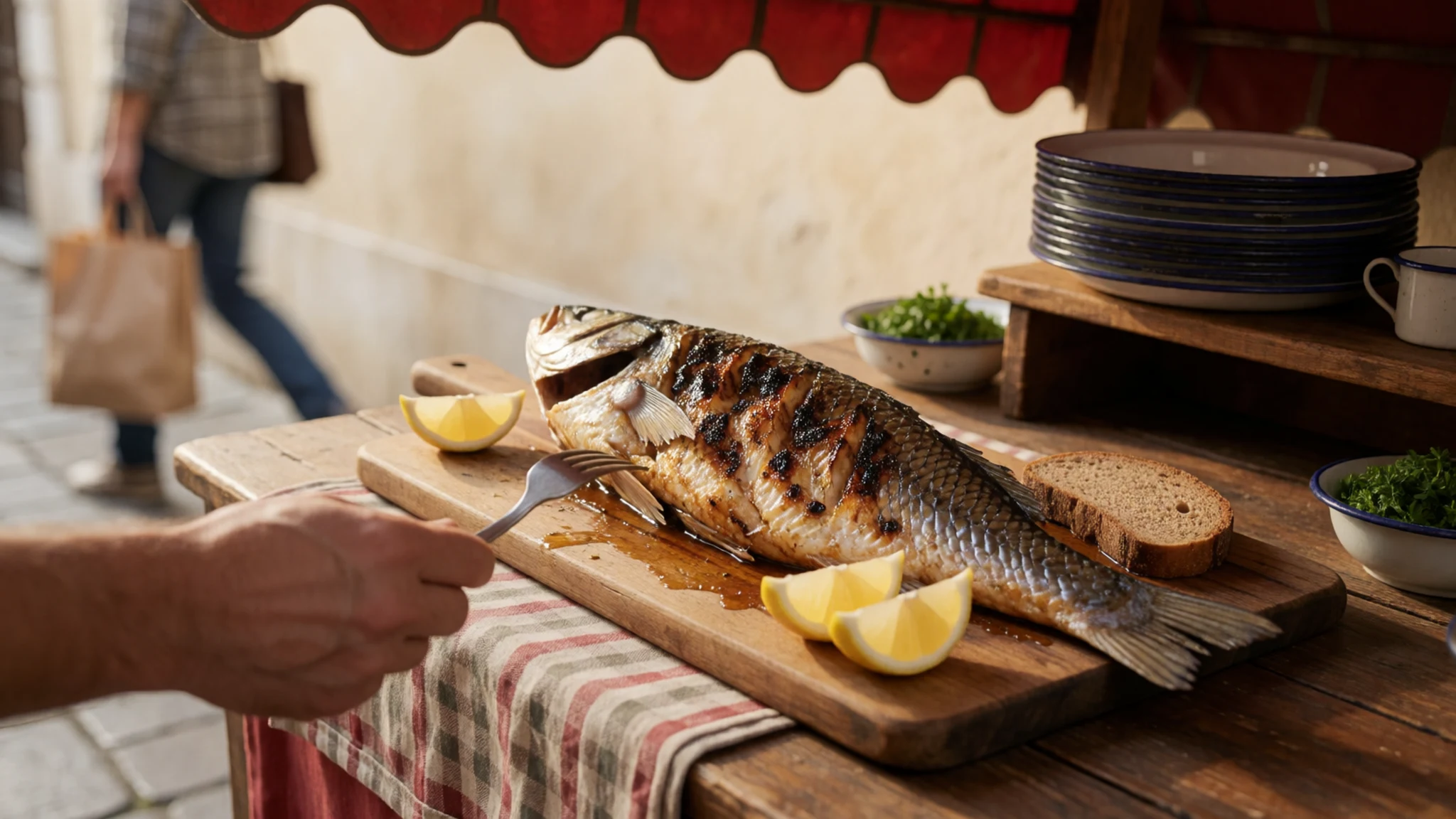
- Sarmale (cabbage rolls) — Local restaurants in the city centre
Sarmale—stuffed cabbage rolls—are the comfort-food baseline across Romania. In Galați, they’re commonly served in home-style restaurants and casual eateries, often with sauces and sides that make a filling lunch.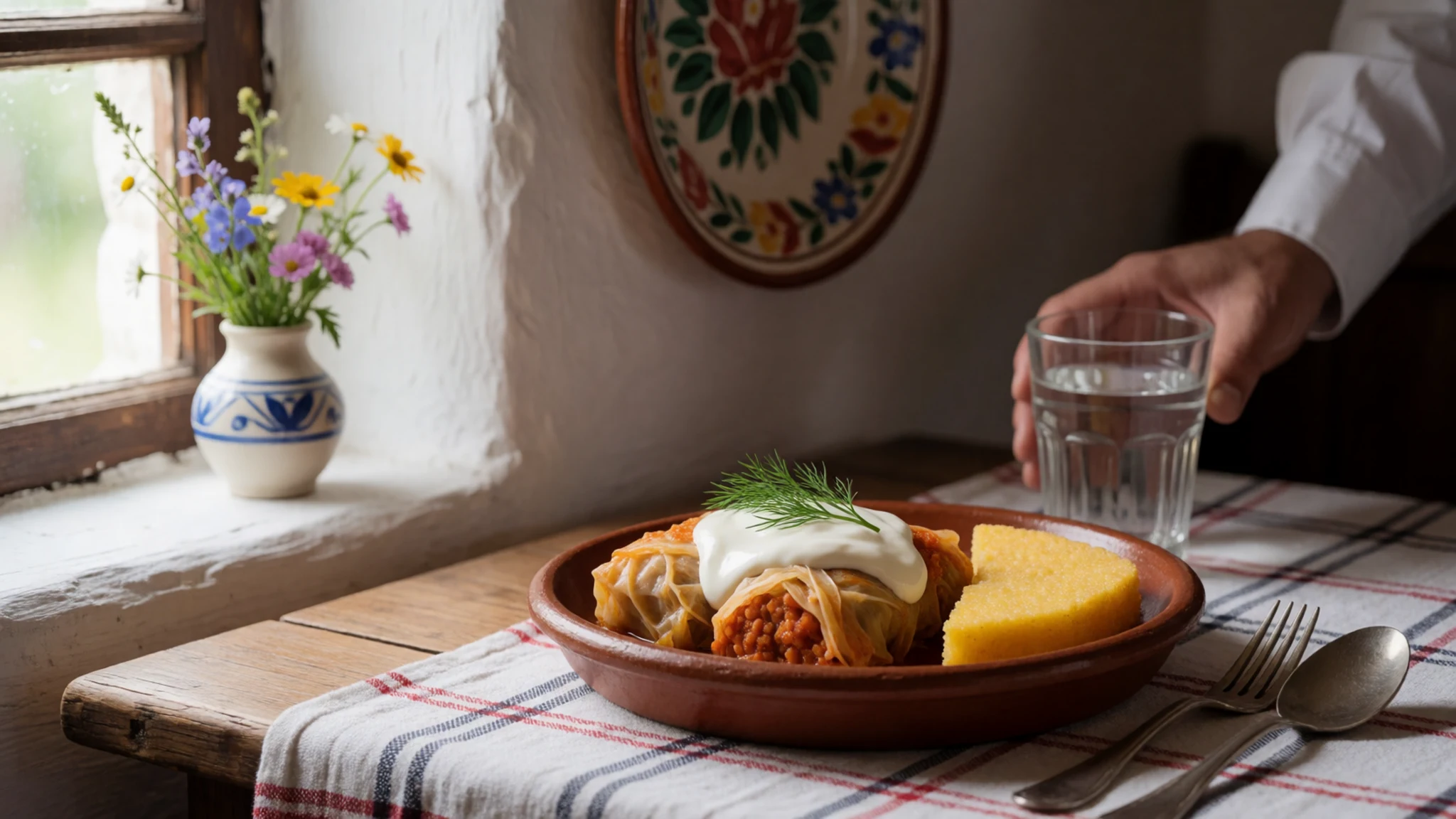
- Mămăligă — Family-run Romanian restaurants around central streets
Mămăligă, maize-based polenta, tends to appear alongside meats and stews, especially when the weather is cooler. Find it in family-run restaurants where Romanian classics dominate the menu. - Pască (Easter-style sweet) — Local bakeries and seasonal sweets counters
If your trip lines up with spring, pastry sweets like pască show up as seasonal treats. Even when not everywhere, you’ll often find similar baked desserts in local bakeries during festive periods. - Plăcinte (savoury pies) — Market stalls and takeaway-friendly food spots
Plăcinte—savoury pies with fillings like cheese or vegetables—are an easy grab-and-go option. They work well for a walking day when museum visits and church stops keep the schedule moving.
Plan it
Best time. March–April for comfortable walking and April light; October–November for cooler days after the summer. June is the wettest month, with July also quite rainy, so plan around showers; August is warmer but not as wet as June.
How long. 3–4
Getting there. Fly into Bucharest or another major Romanian gateway, then take rail to Galați; for ferry travel, connect via Brăila to cross the Danube by service from Bratianu to Galați and onward, if you’re already in the region. For day-to-day movement, keep routes central since many sights cluster in the older core.
Budget. mid
Tips
- Start at the oldest core sights early to avoid the midday heat on warmer months
- Combine museums with short walking loops so you’re not criss-crossing terraces all day
- If you’re using the Danube crossing, build in extra time for waiting and check service patterns locally
- Carry some cash for smaller places and markets, even when card payments are available
Etiquette
- Dress modestly and keep voices low inside churches
- Ask before photographing people in religious settings
- Mind uneven pavements and steps around older streets and terraces
Nearby
Sources
- Wikidata Q170996 (CC0)
- Wikipedia (rev 1382369489) (CC BY-SA 4.0)
- Wikivoyage (rev 5311373) (CC BY-SA 4.0)
- Photo photos/01-dunareasipalatulnavigatiei.jpg (CC BY-SA 4.0)
- Photo photos/02-glprefecture.jpg (CC BY-SA 4.0)
- Photo photos/03-lambrinidi-house.jpg (CC BY-SA 4.0)
- Photo photos/04-collection33.jpg (CC BY-SA 4.0)
- Photo photos/05-greek-church-square.jpg (CC BY-SA 4.0)
- Photo photos/06-max-auschnitt-house.jpg (CC BY-SA 4.0)
- Photo photos/07-biserica-fortificata-precista-galati.jpg (Public domain)
- Photo photos/08-gala-i-flag.png (CC BY-SA 4.0)


