Brașov
Brașov, Romania
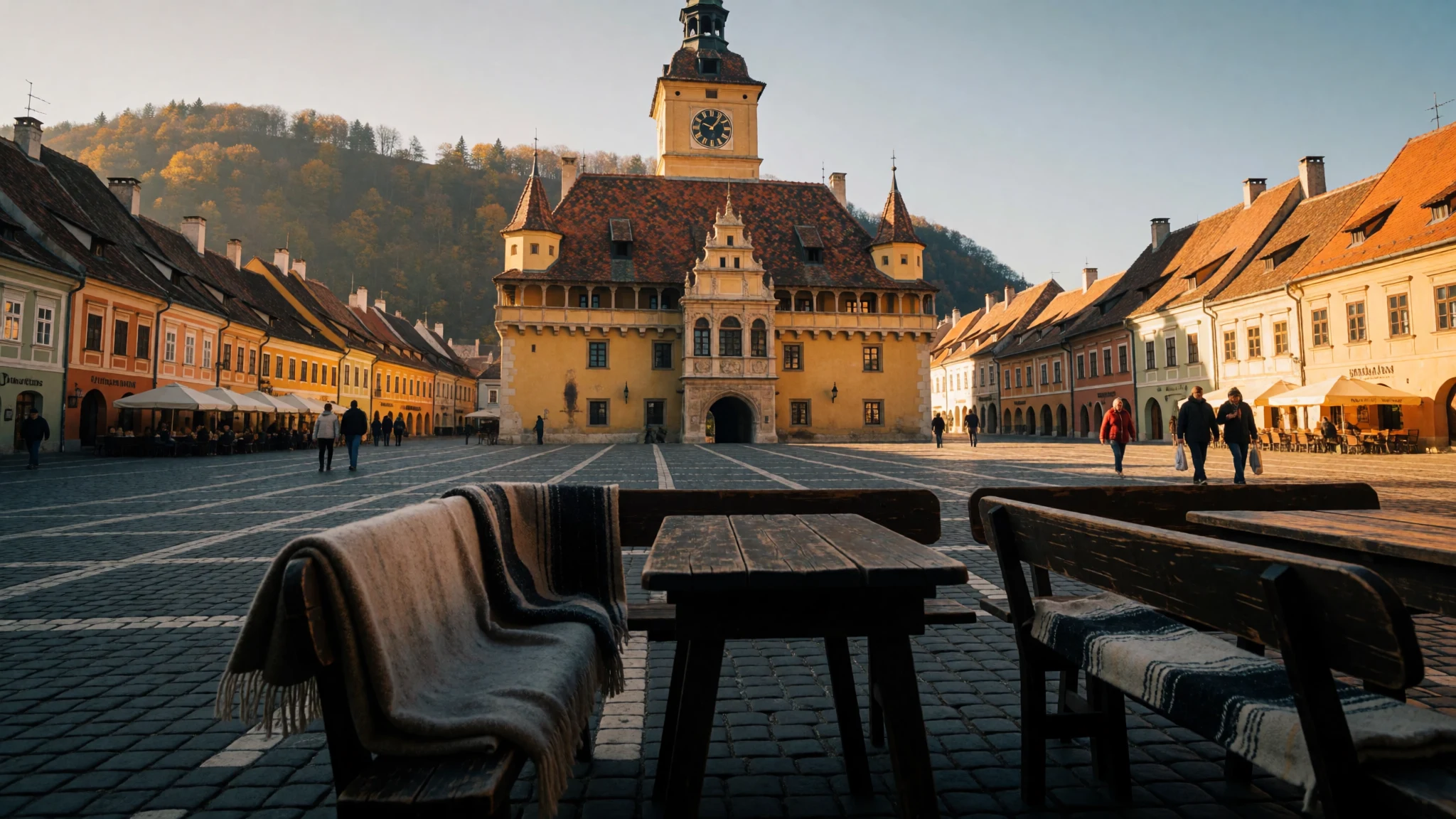
Brașov offers a striking blend of medieval Saxon heritage, Gothic architecture, and dramatic mountain scenery in the heart of Transylvania.
The place
Brașov sits in central Romania, cradled by the peaks of the Southern Carpathians. As a major urban centre with about 230,000 residents, it functions as the administrative seat of its surrounding county. The old town is characterized by cobbled squares, pastel merchant houses, and fortifications built during centuries of diverse European governance. Ringed by forested hills, the urban layout retains its medieval defensive character while functioning as a lively contemporary hub for commerce, education, and travel in the region. Visitors stepping into the historic core encounter narrow pedestrian alleys opening onto expansive public plazas where town hall towers and grand churches dominate the skyline. The surrounding landscape of hills and valleys shapes the local climate, bringing crisp winters and warm summers to the streets. The city acts as a natural gateway for exploring the wider Transylvanian landscape, connecting travellers directly with historic villages, fortified churches, and mountain trails across the region.
Its story
Brașov possesses a deep history stretching back to early human settlements. Archaeological excavations across local hillsides and valleys have uncovered continuous traces of habitation from the Neolithic period, alongside ancient Dacian citadels and Roman-style structures. During the medieval era, Hungarian kings invited Transylvanian Saxons to establish fortified towns, cultivate the surrounding land, and develop local trade networks. These settlers transformed the settlement into a prosperous commercial nexus situated along vital trading routes linking central European territories with Ottoman lands to the south. Over subsequent centuries, governance shifted across multiple realms, including the Principality of Transylvania, the Austrian Empire, and the Austro-Hungarian monarchy, before the city finally became part of the Kingdom of Romania. This multicultural legacy is inscribed into the stone of its old town fortifications, guild towers, and religious sanctuaries, each reflecting the diverse communities that shaped the municipality over the centuries.
What to see
- The Black Church — Old town centre
The Black Church stands as a monumental late Gothic sanctuary featuring three naves and a single prominent clock tower rising above the old town. Built originally as a Roman Catholic house of worship, it later transitioned to Lutheran traditions under reformist influence, and now houses an important collection of Anatolian rugs alongside its historic pipe organ.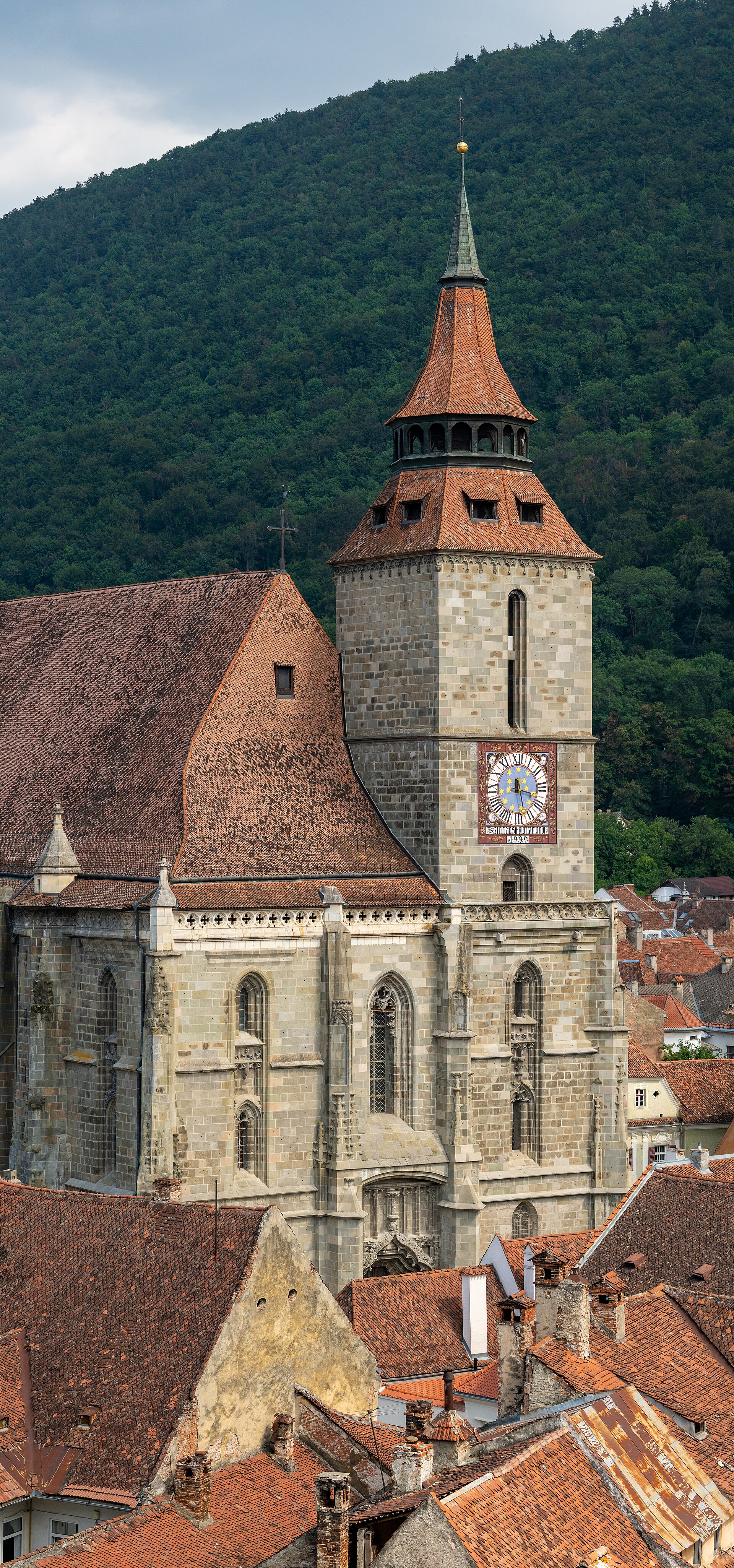
- Weavers' Bastion — Southern edge of old town
The Weavers' Bastion represents the best preserved defensive fortification remaining from the medieval walled city. Visitors can explore its thick stone walls, courtyards, and exhibition spaces containing historical weaponry, defensive models, and artifacts detailing how local craft guilds protected the settlement from outside incursions during turbulent periods.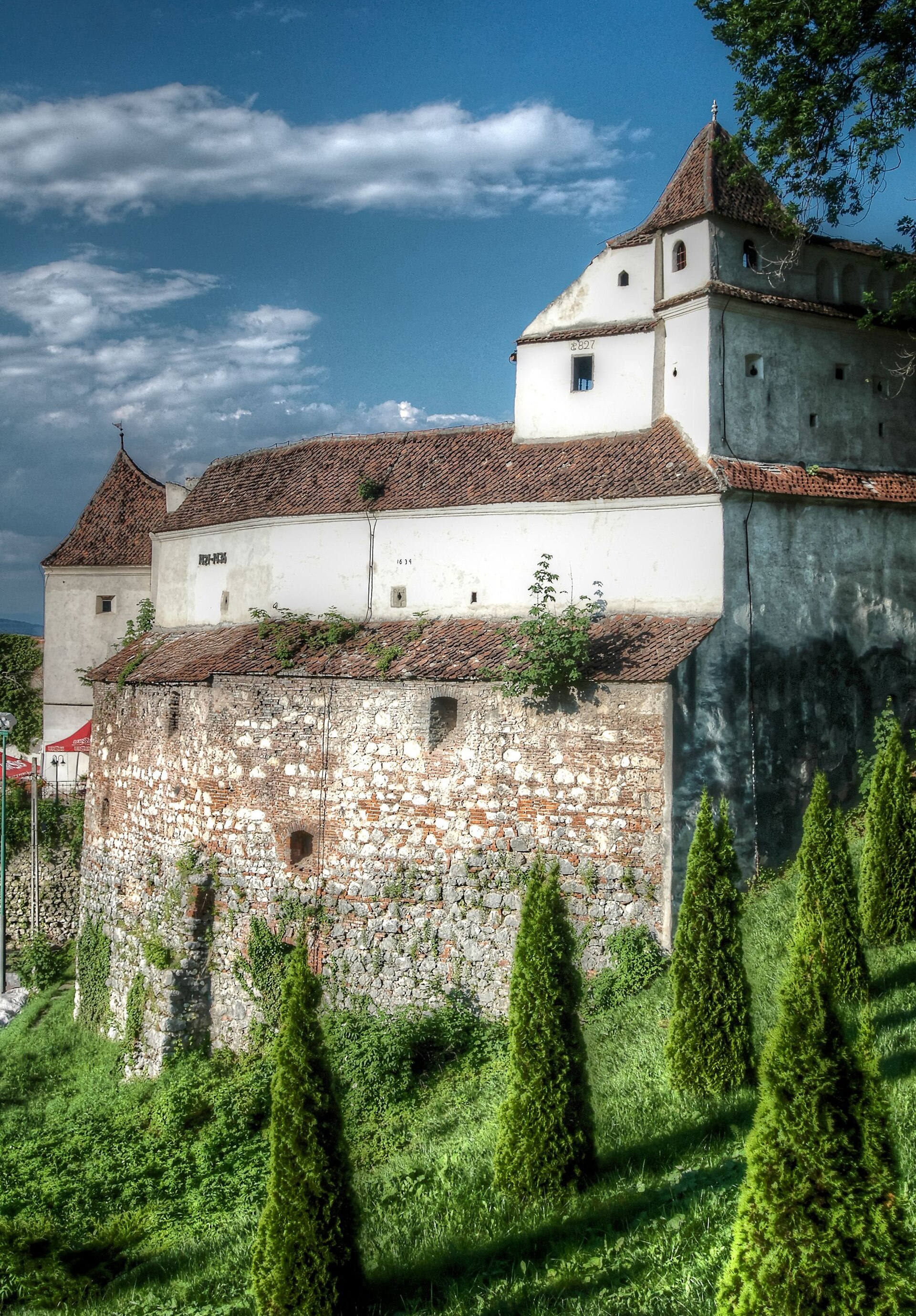
- Museum of Urban Civilisation — Piata Sfatului
The Museum of Urban Civilisation occupies a historic patrician merchant house in the main square area. Its exhibition rooms illustrate the daily domestic life, fashion, and social customs of local bourgeois families across several centuries, offering an intimate glimpse into the changing domestic interiors of the regional merchant elite. - St. Nicholas Church — Şchei district
St. Nicholas Church serves as the primary historic Orthodox sanctuary of Brașov, situated in the historic Şchei district outside the medieval walls. For generations, this walled monastic and spiritual compound functioned as an essential cultural centre for the Romanian community, preserving rare manuscripts, historic printing presses, and religious art.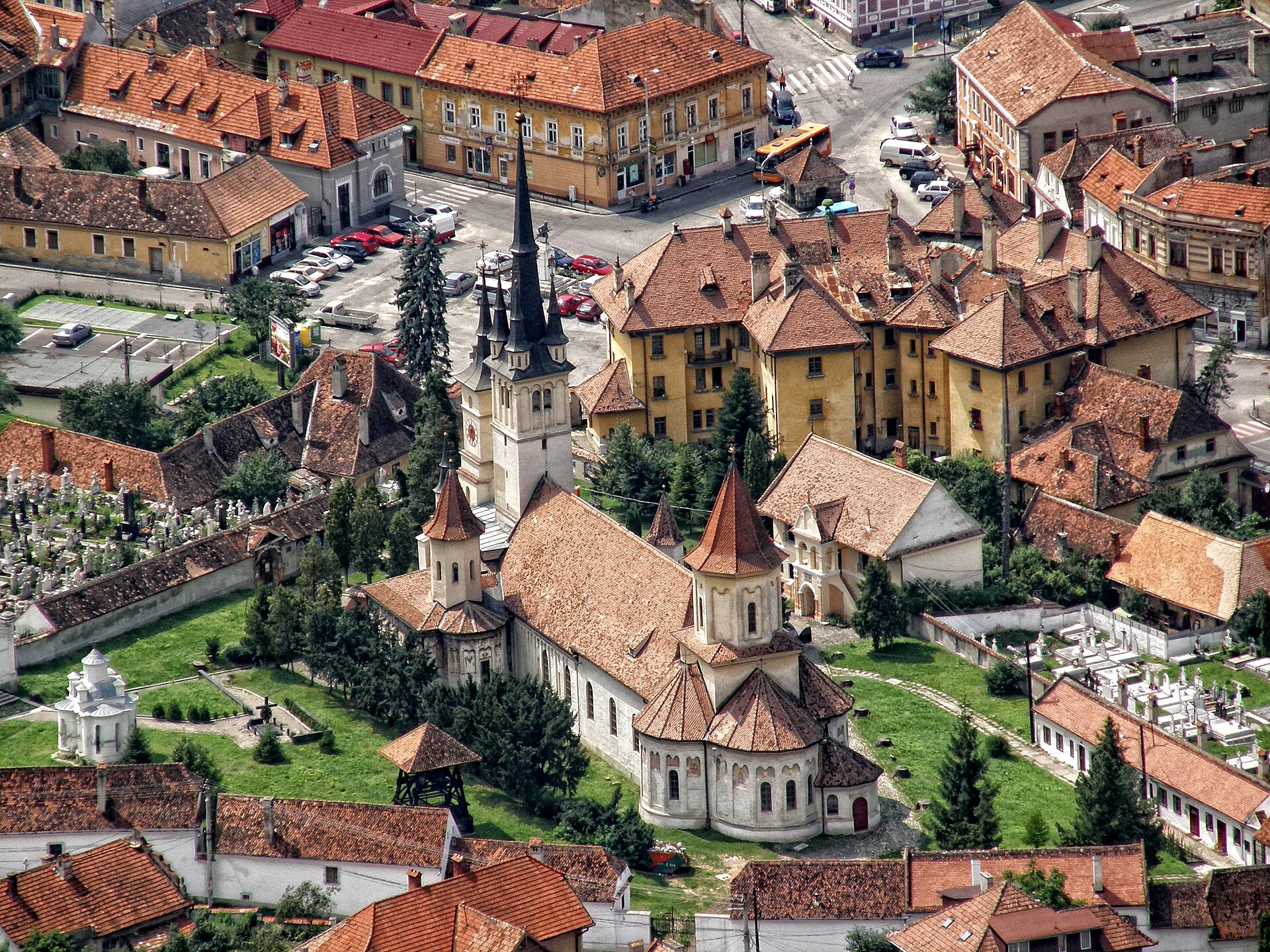
- County History Museum — Piata Sfatului area
The County History Museum displays an extensive collection of regional artifacts tracing human settlement in the area from the Stone Age through the medieval period and up to modern times. Exhibits highlight archaeological finds from local hills and ancient citadels, illustrating the long history of human habitation in the valley.
Culture
Brașov reflects a rich blend of Romanian, Hungarian, and Saxon influences, visible in its religious architecture, traditional festivals, and community celebrations. Music and literature hold a cherished place in local heritage, as the city is closely tied to the creation of the national anthem. Traditional crafts, woodcarving, and regional folklore continue to be preserved through local artisan workshops and community gatherings. Visitors will find that locals appreciate polite greetings in the native language and respectful behaviour when entering places of worship. When visiting churches or historic religious sanctuaries in Brașov, dress modestly with covered shoulders and knees, and maintain a quiet demeanour inside sacred spaces.
What to wear
Traditional attire in the Brașov region features finely embroidered linen blouses, heavy wool waistcoats, and pleated aprons decorated with intricate geometric patterns that historically signified specific villages and social statuses. While traditional costumes are now reserved for folk festivals, national holidays, and cultural performances, everyday wear among residents is modern, practical, and polished. Urban dwellers dress in contemporary European styles, favouring comfortable layers, denim, and tailored coats suitable for shifting mountain weather. Travellers should pack versatile clothing, including durable walking shoes for exploring cobbled streets and steep hillside paths, warm layers for chilly mountain evenings, and a waterproof jacket to handle sudden rain showers.
What to eat
- Roata Norocului Fare — Traditional eateries in the historic centre
Roata Norocului serves traditional Romanian fare prepared with regional ingredients, offering hearty soups, grilled meats, and classic polenta dishes served with sour cream and cheese in a rustic dining atmosphere. - Fornetti Pastries — Railway station and city centre kiosks
Fornetti outlets provide quick, affordable baked goods, offering small flaky pastry parcels filled with sweet fruit jams or salty cheese fillings for travellers on the go. - La Republique Crepes — Cafes near Piata Sfatului
La Republique operates as an informal eatery offering an extensive selection of sweet and savoury crepes, providing a light, quick meal option for visitors exploring the main square. - Bistro de l'Arte Fare — Historic old town streets
Bistro de l'Arte offers a creative European dining experience featuring gourmet plates, fresh local ingredients, and artisanal breakfasts served in a distinctive artistic setting. - Pub Fare and Draft Beers — Old town pubs and gathering spots
Local pubs such as For Sale Pub and Deane's Irish Pub serve hearty pub meals, burgers, and international draft beers in warm, timber-furnished social environments.
Plan it
Best time. May to September offers pleasant daytime warmth and accessible mountain trails; spring and autumn bring changing foliage and fewer crowds.
How long. 2–3
Getting there. Arrive by train from Bucharest or Budapest into the main railway station, then take local bus #4 or #51 to reach the historic old town centre.
Budget. mid
Tips
- Book accommodation well in advance if travelling during peak summer or winter holiday periods.
- Start exploring popular sights early in the morning to avoid daytime tour groups.
- Carry cash for small purchases, local markets, and entry fees at independent historical sites.
- Wear sturdy footwear with good grip for walking on uneven cobblestones and steep hill paths.
Etiquette
- Dress modestly with covered shoulders and knees when visiting churches and historic monasteries.
- Always ask permission before photographing local artisans or private residents in traditional settings.
Nearby
Sources
- Wikidata Q82174 (CC0)
- Wikipedia (rev 1385111612) (CC BY-SA 4.0)
- Wikivoyage (rev 5424486) (CC BY-SA 4.0)