Craiova
Craiova, Romania
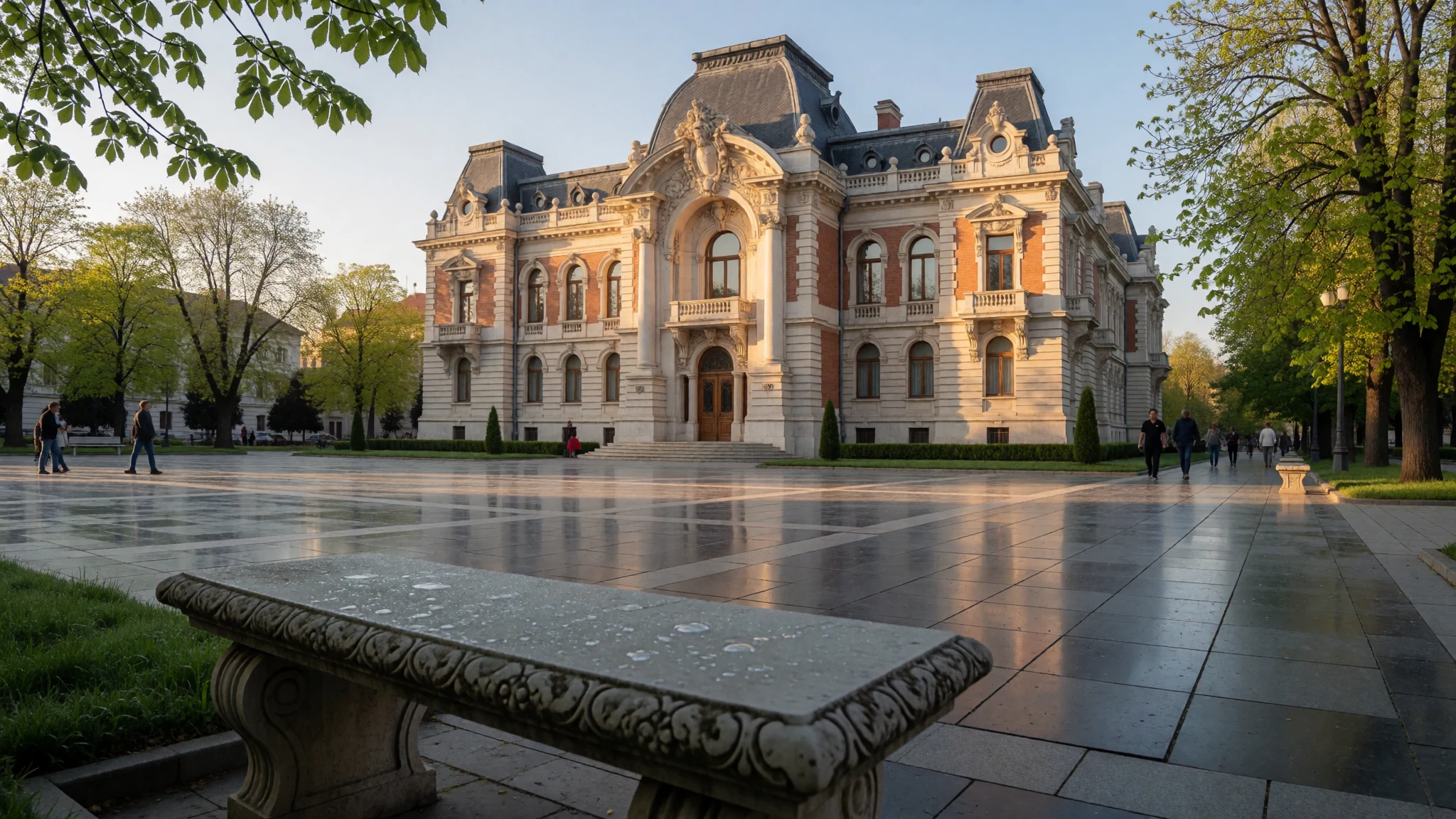
Craiova offers grand turn-of-the-century architecture, vast leafy parks, and a proud Oltenian heritage far from the standard tourist trail.
The place
Craiova stands as the largest city in southwestern Romania, serving as the commercial capital of Oltenia and the principal urban centre of Dolj County. Positioned near the east bank of the river Jiu, the settlement occupies a strategic geographical shelf roughly equidistant from the Southern Carpathians to the north and the River Danube to the south. Historically functioning as a major trading hub, the city developed considerable economic weight despite weathering various historical trials, including fires, earthquakes, and plagues over the centuries. Today, eight surrounding localities are administered by the municipality, shaping a diverse regional footprint that bridges rural Oltenia with a more dynamic urban core. Under the Köppen classification, Craiova experiences a continental regime featuring warm summers and mild winters, accompanied by frequent winter fogs that cloak the low-lying river plains in seasonal mist. Visitors navigating the central avenues encounter a distinctive architectural blend: neoclassical civic buildings, stately boyar residences from earlier centuries, and broad leafy boulevards shaded by mature trees. The local rhythm remains unhurried compared to the capital, allowing travellers to observe everyday life in neighbourhood squares, traditional coffee houses, and busy open-air markets where regional produce changes with the seasons. It is a place that rewards leisurely exploration, inviting guests to look past initial industrial edges and discover an enduring cultural identity rooted deep in Wallachian history.
Its story
Craiova traces its historical pedigree directly to the ancient Dacian and Roman settlement of Pelendava, long before it emerged as the medieval capital of Oltenia. During the height of the Wallachian principality, the city was governed by powerful bans—the highest-ranking boyars in the state—who initially belonged to the influential Craiovești family. These feudal lords wielded immense political autonomy and held the exclusive right to mint their own coinage stamped with personal effigies, an event that permanently cemented the word 'ban' into the Romanian monetary vocabulary. The family's vast estate encompassed numerous villages, allowing them to dictate terms to reigning princes and place several of their own dynasty upon the Wallachian throne. Military history also marked the terrain; in the late fourteenth century, the area likely witnessed a major engagement led by Prince Mircea I of Wallachia against Ottoman forces. Through successive periods under Habsburg administration, Tsarist occupation, and later unification, the city steadily expanded its commercial footprint. Markets flourished with exports ranging from cereals and timber to animal skins destined for Austrian and Turkish buyers. This mercantile legacy transformed Craiova into an administrative anchor, preserving the architectural and institutional remnants of its noble past within modern streetscapes.
What to see
- Nicolae Romanescu Park — Central Craiova
Nicolae Romanescu Park is a sprawling green space and a remarkable landscape achievement featuring picturesque lakes, winding paths, and a historic suspension bridge connecting wooded hilltops. It remains one of the largest natural parks in eastern Europe, offering quiet escapes among mature trees.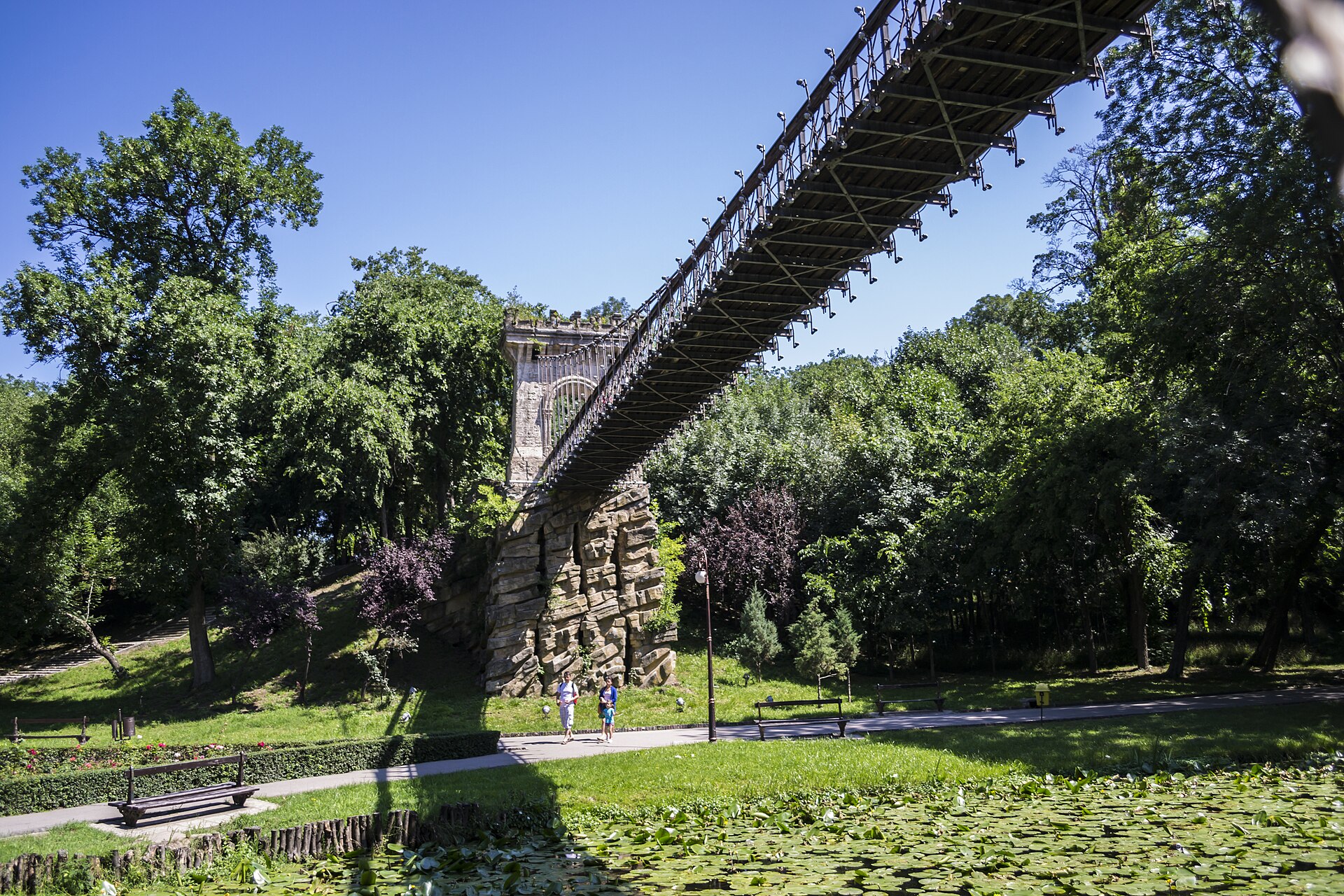
- Craiova Art Museum — University district
The Art Museum of Craiova is housed inside the sumptuous palace built for the wealthy magnate Jean Mihail. Designed by French architects at the turn of the twentieth century, the building displays an impressive collection of Romanian fine art, including notable sculptures.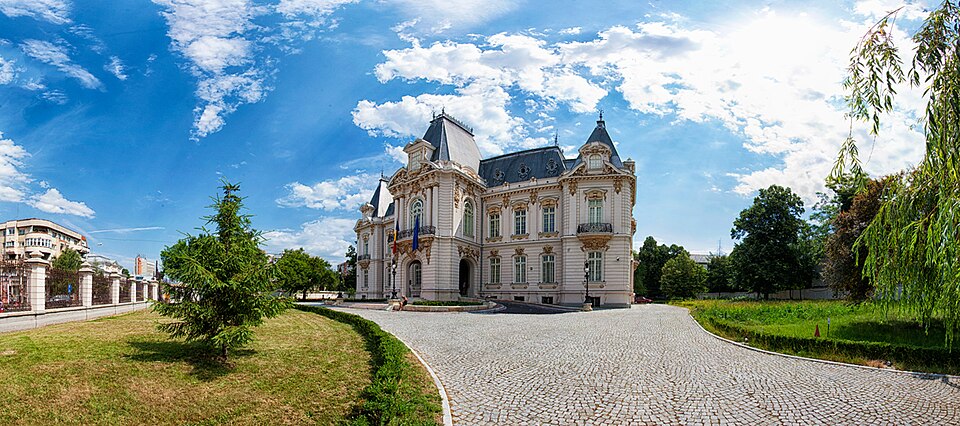
- Craiova National Theatre Marin Sorescu — City centre
The Craiova National Theatre Marin Sorescu is an internationally acclaimed cultural institution that draws performers and directors from across the globe. Every two years, the venue hosts a renowned international theatre festival dedicated to classical and contemporary dramatic arts. - University of Craiova — A.I. Cuza street
The University of Craiova occupies the former Palace of Justice, an imposing neoclassical building that anchors the academic life of the city. Its grand facade and prominent domes reflect the late nineteenth-century ambition to establish the municipality as a regional capital.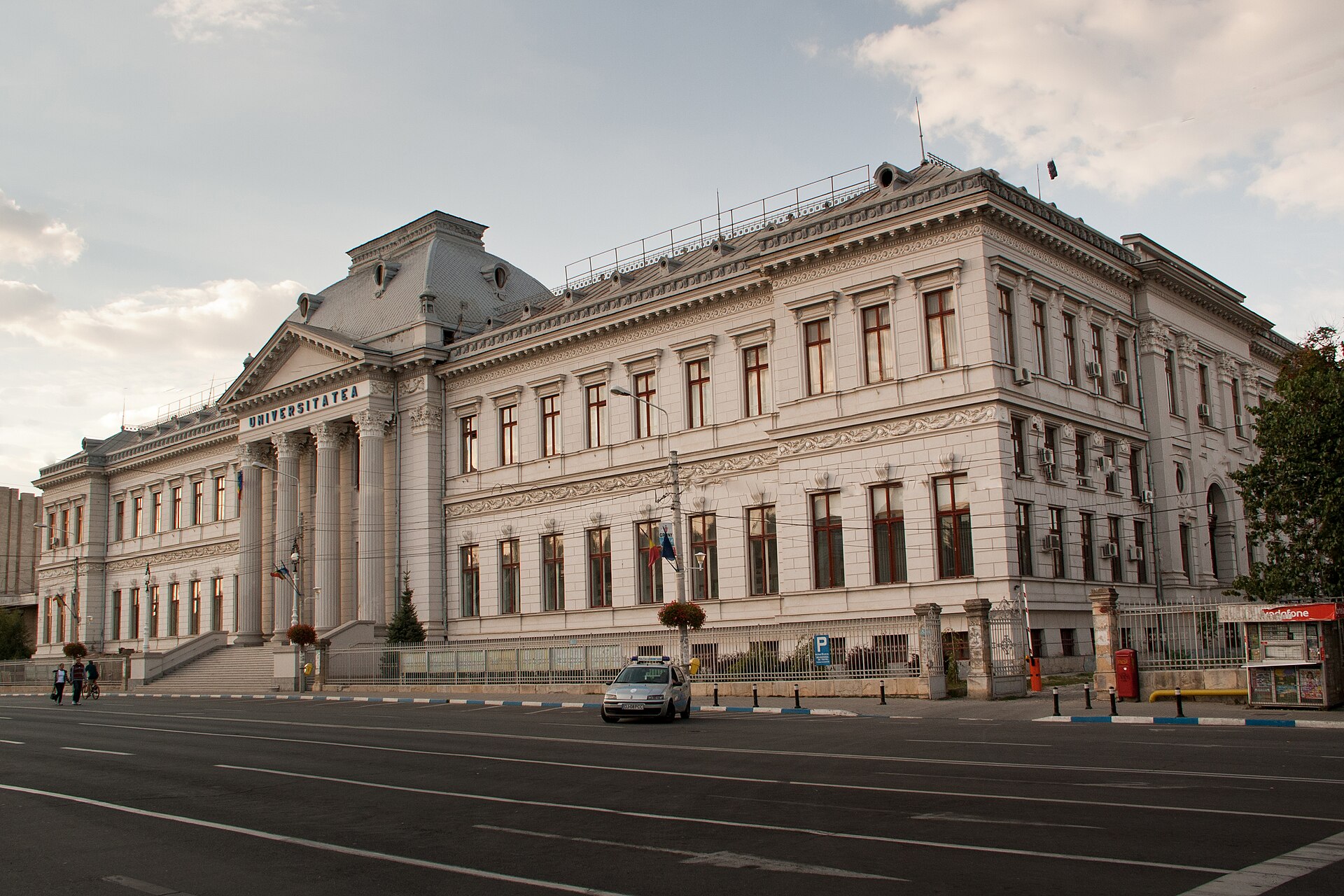
- Museum of Oltenia — Central district
The Museum of Oltenia preserves the natural history, archaeology, and ethnography of the surrounding southwestern region across several dedicated buildings. Exhibits trace regional settlement patterns from ancient times through traditional rural life and folk crafts.
Culture
Craiova carries a distinct cultural identity rooted in Oltenian folklore, traditional craftsmanship, and community festivals. Music and dance hold a central place in local life, with fast-paced brass melodies and choral traditions passed down through generations. Traditional crafts such as pottery, wood carving, and textile weaving remain visible in regional workshops, reflecting centuries of artisanal skill. Hospitality is taken seriously here; visitors are often welcomed with warm food and local wine when visiting family homes or rural communities. Social interactions follow polite European norms, with handshakes exchanged upon greeting and respectful forms of address used in formal establishments. While younger generations speak English fluently, learning a few basic Romanian phrases demonstrates respect for local heritage. Always remove your shoes when entering traditional private homes or specific rural guesthouses if slippers are provided at the threshold.
What to wear
Traditional dress in Craiova and the broader Oltenia region features intricately embroidered white linen blouses, wool waistcoats, and heavy woven aprons adorned with geometric motifs in red, black, and gold. These garments were historically handmade by women during long winter months, with specific patterns identifying the wearer’s village and social status, and they are still worn today during national holidays, weddings, and folk dance festivals. In daily urban life, residents of Craiova dress in contemporary European styles, balancing practical streetwear with polished attire for evening promenades along central boulevards. Visitors should pack versatile layers suited to the continental climate: lightweight fabrics and breathable clothing for hot summer afternoons, paired with a sturdy waterproof jacket and warm layers for chilly winter fogs or transitional spring and autumn evenings. Comfortable walking shoes are essential for navigating older cobblestone pavements, park trails, and museum galleries. Modest dress—covering shoulders and knees—is recommended when visiting historical churches and monasteries.
What to eat
- Mici — Local grills and central beer gardens
Grilled skinless minced meat rolls seasoned with garlic, thyme, and sodium bicarbonate, served piping hot with mustard and crusty white bread. - Ciorbă de Burtă — Traditional Oltenian eateries and diners
A rich, velvety tripe soup soured with vinegar or lemon, enriched with sour cream, garlic, and grated root vegetables. - Sarmale — Family-run restaurants across the city
Minced pork and rice wrapped in fermented cabbage leaves, slow-cooked for hours in clay pots alongside smoked bacon and polenta. - Mămăligă — Any traditional regional restaurant
Traditional yellow maize polenta served warm as a side dish, often accompanied by telemea cheese and sour cream. - Plăcintă Oltenească — Local bakeries and central pastry shops
Flaky layered pastry filled with salty cheese, cottage cheese, or apples, baked until golden and crispy.
Plan it
Best time. May to June and September offer pleasant weather for exploring parks and outdoor sights without the intense heat of midsummer.
How long. 2–3
Getting there. Fly into Henri Coanda Airport in Bucharest, then take the direct train to Craiova, which takes approximately three hours.
Budget. low
Tips
- Use licensed taxis or rideshare apps rather than hailing unmarked cars from the street
- Carry some cash for small purchases at traditional markets and independent cafes
- Keep belongings secure in crowded transport hubs and busy pedestrian zones
- Check museum opening times in advance as schedules may shift seasonally
Etiquette
- Remove your shoes when entering traditional homes if hosts offer indoor slippers
- Greet shopkeepers and service staff politely when entering local establishments
Nearby
Sources
- Wikidata Q168057 (CC0)
- Wikipedia (rev 1378914083) (CC-BY-SA 4.0)
- Wikivoyage (rev 5400625) (CC-BY-SA 4.0)