Arad
Arad, Romania
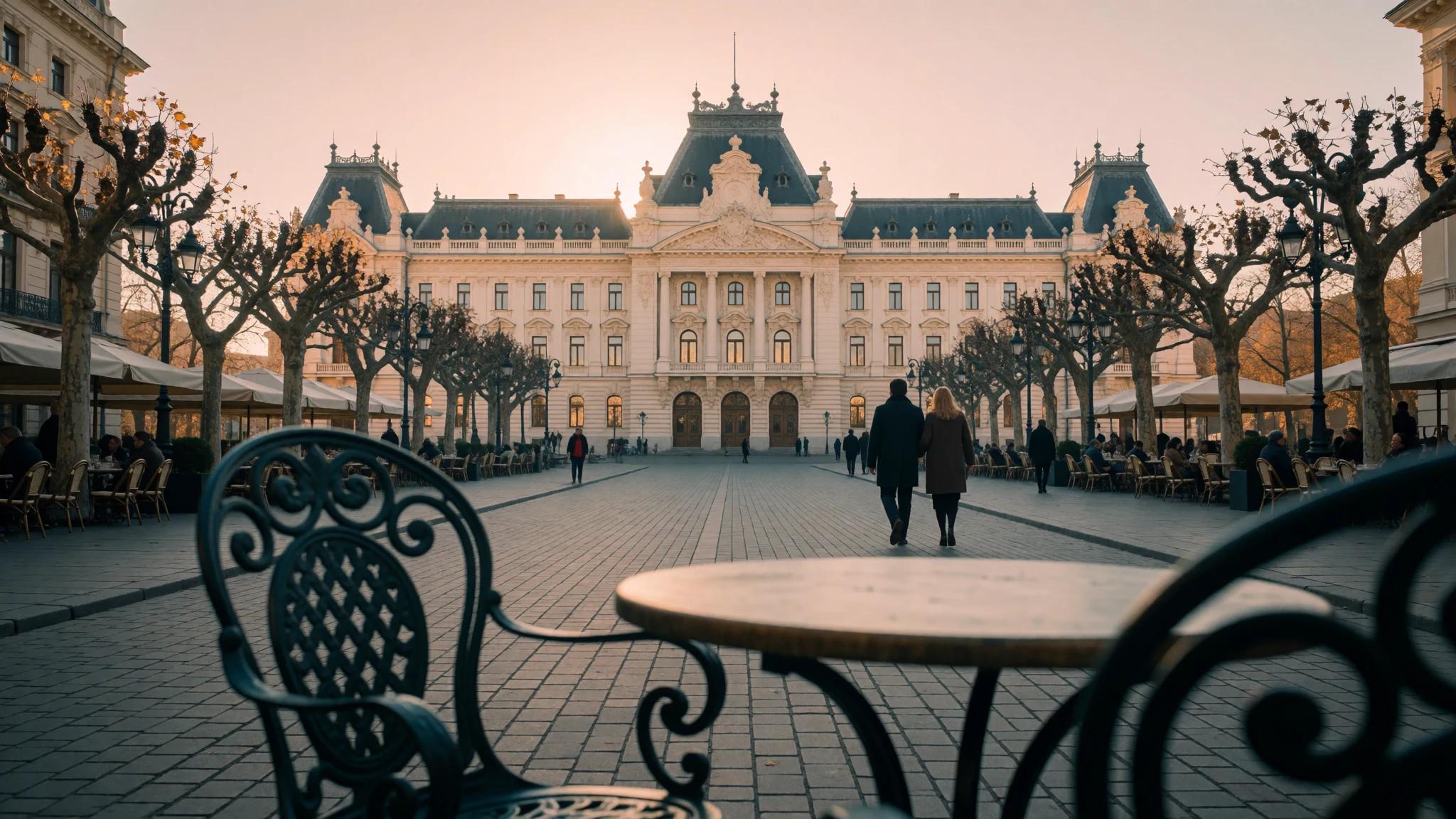
Arad is a calm Mureș river city of grand Habsburg-era façades, leafy boulevards and café terraces, with few crowds.
The place
Arad sits on the Mureș river in western Romania, where the historic regions of Crișana and Banat meet. It is the capital of Arad County, a city of 145,078 people on flat ground about 117 metres above sea level. No villages fall under the city administration, so what you see is one compact urban area with a clear centre.
The river has always been the reason for the place. It carries the traffic of a crossroads town: rail lines, the main road between Budapest and Bucharest, and the border with Hungary within easy reach. Industry and trade fed the city's growth, and that wealth is still visible in the stone.
The centre is laid out around Revolution Boulevard, lined with cafés, restaurants and bars just south of the city hall. Around it stand the big public buildings of the late nineteenth and early twentieth centuries: the administrative palace, the cultural palace, a famous old school, and churches of several denominations. The mix is deliberate evidence of a mixed population. Hungarians, Germans, Jews, Serbs, Bulgarians and Czechs have all lived here in large numbers at different times, and Romanians form the majority today.
Arad also works as a university and church city. It has two universities and a Romanian Orthodox archbishop, so the streets carry students as well as office workers.
It is not a place of headline attractions, and that is part of the charm. Expect quiet pavements, trams, long lunches and architecture worth a slow walk. Summers are warm to hot, and winters are cool and damp, so the season shapes the visit more than any queue will.
Its story
Arad's story begins long before any ruler's name was attached to it. Archaeology shows people settled on the banks and islands of the Mureș in prehistory. Builders digging foundations for a modern hotel once uncovered a Bronze Age skeleton, a reminder that the ground under the centre is very old. Dacian communities followed in the final centuries before the Common Era.
In the medieval period the town belonged to the Kingdom of Hungary. The sixteenth century then brought upheaval. A short-lived eastern Hungarian state held the area, and soon afterwards the Ottomans took it and ran it as part of their Temeșvar province. A brief spell under the Principality of Transylvania interrupted that rule, but the Ottomans returned and stayed until the Habsburgs pushed them back at the end of the seventeenth century. The Ottoman claim formally ended a little later.
Under the Habsburg monarchy Arad became a garrison and market town, then a modern city. After a revolutionary interlude in the middle of the nineteenth century, the Austro-Hungarian compromise tied it to the Hungarian half of the empire. The late nineteenth and early twentieth centuries were the boom years: rapid growth, new institutions and the monumental buildings that define the centre today. Local businesses also set records, such as establishing the first automobile plant in what is now Hungary and Romania.
After the First World War the city became part of Romania, and it passed through the royal, people's republic and socialist periods before the modern state. The result is a place whose churches, schools and street names carry several languages, and whose layers of rulers explain its layout better than any single date.
What to see
- Administrative Palace — City centre, Revolution Boulevard
Arad's city hall is a Renaissance Revival building from the late nineteenth century, and it anchors the centre. Photograph the façade from the boulevard in morning light, then walk the surrounding blocks, where other grand palaces stand shoulder to shoulder. Check the municipality website for any visits inside.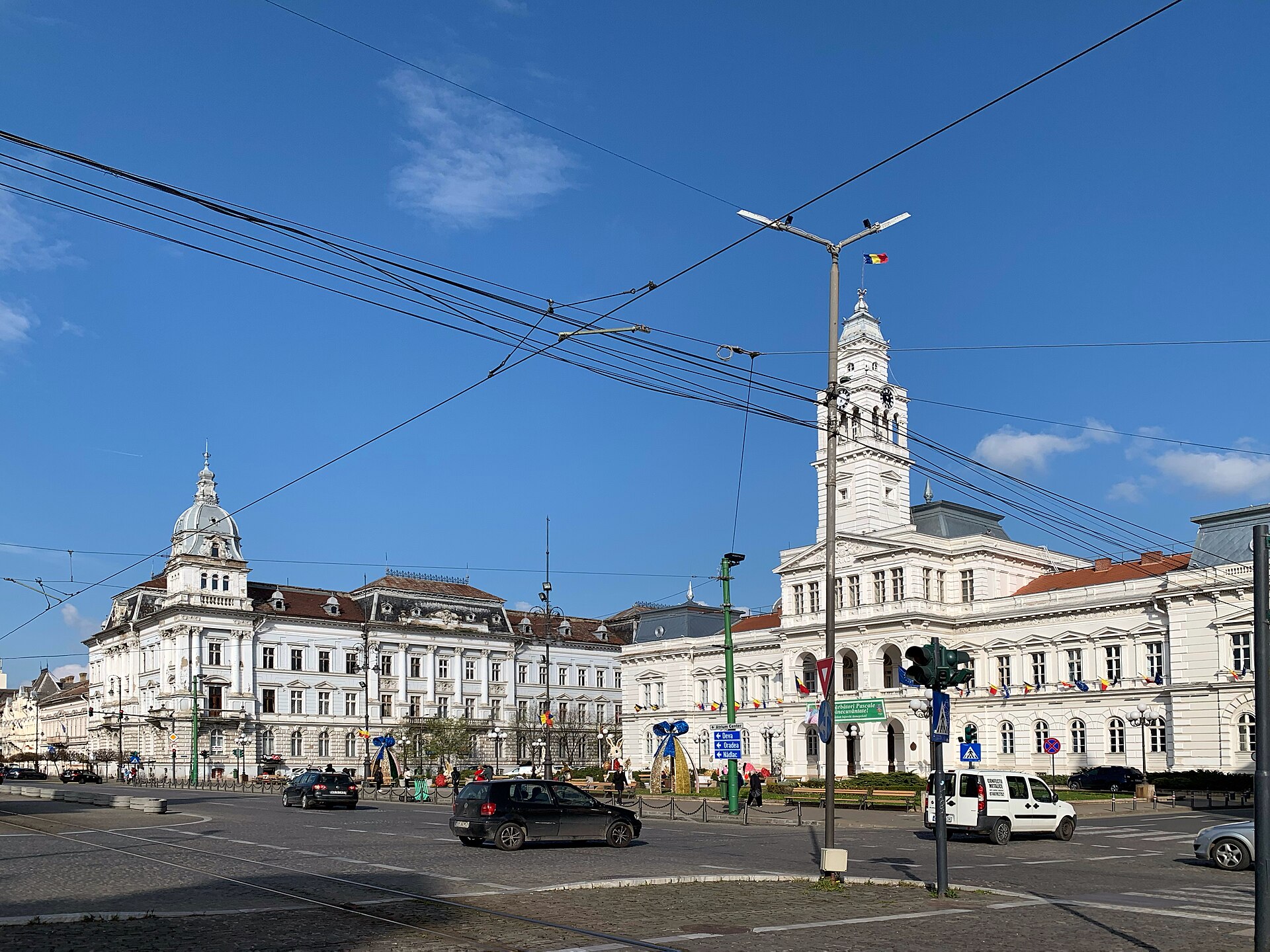
- Red Church (Lutheran Church) — Revolution Boulevard area
Locals call this Gothic Revival Lutheran church the Red Church because of its brick walls, built in the early twentieth century. It is a good example of Arad's Protestant heritage, set among mostly stone and stucco neighbours. Visit when open for services or events, since access varies.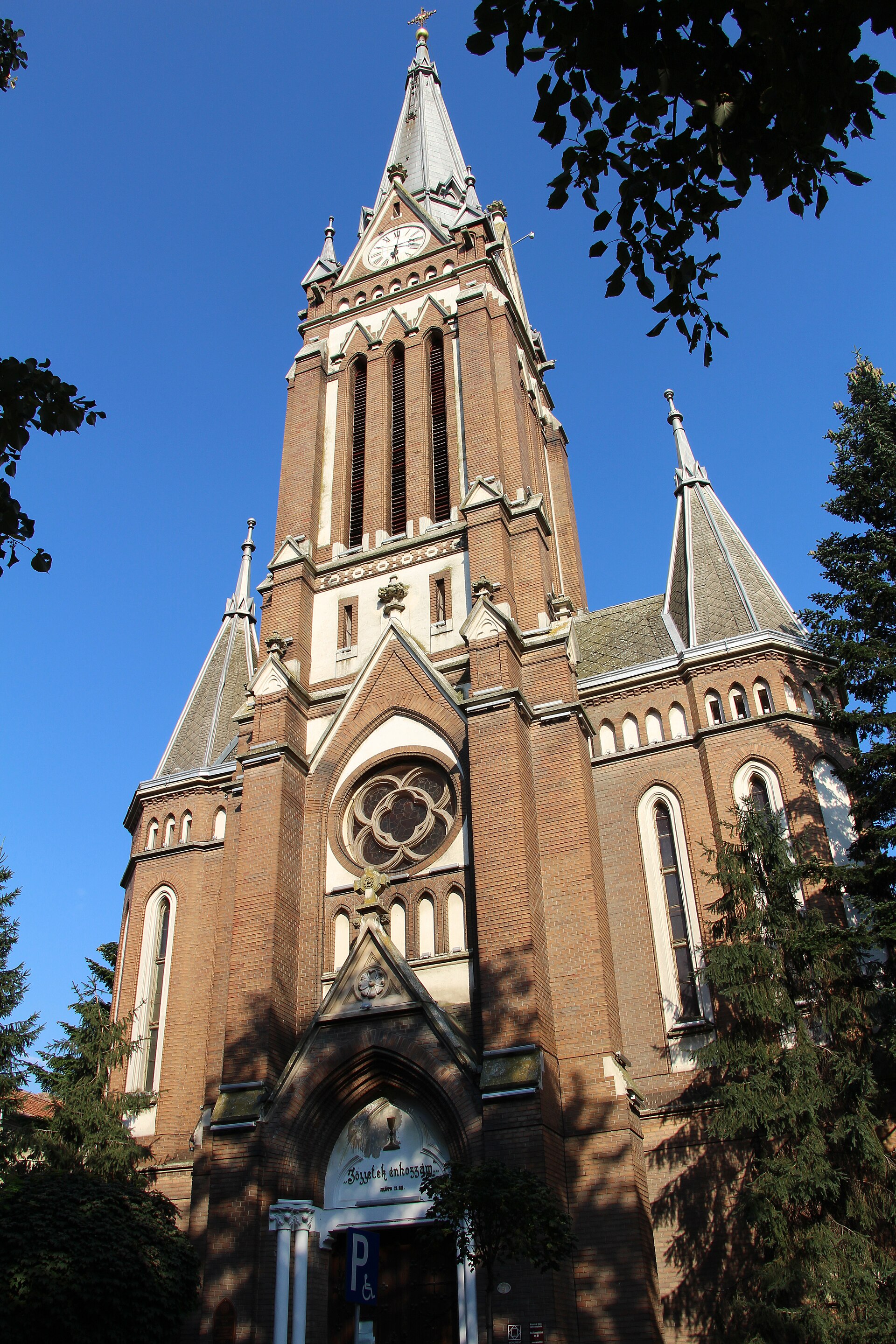
- Cultural Palace and Museum — City centre
This large cultural complex mixes neoclassical, Gothic and Renaissance elements in one eclectic building from the early twentieth century. Inside, the museum is split into fine arts, natural sciences, and archaeology and history. It is the best single stop for understanding the city's layered past. Check the official site for opening times.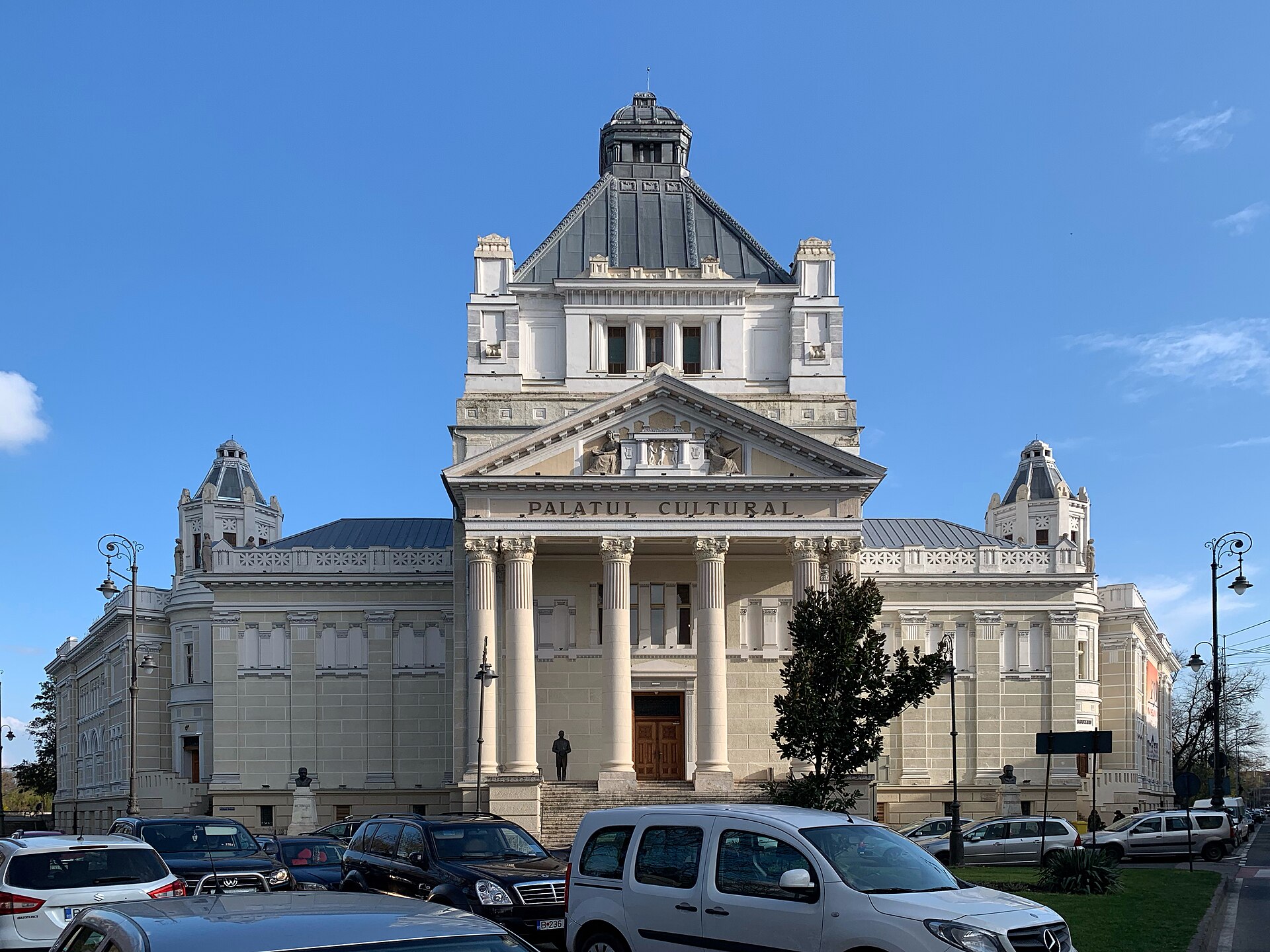
- Moise Nicoară National College — City centre
A school may seem an odd sight, but this stately building, with Renaissance and Baroque features from the late nineteenth century, is among the handsomest in Arad. It is a working school, so admire it from the street. The façade was restored in recent years and reads cleanly against the sky.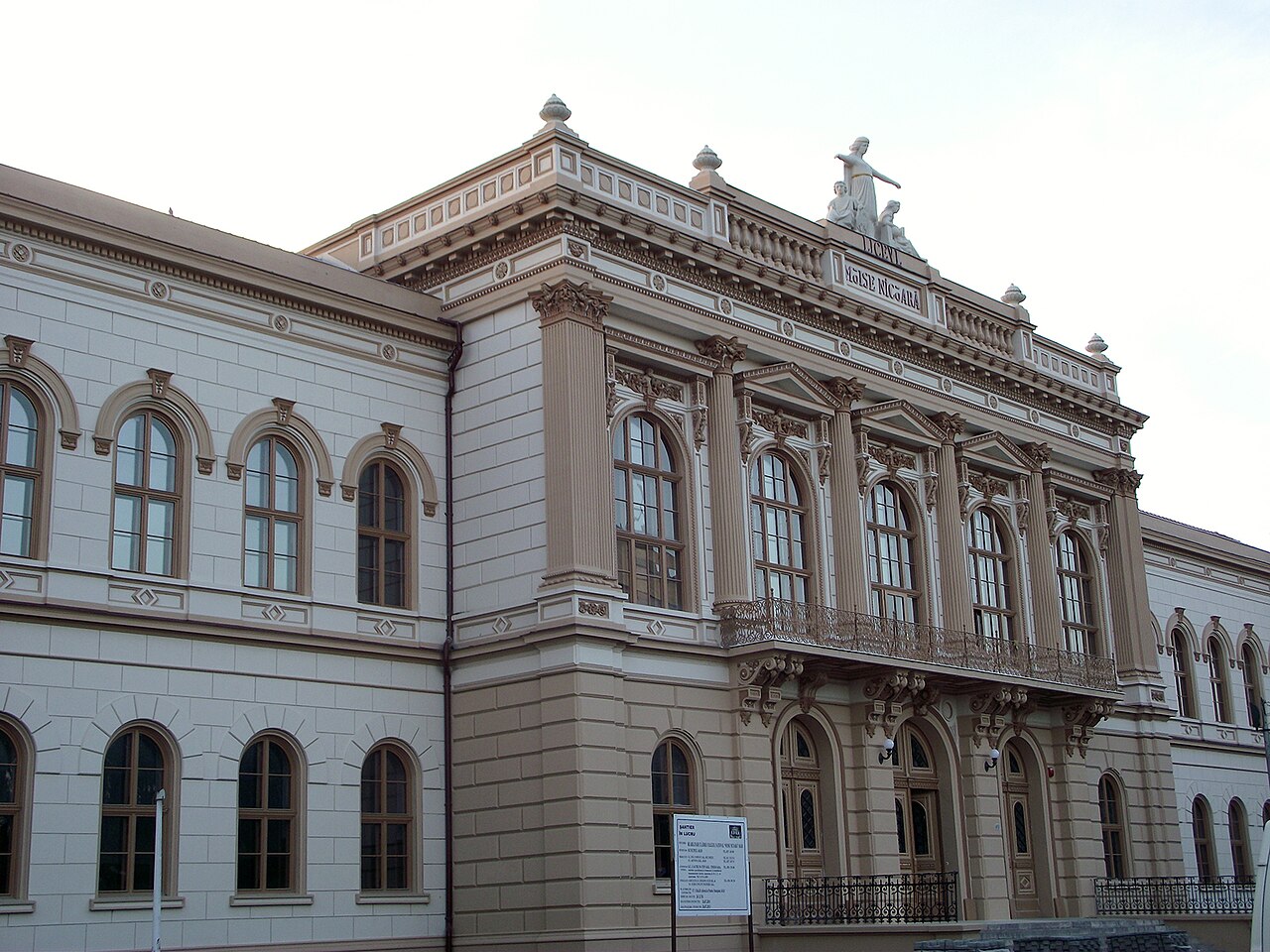
- Holy Trinity Orthodox Cathedral — North of the centre
The city's Orthodox cathedral is a much newer building, completed in the early 2000s, and its interior was repainted more recently. Fresh murals near the entrance show how a living church is still being decorated. Dress modestly, and expect services to take priority over visitors.
Culture
Arad's culture is the product of many communities sharing one river town. Romanian Orthodox, Catholic, Lutheran, Serb Orthodox and Jewish traditions have all left buildings and habits here, and the city still feels more outward-looking than its size suggests. Conversations in cafés slide easily between Romanian and Hungarian, and German is still heard among older residents.
Education is a point of local pride. The city has two universities, a private and a public one, and about two dozen high schools. Among them, the Moise Nicoară National College is the best known, and its name honours a nineteenth-century figure associated with Romanian schooling in the region. The conservatory tradition and the early teacher-training schools show how long Arad has taken learning seriously.
Public life is relaxed. Evenings are spent on terraces along the central boulevard, and Sunday mornings bring families to church. Religious holidays are widely observed, and Orthodox Easter, which often falls on a different date from the Western one, is a major family occasion. Shops may close or shorten hours around such days, so plan ahead.
People are generally helpful to visitors, and a few words of Romanian are appreciated. Pace matters: lunches are unhurried, and service is friendly but rarely rushed.
When entering an Orthodox church in Arad, cover your shoulders and knees, keep your voice low, and ask before photographing inside or during a service.
What to wear
Traditional dress in the Arad area belongs to the wider Romanian folk wardrobe, alongside the dress of the Hungarian, German and Serb communities. The best-known item is the ie, an embroidered blouse in linen, cotton or hemp, with patterned sleeves and neckline. Women wear it with a wrapped or pleated skirt and an apron; men wear a white shirt, often with a sheepskin or woollen waistcoat and a belt. Woven wool and richly embroidered cloth are typical, and each village has its own motifs. This dress appears now at weddings, church festivals, folk performances and national days, and many families keep a set for such occasions.
Day to day, Arad dresses like any Central European city. Office workers wear smart casual clothes, students favour jeans and trainers, and people dress up a little for the theatre or a Sunday outing. Locals tend to look neat even for a coffee, so expect more shirts and polished shoes than beachwear.
For visitors, comfort and a little modesty cover most needs. Summers are warm to hot, so bring light cotton, a hat and sunscreen, while the cool, damp winters call for a proper coat, a scarf and waterproof shoes. Pavements are paved and flat, so comfortable walking shoes are enough. Carry a shawl or light overshirt so you can cover shoulders and knees when you step into an Orthodox church.
What to eat
- Sarmale — Traditional Romanian eateries in the centre
Cabbage rolls stuffed with minced pork and rice, simmered slowly in a tangy sauce and often served with polenta and sour cream. It is a winter and festive dish, and a traditional Romanian eatery is the place to try it. - Mici — Grill houses and summer terraces
Grilled skinless sausages of mixed minced meat, seasoned with garlic and spices, eaten hot with mustard and bread. They are a casual, cheap, smoky favourite, especially in warm weather and at outdoor grills. - Ciorbă — Lunchtime eateries around the centre
A sour soup, made with vegetables or meat and soured with fermented bran or lemon. Ciorbă de legume and ciorbă de perișoare are common, and a bowl with fresh bread works as a full lunch. - Papanași — Restaurants and cafés on Revolution Boulevard
Fried or boiled cheese dumplings shaped like rings, topped with sour cream and berry jam. They are a rich dessert to share, and a proof that Romanian sweets are filling rather than delicate. - Langoș — Street stalls and market snack counters
A deep-fried flatbread of Hungarian origin, rubbed with garlic and topped with sour cream and cheese. It shows the Hungarian side of the local table and is best eaten fresh and hot.
Plan it
Best time. May–June and September for mild, comfortable walking weather; July and August can be warm to hot, and winters are cool and damp.
How long. 1–2
Getting there. The closest international airport is at Timișoara, roughly 40 km to the south, and buses and trains link it with Arad. Arad also has direct trains and buses to Budapest and Timișoara, and long-distance trains to Bucharest, Cluj and Transylvania; check timetables and fares with the operators before travelling.
Budget. low
Tips
- Walk the central boulevard in the morning, when the façades are best lit and the streets quiet
- Book long-distance trains in advance, especially overnight services, and check times locally
- Carry some cash for small cafés and market stalls, though cards are common in the centre
- Pair Arad with Timișoara or a Hungarian border town on a longer trip
- Carry water in summer, since the heat builds in the afternoon
Etiquette
- Dress modestly and keep quiet in churches
- Ask before photographing inside a church or during a service
- Greet shop staff when you enter, as locals do
Nearby
Sources
- Wikidata Q173591 (CC0)
- Wikipedia: Arad, Romania (rev 1384732691) (CC BY-SA 4.0)
- Wikivoyage: Arad (Romania) (rev 5393685) (CC BY-SA 4.0)
- Cenad Palace of Arad & Admin Palace of Arad, Chainwit. (CC BY 4.0)
- Arad, Nick Savchenko (CC BY-SA 2.0)
- Arad Red Church, Fred Romero (CC BY 2.5)
- Treasury of Arad, Chainwit. (CC BY 4.0)
- Kuppel der Antoniuskathedrale in Arad, Aisano (CC BY-SA 1.0)
- Moise Nicoară National College façade, Eokto (CC BY-SA 3.0 ro)
- Palace of Culture, Arad, Chainwit. (CC BY 4.0)
- Statue of Saint John of Nepomuk in Arad, Pasztilla (Attila Terbócs) (CC BY-SA 4.0)


