Cluj-Napoca
Cluj-Napoca, Romania
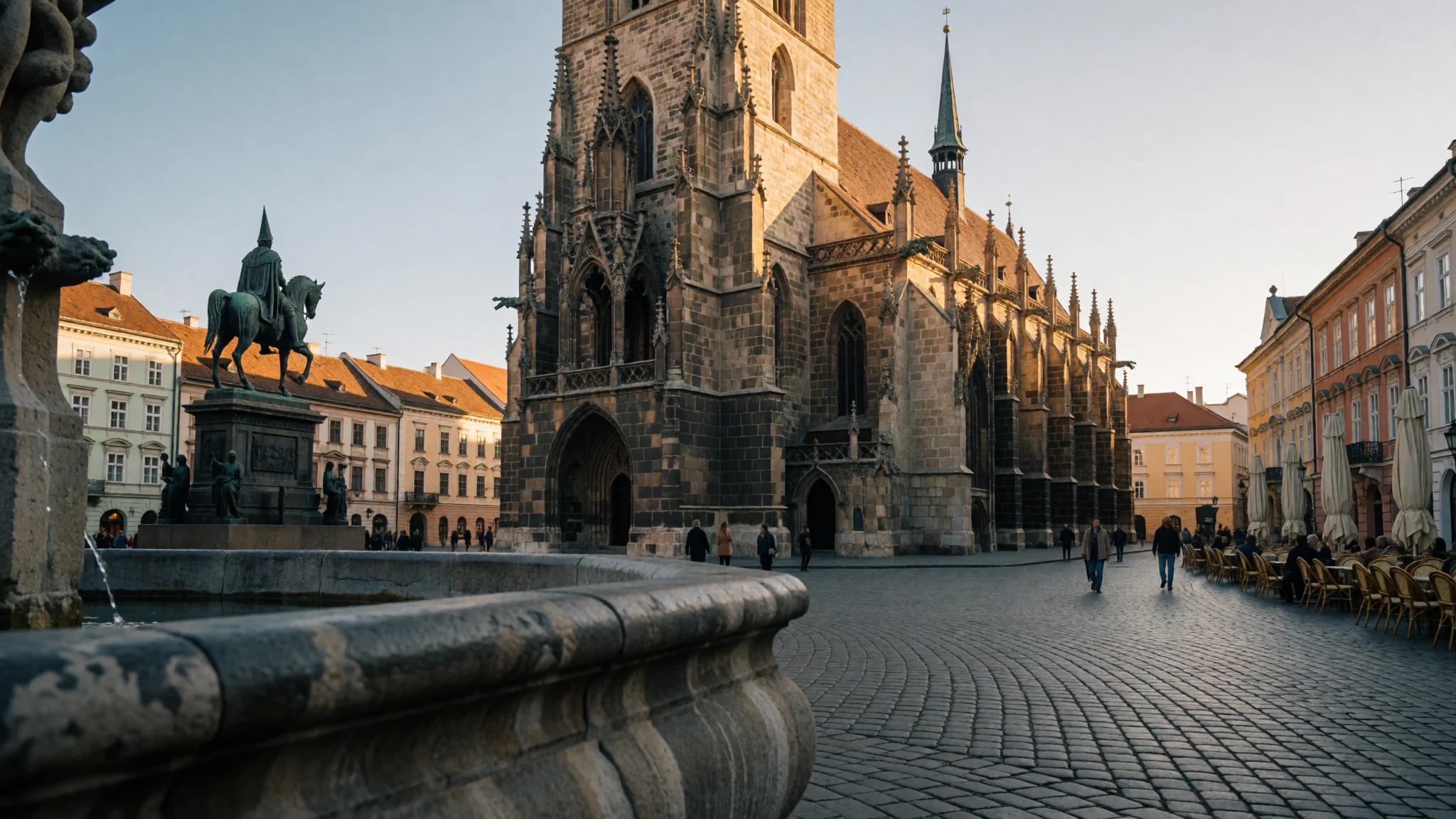
Cluj-Napoca offers a richly layered Transylvanian mix of Roman history, Gothic architecture, and vibrant university culture without the crowds of central Europe.
The place
Cluj-Napoca sits in the valley of the Someșul Mic river in northwestern Romania, at an elevation of 356 metres. Cluj-Napoca serves as the administrative center for Cluj County and acts as the de facto capital of Transylvania. The city hosts about 287,000 residents and has long served as an important crossroads; it is roughly equidistant from Bucharest, Budapest, and Belgrade. The urban landscape is distinct from the limestone hills of the south or the dense forests of the far north. Here, the architecture blends the Romantic Nationalism of the 19th century with Austro-Habsburg order, creating a walkable centre where every street corner often reveals a century-old façade. The city spread from the core of Unirii Square, home to St. Michael's Church, a 14th-century Gothic monument. The student presence is palpable; with over 20,000 non-resident students in recent decades, the cafes and libraries carry a restless, intellectual energy. The streets are paved with grey cobblestones in the old town and wider asphalt in the modern districts. Winters can bring snow to the low-lying hills surrounding the valley, while summers offer long, warm evenings. The city feels intimate and manageable, where a confident traveller can walk from the Roman ruins to the Opera House in under an hour. It is a place where history is not just displayed in museums but embedded in the stone of the old city walls and the open squares that have served as marketplaces for centuries. The air is generally crisp, and the lack of industrial sprawl gives the older districts a preserved, almost curated rhythm.
Its story
The roots of Cluj-Napoca reach back to the Roman Empire, which conquered Dacia in AD 106. The settlement was known then as Napoca, a name recorded on a milestone discovered in 1758. By the second century AD, Napoca had gained the status of a colonia, a significant administrative step that brought Roman military garrisons and civilian colonists. It even served as the capital of the province of Dacia Porolissensis. However, in AD 274, the Romans withdrew from the region, and the site fell silent for over a millennium. There is a striking gap in the urban history of the area before the medieval period. The city rose again as Kolozsvár, a centre of trade and culture in Transylvania. During the 16th century, it became the chief cultural hub of the province, drawing scholars and artists. In the 1820s, it was a leading centre for Hungarian theatre and opera. The story of the city is marked by shifts in imperial control, from the Principality of Transylvania to the Kingdom of Hungary, and later the Austro-Hungarian Empire. Each era left its mark on the built environment, resulting in a city that speaks several languages through its architecture. The transition to Romania in the early 20th century brought a new national identity to the existing Habsburg grid, creating the layered history seen today.
What to see
- St. Michael's Church
This Gothic cathedral is the visual anchor of the city, rising sharply from Unirii Square. Built in the 14th century, it is dedicated to the Archangel Michael, the city's patron saint. The interior is spare but serene, offering a quiet contrast to the bustling square outside. Visitors can appreciate the stonework and the statue of Matthias Corvinus on the roof, which is visible from several surrounding streets. It is the most photographed monument in the old town.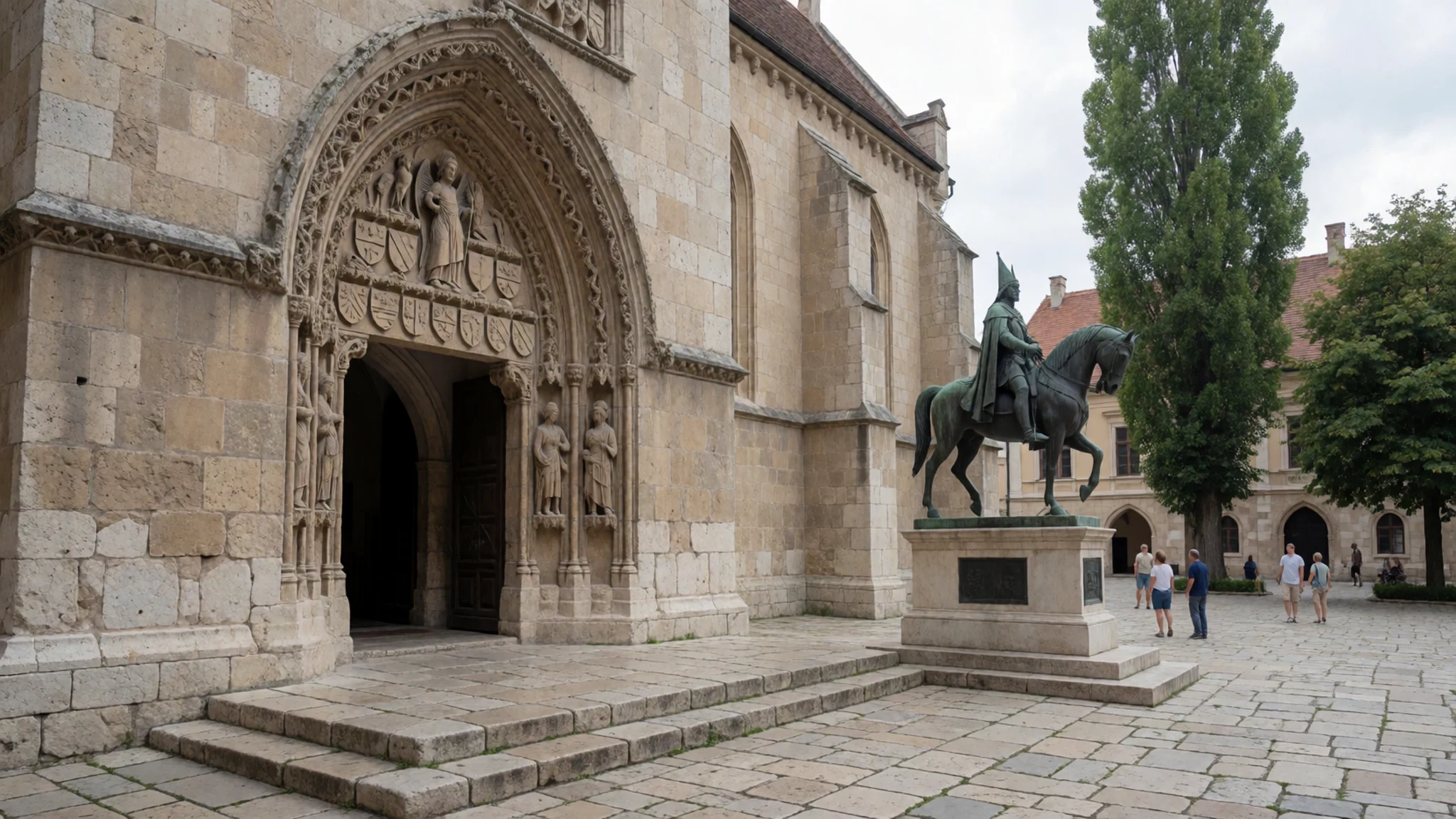
- Unirii Square (Union Square)
The central hub of the old town, this square is bounded by historic buildings and cafés. It houses the National Art Museum and reveals the foundations of a Roman temple. The cobbles here are worn smooth by centuries of footsteps. It is a lively spot in the evening, with street performers and commuters mixing under the open sky. Walking the perimeter gives a good sense of the city's medieval layout.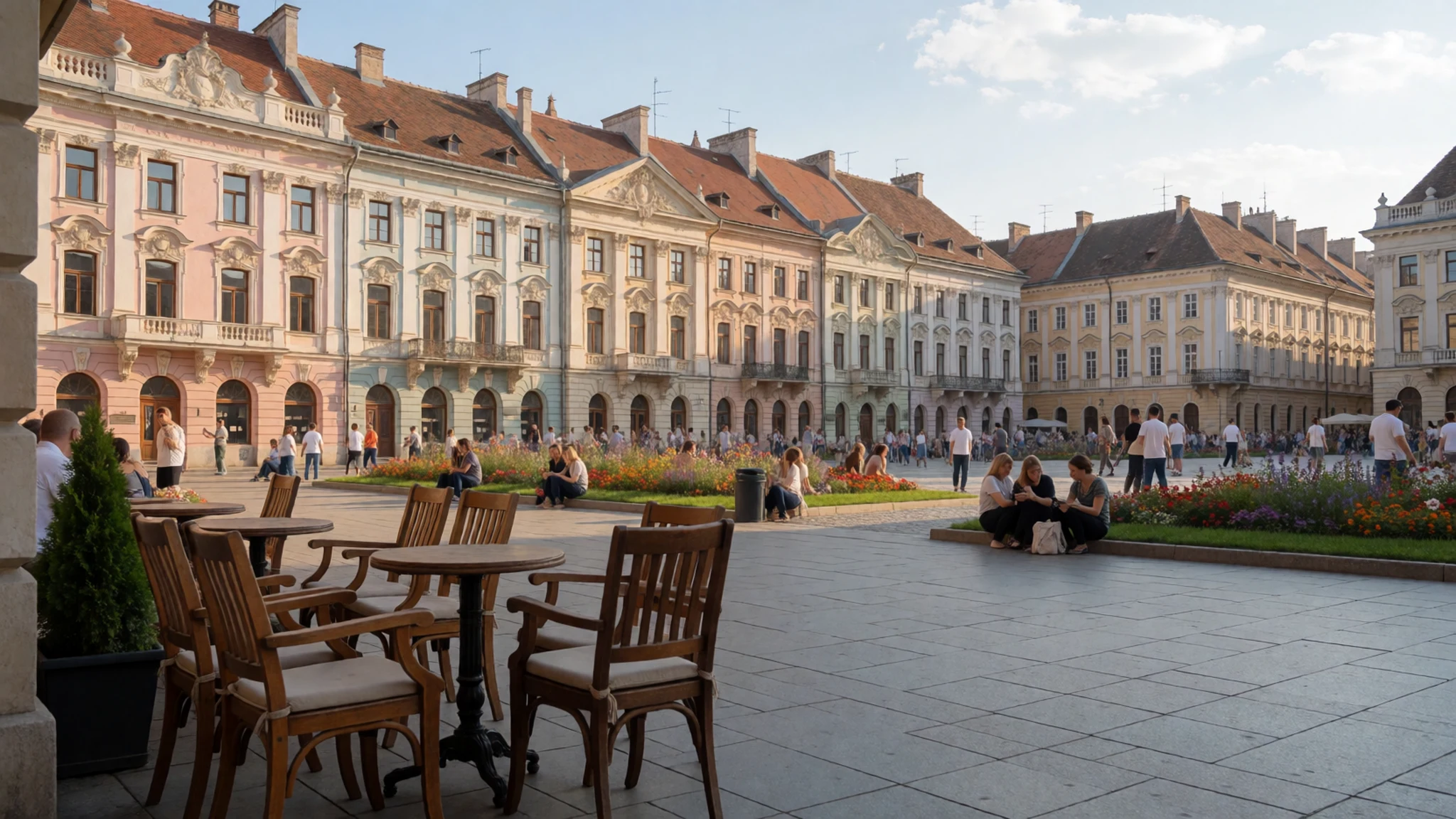
- Eroilor Avenue
A long, straight boulevard that links the main squares, lined with mature plane trees and residential buildings. It serves as the spine of the city's administrative and commercial life. The architecture along the avenue reflects the Austro-Hungarian period, with ornate entryways and spacious shops. It is a pleasant walk, especially in spring when the trees begin to leaf out, providing shade on hot days.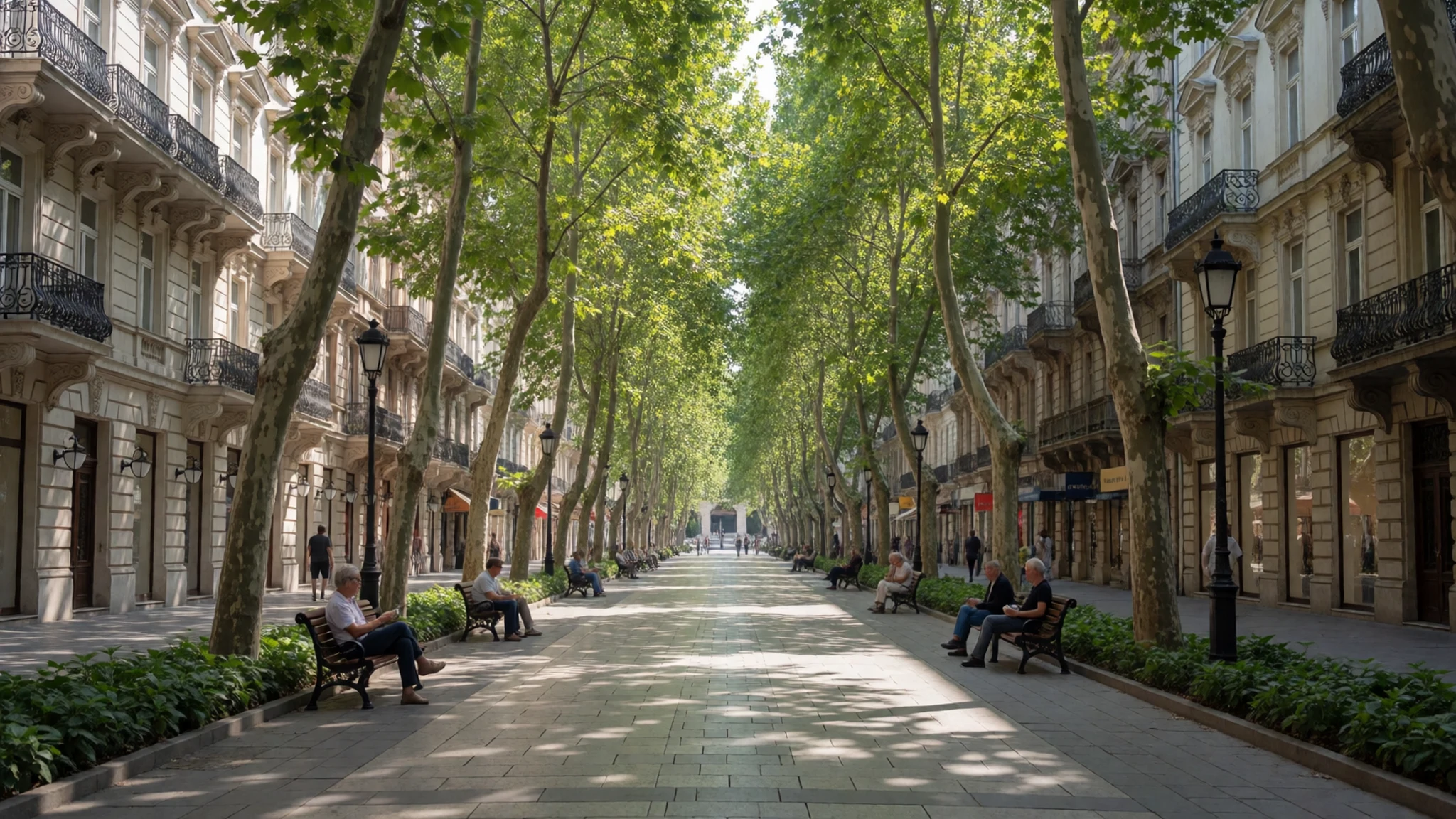
- The Orthodox Cathedral
A bright white structure that stands out against the earth-toned surroundings, located near the Iancu Square. The dome is a prominent feature of the skyline. The interior is painted in traditional Orthodox styles, with gold accents and religious icons. It offers a different spiritual atmosphere from the Gothic church, reflecting the diverse religious heritage of the region and the city.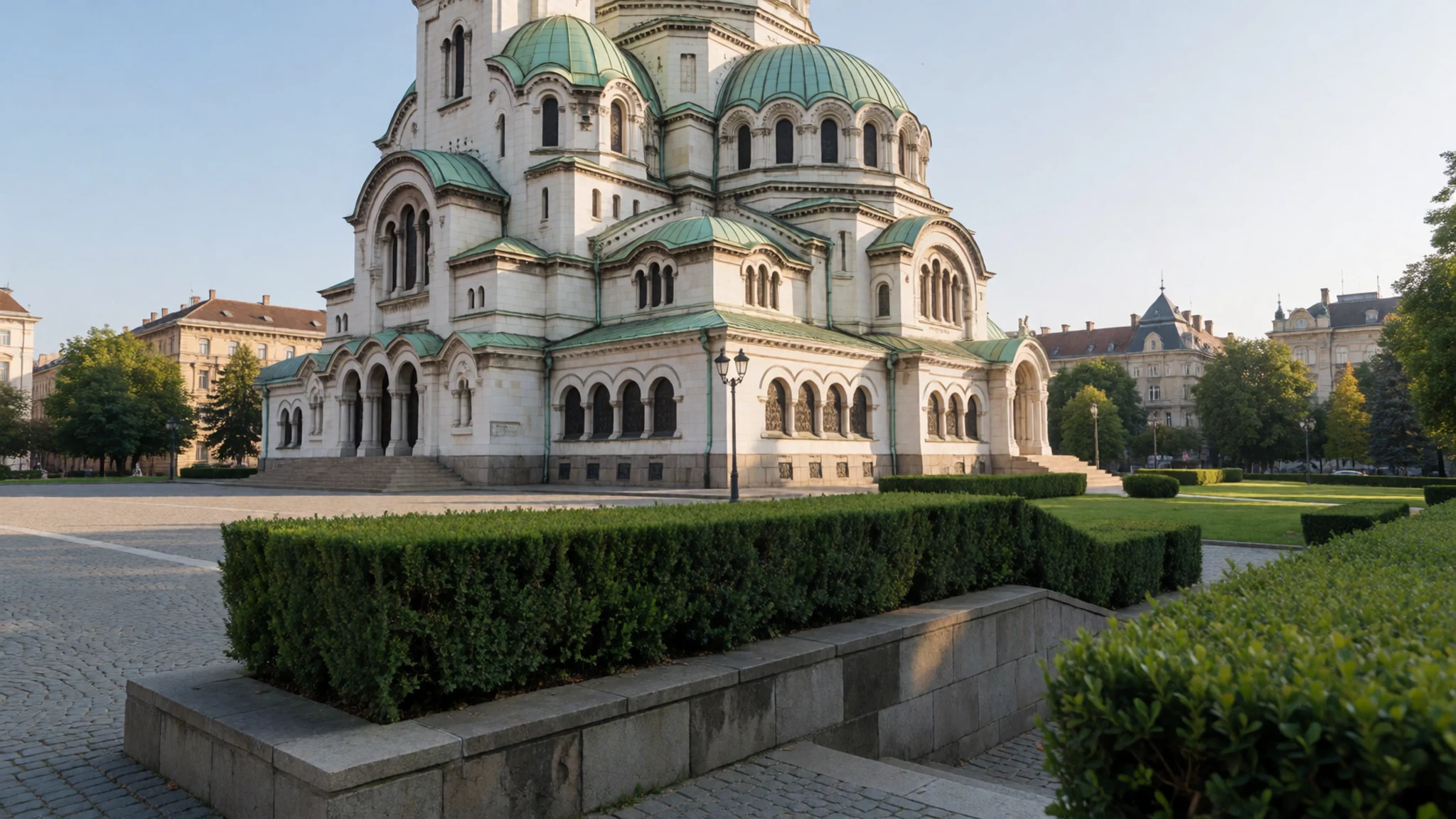
- National Opera and 'Lucian Blaga' Theatre
This grand cultural complex is a masterwork of Interwar Art Deco, visible from several blocks away. The building houses both opera and national theatre productions. The façade is detailed and imposing. Inside, the architecture continues the aesthetic theme. It is a landmark for the city's performing arts scene and a point of orientation for visitors crossing the old town.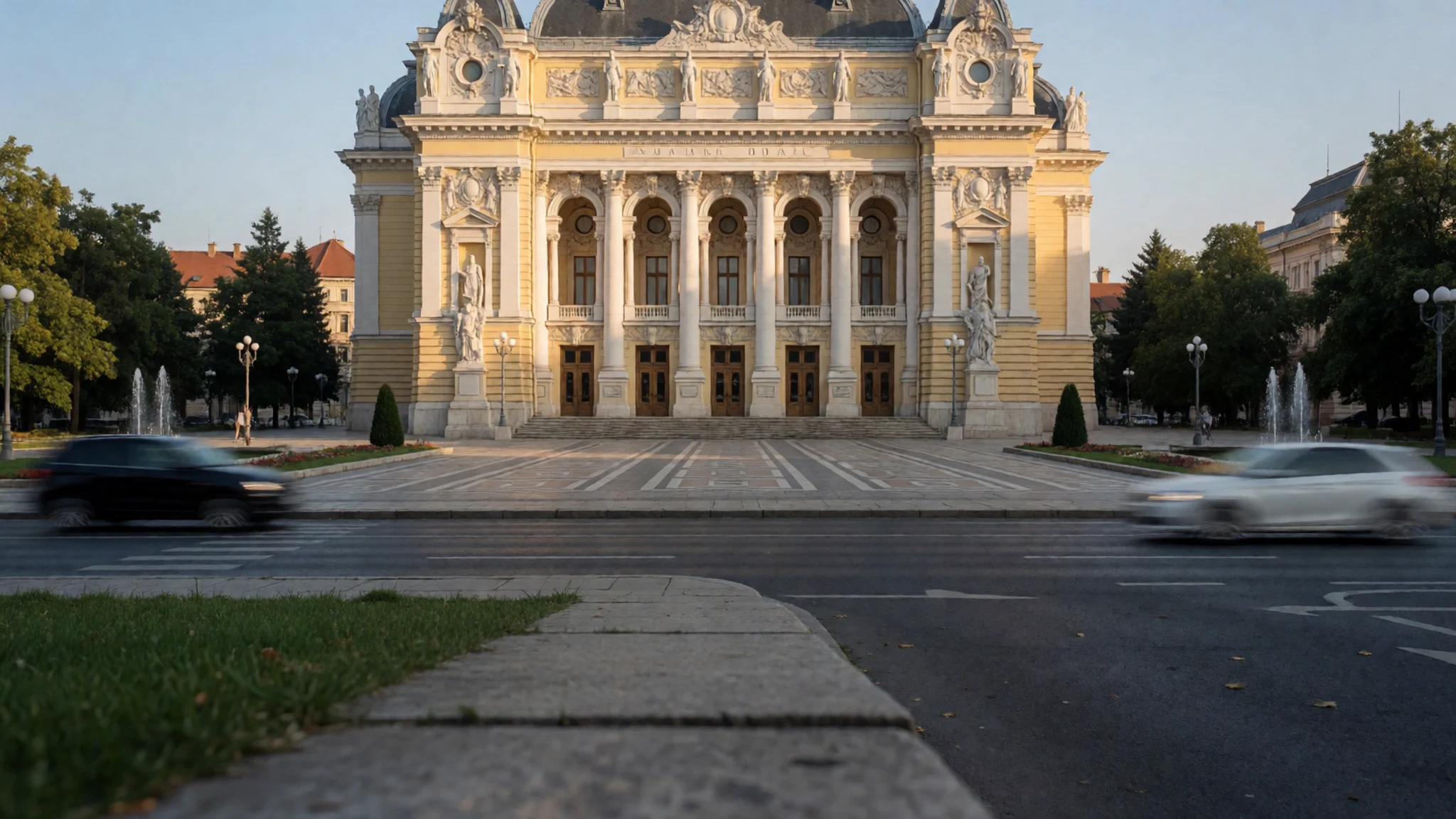
Culture
Cluj-Napoca's culture is shaped by its role as a university city and its position at the crossroads of European traditions. The academic atmosphere infuses the public spaces, where debates and discussions are common in coffee shops and public squares. The city has a strong tradition in the visual and performing arts, with a history of theatre and cinema dating back over a century. This artistic heritage continues today, with vibrant nightlife and regular cultural events. The people of Cluj are known for being welcoming to visitors, a quality often linked to the transient nature of the student population. The local food culture blends Romanian, Hungarian, and Austro-Hungarian influences, creating a diverse culinary landscape. When visiting cultural sites or entering churches, visitors should dress modestly, as is customary in many European cities. Dress codes in religious sites typically require covering shoulders and knees, and photography may be restricted in certain areas to preserve the solemnity of the space.
What to wear
Traditional Transylvanian dress is picturesque, featuring embroidered shirts and woolen skirts, though it is now largely reserved for festive or historical events. Contemporary fashion in Cluj-Napoca aligns closely with Western European trends, with a slightly more relaxed and layered approach preferred by the younger population. The university demographic drives a casual, stylish aesthetic that mixes vintage pieces with high-street fashion. For visitors, the practical attire depends on the season. In summer, light cottons and breathable fabrics are ideal, while winters require heavy coats, scarves, and sturdy boots to handle the cold and occasional snow. Footwear should be comfortable for walking on the uneven cobblestones of the old town. When attending formal events or dining in upscale establishments, a smart-casual look is appropriate, reflecting the city's refined social norms.
What to eat
- Shaorma — catering spots in the old town
A popular street food option, often cited as superior to its Mediterranean counterparts. The meat is spiced and roasted on a vertical spit, then sliced into flatbread with fresh vegetables and yogurt-based sauce. It is a quick, hearty meal that can be eaten on the go, making it perfect for busy days or late-night snacking in the city.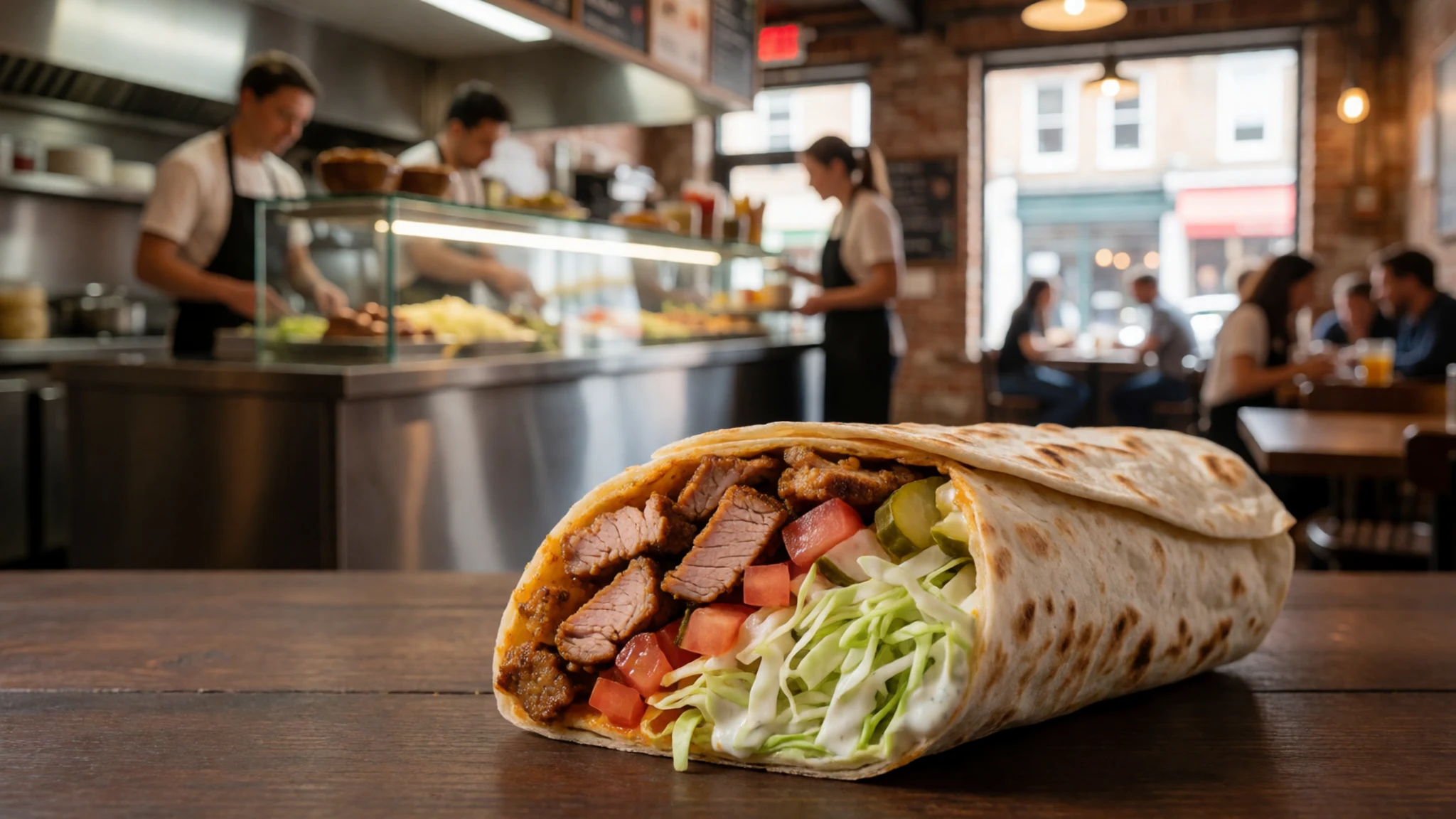
- Broasted Chicken — fast food chains throughout the city
The Romanian answer to fried chicken pizza, it features crispy, seasoned poultry served with fries, onion rings, and tartar sauce. It is a comforting, indulgent dish that has become a staple of local fast food. The texture of the chicken is a key feature, with a focus on achieving a perfect, crunchy exterior that contrasts with the tender meat inside.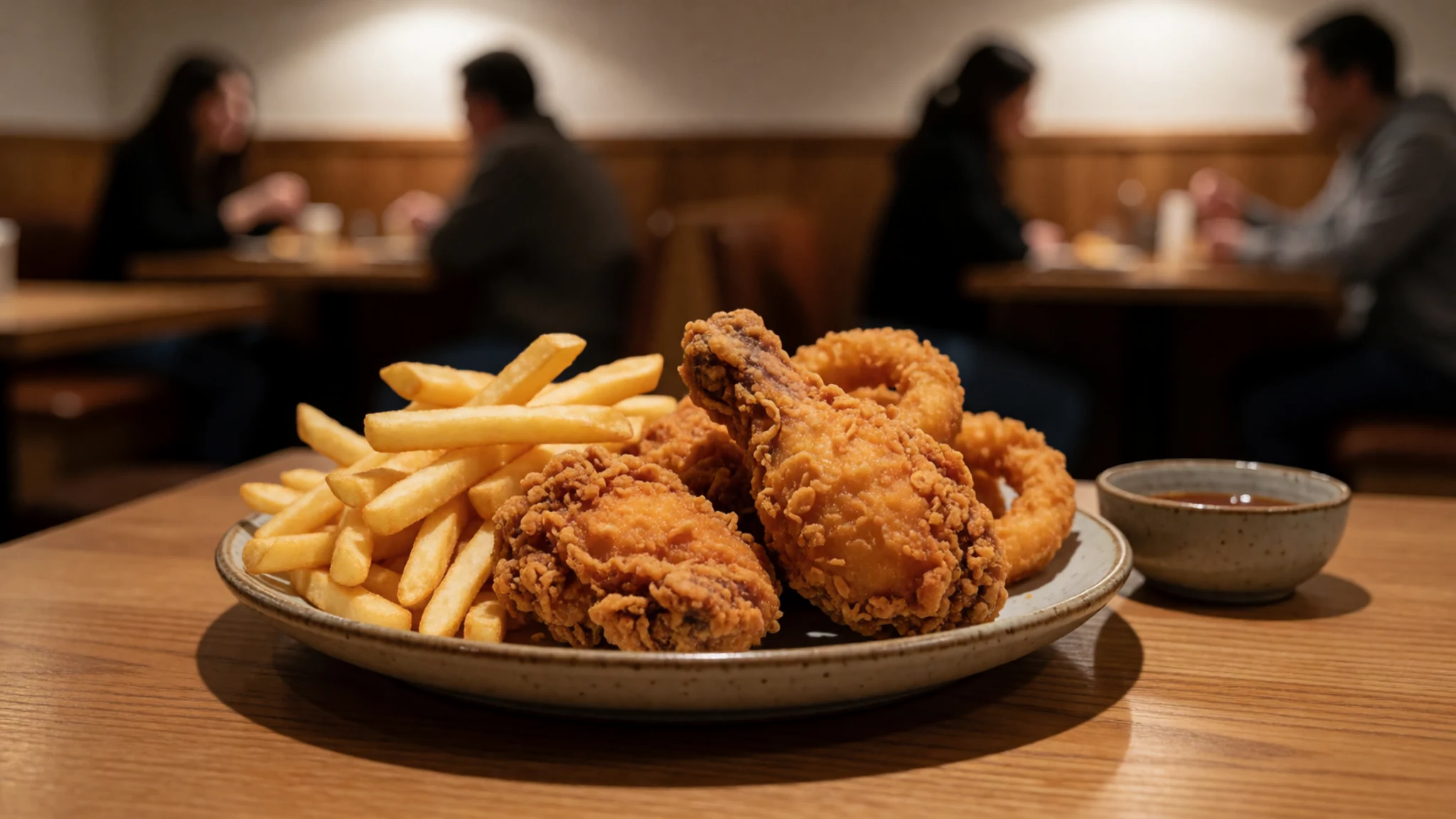
- Sarmale — traditional Romanian restaurants
Cabbage rolls stuffed with rice, meat, and spices, often served with a side of mămăligă (polenta) and sour cream. This is a hearty, traditional dish that is frequently found on menus throughout the city. It is a staple of Romanian cuisine, particularly during the winter months when the weather is colder and richer foods are preferred. - Ciorbă de legume — cafes and casual restaurants
A clear vegetable soup that is light and refreshing, often served as a starter in many local cafes. It highlights fresh, seasonal vegetables and香草-flavored broth. It is a lighter option for those who prefer a gentle introduction to the local cuisine, and it is widely available at nearly any casual eatery in the urban centre.
Plan it
Best time. May, June, September, and October offer the mildest weather and clear skies, while July and August can be warm and attract larger tourist crowds.
How long. 2–3
Getting there. Cluj-Napoca International Airport handles direct flights from several European hubs. For rail travel, the city is a major hub in Romania, with direct trains to Bucharest and Budapest, though the journey can take several hours. From the airport, local bus and taxi services operate regularly, providing a straightforward last-leg connection to the city centre.
Budget. mid
Tips
- Use a city map to navigate the old town, as the streets can be winding and the lighting does not always follow a strict grid.
- Carry cash in lei, as some smaller traditional eateries may not accept card payments.
- Visit during the shoulder months to find fewer tourists and a warmer welcome from local guides.
- Wear comfortable walking shoes, as the old town is primarily pedestrian and built on uneven stone.
- Check local event calendars for university festivals, which can affect accommodation availability and local atmosphere.
Etiquette
- Dress modestly when entering churches, which are often open to the public but considered sacred spaces.
- Avoid loud conversations in library buildings, which are often visible and actively used by students.
- Be mindful that photography restrictions may apply in certain museum exhibits or inside active religious services.
Nearby
Sources
- Wikidata Q100188 (CC0)
- Wikipedia (Cluj-Napoca) (CC BY-SA 4.0)
- Wikivoyage (Cluj-Napoca) (CC BY-SA 4.0)
- Wikimedia Commons photos (Various CC)