Iași
Iași, Romania
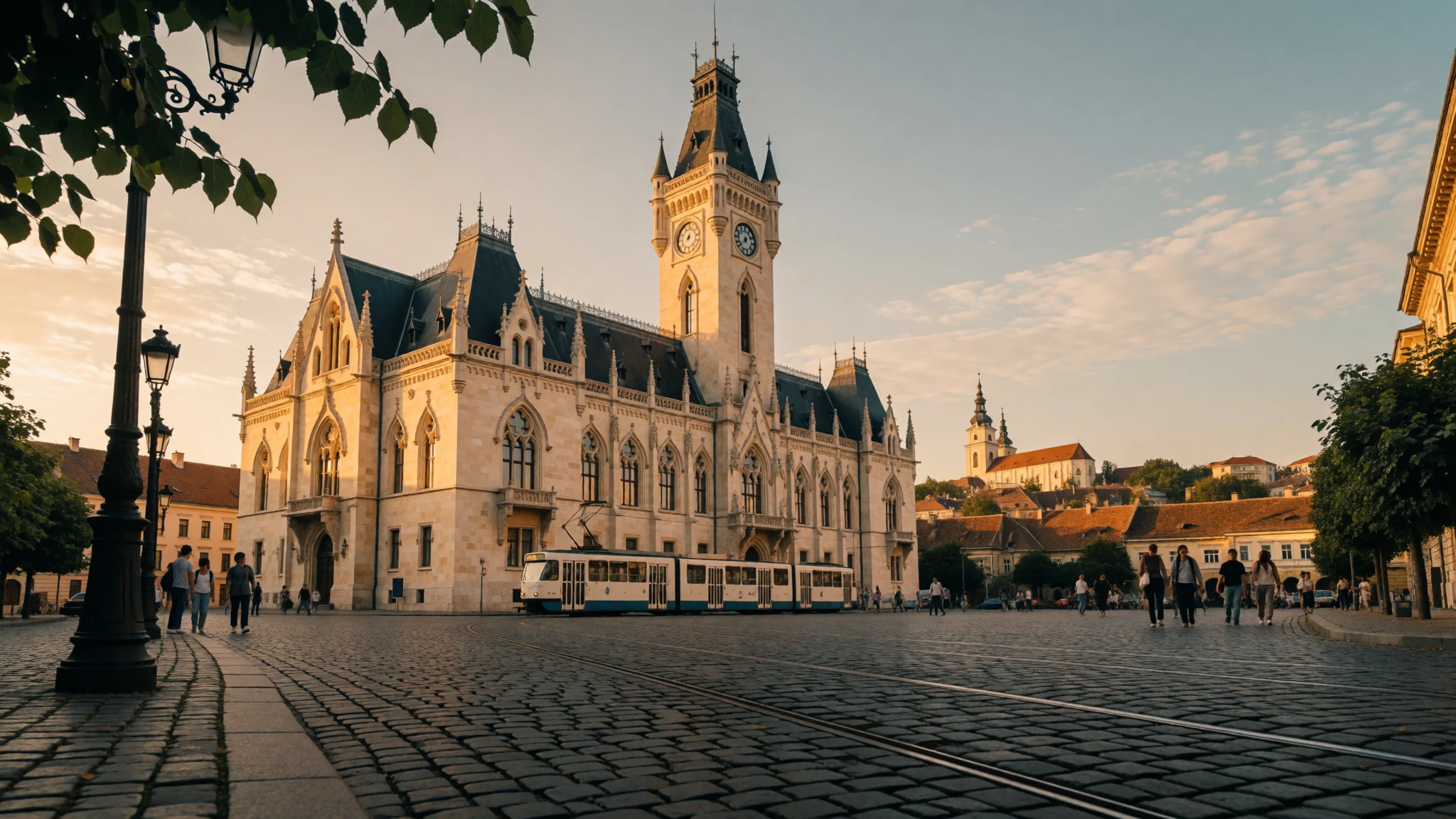
Iași is Moldavia's old capital, where a grand palace, richly carved churches and a student-filled centre make a slow, rewarding few days.
The place
Iași sits in the historical region of Moldavia, in eastern Romania, at an elevation of 66 m. At the 2021 census the city proper had 271,692 residents, making it the third most populous city in the country, and the metropolitan area held 423,154. That is a lot of people for a centre that can be walked across in an afternoon, and it explains the steady hum of trams, buses and students.
The city is often called the cultural capital of Romania, and in December 2018 it was officially declared the country's Historical Capital. Titles like these can sound like marketing, but the streets back them up: universities, theatres, museums and old churches share the same few central districts, and many of them sit on everyday routes rather than behind ticket barriers.
The ground is hilly, so churches and monastery towers appear on rises between boulevards, apartment blocks and newer shopping centres. The mix is not tidy. Nineteenth- and early twentieth-century façades stand beside concrete housing, and pavements can be uneven. Students give the centre its energy; term time fills the cafés and evening bars, while high summer is quieter and can be hot. Winters are cold and grey, and spring and autumn are the gentler seasons.
Iași is also the main economic and business centre of Moldavia, so it feels lived-in rather than staged. Anyone expecting a preserved old town will find something more mixed and more ordinary. Those who like a city where the sights belong to daily life tend to enjoy it, and prices for a typical visitor stay modest by western European standards.
Its story
Iași has been inhabited for a very long time. Archaeologists have found prehistoric communities on and around the site, among them the Neolithic Cucuteni–Trypillia culture, plus settlements from the 6th to the 10th centuries whose pottery sometimes carries a cross, a hint of early Christian residents.
The written record starts later. A German crusader, Johann Schiltberger, mentioned the town in 1396, and in 1408 it appears in an official charter in which Prince Alexander of Moldavia granted trading terms to merchants from Lvov. That year is the founding date recorded in the city's data, although some surviving buildings are older, so it marks the first paperwork more than the first houses.
Political weight came in 1564, when Iași became capital of the Principality of Moldavia, a role it kept until 1859. It then served the United Principalities of Moldavia and Wallachia until 1862. A princely court drew churches, scribes and scholars. The chroniclers Grigore Ureche, Miron Costin and Ion Neculce wrote here or nearby in the 17th century, and Dimitrie Cantemir, known across Europe, tied his name to the city as well.
Print followed. The first Romanian newspaper appeared in Iași in 1829, and in 1867 the Junimea society's review Convorbiri Literare began publishing, including poems by Mihai Eminescu and Ion Creangă's memories of childhood.
Iași took the national stage once more between 1916 and 1918, when it served as capital of Romania. Afterwards the government returned to Bucharest, and the city settled into its present role as a university and cultural centre.
What to see
- Palace of Culture — City centre
The Palace of Culture is Iași's landmark, a huge façade that locals pass without a glance and visitors stop to photograph. Inside are four institutions: the Art Museum, the History Museum of Moldavia, the Ethnographic Museum and a science and technology museum named for Ștefan Procopiu. Allow half a day, and check opening times locally.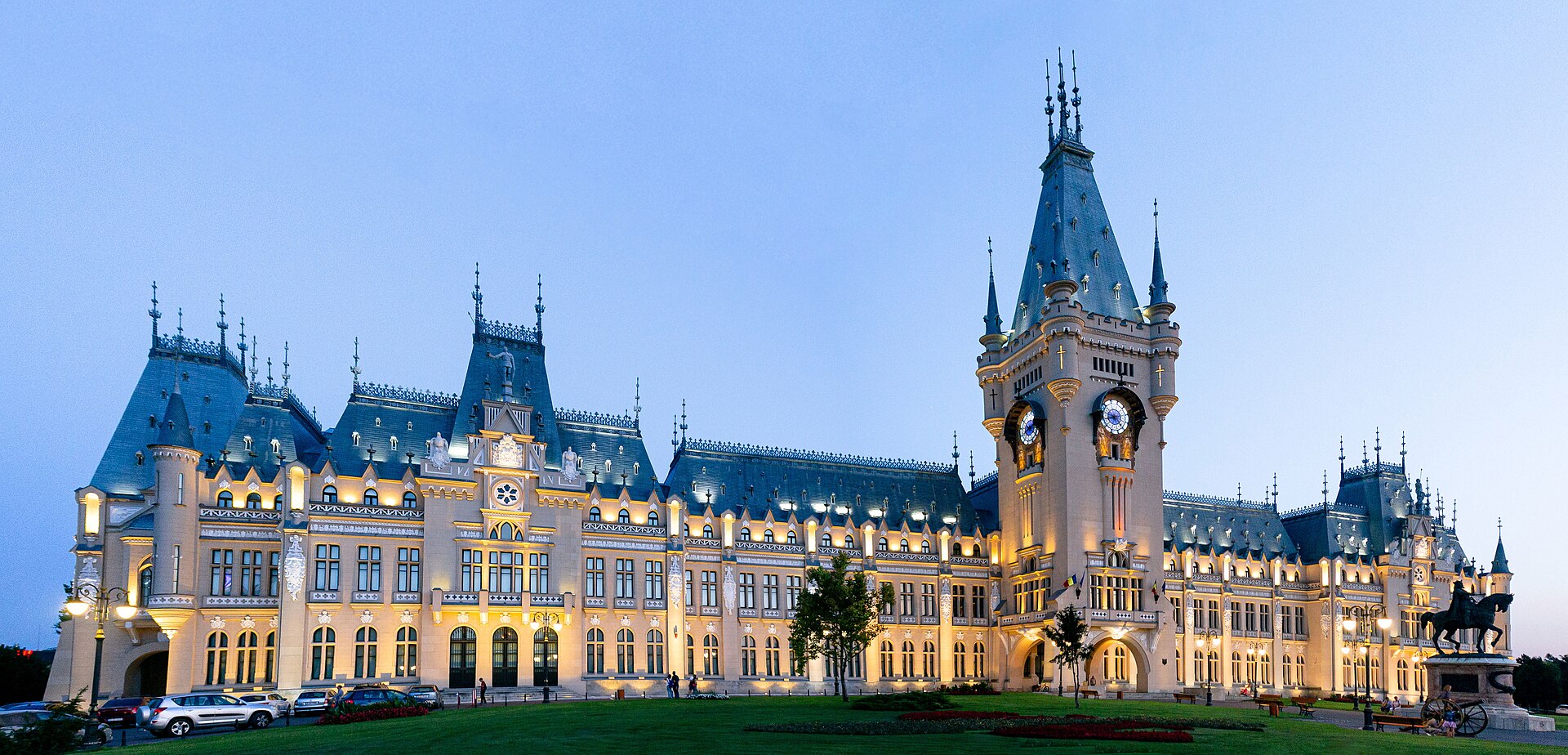
- Trei Ierarhi Church — City centre
Trei Ierarhi Church is carved over nearly every surface of its exterior, in dense stone patterns that reward slow looking. It was once covered in gilding, which thieves burned away to strip the gold. It remains a working church, so aim for times outside services and dress modestly.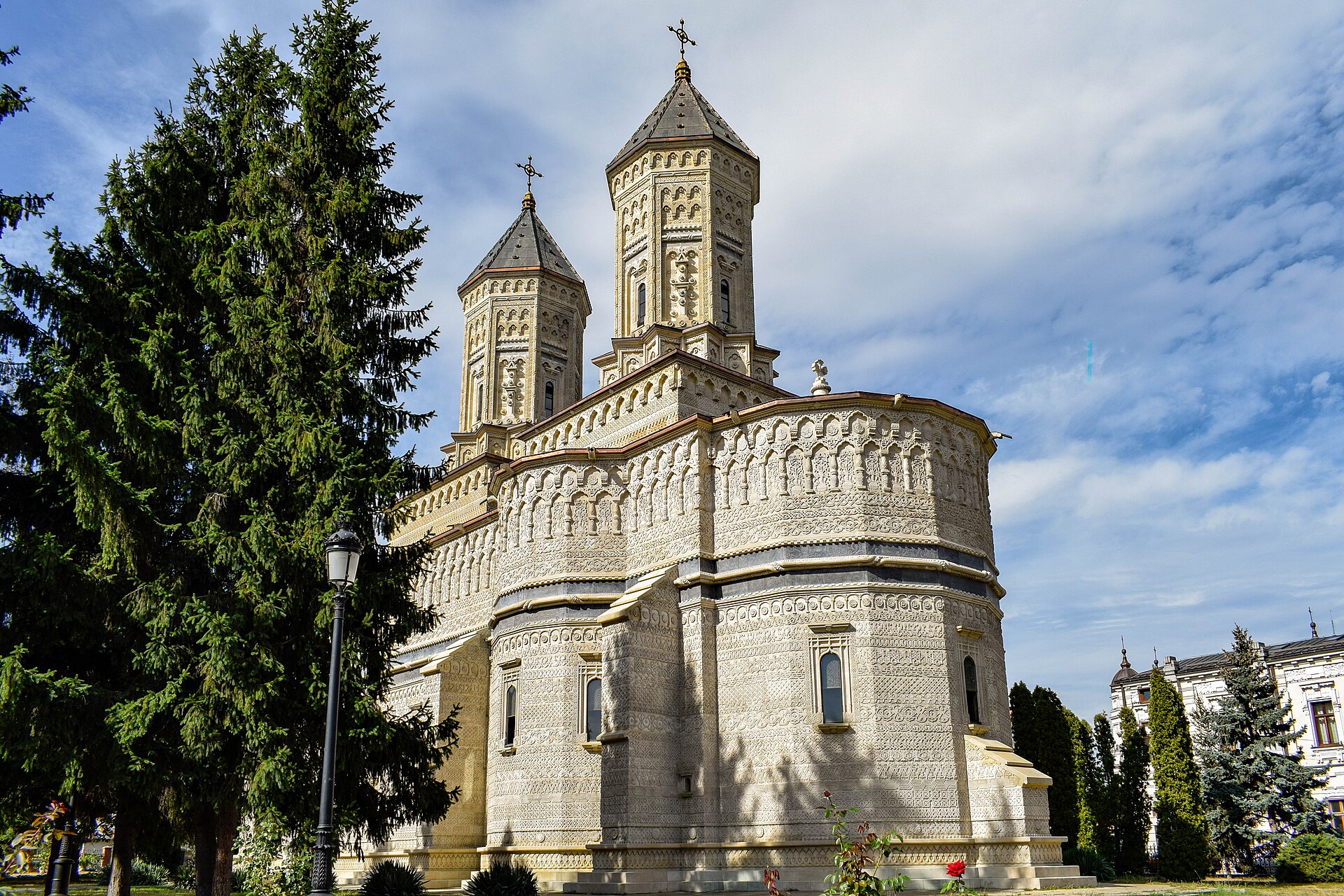
- Vasile Alecsandri National Theatre — City centre
The Vasile Alecsandri National Theatre has an interior designed by a leading Viennese architect of its day. Seeing a performance, usually in Romanian, is the best way to appreciate it; otherwise the exterior is worth a short look. Check the theatre's own listings for programmes and booking.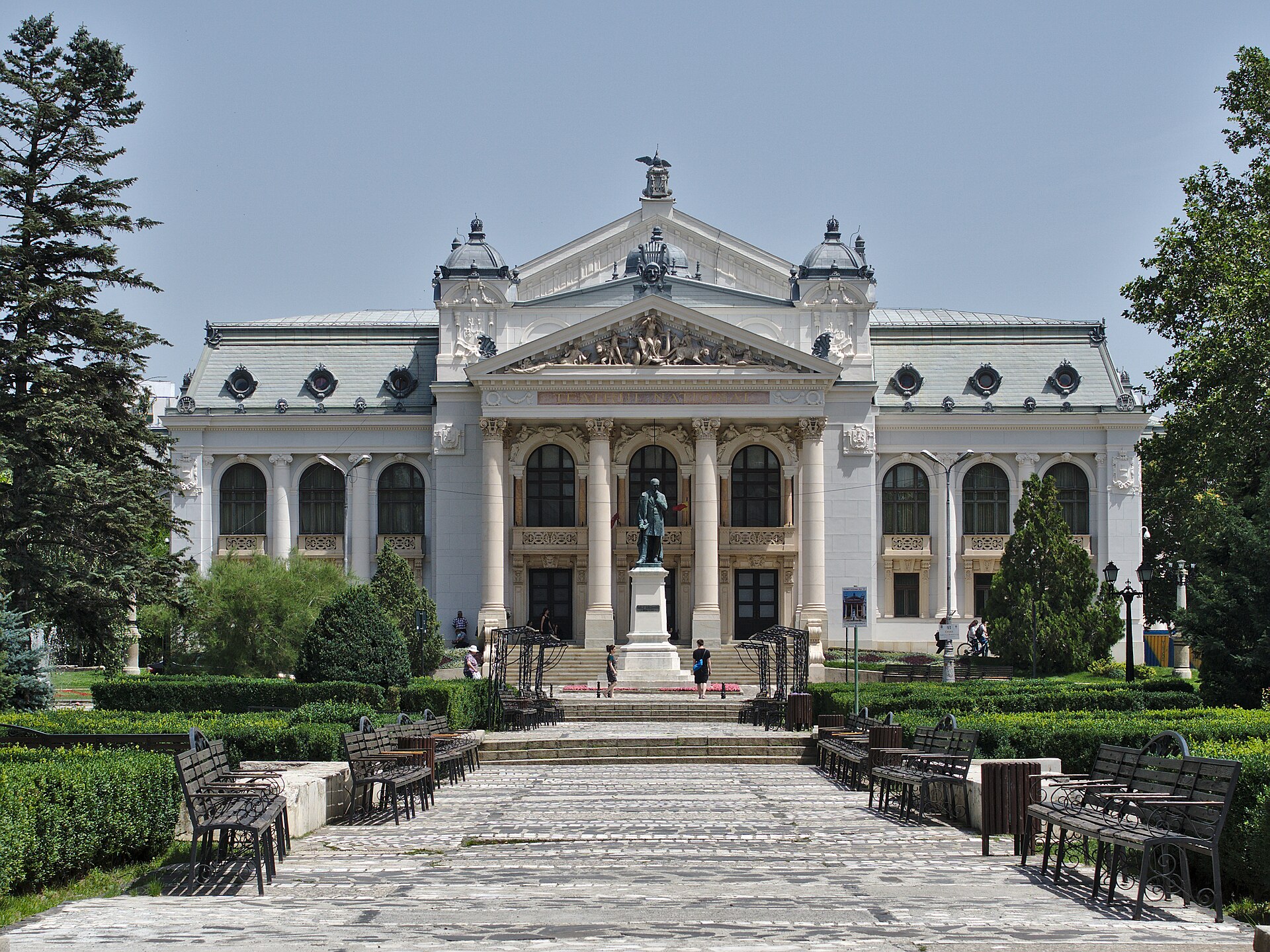
- Casa Dosoftei — Beside the Palace of Culture
Casa Dosoftei is a small stone house beside the Palace of Culture, named after Dosoftei, the 17th-century scholar and metropolitan of Moldavia. After the palace's scale it feels almost domestic, and it gives a quick sense of an older, humbler Iași. Check locally whether it is open before building a visit around it. - Copou and Eminescu's Linden — Copou district
Copou, the leafy district near the university, holds the linden known as Eminescu's Linden, where the poet Mihai Eminescu is said to have sat and written. The tree itself is modest, but the park around it, full of students and benches, shows Iași at its most relaxed. Spring and early autumn suit it best.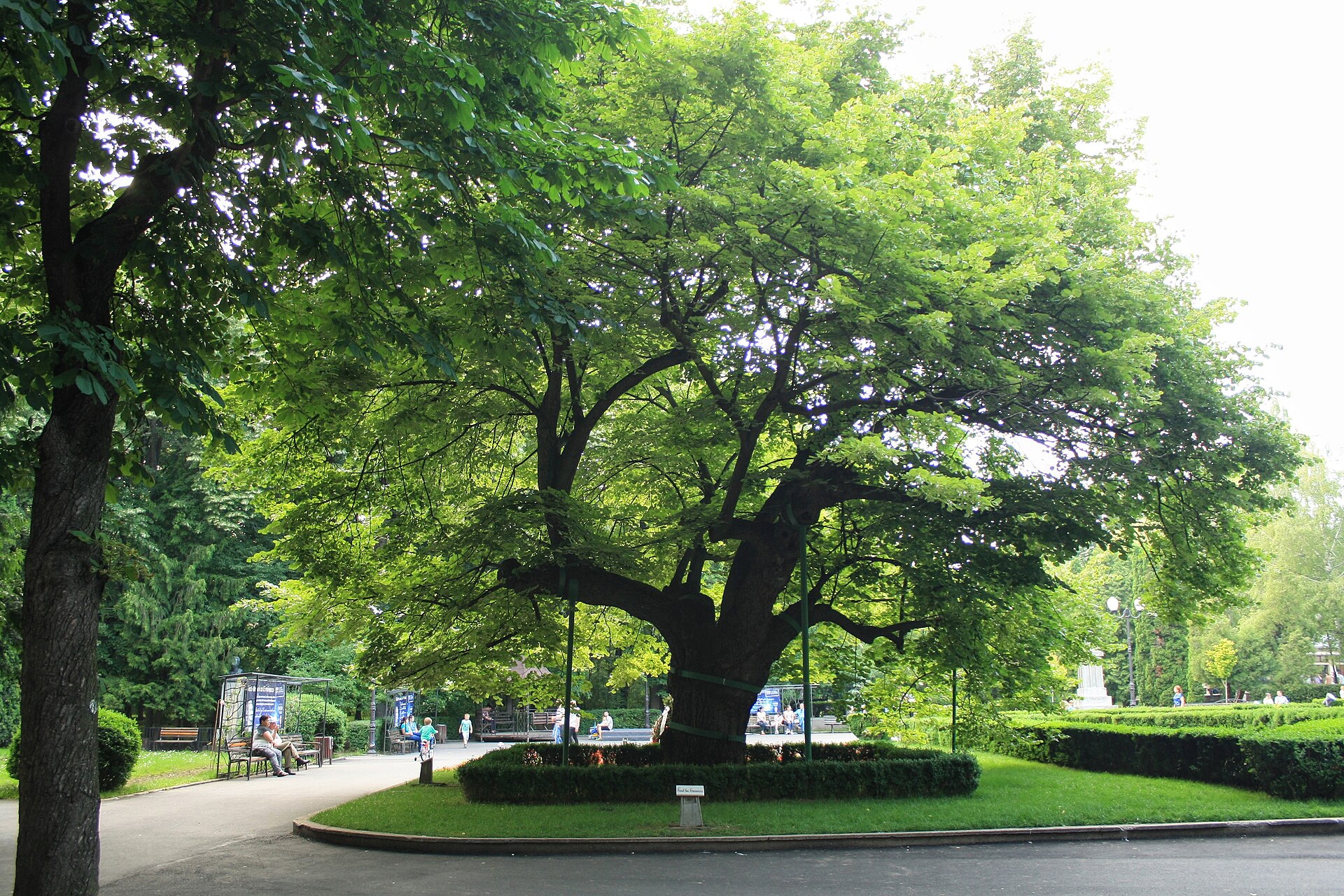
- Golia Monastery tower — City centre
The bell tower of Golia Monastery is a useful landmark, appearing over the rooftops while walking the central streets. The walled monastery complex around it is quiet and makes an easy stop between bigger sights. It is a working religious site, so check visiting times locally and keep voices low.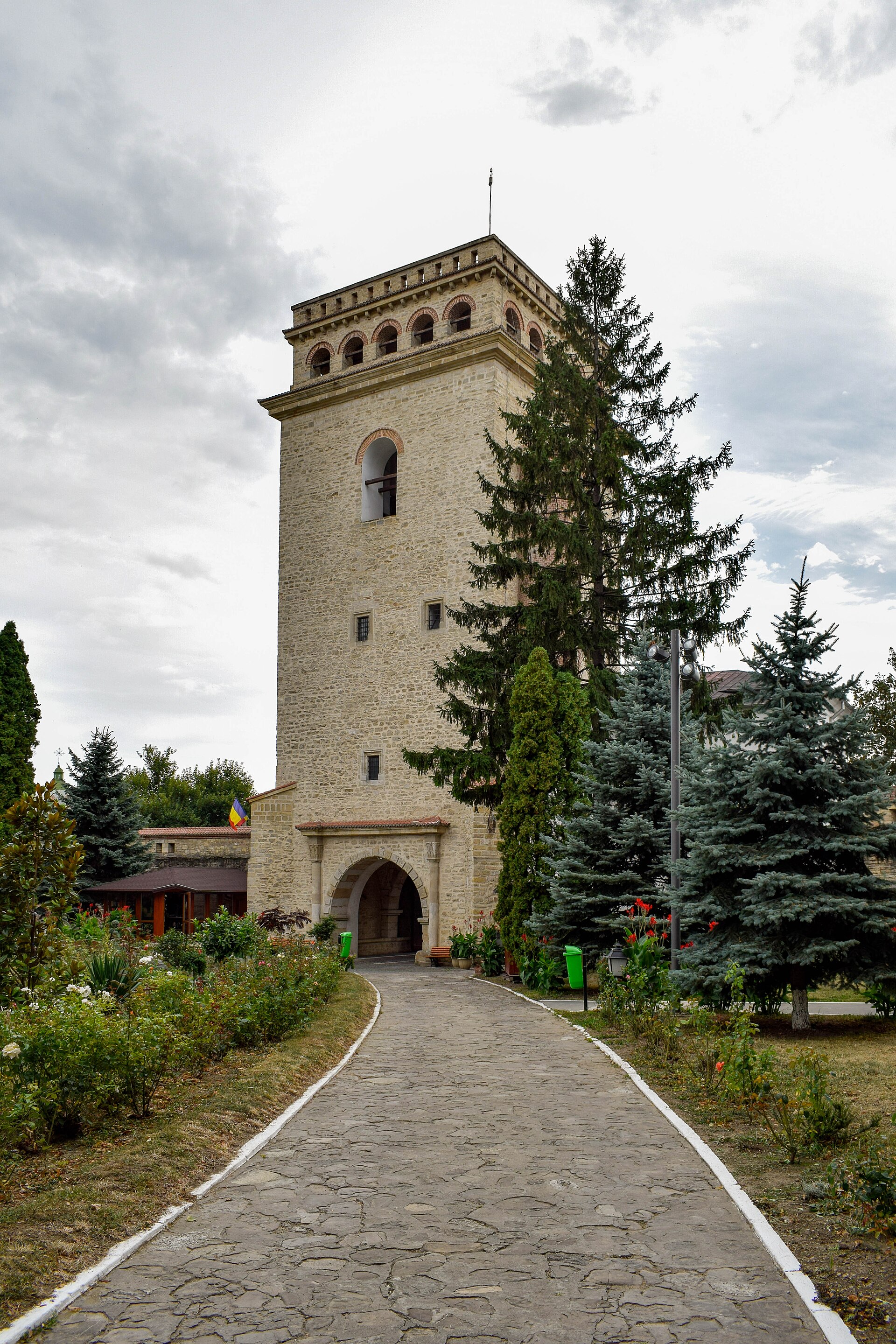
Culture
Iași thinks of itself as a city of letters, and with reason. The chroniclers and scholars of old Moldavia worked here, the first Romanian-language newspaper appeared in 1829, and the Junimea society published Eminescu and Creangă in its review from 1867. Their names turn up everywhere as street names, statues and school names, so an ordinary walk reads a little like a reading list.
The university presence shapes daily life. Bookshops, cafés and theatres are busy in term time, and evenings in the student districts are lively and informal. Locals are proud of the city's cultural reputation but rarely show off about it; conversation about writers, music or football comes easily if you ask.
Religion is part of ordinary life too. Orthodox churches and monasteries are active, and people cross themselves at doorways, light candles and kiss icons. Services can be long and are not performances for visitors. Each October a large pilgrimage brings crowds into the centre, which is moving to witness but makes accommodation and the main churches very busy, so plan around it either way.
Taking a seat at a theatre, a concert or a university-area café gives a better sense of the city than any single monument. In churches and monasteries, cover your shoulders and knees, take off any hat, and ask before photographing worshippers or anything during a service.
What to wear
Iași and the wider region of Moldavia share the Romanian peasant dress that survives mainly on feast days, at weddings and in folk performances. Its signature piece is the ie, a loose blouse of linen, hemp or cotton embroidered at the chest and sleeves. Women wear it with a wrapped wool skirt, the fotă or catrință, and a belt or sash. Men's version is a white linen shirt and trousers, a sheepskin waistcoat or long coat for cold weather, and leather opinci on the feet. Patterns and colours vary by village, and the Ethnographic Museum in the Palace of Culture is the place to compare Moldavian examples.
Everyday clothes in Iași are much like those in other European university cities. Students wear jeans, trainers and hoodies, office workers dress smartly in the centre, and in winter long dark coats, hats and boots are the norm. People tend to dress up a little for the theatre, church on a feast day and weddings. Some contemporary designers add embroidery motifs to modern cuts.
Visitors should plan for layers. Summers are hot and winters cold, so bring a warm coat from late autumn onwards and light fabrics in July and August. Comfortable shoes matter, because the city is hilly and some pavements are uneven. For churches and monasteries, pack something that covers shoulders and knees, and women may want a light scarf in case a head covering is expected.
What to eat
- Sarmale — Traditional Romanian restaurants and home-cooking eateries
Sarmale are cabbage or vine-leaf rolls stuffed with minced pork and rice, simmered slowly, and served with sour cream and polenta. They are a staple of feast days and family tables across Moldavia, and taste better the longer they have cooked. - Mămăligă — Country-style restaurants and traditional eateries
Mămăligă is polenta cooked until thick and served as a side, usually alongside cheese, sour cream or a meat stew. It takes the place of bread in many rural dishes, and is simple, filling and best eaten hot. - Tochitură moldovenească — Traditional Moldavian restaurants
Tochitură moldovenească is a Moldavian stew of pork, sausage and offal in a rich sauce, usually served with polenta, a fried egg and sometimes pickles or cheese. It is hearty cold-weather food and portions are generous. - Plăcinte — Bakeries and market stalls, such as around the central market
Plăcinte are flat, folded pies baked or fried and filled with soft cheese, potato, cabbage or sweet fillings. They are cheap, portable and a good breakfast or a snack between museums. - Cozonac — Bakeries and pastry shops across the centre
Cozonac is a sweet yeast bread, swirled with walnuts, cocoa or poppy seed, baked above all for Easter and Christmas but sold at other times too. A slice goes well with strong coffee. - Papanași — Dessert menus at traditional restaurants
Papanași are fried or boiled cheese doughnuts, served with sour cream and fruit jam. They are heavy, sweet and shared easily, and appear as a dessert in many Romanian restaurants.
Plan it
Best time. May–June and September–October, when days are mild and the parks and terraces are at their best. July and August can be hot, and winters are cold and grey. Mid-October brings a large religious pilgrimage and crowds in the centre.
How long. 2–3
Getting there. Iași International Airport has a city bus (number 50) to the centre, or a metered taxi. Trains run to Iași from Bucharest and, directly, from Budapest, so check the CFR site for schedules. Coaches also arrive from Chișinău in Moldova, with the last leg a short tram, bus or taxi ride from the station or terminal.
Budget. low
Tips
- Book accommodation early if visiting in mid-October, when the pilgrimage fills the centre
- Cards are widely accepted, but carry some cash for small eateries and market stalls
- Wear sturdy shoes, as the city is hilly and some pavements are uneven
- Check museum and church opening times locally, as they change by season
- See the city council's site, https://www.primaria-iasi.ro/, for official information
Etiquette
- Cover shoulders and knees in churches and monasteries, and take off hats
- Ask before photographing worshippers or inside during a service
- Keep voices low in monastery grounds and near the entrances to services
Nearby
Sources
- Wikidata Q46852 (CC0)
- Wikipedia: Iași (rev 1379226527) (CC BY-SA 4.0)
- Wikivoyage: Iași (rev 5422000) (CC BY-SA 4.0)
- Photo 01: Iași montage, SNRTZ (CC BY-SA 4.0)
- Photo 02: Palace of Culture, Andrei Lucian Vaida (CC BY-SA 4.0)
- Photo 03: Catedrala Sf. Gheorghe, Manole Alexandru (CC BY-SA 4.0)
- Photo 04: Mănăstirea Sf. Trei Ierarhi, Manole Alexandru (CC BY-SA 4.0)
- Photo 05: Iași National Theatre, Alexander Klink (CC BY 4.0)
- Photo 06: Teiul lui Eminescu, Sb2s3 (CC BY-SA 4.0)
- Photo 07: Universitatea Alexandru Ioan Cuza, Manole Alexandru (CC BY-SA 4.0)
- Photo 08: Turn clopotniță Golia, Manole Alexandru (CC BY-SA 4.0)


