Rome
Rome, Italy
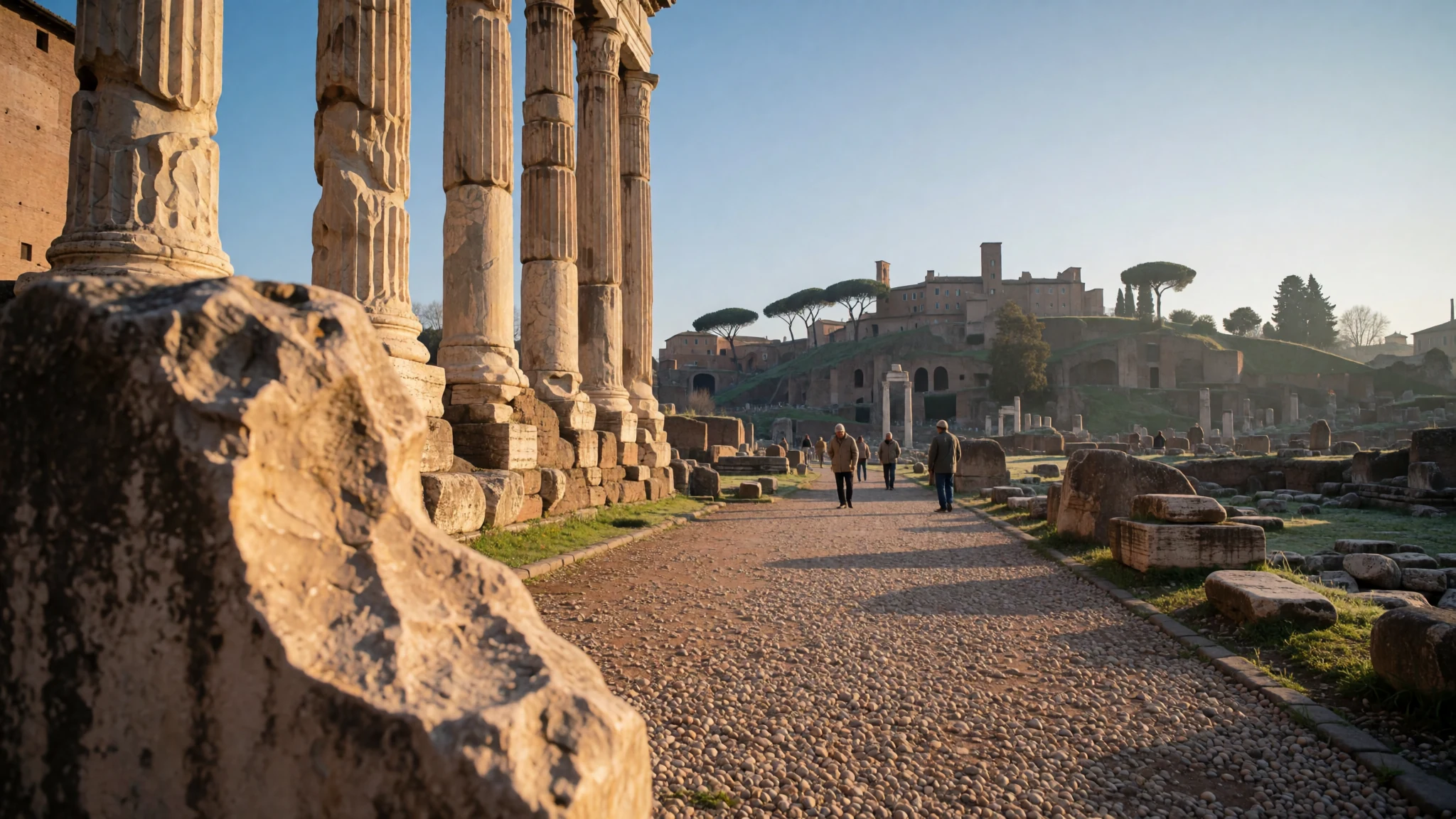
A monumental capital where layers of ancient empires, Renaissance fountains, and vibrant neighbourhood life unfold along the Tiber Valley.
The place
Rome sits along the Tiber Valley in central-western Italy, spreading across low grassy hills and volcanic clay terraces towards the Tyrrhenian Sea. The modern city surrounds Vatican City, an independent papal enclave enclosed completely within municipal borders. Neighbourhoods curve around ancient ruins, papal palaces, and busy traffic roundabouts, creating an urban tapestry where stone pine trees shade classical columns and narrow cobblestone alleys open suddenly onto grand paved squares.
To navigate Rome is to walk through distinct eras packed closely together. Centrally, the historic core gathers classical monuments like ancient temples and open-air forums alongside Baroque fountains fed by restored aqueducts. Across the river, residential districts feature shaded courtyards, ochre-painted apartment blocks, and family-run bakeries that have occupied the same streets for generations. Traffic can be loud and erratic, with scooters weaving past ancient brick arches, yet quiet public parks offer sweeping lookouts over slate roofs and terracotta tiled domes.
Summer brings heavy heat that lingers late into the evening, prompting locals to gather in neighbourhood piazzas as cooler air settles over the riverbanks. Spring delivers crisp, clear sunlight ideal for walking between districts, while late autumn brings heavier rain and winter brings quiet rain and freezing mornings that turn the marble facades a deep golden tone.
Its story
Human occupation in the area of Rome stretches back thousands of years, with stone tools, early pottery, and flint weapons revealing ancient encampments along the Tiber riverbed. Early pastoral communities gradually established permanent settlements atop the defensible hilltops rising above the marshy lowlands. The Palatine Hill formed the initial heart of these early agricultural hamlets, positioned above what eventually became the Roman Forum.
By the end of the Bronze Age and the start of the Iron Age, distinct timber and thatch villages occupied each of the surrounding hills between the inland valley and the sea. These scattered rural settlements operated independently without unified town defences or formal civic planning. Over subsequent generations, agricultural productivity grew beyond simple subsistence, enabling specialized craftwork, metal production, and organized storage.
This growing economic surplus encouraged neighbouring hill villages to merge into a single urban entity through a gradual process of political and economic aggregation. Positioned along key river crossings and trade paths, the emerging city expanded its commercial connections with Greek settlements in southern Italy. Strategic access to salt deposits near the coast and fertile farming lands inland allowed Rome to transform from a cluster of hilltop farming hamlets into a dominant regional trading centre.
What to see
- Colosseum and Forum — Piazza del Colosseo
The towering stone amphitheatre and the adjacent valley of marble ruins form the heart of imperial Rome. Underground passages once held animals and gladiator lifts, while the neighbouring Forum preserves ancient civic basilicas and triumphal arches. Arrive at opening time to beat the heavy midday tour groups and summer heat.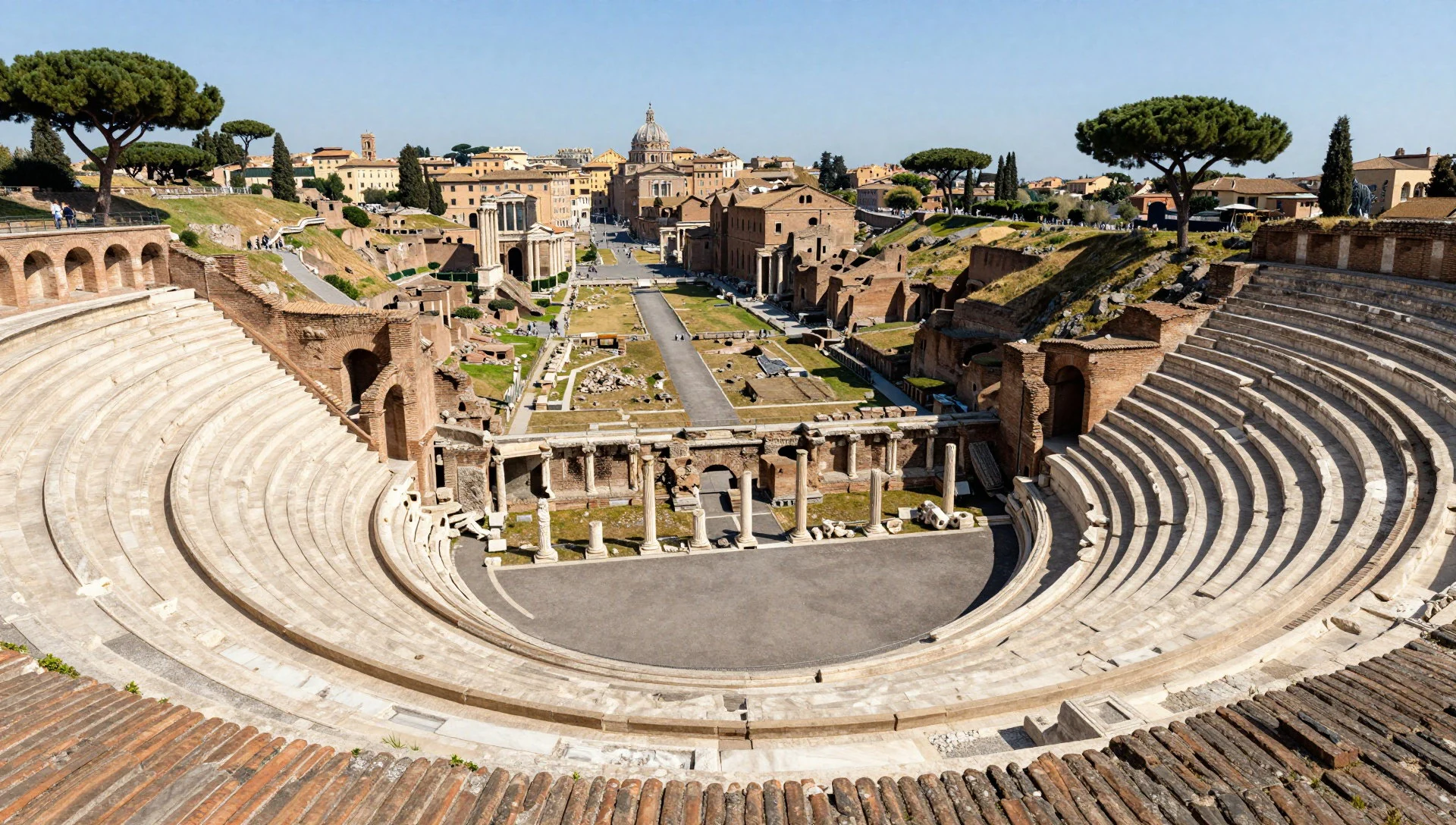
- The Pantheon — Piazza della Rotonda
Standing in the heart of the historic district, this ancient temple features a massive concrete dome with an open central oculus that lets in shafts of sunlight or rain. The interior holds marble tombs and towering classical columns. Entrance requires timed online tickets during weekends, so book ahead.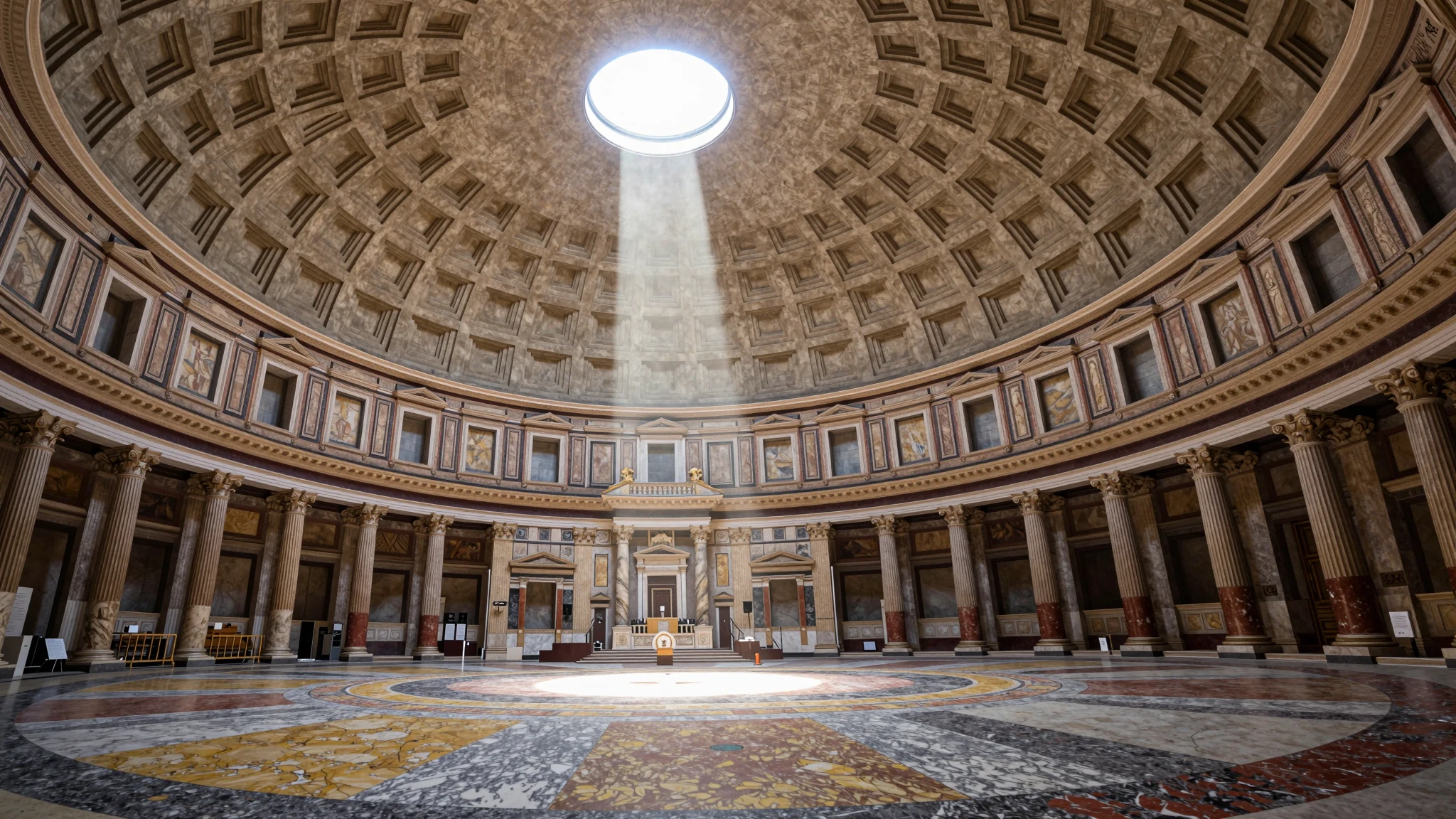
- Trevi Fountain — Piazza di Trevi
This Baroque fountain carved from travertine marble fills a compact square with the sound of rushing water. Sculpted sea figures framed by a majestic palace facade draw dense crowds throughout the day. Visit late at night or before dawn to appreciate the detailed masonry and illuminated stone without elbowing through crowds.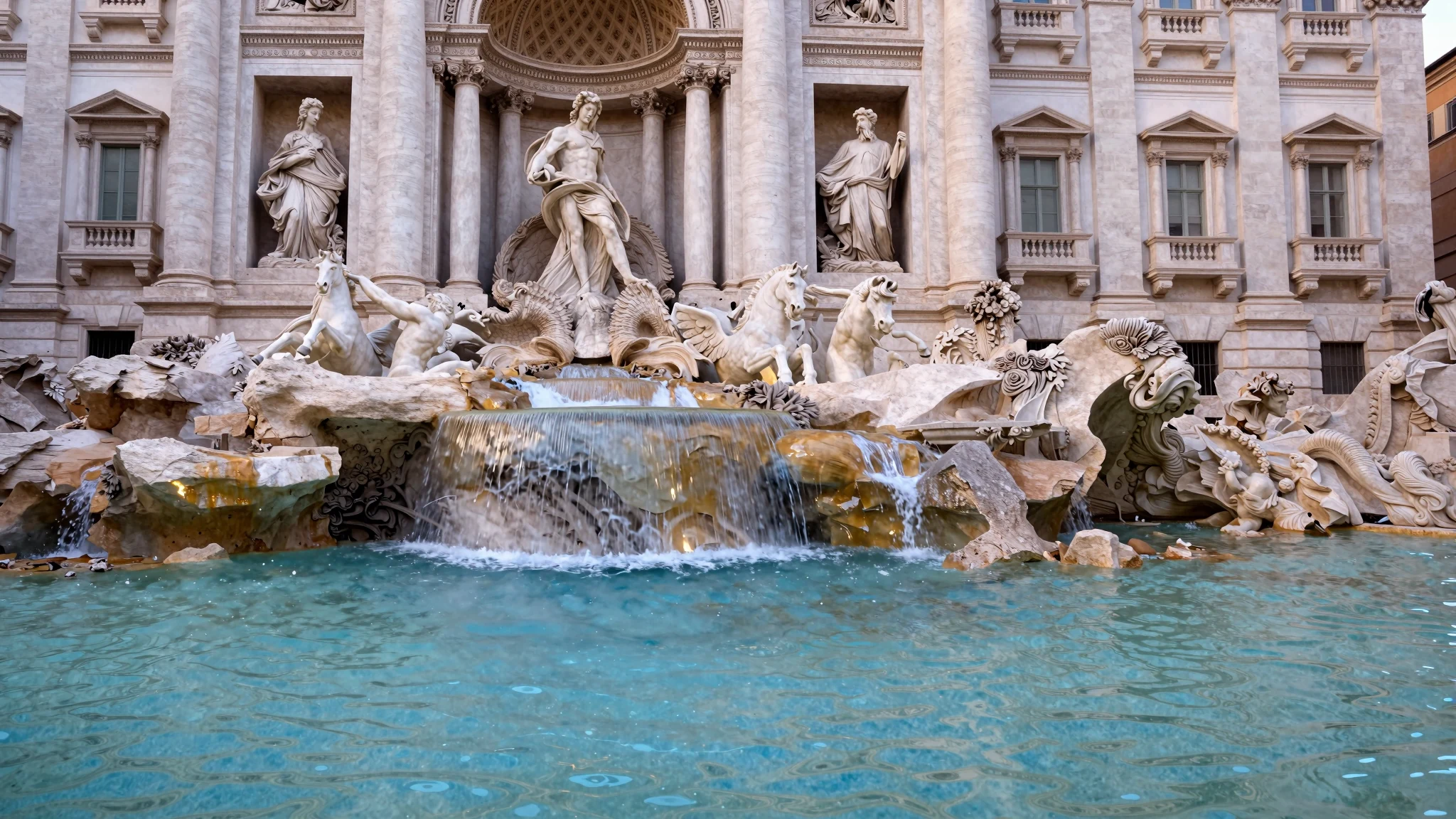
- Castel Sant'Angelo — Lungotevere Castello
Originally built as an imperial mausoleum, this circular fortress was later converted into a papal refuge connected to the Vatican. The adjacent pedestrian bridge across the Tiber features marble angel statues. The upper terrace provides scenic views across the river towards St Peter's dome.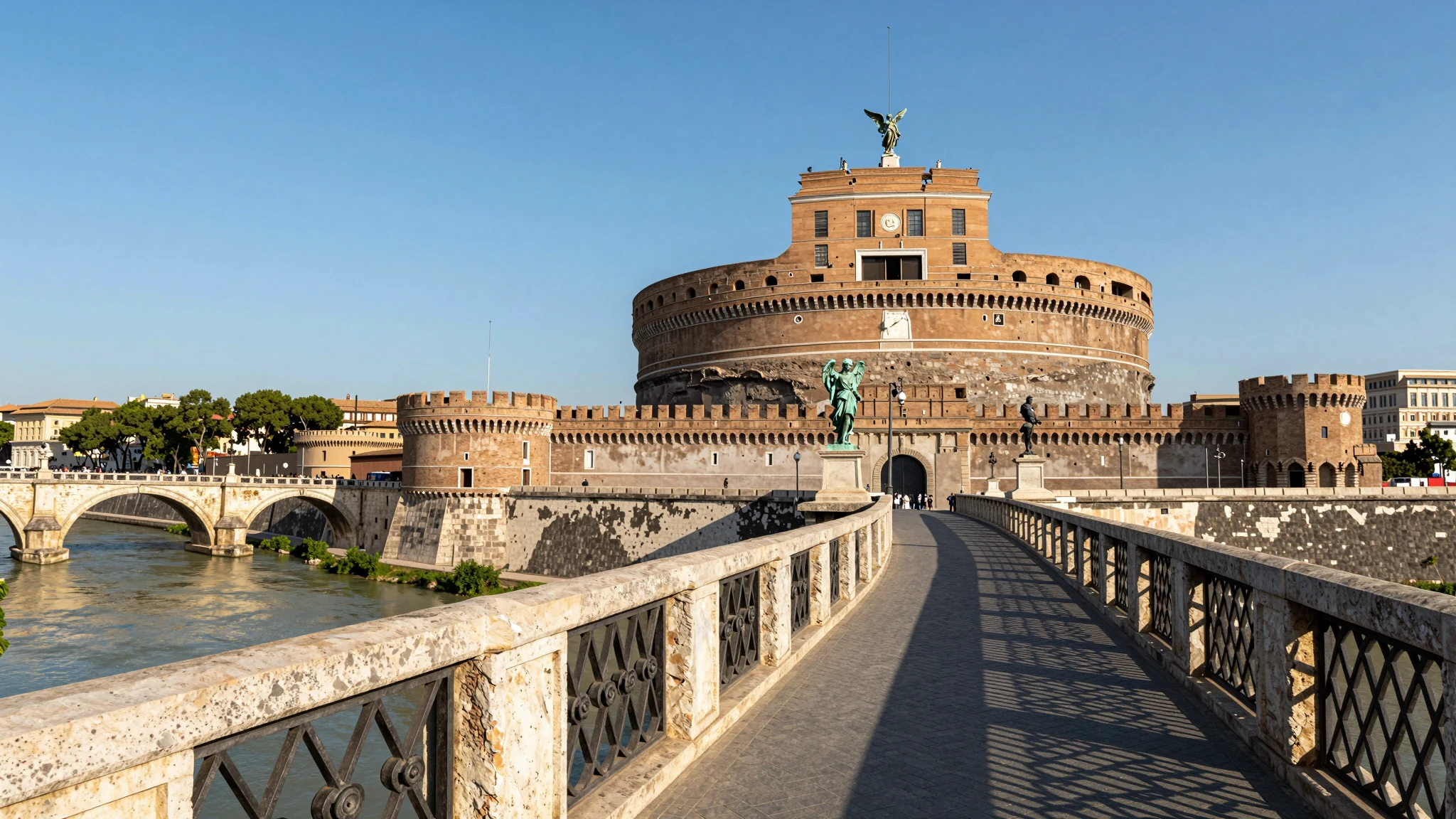
- Baths of Caracalla — Viale delle Terme di Caracalla
The towering red-brick ruins of these ancient public baths showcase imperial Roman engineering and scale. High vaulted walls, mosaic floor patches, and underground heating channels remain visible. During summer months, open-air opera and concerts take place among the illuminated brick arches, offering a memorable evening performance setting.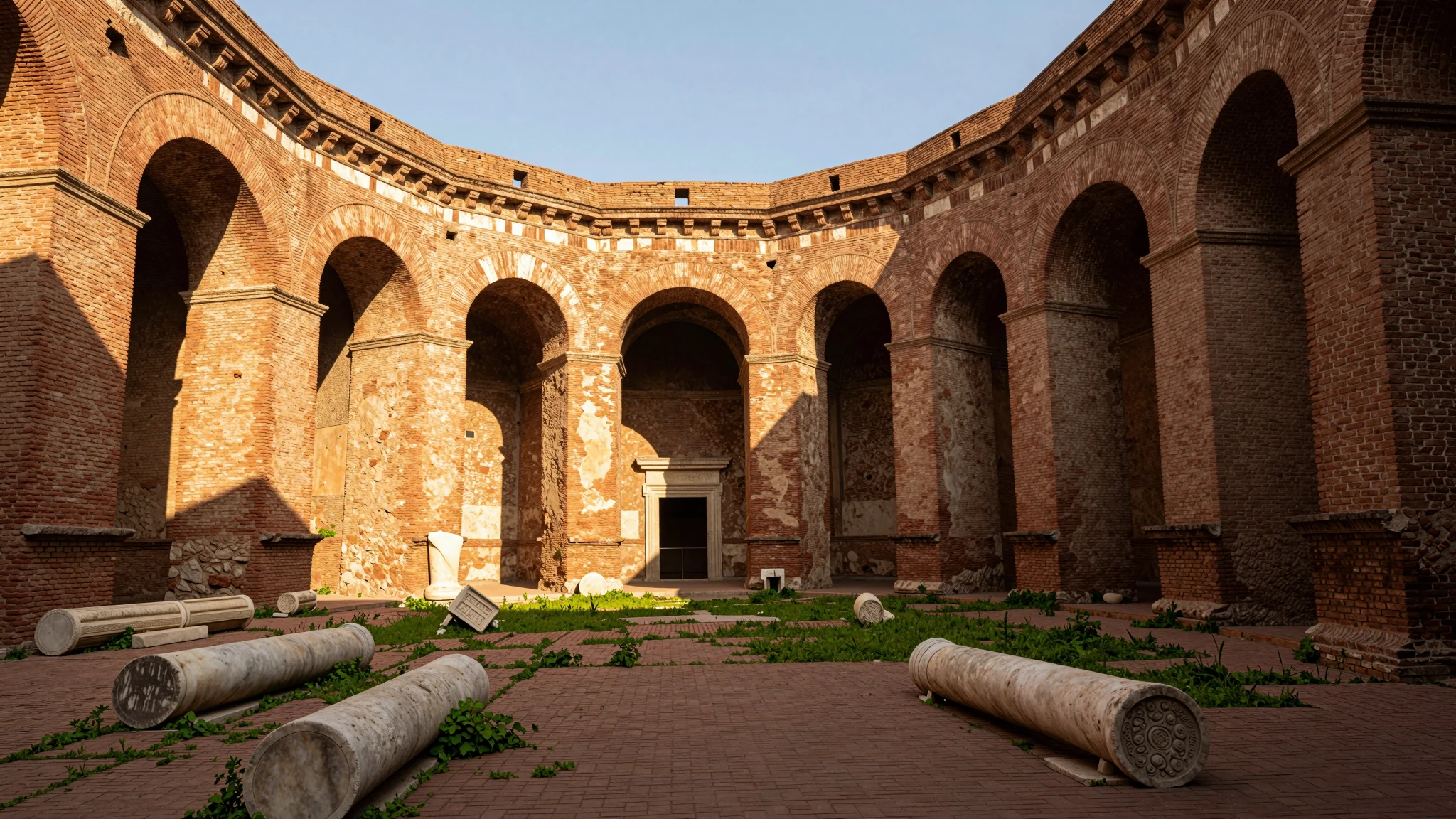
Culture
Rome's identity is defined by its layered architectural heritage and public water traditions. Over centuries, master builders shaped the urban landscape using innovative classical elements such as stone arches, concrete domes, and ribbed vaulting. Later eras introduced Romanesque bell towers, expansive Renaissance palazzos, and dramatic Baroque church facades that frame everyday street life.
Water plays an essential role in Roman culture. Ancient stone aqueducts continue to supply public fountains across the city, providing fresh drinking water from small cast-iron spouts called nasoni. Locals and visitors alike carry refillable bottles to draw clean spring water throughout the day. Piazzas function as neighbourhood living rooms, where residents gather on stone steps during late afternoons to converse while children play.
Religiosity and civic pride remain closely intertwined with daily routine, particularly around parish churches and annual neighbourhood festivals. When entering active churches or religious sites, cover your shoulders and knees, and keep your voice lowered.
What to wear
Traditional attire in the countryside around Rome historically featured linen tunics, embroidered wool vests, heavy folded head coverings called faldetta, and woven aprons dyed in bright primary tones. While these folk garments are now reserved for museum displays and rural festivals, classic Italian textile craft remains evident in Rome's tailored menswear, leather workshops, and high-end silk boutiques.
Today, Romans dress with understated elegance that balances classic style with practical urban living. Tailored linen shirts, structured jackets, leather loafers, and dark sunglasses are common everyday wear for business and dining out. Casual attire tends to be fitted and neat rather than oversized or beachwear-oriented.
Visitors should prepare for long walks across uneven cobbles by choosing comfortable, sturdy walking shoes or cushioned leather sandals. During summer, lightweight natural fabrics like linen and breathable cotton keep heat manageable while maintaining modesty. Carry a lightweight scarf or shawl to cover shoulders quickly when visiting churches or religious sites.
What to eat
- Pasta alla Carbonara — Trattorias in Testaccio
Rich pasta tossed with crisp guanciale, egg yolks, cured pecorino cheese, and freshly cracked black pepper. Found across trattorias in the Testaccio neighbourhood, where traditional offal and classic pasta recipes originate.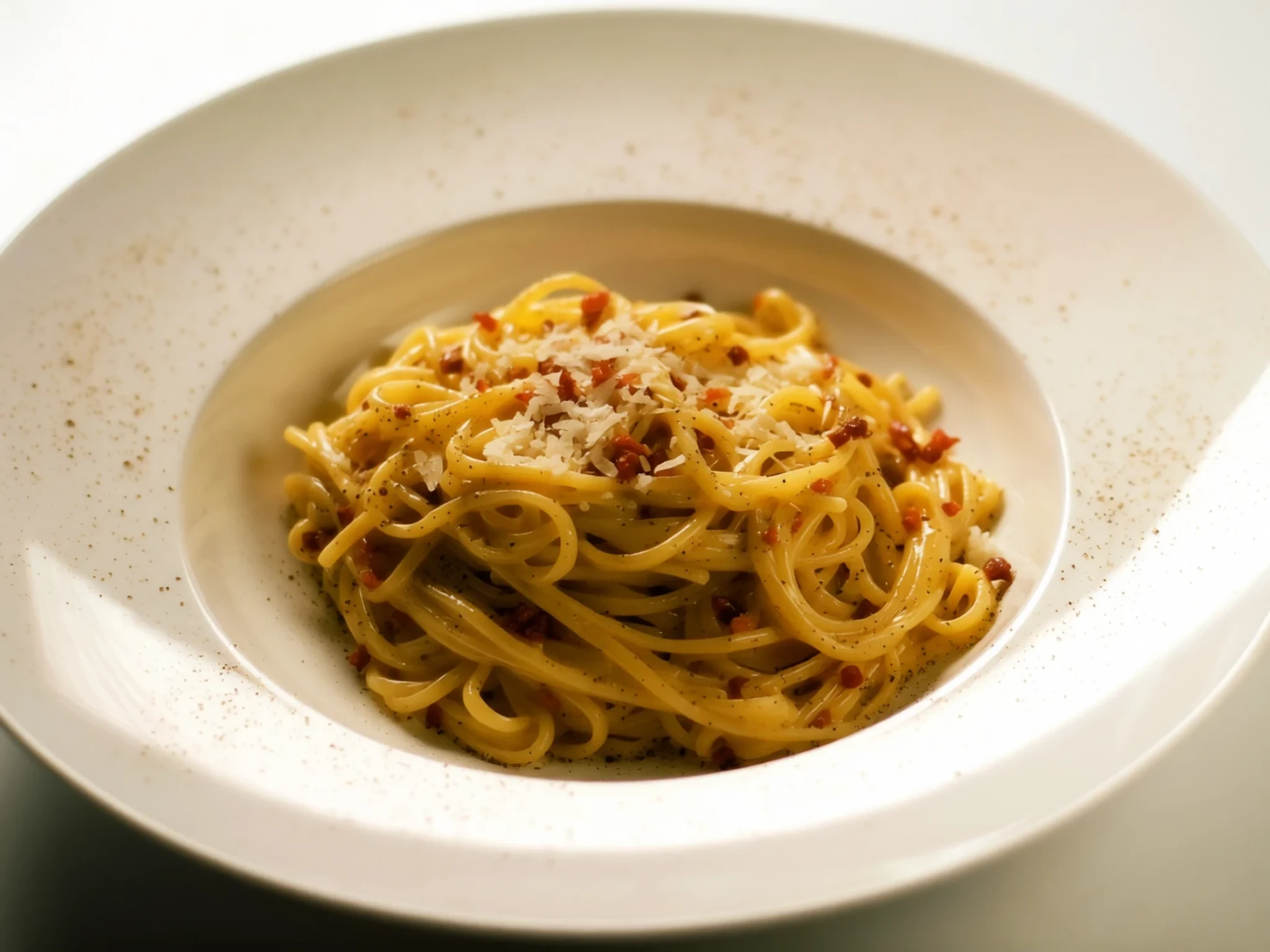
- Cacio e Pepe — Neighbourhood eateries in Trastevere
A simple Roman pasta dish relying on emulsified pecorino romano cheese and freshly ground black pepper stirred with hot pasta cooking water. Order it at neighbourhood eateries around Trastevere or Parione.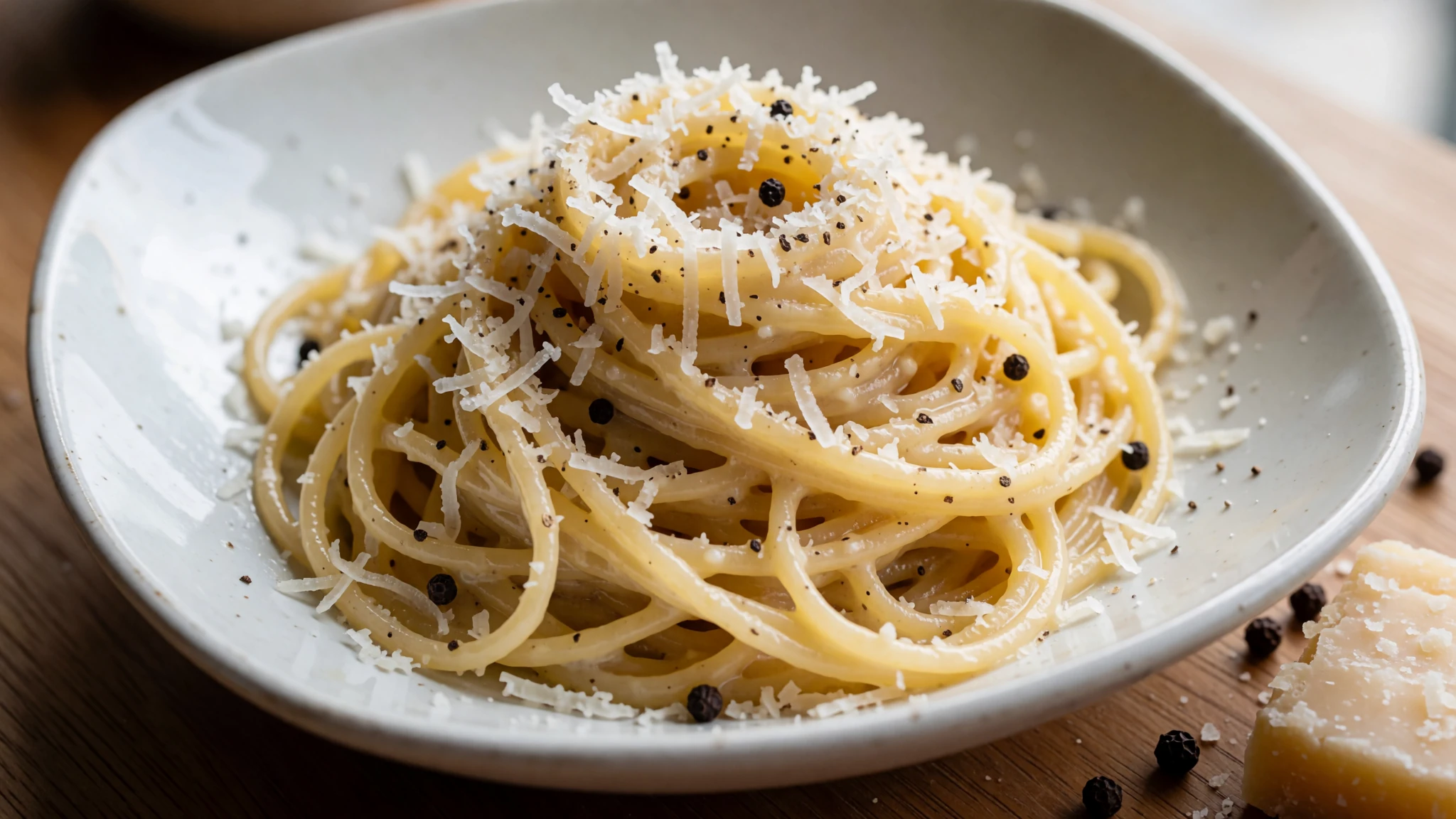
- Suppli — Fried-food shops in Monti
Fried rice balls stuffed with tomato sauce and melted mozzarella cheese, served hot as street food. Best bought at dedicated fried-food counter shops or pizzerias in the Monti district. - Carciofi alla Romana — Traditional restaurants in the Jewish Quarter
Globe artichokes braised gently with mint, garlic, olive oil, and wild herbs until tender. Served seasonally in traditional restaurants throughout the historic Jewish Quarter. - Pizza al Taglio — Bakery counters near Campo de' Fiori
Sheet-pan pizza baked with varied seasonal toppings, sold by weight and cut with scissors. Grab a slice for lunch at bakery counters near Campo de' Fiori.
Plan it
Best time. April for mild, pleasant walking weather; May and October stay warm, while July and August bring intense afternoon heat and humidity.
How long. 3–4
Getting there. Leonardo da Vinci–Fiumicino Airport or Ciampino Airport, then express train or shuttle bus into Roma Termini central station; high-speed rail connects directly to Florence, Naples, and Milan.
Budget. mid
Tips
- Book tickets online in advance for major sites like the Colosseum and Vatican Museums to avoid long queues.
- Carry a refillable water bottle to fill at the city's nasoni drinking fountains.
- Wear comfortable walking shoes with thick soles to handle uneven basalt cobbles.
- Validate bus and tram paper tickets at the yellow machines immediately after boarding.
Etiquette
- Keep shoulders and knees covered when entering churches and religious sites.
- Do not sit or eat on historic fountain steps or public monuments.
- Stand on the right side of escalators in metro stations to let people pass on the left.
Nearby
Sources
- Wikidata Q220 (CC0)
- Wikipedia (rev 1382318051) (CC BY-SA 4.0)
- Wikivoyage (rev 5386405) (CC BY-SA 4.0)
- Photo photos/01-rome-skyline-8012016319.jpg (CC BY-SA 2.0)
- Photo photos/02-rome-skyline-panorama.jpg (CC BY-SA 4.0)
- Photo photos/03-trevi-fountain-rome-italy-2-may-2007.jpg (CC BY 3.0)
- Photo photos/04-colosseo-2020.jpg (CC BY-SA 4.0)
- Photo photos/05-barcaccia-e-scalinata.jpg (CC BY-SA 4.0)
- Photo photos/06-petersdom-von-engelsburg-gesehen-crop.jpg (Public domain)
- Photo photos/07-engelsburg-und-engelsbr-cke-abends-zuschnitt.jpg (CC BY-SA 3.0 de)
- Photo photos/08-pantheon-rom-1-cropped.jpg (CC BY-SA 4.0)


