Amsterdam
Amsterdam, Netherlands
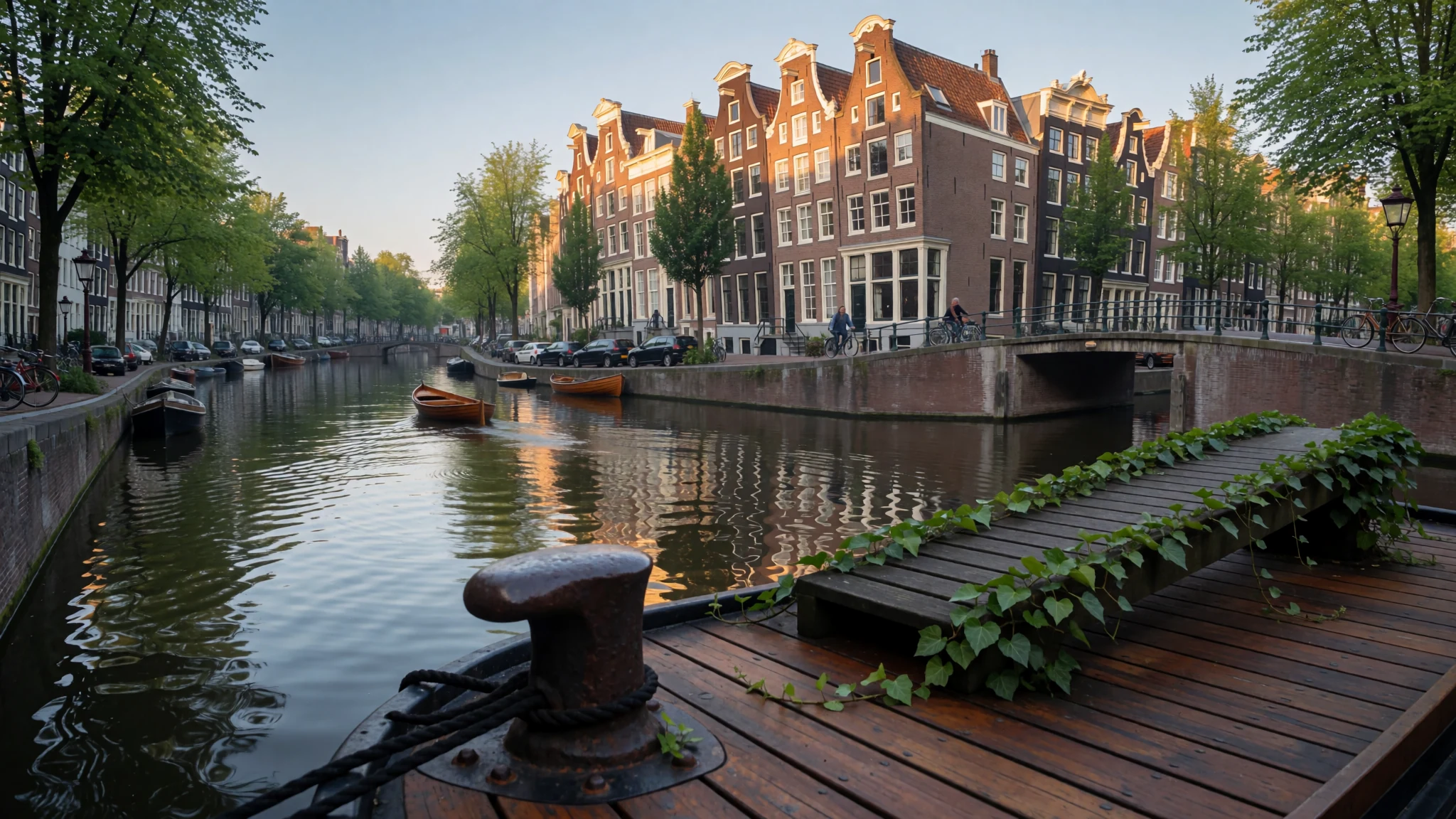
Amsterdam offers a masterclass in urban waterways, mercantile heritage, and cycling culture woven through centuries of reclaimed peatland.
The place
Amsterdam serves as the vibrant capital of the Netherlands, resting low in the North Holland province at a negative elevation. Often called the Venice of the North, the city is defined by its sweeping network of concentric waterways that trace centuries of urban design. Visitors encounter an intricate grid where narrow brick townhouses with stepped gables lean gently over shaded quays, reflecting a quiet maritime grace.
The city evolved from humble medieval beginnings into a bustling global powerhouse during its golden age of trade and art production. Today, this historic core remains remarkably intact, balancing quiet residential courtyards with bustling bicycle lanes where two-wheelers rule supreme. Modern districts push outwards into reclaimed lands, yet the inner canals retain an intimate village atmosphere despite hosting nearly a million residents. Public squares pulse with street performers, outdoor cafés, and market stalls, while world-class galleries honour legendary Dutch masters who once captured this precise quality of northern light.
Seasons shape the character of the streets entirely. Spring brings blossoming street trees and lively outdoor terraces, while autumn coats the brick bridges in amber leaves and draws residents into cosy neighbourhood pubs known as brown cafés. Summer stretches the daylight hours late into the evening, inviting impromptu gatherings along the canal walls. Navigating the city is instinctive on foot or by bicycle, though crossing the bustling tram tracks requires mindful attention. Through every shift in weather, Amsterdam remains relentlessly pedestrian-scale, rewarding slow exploration down alleys that open suddenly onto wide, glittering expanses of water.
Its story
Long before bricks were laid in geometric patterns, Amsterdam was a damp expanse of wet peatland bordering quiet northern streams. Early agricultural settlers established small homesteads along the prehistoric waterways millennia ago, weathering seasonal floods and shifting riverbeds. Artefacts unearthed beneath ancient mud layers reveal that fishing and seasonal farming sustained these resilient communities long before formal urban charters were ever conceived.
The true turning point arrived when local inhabitants built a sturdy dam across the Amstel river to control surging tides and protect their growing settlements. This simple engineering feat birthed the town's namesake and established a foothold for trade vessels navigating inland routes. As drainage techniques improved, the surrounding marshes slowly transformed into a structured grid of canals and merchant quays.
During the seventeenth century, the city experienced an unprecedented economic and cultural explosion. Fortunes amassed through global maritime trade financed the expansion of the iconic concentric canal rings, attracting skilled artisans, merchants, and thinkers from across Europe. Secular art production flourished alongside financial institutions, cementing the city's status as an international hub of wealth and innovation.
Subsequent centuries brought further expansion as new neighbourhoods sprouted beyond the ancient city walls to accommodate a growing population. Industrialisation and modern transit networks reshaped the periphery, yet the historic centre preserved its distinctive maritime architecture. Through wars, economic shifts, and urban renewal projects, Amsterdam maintained a enduring reputation for openness and independent thought, ensuring its past remains visibly alive in every weathered brick and arched bridge.
What to see
- Amsterdam Boats B.V. — Canal belt
Hire a variety of vessels, including bespoke wooden craft built by local artisans trained in traditional boatbuilding methods, offering an intimate perspective of the historic waterways.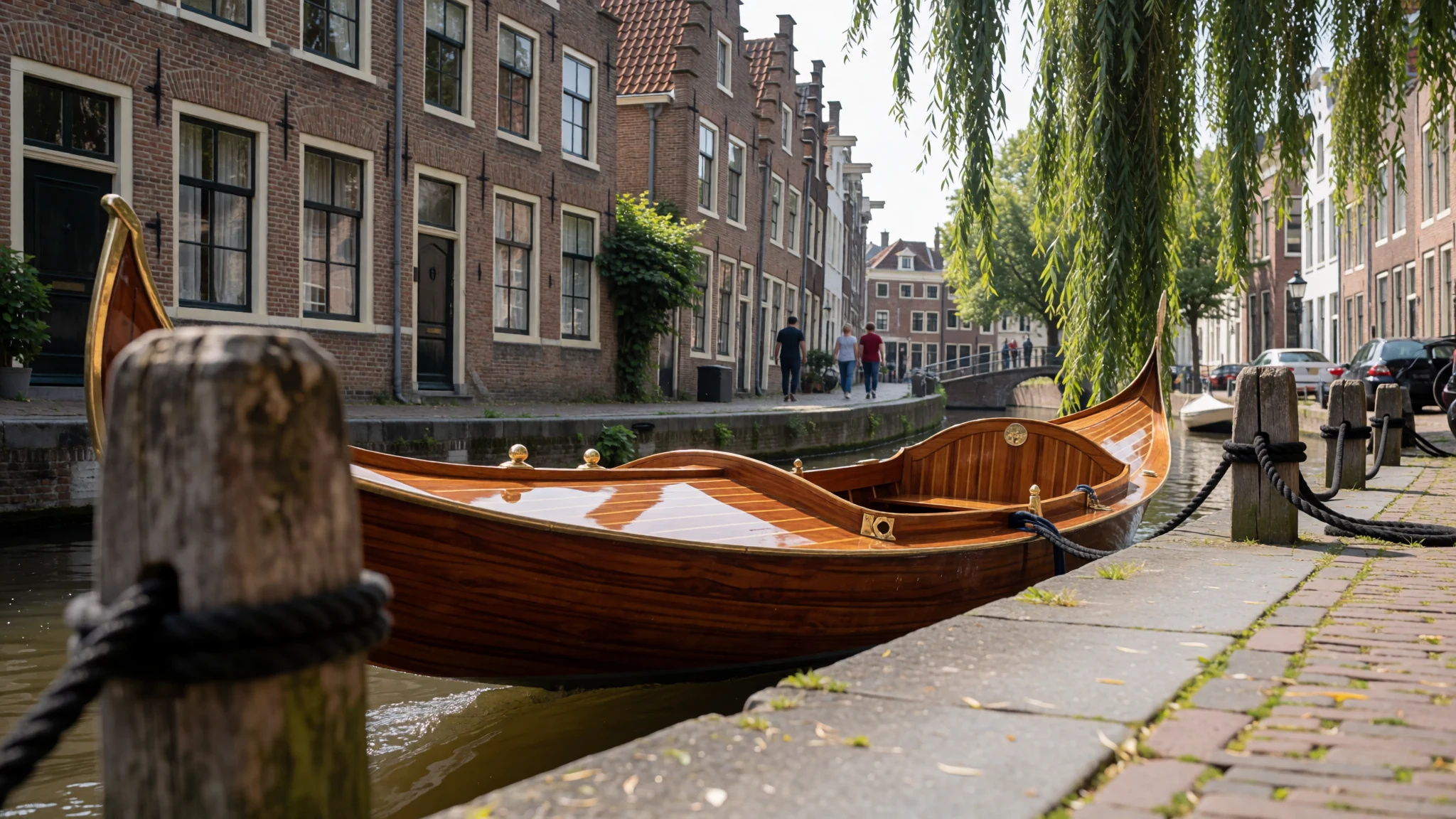
- Amsterdam Jewel Cruises — Central canals
Embark on an evening dining excursion featuring candlelit private tables and classic vessel charm, combining warm hospitality with illuminated views of the historic canal ring after dark.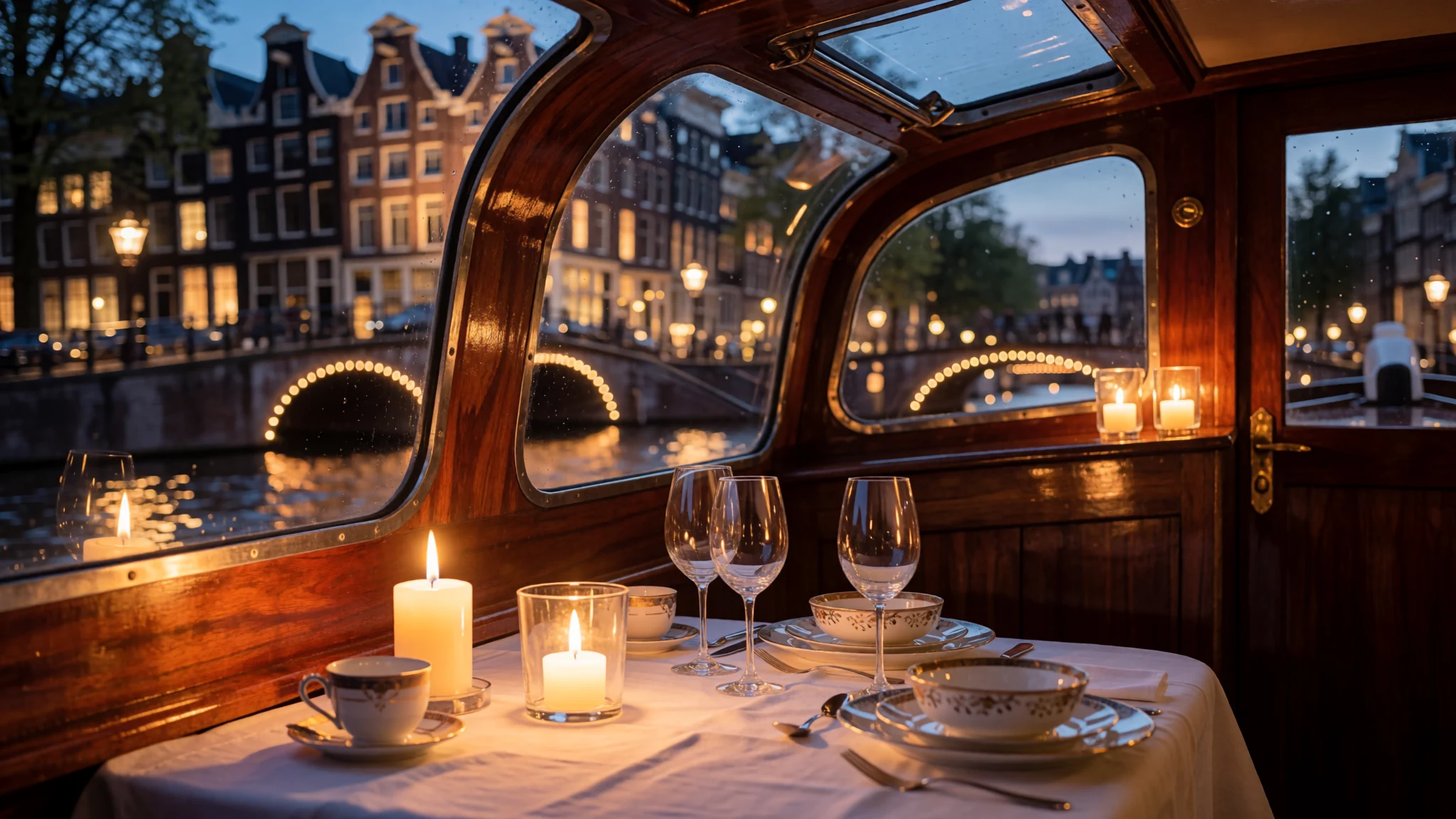
- Concertgebouw — Museumplein
Admire the magnificent neoclassical architecture of this world-renowned acoustic hall facing the Museumplein, which has hosted legendary orchestral performances and classical music traditions since the nineteenth century.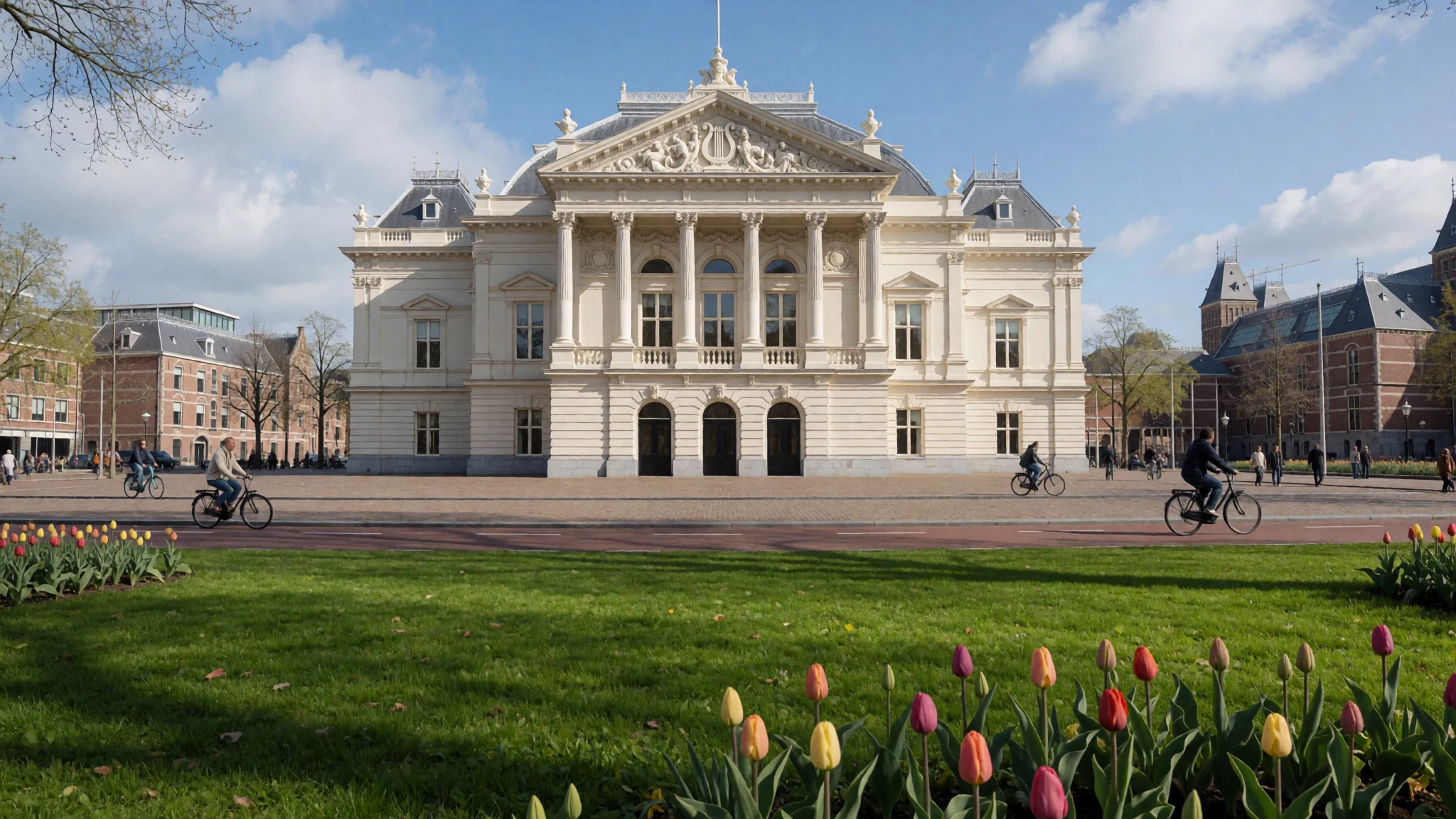
- Rijksmuseum — Museumplein
Explore the grand south facade and palatial exhibition rooms housing centuries of Dutch artistic heritage, masterworks from the golden age, and vast historical collections.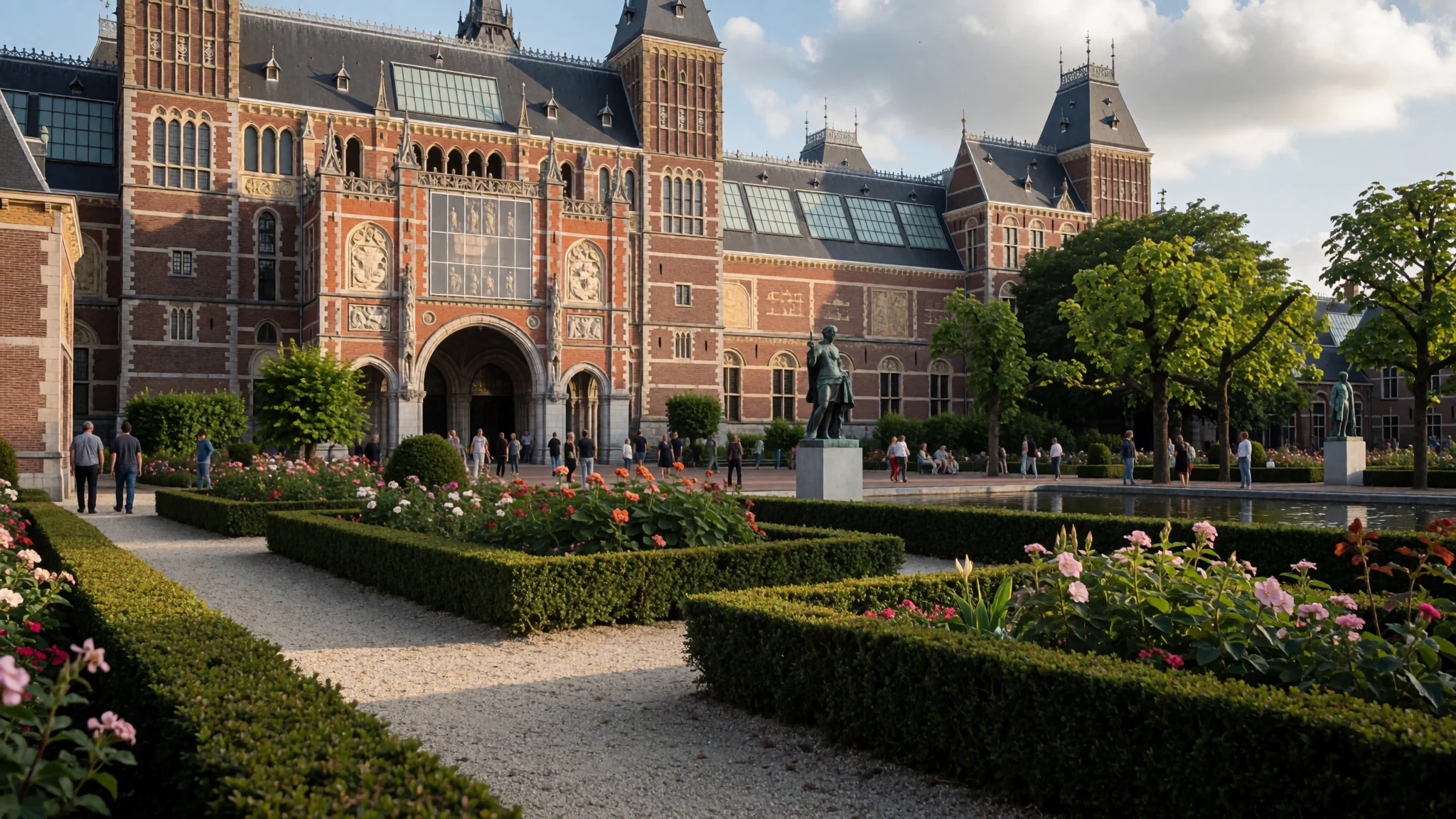
Culture
Cultural life in Amsterdam has long thrived on a rich blend of civic tradition, theatrical arts, and independent expression. From the early chambers of rhetoric staging poetry contests in the sixteenth century to historic performance venues like the Schouwburg hosting pioneering ballets and operas, the city has always nurtured creative exchange. Public spaces and neighbourhood squares regularly host musical performances, street theatre, and community gatherings that reflect a long tradition of openness and social tolerance.
Locals value direct communication, personal autonomy, and a relaxed approach to daily interactions. Cycling is deeply embedded in the social fabric, serving as the primary mode of transport for residents of all ages regardless of weather. Cafés function as informal neighbourhood living rooms where people gather for hours to converse, read, or watch the passing street life.
When walking along busy cycling paths, always stay on designated pedestrian pavements and look both ways before stepping across tram lines.
What to wear
Traditional Dutch attire, while rarely seen outside of heritage museums or specific national festivals, historically featured layered woollen garments, pleated skirts, embroidered caps, and iconic wooden clogs designed to keep feet dry in damp lowland soils. Textile traditions relied heavily on durable linens, sturdy cottons, and dark wools suited to northern maritime climates.
Today, everyday style in Amsterdam is resolutely practical, minimalist, and weather-conscious. Locals prioritise comfort and utility, favouring well-tailored coats, durable denim, sturdy leather boots, and functional layers that transition easily from office meetings to bicycle commutes. Cyclists frequently wear practical outerwear that shields against sudden rain showers without restricting movement.
Visitors should pack versatile layers, a windproof and waterproof jacket, and comfortable flat shoes suitable for navigating uneven cobblestones and metal tram tracks. There is little need for formal evening wear at most dining spots, though a smart-casual approach is appreciated in higher-end restaurants and cultural venues.
What to eat
- Indonesian Rijsttafel — Any traditional Indonesian restaurant across the canal districts
A diverse feast of dozens of small, flavourful dishes reflecting the historical culinary ties between the Netherlands and Indonesia, featuring spiced meats, vegetables, and peanut sauces.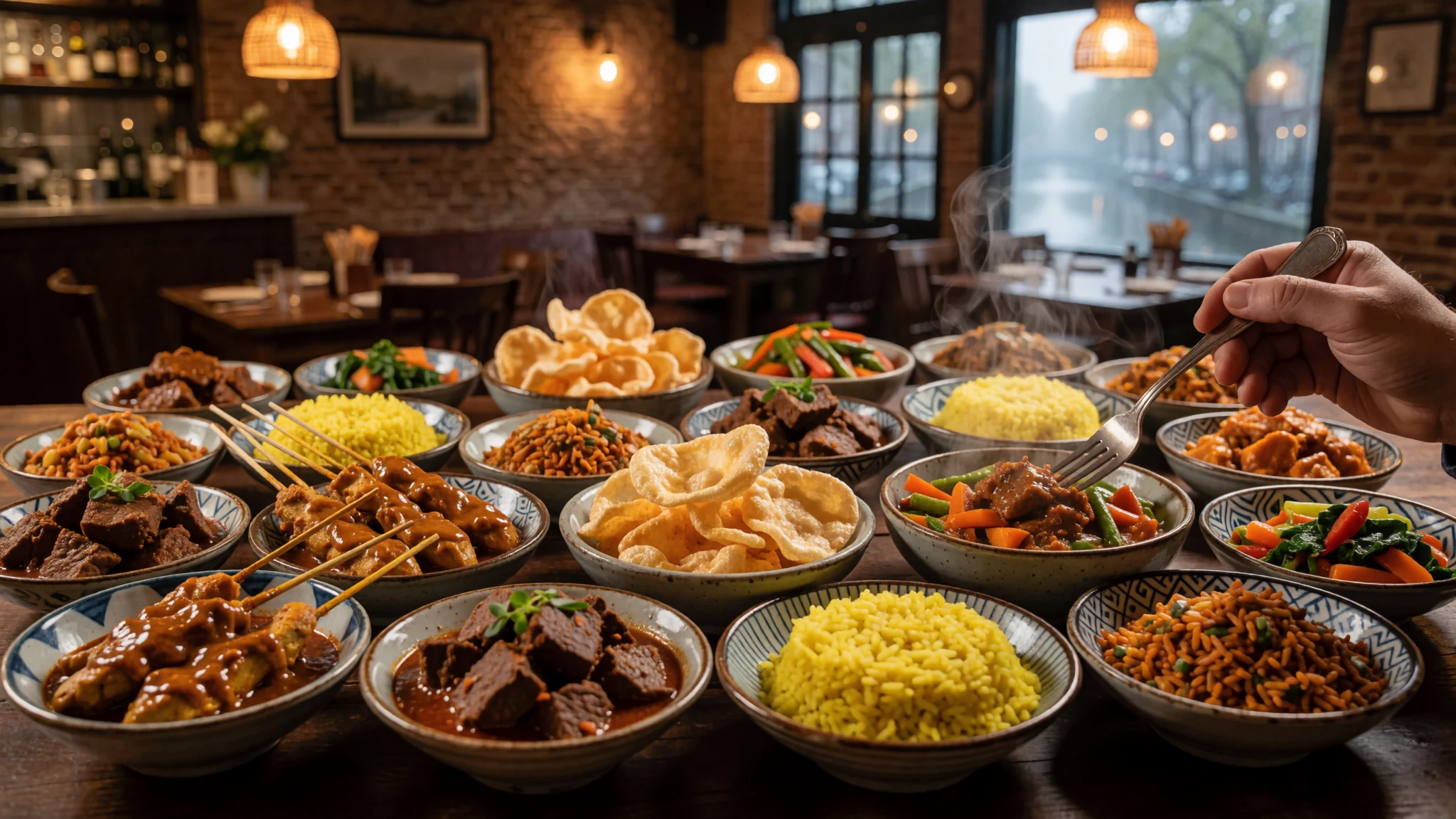
- Surinamese Roti and Dawet — Surinamese lunch shops and neighbourhood takeaway counters
Savory curried chicken or vegetables wrapped in large, tender flatbreads, showcasing the rich multicultural culinary fusion found in neighbourhood eateries throughout the city.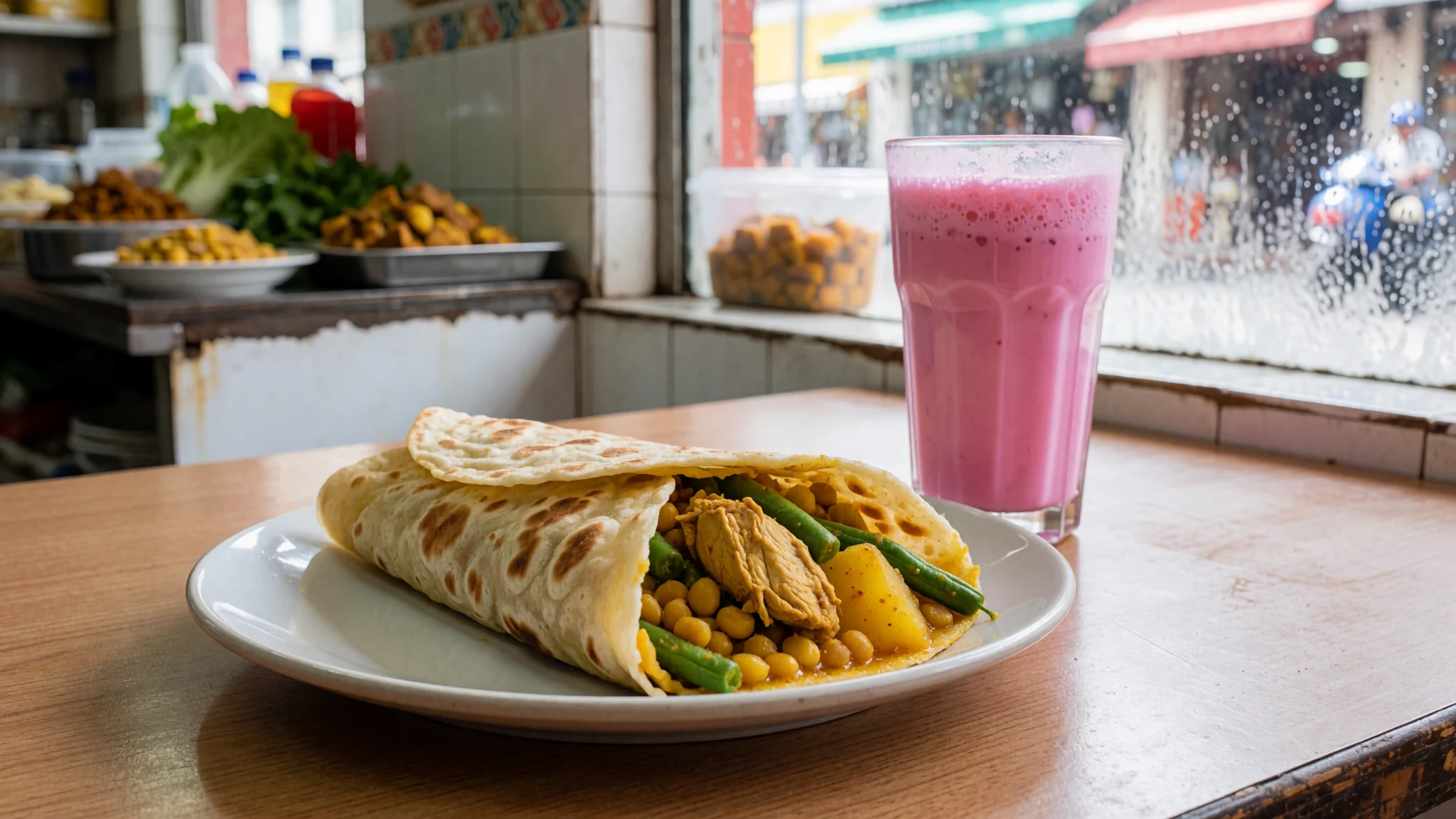
- Stroopwafel — Street markets and artisan bakeries across the city
Thin baked waffle layers joined together by a sweet, sticky caramel syrup filling, best enjoyed warm from an open-air market stall while exploring the quays.
- Dutch Herring (Hollandse Nieuwe) — Traditional herring carts stationed along neighbourhood squares
Fresh raw herring served with diced raw onions and pickles, traditionally eaten by holding it up by the tail in local fish stalls and street markets.
Plan it
Best time. May to September brings mild temperatures, long daylight hours, and lively outdoor terrace culture, though spring offers blooming parklands.
How long. 3–4
Getting there. Fly into Schiphol Airport and take the direct rail link to Amsterdam Centraal station (about 15 minutes). Budget airlines also serve regional airports like Eindhoven or Rotterdam, connecting via regional bus and intercity rail.
Budget. mid
Tips
- Rent a bicycle to navigate the city like a local, but familiarise yourself with local cycling rules first
- Book tickets for major galleries and heritage sites well in advance online
- Keep contactless payment cards ready, as many establishments are cashless
- Watch out for fast-moving bicycles and trams when stepping off pavements
Etiquette
- Never walk or linger in designated red bicycle lanes
- Greet shopkeepers and service staff politely when entering local stores
Nearby
Sources
- Wikidata Q727 (CC0)
- Wikipedia (rev 1382410397) (CC BY-SA 4.0)
- Wikivoyage (rev 5393566) (CC BY-SA 4.0)