Corvin Castle
Corvin Castle, Romania
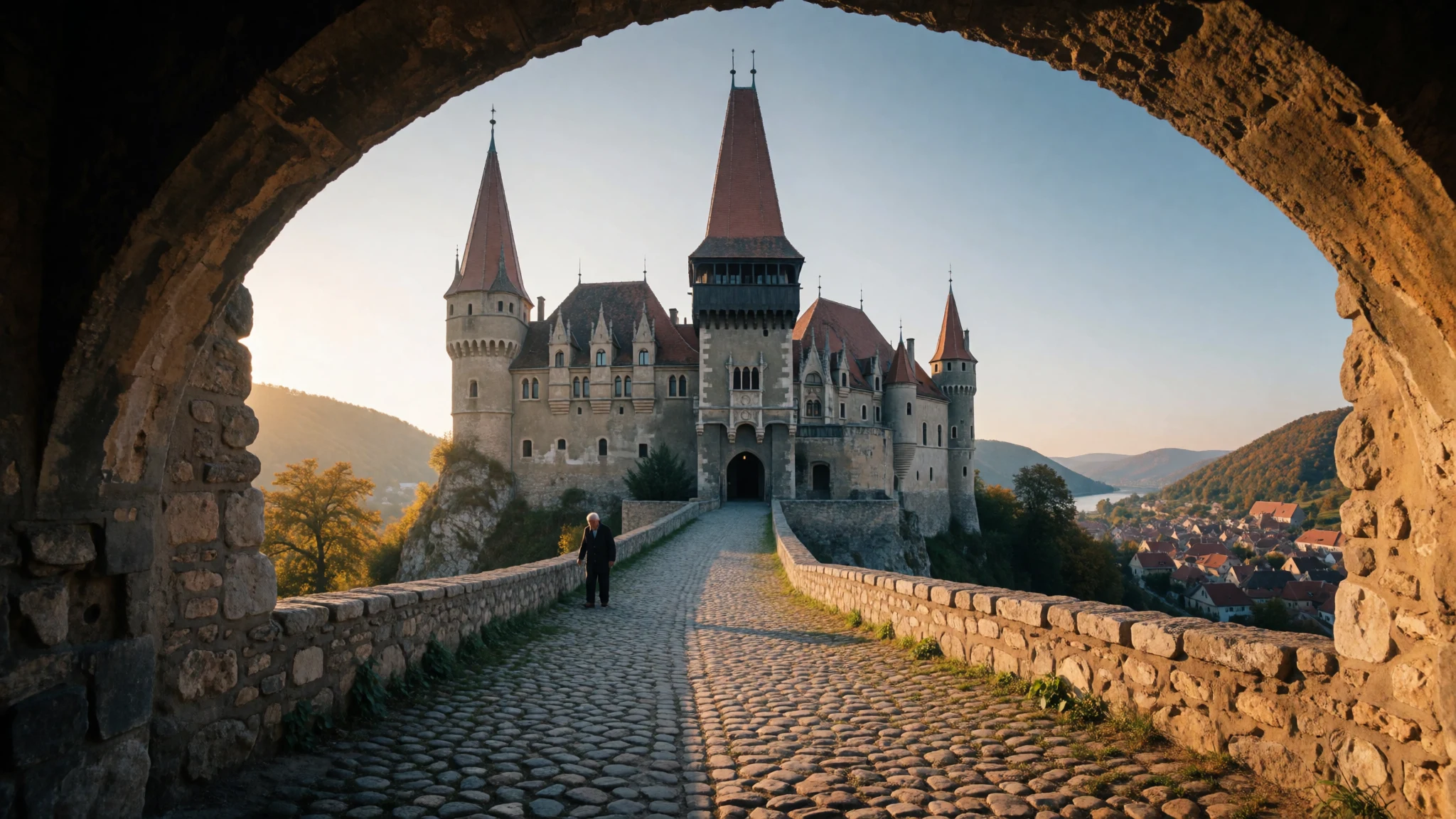
Corvin Castle in Hunedoara is a turreted Gothic-Renaissance fortress, set in a Transylvanian steel town and close to the Dacian and Roman ruins.
The place
Corvin Castle stands in the town of Hunedoara, in south-western Transylvania, Romania. It carries several names: Hunyadi Castle, Hunedoara Castle, Castelul Corvinilor in Romanian and Vajdahunyadi vár in Hungarian. The style is Gothic with Renaissance touches, and the silhouette is all steep roofs, pointed turrets and heavy walls set on a rocky spur above the town.
The surroundings are not the soft hay-meadow Transylvania of postcards. Hunedoara county is mountain country, split from east to west by the valley of the Mureș. The Apuseni range lies to the north, and the Southern Carpathians rise to the south in the Parâng, Retezat and Godeanu groups. Metals and coal have been dug here since ancient times, so the region has a long industrial memory.
The town itself is a working place with a hard recent past. Under communism it held a huge steelworks, the biggest in Romania until Galați overtook it. When the market for that steel vanished from the 1990s onwards, jobs and prosperity went with it. New investment is helping the town recover, but a visitor should expect plain apartment blocks and an active steel complex around the castle, not a preserved old quarter.
That contrast is part of the appeal. The castle rises over ordinary streets, and many visitors give it half a day before moving on. Those with more time use Hunedoara as a base for the Dacian hill forts of the Orăștie Mountains and the Roman ruins near Hațeg. About 276,000 people came in 2021, so summer weekends and school holidays can be busy. Opening arrangements and tickets are on the official site, https://castelulcorvinilor.ro/.
Its story
Corvin Castle began as a royal gift and grew into a statement of power. In 1409 King Sigismund of Hungary and Croatia gave the Hunedoara estate to Woyk (Vajk, Voicu), father of John Hunyadi, as a settlement of what he was owed. Wikidata gives 1440 as the castle's founding year, while the history text dates Hunyadi's big rebuilding to 1446. In that year he was voivode of Transylvania and was also chosen regent-governor by the Diet. He set out to turn an older keep, raised under Charles I of Hungary, into a seat fit for his rank.
Hunyadi died in 1456 and work slowed. From 1458 new commissions added the Matia Wing, but building stopped altogether in 1480. By then the castle was already a landmark across Eastern Europe.
The sixteenth century added little. In the seventeenth, the owners turned to comfort and defence. A two-storey palace faced the town, with living rooms and a large common space. The White Tower and the Artillery Tower strengthened the walls, and an outer yard took on storage and administration.
Then came a serious fire and decades of neglect. What stands today is largely the product of a restoration that was more imaginative than strict. Some critics say the restorers projected their own idea of a Gothic castle onto the place. That is worth remembering when admiring the tidy turrets: the castle is real, but some of the polish is modern.
What to see
- The approach and outer yard — Corvin Castle, Hunedoara
Corvin Castle announces itself from a distance, and the walk in is the best way to take in the roofline of towers, steep slates and thick walls. The outer yard was a seventeenth-century addition for administration and storage, so it feels more practical than ceremonial. Allow time for photographs before going inside.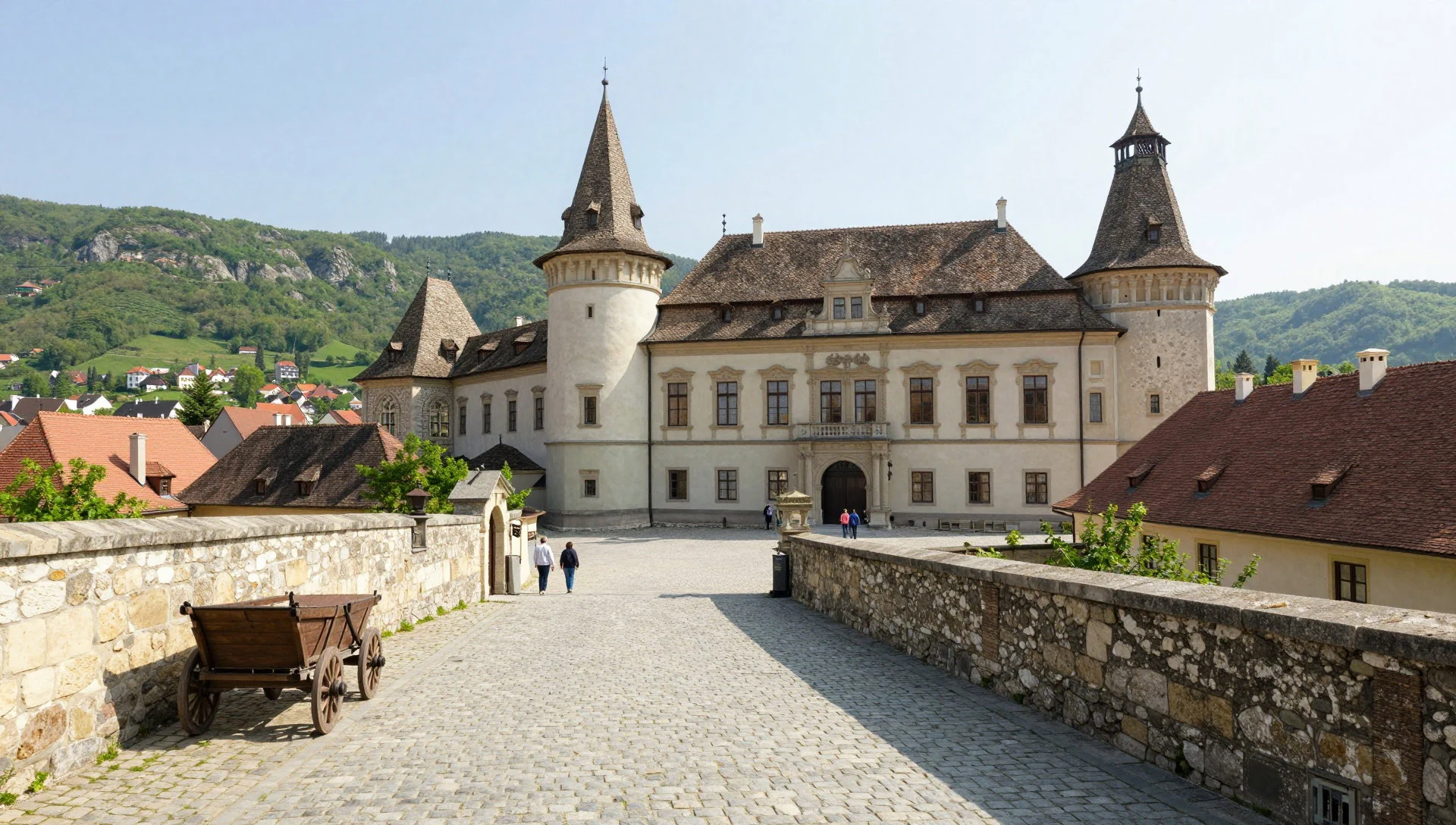
- Knight's Hall and Diet Hall — Inside Corvin Castle
The two big rectangular halls are the interior highlights, both decorated with marble. The Knight's Hall was used for feasts, while the Diet Hall hosted ceremonies and formal receptions. Standing in them makes it easier to picture the court life Hunyadi wanted. The circular stairway nearby is worth a pause too.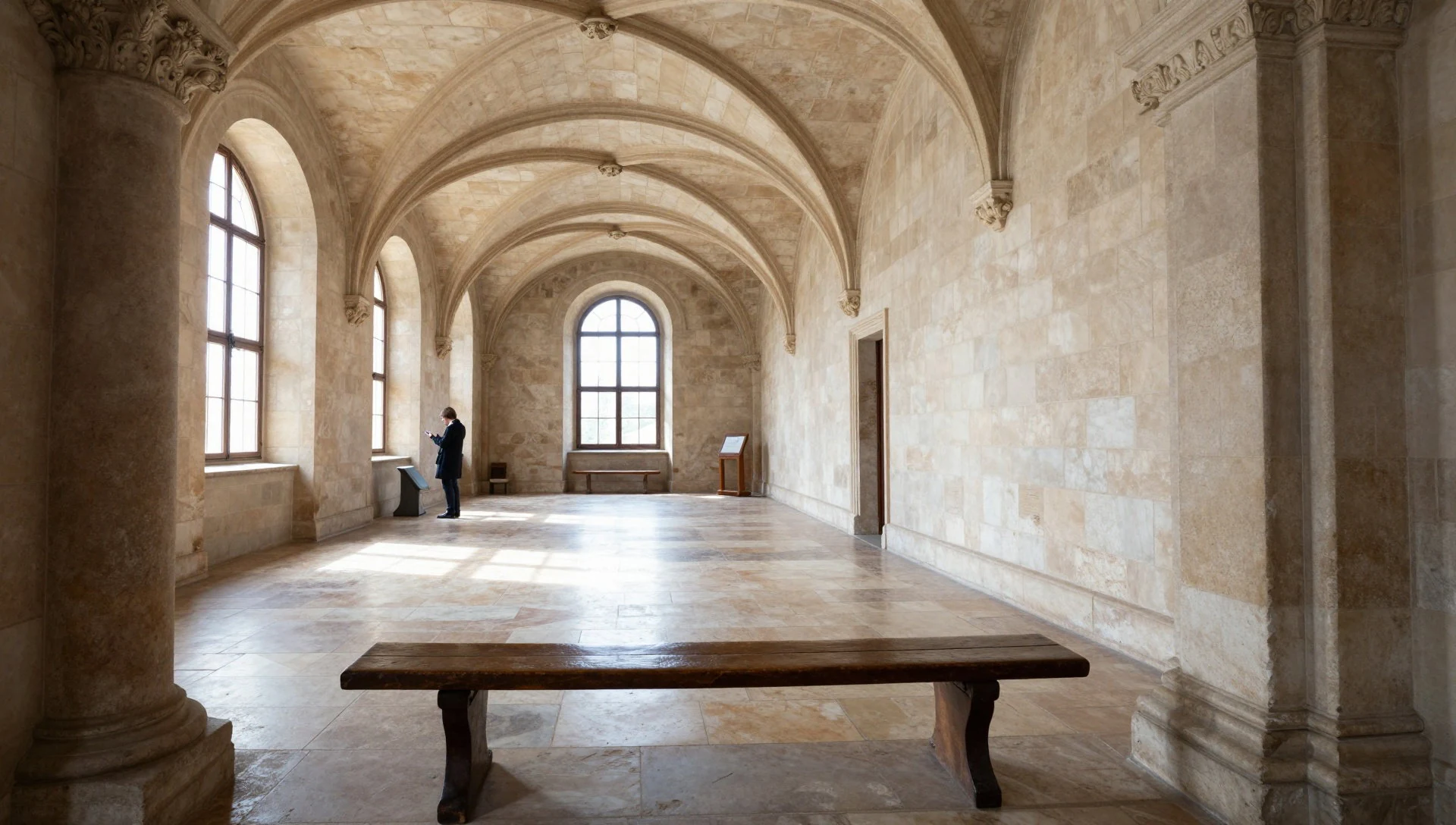
- White Tower and Artillery Tower — Corvin Castle, Hunedoara
These two towers were added in the seventeenth century for defence, alongside the new palace facing the town. They show the castle shifting from a lordly residence towards something that could also be held under attack. Looking up at them from the yard gives a good sense of the walls' height and bulk.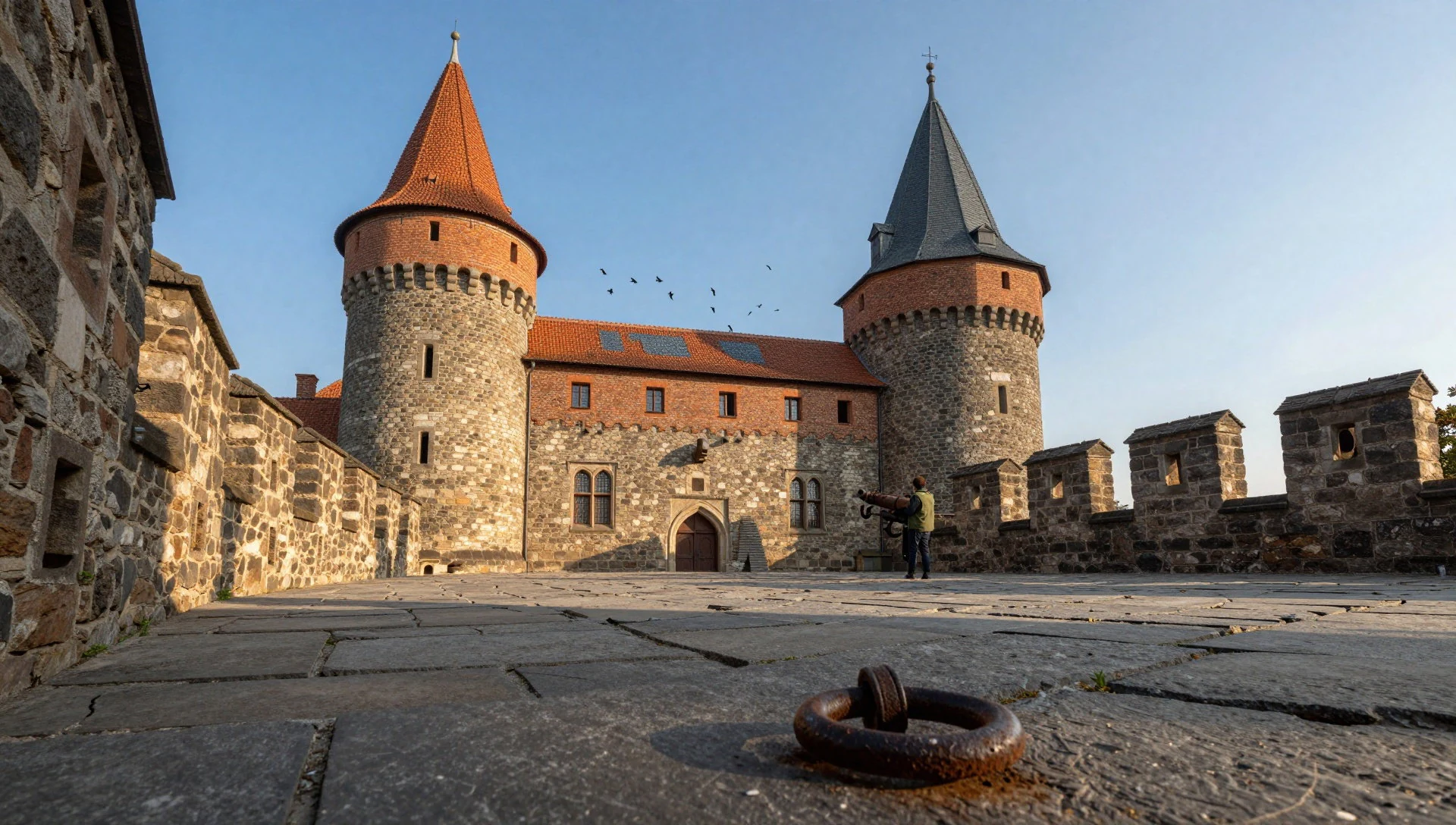
- Sarmizegetusa Regia — Orăștie Mountains
This hilltop fortress was the capital of a Dacian kingdom from about 50 BC until the Romans dismantled its walls and deported its people in 106 CE. Only ruins remain, so the draw is the mountain setting and the sense of a lost capital. Arrange transport beforehand, as it lies well outside Hunedoara.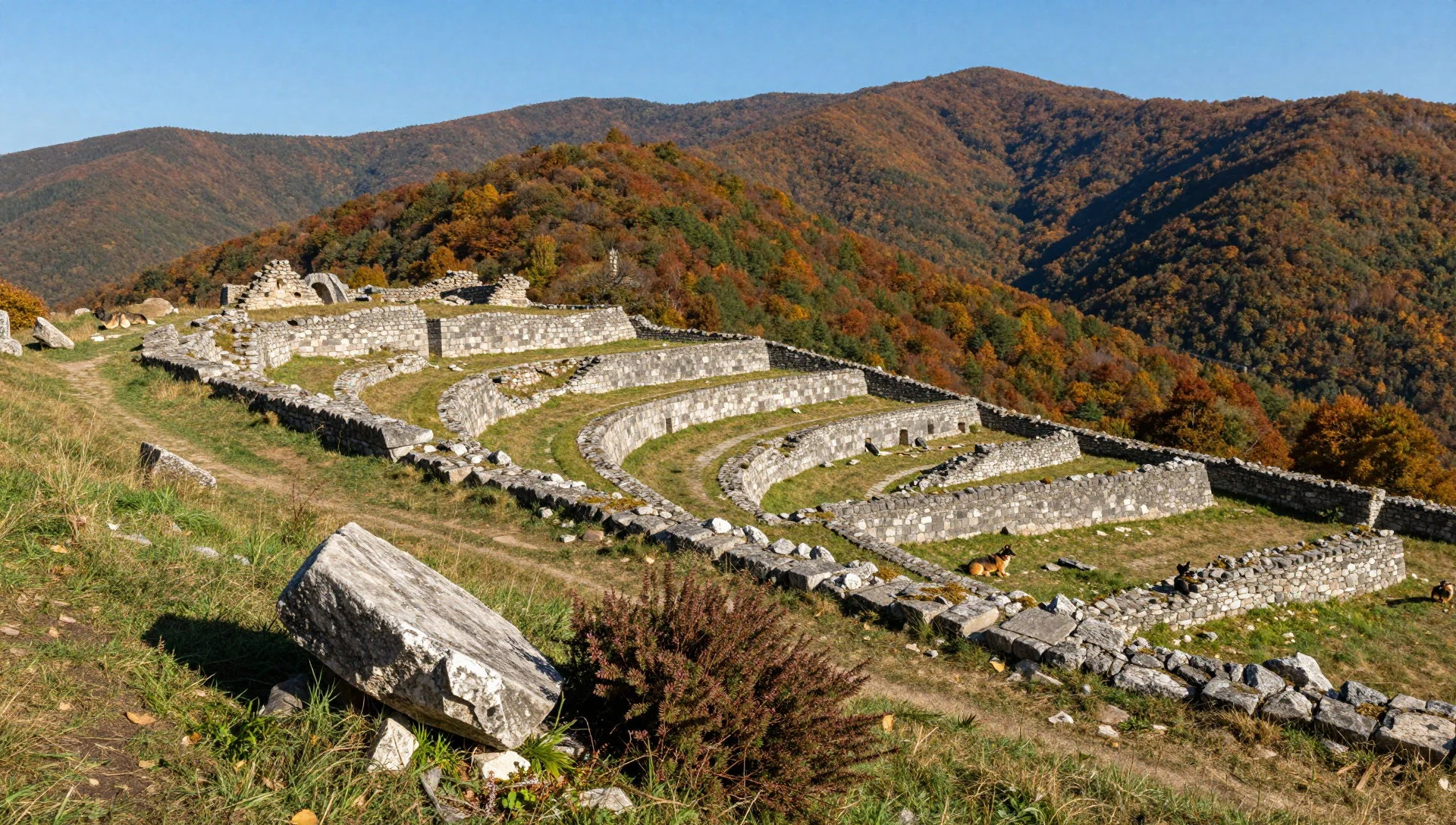
- Ulpia Traiana Sarmizegetusa — Hațeg region, at the foot of the Retezat Mountains
The Roman colony of Ulpia Traiana Augusta Dacica Sarmizegetusa served as capital of Roman Dacia and lay at the foot of the Retezat Mountains, in the Hațeg region. Today it is an open archaeological site, best visited as a contrast with the Dacian hill forts, which it replaced as the centre of power.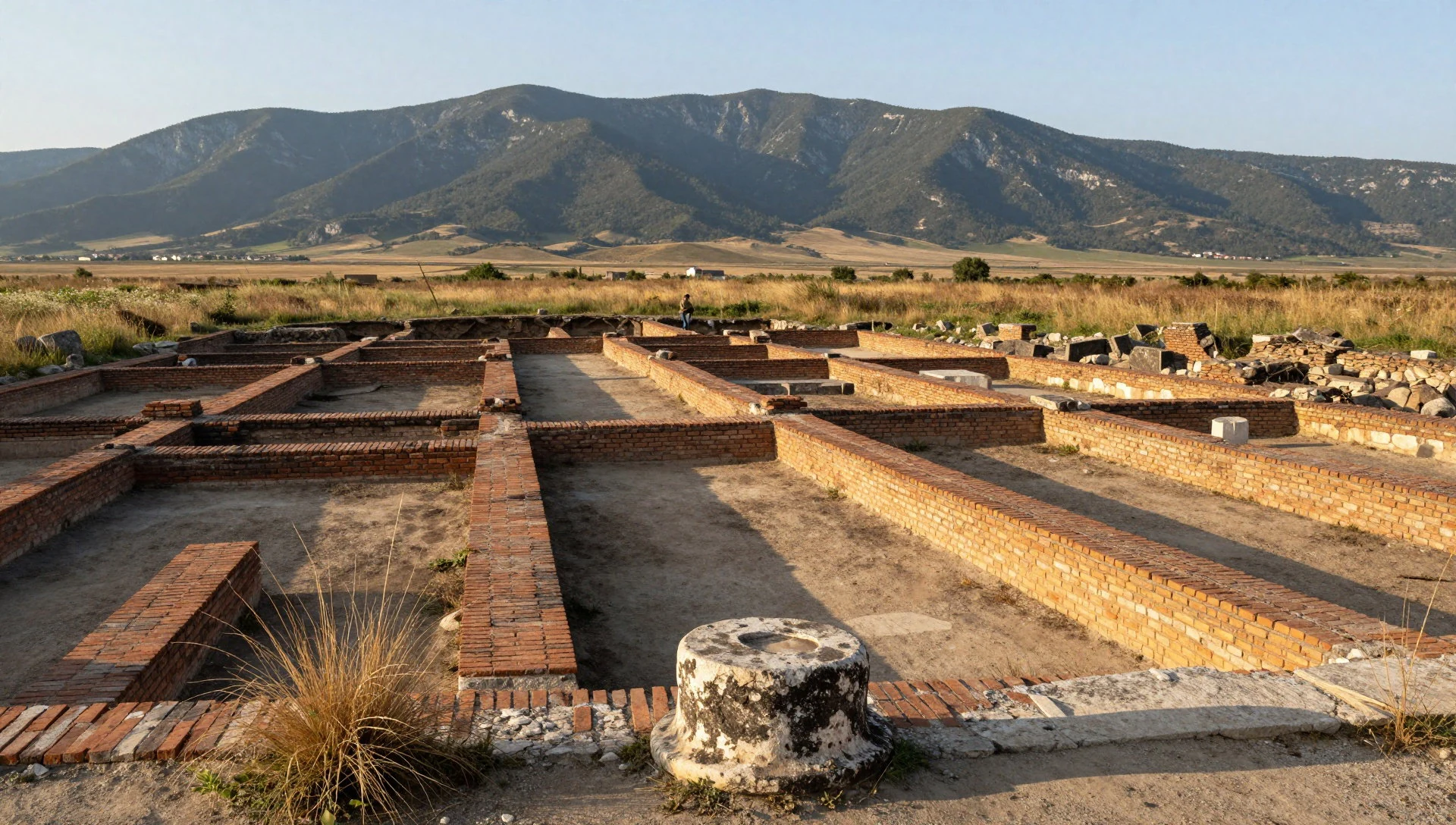
- Costești-Blidaru Dacian fortress — Orăștie Mountains
Costești-Blidaru is one of the Dacian fortresses scattered across the Orăștie Mountains, and it sits close to the Cetățuie fortress at Costești. Both reward a day with a hire car or a guide. Expect steep paths, stone remains and wooded views, not reconstructed buildings. Wear proper footwear.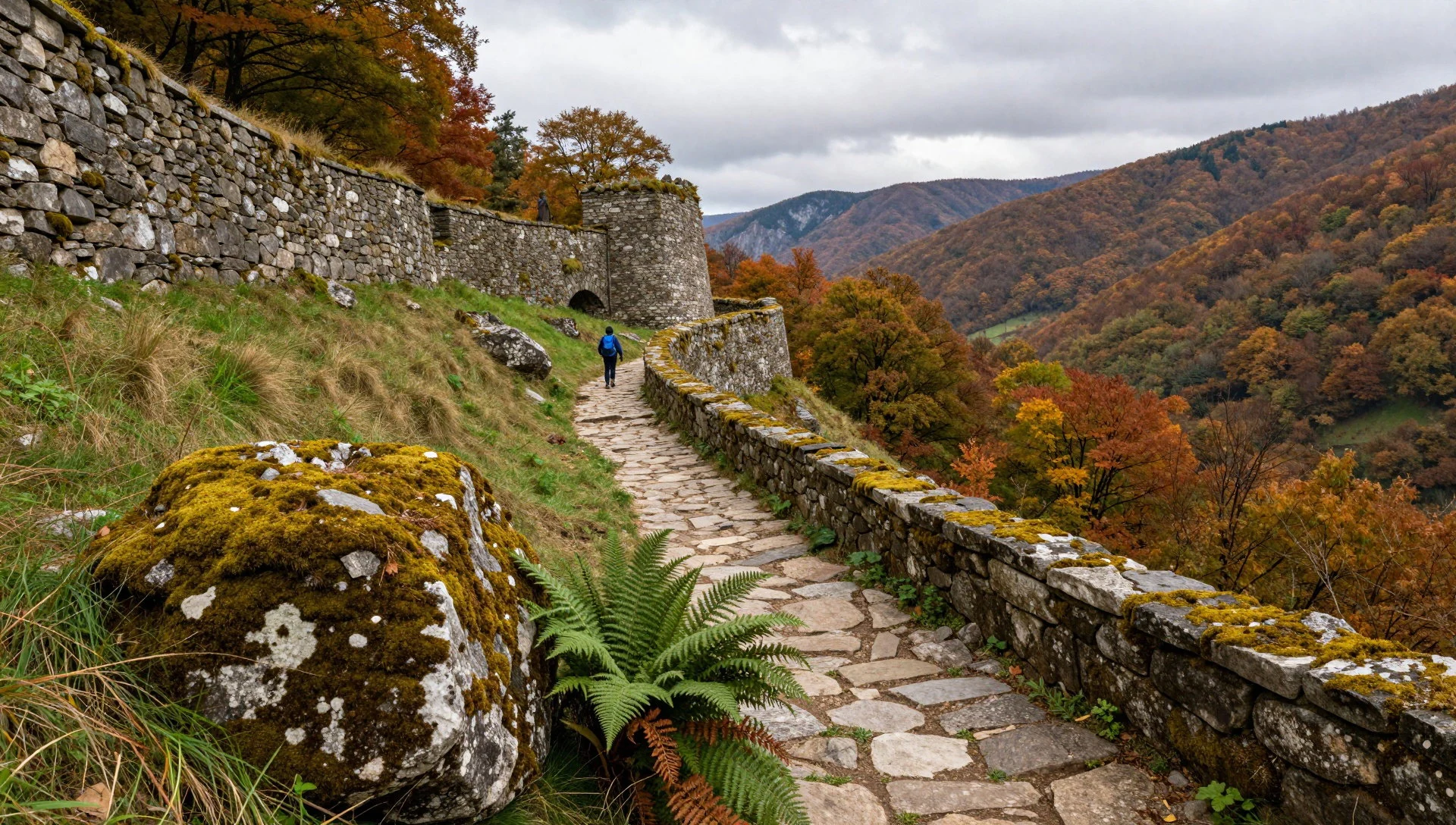
Culture
Corvin Castle belongs to two national stories at once. John Hunyadi is Ioan or Iancu de Hunedoara to Romanians and Hunyadi János to Hungarians, and both countries honour him as a leader of the fifteenth century. The castle's alternative names reflect that. Locals usually say Castelul Corvinilor or Castelul Huniazilor, while the Hungarian name appears on older maps and in Hungarian guidebooks.
The deeper past carries weight in the region too. Many Romanians treat the Dacians, and the Roman province that followed them, as roots of national identity, and the hill forts of the Orăștie Mountains are spoken of with real pride.
Hunedoara's industrial heritage is also part of local identity. Families who worked in the steelworks or the mines are proud of that labour, even as the industry has shrunk. Conversations about the communist years can be personal, so it is kinder to let locals raise them first.
Hospitality in Romania centres on the table. Guests are often offered food, strong coffee and a small glass of țuică or pălincă, a plum spirit, and a polite refusal is accepted without offence. Churches in the region are mostly Orthodox and still in daily use, so quiet and modest dress are expected there. Keep to the marked visitor route inside the castle and ask staff before using a tripod or flash, because the castle sets its own photography rules.
What to wear
Corvin Castle sits in a region where traditional dress is still part of village life, even if it now appears mostly on special days. The classic women's outfit is the ie, a blouse of linen, cotton or hemp with embroidery at the neck, sleeves and chest. With it go a fotă or catrință, a woven wool wrap skirt, and a belt. Men traditionally wore a white linen shirt and trousers, a wide leather belt and a sheepskin waistcoat called a cojoc, with opinci, soft leather footwear, on the feet. Patterns and colours differ from village to village. These clothes appear at weddings, church festivals, folk performances and national days.
Everyday clothing in Hunedoara is ordinary modern European wear: jeans, jackets, trainers and, in winter, heavy coats and hats. The town has a long working tradition, so practical clothes are the norm and smart dress is saved for occasions.
For a visit, comfort and grip matter more than style. The castle has stone floors, steps, a long approach and uneven ground, so wear sturdy shoes with a good sole. Summers can be hot, so bring a hat and water. Spring and autumn can turn cool and wet, and winters are cold, so pack layers and a waterproof. Inside the castle there is no need for anything formal. At churches and monasteries in the region, cover shoulders and knees, and carry a light scarf to be safe.
What to eat
- Sarmale — traditional Romanian eateries in Hunedoara
Cabbage rolls filled with minced pork and rice, simmered slowly in a tomato and sauerkraut-style sauce. They are a festive staple across Transylvania and are usually served with polenta and sour cream. Order them in a family-run traditional eatery in Hunedoara, especially in colder months.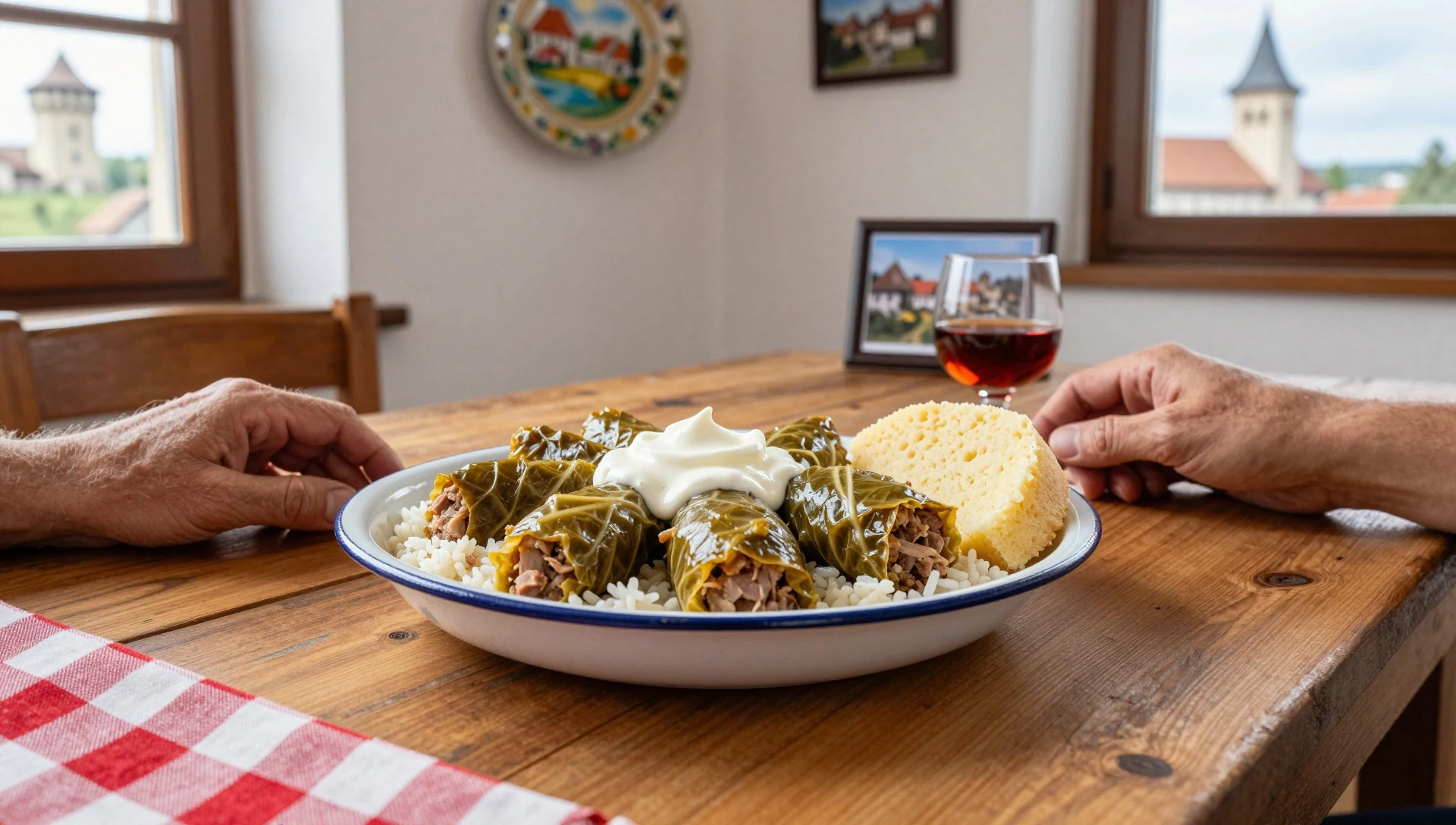
- Mămăligă cu brânză și smântână — village guesthouses and traditional restaurants in the county
Mămăligă is firm cornmeal porridge, here served with salty cheese and thick sour cream. It is plain, filling and often comes alongside sarmale or grilled meat. Almost every traditional restaurant and village guesthouse in the area will have it on the menu.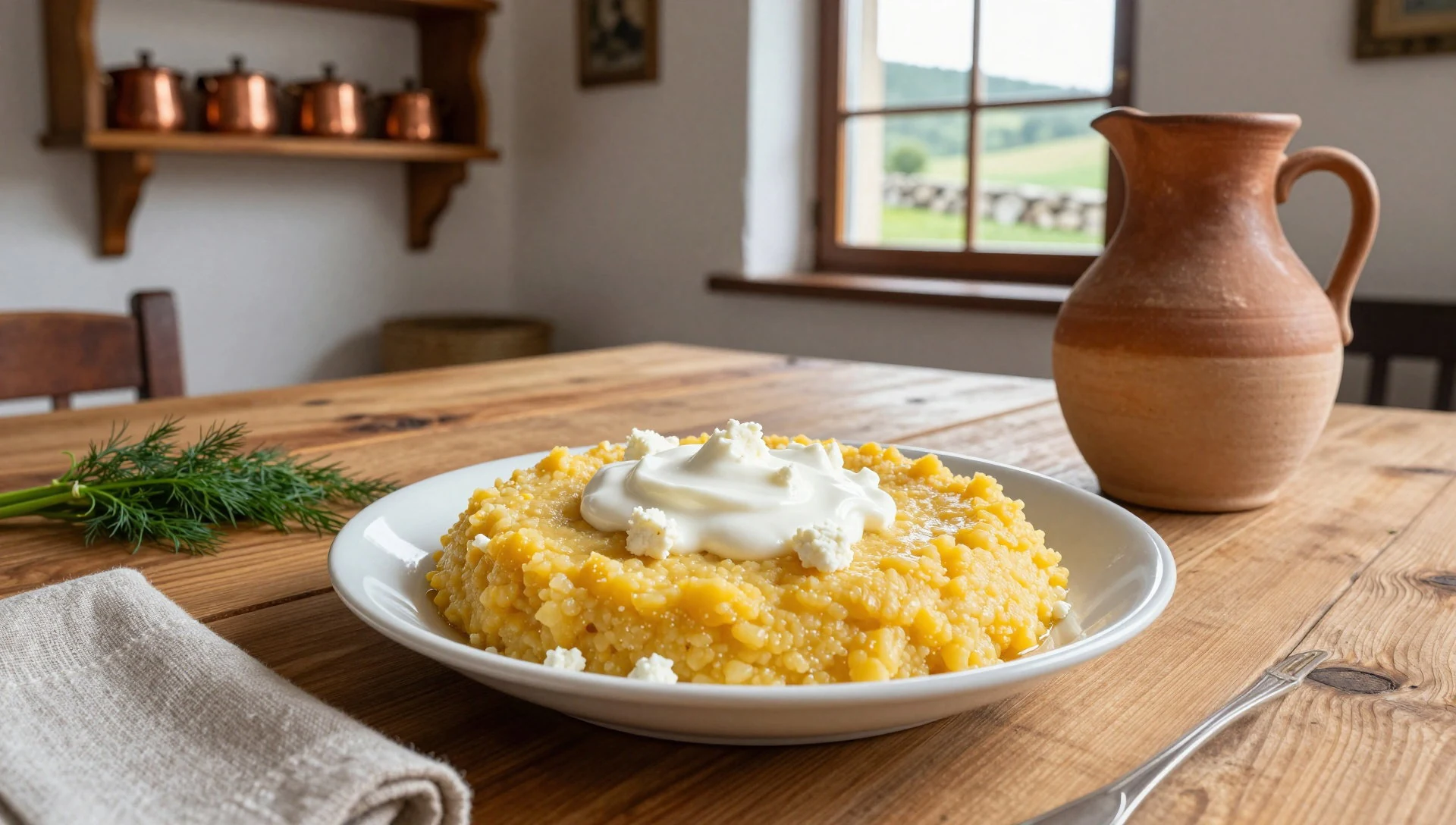
- Ciorbă de perișoare — lunch menus at local restaurants and canteen-style eateries
A sour soup with small meatballs, vegetables and herbs, soured with lemon juice or borș, a fermented bran liquid. Ciorbă is a cornerstone of Romanian cooking. Look for it as a lunchtime starter at local restaurants and simple canteen-style places. - Mici — grill stalls, summer terraces and town fairs
Grilled skinless sausages of mixed minced meat, seasoned with garlic and spices, served with mustard and bread. They are fast, cheap and smoky. The best are usually found at grill stalls, summer terraces and town festivals, often with a cold beer. - Papanași — dessert menus in traditional restaurants and cafes
Fried or boiled cheese doughnuts, topped with sour cream and sour-cherry or berry jam. This is the classic dessert in Romanian restaurants and is generous enough to share. Ask for it at the end of a meal in a traditional restaurant or cafe.
Plan it
Best time. April–May and October, when it is mild enough for walking the castle and the Dacian sites. July and August are hot and busier, and winters are cold with snow possible in the mountains.
How long. 2–3
Getting there. Hunedoara has no airport, so most visitors fly to Sibiu, Timișoara or Cluj-Napoca and continue by train or hire car. By rail, the junction at Simeria is the usual stop, then a local train, bus or taxi for the last leg to Hunedoara. Check current timetables before travelling.
Budget. low
Tips
- Check the official site, https://castelulcorvinilor.ro/, for opening hours, tickets and any booking requirements before setting out
- Arrive early on summer weekends and school holidays, when the castle is at its busiest
- Hire a car or book a guided tour for the Dacian fortresses, since public transport to the mountain sites is limited
- Carry both cash and a card, as small cafes and stalls may not take cards
- Wear sturdy shoes and bring layers, because the weather changes quickly near the mountains
Etiquette
- Cover shoulders and knees at churches and monasteries, and speak quietly inside
- Ask staff before using a tripod or flash inside the castle
- Accept a small offer of coffee or țuică politely, and decline kindly if you do not drink
Nearby
Sources
- Wikidata Q126576 (CC0)
- Wikipedia: Corvin Castle (rev 1382566959) (CC BY-SA 4.0)
- Wikivoyage: Hunedoara County (rev 4754144) (CC BY-SA 4.0)
- Photo: Castelul Corvinilor HD (Carcea Daniel) (CC BY-SA 3.0 ro)
- Photo: Hunedoara castle (Paszczur01) (CC BY-SA 3.0 ro)
- Photo: 2019 Castelul Corvinilor, azi muzeu 01 (Leontin l) (CC BY-SA 4.0)
- Photo: 2019 Castelul Corvinilor, azi muzeu 02 (Leontin l) (CC BY-SA 4.0)
- Photo: 2019 Castelul Corvinilor, azi muzeu 03 (Leontin l) (CC BY-SA 4.0)
- Photo: 2019 Castelul Corvinilor, azi muzeu 04 (Leontin l) (CC BY-SA 4.0)
- Photo: 2019 Castelul Corvinilor, azi muzeu 05 (Leontin l) (CC BY-SA 4.0)
- Photo: 2019 Castelul Corvinilor, azi muzeu 06 (Leontin l) (CC BY-SA 4.0)


