Cooper's Island
Cooper's Island, United Kingdom
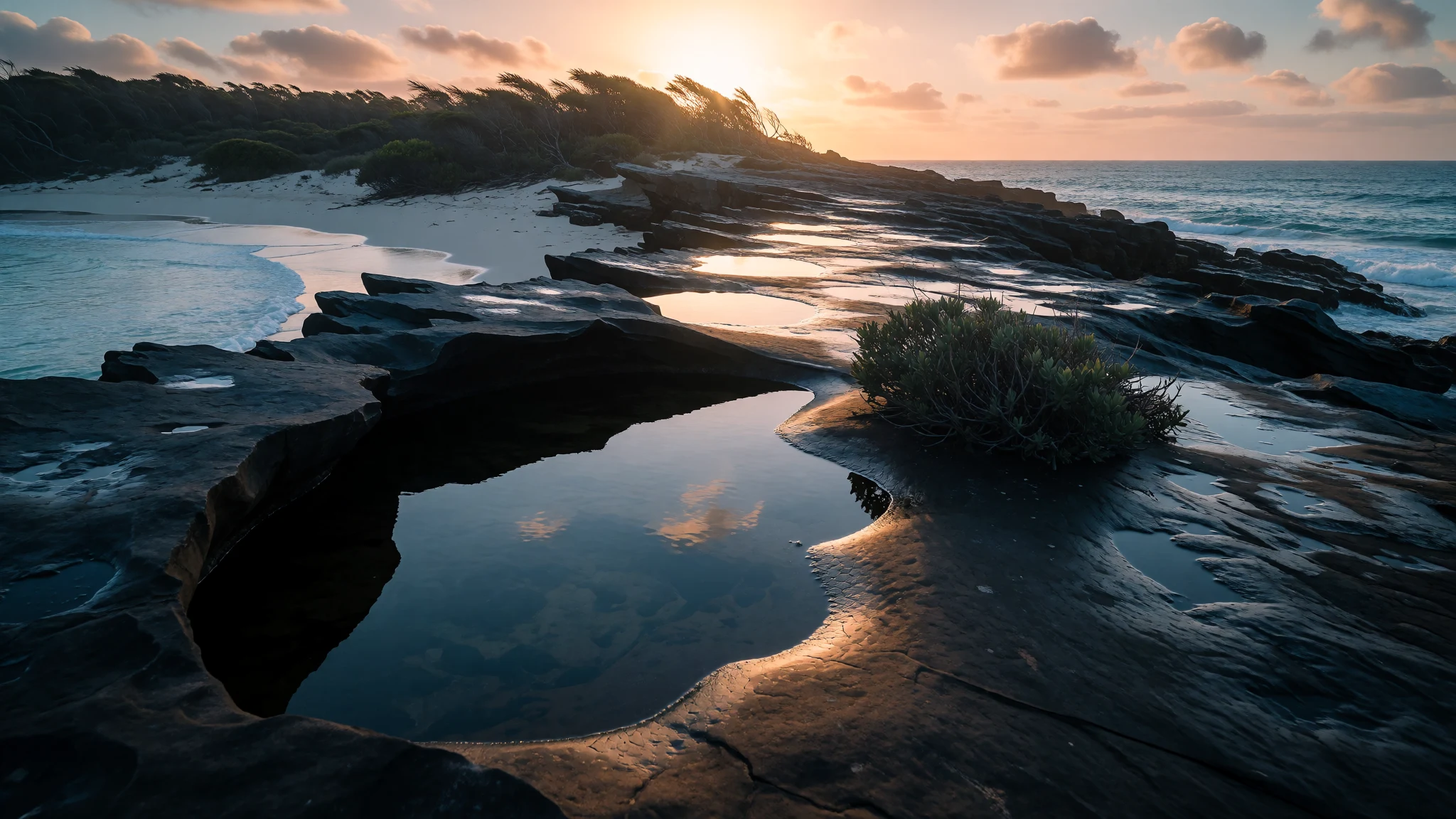
Cooper's Island is a quiet Bermuda nature reserve of limestone coast, salt scrub and open Atlantic light.
The place
Cooper's Island lies at the eastern end of Bermuda, on the St David's side of the territory, where a low peninsula of limestone faces the open Atlantic and the calmer reach of Castle Harbour. The United Kingdom's link is constitutional, Bermuda being a British overseas territory, and the land a visitor can walk is Cooper's Island Nature Reserve. That reserve is the island as a walker meets it. The rock is pale and rough, the soil thin, and the vegetation a wind-trained mix of coastal scrub and casuarina that throws only a broken shade. Paths follow the shore rather than climbing, so the day is spent moving between small coves, ironshore shelves and low headlands. Seaward, the water is deep blue and often flecked white when the breeze freshens; towards the harbour the surface lies quieter, with the low profile of the rest of Bermuda on the horizon. There is no town on the reserve, no row of shops and no cruise landing. The soundtrack is wind, water and birds in the scrub and on the cliffs. By the middle of the day the stone holds the heat, and after rain the rock can turn slick underfoot. The pleasure of Cooper's Island is this spare coast: habitat that has not been turned into lawns and terraces, close enough to the airport parish that the journey is short, yet quiet enough that a walker hears the island before seeing other people. Anyone hoping for museums, nightlife or a dense old quarter will need to go on into the rest of Bermuda. Cooper's Island keeps to tide, weather and a short web of coastal paths, and it is read first as a reserve and then as a viewpoint.
Its story
Cooper's Island carries a plain Bermudian story rather than a chronicle of kings or a single founding date the records here can support. The name is English in shape, like so much of the territory's map, and the island belongs to the eastern world of St David's, where people have long lived by the sea: fishing, piloting ships through the reefs, and working around the airfield that occupies this end of Bermuda. For a long stretch of living memory the point itself was closed land, held for defence, aviation and Atlantic communications rather than for houses or visitors. That closure is the reason the coast still feels unfinished by development. Ground that might have been divided into private gardens stayed as rock, scrub and shore. When the restricted use fell away, the same ground opened as Cooper's Island Nature Reserve, which is the name the public coast carries now. The public invitation came with a change of purpose: people may walk here, and the habitat is meant to stay. There is no old street of warehouses, no palace and no pilgrimage town to narrate. What changed is access. A shore that was kept for official work became a shore kept for birds, plants and anyone willing to stay on the paths. St David's still talks about the east end in practical terms: boats, weather, the airport, and Cooper's Island sits inside that talk. The reserve is the latest chapter, and it is a quiet one: conservation as a use of land, not a costume. Visitors do not need a dynasty to make sense of it. They need the sequence from working coast, to closed coast, to open reserve, which is the story the ground itself tells.
What to see
- Cooper's Island Nature Reserve — Cooper's Island Nature Reserve, St David's
Cooper's Island Nature Reserve is the walk itself: public paths across the eastern peninsula, and the coastal views across open water. The track runs through scrub to open limestone above the water, with lookouts and a NASA space tracking station renovated in 2018. There is no gallery and no ticket hall on the land. What holds attention is the wind and the change from ocean shore to harbour shore.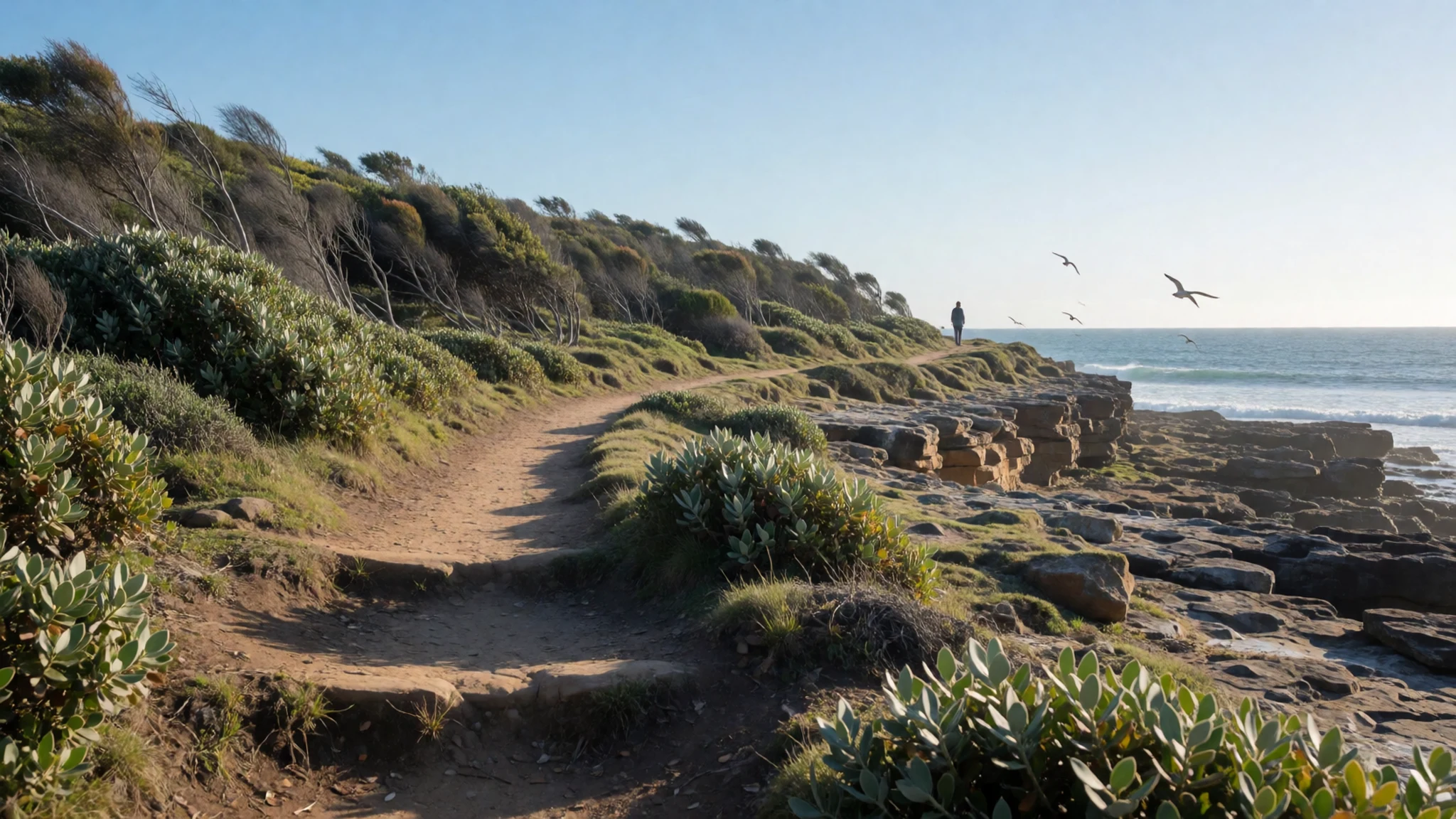
- Atlantic shore — Atlantic shore, Cooper's Island
The Atlantic shore of Cooper's Island is the exposed face of the reserve: ironshore, low cliffs and small coves open to the swell. Water colour shifts with depth and cloud, and on a fresh day spray reaches the rock. It is not a landscaped promenade. Footing is uneven, so the shore suits looking and careful walking more than casual bathing. The long view seaward is the point.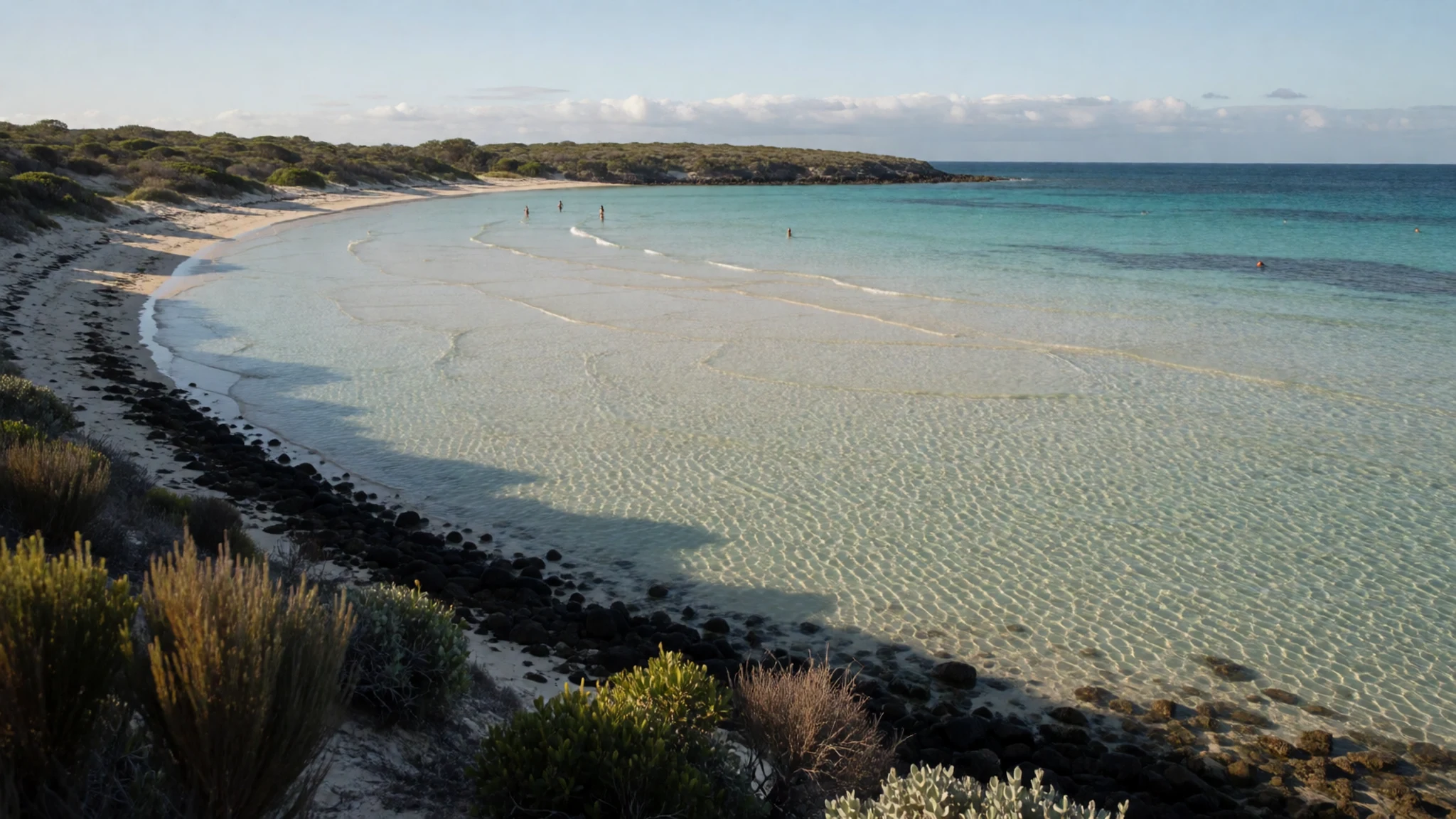
- Castle Harbour side — Harbour side, Cooper's Island
Castle Harbour, on the inner side of Cooper's Island, gives the reserve its quieter water. The land falls toward a calmer reach, with low shores on the horizon instead of open ocean. Boats pass at a distance. The reserve has no marina and no ferry quay. From here the narrowness of this end of Bermuda is obvious: ocean and harbour separated by a strip of scrub and rock.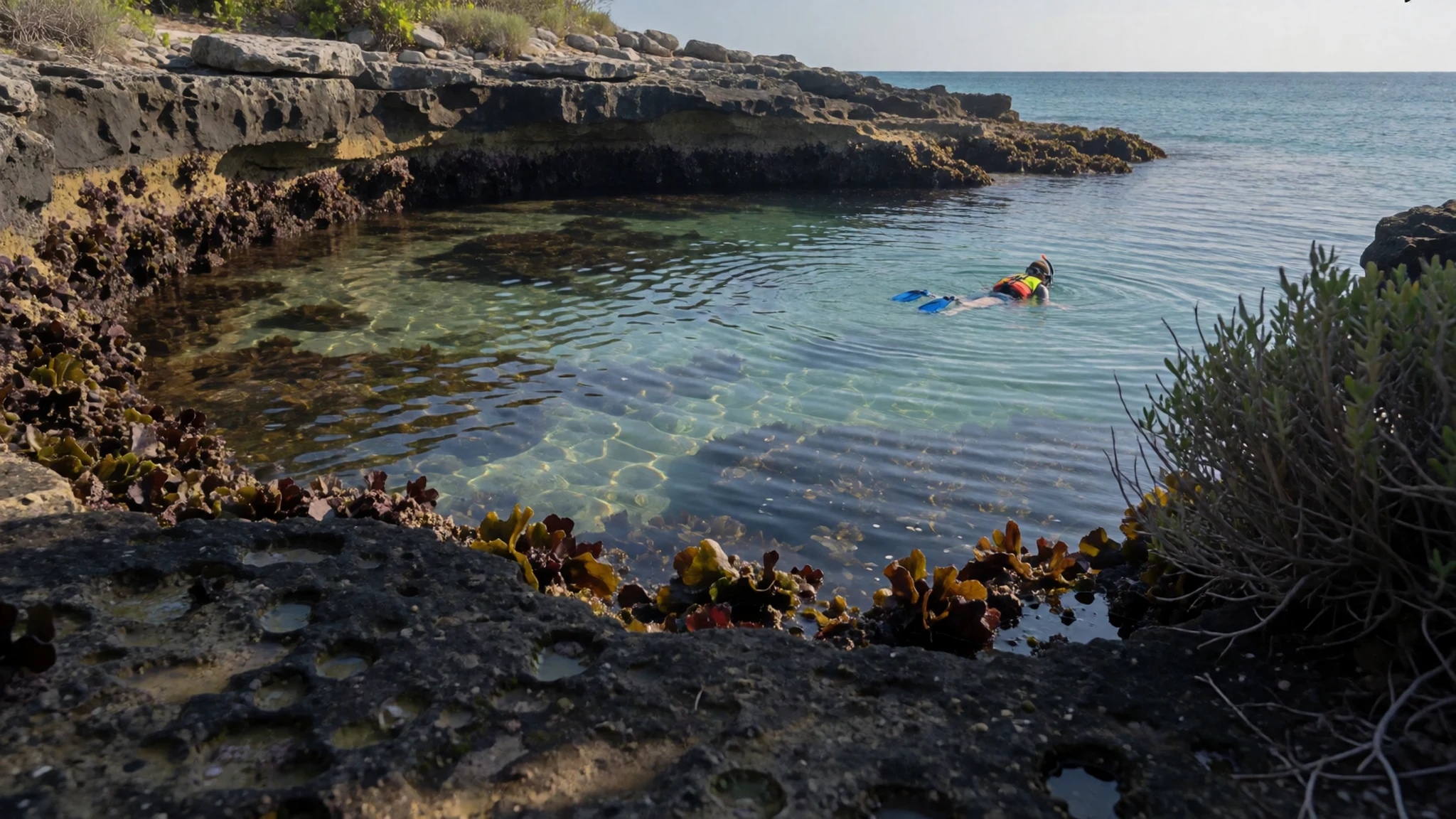
- Cliffs and coastal scrub — Coastal cliffs, Cooper's Island Nature Reserve
The cliffs and scrub of Cooper's Island are the living part of the reserve, not a backdrop to a beach club. White-tailed tropicbirds, the longtails Bermudians watch for in the warmer months, use holes in the coastal rock, and smaller birds work the casuarina and low bushes. The vegetation is salt-tolerant and wind-shaped, with little of the deep shade of an inland garden. Nothing here asks to be picked.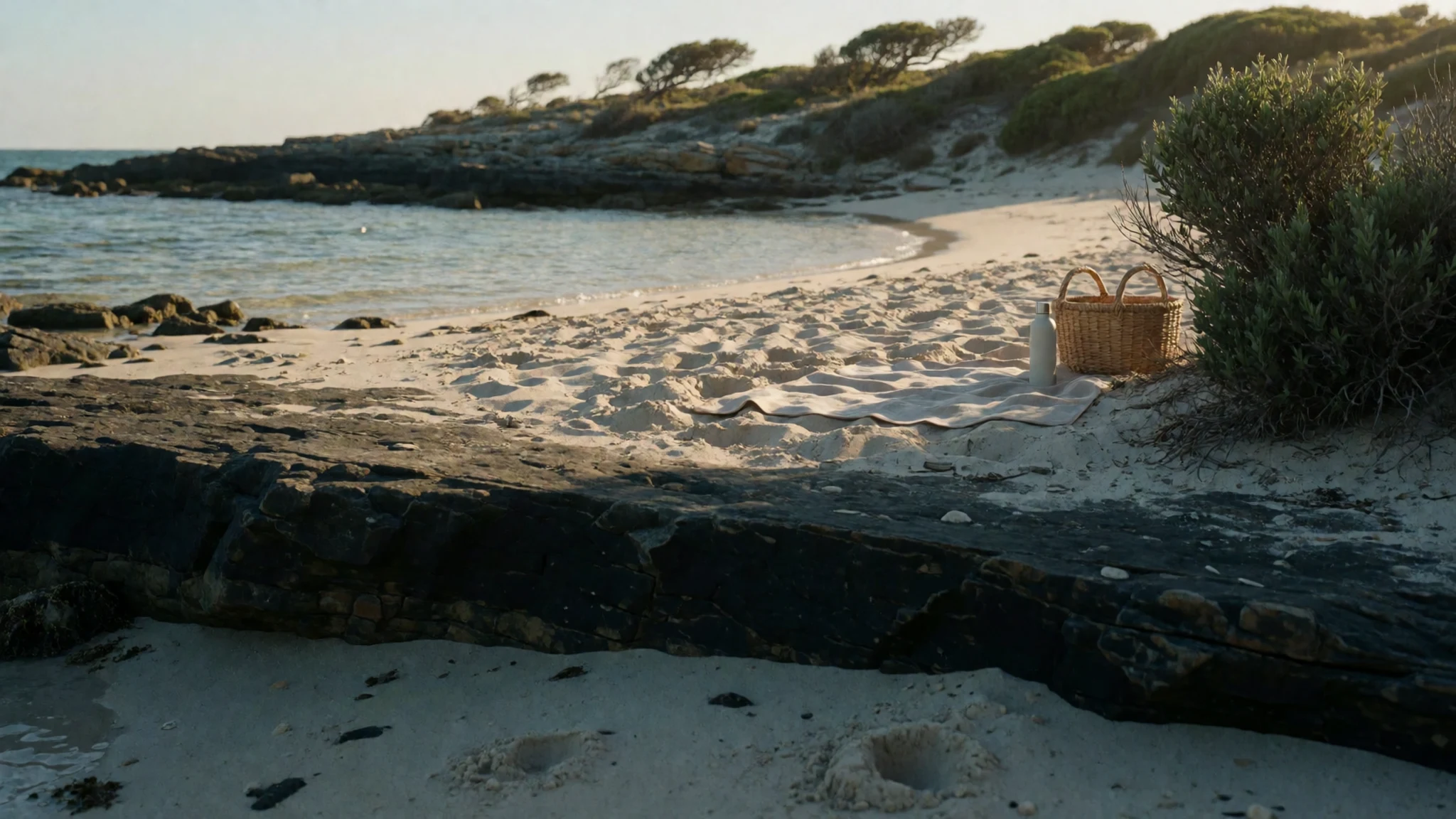
- St David's approach — St David's Island
Cooper's Island is reached through St David's, the eastern island community, past the airport landscape and onto a quieter local road. The approach is part of the visit: low houses, boats and a working coast rather than a resort strip. Clearwater Beach, the public strand beside this former base land, is the practical swim when the reserve's ironshore looks too rough.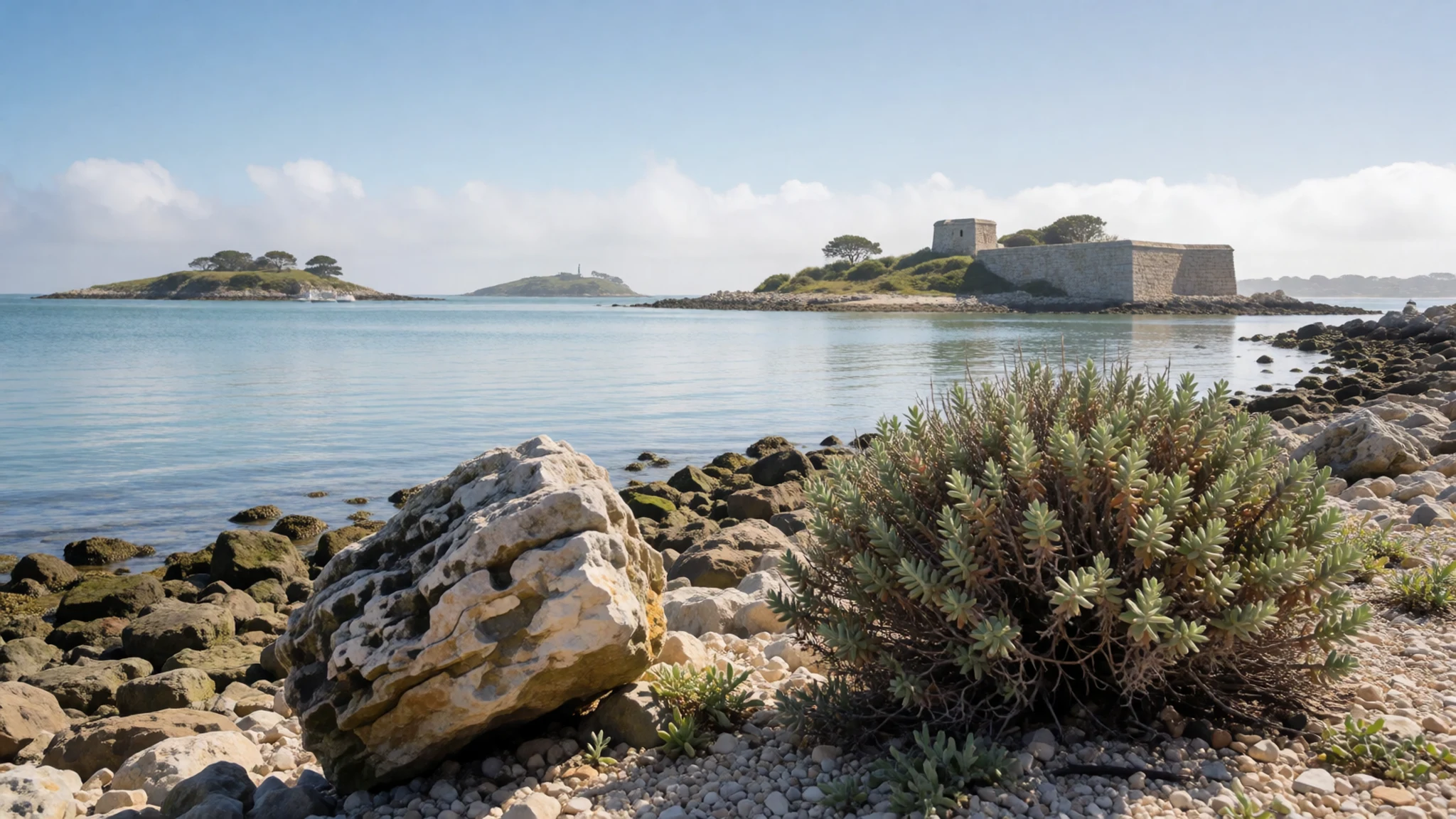
Culture
Cooper's Island belongs to Bermuda's eastern, maritime culture, the St David's way of living with reefs, small boats and a parish identity that does not take its cue from Hamilton. People here have long measured the day by wind and water, and the reserve fits that habit: it is outdoor, practical and short on ceremony. Bermudian culture as a whole mixes British institutions with African and Caribbean strands, audible in speech, in church calendars and in Gombey dancing at festivals elsewhere on the territory. Little of that performance is staged on the reserve. What Cooper's Island adds is a conservation etiquette that has become part of local pride: east-end land kept open after years of official closure, valued because so much of the shoreline is private. Visitors are guests of that bargain. Dress and noise that would pass in a harbour town feel wrong on a nesting coast. People on the paths expect a greeting, because St David's is a small community and a blank face reads as rude. On Cooper's Island Nature Reserve, stay on the marked paths, keep voices down near the cliffs, and leave shells, plants and coral where they are.
What to wear
Cooper's Island has no costume of its own, so dress follows Bermuda at large, then bends to a hot, rocky reserve. Traditional Bermudian dress for men is the Bermuda short: knee-length tailored shorts in cotton, linen or a light wool blend, worn with a jacket, tie and knee socks for business and formal days, especially in the cooler season. Women have long used linen and cotton dresses in pale colours, with a hat against the sun. Those clothes belong to town, church and the office, not to the cliff path. What people wear now on St David's is ordinary warm-weather clothing: T-shirts, shorts, swimsuits near the water, a shirt over the shoulders when the breeze drops. Evenings in restaurants elsewhere on Bermuda smarten up; the reserve does not. A visitor on Cooper's Island should dress for sun, wind and uneven limestone: a hat, a light long-sleeved shirt, swimwear with a cover-up for the road, and shoes with a grip rather than smooth sandals. Beachwear stays at the beach. Leave the formal shorts-and-blazer for Hamilton if a smart lunch is on the day, and carry a layer because the Atlantic wind can cool the headland even when the rock is hot.
What to eat
- Fish chowder — Eateries in St David's and St George's
Cooper's Island has no food stall, so fish chowder is eaten in St David's or St George's eateries after the walk. The soup is a dark, tomato-based bowl of local fish, finished with sherry peppers and black rum.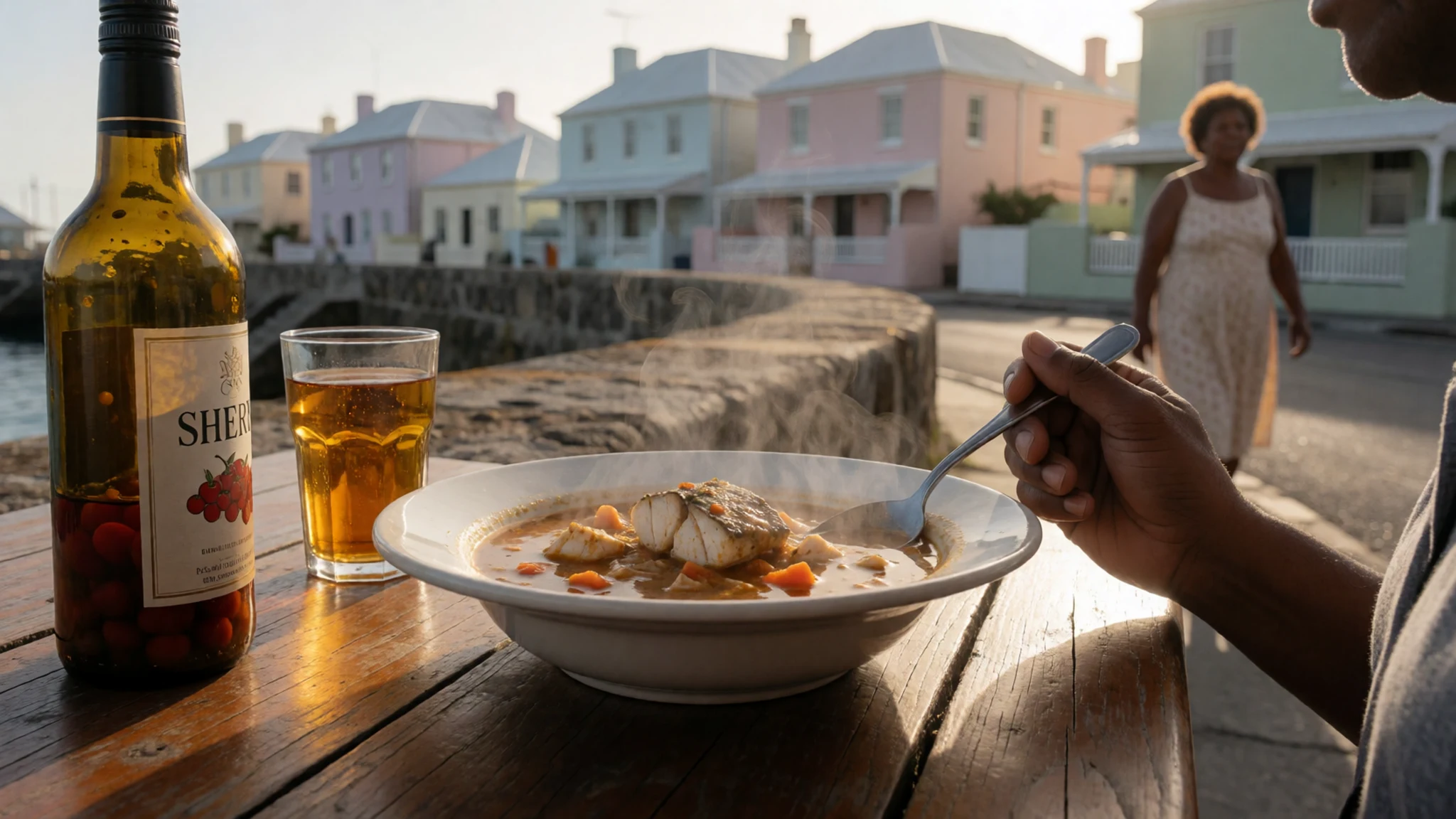
- Fish sandwich — Casual eateries and takeaway counters in St David's
The Bermudian fish sandwich is fried fish in raisin bread, a sweet local loaf that stands up to a crisp fillet, usually with tartare sauce. It is the handheld lunch of the island, sold in casual eateries rather than at Cooper's Island, where picnics are the only option.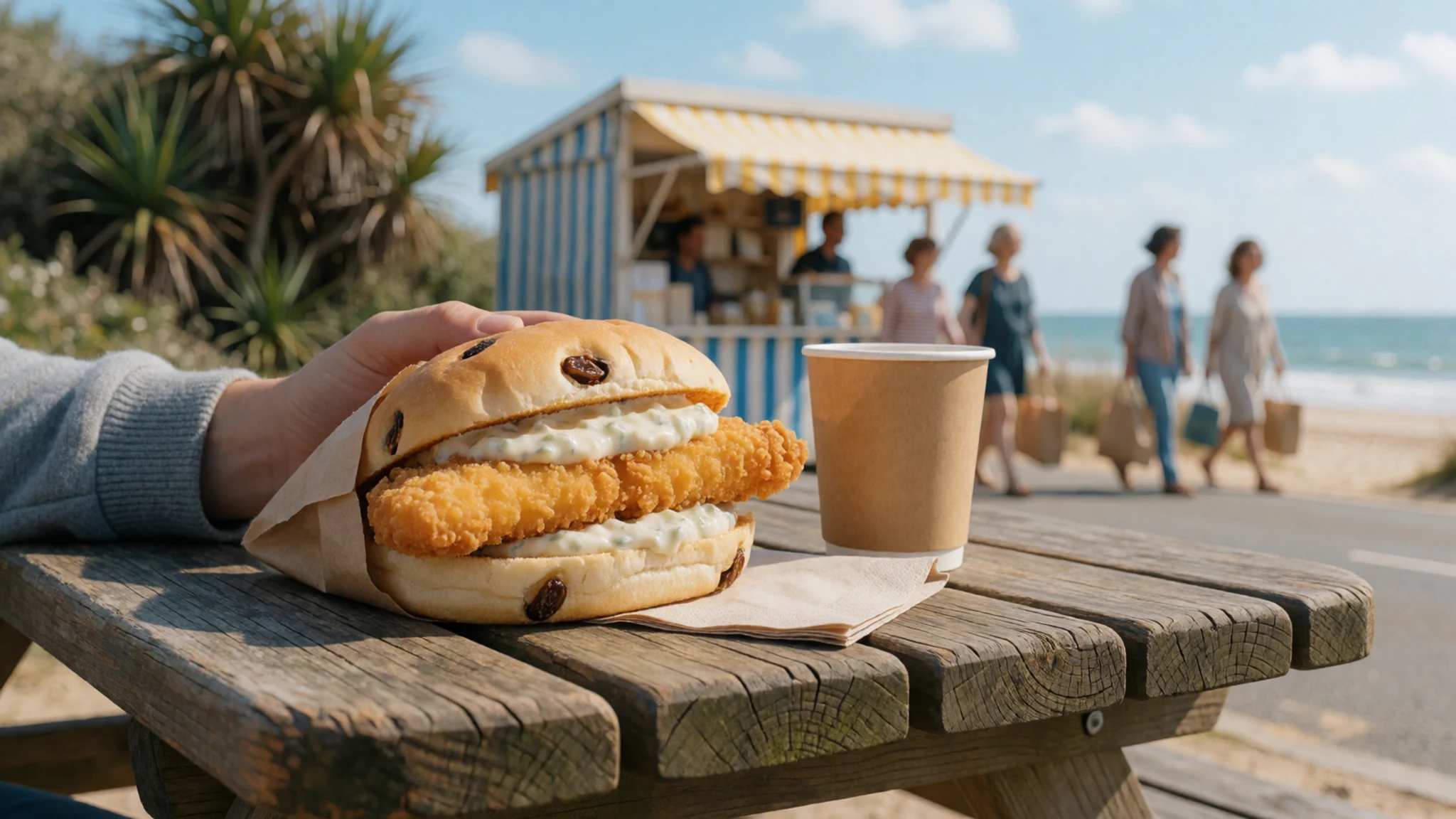
- Codfish and potatoes — Weekend eateries in St George's Parish
Codfish and potatoes is Bermuda's Sunday breakfast, salt cod simmered and served with boiled potatoes, banana, avocado and a boiled egg, often with a tomato or onion sauce. It is a home dish that some eateries still cook at the weekend. Cooper's Island will not serve it on the cliff. - Fish cakes — Takeaway counters in St David's
Bermudian fish cakes are small fried patties of salt cod mashed with potato and herbs, eaten with bread or on their own as a snack. They travel better than chowder, so they make sense bought in St David's and carried towards Cooper's Island. - Johnny bread — Bakeries in St George's and Hamilton
Johnny bread is a simple Bermudian loaf or cake of flour and milk, pan-cooked, mildly sweet and good with butter or a savoury filling. Bakeries and casual eateries in St George's and Hamilton sell it; Cooper's Island does not.
Plan it
Best time. On Cooper's Island, spring through autumn are the kinder months, and May and November the most comfortable, with warm sea and an easier breeze. July to September bring thicker heat, August the hottest and the wettest, with storms from June to November. Winter is mild but often windy, and the water feels less inviting.
How long. 2–3
Getting there. L.F. Wade International Airport is on St David's, so Cooper's Island is a short taxi, bus or scooter ride from arrivals, with no rail on Bermuda. From Hamilton the last leg is the road east through St George's Parish into St David's. Check the official transport pages for current routes; this reading does not fix times.
Budget. high
Tips
- Carry water; the reserve paths have no cafe.
- Start early, before the rock heats.
- Wear grippy shoes on wet limestone.
- Bring a little cash for small St David's stops; cards are normal in town.
- Read the sky before a cliff walk; the wind rises quickly.
Etiquette
- Stay on marked paths and keep back from nesting holes.
- Leave shells, plants, rock and coral in place.
- Keep swimwear for the beach and offer a greeting on St David's paths.
- Leave drones and loudspeakers off the reserve.
Nearby
Sources
- Wikidata (CC0)
- Wikipedia (CC BY-SA 4.0)
- Wikivoyage (CC BY-SA 4.0)
Wildlife
- White-tailed tropicbird (animal)
This is the longtail, a little seabird of tropical seas that nests as far north as Bermuda. On Cooper's Island, look for it in the warmer months around the rocky shore, where it uses holes in the cliffs and stones. Keep well back so it feels safe, stay quiet and still, and ask a guide to help you find it. Please never offer it food; a calm, patient watcher sees the most. - White-tailed tropicbird (bird)
This is the longtail, a little seabird of tropical seas that nests as far north as Bermuda. On Cooper's Island, look for it in the warmer months around the rocky shore, where it uses holes in the cliffs and stones. Keep well back so it feels safe, stay quiet and still, and ask a guide to help you find it. Please never offer it food; a calm, patient watcher sees the most.