New York City
New York City, United States
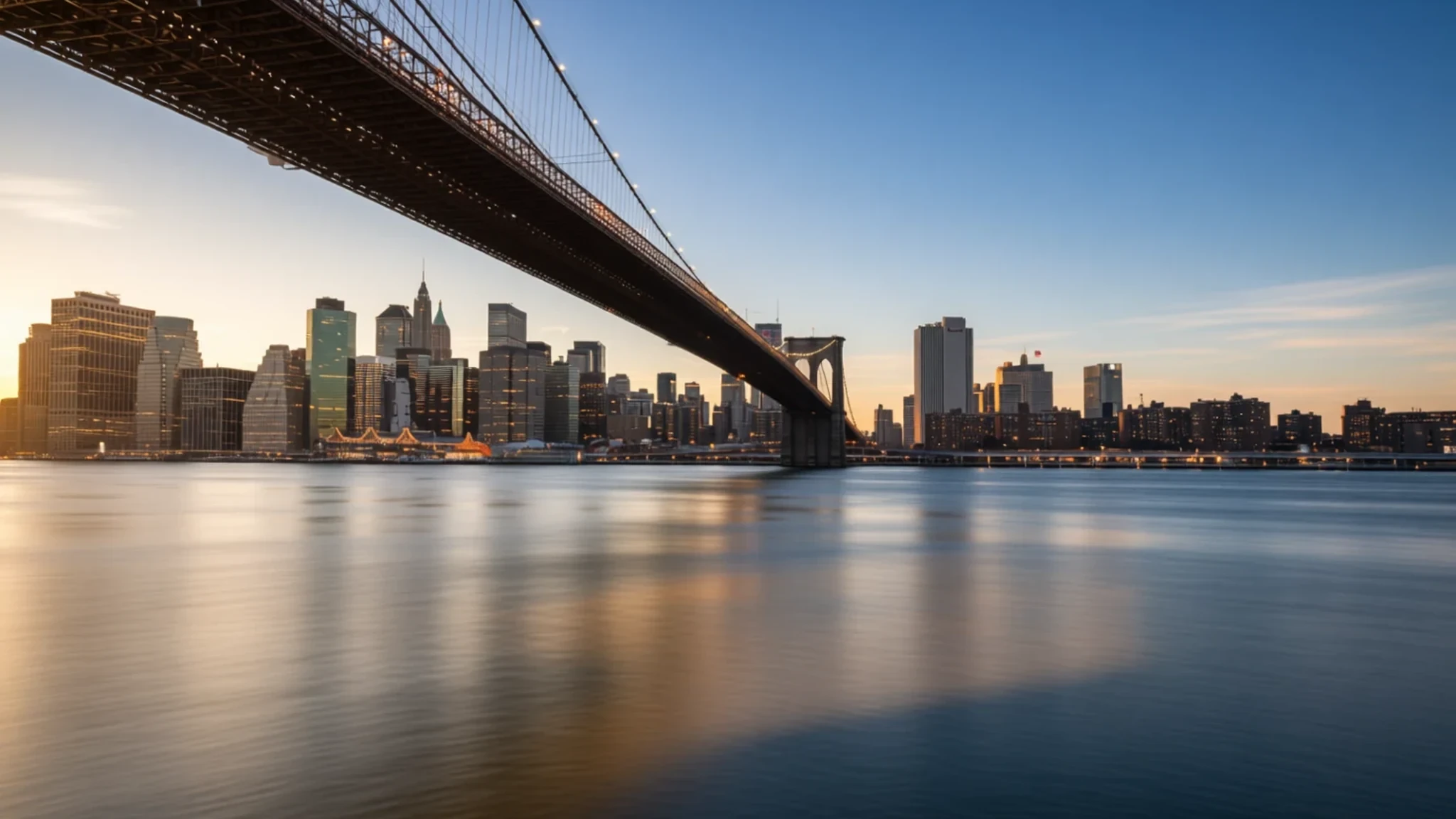
New York City offers relentless energy, iconic architecture, world-class arts, and neighbourhoods of astonishing cultural diversity.
The place
New York City sits on one of the world's premier natural harbors, right at the bottom edge of New York State. Home to a population of about 8.8 million people, it serves as the most populous urban centre in the United States. New York City is made up of five unique areas: Manhattan, Brooklyn, Queens, the Bronx, and Staten Island. Each borough forms its own county, contributing to a vast network of neighbourhoods, waterfronts, and commercial districts.
As the geographical heart of the country's largest metropolitan region, New York functions as a premier global hub for finance, commerce, international diplomacy, media, and the creative arts. The urban landscape is defined by its continuous motion and vertical density, anchored by soaring towers, bridges spanning tidal straits, and bustling grid systems. Visitors encounter an environment driven by relentless momentum, where historic brownstones sit alongside towering skyscrapers and expansive green spaces offer occasional respite from the urban roar.
From the shipping lanes of New York Harbor to the residential avenues of the outer boroughs, the city operates as an interconnected web of immigrant communities and cultural institutions. Its harbour geography has shaped its identity as a historic gateway for arrivals from across the globe, creating an endlessly varied cityscape bound together by a shared, urgent rhythm.
Its story
Long before European vessels entered the estuary, the region known as Lenapehoking was stewarded by Algonquian-speaking peoples, notably the Munsee-speaking Lenape. Their homelands encompassed the areas that would later become Manhattan, Staten Island, the Bronx, the western parts of Long Island, and the Lower Hudson Valley.
European exploration began in earnest during the early sixteenth century. Giovanni da Verrazzano sailed into New York Harbor in fifteen twenty-four, claiming the surrounding territory for France. Shortly thereafter, a Spanish expedition under Portuguese captain Estêvão Gomes charted the mouth of the Hudson River, naming it the Saint Anthony's River. However, lasting colonial foundations were laid in sixteen hundred and nine when English navigator Henry Hudson explored the harbour while seeking a northern passage to Asia for the Dutch East India Company. He navigated the tidal river that now bears his name, securing the region for Dutch commercial interests.
Over subsequent centuries, the settlement transitioned through British colonial rule into an engine of independence and industrial expansion. Waves of immigration transformed the port into a mosaic of traditions, anchoring its reputation as a resilient crucible where global histories converge on the American shoreline.
What to see
- Statue of Liberty
Standing in the upper bay, this monumental neoclassical sculpture greeted millions of immigrants arriving by sea. Ferries run daily from the southern tip of Manhattan, offering close views of the copper figure and its historic exhibition rooms.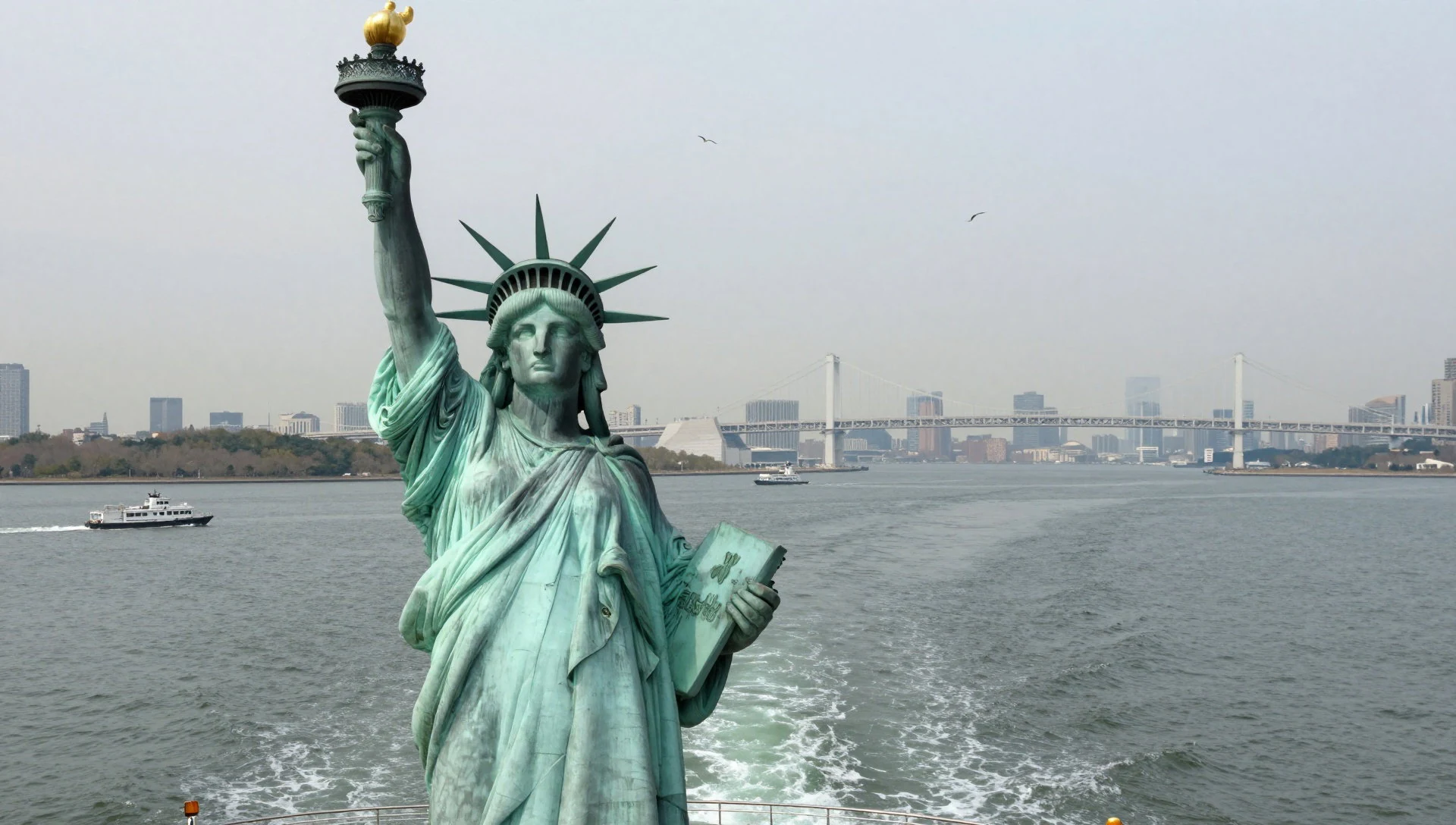
- Central Park
Spanning a vast rectangular footprint through the heart of Manhattan, this landscaped urban sanctuary provides wooded trails, sweeping lawns, lakes, and recreational grounds designed to offer residents and visitors a natural retreat from the grid.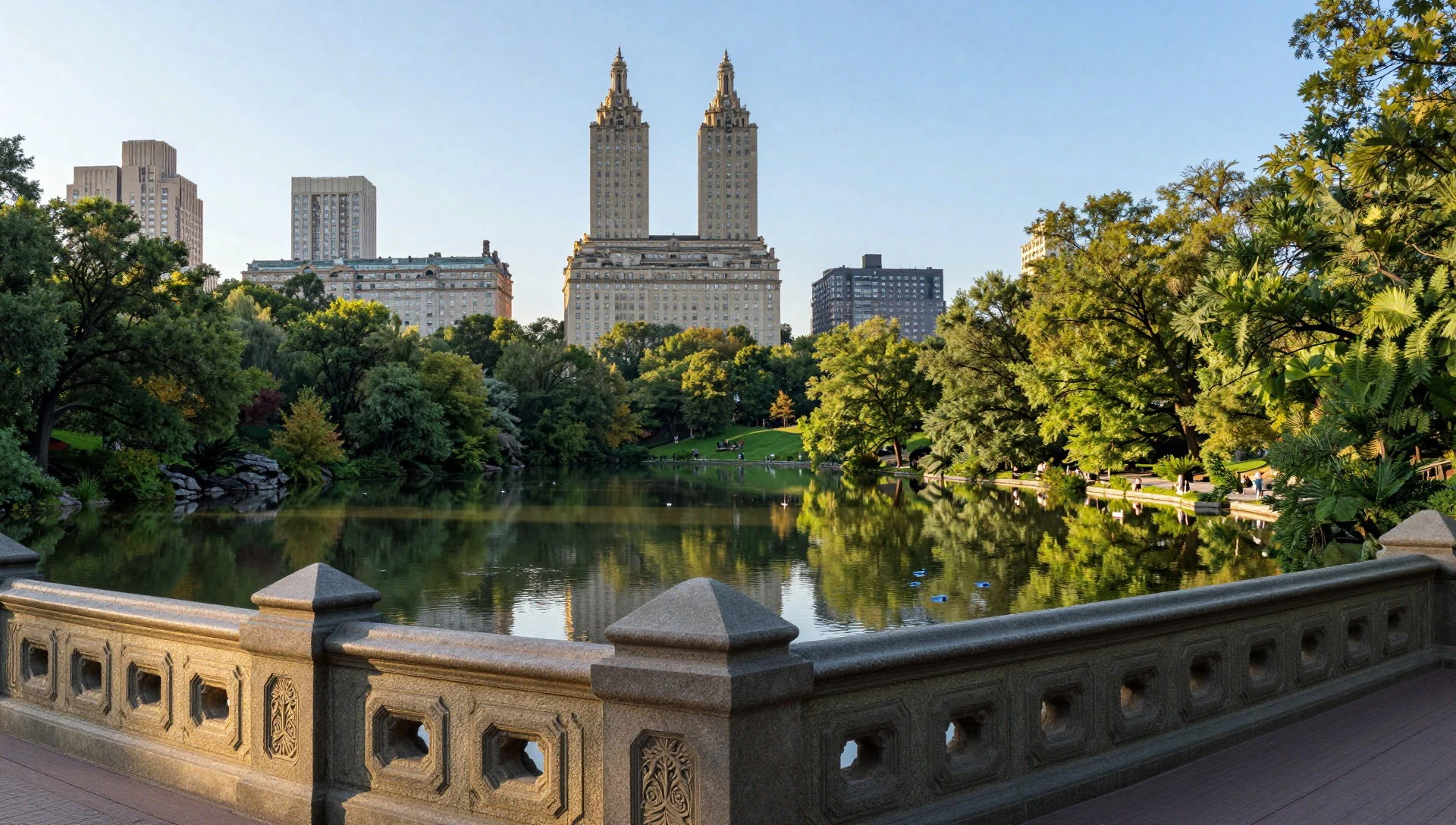
- Empire State Building
An Art Deco masterpiece piercing the midtown skyline, offering observation decks that command sweeping vistas across the five boroughs and beyond. Advance ticket booking is essential to manage queues at the tower base.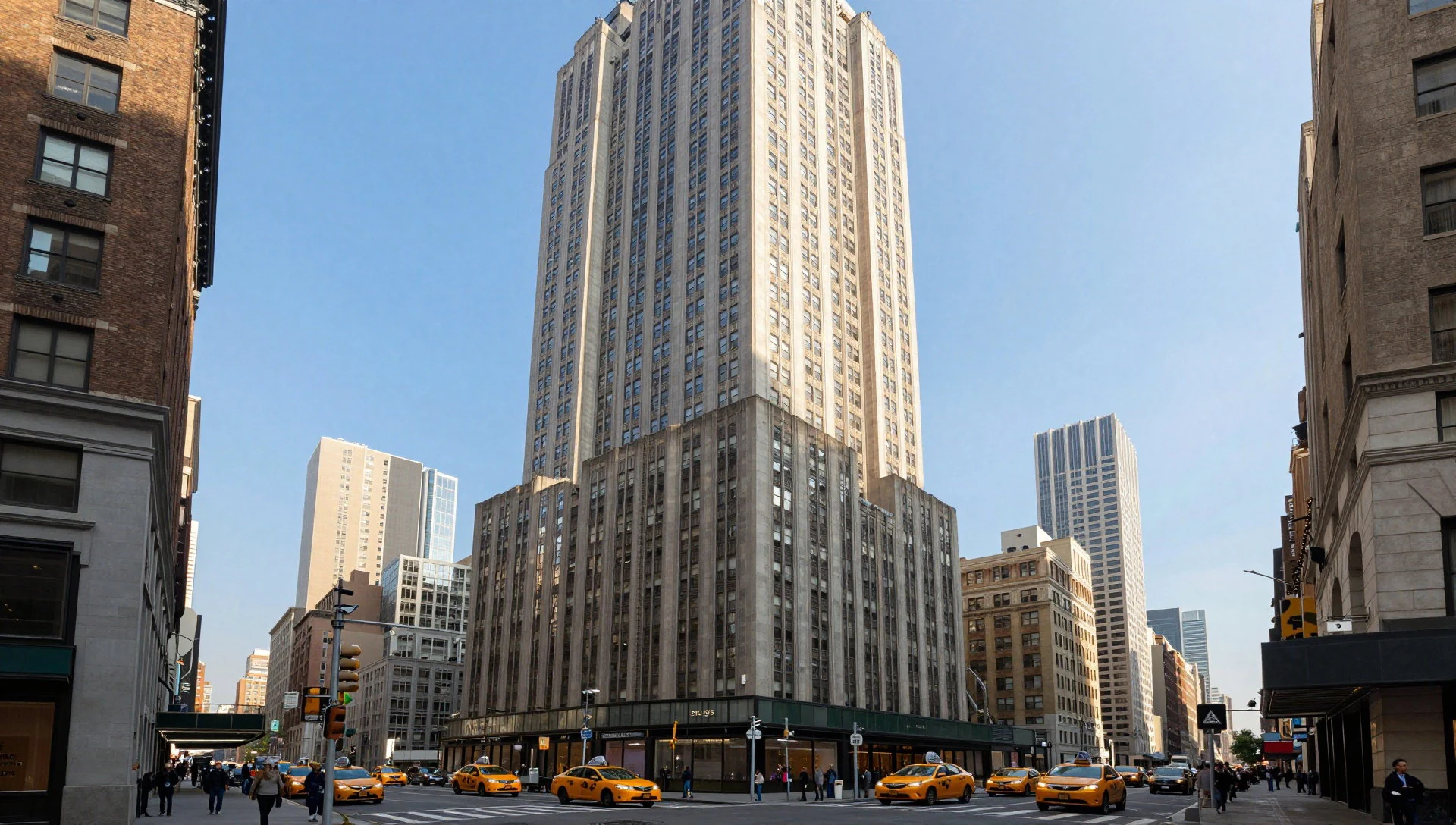
- Brooklyn Bridge
This historic hybrid cable-stayed and suspension bridge connects Manhattan and Brooklyn across the East River. Walking the elevated timber pedestrian walkway at dusk reveals striking perspectives of the lower Manhattan towers and harbour waters.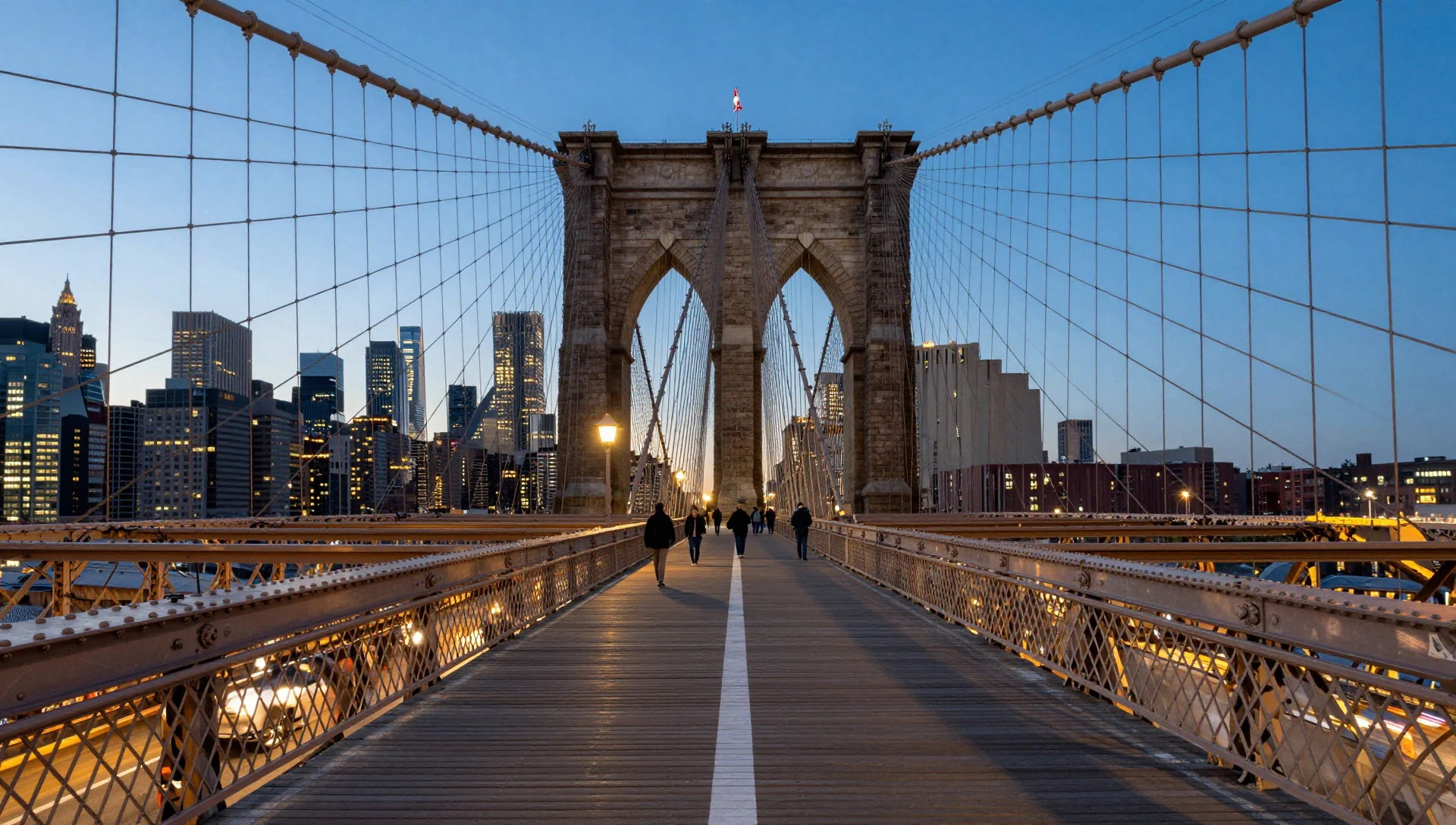
- Times Square
A bustling commercial intersection illuminated by towering digital billboards and theatrical marquees. It pulses with continuous foot traffic, street performers, and crowds drawn to the epicentre of the city's entertainment district.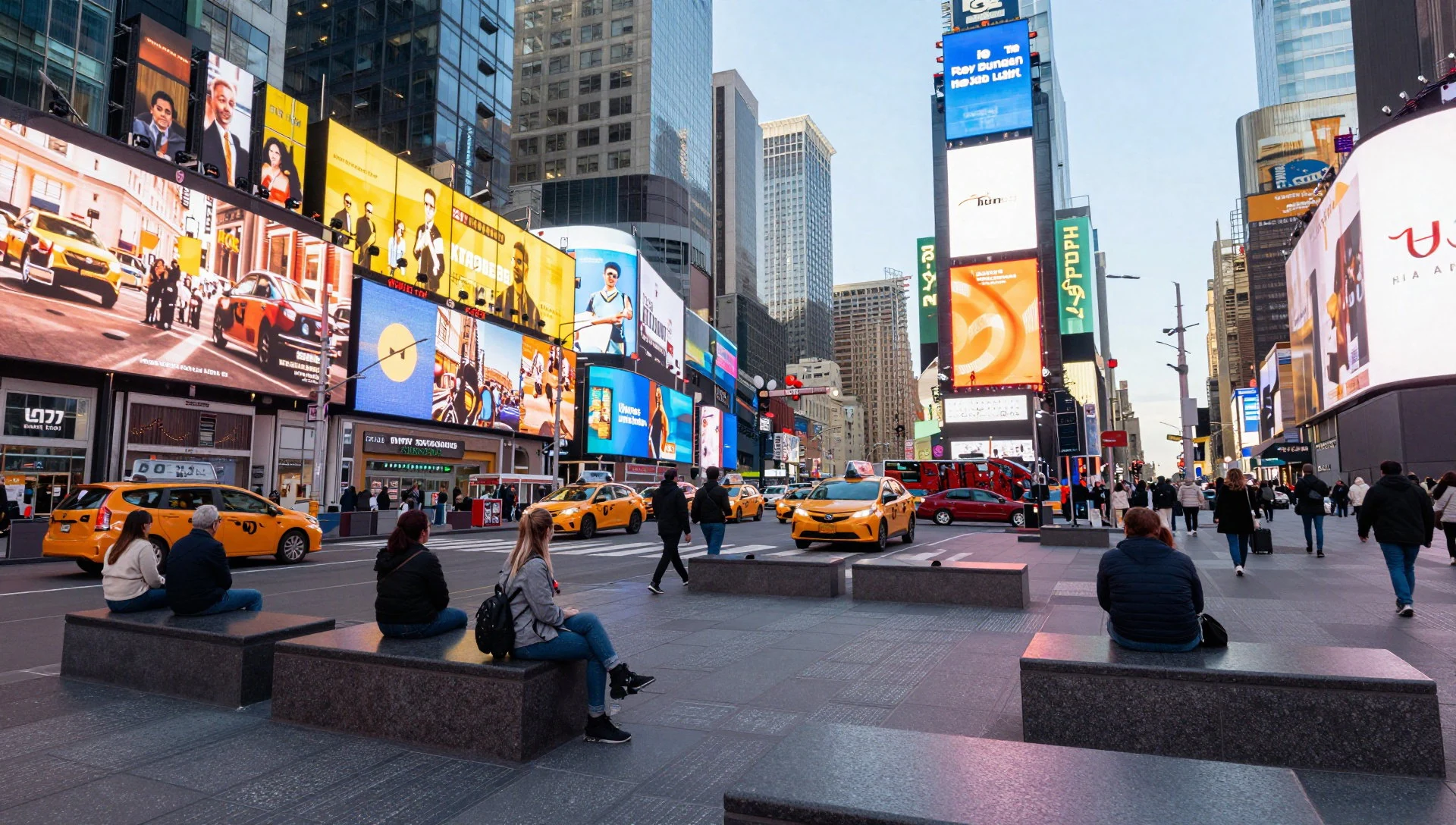
Culture
New York City functions as a colossal cultural incubator, having birthed influential artistic and musical movements ranging from the literary outpouring of the Harlem Renaissance and abstract expressionism to hip-hop, punk, salsa, and distinctive jazz traditions. The municipality's social fabric is defined by a relentless pace, often encapsulated in the notion of the New York minute, reflecting the drive and resilience of its populace through decades of rapid transformation and challenge. Communities maintain distinct identities across hundreds of neighbourhoods, preserving ancestral customs while forging new urban expressions. When walking crowded subway platforms or busy pavements, maintain a brisk, purposeful stride and step aside rather than stopping abruptly in the middle of pedestrian flow.
What to wear
While the city lacks a single traditional folk costume, its sartorial identity is deeply rooted in practical urban tailoring, immigrant heritage textiles, and global haute couture. Residents typically favour a sophisticated, functional palette dominated by black, neutral tones, and durable layers suited to changing seasonal temperatures. Footwear is paramount due to extensive walking and subway staircases, making comfortable walking shoes or smart trainers essential for everyday navigation. Visitors should pack versatile layers, a sturdy waterproof jacket for unpredictable rain, and attire that easily transitions from daytime sightseeing to evening dining establishments.
What to eat
- New York-style pizza slice — Any traditional neighborhood slice shop
Large, foldable triangles of thin-crust dough topped with seasoned tomato sauce and mozzarella cheese, available at corner counters and hole-in-the-wall shops across every borough.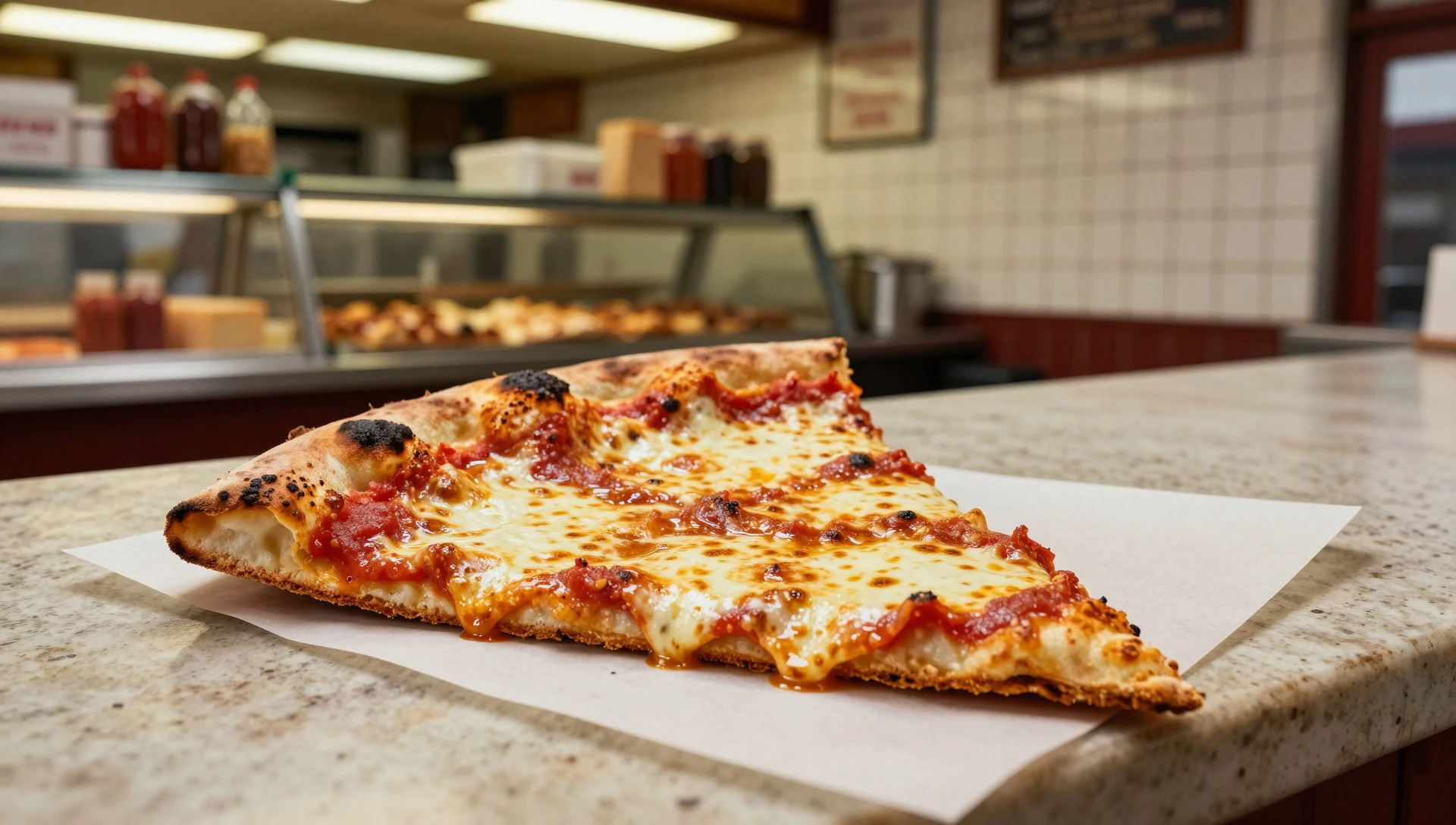
- Classic deli pastrami on rye — Historic Jewish delis throughout Manhattan and Brooklyn
Heaps of warm, slow-cured smoked beef brisket piled high between slices of pungent rye bread, usually served with yellow mustard and a crisp half-sour pickle.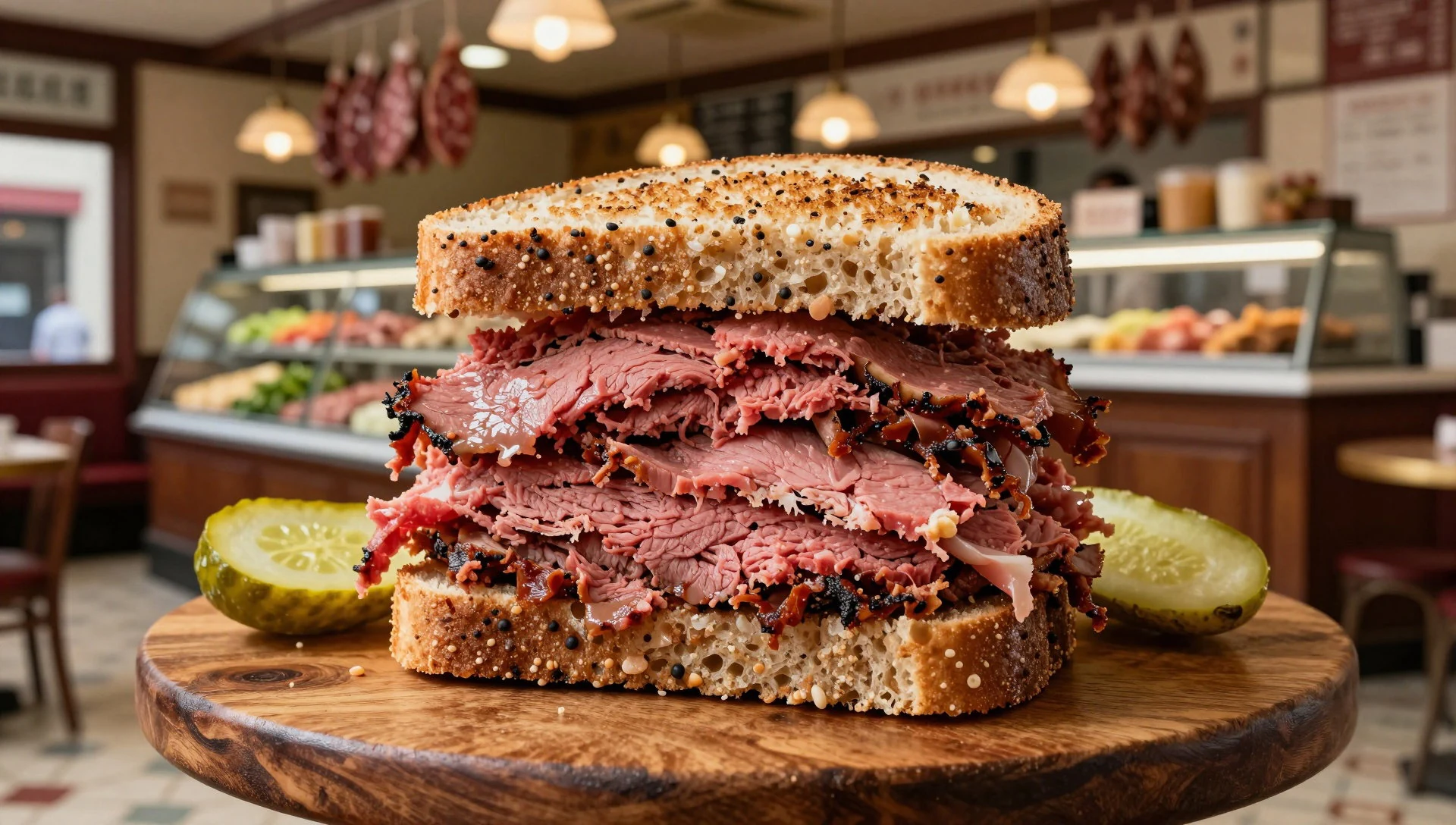
- Street cart hot dog — Midtown street corners and park perimeters
A quick, quintessential city snack featuring a boiled beef frank served in a soft bun with a choice of mustard, sauerkraut, or onions from pavement vendors. - Bagel with cream cheese and lox — Neighbourhood bakeries and bagel shops
A chewy, kettle-boiled yeast roll sliced and layered with thick cream cheese, cured salmon, capers, and thinly sliced red onion for a traditional morning meal.
Plan it
Best time. May and late September to October offer the most pleasant outdoor temperatures, avoiding humid summer peaks and freezing winter winds.
How long. 4–5
Getting there. Arrive via John F. Kennedy International Airport, Newark Liberty International Airport, or LaGuardia Airport, then connect to the city centre using the subway network, regional rail, or airport shuttle buses.
Budget. high
Tips
- Purchase a contactless payment card or transit pass for seamless entry onto subways and buses.
- Book major observation decks and museum tickets well in advance to secure preferred time slots.
- Wear sturdy, comfortable footwear as daily sightseeing involves extensive walking across hard concrete surfaces.
- Check official websites for current operating hours and security guidelines before visiting public institutions.
Etiquette
- Stand on the right side of escalators to let hurried commuters pass on the left.
- Tipping between 18 and 20 percent is standard practice in restaurants, bars, and taxi cabs.
Nearby
Sources
- Wikidata Q60 (CC0)
- Wikipedia (CC-BY-SA 4.0)
- Wikivoyage (CC-BY-SA 4.0)