New Orleans
New Orleans, United States
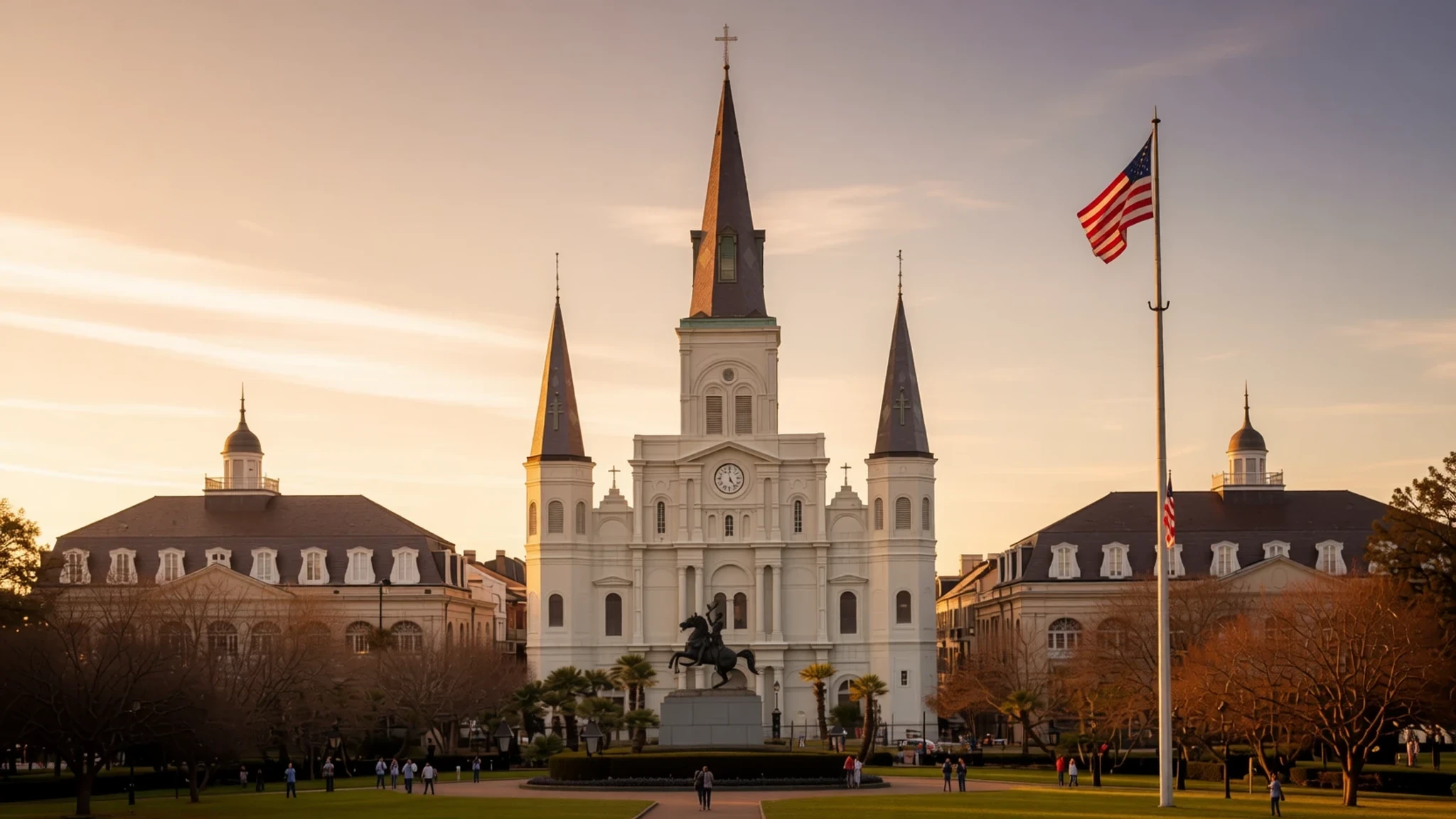
New Orleans offers an unmatched blend of Creole heritage, legendary jazz and distinctive cuisine along the Mississippi River.
The place
New Orleans rests along the banks of the mighty Mississippi River in the southern United States, serving as a vital port and commercial centre for the Gulf Coast region. Often called NOLA or The Big Easy, the city is a dense cultural patchwork defined by its low-lying delta geography and humid subtropical climate. Visitors stepping into the historic French Quarter immediately encounter a distinct architectural landscape where French and Spanish colonial influences shape narrow streets, wrought-iron balconies and shaded courtyards. Beyond the old core, broad avenues lined with mature live oaks stretch towards neighbourhoods featuring grand nineteenth-century mansions, bustling commercial districts and university campuses. The surrounding wetlands and riverways constantly remind travellers of the delicate engineering required to keep this historic settlement dry. Music spills from open doorways at all hours, blending brass bands, blues and rhythm and blues into a continuous acoustic backdrop. The local rhythm is unhurried yet celebratory, encouraging wanderers to slow their pace, follow the sound of a saxophone down a shady lane, and observe how deeply the river shapes daily existence here. Commerce and leisure intertwine effortlessly, driven by millions of annual visitors who come to experience the unique dialects, festive calendar and legendary hospitality of this southern jewel.
Its story
The history of New Orleans is a complex narrative of colonial ambition, displacement and cultural synthesis. Founded in the spring by French colonists under the direction of the Mississippi Company, the settlement rose upon land traditionally inhabited by the Chitimacha people. Named in honour of the French regent, the colonial outpost quickly became a strategic crown jewel guarding the mouth of the great river. Control shifted across empires through treaties and political manoeuvring, moving from French administration to Spanish rule, briefly returning to France, and finally joining the United States through a landmark territorial acquisition. This shifting sovereignty forged a singular Creole identity, blending European administrative traditions with Caribbean influences and African heritage. Enslaved and free people of colour played a foundational role in shaping the city's architecture, language, culinary arts and musical foundations, creating traditions that survived through periods of immense hardship, yellow fever outbreaks and devastating floods. The urban fabric expanded outward from the original bend in the river, draining swamps and building levees to tame a restless water table. Through every era of political transformation and environmental trial, the community retained a fierce independence, preserving customs and celebratory rituals that continue to define its character today.
What to see
- St. Louis Cathedral — French Quarter
Dominating Jackson Square, this historic Catholic cathedral stands as one of the most recognisable landmarks in the United States. Visitors can admire its striking triple steeples, explore the serene interior artwork, and attend regular services while street musicians play softly outside in the bustling public square.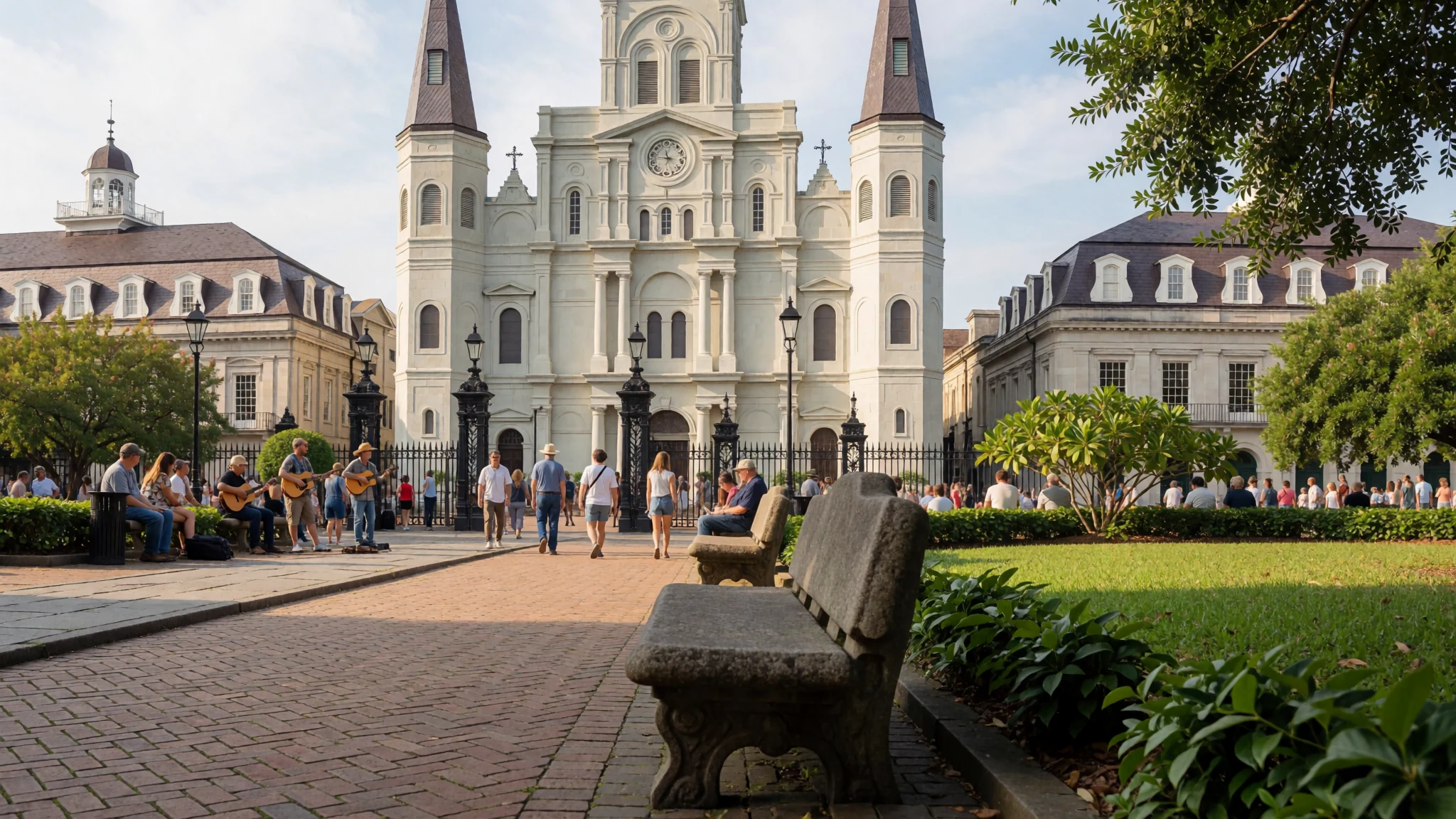
- Steamboat Natchez — Toulouse Street Wharf
Step aboard a traditional steam-powered paddlewheel boat for a leisurely cruise along the Mississippi River. Passengers enjoy live Dixieland jazz performances, informative historical narration about the bustling port terminal, and sweeping panoramic views of the city skyline from the open wooden decks.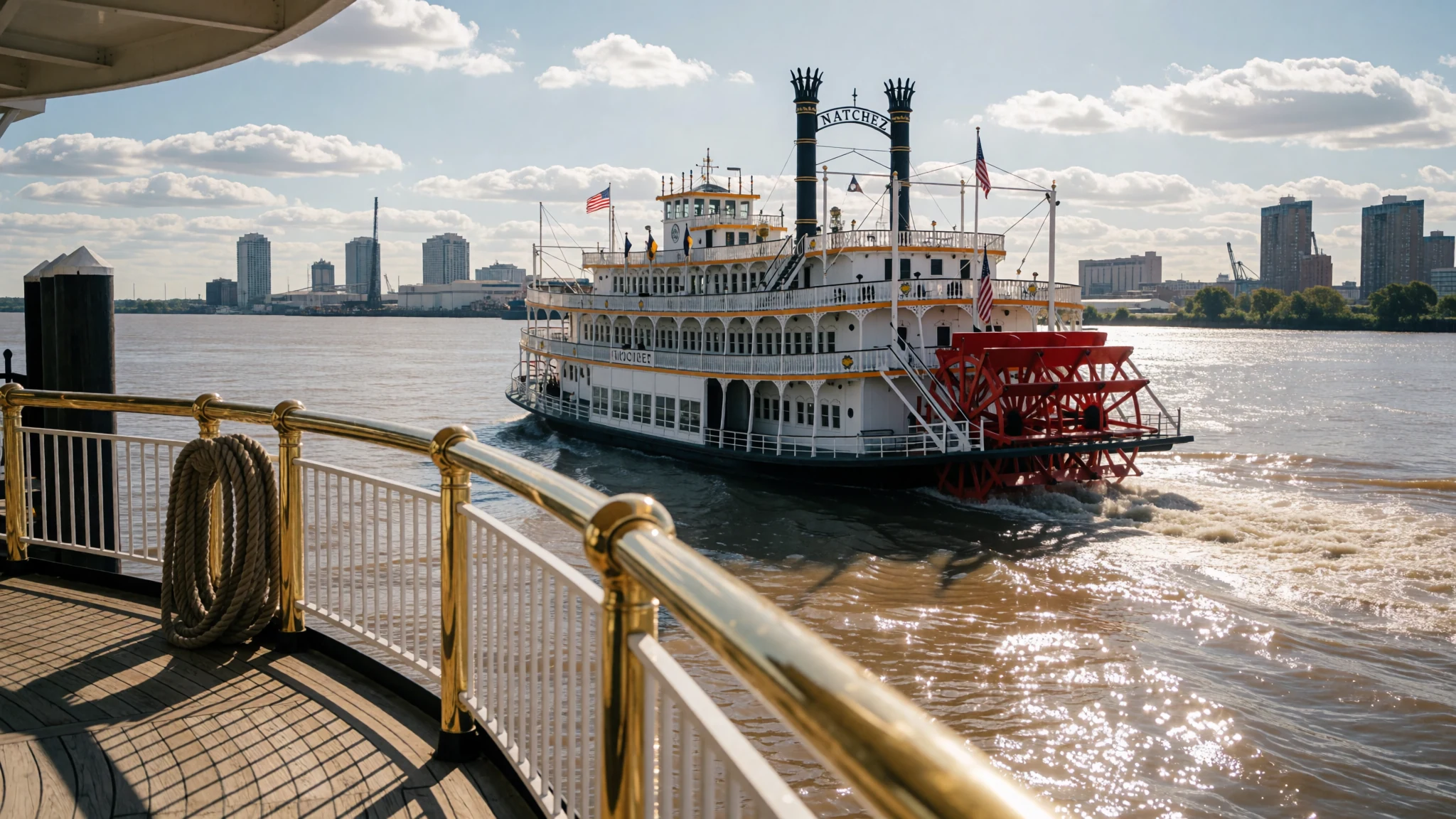
- Carousel Gardens Amusement Park — City Park
Located within expansive green parklands, this family-friendly attraction features vintage rides, including a historic wooden carousel that has delighted generations of children. Shaded walking paths, miniature train tracks and tranquil lagoons surround the grounds, making it a peaceful afternoon escape from the bustling urban centre.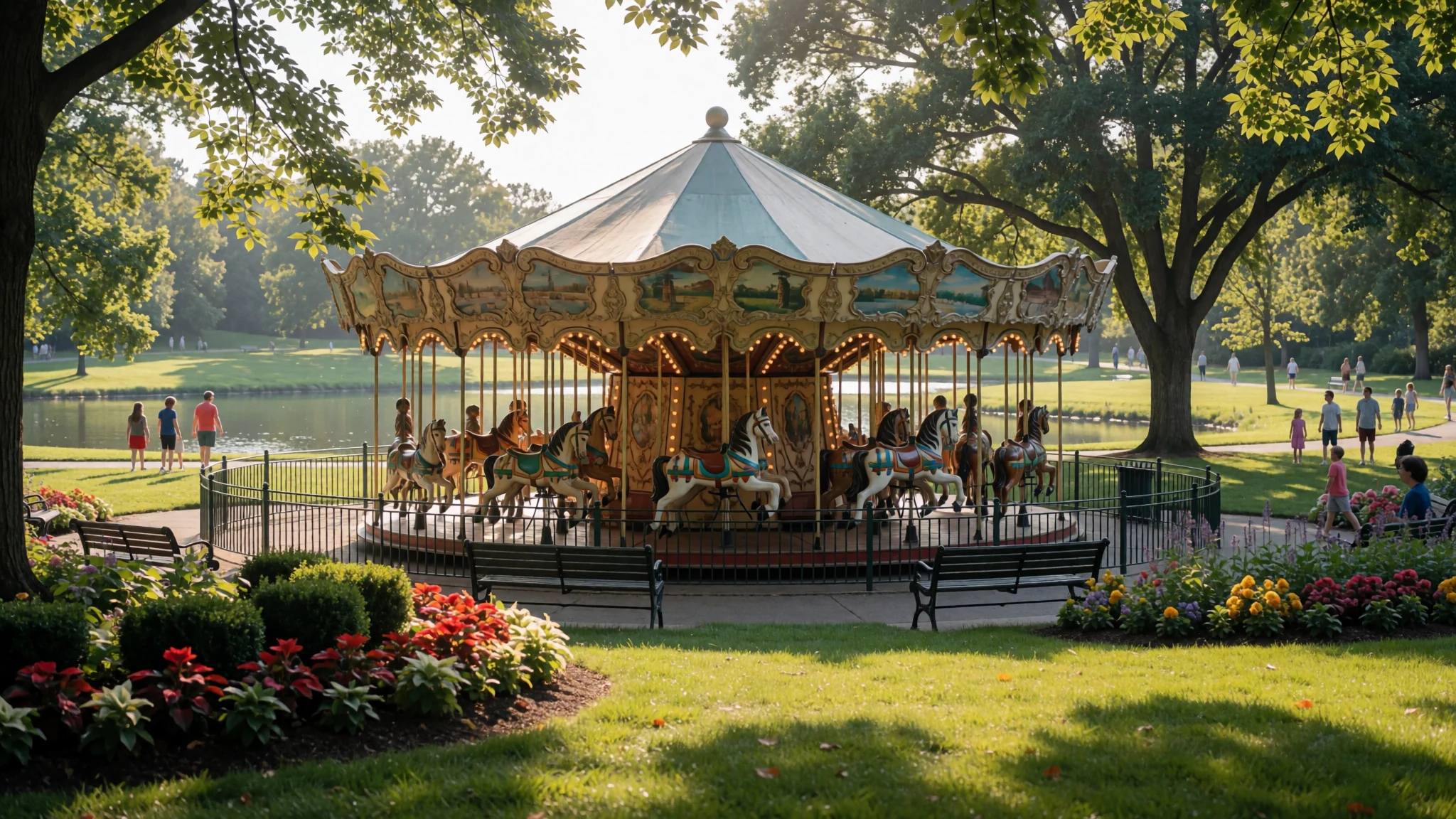
- Magazine Street — Uptown
Stretching for miles through several distinct neighbourhoods, this vibrant corridor offers an eclectic mix of independent boutiques, antique shops, local art galleries and neighbourhood eateries. It provides an ideal setting for a leisurely afternoon stroll away from the heavier tourist crowds of the central historic core.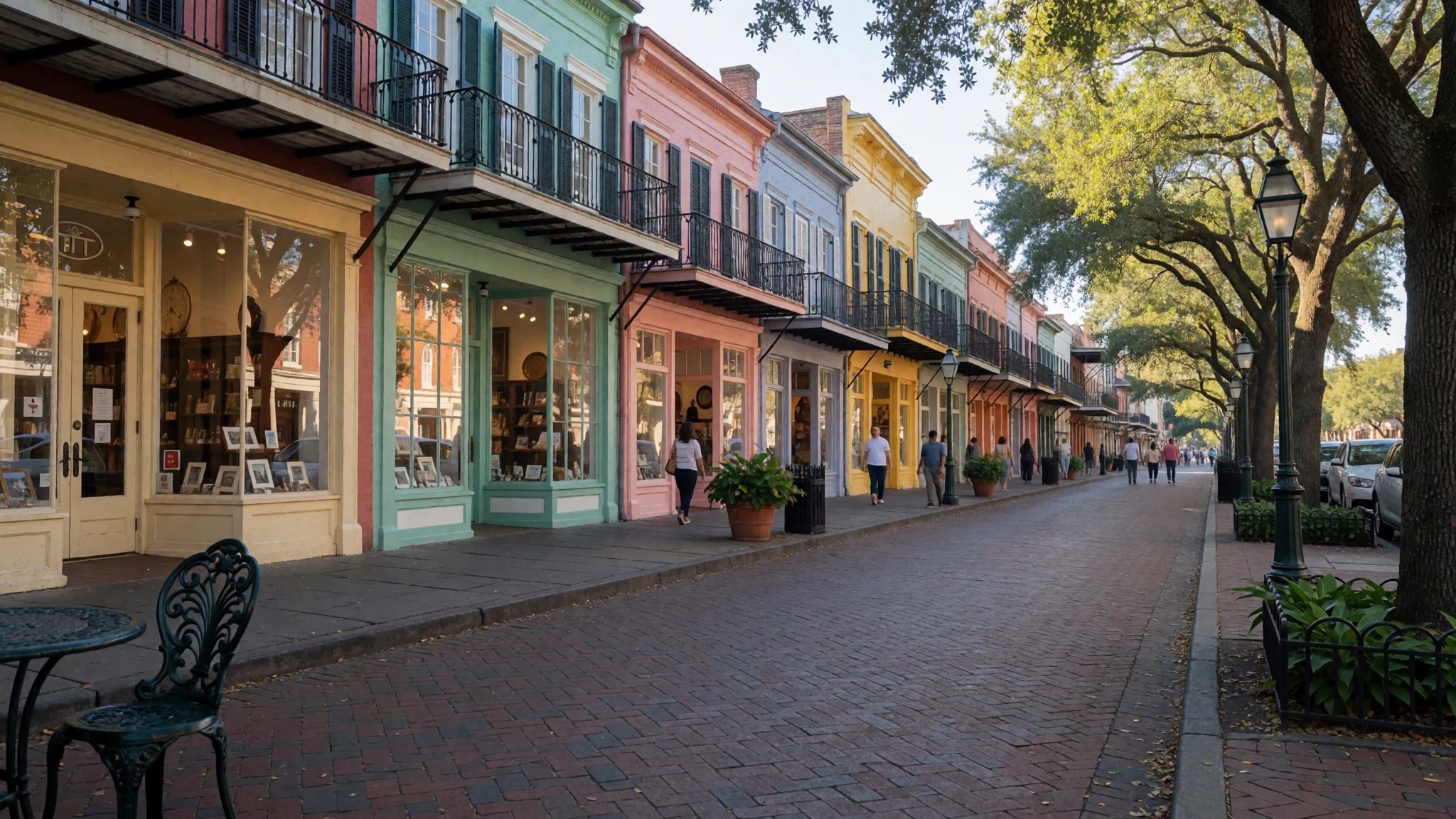
- Cajun Encounters Swamp Tour — Pearl River Basin
Venture beyond the urban limits into nearby protected wetlands aboard an open flat-bottomed boat. Expert guides navigate narrow bayous draped in Spanish moss, sharing insights about local ecology while pointing out native wildlife including alligators, wading birds and turtles thriving in the lush marshland.
Culture
Community life in New Orleans revolves around music, neighbourhood festivals, shared meals and spiritual traditions that weave together Catholic observance, West African rhythms and Caribbean ancestry. Porches and balconies serve as outdoor living rooms where residents greet passers-by and converse easily with strangers. Brass bands and social aid and pleasure clubs transform ordinary Sundays into spontaneous street celebrations through traditional second-line parades. Spiritual practices here embrace both solemn cathedral devotion and vibrant esoteric traditions, reflecting a long history of syncretic beliefs. Politeness is expected, and a warm greeting opens doors across every neighbourhood. Visitors should remain respectful when encountering neighbourhood brass bands or funeral processions, stepping aside to let participants pass and keeping local noise ordinances in mind during late-night outings. Always ask permission before photographing local street performers or participants in religious ceremonies.
What to wear
Traditional dressing in the city has historically favoured lightweight, breathable fabrics designed to cope with intense subtropical humidity and heavy seasonal rainfall. Historically, Creole fashion drew on European tailoring adapted for the sweltering Gulf Coast climate, utilising fine linens, cottons and delicate lacework that kept wearers cool while maintaining elegance during social gatherings and evening galas. Today, everyday street style remains relaxed, practical and expressive, blending casual southern comfort with bold artistic flair. Locals on the move typically wear casual denim, comfortable cotton shirts, shorts and sturdy walking shoes suited for uneven pavements and historic flagstones. For evening outings along music venues and dining rooms, locals often lean towards smart-casual attire with colourful patterns and lightweight layers. Visitors should pack breathable cotton clothing, sunglasses, a wide-brimmed hat, and an umbrella or light waterproof shell for sudden tropical downpours. Sturdy, comfortable footwear is essential because exploring the historic quarters involves extensive walking on aged brick and stone pavements. Dressing modestly is the norm for religious sites, but otherwise, individual expression and vibrant personal style are warmly welcomed across all neighbourhoods.
What to eat
- Gumbo — French Quarter eateries
A rich, slow-simmered soup thickened with a dark roux or filé powder, loaded with shellfish or fowl and served over steaming white rice. Find it in traditional Creole restaurants throughout the historic centre.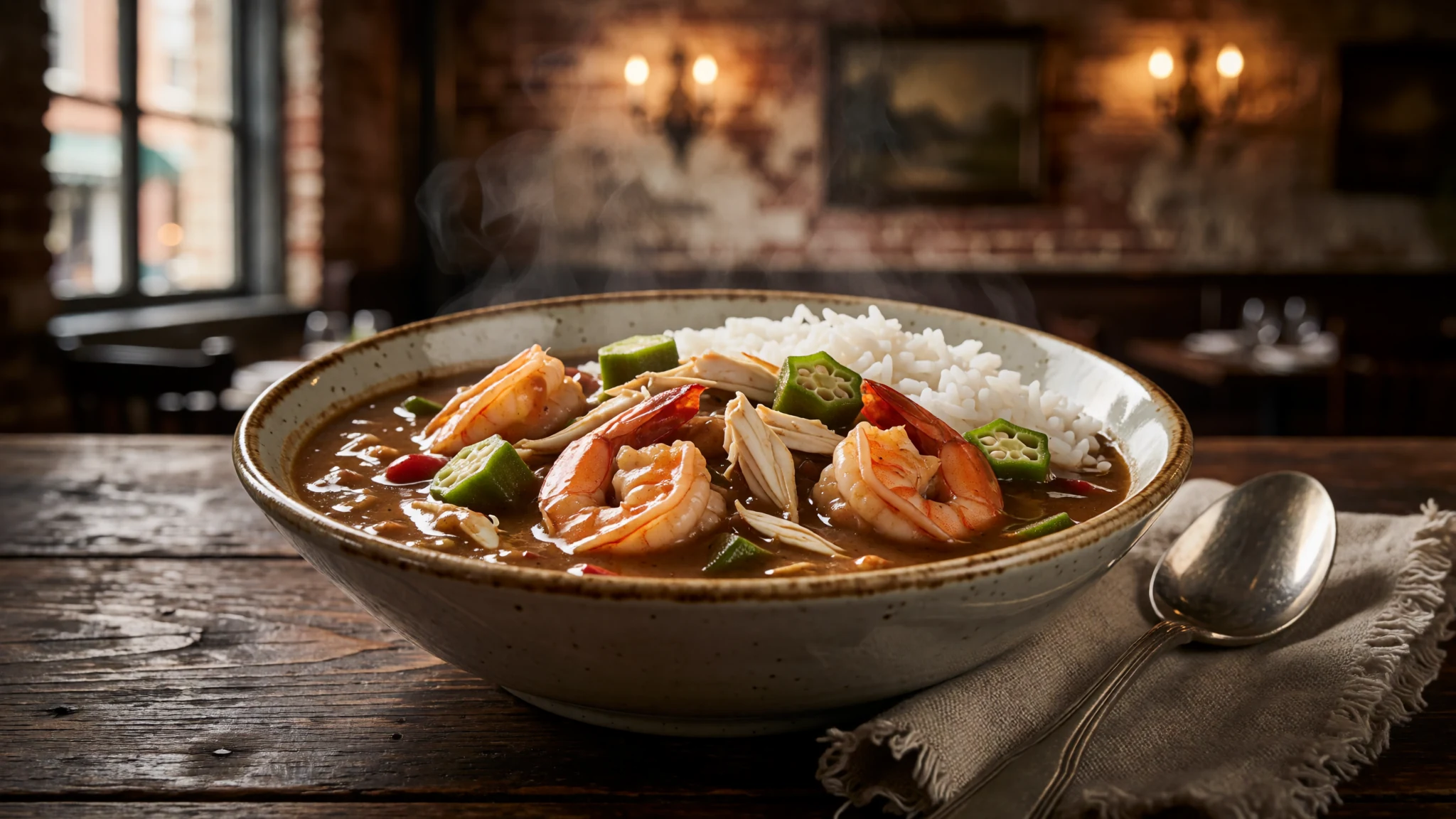
- Po' boy — Local neighbourhood lunch counters
A traditional submarine sandwich served on crisp French bread with a flaky crust and soft interior, piled high with fried seafood or roast beef dripping in gravy. Order one at casual neighbourhood lunch counters.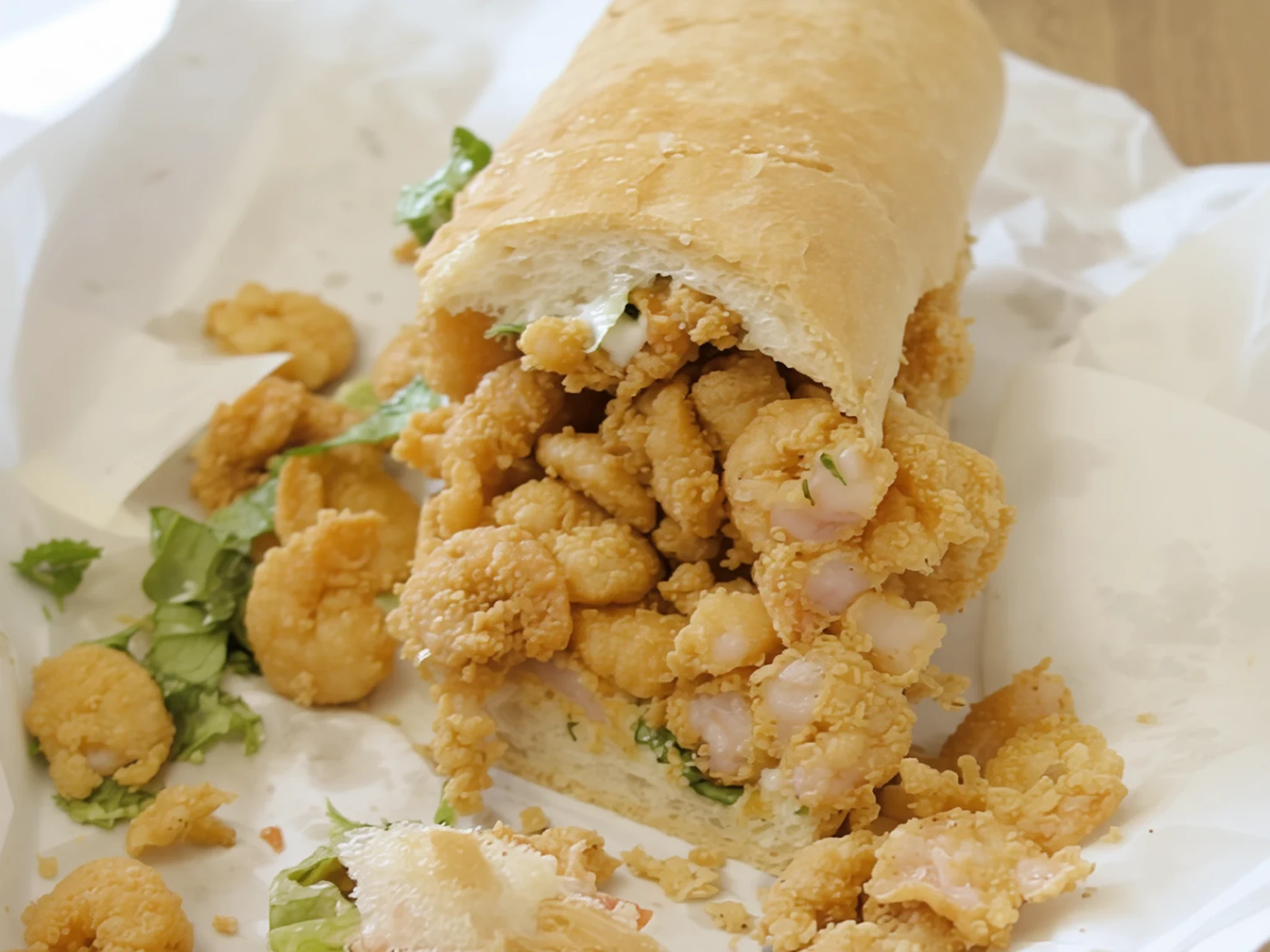
- Beignets — Historic open-air cafes
Deep-fried square pastries served piping hot, buried under a generous mountain of confectioner's sugar and paired with chicory coffee. Enjoy them at historic open-air coffee stands operating round the clock.
- Crawfish Étouffée — Neighbourhood seafood houses
A comforting spiced stew featuring tender tail meat simmered in a rich blond roux with vegetables and herbs, served over rice. Look for this classic dish in neighbourhood seafood houses. - Jambalaya — Traditional eateries citywide
A hearty one-pot dish combining rice with meat, seafood, vegetables and a robust blend of spices. Savour a plate at traditional eateries scattered across the old wards.
Plan it
Best time. February to April brings pleasant mild temperatures and major festival celebrations, while November offers comfortable weather and smaller crowds; summer months are exceptionally hot and humid.
How long. 3–4
Getting there. Fly into the international airport, then take an airport express bus or a taxi directly into the historic centre in under an hour.
Budget. mid
Tips
- Wear comfortable footwear for walking on uneven historic pavements
- Book accommodations well in advance if visiting during major festival periods
- Stay hydrated and carry sun protection during the humid summer months
- Keep small bills handy for street musicians and public transport fares
Etiquette
- Ask permission before photographing local musicians or residents
- Respect local noise restrictions when walking through residential neighbourhoods at night
- Tip service staff generously for hospitality work
Nearby
Sources
- Wikidata Q34404 (CC0)
- Wikipedia (CC BY-SA 4.0)
- Wikivoyage (CC BY-SA 4.0)