San Francisco
San Francisco, United States
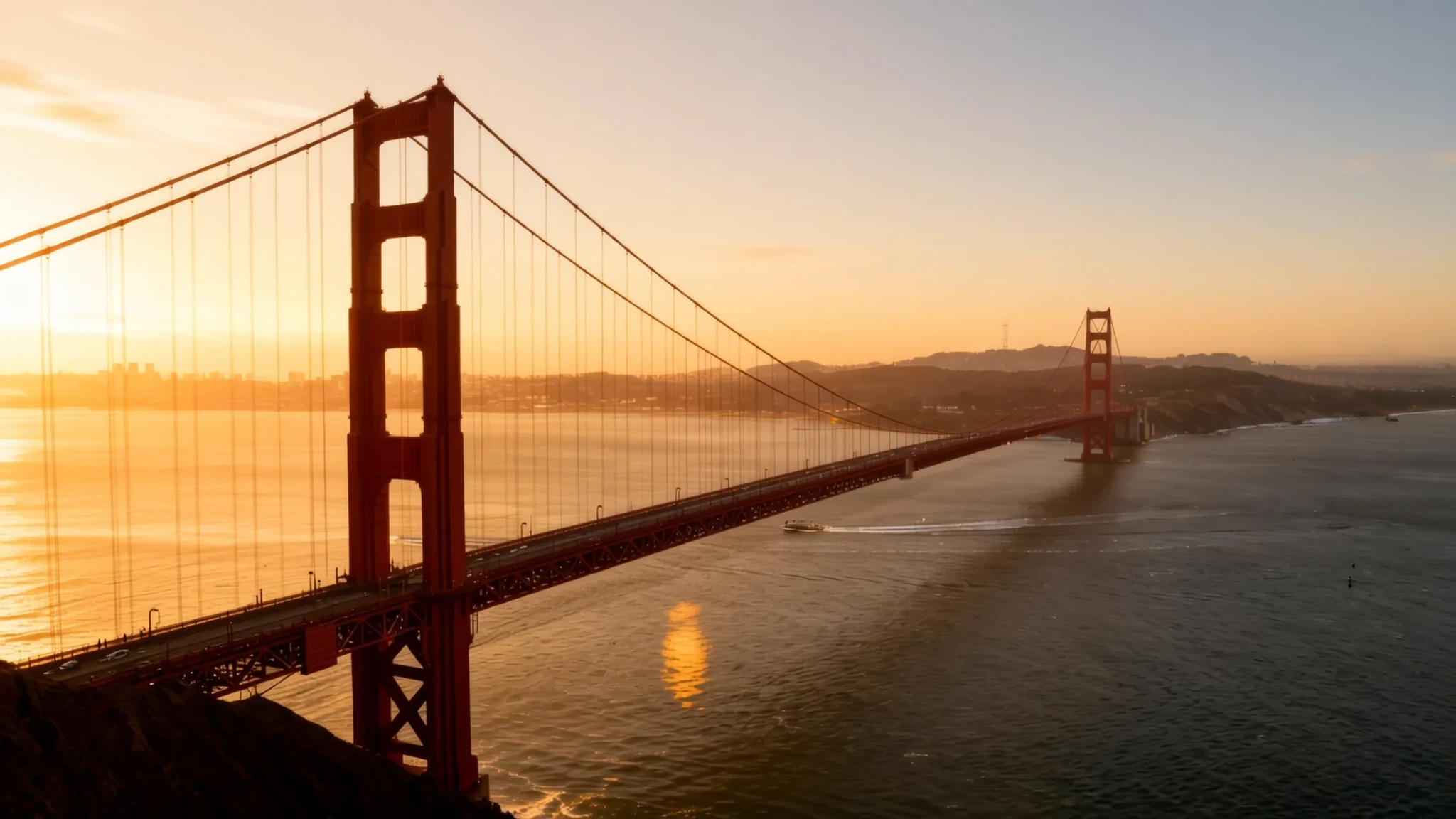
San Francisco pairs steep coastal hills and iconic engineering with a pioneering tech spirit and exceptional culinary traditions.
The place
San Francisco rises across a dramatic northern California peninsula, framed by the Pacific Ocean and a sweeping bay. Founded as a small colonial outpost, the settlement has grown into an influential global hub for technology and finance, noted for an affluence that shapes its striking streetscapes. Victorian townhouses sit alongside modern glass towers, while steep streets offer sudden vistas of blue water and distant bridges. The maritime climate brings the wettest weather from November to March, while summer months stay dry and warm, with the hottest days arriving in late summer. Walking remains the finest way to absorb the character of individual districts, from winding residential lanes to energetic commercial corridors. Diverse communities have shaped the urban fabric over generations, contributing distinct architectural traditions, neighborhood markets, and culinary heritages. Parks and green spaces punctuate the dense grid, offering panoramic views from high ridges down to the bustling piers of the waterfront. Public squares and historic cable cars connect the different elevations, giving the municipality a distinct rhythm that sets it apart from other metropolitan centres in the region.
Its story
San Francisco carries a layered history that began long before European vessels entered the sheltered bay waters. Indigenous Yelamu communities lived in scattered seasonal villages along the peninsula for millennia, harvesting shellfish and managing the native flora through controlled burning. Spanish explorers arrived by land in the late eighteenth century, claiming the territory and establishing a fortified military post alongside a religious mission dedicated to Saint Francis of Assisi. Mexican rule followed before the discovery of gold in the region triggered a massive maritime migration in the middle of the nineteenth century. Tents and wooden shacks multiplied overnight along the shoreline as prospectors flooded inland, transforming a sleepy settlement into a sprawling coastal city almost instantly. A catastrophic earthquake and subsequent fires in the early twentieth century tested local resilience, reducing much of the built environment to ash. Reconstruction began with remarkable speed, resulting in the harmonious Edwardian architecture visible today. Throughout subsequent decades, the municipality earned a reputation as a laboratory for social movements, artistic experimentation, and countercultural expression, continually reinventing its civic identity while honoring the indigenous and immigrant communities that laid its foundations.
What to see
- Golden Gate Bridge — Northern waterfront
Spanning the strait connecting the bay to the open ocean, this monumental suspension structure glows in international orange against frequent coastal fog banks. Pedestrians and cyclists can traverse the full length on dedicated pathways while taking in sweeping maritime views of the rugged headlands.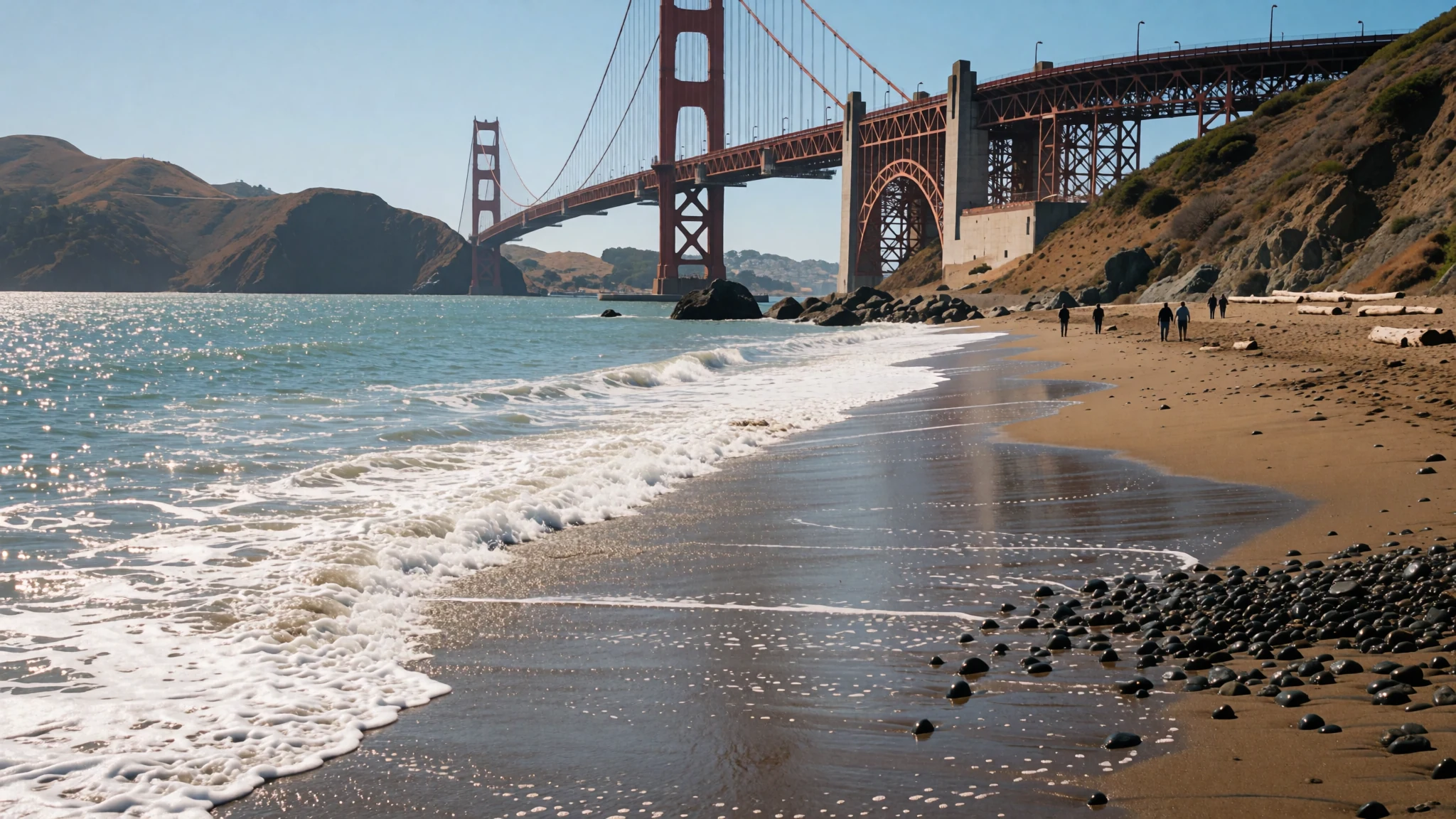
- The Painted Ladies — Western Addition neighbourhood
These iconic Victorian and Edwardian residences sit in a neat row overlooking Alamo Square park, displaying pastel polychrome paint schemes that highlight their intricate wooden ornamentation. The foreground park provides a classic vantage point framing the historic homes against the modern downtown skyscrapers.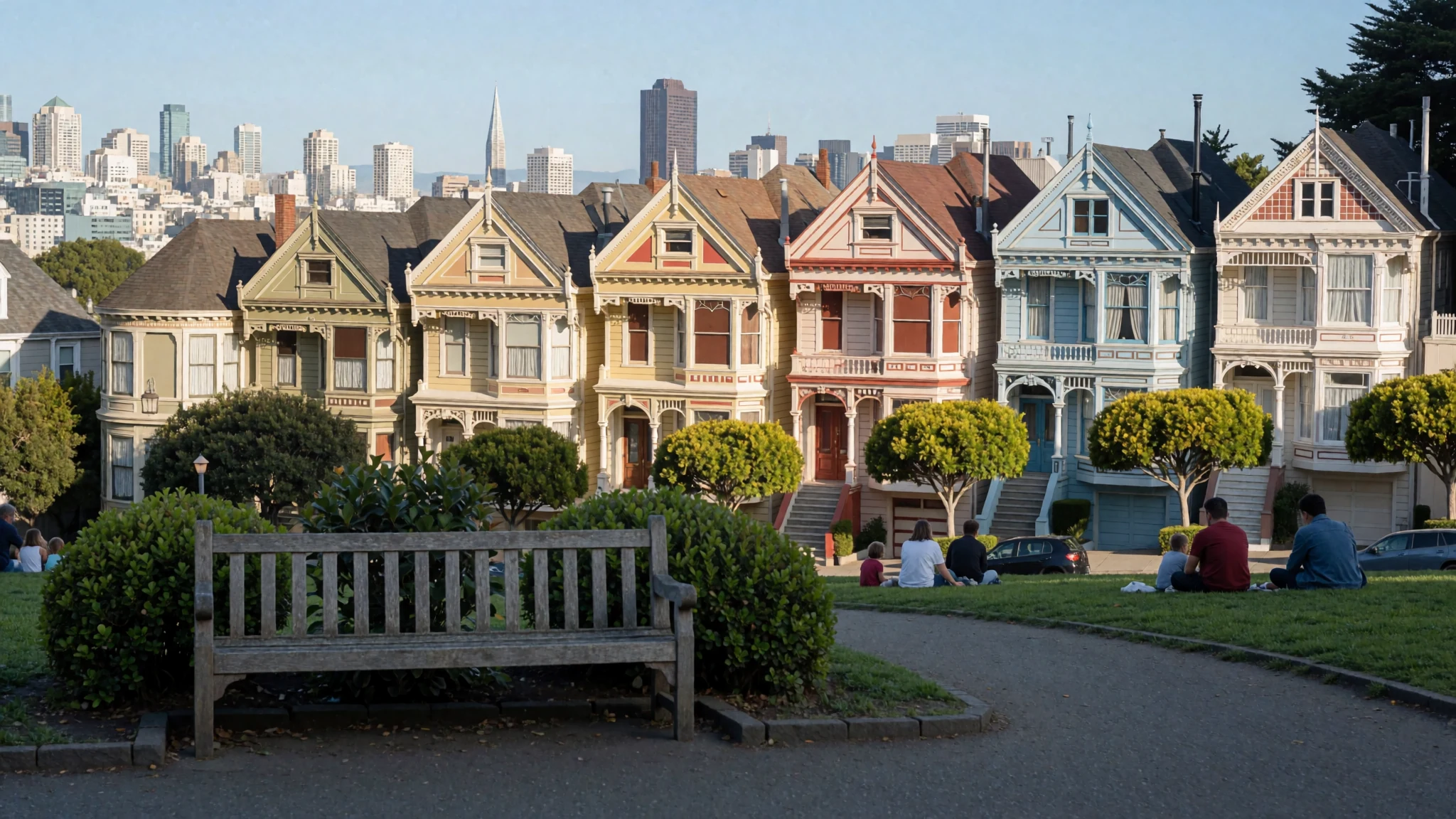
- Chinatown — Downtown district
Established during the nineteenth century, this historic enclave is one of the oldest and largest Chinese communities outside Asia, centred around bustling Grant Avenue and Stockton Street. Visitors wander past pagoda-roofed buildings, bustling produce markets, fragrant tea shops, and traditional apothecaries selling herbal remedies.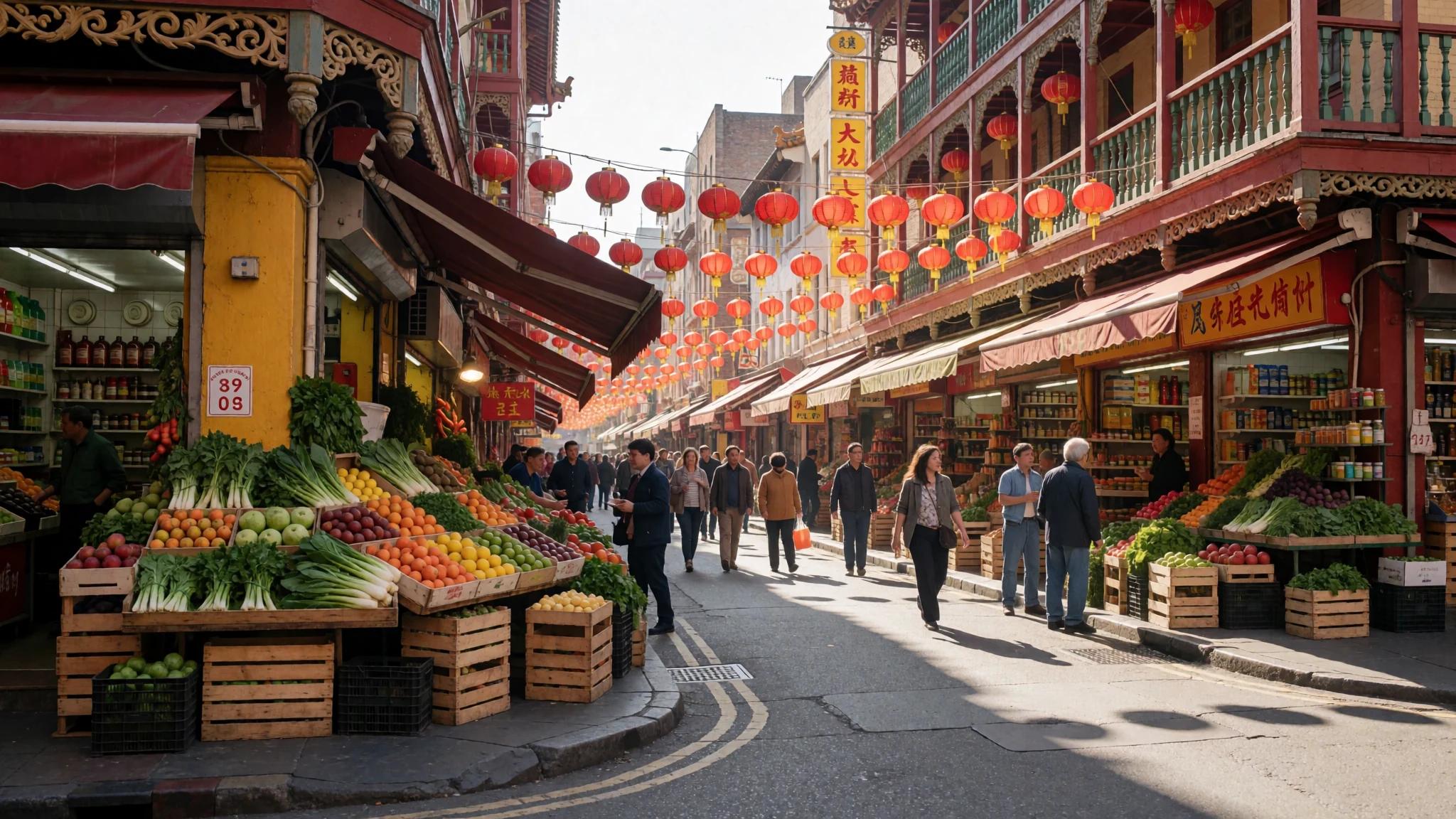
- Mission San Francisco de Asís — Mission District
Commonly known as Mission Dolores, this adobe chapel is the oldest intact building in the municipality, constructed by Spanish settlers and indigenous labourers in the eighteenth century. An adjoining basilica features soaring stained glass windows, while the quiet cemetery preserves the graves of early pioneers and indigenous residents.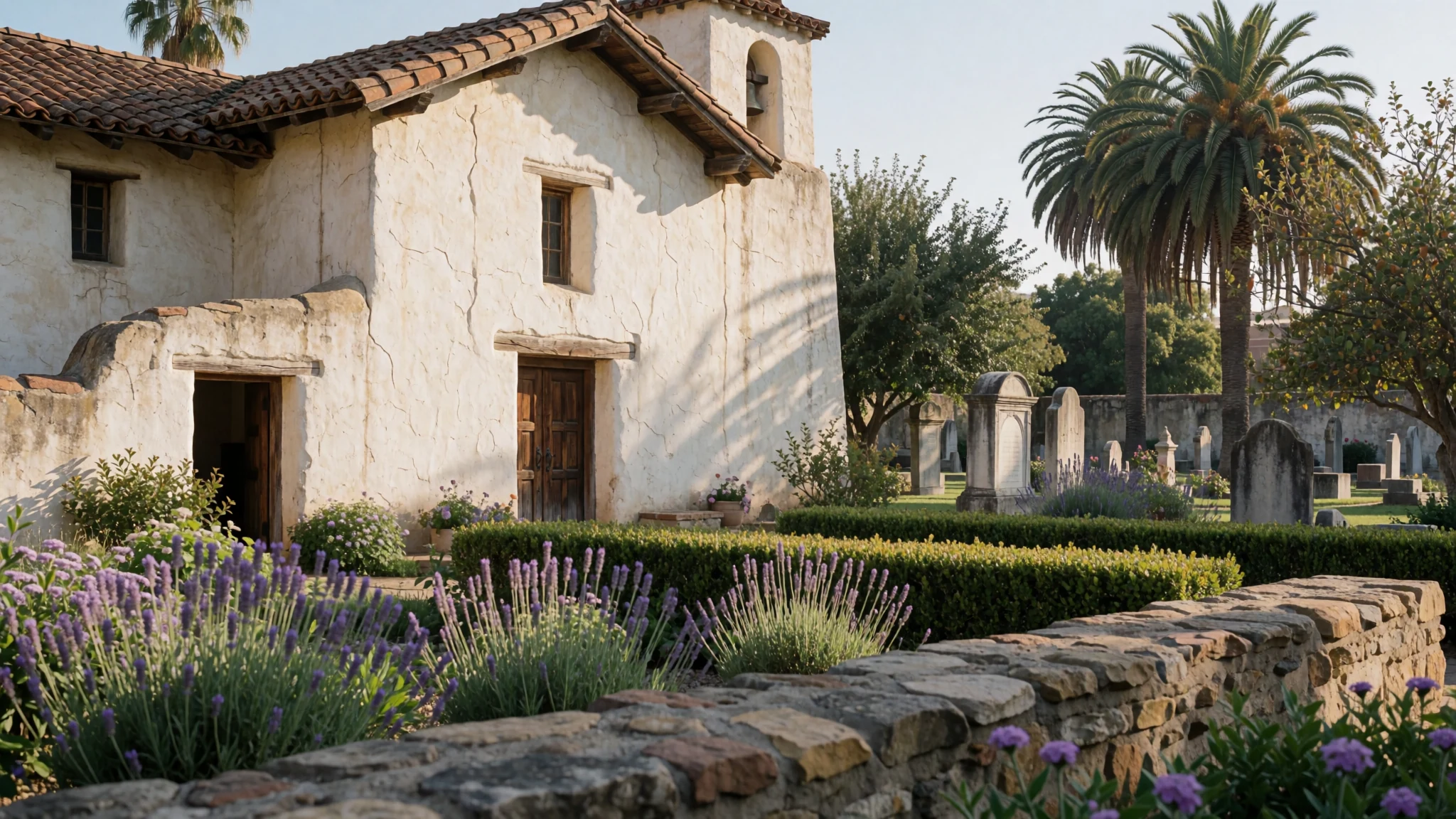
- Fisherman's Wharf — Northern shoreline
This historic maritime district serves as the main hub for coastal tourism, featuring seafood stalls, souvenir shops, and barking sea lions lounging on wooden piers. Visitors can watch fishing boats unload their daily catch or board ferries heading towards nearby historic island landmarks in the bay.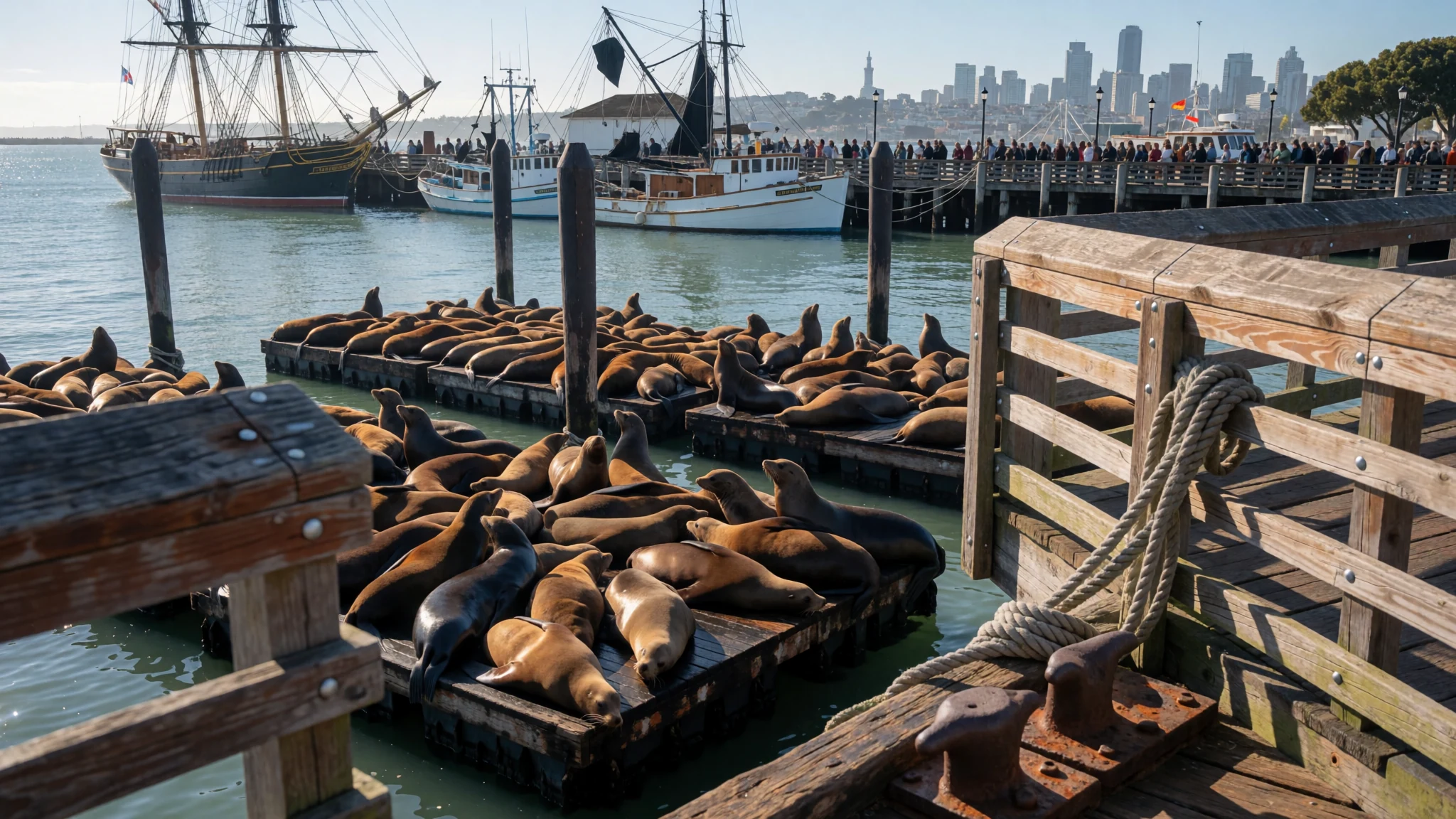
Culture
San Francisco is defined by a distinct progressive spirit and an embrace of diverse cultural expression that has influenced social movements across the globe. Neighborhoods function as interconnected villages, each maintaining a distinct character shaped by waves of immigration from Europe, Asia, and Latin America. Public life thrives on the streets, where residents frequent independent bookshops, corner cafés, and community arts venues rather than enclosed suburban malls. Creativity permeates daily routines, visible in vibrant murals adorning exterior walls, public poetry readings, and an appreciation for avant-garde theatre. Environmental consciousness is deeply embedded in local habits, with widespread composting, municipal recycling initiatives, and a strong preference for locally grown agricultural produce. Residents value personal expression and tolerance, creating an atmosphere where alternative lifestyles and artistic pursuits receive broad community support. When navigating crowded pavements or pedestrian crossings, keep a steady pace and be mindful of local cyclists sharing the road.
What to wear
San Francisco fashion prioritises practical comfort and layering to cope with rapidly shifting microclimates, where a warm sunny afternoon can turn into a chilly, wind-swept evening in a matter of minutes. Traditional attire historically reflected the rugged needs of gold rush prospectors and maritime workers, favouring durable denim trousers and sturdy flannel shirts crafted from heavy cottons and wools—a heritage that cemented the region's lasting influence on global workwear. Contemporary residents generally embrace a casual, utilitarian aesthetic, pairing comfortable trainers with wool sweaters, lightweight parkas, and wind-resistant jackets suitable for walking hilly terrain. Visitors should pack versatile garments that can be added or removed easily throughout the day, including a windproof coat, comfortable walking shoes with good grip for steep gradients, and sunglasses for bright waterfront glare. Formal attire is rarely required outside of upscale dining establishments or private cultural galas, making relaxed layers the sensible choice for exploring every neighbourhood.
What to eat
- Mission Burrito — Mission District taquerias
Invented within local taquerias, this oversized flour tortilla wraps around seasoned meat, beans, rice, cheese, and fresh salsa, all encased in protective aluminium foil. Find these iconic handheld meals at neighbourhood eateries throughout the Mission District.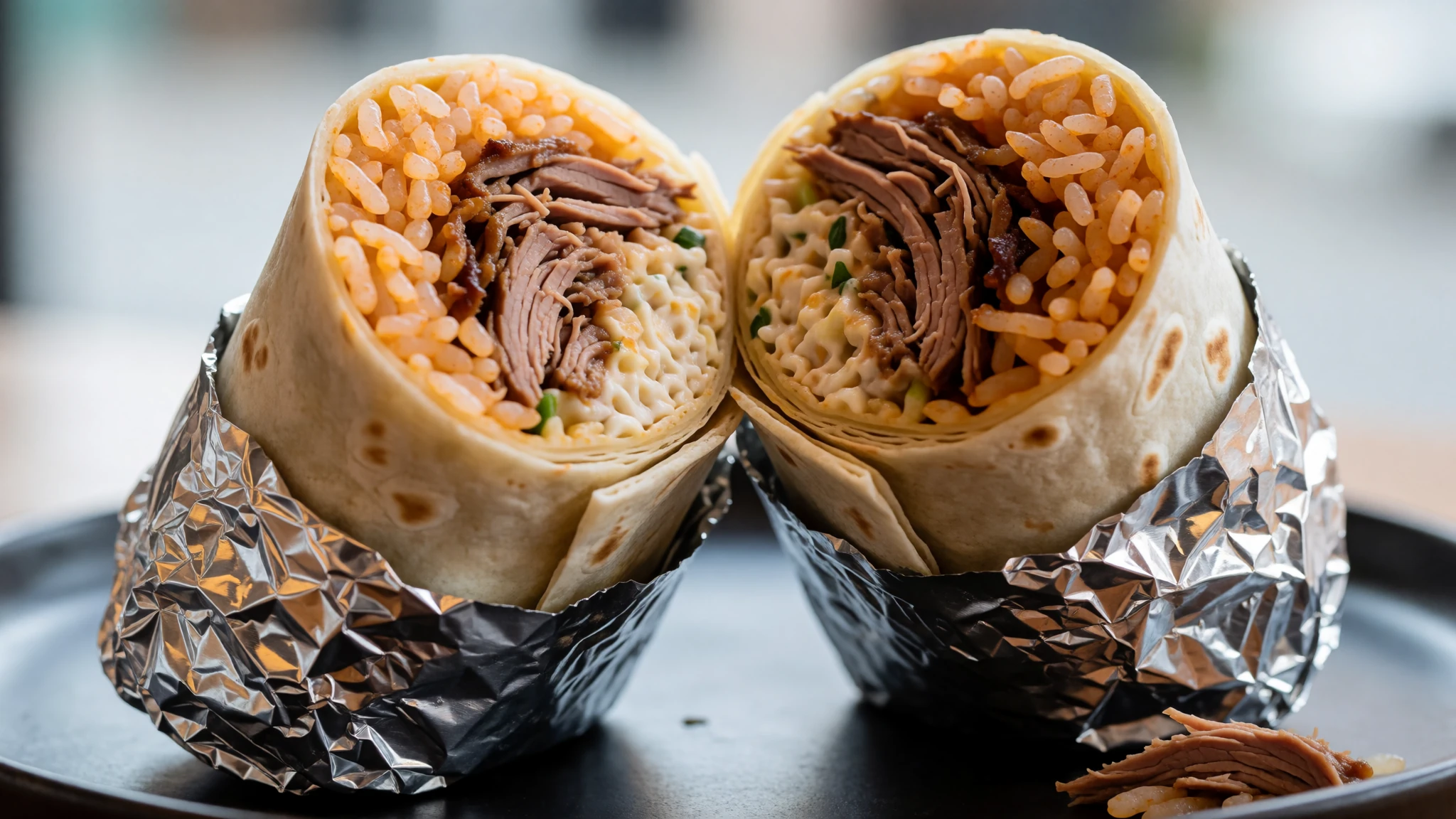
- Cioppino — Fisherman's Wharf restaurants
Created by immigrant fishermen, this hearty seafood stew combines fresh crab, clams, shrimp, and fish in a savoury tomato and white wine broth infused with garlic and herbs. Enjoy a bowl at traditional seafood houses along the northern waterfront.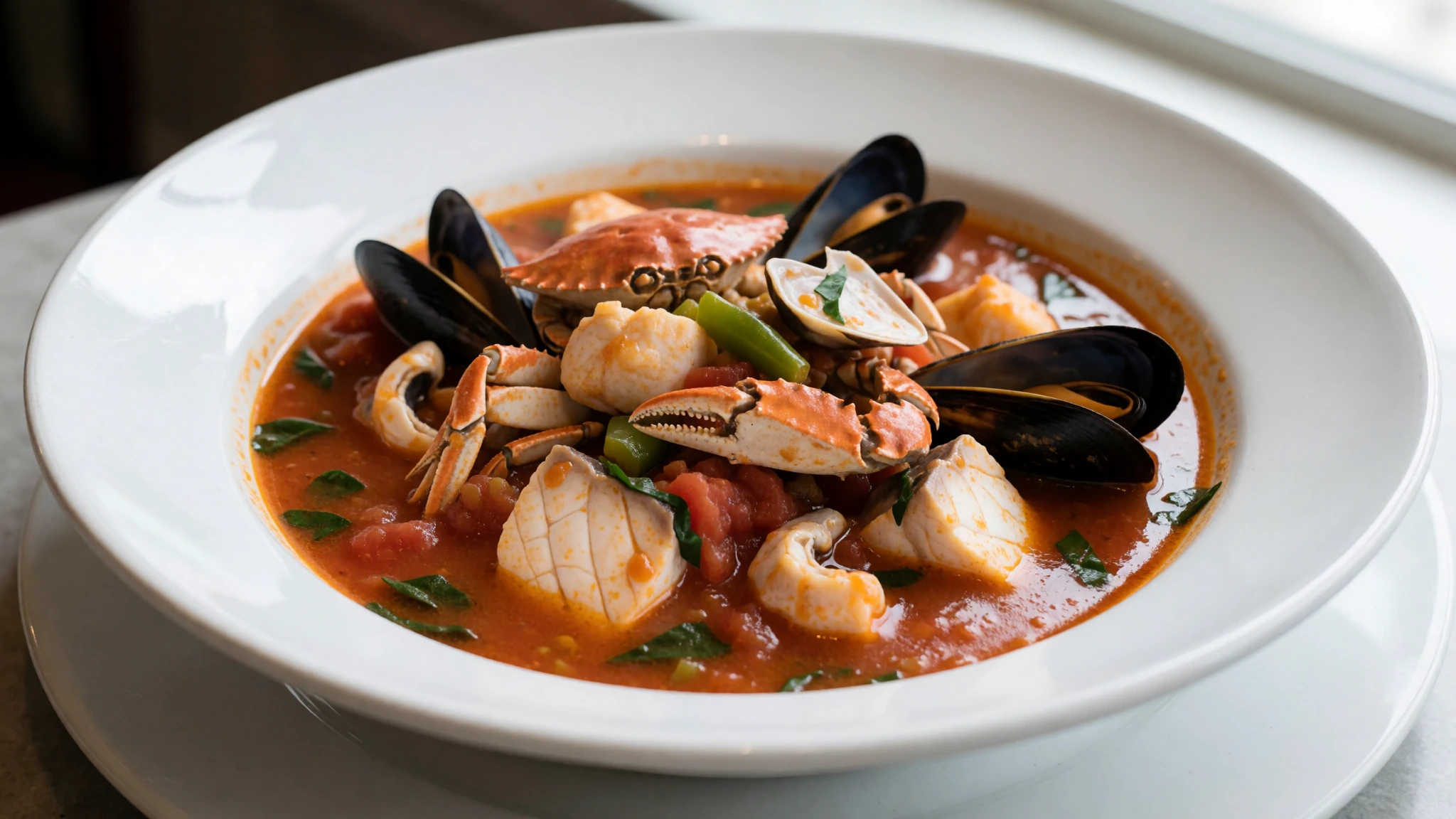
- Sourdough Bread — Historic bakeries and Ghirardelli Square
The local wild yeasts impart a distinctive tangy flavor and crisp crust to traditional loaves baked daily across the bay area. Purchase warm rounds and chowder bowls at historic bakeries located near Ghirardelli Square.
- Dungeness Crab — Pier seafood stalls and harbour markets
Harvested from cold Pacific waters, these sweet crustaceans are cracked and served simply with melted butter or incorporated into vibrant local salads during the winter harvesting season. Street-side cauldrons boil fresh catches right on the piers.
Plan it
Best time. September is the hottest month and July to September stay dry, while spring brings pleasant weather and blooming parks.
How long. 3–4
Getting there. Arrive at San Francisco International Airport or Oakland International Airport, then connect to the downtown area via the Bay Area Rapid Transit (BART) rail network.
Budget. mid
Tips
- Pack layers of clothing because coastal temperatures fluctuate rapidly throughout the day.
- Wear comfortable walking shoes with good tread to handle the steep hills.
- Use public transport or cable cars instead of renting a car to avoid parking challenges.
- Book advance tickets for popular historic sites and island tours.
Etiquette
- Tip servers and hospitality staff around fifteen to twenty percent for standard service.
- Yield to pedestrians on steep crosswalks and respect local cyclist right-of-way rules.
Nearby
Sources
- Wikidata Q62 (CC0)
- Wikipedia (CC BY-SA 4.0)
- Wikivoyage (CC BY-SA 4.0)