Zug
Zug, Switzerland
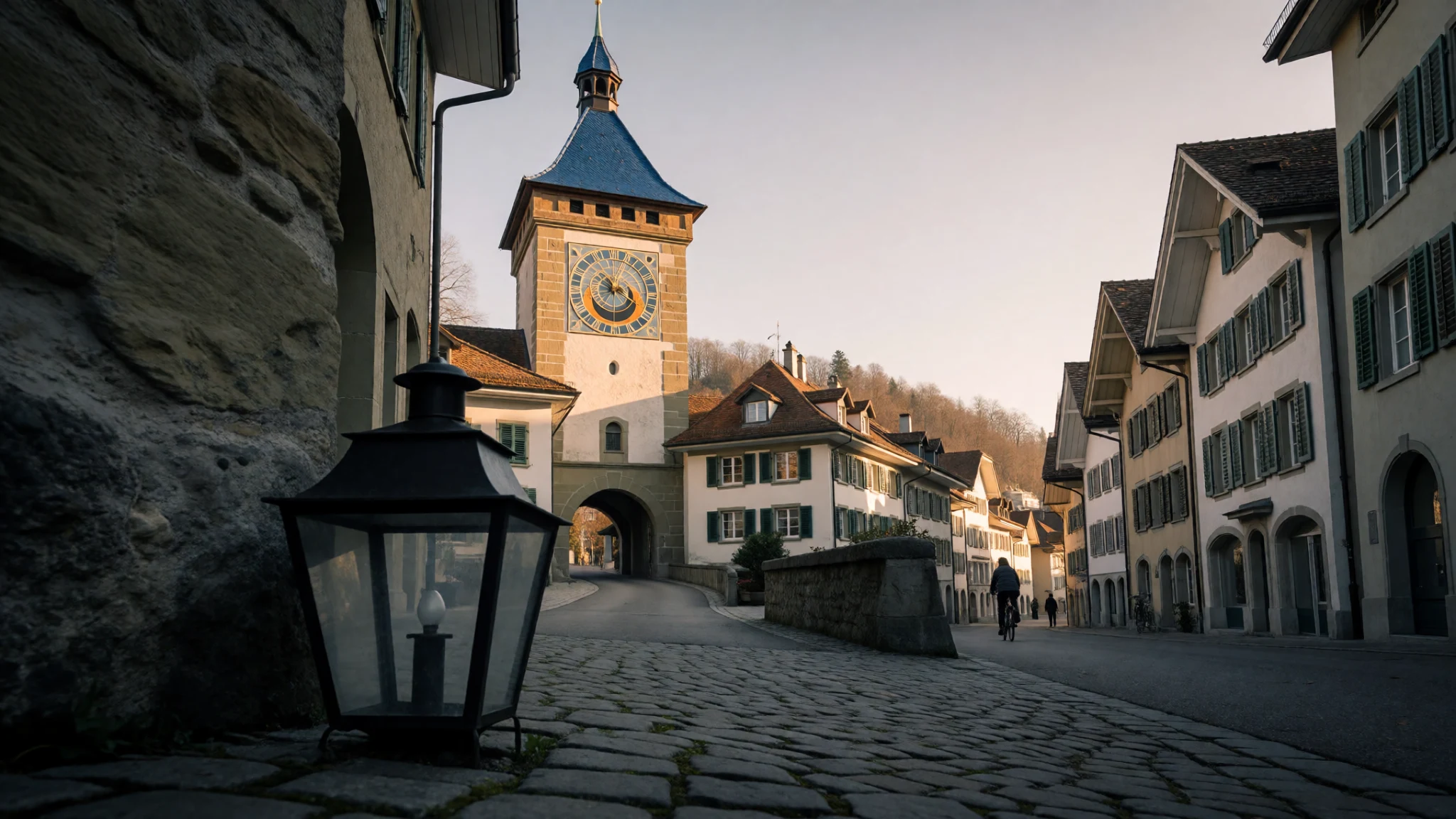
Zug is a small, tidy lakeside old town where medieval towers, a flat promenade and Alpine views sit a short train ride from Zurich.
The place
Zug sits on the northeast shore of Lake Zug in central Switzerland, at about 425 m above sea level. It is the capital of the canton of the same name and a town of roughly 32,000 people, which makes it easy to cross on foot in a morning. The compact old town lies right against the water, with narrow lanes, small squares and tall painted houses squeezed between the remaining wall towers and the lake front.
Behind the town the land rises towards the Zugerberg, a wooded ridge that gives the place its backdrop. Across the lake, on clear days, the Rigi and Pilatus show up along with snowy peaks further off in the Bernese Oberland. The municipality is not only streets: a third of its land is farmland and nearly 38 per cent is forest, so orchards and fields are never far from the centre.
Zug is also known for money. Many international companies are registered here, and the town has a reputation for concentrated wealth, plus a cluster of cryptocurrency firms that earned it the nickname Crypto Valley. Visitors will notice this mostly as a calm, orderly, rather expensive atmosphere rather than anything flashy.
The weather is changeable. Zug has rain on about 136 days a year, and roughly 1,224 mm of precipitation falls in total, so a dry sunny day by the lake feels like a gift and a waterproof is a sensible companion in any month. The town suits a slow day trip or a base for exploring the lakes and hills of central Switzerland.
Its story
People have lived around Lake Zug for a very long time. The oldest traces of humans date back to about 14,000 BC, left by nomadic hunters and gatherers on the northern shore. Later, the first settled farmers built more than forty pile-dwelling villages along the water in the Neolithic period, and these lake-shore settlements peaked between 3800 and 2450 BC. One of the best-studied, called Sumpf, continued into the late Bronze Age, up to about 850 BC.
Finds from the Iron Age and from Celtic and Roman times have also been dug up in the area. The Zug Museum for Prehistory shows what these discoveries say about daily life in those centuries, and it is a good place to understand how the lake shaped everything here.
Around AD 600, Alemannic families moved into what is now the canton. Place names ending in -ikon, and the name Blickensdorf, are still reminders of those first Alemannic settlers, and the churches of Baar and Risch also go back to the early Middle Ages. The earliest written record of the area is from 858, when King Ludwig the German granted the farm at Cham to the Fraumünster convent in Zürich.
The lake itself has a darker chapter. In 1887 part of the shore slid into the water, and a monument at the northern end of the promenade marks the spot. It is a quiet reminder that the pretty waterfront rests on soft ground.
What to see
- Old Town — Altstadt
The old town is the heart of a visit: lanes, small squares and tall painted houses packed close together, with only four wall towers and a short stretch of wall left. Wander without a plan, then drop to the lake. Mornings are quietest and the light on the façades is kind.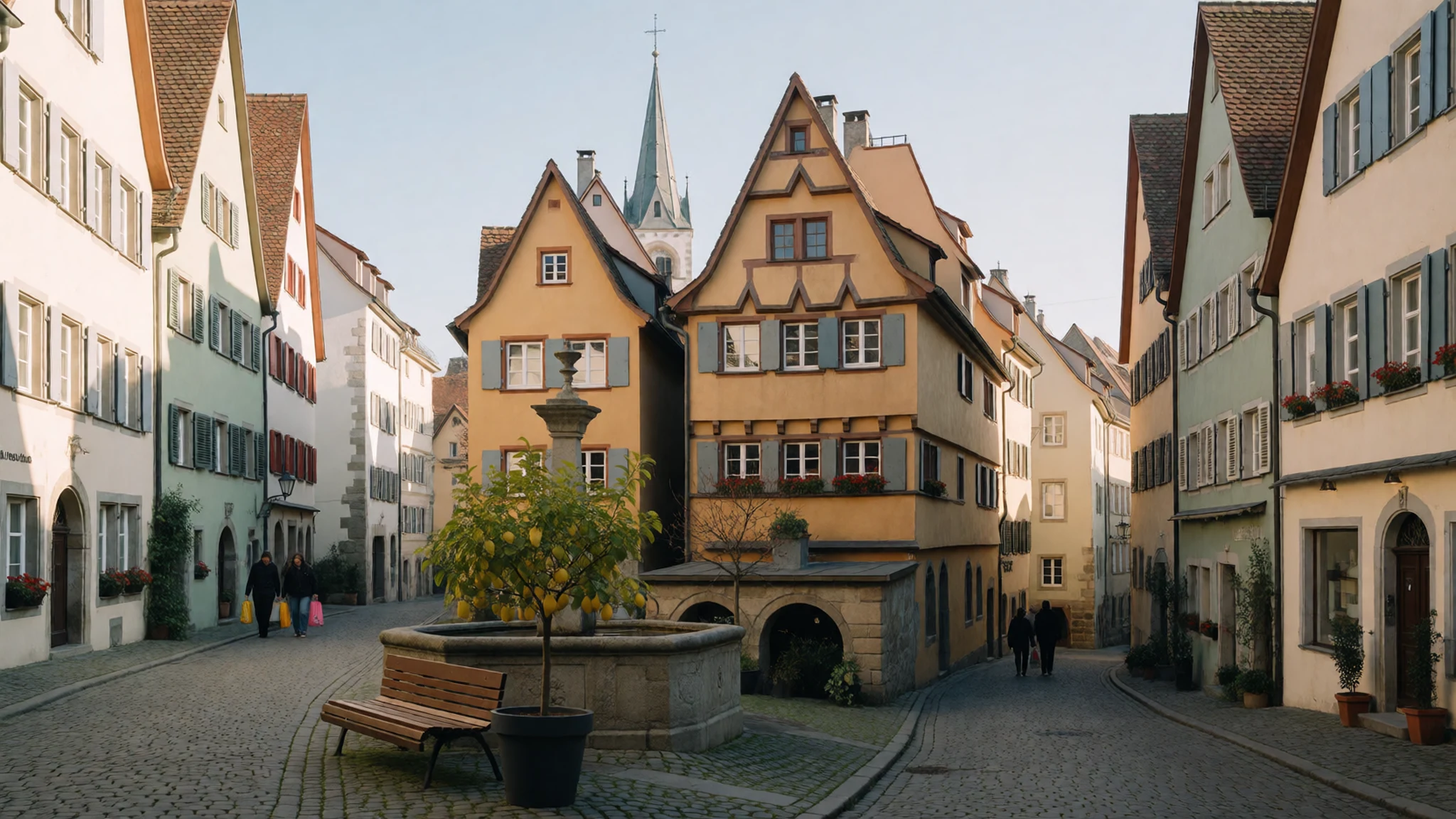
- Zytturm clock tower — Old Town
The Zytturm was built as part of the city walls. It is easy to spot by its blue roof and its astronomical clock. It stands at the centre of the old town and makes a handy meeting point and landmark while you find your bearings.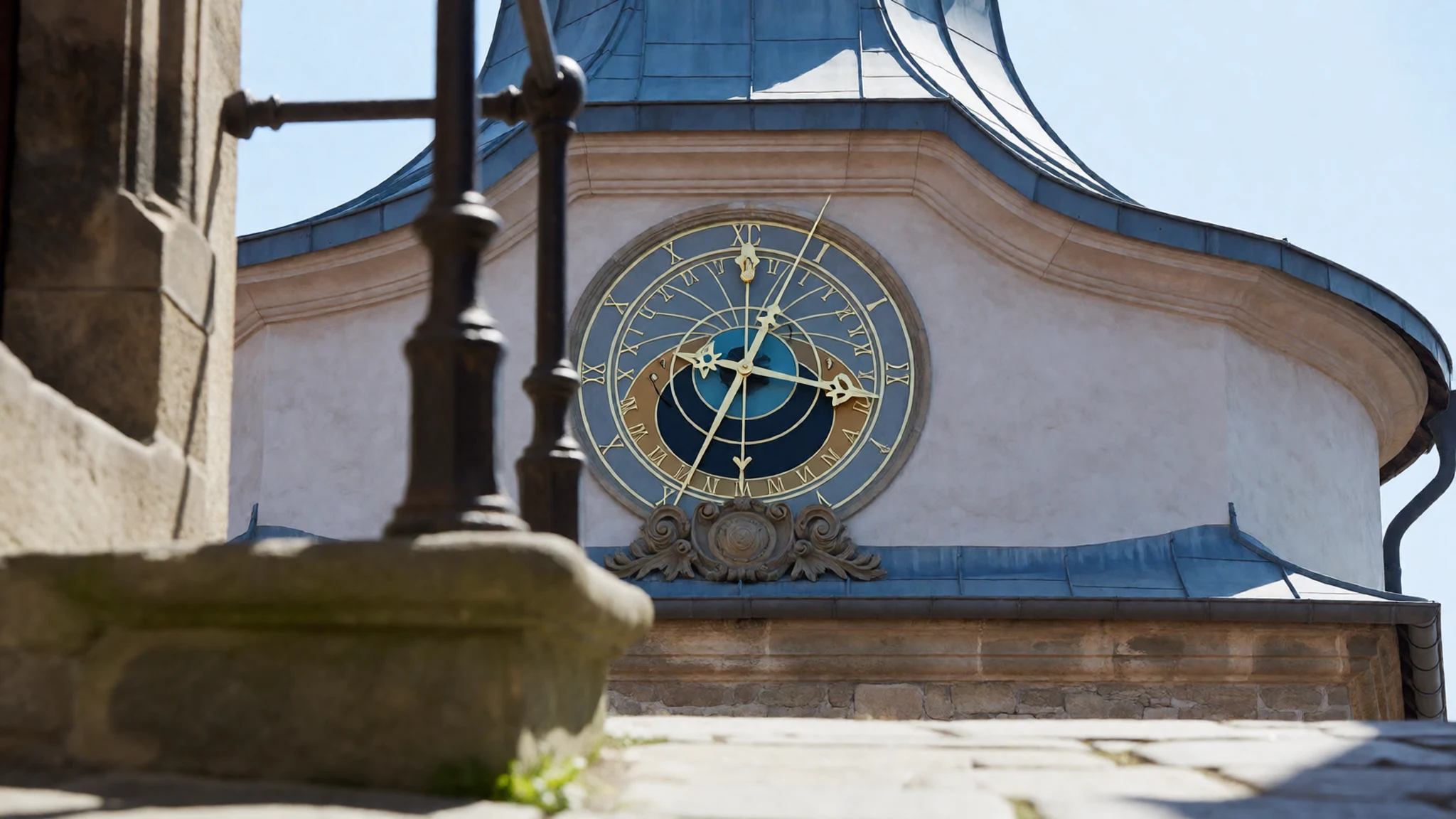
- Zug castle and museum — Old Town
The castle houses the town and cantonal museum, with its permanent collection and changing exhibitions. It is a good wet-weather stop and gives context for the town's long story. Check the official site for opening times before you go.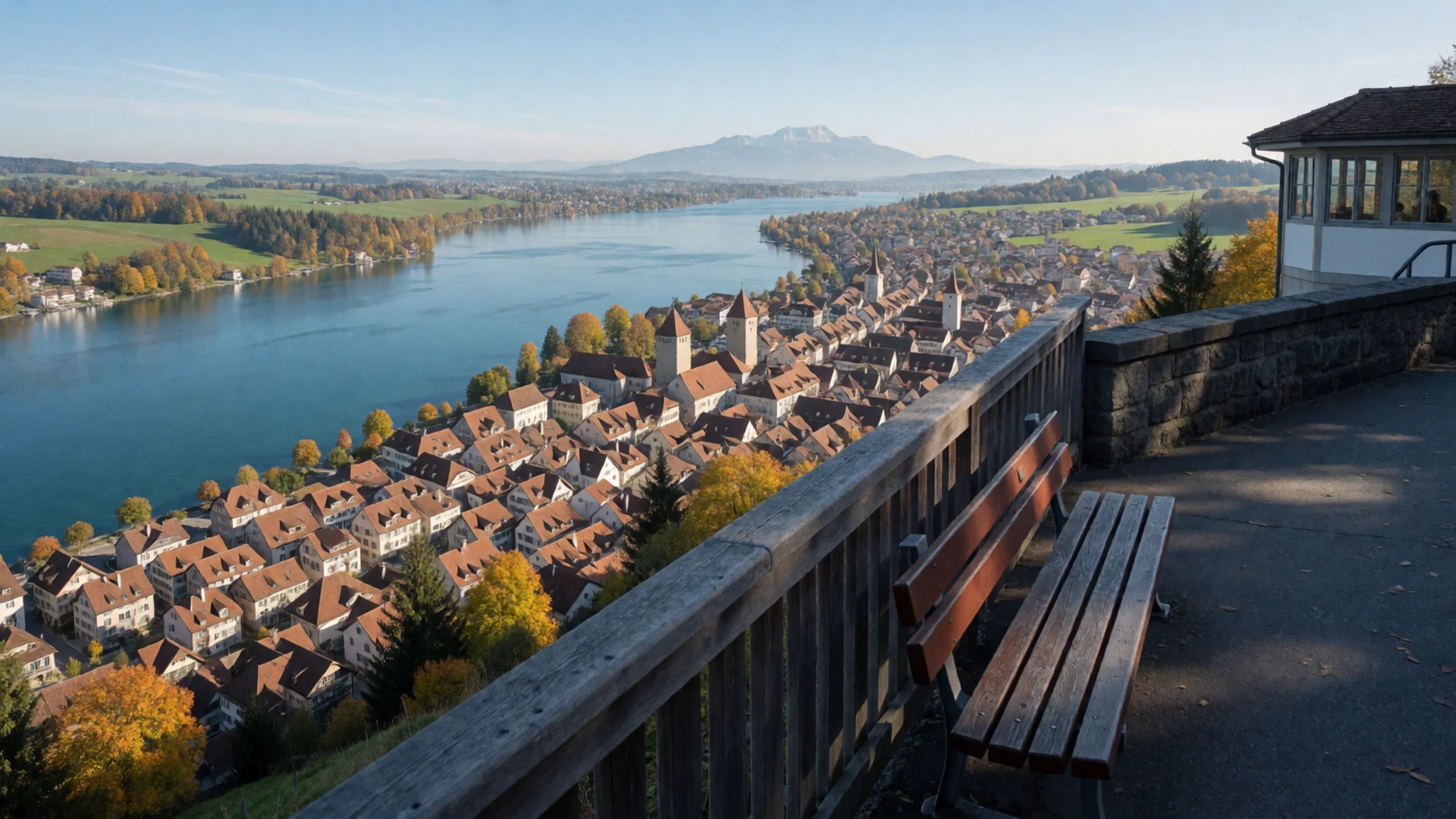
- Lake promenade — Lakefront
The embanked shore forms a walkway beside Lake Zug, with views to the Rigi, Pilatus and distant snowy peaks. Because the sun sets over the lake, evening is the favourite hour for a stroll. Benches and the harbour make it easy to linger.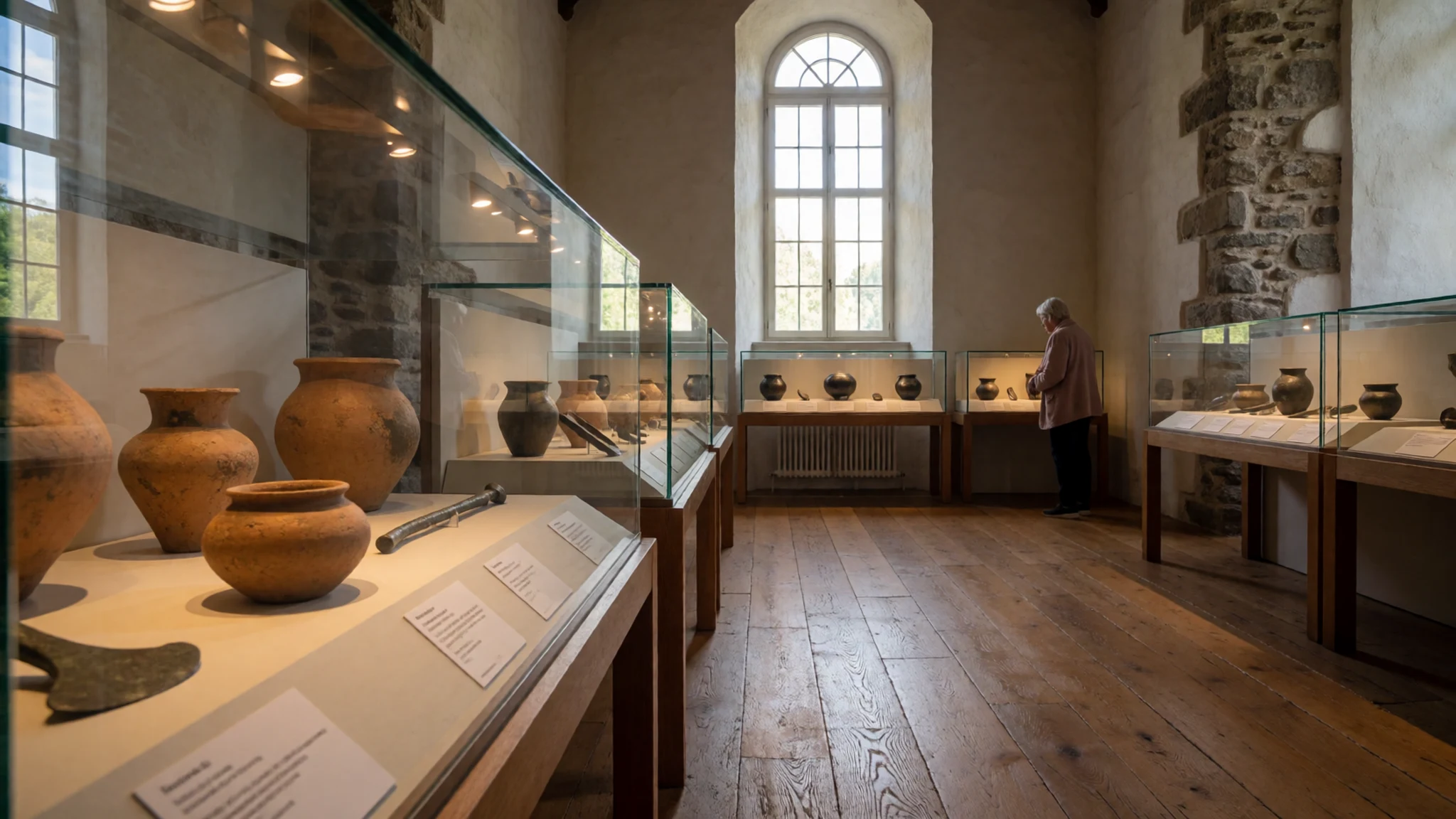
- Zugerberg — South of the town
The town's landmark hill offers wide views over the lake and rooftops. A funicular carries visitors up, so no hard climbing is needed. Choose a clear day, since cloud can hide the view, and carry a layer because it is cooler at the top.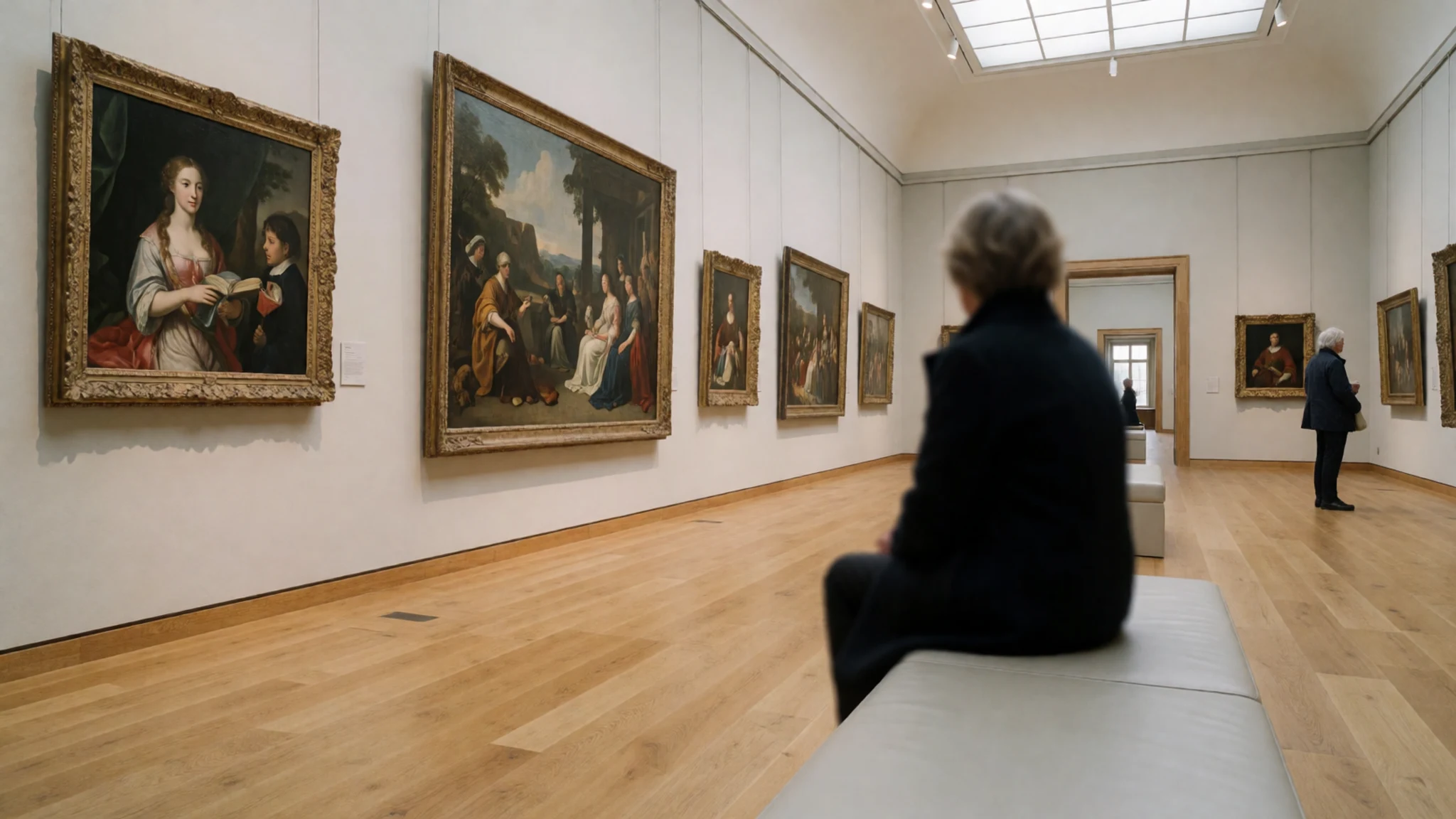
- Kunsthaus Zug — Near the old town
This art museum sits a few minutes' walk from the castle, so the two pair well for a cultural half-day. Exhibitions change, so check the programme on the official town site before planning around it.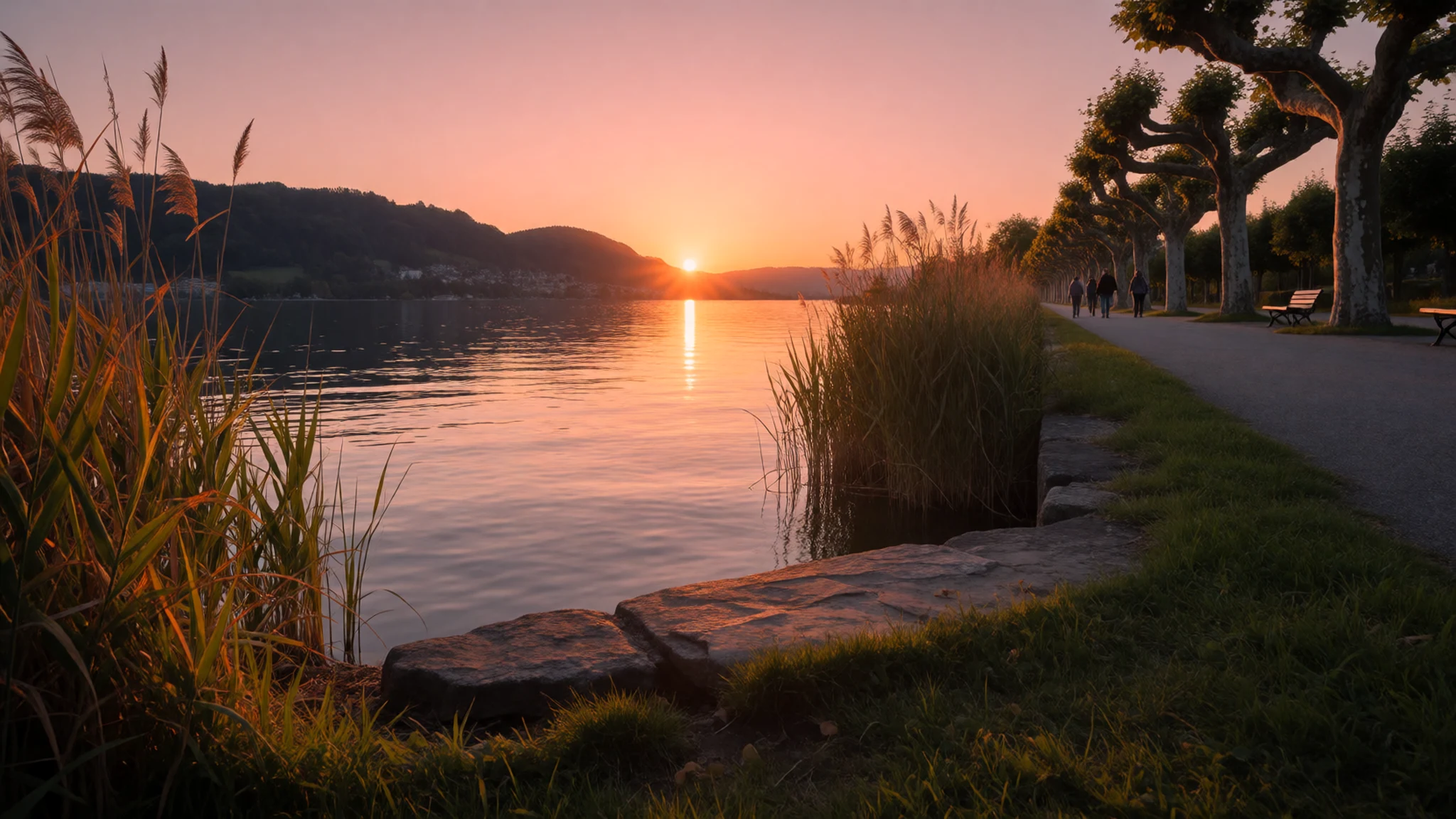
Culture
Zug is a German-speaking town, and its character is Catholic, orderly and quietly proud of its past. The most striking old building is the parish church of St Oswald, from the late 15th century. It is dedicated to Oswald, king of Northumbria, and one of his arms was brought to Zug in 1485, which says something about how seriously the town took its saints.
The town hall, also from the 15th century, now holds the Historical and Antiquarian Museum, and nearby stand old painted houses. Higher up the hillside a Capuchin convent leans against the town wall in a dramatic position. Together these give the old town the feel of a place that has been kept rather than rebuilt.
Daily life is calm. Shops tend to close early in the evening and on Sundays, and people value punctuality, quiet public transport and tidy streets. Locals enjoy the lake in summer, with swimming from the shore and open-air films near the water in July and August.
The modern side is just as real: the town's reputation as a business and cryptocurrency centre means many residents work in international firms, so English is widely understood. Even so, a friendly Grüezi when entering a shop or lift is the local habit and is always appreciated.
In churches and the convent grounds, keep your voice low, do not photograph worshippers, and step aside during services.
What to wear
Zug has no single everyday costume of its own, but like the rest of German-speaking central Switzerland it has a folk-dress tradition. This typically involves wool and linen skirts or trousers, embroidered bodices and aprons, and decorated hats. It is worn today mostly at festivals, parades and cultural events rather than on ordinary days, and for those occasions families often keep their outfits for generations.
What people wear daily is smart and understated. Because Zug is a business town, you see neat jackets, plain knitwear, good coats and clean trainers or leather shoes. Colours are muted, labels are discreet and outdoor gear is common, as many residents walk, cycle or head up the hills at weekends.
For a visitor the main task is handling changeable weather. Rain falls on about 136 days a year, so bring a light waterproof and an umbrella in any season, plus layers for cool evenings by the lake even in summer. Winters are cold, so pack a warm coat, hat and gloves.
Comfortable shoes matter more than style. The old town has cobbles and the promenade is flat, but a trip up the Zugerberg calls for sturdier soles. For churches and the convent, covered shoulders and knees are polite rather than strictly required. Swimwear belongs at the lake, not in the streets.
What to eat
- Zuger Kirschtorte — Old town cafés and bakeries
The town's best-known sweet is a cherry-kirsch cake of nut meringue layers and sponge with a hint of cherry spirit. Look for it in the old town's cafés and bakeries, and expect a slice rather than a whole cake to be plenty.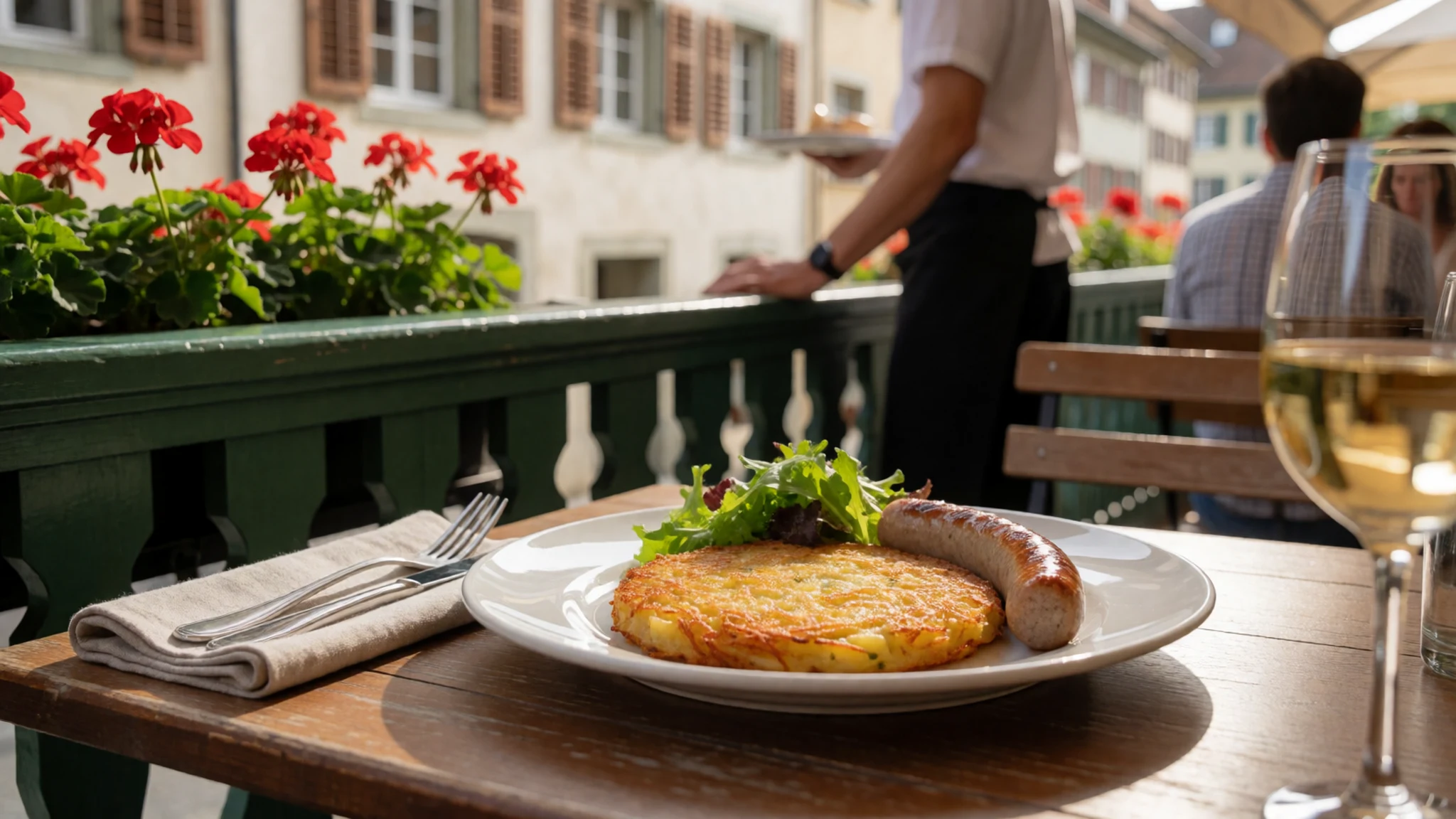
- Röteli with lake fish — Restaurants along the lakefront
Fish from Lake Zug is a local pride, and the small red-bellied char called Röteli is the regional speciality. It is usually pan-fried and served simply with potatoes. Ask at lakeside restaurants whether it is on that day, as it depends on the catch.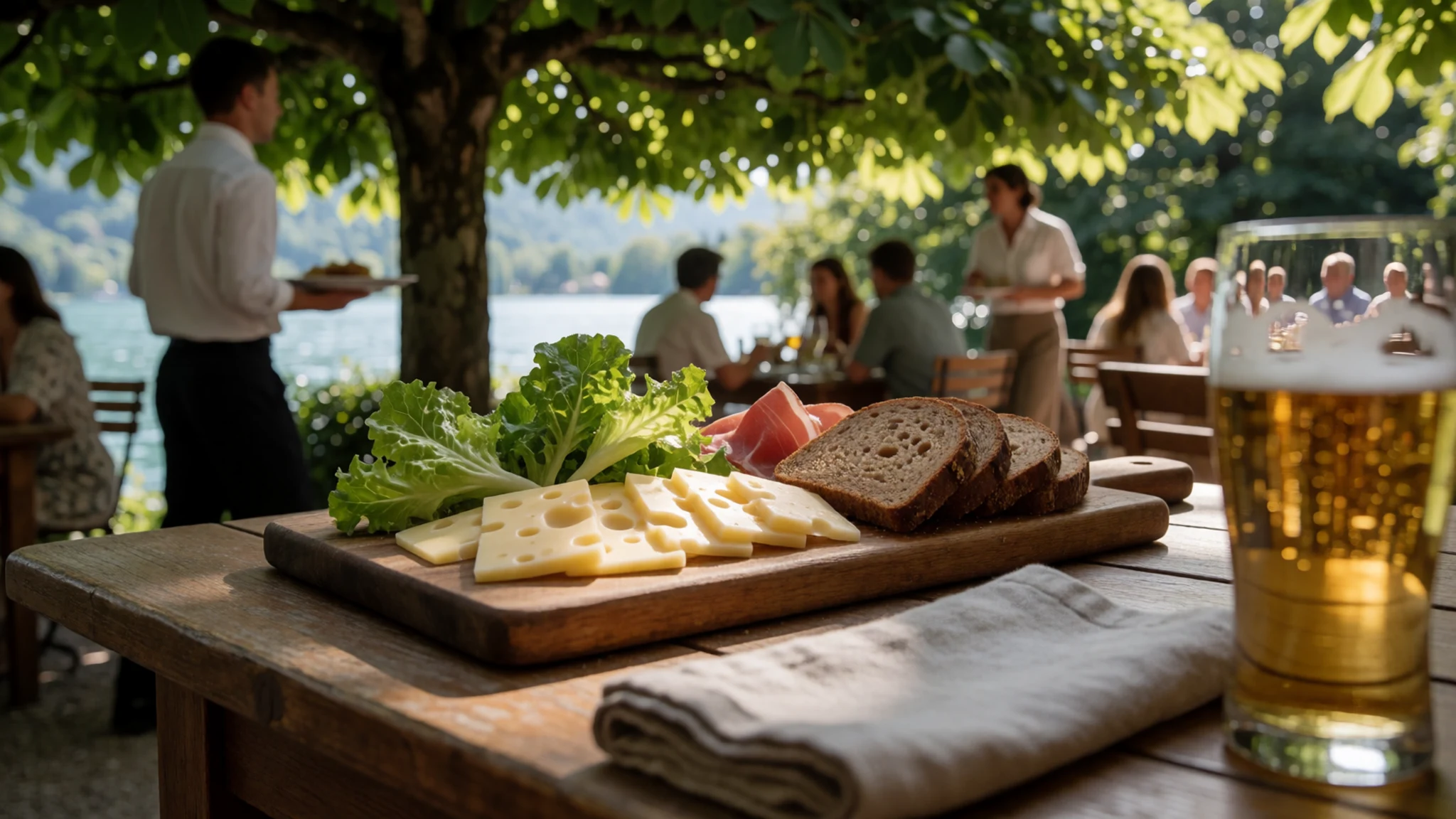
- Rösti — Traditional inns in the old town
Grated potato fried until crisp outside and soft within is a Swiss staple. It arrives with sausage, fried egg or cheese and suits a cold or wet day. Traditional inns on the old town's lanes serve it as a hearty main. - Cheese fondue — Old-town restaurants, autumn to spring
Melted cheese with wine and bread is the classic shared meal of the colder months. It is sold by the pot for two or more, so come in a group. Many old-town restaurants list it from autumn into spring. - Beer-garden fare — Beer gardens on the town's outskirts
In summer, locals head for farmhouse-style restaurants on the edge of town with beer gardens under the trees. Order a cold beer, sausages or a simple plate, and sit outside while the light lasts.
Plan it
Best time. May to September for lake walks, swimming, the open-air cinema and clear views from the Zugerberg; June to August is warmest. Winter is cold and grey, though crisp days can be lovely. Rain is frequent all year, so pack for it.
How long. 1–2
Getting there. Fly to Zurich Airport, then take a train to Zug; services from Zurich, Lucerne and Brunnen run about every half hour. From the station the old town and lake are a short walk.
Budget. high
Tips
- Carry a waterproof in every season, as it rains on about 136 days a year
- Go up the Zugerberg on a clear morning for the best views
- Walk the lake promenade at sunset, when the sun goes down over the water
- Check the official site, https://www.stadtzug.ch, for museum hours and events
- Cards are widely accepted, but carry a little cash for small cafés and kiosks
Etiquette
- Greet shopkeepers with a friendly Grüezi when you enter
- Keep voices low in churches and the convent grounds
- Be punctual and keep to the quiet on trains
Nearby
Sources
- Wikidata Q68144 (CC0)
- Wikipedia: Zug (rev 1384534237) (CC BY-SA 4.0)
- Wikivoyage: Zug (rev 5423264) (CC BY-SA 4.0)
- Burg Zug und Museum — Schulerst (CC BY 3.0)
- Zug: Zytturm — Schulerst (CC BY 3.0)
- Stumpf-Chronik-Zug.png (Public domain)
- Unterstadt in Zug — Roland zh (CC BY 3.0)
- Oberaltstadt in Zug — Roland zh (CC BY 3.0)
- Sunset over Zug — Mensi (CC BY 3.0)
- Zug old town aerial view — LohriPR (CC BY-SA 4.0)
- Landsgemeindeplatz Zug — Baikonur (CC BY 3.0)


