Eiger
Eiger, Switzerland
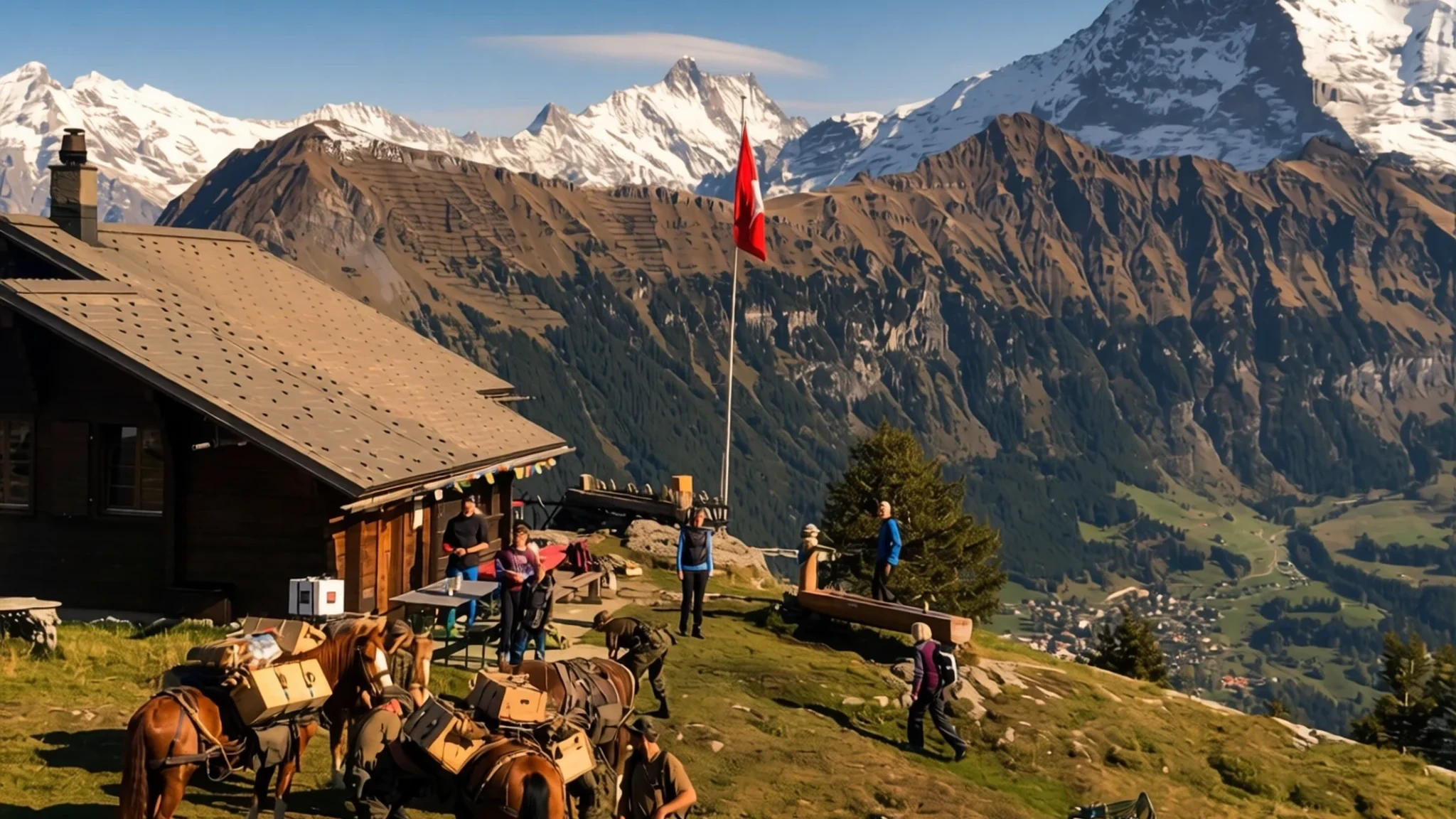
Go to the Eiger for its notorious north face, seen from Grindelwald and from viewpoints around the valleys.
The place
The Eiger is a 3,967-metre mountain in the Bernese Alps of central Switzerland. It stands above the Bernese Oberland, looking down on the valleys of Grindelwald and Lauterbrunnen, a short distance north of the high ridge that marks the border with Valais. Its summit forms the eastern end of a long crest that continues over the Mönch to the Jungfrau, which is higher and lies further west. Because the three peaks share one ridge, they appear together from many viewpoints and are a familiar sight across the region.
The south side of the Eiger looks towards a large glaciated area, the Jungfrau-Aletsch district, where ice fields spread across the high country. The north face is what most people know. Roughly 1,800 metres of rock and ice rise above Kleine Scheidegg, the pass and small resort at its base, and the face is steep enough that it has long been regarded as a serious test for climbers.
Most visitors see the mountain rather than climb it. The summit is open only to experienced climbers, but a railway runs through the mountain's interior. The railway once had stations inside the rock with windows cut into the north face, but one of them has not been regularly served since 2016. The Jungfrau railway climbs from Kleine Scheidegg through the mountain towards the high station on the Jungfraujoch, a route that brings the face close without any climbing. Cloud often covers the summit later in the day, so the clearest views usually come in the morning.
Its story
The Eiger's climbing history starts in 1858, when Swiss guides Christian Almer and Peter Bohren reached the summit with the Irish climber Charles Barrington. They went up the western flank, which is far less steep than the north side, and their success opened the peak to others. In the decades that followed, climbers took the easier routes and the summit became a regular goal for guides and their clients.
The north face was a different matter. Its rock and ice drop above Kleine Scheidegg and the two valleys below, and it resisted climbers for decades. An Austrian-German expedition finally climbed it in 1938, after many earlier attempts had ended in tragedy. Since the 1930s more than sixty climbers have died on the wall, and it picked up the nickname Mordwand, or murder wall. The name is a pun on Nordwand, the wall's proper title, which means north wall.
The deaths shaped how the wall is seen. Climbers who attempt the north face today plan for rockfall, ice and weather that can change within hours, and the nickname still follows the mountain. For most people, though, the story is now about the railway and its old windows, which once let visitors watch the wall in safety from indoors. The Eiger is both a serious climbing objective and a symbol of Alpine danger.
What to see
- Kleine Scheidegg — Pass between Grindelwald and Lauterbrunnen, at the foot of the north face
The pass and small resort at the foot of the north face, reached by rail from both valleys. It is the most direct base for the wall, and from the terrace you look straight up the rock and ice the Eiger is known for. Expect a windy, exposed spot even in summer, and a cooler temperature than the valley floor, so bring a layer. Walks from here are short and easy in good weather.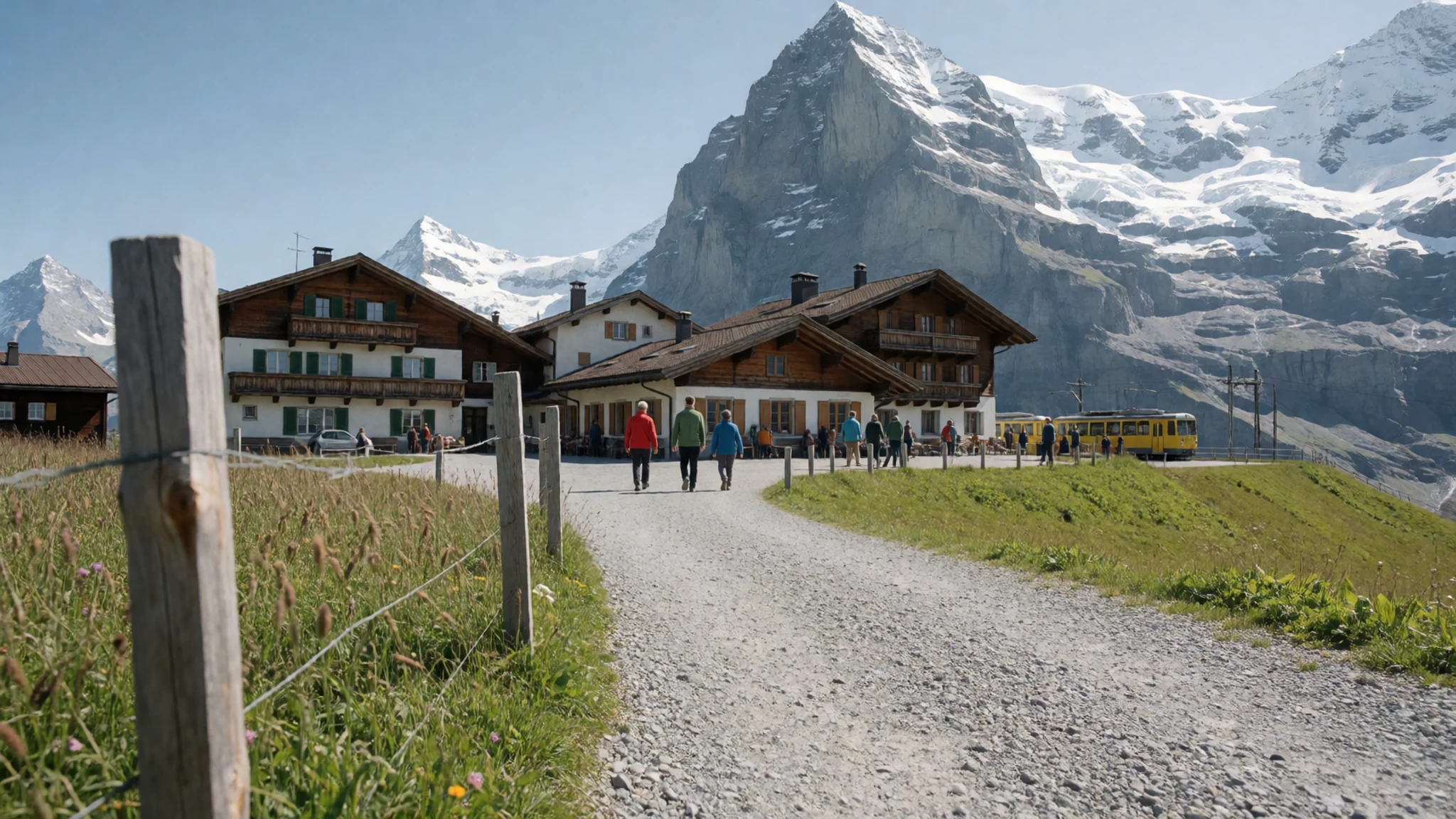
- Eigerwand station — Inside the Eiger, on the Jungfrau railway
Two stations were cut inside the mountain with viewing windows set into the north face, but this one has not been regularly served since 2016. Visitors cannot rely on this stop today, so it is not a dependable place to see the wall from inside. The stations are part of the railway that continues to the Jungfraujoch. Allow time for the round trip, and check the official railway site for current timetables and fares.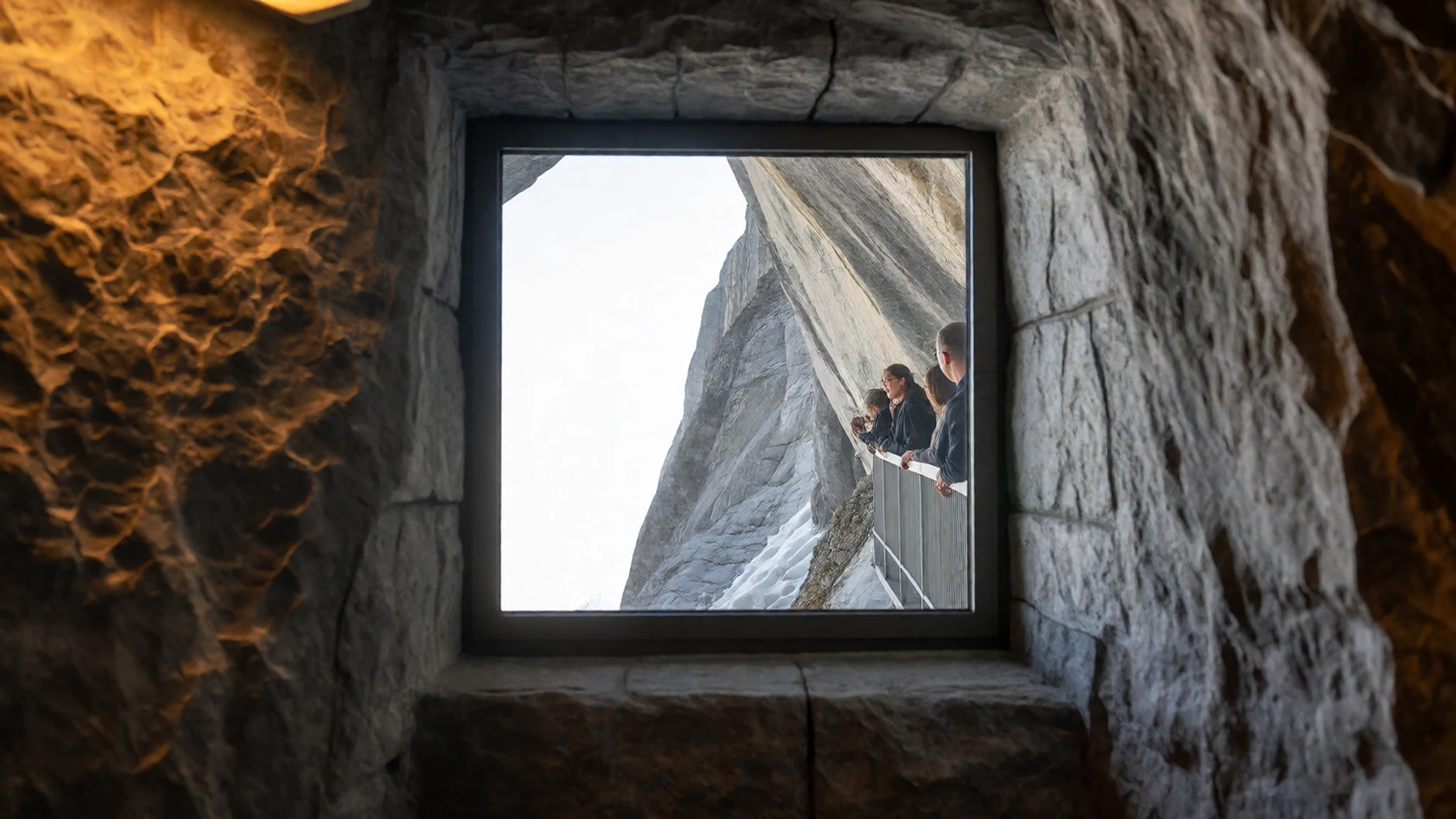
- Lauterbrunnen valley — Valley floor below the north face
A deep valley with waterfalls falling from the cliffs on either side, and a classic viewpoint for the Eiger and its neighbours. The village sits on the valley floor, and the best views of the north face open up on the approach and from the lower slopes. It is a good base for a walk to a viewpoint on a clear morning, when the peaks are most likely to be free of cloud.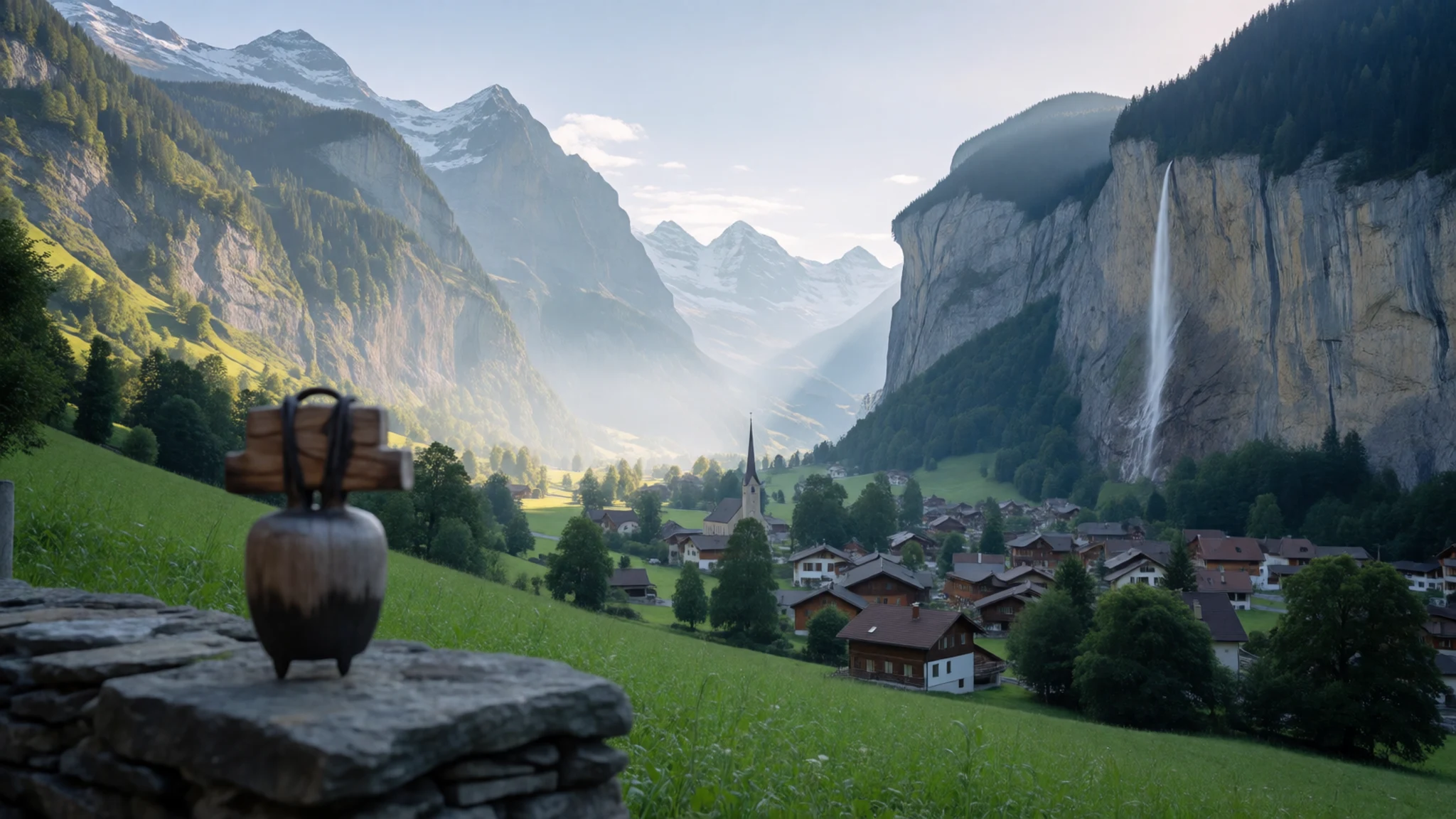
- Männlichen — Ridge above Grindelwald, reached by cable car
A ridge viewpoint above Grindelwald, reached by cable car, with a wide view of the Eiger, Mönch and Jungfrau side by side. From the top, the three peaks line up across the sky, and on a clear day the north face is clearly visible. Paths run along the ridge, and the restaurant at the top is a comfortable place to wait for clearer weather.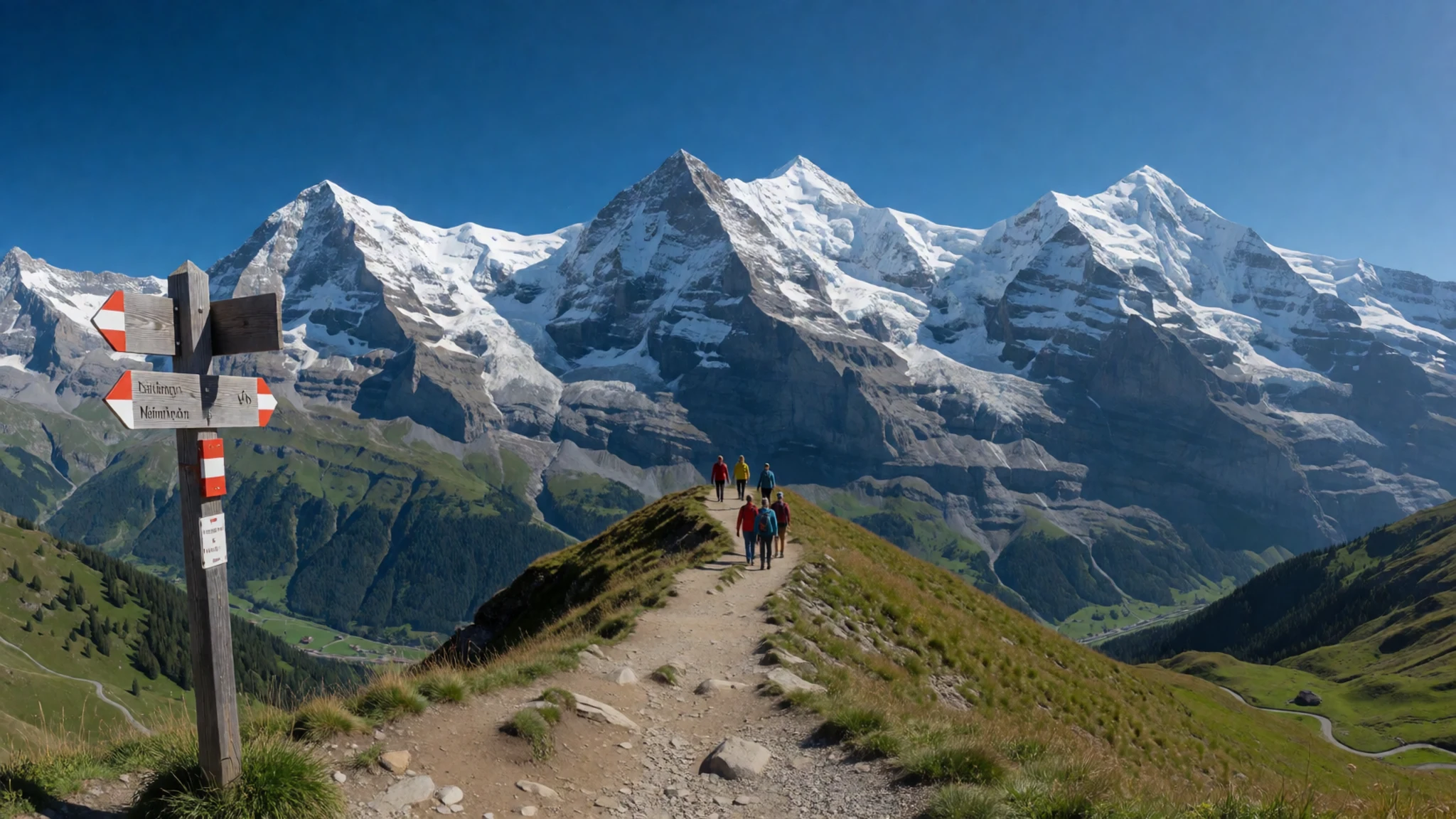
- Jungfraujoch, Top of Europe — High station above Wengen, the end of the Jungfrau railway
A high railway station at about 3,500 metres, with a post office, a snow terrace and views across the Aletsch glacier. It is the usual end of the Jungfrau railway and can be busy from late morning. Weather at this height changes quickly and temperatures stay well below the valley's, so pack warm clothing even in summer.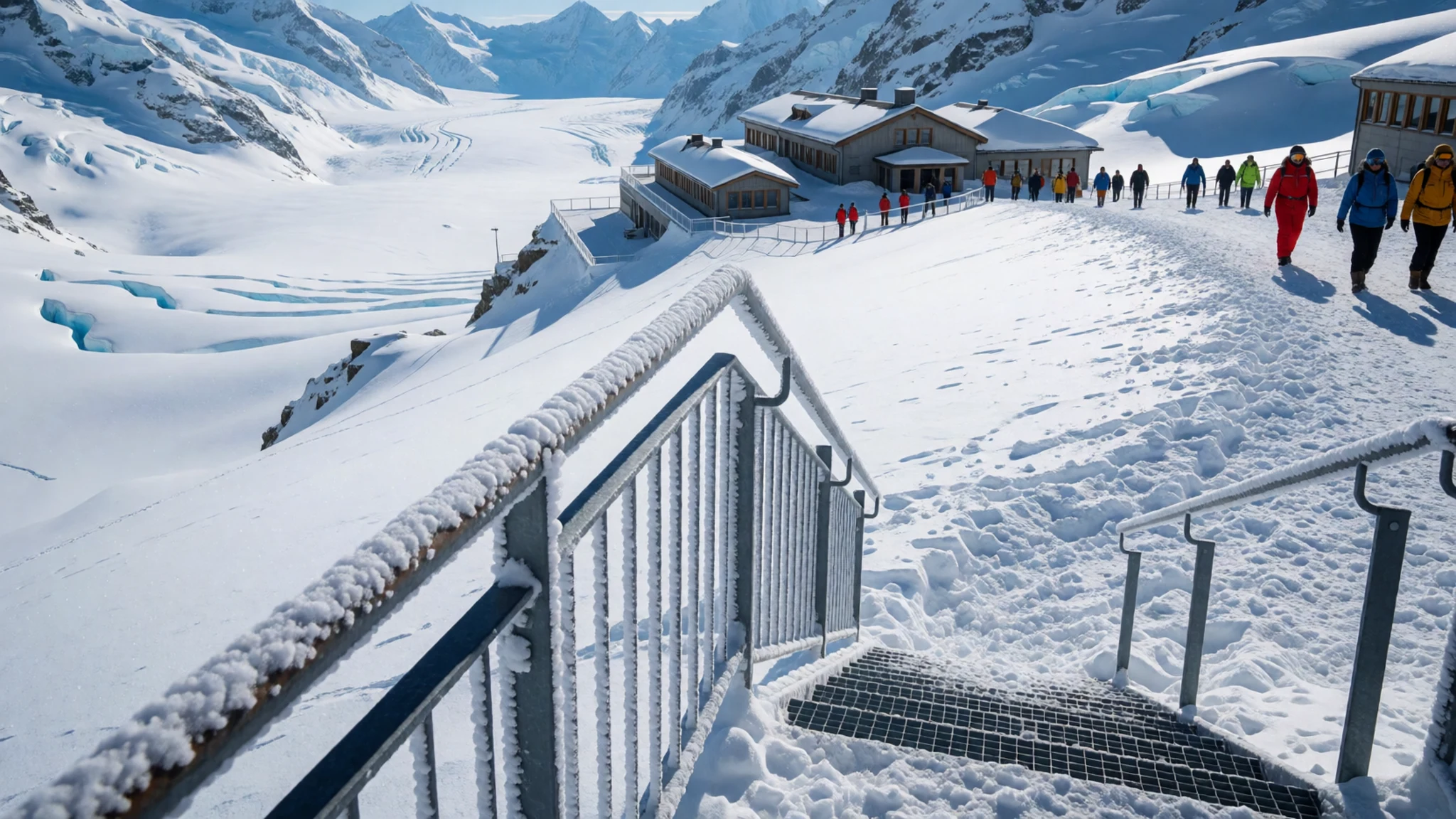
Culture
The Eiger sits in a country where people value privacy and order. Visitors around Grindelwald and Lauterbrunnen will notice that the Swiss prize cleanliness, organisation and responsibility, and they tend to speak plainly. German-speaking Swiss are often more direct and formal than their French- or Italian-speaking neighbours, so a polite greeting and a clear request go a long way. Privacy matters here. Questions about someone's background or beliefs are unwelcome unless you know the person well, and friendships usually take time to form. Photography is where visitors most often slip. Photographing people without their agreement is not permitted, so ask first before capturing a hiker, a guide or a family on a café terrace. A landscape with people in the frame is still a photo of people, and that applies on the trains and at the viewing windows, where other visitors stand close by. Ask before photographing anyone in the frame, and keep the camera down when a stranger has not agreed.
What to wear
Traditional dress in the Bernese Oberland belongs to the Alpine costume tradition, known in German as Tracht. Women's versions use a fitted bodice and a full skirt, often in dark wool or linen, with aprons and embroidered or ribboned details. Men wear woollen trousers or breeches, a waistcoat and a linen shirt. These outfits are worn for festivals, church days and village parades rather than for everyday work. In Grindelwald and Lauterbrunnen today, most people dress much as they would anywhere in Europe, in fleece, waterproof jackets, walking trousers and sensible boots, with Tracht reserved for feast days and local music events.
Visitors should plan for mountain weather. Temperatures at Kleine Scheidegg and above can be far lower than on the valley floor, and conditions can shift within a few hours. A warm layer, a waterproof shell and a hat are sensible even in summer. Sturdy shoes with good grip are essential for any trail, and trainers will not do on wet rock or snow. No particular dress is required at churches, though covering the shoulders is a courteous choice for services. A light scarf or a long-sleeved top is useful when visiting a village church.
What to eat
- Fondue — A traditional Stube or mountain restaurant in Grindelwald or Lauterbrunnen
A pot of melted cheese, usually two or three varieties blended with white wine, garlic and kirsch, served with bread for dipping on long forks. Traditionally it was a winter meal eaten at altitude and shared from a single pot. Many restaurants now also serve single portions in summer.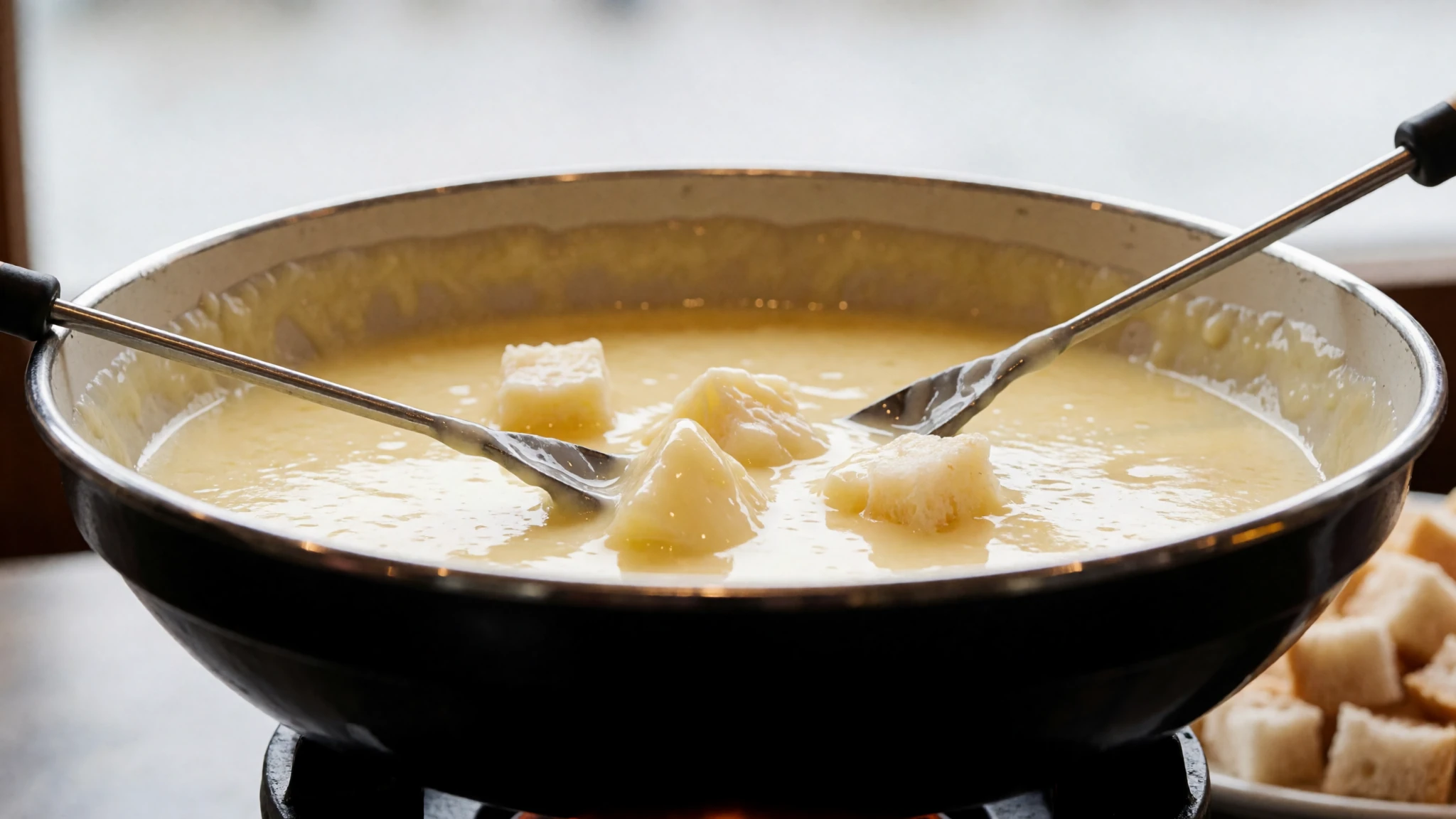
- Raclette — A village restaurant with a heated half-wheel of cheese on the table
Cheese is melted against a heat source and scraped over boiled potatoes, pickled onions and cured meats. It suits cold evenings after a long walk. Look for it in village restaurants across the German-speaking valleys, where the cheese is often melted to order at the table.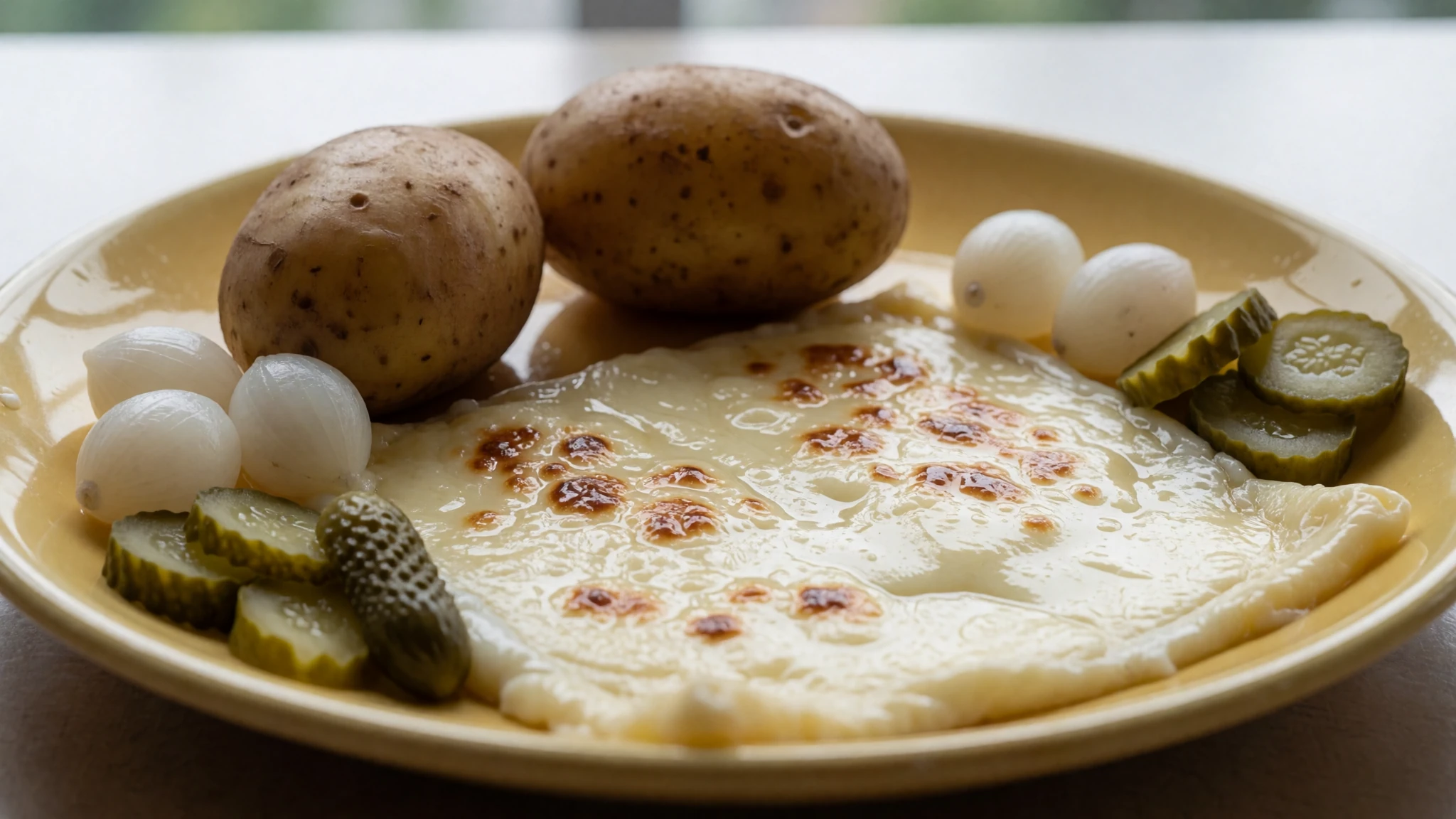
- Rösti — Village inns and huts across the Bernese Oberland
Grated potatoes fried in a pan until golden and crisp on the outside, often served with cheese, bacon or an egg. It began as a farm breakfast and became a restaurant staple. Order it at village inns across the Bernese Oberland.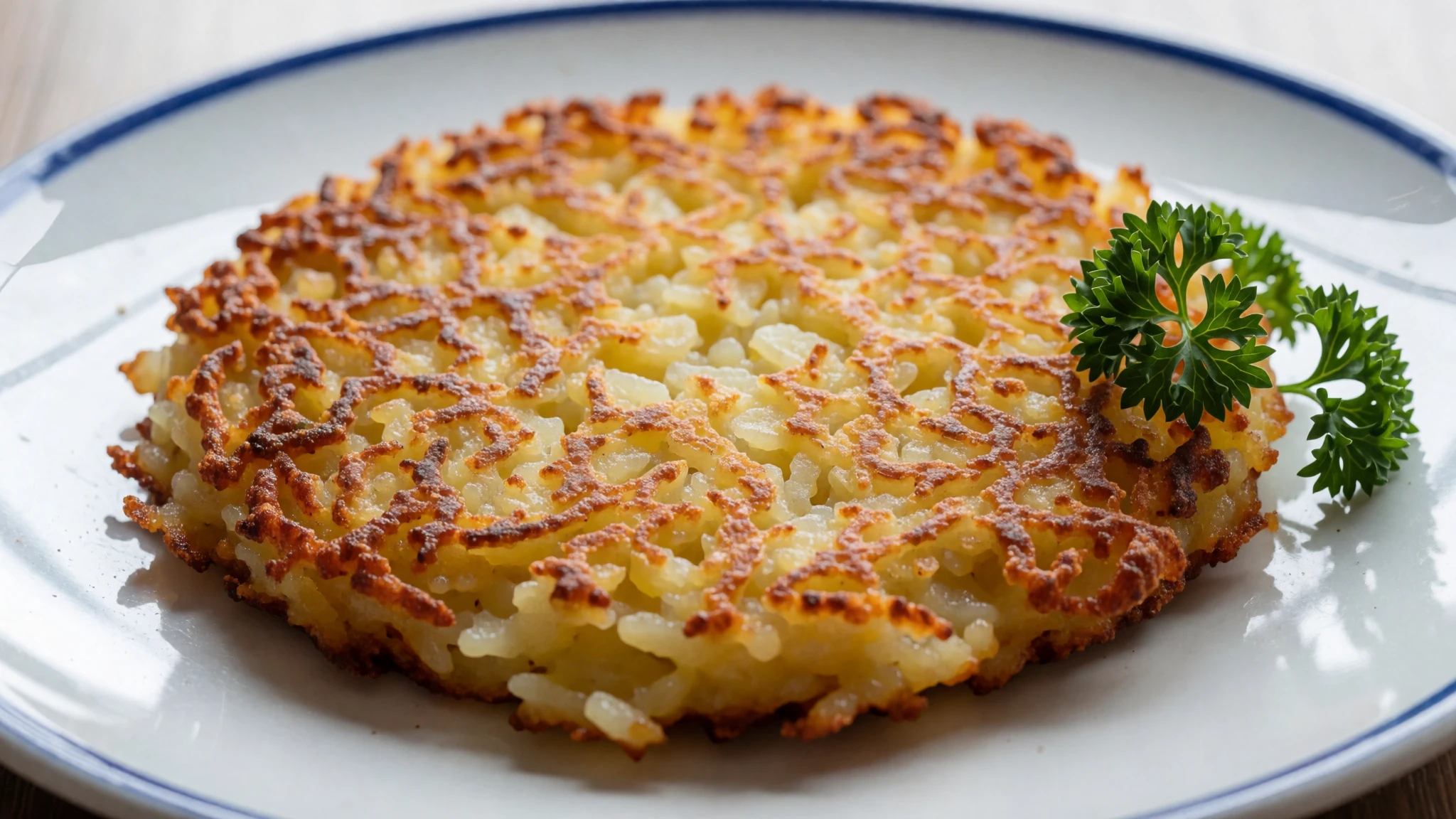
- Local cheese — A village dairy or cheese counter in Grindelwald or Lauterbrunnen
Switzerland is known for its cheese, and dairies around Grindelwald and Lauterbrunnen sell wheels from local herds. Ask for a cut of semi-hard alpine cheese and taste before you buy. Mild varieties suit a picnic on the trail, while older ones go well with bread.
Plan it
Best time. June to September, when the trails are open and the rail services run most reliably, brings the warmest weather, with valley highs of about 21 to 26 C, though August is the wettest month. Afternoons cloud over most often, so mornings give the clearest views. Late winter brings snow and the ski season, with heavier crowds, while spring can be wet and changeable.
How long. 2–3
Getting there. Fly into Zurich or Bern, then take the train to Interlaken Ost and continue by regional train to Grindelwald or Lauterbrunnen. From Grindelwald or Lauterbrunnen the Jungfrau railway runs up to Kleine Scheidegg. Check timetables on the official railway site.
Budget. mid
Tips
- Start early for clear views of the north face, before cloud builds in the afternoon
- Book Jungfrau railway tickets ahead in peak summer, when trains fill
- Carry some cash for small huts, though most places take cards
- Take water and warm layers, since altitude and weather change fast
- Watch belongings on crowded trains and at the busiest viewpoints
Etiquette
- Keep to marked paths and stay well back from the rock face
- Ask before photographing people, as consent is required
- Keep voices low on trains and in villages
- Take litter back down with you
Nearby
Sources
- Wikidata Q4425 (CC0)
- Wikipedia: Eiger (CC BY-SA 4.0)
- Wikivoyage: Switzerland (CC BY-SA 4.0)
- Photo 01-eiger-nordwand-panoramio-1.jpg (CC BY 3.0)
- Photo 02-north-face.jpg (CC BY 3.0)
- Photo 03-eiger-von-der-abz-gleckstein.jpg (Public domain)
- Photo 04-aerial-image-of-eiger-view-from-the-southeast.jpg (CC BY-SA 4.0)
- Photo 05-switzerland-14399363612.jpg (CC BY 2.5)
- Photo 06-mount-eiger-cloudy.jpg (CC BY-SA 4.0)
- Photo 07-m-nnlichen.jpg (Public domain)
- Photo 08-fenster-der-station-eigerwand.jpg (CC BY-SA 1.0)


