Bern
Bern, Switzerland
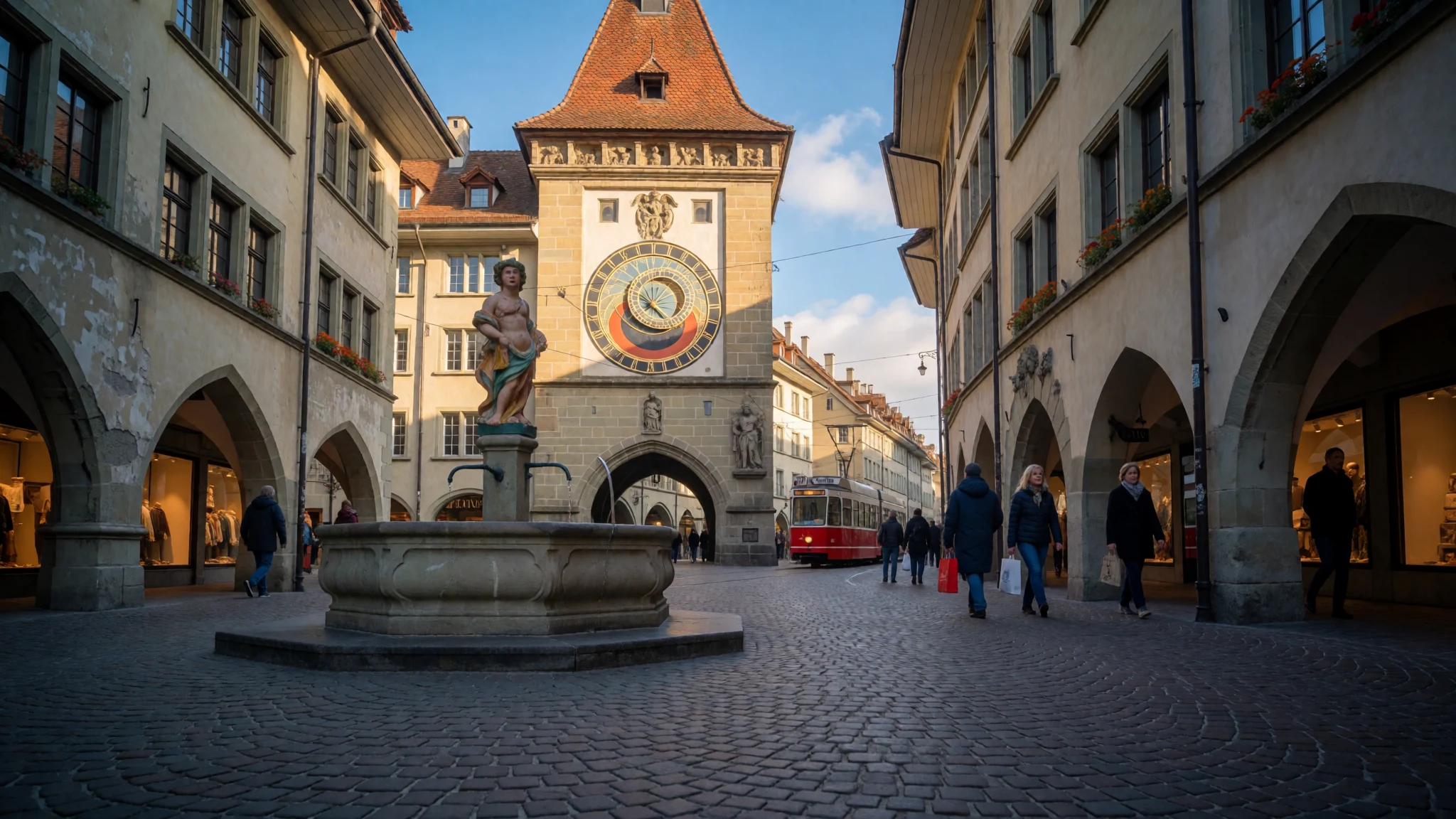
Bern is a medieval hilltop old town where trams, fountains and government offices share sandstone lanes, all folded inside a bend of the Aare.
The place
Bern's Old City sits on a narrow hill, with the river Aare curling round three sides of it, and that bend of water explains most of how the place looks. The streets run in long parallel rows, so a walk from one end to the other is a gentle, mostly level stroll past arcaded shopfronts, sandstone façades and fountains topped with painted figures. After a major fire in 1405 much of the town was rebuilt in sandstone, which gives the lanes their pale grey-green tone, and the layout has barely shifted since it took shape between the twelfth and fifteenth centuries. Building work in the eighteenth century added to the town without wiping out the medieval plan. This is not a museum quarter, though. The federal, cantonal and municipal governments all sit in the Old City, so people in suits cross the squares at lunchtime, and trams rattle through the middle of it. Locals shop, queue and commute here, which is a large part of its charm. The Old City has been a UNESCO World Heritage Site since 1983, and the whole district is also listed in Switzerland as a cultural property of national significance. For a visitor, the appeal is scale. The core is compact enough to cover on foot in a day, the river is always close for a walk along its banks, and the lanes have room to breathe outside summer weekends. Winters are cold and can be grey, while summer days are warm and long. The heritage site's own website, weltkulturerbebern.ch, carries background and walking ideas.
Its story
Bern's story starts well before the city. People farmed in the Aare valley in Neolithic times, the Helvetii settled it later, and the Romans built a small settlement near the present Old City that was abandoned by the second century AD. For the next thousand years or so the area stayed thinly populated. The city proper dates from 1191, when Duke Berchtold V of Zähringen chose a hilly peninsula in a loop of the river. The Zähringen family held imperial authority in this part of the Burgundian lands and founded a string of towns to secure it, among them Fribourg and Burgdorf. Local legend says the duke promised to name the new town after the first animal he met while hunting, and that it turned out to be a bear. Whether or not that is true, the bear became the city's emblem, and the name is often linked to the German word for bears. The site was easy to defend, and its long, thin shape pushed the town into parallel rows of houses, with the walls shifted outward whenever it needed more room. When Berchtold died without an heir, Emperor Frederick II made Bern a free imperial city in 1218. It joined the Swiss Confederation in 1353 and grew into a powerful city-state by absorbing its rivals. That run ended in 1798, when French troops occupied Bern during the Revolutionary Wars and stripped it of much of its territory.
What to see
- Zytglogge — Old City, main street
The Zytglogge is a clock tower on the main street of the Old City. It has served as a guard tower and a prison, and since the fifteenth century it has carried an astronomical clock with moving figures. Crowds gather shortly before the hour, so arrive a few minutes early for a clear view.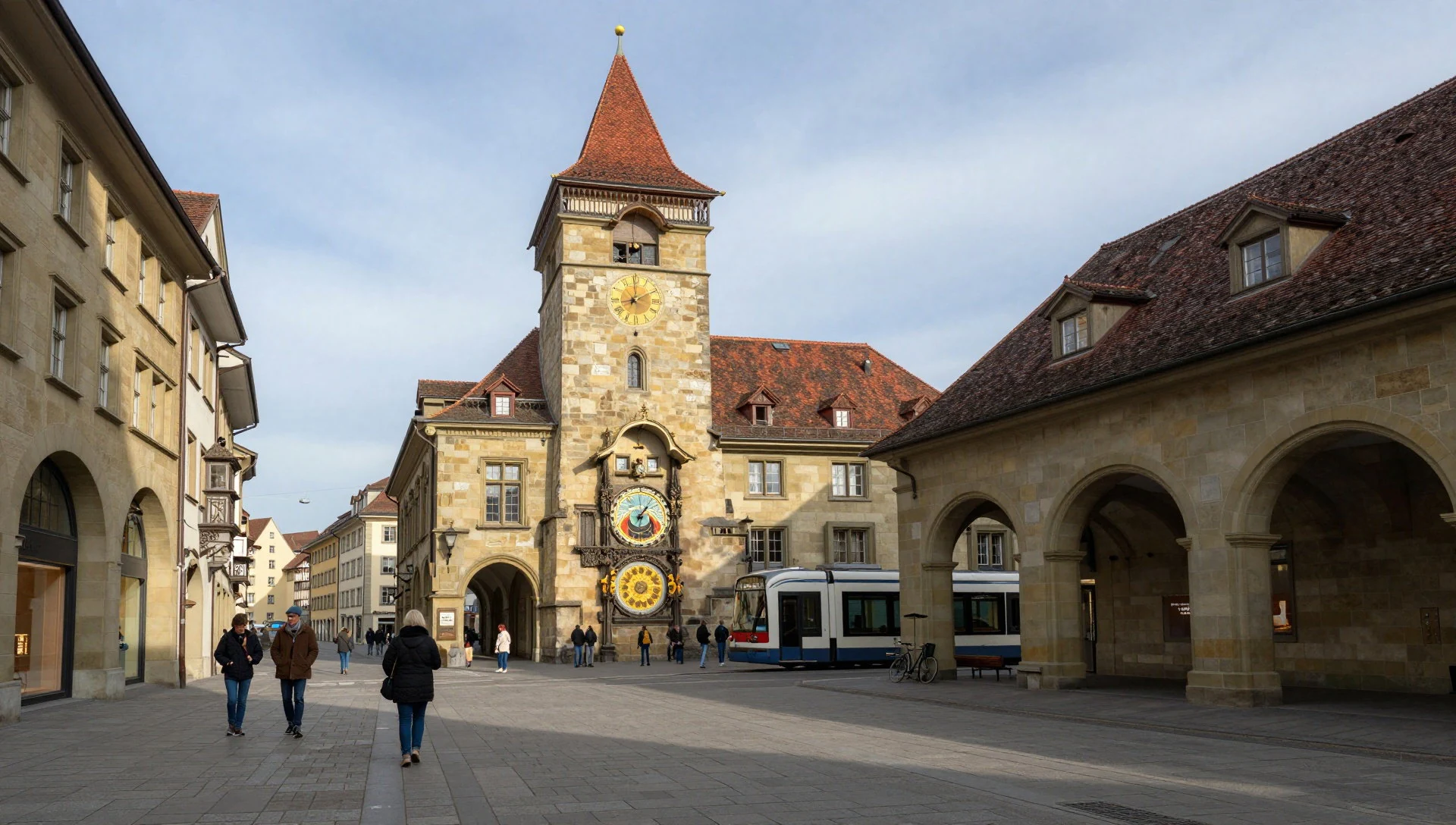
- Berner Münster — Old City, near the Aare
The Münster is Bern's great minster, a tall church whose carved portal and stained-glass windows reward a slow look. The portal is crowded with sculpted figures, and the glass throws colour across the stone inside. Opening times and tower access change, so check the official site before planning around either.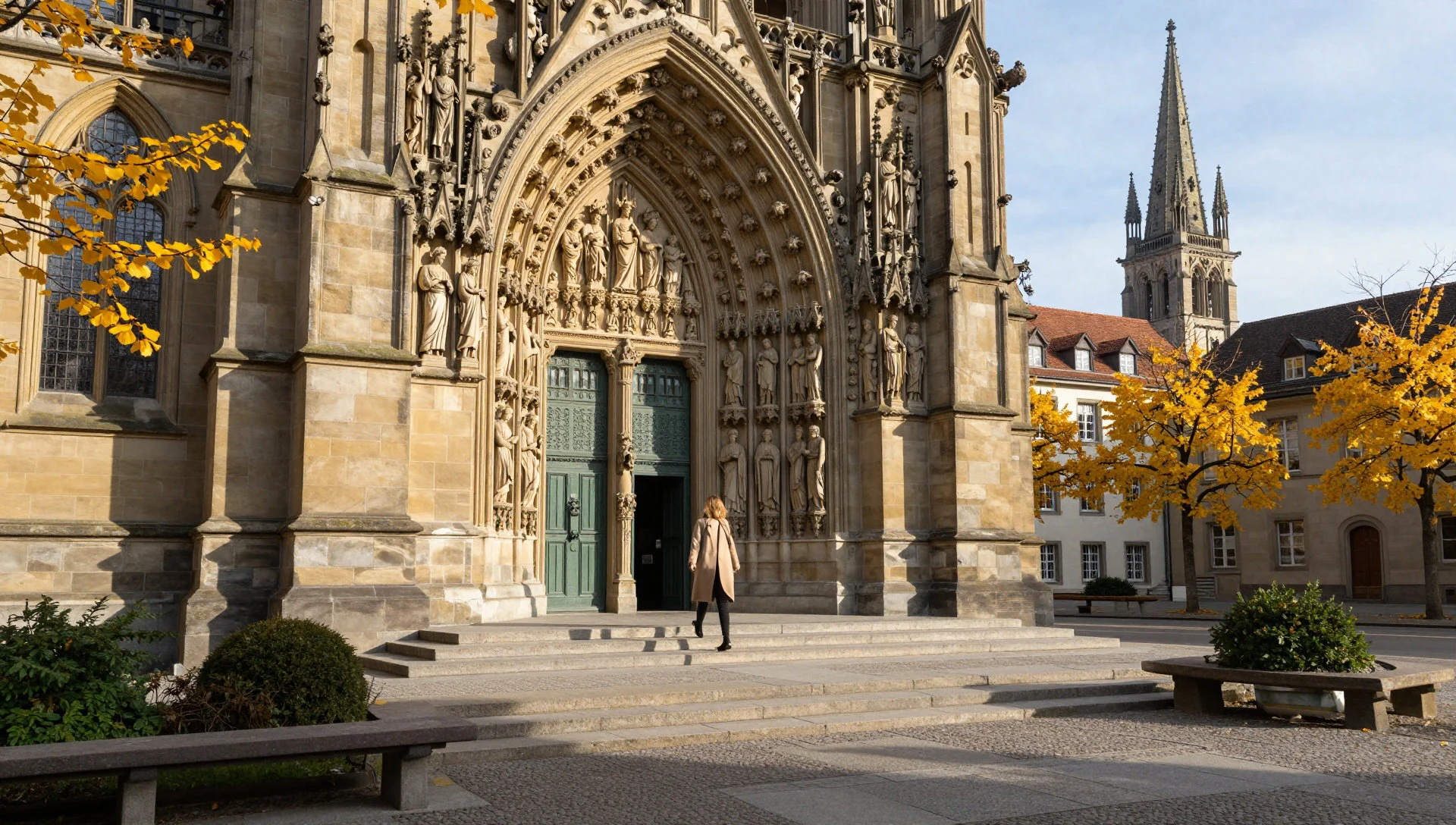
- Bundeshaus — Western edge of the Old City
The Bundeshaus, inaugurated in 1902, is the Swiss Parliament building, with a large dome set between the chambers of the National Council and the Council of States. The square in front is open and often lively with markets and events. Visits inside need planning, so check the official parliament site first.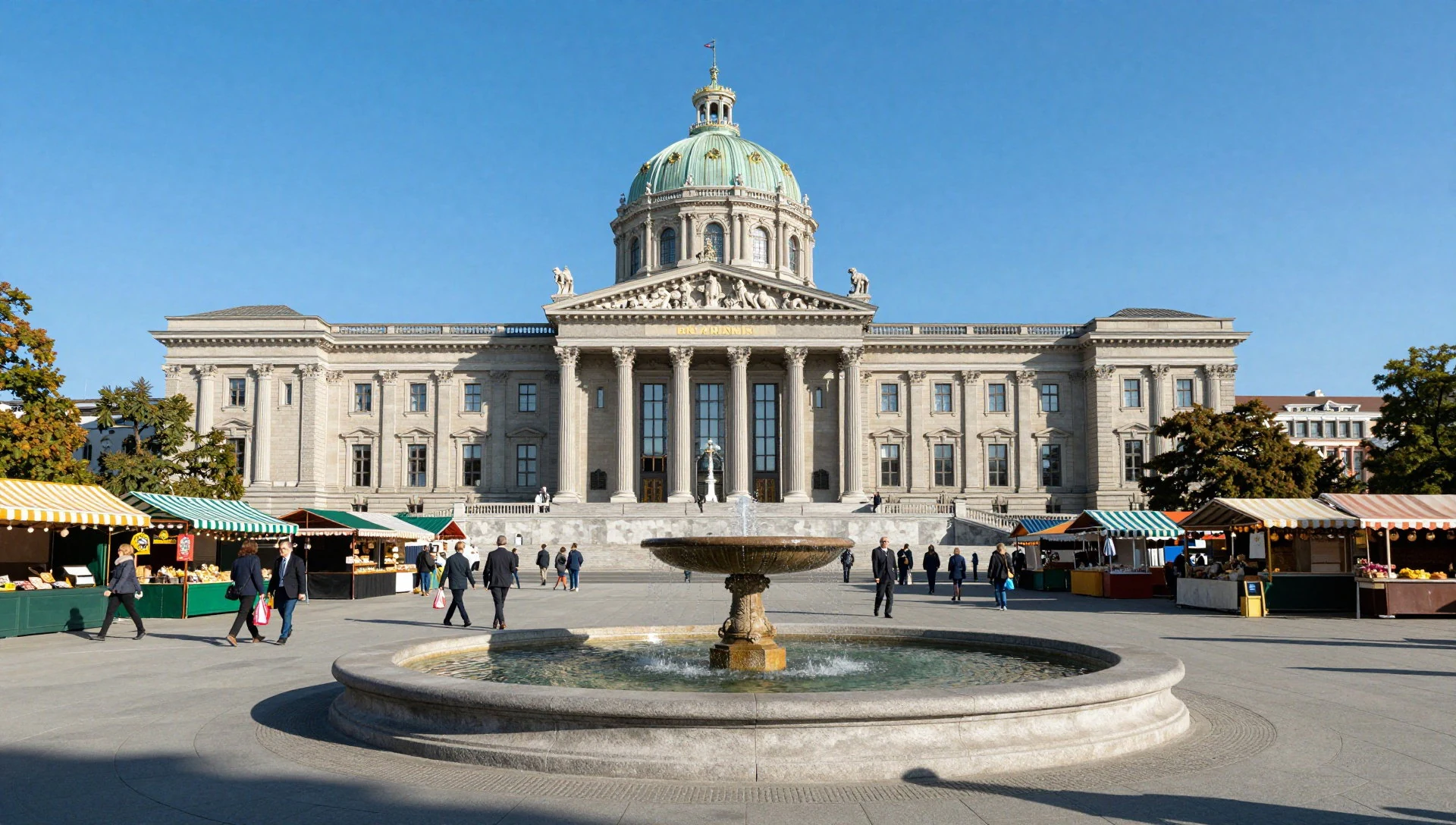
- Einsteinhaus — Old City, central street
The Einsteinhaus is a small museum in a townhouse on an Old City street, tied to Albert Einstein's years in Bern. It suits anyone curious about relativity, and the displays set his ideas against everyday life in the city. It is compact, so it works as a short stop. Check current opening times online.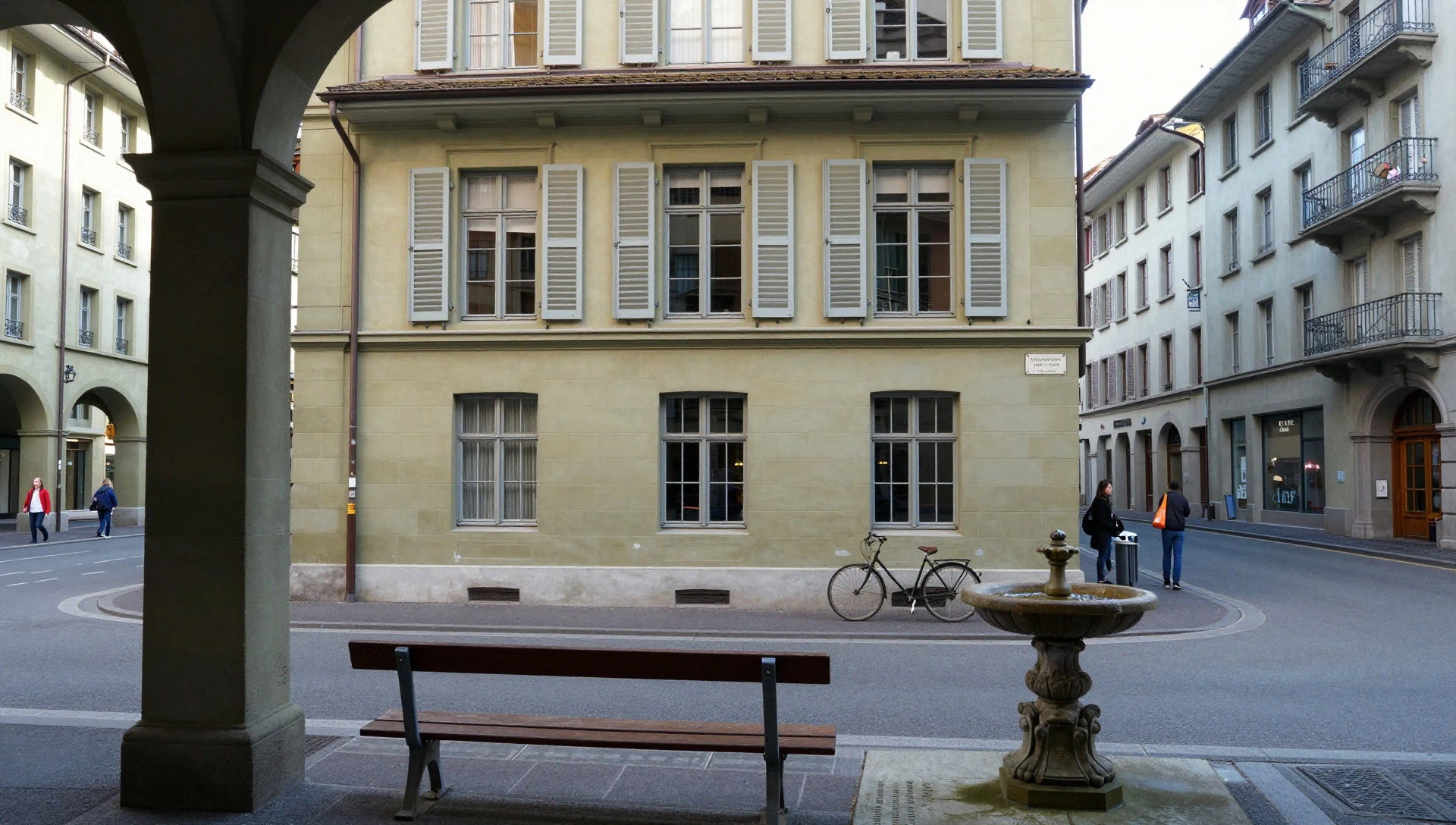
- Kunstmuseum Bern — North side of the Old City
The Kunstmuseum holds a very large collection spanning about eight centuries, with Picasso, Ferdinand Hodler and Meret Oppenheim among the names. It rewards a rainy afternoon, which Bern provides often enough. Special exhibitions change through the year, so look at the museum's own website for what is on.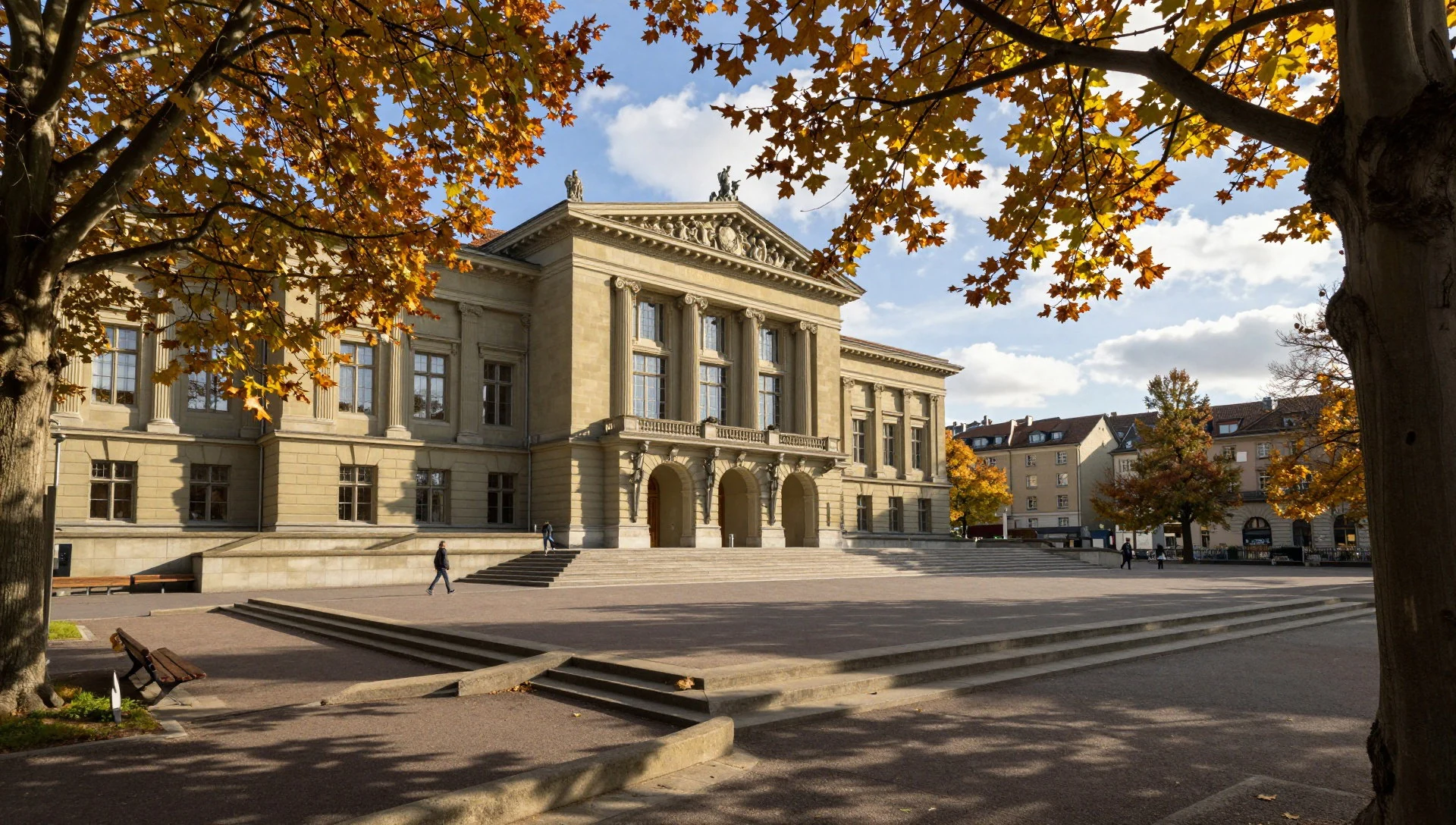
- Swiss Alpine Museum — Across the river from the Old City
The Swiss Alpine Museum covers the mountains from every angle: how they formed, glaciers, weather, wildlife, farming and settlement, climbing and winter sports. For a city with the Alps only on the horizon, it is a useful briefing before heading up into them. Families tend to like its hands-on approach.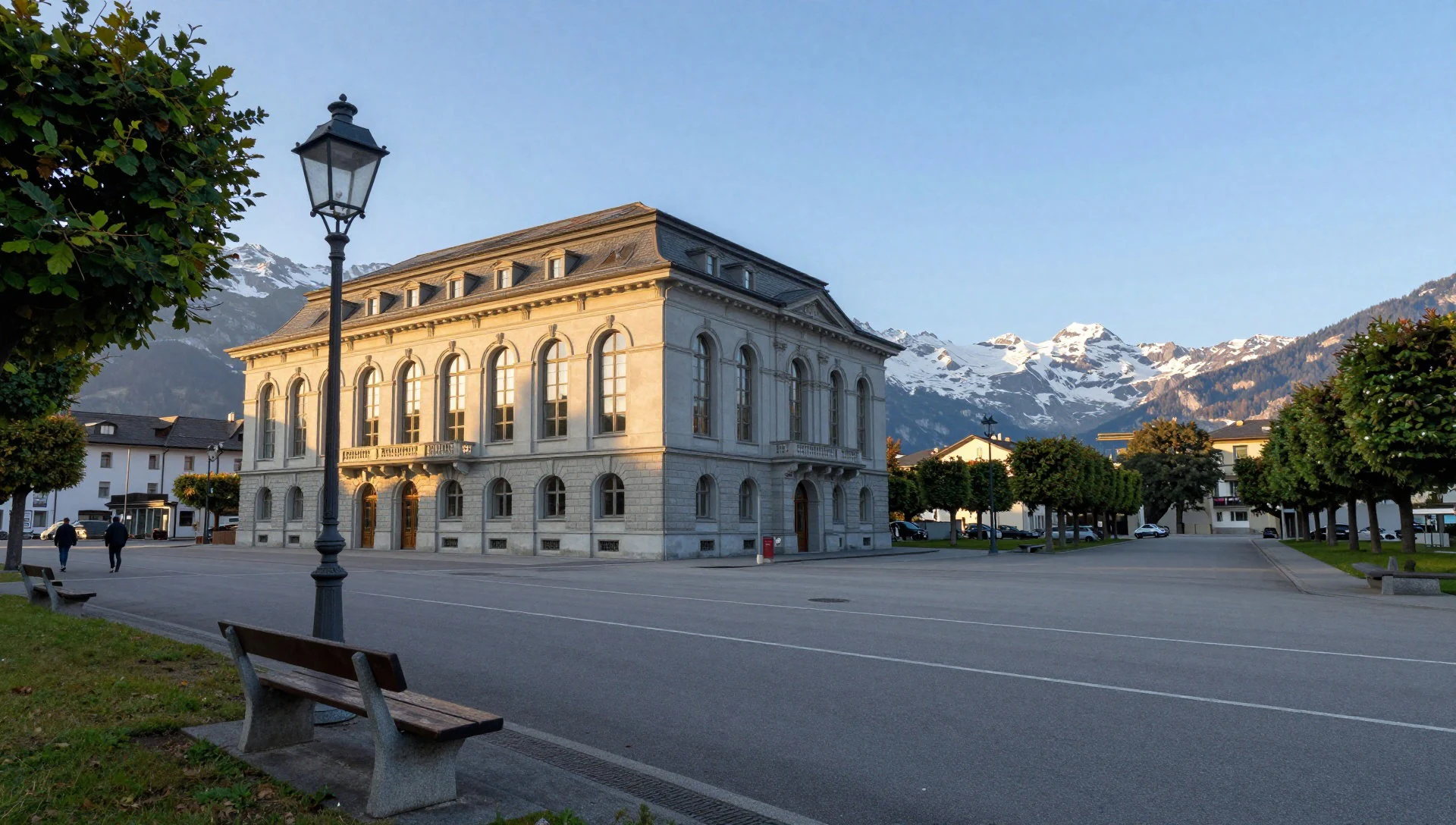
Culture
Bern is the seat of Switzerland's federal government, and that shapes the city's manners. The mood is orderly, polite and unhurried, with trams that keep to schedule and pedestrians who wait for the green man even on empty streets. Politicians, civil servants and journalists mix with students and families, so cafés fill at lunchtime and thin out early in the evening. German is the main language, spoken locally as a Bernese dialect that differs noticeably from the standard German taught in schools, though many people will switch to English readily. The bear is everywhere: on the city's coat of arms, in souvenir shops, in the legend of the founding. The Old City's many Renaissance fountains are practical as well as decorative, and locals still use them to fill bottles and cool their hands in summer. Public life is quiet by comparison with much of India or southern Europe. Conversation on trams is hushed, rubbish is sorted carefully, and drinking in the street is less common than a sunny afternoon beside the river might suggest. Sunday trading is limited, so shops are mostly shut and the city feels calm. Markets and festivals bring the squares to life at other times, and the Old City rewards early mornings, when delivery vans are the only traffic. Greet staff with a brief "Guten Tag" when entering a small shop or café, and keep your voice low on trams and trains.
What to wear
In Bern, traditional dress is a festival matter rather than an everyday one. The Bernese Tracht for women usually combines a white linen blouse with full sleeves, a dark bodice in velvet or wool, a pleated skirt and an embroidered apron, often finished with silver chains across the chest. Herders' dress for men includes short, sturdy jackets and shirts embroidered with edelweiss. These appear at folk festivals, parades, yodelling and alphorn events and on national occasions. On ordinary days people dress in smart-casual style: dark jeans, neat jackets and good coats for office workers, since government and business share the Old City. Practical outdoor wear is common too, with waterproofs, walking shoes and trainers, because many people cycle, walk by the river or head for the hills at weekends. Visitors should dress for the weather first. Winters are cold and damp, so pack a warm coat, hat and gloves, and summers are warm enough for light cotton plus a layer for evenings. The pavements are a mix of cobbles and worn sandstone, so shoes with grip and cushioning suit a day on foot better than thin soles. There is no strict dress code at churches such as the Münster, but covering bare shoulders and removing hats inside is a courteous choice. A compact umbrella earns its space in the bag.
What to eat
- Cheese fondue — Traditional restaurants in the Old City
Cheese fondue is the Swiss standard, a pot of melted cheese eaten with cubes of bread. It is a cold-weather meal and usually shared. Traditional guild-style restaurants in the Old City serve it, and some offer vegetarian choices and lighter portions.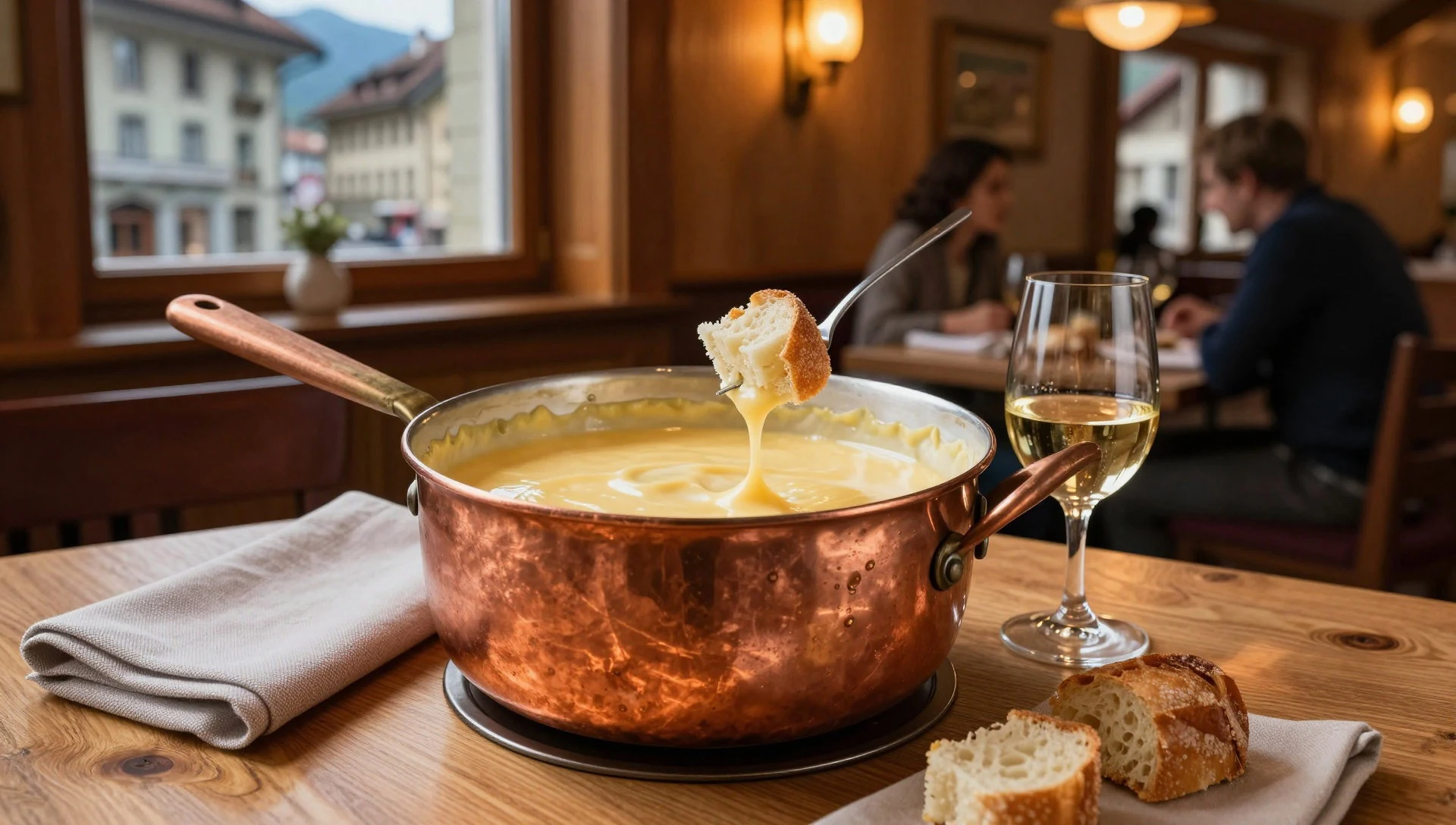
- Rösti — Traditional Swiss and Bernese restaurants
Rösti is a crisp-edged cake of grated potato fried until golden, served as a side or topped with egg or cheese. It is filling and simple. Look for it on menus at old-fashioned Swiss and Bernese restaurants, which tend to offer hearty plates at fair prices.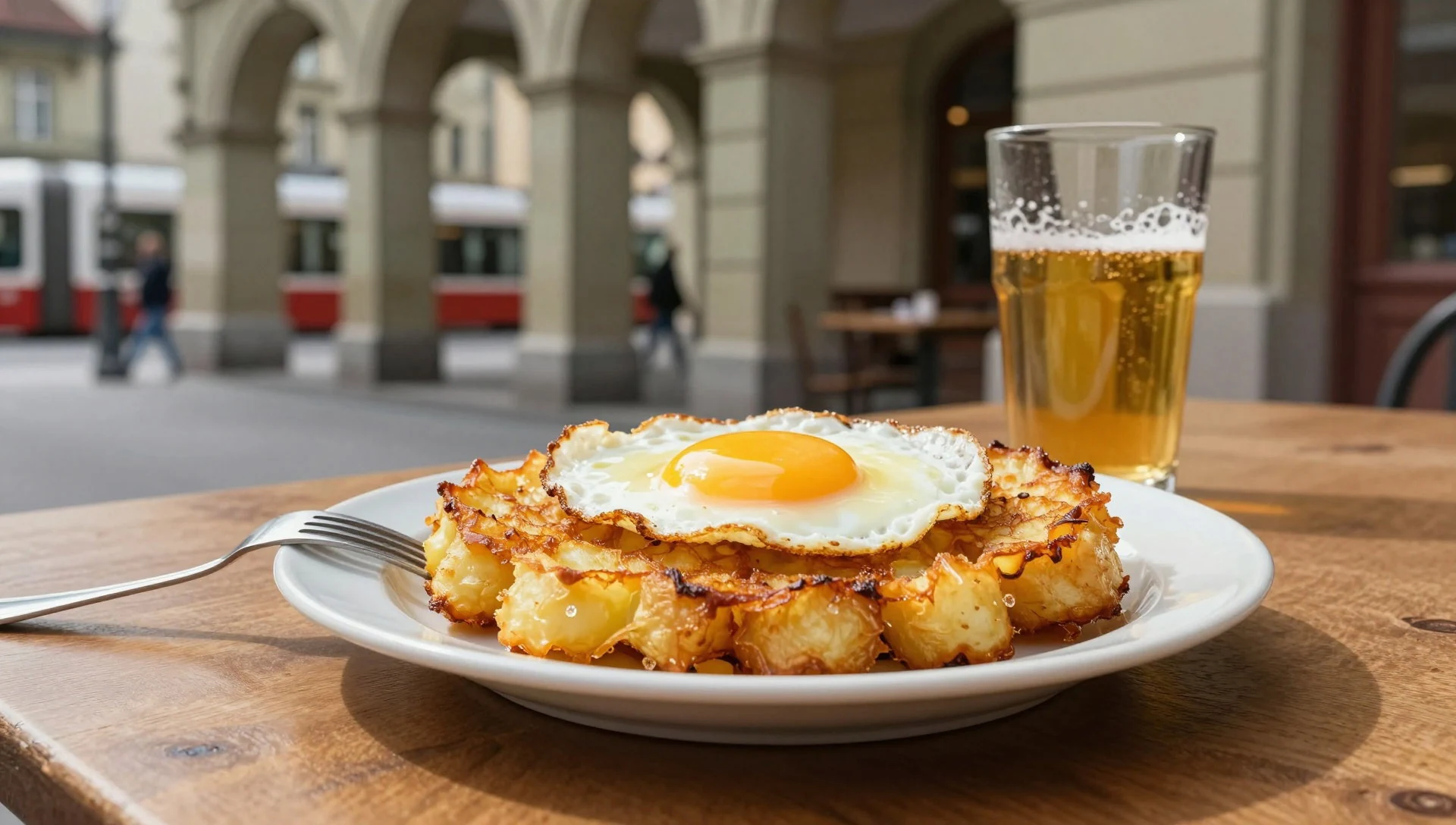
- Berner Platte — Old-style Bernese restaurants
The Berner Platte is the region's signature heavy dish: a large platter of assorted meats with sauerkraut or beans and potatoes. It suits a cold day and a big appetite, and is best shared. Order it at a traditional Bernese restaurant rather than a modern café. - Zopf — Neighbourhood bakeries
Zopf is a braided, buttery white loaf traditionally associated with Sundays. It is good for breakfast with jam or cheese. Bakeries across Bern sell it fresh, and picking one up on an early walk makes a simple picnic by the Aare. - Soup and half portions — Guild halls and canteen-style restaurants
Many Old City restaurants serve good soups of the day, and some offer half portions, which helps if you want to try more than one dish. Pair a soup with bread and cheese for a light lunch, or choose a daily set meal at a canteen-style restaurant.
Plan it
Best time. May–June and September–October, when days are mild and the lanes and riverbanks are pleasant to walk. July and August are warm and busier, and winters are cold and often grey.
How long. 1–2
Getting there. Bern has a small airport at Belp, from which a short bus ride to Belp station and a local S-bahn train reach Bern's main station. For a wider choice of flights, land at Geneva, Zurich or Basel and take an InterCity train to Bern; fast trains also run from Geneva and Zurich airports. Check the Swiss Federal Railways site for current timetables and fares.
Budget. high
Tips
- Arrive at the Zytglogge a few minutes before the hour to get a clear view of the clock.
- Book rail tickets ahead through the Swiss Federal Railways or Swiss Travel Planner, as walk-up full fares are expensive.
- Start early in the Old City, when the arcades and fountains are quiet and the light is best.
- Carry a card and a little cash, and use the public fountains to refill a water bottle.
- Check each museum's official site for opening times and exhibitions before planning your day.
Etiquette
- Greet staff with a brief "Guten Tag" when entering a small shop or café.
- Keep voices low on trams and trains, and wait for the green man at crossings.
- Cover bare shoulders and remove hats when stepping into churches.
Nearby
Sources
- Wikidata Q687973 (CC0)
- Wikipedia, Old City (Bern), rev 1366155622 (CC BY-SA 4.0)
- Wikivoyage, Bern, rev 5403875 (CC BY-SA 4.0)
- Old City of Bern (3D model based on official geodata, 2021), Geodaten Stadt Bern (Public domain)
- View of the city of Bern 1638, Matthäus Merian / Joseph Plepp (Public domain)
- Historical districts and neighbourhoods of the old town of Berne, Sandstein (Public domain)
- The old town of Berne seen from the Muristalden, Franz Schmid (Public domain)
- Münster of Berne, André P. Holzer (CC BY 3.0)
- Portal, Berner Münster, Mike Switzerland (CC BY-SA 1.0)
- Stained glass windows of Berne cathedral, Yann (CC BY-SA 4.0)
- Zytglogge (Clocktower), Mike Switzerland (CC BY-SA 2.0)


