Lake Maggiore
Lake Maggiore, Switzerland
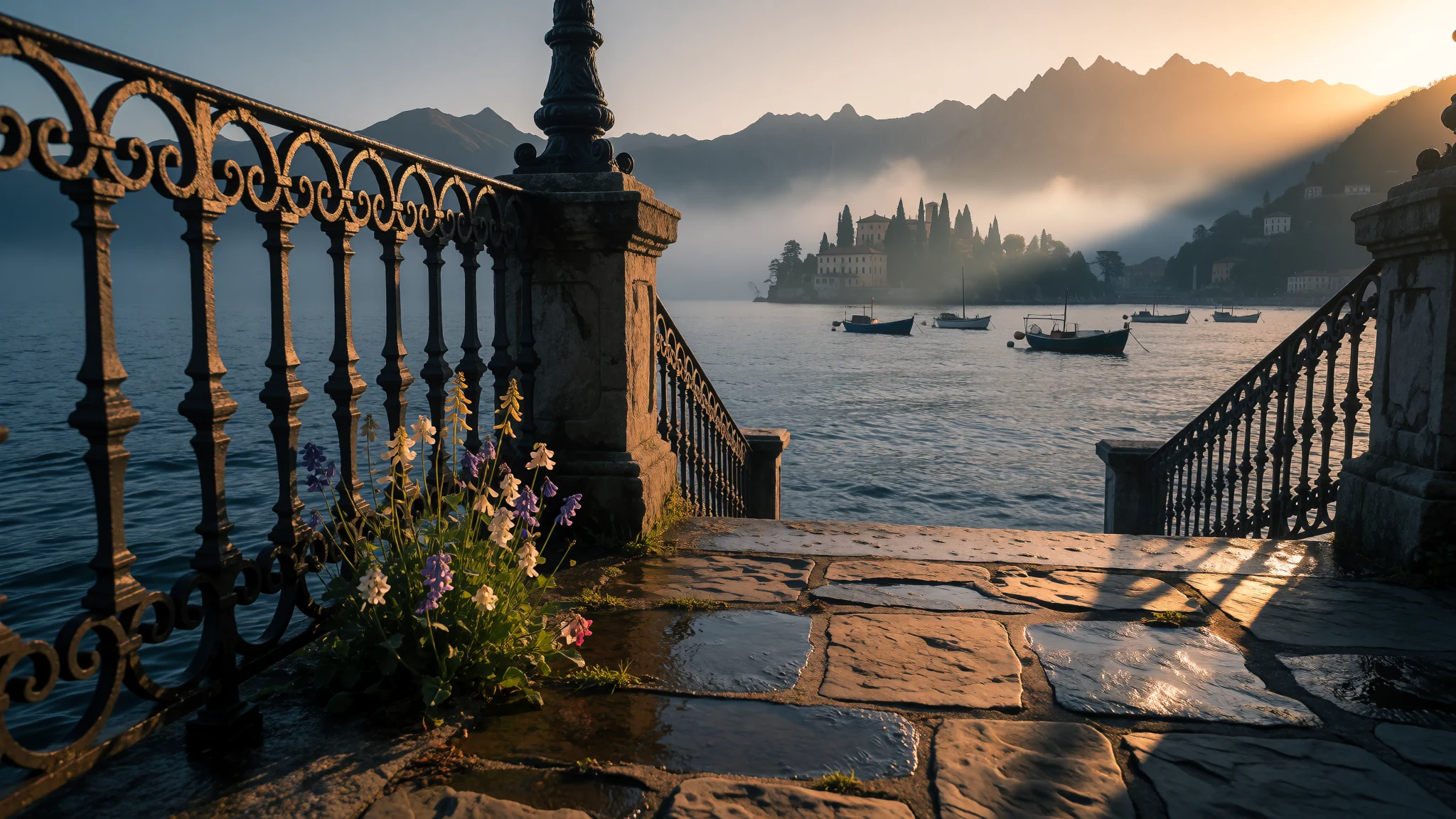
Lake Maggiore offers dramatic alpine peaks dropping down to mild Mediterranean gardens, historic island villas, and quiet ferry crossings across deep glacial waters.
The place
Lake Maggiore, known historically as Verbano, stretches across a grand tectonic-glacial basin shared between northern Italy and southern Switzerland. Tucked between regional neighbours, the water body forms a deeply sinuous channel where the northern shores present a rugged, alpine face, while the southern reaches taper gently toward the broad plains of Lombardy. Because the shoreline curves and bends so sharply, travellers rarely catch a single, uninterrupted glance of the entire expanse, which adds greatly to the variety of the landscapes.
The surrounding climate remains remarkably temperate throughout the seasons. This mild environment nurtures rare and exotic plant species across several famous gardens, including the cultivated terraces of the Borromean and Brissago Islands, Villa Taranto in Verbania, and the elevated paths of the Alpinia Botanical Garden above Stresa. Major rivers, including the Ticino and the Toce, constantly replenish the basin, carving out large deltas and sustaining rich local ecosystems. Ferries crisscross the water daily, connecting quiet villages on the Swiss canton side with bustling Italian lakeside towns in Piedmont and Lombardy. Whether you are walking along windy ridge paths or resting by the water edge, the shift from jagged mountain crags to sunlit palm-lined promenades defines the character of this great prealpine lake.
Its story
Human presence around Lake Maggiore reaches far back into prehistory, with early nomadic groups leaving artifacts from the Copper Age. Between ancient eras and medieval times, Celtic tribes of the Iron Age established a distinctive civilisation here before Roman conquerors incorporated the region, naming the water body Verbanus Lacus and using it as a vital maritime trade route linked via the Ticino river down to the Adriatic Sea.
Following the collapse of the Roman administration, control shifted through various hands. Most contemporary settlements took root during the Middle Ages under the influence of powerful dynasties such as the Visconti, the Borromeo, and the Habsburgs. These waters even witnessed medieval and early modern naval skirmishes between rival fleets competing for regional dominance. For centuries, heavy stone blocks quarried locally were transported by boat down the lake to supply major construction projects, including grand Lombard cathedrals.
The lake holds a notable place in scientific history as the site where methane was first isolated by Alessandro Volta while examining marsh gases. In later centuries, the area transformed into a premier European leisure destination, drawing notable figures like Queen Victoria to its shores. It also holds peculiar modern artifacts, such as a vintage car famously sunk into the deep lake bed during a twentieth-century customs dispute, which remains a submerged landmark for divers exploring the dark waters today.
What to see
- Borromean Islands — Stresa basin
A historic archipelago featuring ornate island palazzos and terraced botanical gardens filled with rare plants, exotic flowers, and roaming white peacocks, reached easily by local ferries from Stresa.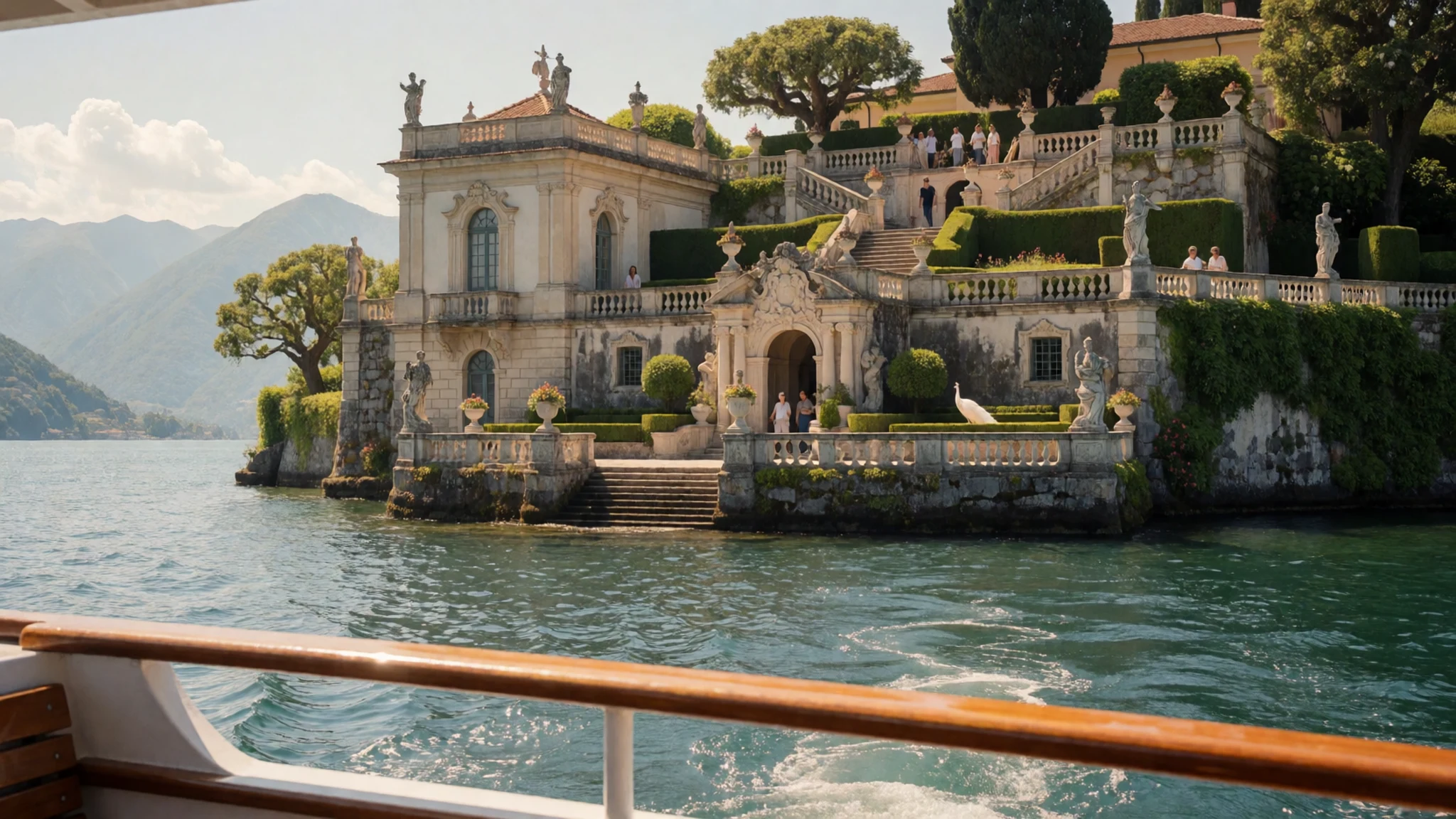
- Villa Taranto — Verbania
An expansive lakeside botanical garden created through decades of visionary landscaping, housing thousands of plant species arranged along shaded walkways, water terraces, and quiet shoreline lawns.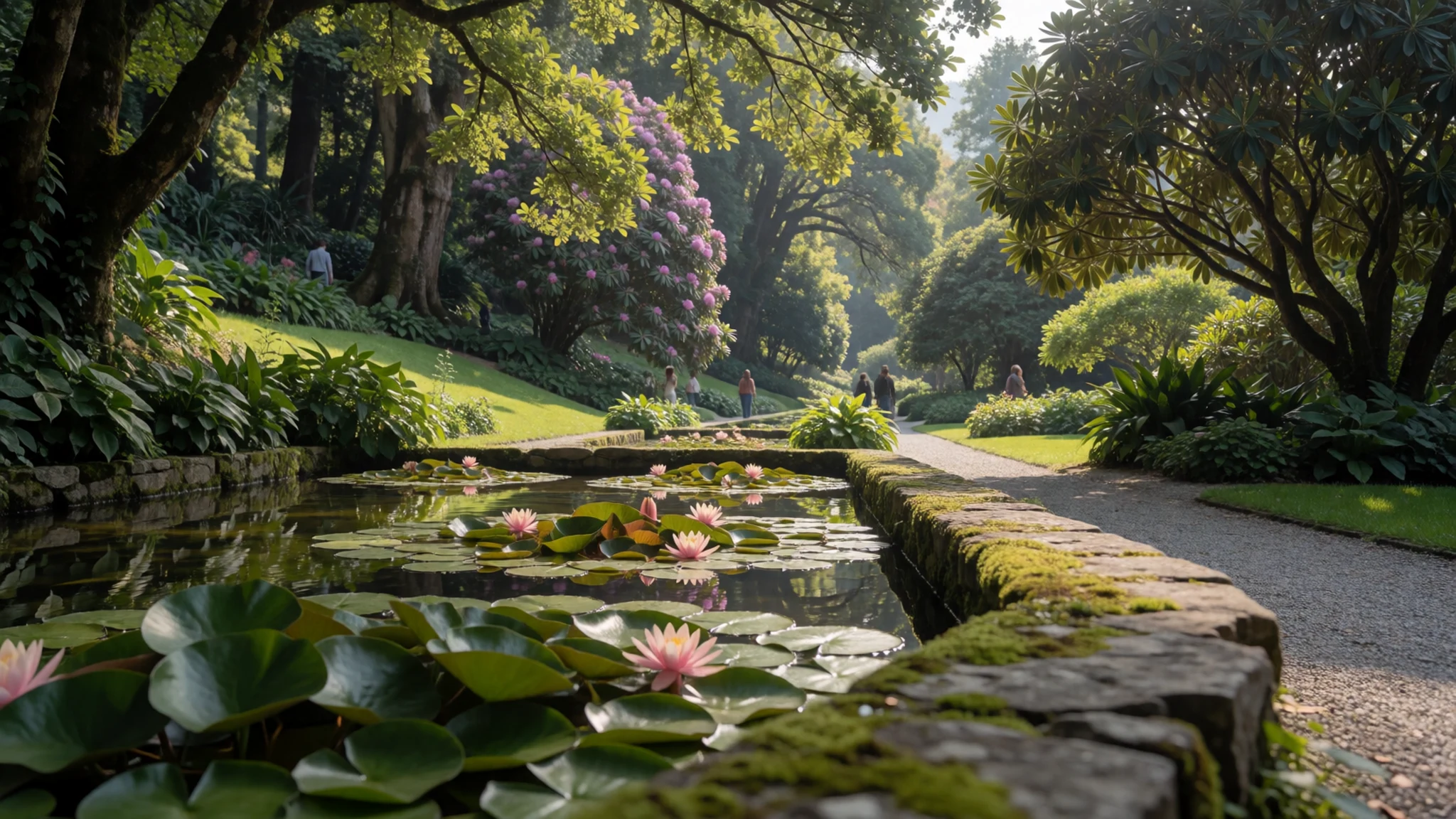
- Sacro Monte di Ghiffa — Ghiffa hills
A peaceful hillside sanctuary and pilgrimage complex overlooking the lake, featuring devotional chapels decorated with sacred art set within a protected natural forest reserve.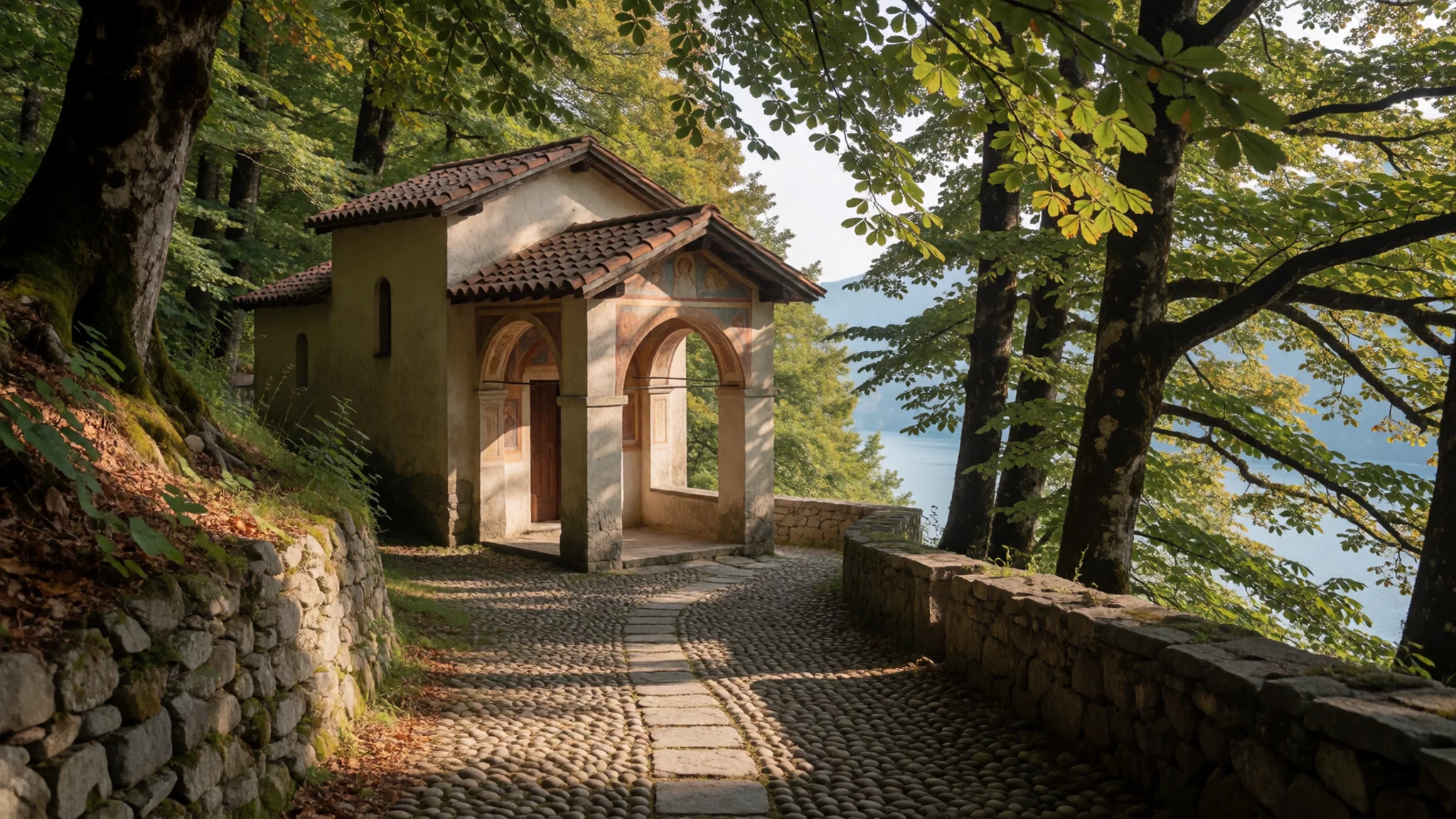
- Brissago Islands — Brissago
An island sanctuary situated in the northern Swiss sector of the lake, known for a microclimate that nurtures lush subtropical flora from across the globe.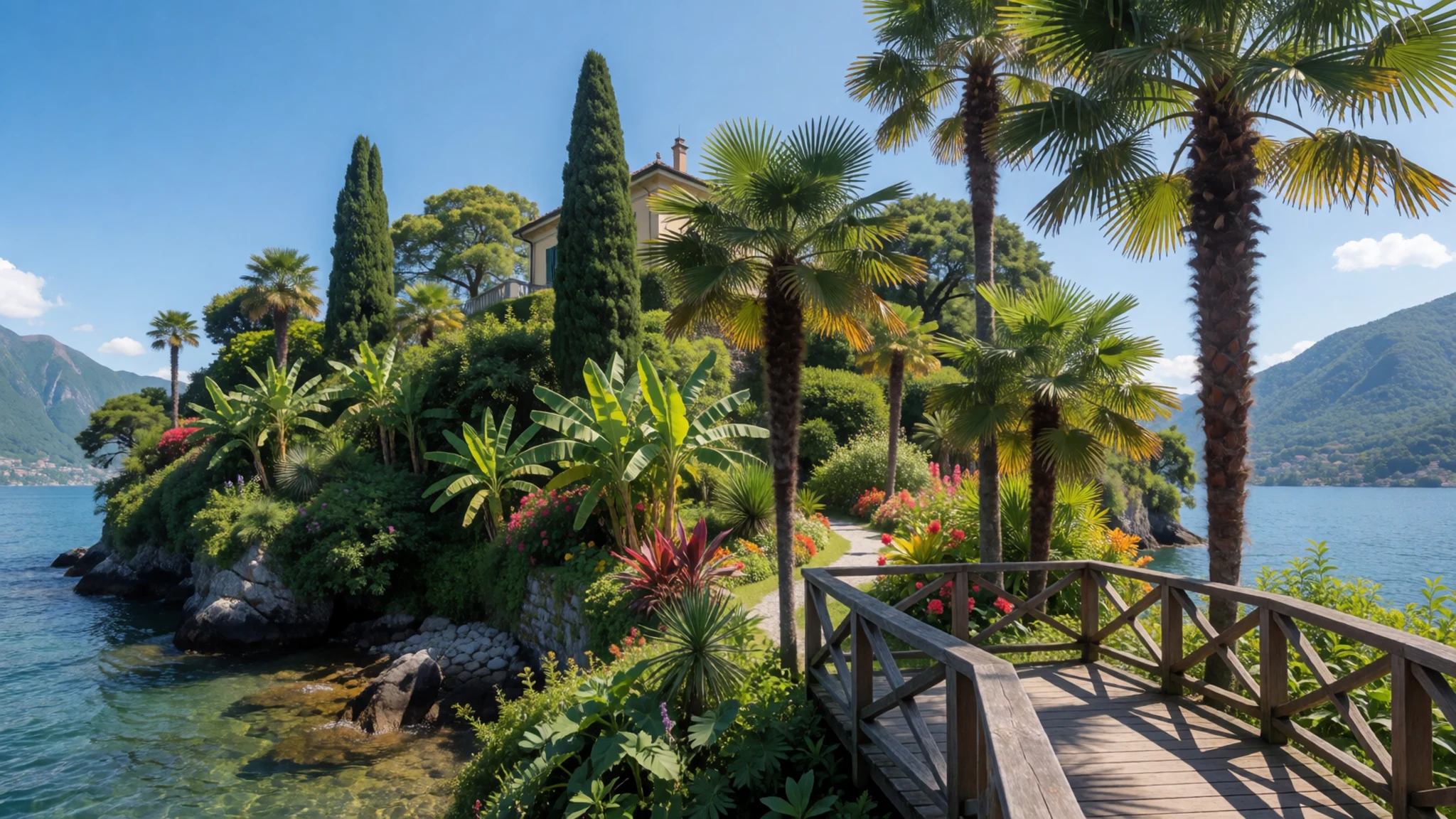
Culture
The communities around Lake Maggiore share a unique cultural identity shaped by the interplay between Italian warmth and Swiss precision. Traditional festivals, local saints' days, and seasonal harvest celebrations remain central to village life, often accompanied by communal gatherings in village squares. Artisanal traditions, from stone masonry to delicate lacemaking and pottery, have been passed down through generations. Social life revolves around the passeggiata—an unhurried evening stroll along the waterfront promenade before dinner. While Italian is spoken across the southern Italian shores, the northern Swiss canton of Ticino adds an Italian-speaking Swiss dialect flavor to daily life, reflected in local architecture, cuisine, and hospitality. Visitors are welcomed warmly, but keeping noise levels respectful in quiet residential hamlets and historic churches is appreciated. Always cover your shoulders and knees when entering local churches or mountain pilgrimage chapels.
What to wear
Traditional dress around Lake Maggiore historically reflected practical alpine life and working-class tailoring, utilising sturdy wools, woven linens, and durable cottons suited for farming, boat handling, and mountain herding. Contemporary residents dress in smart-casual European styles that balance lakeside leisure with urban refinement; tailored jackets, lightweight knitwear, and breathable trousers are common for daily errands and dining out. Visitors should pack versatile layers, as temperatures can shift quickly between sunny waterfront promenades and breezy mountain ridges. Bring comfortable walking shoes or sturdy trainers for uneven cobblestone lanes and garden paths, along with a light waterproof jacket for sudden afternoon showers. Modest clothing is necessary when visiting sacred sites, and sunglasses and sun hats are essential accessories during bright summer afternoons by the water.
What to eat
- Lake Fish Risotto — Any traditional lakeside trattoria in Stresa or Verbania
A creamy regional rice dish prepared with fresh catches from the lake, simmered slowly with local broth, butter, white wine, and fresh herbs.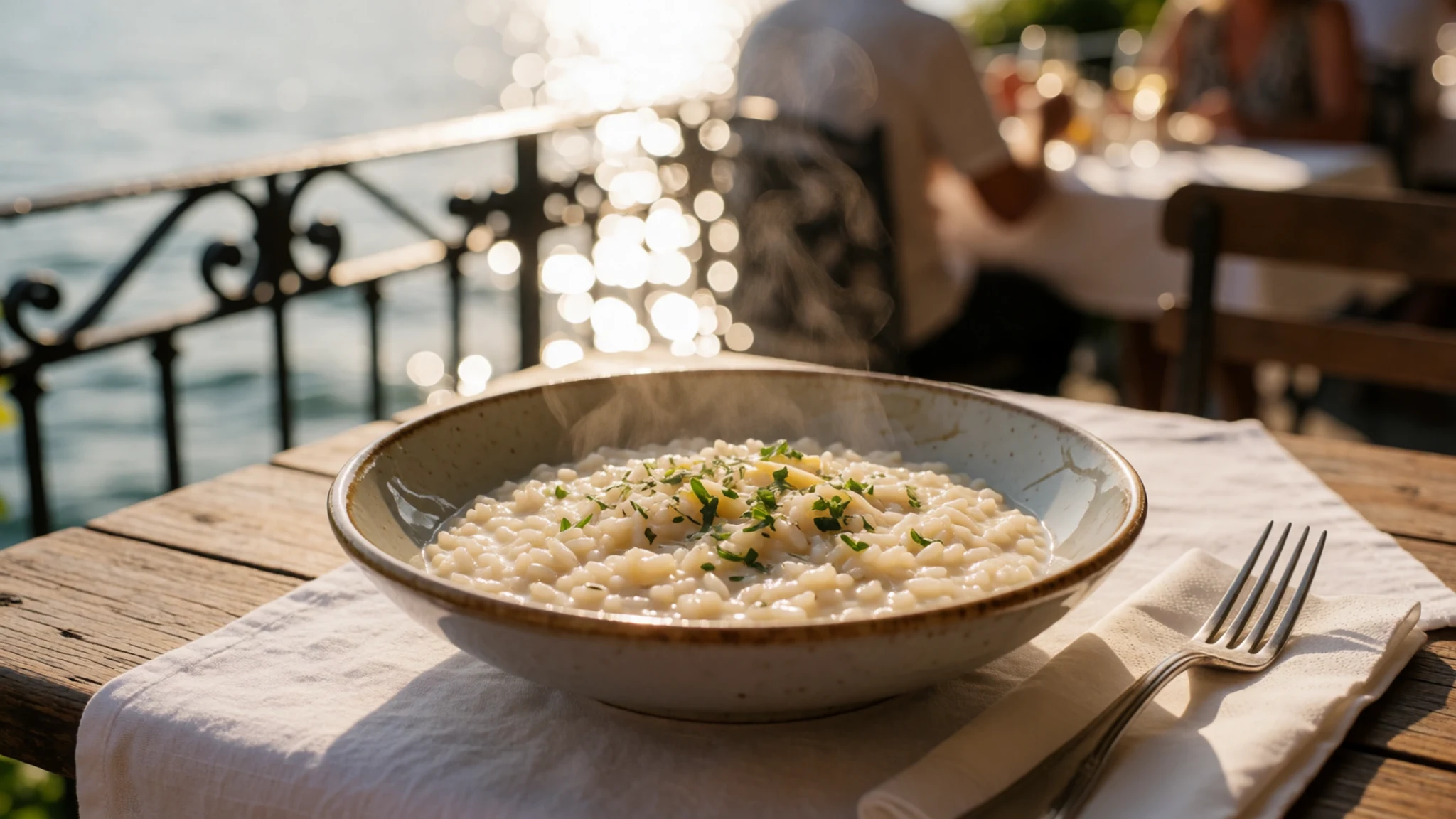
- Polenta and Braised Meats — Mountain refuges and hillside village taverns
A hearty staple of ground yellow maize served hot alongside slow-cooked stews or braised meats, reflecting the rugged mountain heritage of the northern basin.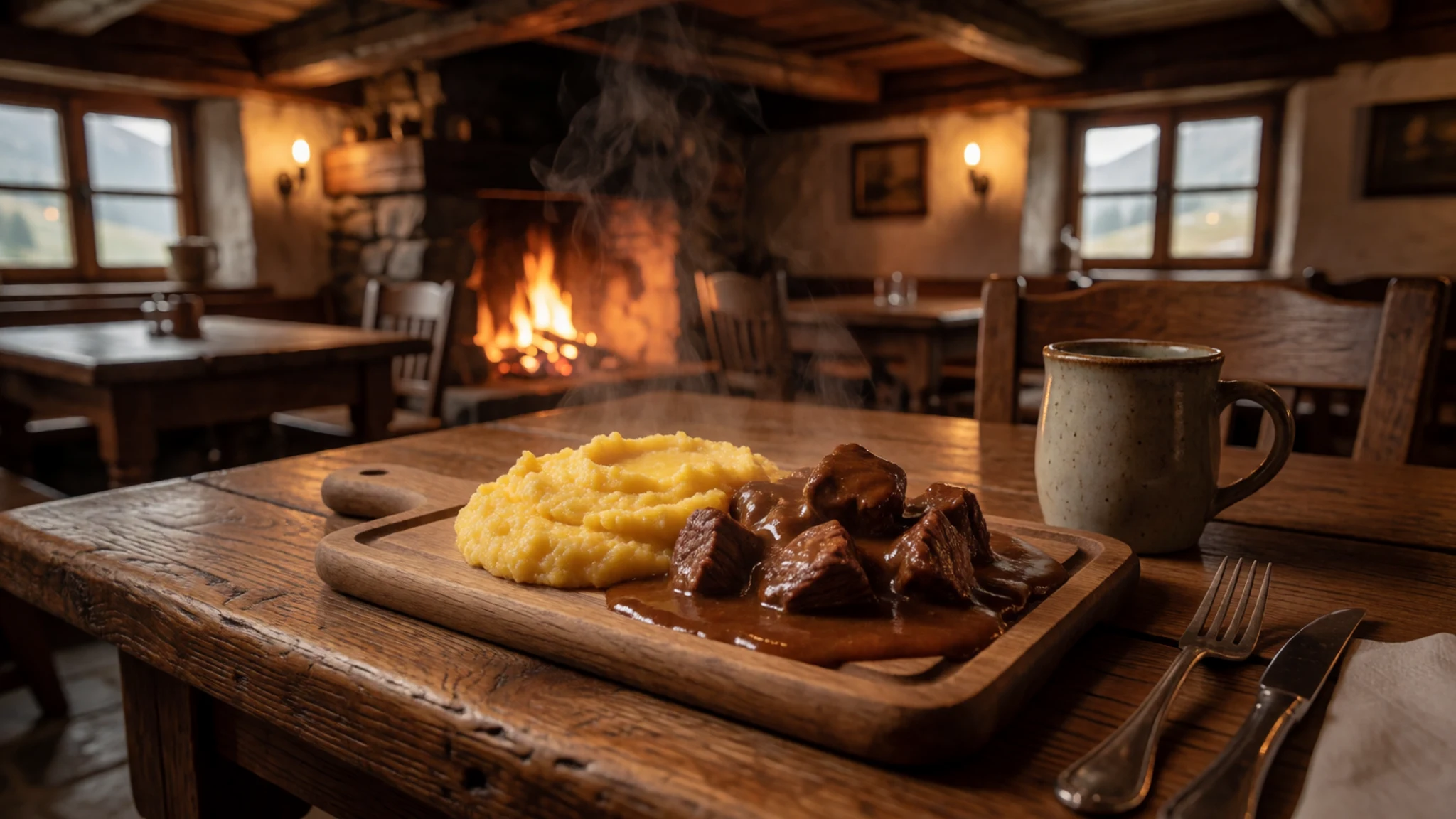
- Local Alpine Cheeses — Morning outdoor food markets and local dairy shops
A selection of artisan cow and goat milk cheeses crafted in the surrounding valleys, ranging from fresh soft curds to aged mountain wheels. - Margheritine di Stresa — Historic pastry shops and bakeries around Stresa
Delicate, sweet butter biscuits dusted with powdered sugar, originally created by a local pastry chef in honour of regional royalty.
Plan it
Best time. May to September for warm weather, outdoor garden visits, and full ferry schedules.
How long. 3–4
Getting there. Fly into Milan Malpensa Airport, then take a direct bus or regional train connection to the lake towns.
Budget. mid
Tips
- Check local ferry timetables in advance as schedules change between seasons
- Wear sturdy footwear for exploring hillside botanical gardens and mountain paths
- Carry a mix of cash and cards for small village shops and rural kiosks
- Book island palazzos and popular garden entry tickets early during peak summer
Etiquette
- Dress modestly with covered shoulders and knees when visiting churches
- Keep noise levels low in residential lakeside villages during the evening
- Greet shopkeepers with a polite buongiorno or buonasera upon entering
Nearby
Sources
- Wikidata Q14379 (CC0)
- Wikipedia (rev 1371751905) (CC BY-SA 4.0)
- Wikivoyage (rev 5317294) (CC BY-SA 4.0)
- Photo 01-lago-maggiore-traghetto.jpg (CC BY 3.0)
- Photo 02-lagomaggiore.jpg (CC BY 3.0)
- Photo 03-rifugioallegn.jpg (CC BY 3.0)
- Photo 04-sacro-monte-ghiffa-panorama-lago.jpg (CC BY-SA 2.5)


