Lake Sils
Lake Sils, Switzerland
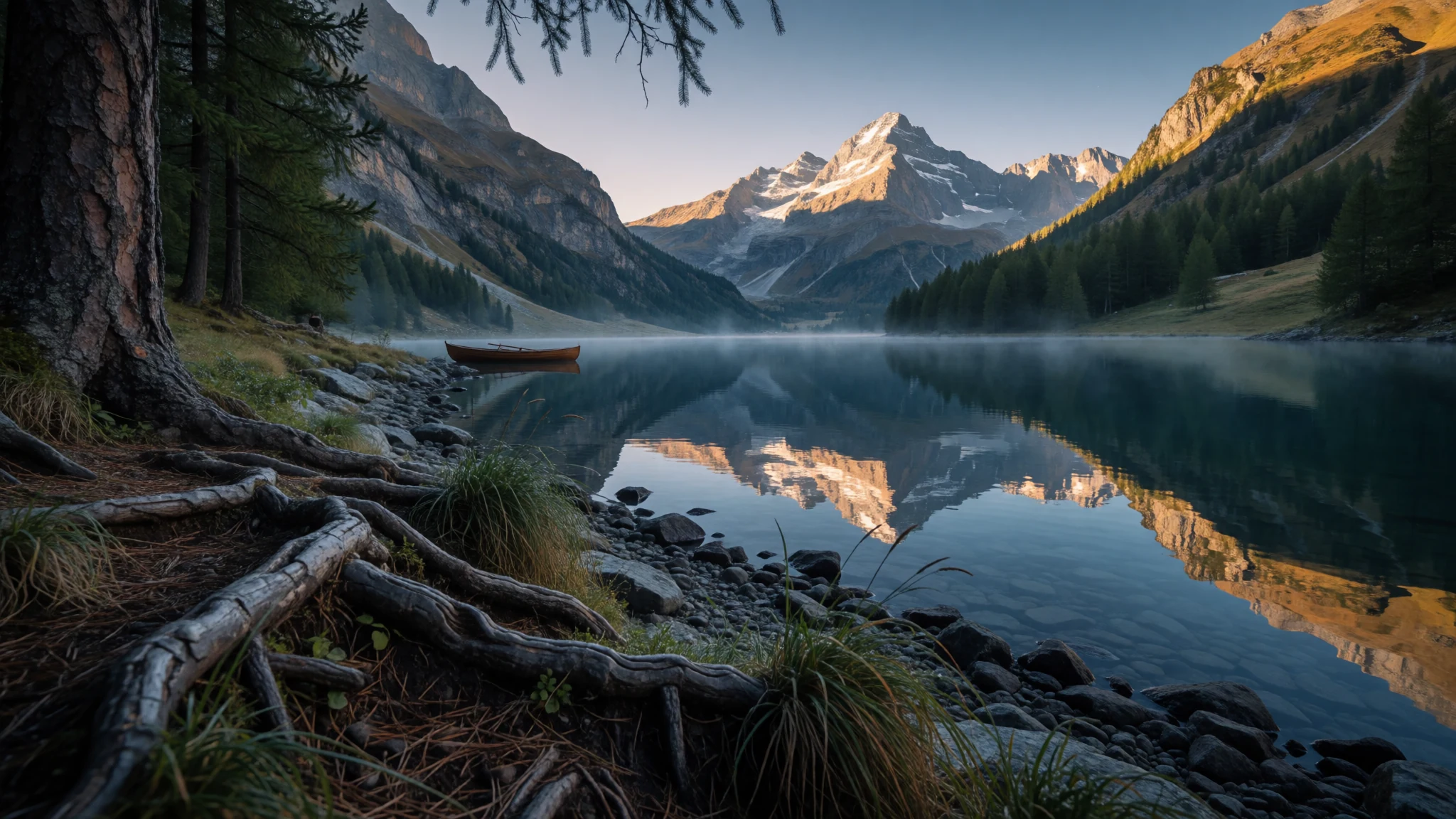
Lake Sils offers wild alpine waters, historic hiking trails, and serene boat crossings beneath towering peaks in the Engadin valley.
The place
Lake Sils, known locally as Silsersee or Lej da Segl, fills a dramatic trough in the Upper Engadine valley within the Swiss canton of Grisons. Surrounded by mountains that climb well past three thousand metres, the water sits in a high landscape shaped by ancient geological forces. A prehistoric landslide blocked the valley, creating this natural expanse of water that now stands as the largest lake in the Engadin and the largest natural body of water in the Alps at such an elevation.
The shorelines are defined by deep pine woods, quiet rocky coves, and small settlements like Sils im Engadin and Maloja at opposite ends of the basin. The wooded Chastè peninsula pushes out into the northern waters, while the island of Chaviolas sits quietly offshore. Above the lake, massive peaks such as Piz Corvatsch and Piz da la Margna frame the horizon, catching the changing mountain light throughout the day. Waterways feed the basin from surrounding glaciers, eventually finding their way toward distant seas through Europe's central watershed.
Graubünden itself is a sprawling, rugged canton of steep valleys and ancient communities where Romansch traditions persist alongside German speech. Away from the main transit routes, side valleys reveal isolated hamlets, cobbled lanes, and historic stone architecture. Lake Sils captures this dual nature perfectly: it is both an accessible alpine retreat and a deeply wild frontier where the power of the high mountains touches the water's edge.
Its story
For centuries, the Upper Engadine served as a rugged route for travellers crossing between northern Europe and the Italian plains, navigating steep mountain passes and unpredictable weather. Lake Sils sat quietly beside these historic trading tracks, watched over by remote farming hamlets that lived according to the rhythms of heavy winters and short alpine summers.
In later generations, the quiet shores drew thinkers and writers seeking solitude in the thin mountain air. The philosopher Friedrich Nietzsche spent long summers staying in Sils Maria, walking the wooded paths of the Chastè peninsula and finding inspiration for his writings among the larch trees and lakeside stones. A plaque bearing his words still marks the peninsula's end, looking out over the water.
As transport routes improved with the coming of the railways and mountain roads, the valley opened to travellers from across the continent. Yet Lake Sils retained its quiet character. Traditional farming gave way to seasonal guiding and hospitality, while local boat services began connecting the scattered hamlets along the shore. Today, public passenger boats make this one of the highest scheduled water routes in Europe, carrying people across the water much as they have done for generations. In the depths of winter, when the surface freezes solid, the lake transforms into a snowy highway, crossed each year by endurance skiers taking part in the Engadin Skimarathon.
What to see
- Chastè Peninsula — Sils Maria
A wooded headland extending into the north-eastern waters of the lake, crisscrossed by quiet footpaths and pine trees. At its far tip, a stone plaque honours Friedrich Nietzsche, who spent formative summers writing along these shores.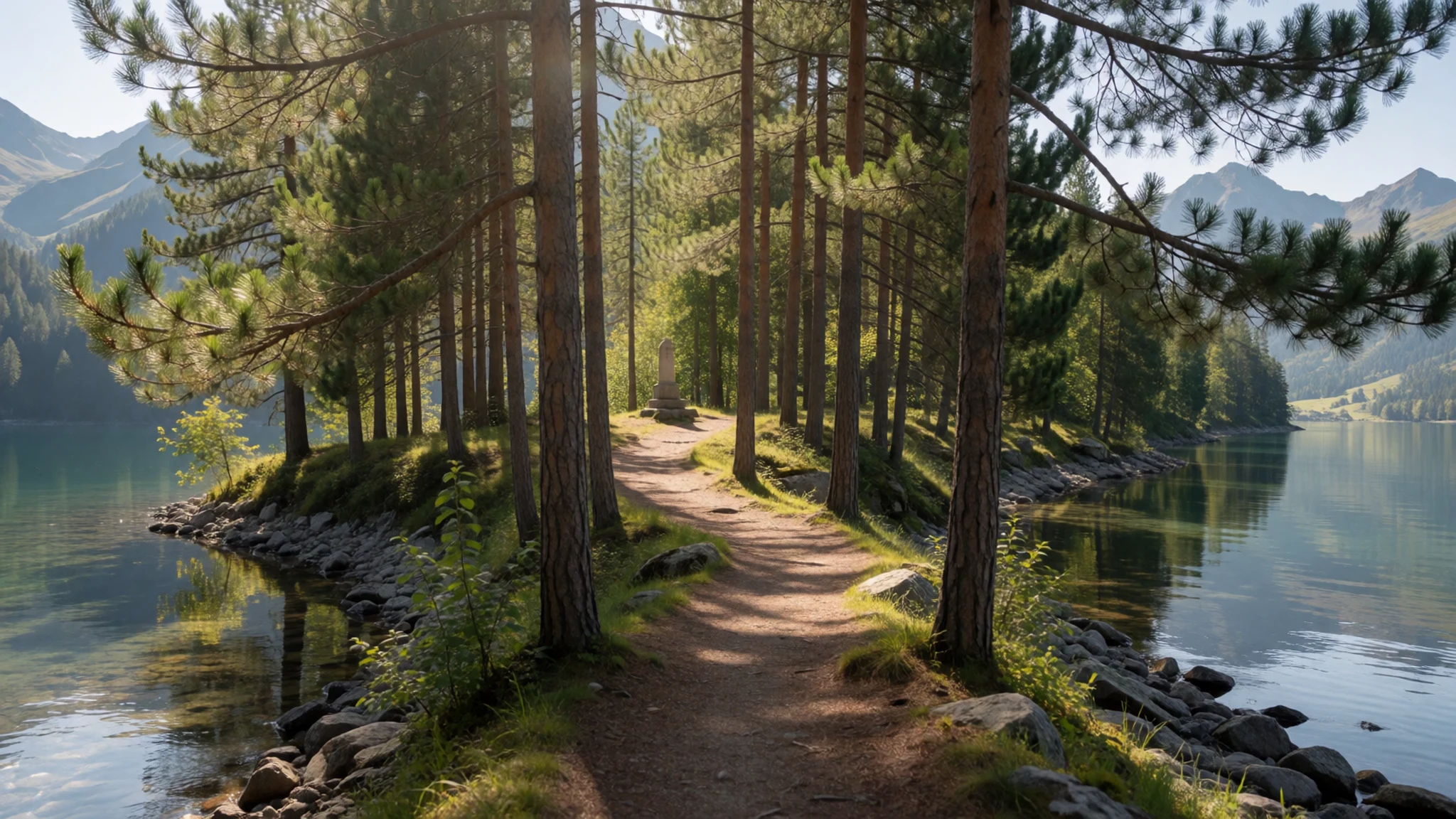
- Isola Hamlet — Southern shore
A tiny, traditional farming hamlet tucked away on the southern shore of the lake. Accessible by foot or by seasonal boat, it offers a glimpse of historic Engadine stone architecture away from the busier resort towns.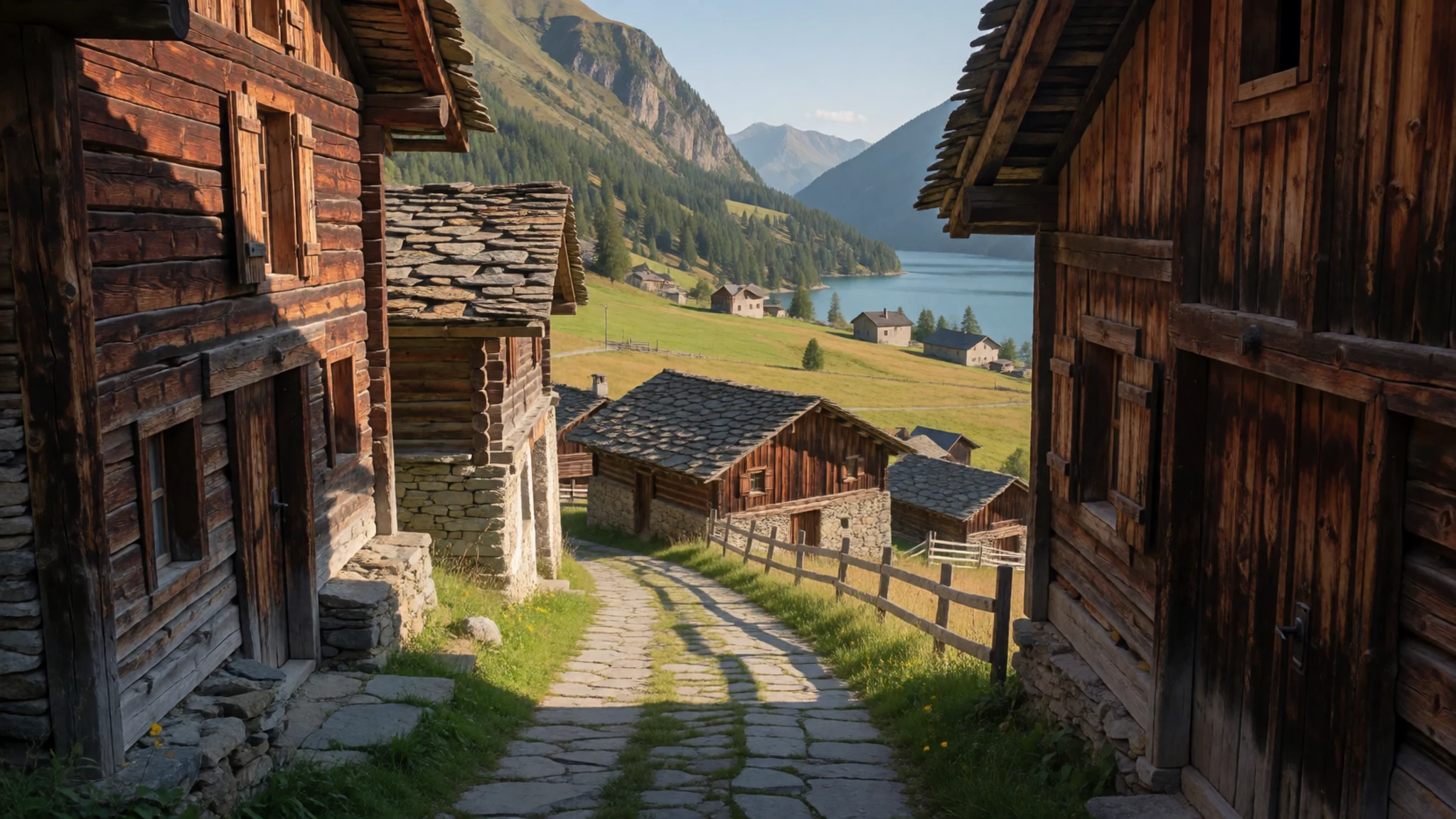
- Piz Corvatsch Lookout — Above the western shore
A towering peak rising directly above the lake, offering sweeping panoramic views across the entire Engadin valley, the surrounding glaciers, and the blue expanse of the water far below.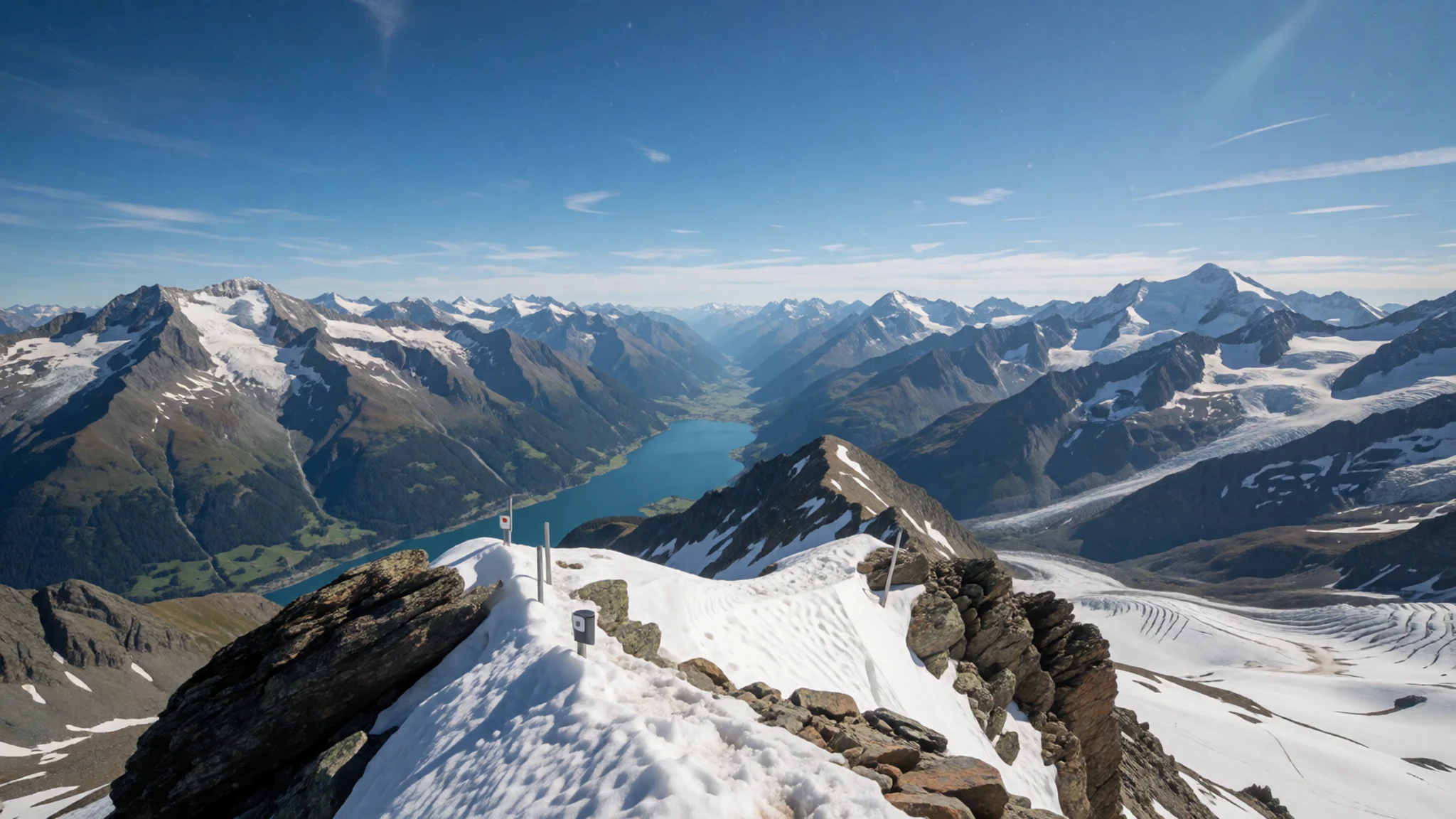
- Maloja Palace — Maloja
A striking historic stone building standing near the western edge of the lake at the Maloja Pass. It serves as a regional landmark and the traditional starting point for winter cross-cultural events crossing the ice.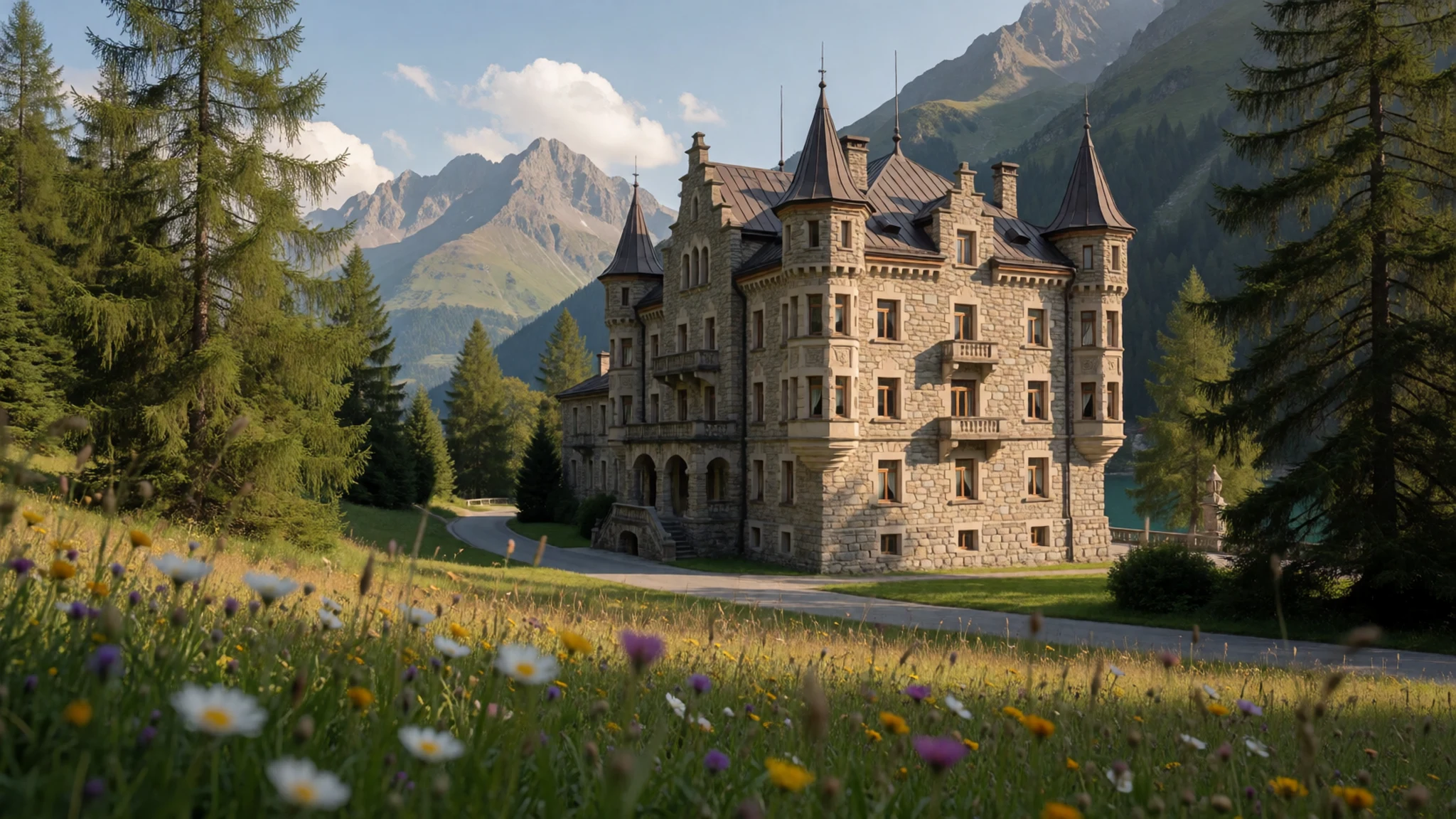
Culture
The culture of the Engadine is deeply rooted in the traditions of the Romansch-speaking communities of Grisons. Distinct from the rest of Germans or Italians, locals maintain their own language, distinct stone-built architecture featuring deep-set windows and sgraffito decorations, and customs tied closely to the alpine seasons. Communities here value quiet stewardship of their mountain environment, balancing agricultural traditions with respectful tourism. Visitors will find that life moves at a measured pace, particularly in smaller hamlets where privacy and community life are respected. Always greet shopkeepers and villagers with a polite local greeting before starting a conversation.
What to wear
Traditional dress in the Engadine includes regional folk costumes worn during festivals and community celebrations, featuring embroidered vests, heavy wools, and silver ornaments that reflect centuries of mountain craftsmanship. For everyday wear, locals and visitors alike dress in practical, high-altitude gear suited to rapidly changing weather. Durable hiking trousers, fleece layers, and windproof jackets are standard attire in the warmer months. Sturdy, broken-in walking boots with good grip are essential for navigating rocky lakeside tracks and mountain paths. Even in summer, evenings by the water turn chilly, making a warm sweater or down jacket necessary.
What to eat
- Capuns — Traditional inns across the Engadin
A traditional Grisons dish consisting of tender pieces of air-dried meat and dough wrapped in chard leaves, then simmered in a rich broth and topped with melted cheese.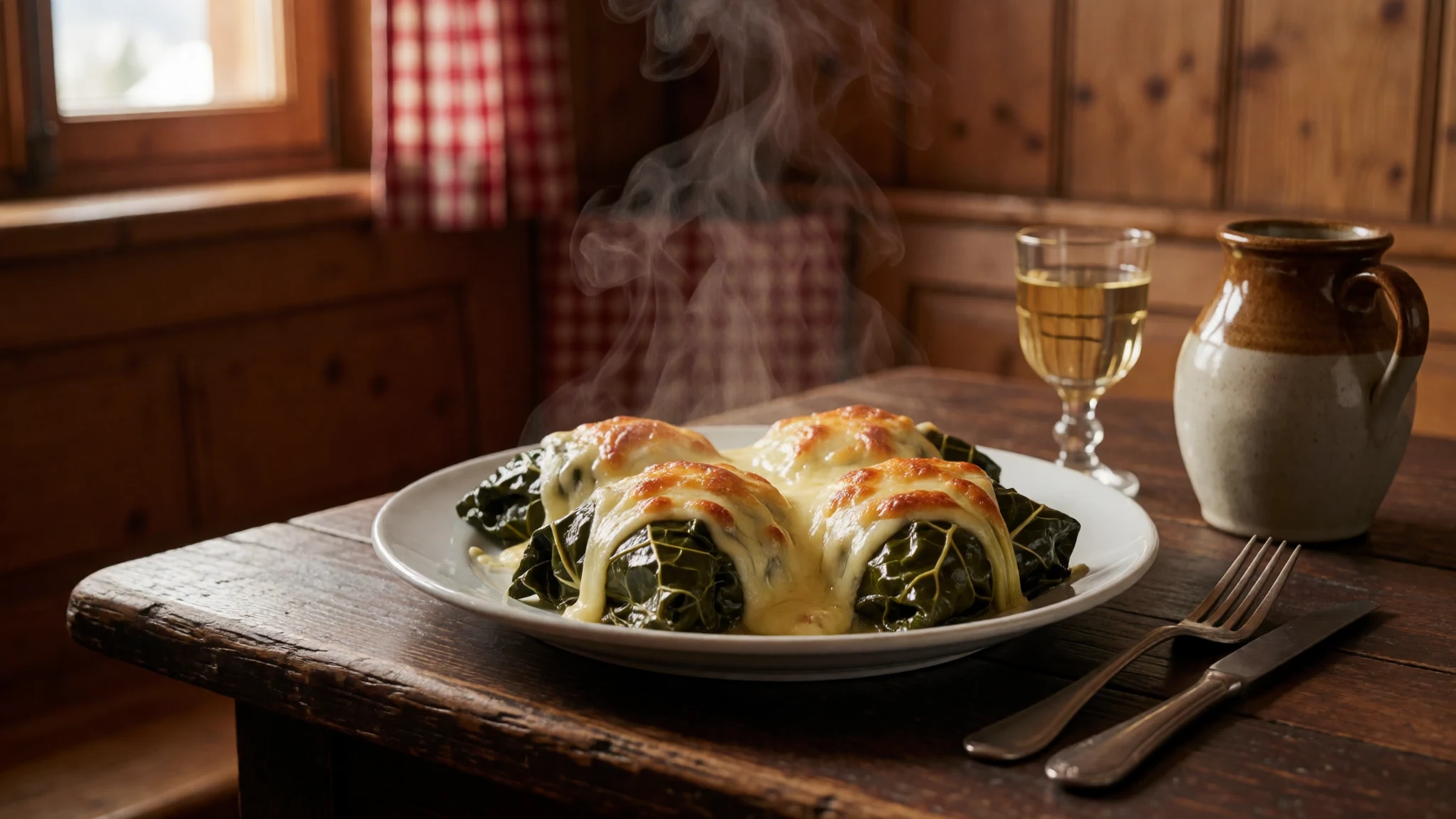
- Rösti — Mountain restaurants and local taverns
Grated potatoes fried in butter until golden and crisp, often served with melted alpine cheese, crisp bacon, or a fried egg on top.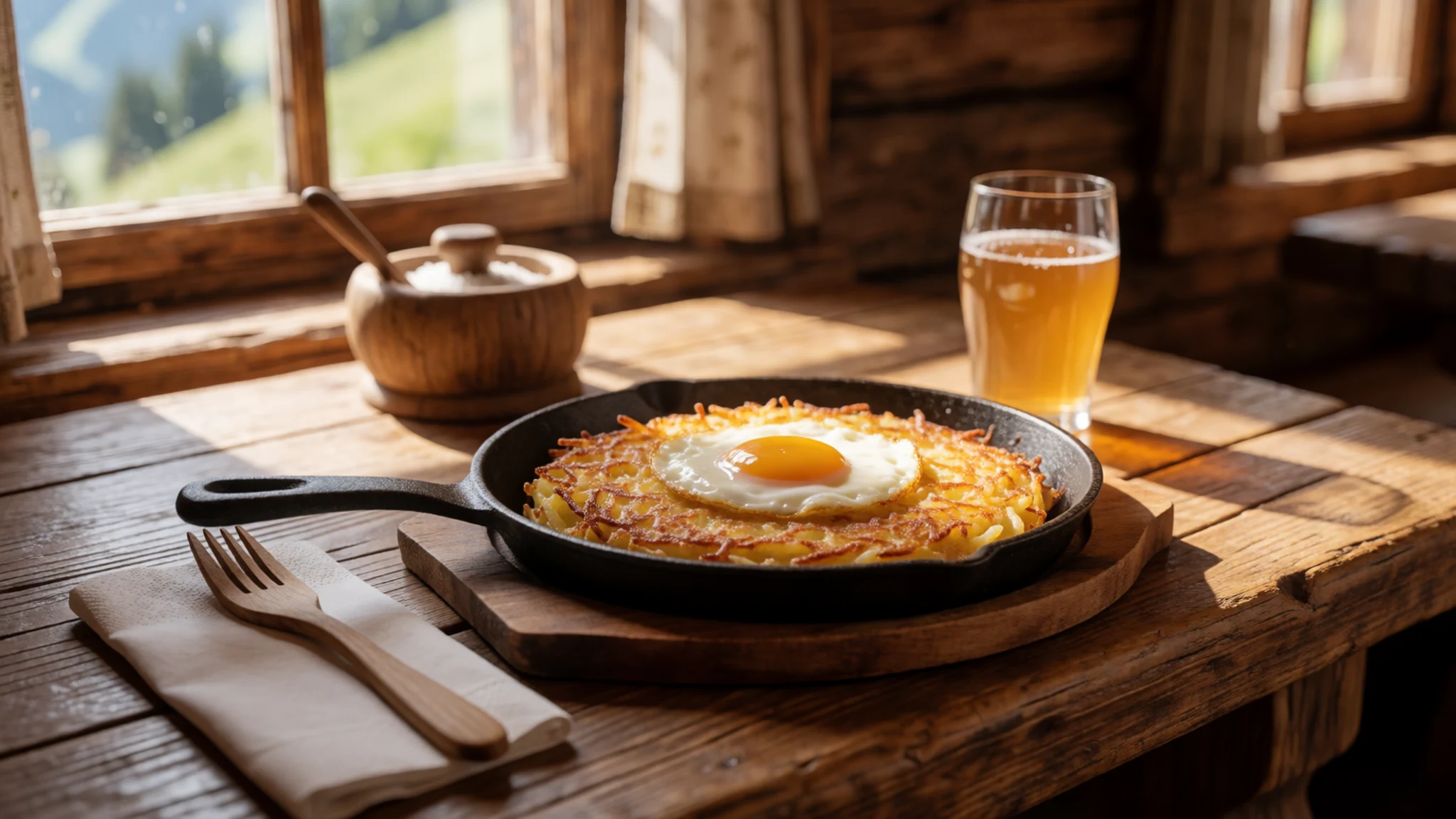
- Pizokel — Village eateries
Short buckwheat dumplings traditionally boiled and tossed with butter, cheese, and sometimes bits of cabbage or bacon for a hearty alpine meal. - Calanda Bräu Beer — Regional pubs and lakeside cafés
A popular local lager brewed nearby in Chur, offering a crisp and refreshing drink after a long day of walking the mountain trails.
Plan it
Best time. June to September for clear hiking trails, warm daylight, and operating boat connections; winter brings freezing temperatures and snow for cross-country skiing.
How long. 2–3
Getting there. Take an international train to Zurich or Milan, then board the scenic regional railway network through the mountains to St. Moritz, followed by a short bus connection to Lake Sils.
Budget. high
Tips
- Start your hikes early in the morning before afternoon mountain clouds gather
- Check local boat timetables as services run only from late June to late September
- Carry sturdy walking shoes even for low-level lakeside paths
- Keep Swiss francs handy for smaller village kiosks and mountain huts
Etiquette
- Greet locals politely when passing on narrow mountain paths
- Respect private farmland and close pasture gates behind you
Nearby
Sources
- Wikidata Q14512 (CC0)
- Wikipedia (rev 1366270774) (CC BY-SA 4.0)
- Wikivoyage (rev 5290337) (CC BY-SA 4.0)
- Photo photos/01-lej-da-segl.jpg (Public domain)
- Photo photos/02-lake-sils-from-piz-corvatsch.jpg (CC BY-SA 4.0)

