Abbey of Saint Gall
Abbey of Saint Gall, Switzerland
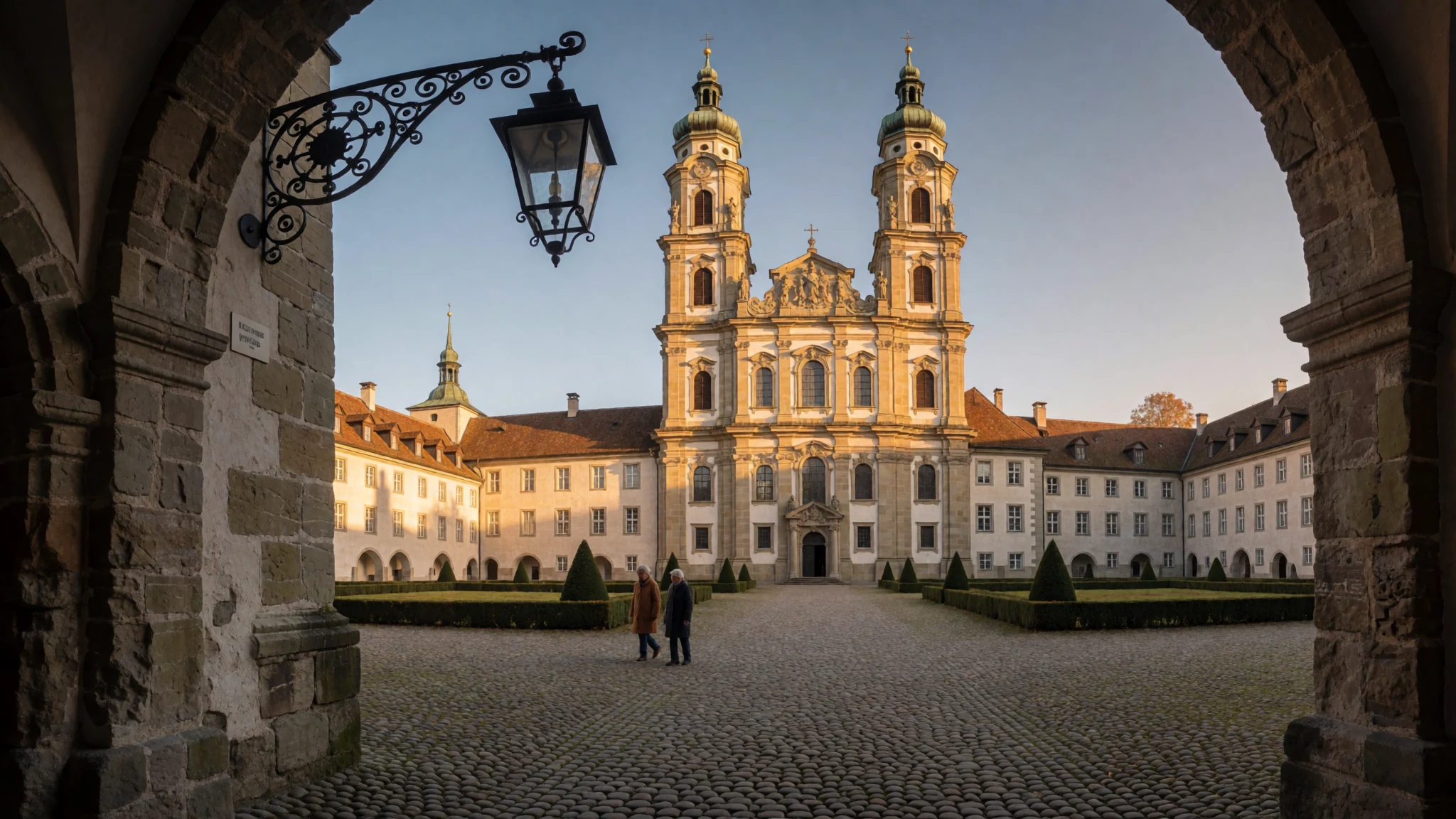
The Abbey of Saint Gall turns a medieval monastery story into living architecture, libraries and city history, in one compact UNESCO precinct.
The place
Abbey of Saint Gall (German: Abtei St. Gallen) sits inside the city of St. Gallen, Switzerland, as a former Benedictine monastery complex that grew into a whole religious and civic neighbourhood. Today, the “abbey quarter” is the way most visitors experience it: buildings and walls give shape to centuries of routine, learning and worship, while the city keeps unfolding around the precinct.
Even though the monastery is described as dissolved, the place doesn’t feel like a museum set. It feels like a continuing address: the library associated with the abbey is still a headline attraction, and the surviving street pattern and gardens help explain why St. Gallen began as an adjoining settlement. The precinct’s UNESCO status adds weight, but what you actually notice on foot is simpler—quiet courtyards, a sense of enclosure, and the feeling that this city grew because people gathered here over generations.
Practical tip: St. Gallen is small and walkable, so the abbey quarter works well between museum stops in the centre. Expect the busiest atmosphere in daylight hours, and plan for a bit of queuing if you’re aiming for the library at peak times. Weather matters because much of the experience is strolling between buildings; pick a clear morning when possible and you’ll get better light on the façades and the surrounding streets.
Its story
The story behind the Abbey of Saint Gall starts with a hermitage and a name that travels well through European legend. Tradition links the site to Gallus, an Irish monk associated with Saint Columbanus, who set up a hermitage on the spot and lived there until his death in 646. Afterward, his tomb became a focus for prayer, especially when people wanted protection in danger.
Over time, the settlement around that devotional centre shaped itself into something more regular. Disciples continued living together and followed a rule associated with St. Columban—prayer, work, reading and teaching. The abbey’s early successors included figures such as St. Magnus, who left for a mission in the Allgäu region, and later church leaders whose influence helped spread the reputation of miracles connected to St. Gall.
Dates for the monastery’s foundation vary in the sources tradition gives, including 719 and 720, which is why visitors sometimes see different timelines on signage and interpretive panels. There’s also a more administrative origin story: a local figure sought formal support for a monastery that could use the alms and collections connected with the tomb, approached Charles Martel, and helped bring together resources and leadership that turned the hermitage into a structured Benedictine institution.
From there, the abbey became a major Benedictine centre for centuries. Eventually, the complex was secularised around 1800, and its former church became St. Gallen Cathedral in 1848—so the site’s life didn’t end, it changed shape.
What to see
- St. Gallen Stiftsbibliothek
Inside the Abbey of St. Gallen precinct, the Stiftsbibliothek is the big draw for book-lovers: a monastic library collection with deep medieval roots, presented in a way that feels more like heritage than a stack of archives. Plan time to move slowly rather than rushing.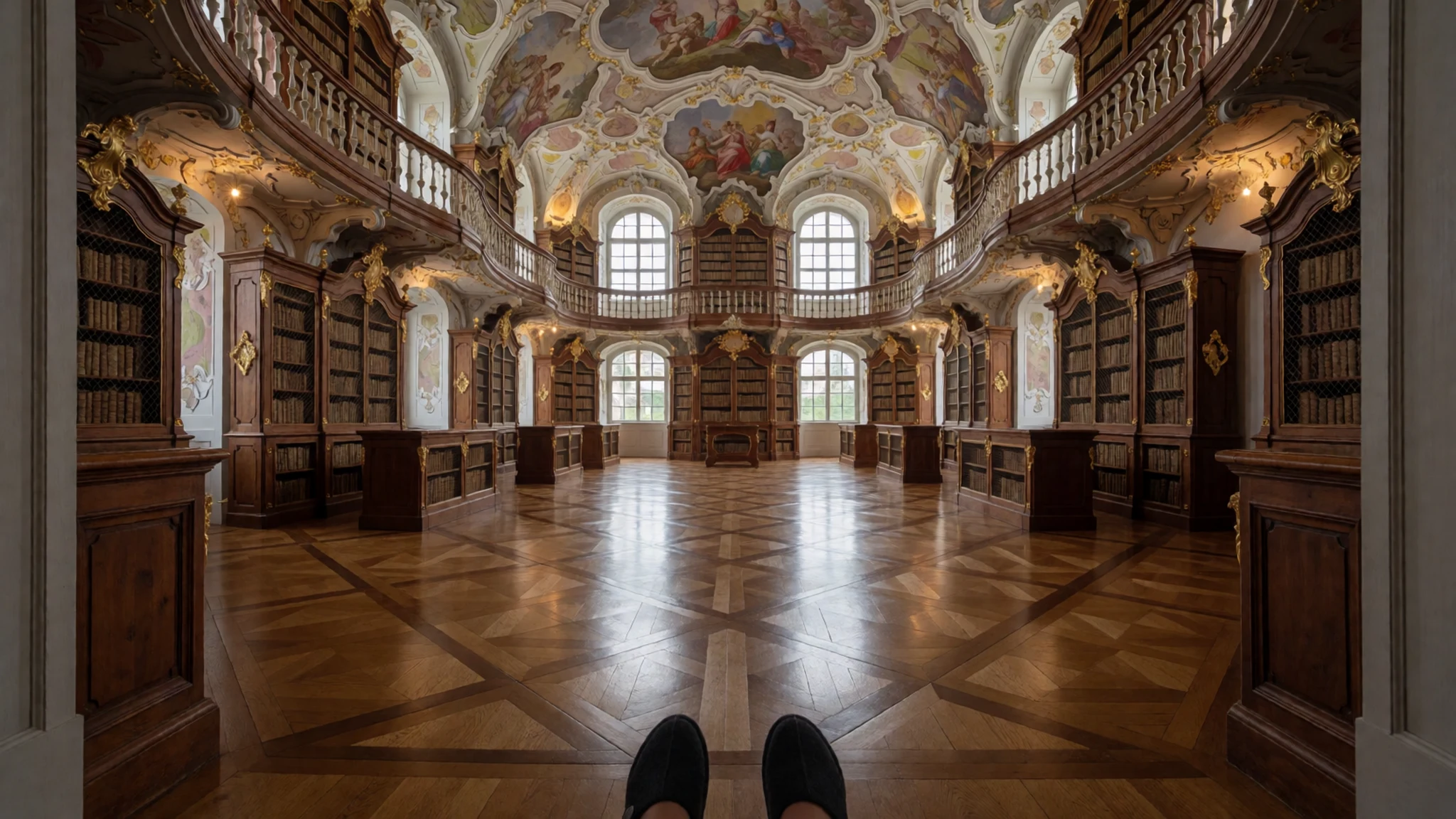
- Outside of the convent of St. Gall — Abbey quarter
Walking around the convent area gives a better sense of how the abbey once organised daily life. You can read the site through boundaries—walls, angles of paths, and the way streets hug the religious quarter—so even without a long museum plan, there’s still plenty to notice.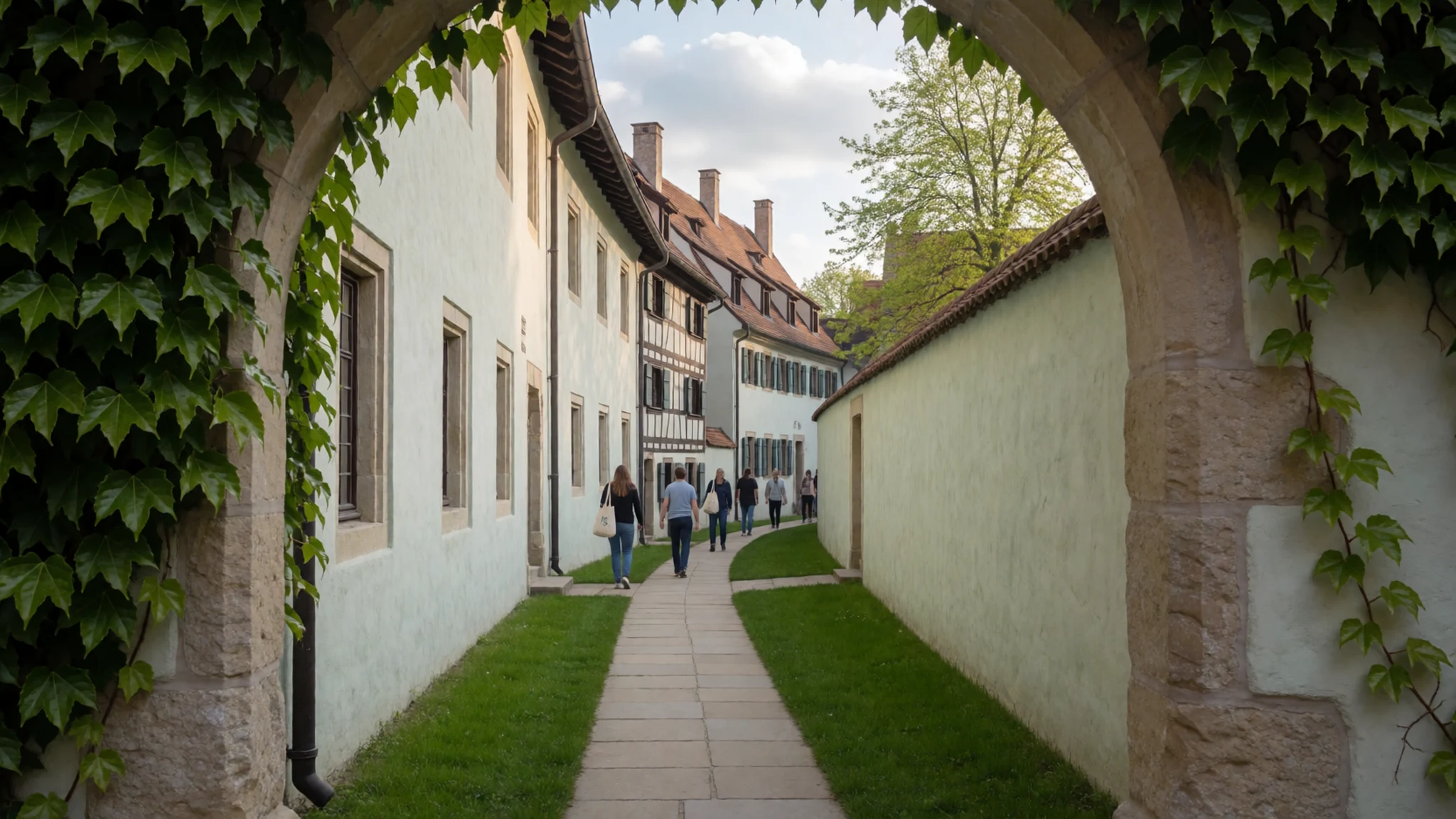
- Kunstmuseum St. Gallen — St. Gallen city centre
Kunstmuseum St. Gallen is an easy add-on for visitors who want art alongside abbey history. It sits in the city’s museum cluster, so the switch from stone and libraries to galleries feels natural, especially on cloudy afternoons when outdoor walking is less pleasant.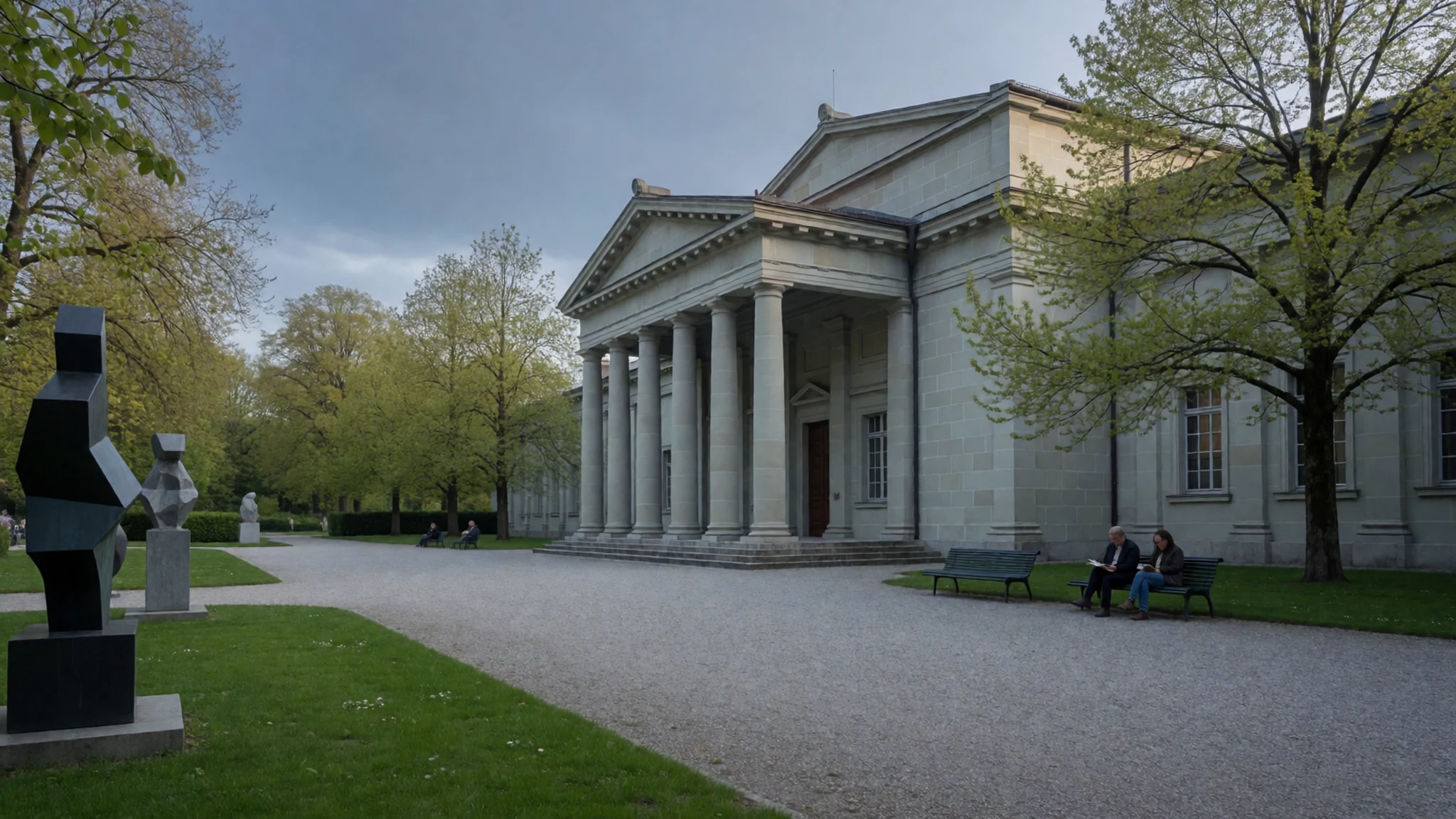
- Textilmuseum — Near the abbey quarter
Textilmuseum connects the abbey precinct to St. Gallen’s identity as a place shaped by textile production and design. If the library aspect of the abbey appeals, this is a complementary lens—materials, craftsmanship and local industry—useful when the day needs a different kind of “deep history”.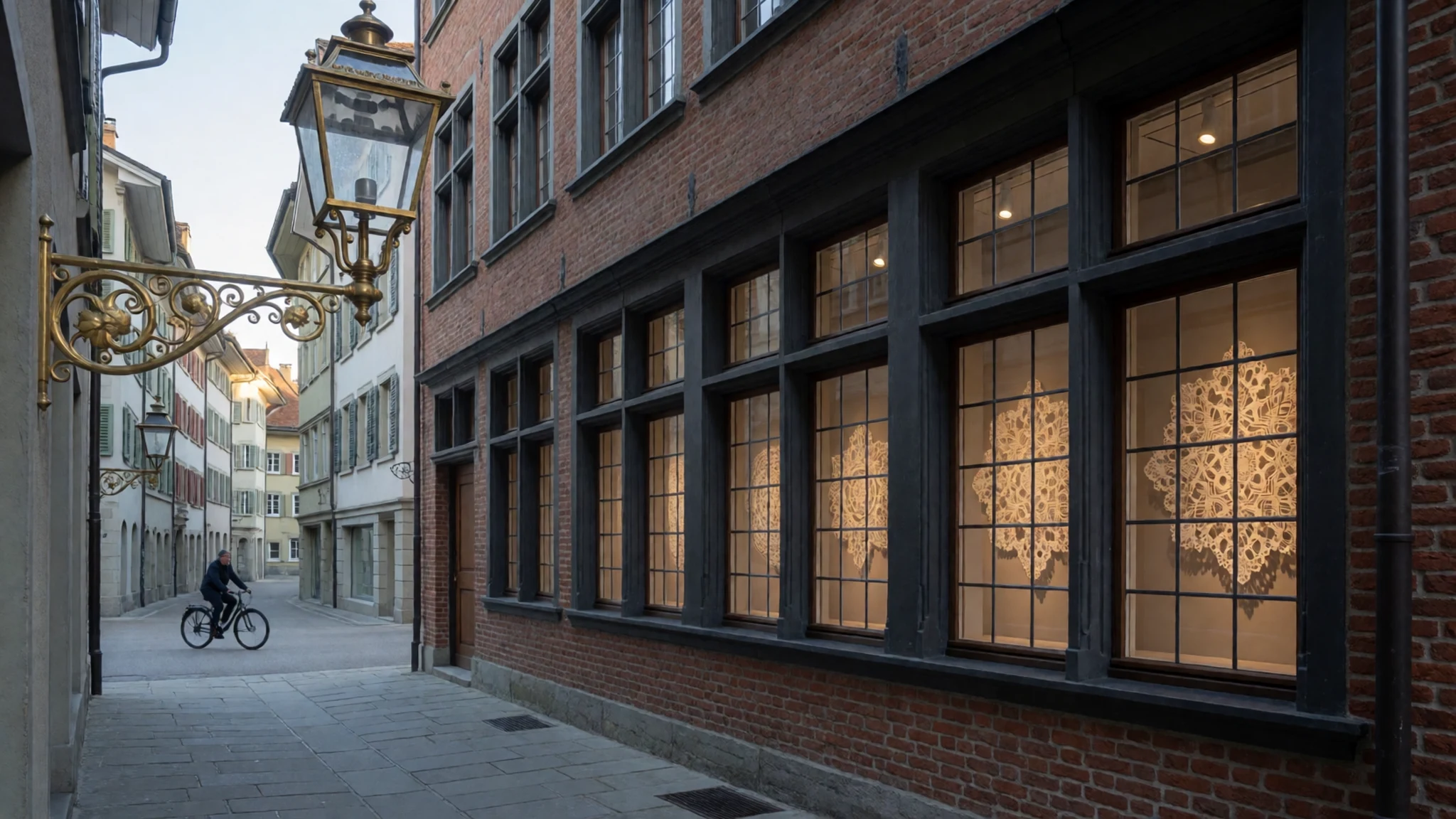
- Point Jaune Museum — St. Gallen city centre
Point Jaune Museum offers a change of pace from major collections: it’s another compact museum stop that works well in a walking route through the centre. Pair it with the abbey sights when there’s a pause in the weather, and it keeps the day from feeling too single-theme.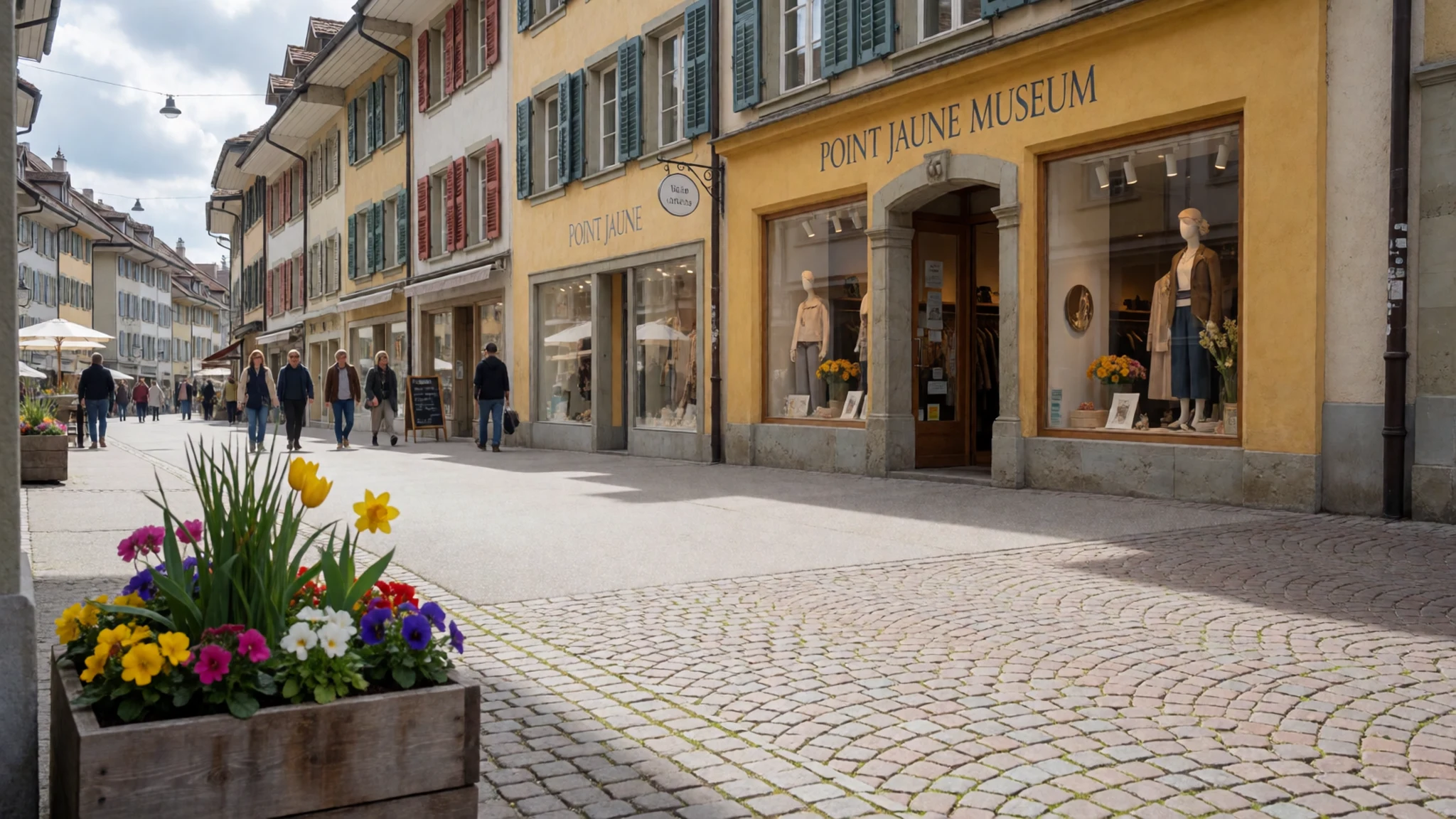
Culture
The Abbey of Saint Gall sits within a UNESCO World Heritage setting, but the lived feel of the place is about atmosphere more than paperwork. St. Gallen’s religious history also spills into modern city life: the abbey precinct forms a readable edge between cathedral-era traditions and everyday urban routines.
Crowds are usually manageable, though library-focused visits can draw more people at certain times of day. If the weather is good, most travellers linger outside between indoor stops; if it’s rainy, the area becomes a “museum day” pocket, which can make quiet corners feel more shared.
Dress codes are part of the culture here in a subtle way: the abbey precinct is tied to Catholic heritage and a functioning city, so modest, respectful clothing helps. Even if the main library visit is not a service, it’s worth treating the spaces as solemn. Keep voices down in enclosed areas and watch for signage about photography—heritage sites often have rules that differ by room.
Visitor etiquette: keep to marked paths, keep voices low in indoor areas, and follow any “no photography” signs inside the precinct.
What to wear
At the Abbey of Saint Gall, the fashion question is mostly about practicality and respect. There isn’t a “costume” to match, but the setting is closely tied to Catholic heritage and historic buildings, so clothes that cover shoulders and keep things neat go a long way.
For textiles, St. Gallen’s identity is literally on display through places like the Textilmuseum, and that local craft culture influences what people notice: scarves, coats and layers that look substantial even on mild days. In everyday St. Gallen life, visitors typically dress like they’re in Switzerland—smart casual is normal, with comfortable shoes because the abbey quarter and surrounding centre are best explored on foot.
What to wear as a visitor: lightweight layers for changing weather, a light rain jacket for sudden showers, and closed-toe walking shoes with grip for cobbles or uneven ground. If planning to spend time inside the library areas and galleries, bring something that won’t be too bulky—heritage rooms are quieter and often cooler than the street.
What to eat
- OLMA bratwurst — Street stands around Marktplatz and across St. Gallen
OLMA bratwurst is one of the simplest “only in St. Gallen” bites. Look for street stands around Marktplatz and across the city, where it’s served with a hard roll—an easy meal between abbey sights and museums.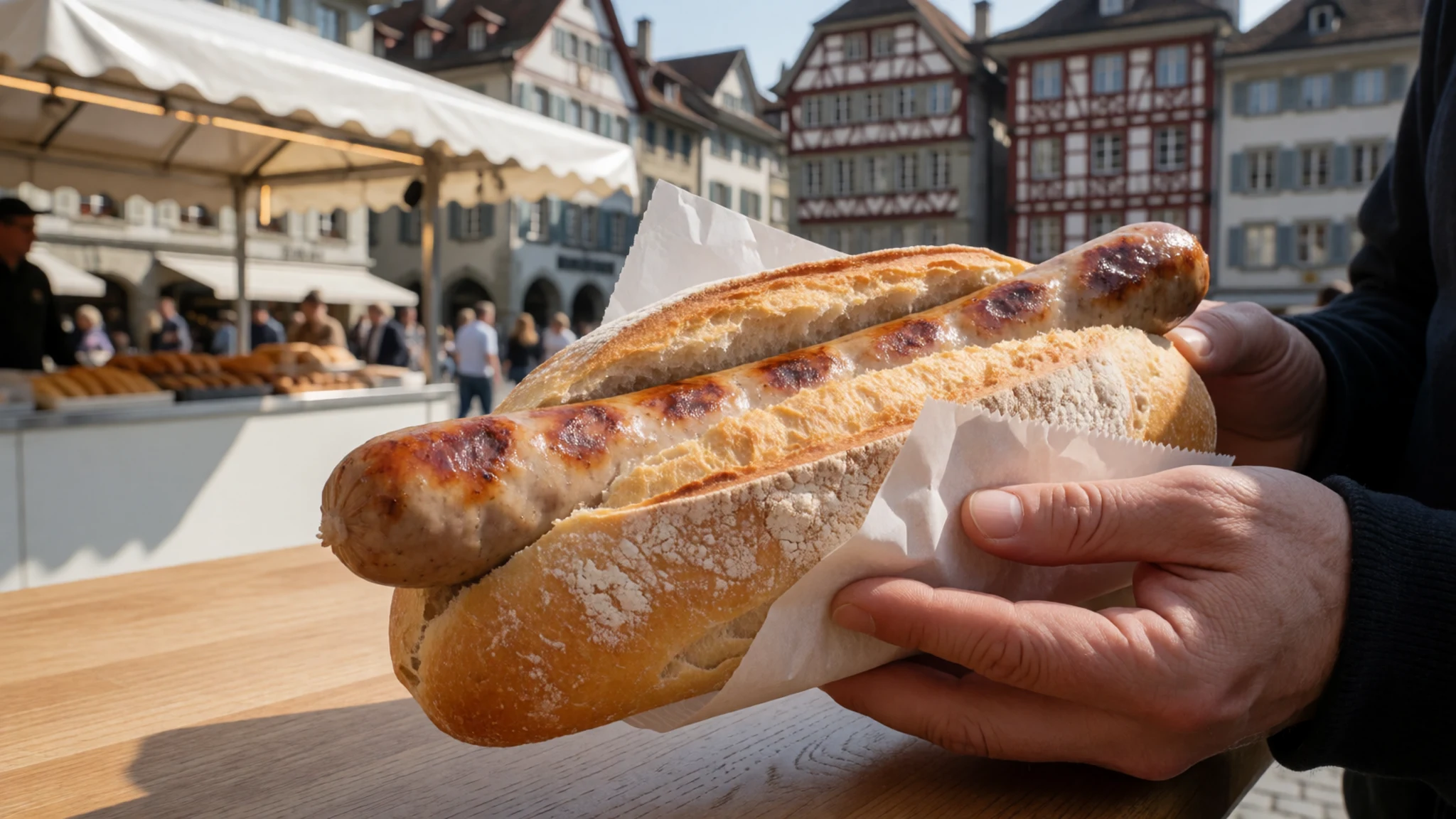
- Swiss-style meals at a traditional restaurant — Old Town near the abbey quarter
For a proper sit-down meal, choose a traditional Swiss restaurant in the Old Town area near the abbey quarter. It’s the best way to slow down after indoor heritage visits—think hearty comfort food rather than quick snacks.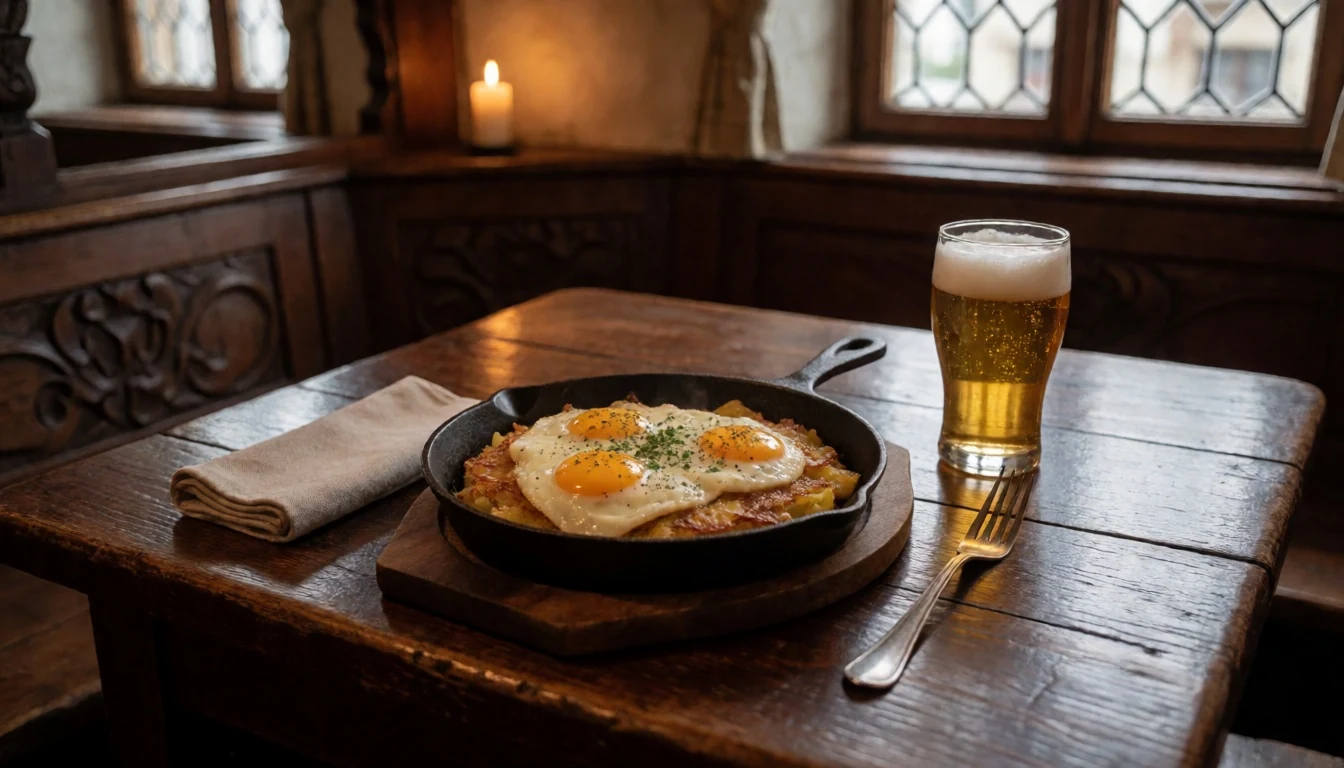
- Bistro sandwiches and variety snacks — Old Town and central streets near the museums
If the day is museum-heavy, a bistro-style stop works well for lighter food. In St. Gallen’s central areas, you can find places offering a mix of snacks that are handy when plans change due to weather. - Organic-focused garden dinner — Central neighbourhood eateries with garden seating
Some visitors prefer places that lean organic and feel calmer, often with a garden setting. That kind of eatery is a nice contrast to the stone-and-library mood of the abbey quarter. - St. Gallen local beer — Bars and restaurants in central St. Gallen
Beer is part of the regional routine, and St. Gallen has local brews worth trying alongside food. Ask for local options such as St. Galler Klosterbräu or Schwarzer Bär at bars and restaurants in town.
Plan it
Best time. March–April and late October–November tend to feel comfortable for strolling in and around the abbey quarter; summers can be warmer, so mornings and shaded routes help.
How long. 2–3
Getting there. Fly into Zurich International Airport (ZRH), then take the train to St. Gallen (about one hour). From the station, it’s a straightforward last leg into the centre and the abbey quarter on foot.
Budget. mid
Tips
- Start the library-related visit early to avoid feeling rushed through the collection.
- Keep museum time flexible; the abbey quarter works even if the afternoon shifts due to weather.
- Bring a small amount of cash for small purchases around city centre stops.
- Wear shoes meant for walking—St. Gallen rewards a slow route between precinct and museums.
Etiquette
- Keep voices low in enclosed historic areas, especially around the library.
- Follow any photography rules and signage inside the precinct buildings.
- Dress modestly and neatly when moving between sacred heritage spaces.
Nearby
Sources
- Wikidata Q155699 (CC0)
- Wikipedia (rev 1375528709) (CC BY-SA 4.0)
- Wikivoyage (rev 5416686) (CC BY-SA 4.0)
- Photo photos/01-fuerstabtei-st-gallen.png (CC BY-SA 4.0)
- Photo photos/02-codex-sangallensis-1092-recto.jpg (Public domain)
- Photo photos/04-2008-05-17-st-gallen-5453.jpg (CC BY 3.0)


