Zavkhan River
Zavkhan River, Mongolia
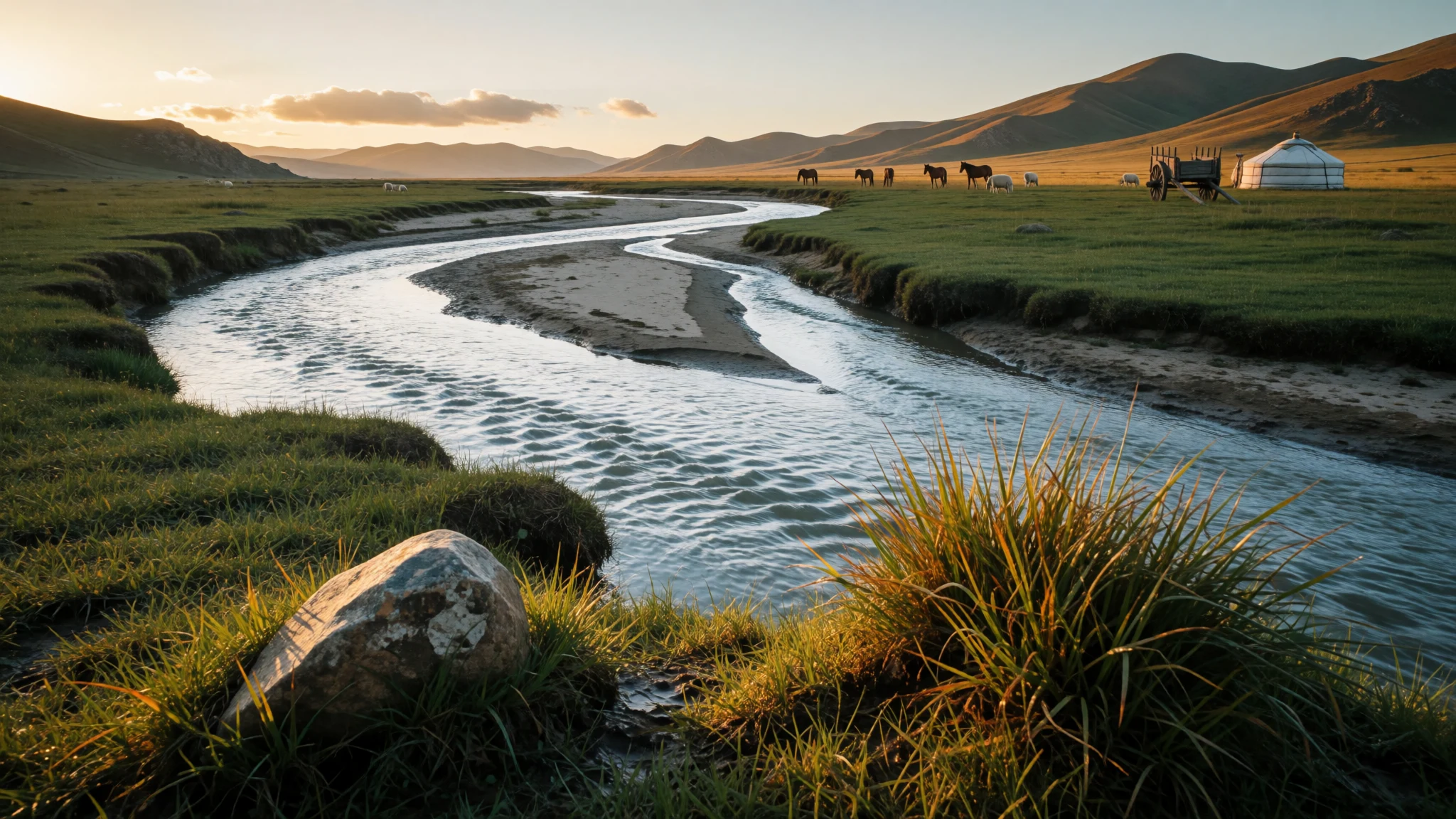
Zavkhan River is a long, quiet ribbon of water across western Mongolia's steppe, for travellers who want space, silence and herding life.
The place
Zavkhan River (Mongolian: Завхан гол) rises in the Khangai Mountains of western Mongolia and ends in Lake Khyargas, covering about 670 km on the way. For much of its length it forms the boundary between the Govi-Altai and Zavkhan aimags, so the two provinces face each other across its water. It drains a very wide basin, and the country it crosses is mostly open steppe, rounded mountains and dry, pale hollows, with few trees and almost no buildings. In that setting the river matters far more than its size suggests: a green valley bottom is where herding families graze animals, pitch seasonal camps and find water. Mongolia is nicknamed the Land of Blue Skies, and clear days are common in the west, though summer can bring rain and chilly nights, while winter is bitterly cold. This is not a place of viewing platforms and ticket gates. It is a long journey to reach, the tracks are rough, and the reward is space, silence and the sight of a river quietly doing its work across an enormous country. Mongolia is very thinly populated, and in this region that means long gaps between settlements and few services. Spellings of the name vary between Zavkhan, Zavhan and other forms, so try alternatives when searching maps or asking locally.
Its story
Zavkhan River has been part of Mongolian life far longer than any road or map has marked it. The country's recorded history reaches back to the third century BC, when the Xiongnu rose to power among many nomadic peoples, and river valleys like this one were natural corridors for herds and riders. In the era of the Mongol Empire, the area appears to have belonged to the family of Möngke Khan. A medieval Persian chronicle, the Jami' al-tawarikh, places Möngke's son Ürüng Tash on a river it calls Zavkhan mörön, a rare written glimpse of the river in the thirteenth-century world. Later centuries brought Tibetan Buddhist monasteries across Mongolia, which became the most visible signs of the national past, though only a few survived the Stalinist religious purges. Beyond the monasteries, stone monuments and carved drawings lie scattered over the country, some thousands of years old, and such remains turn up in many regions. Anyone hoping for grand palaces will be disappointed, because the Mongol rulers left little built evidence in their homeland. Nomad history is written more in routes, pastures and seasonal camps than in masonry. The river belongs to that quiet record: a provincial boundary today, and for herders a landmark and a water source long before.
What to see
- The middle reaches on the provincial border — Border of Govi-Altai and Zavkhan aimags
Zavkhan River's middle reaches, where it divides Govi-Altai from Zavkhan aimag, are the stretch the map pin points to. The appeal is simple: a ribbon of water through wide, dry country, with grazing animals on the banks and mountains on the horizon. Bring binoculars, keep to firm ground near the bank, and give yourself time to sit and watch.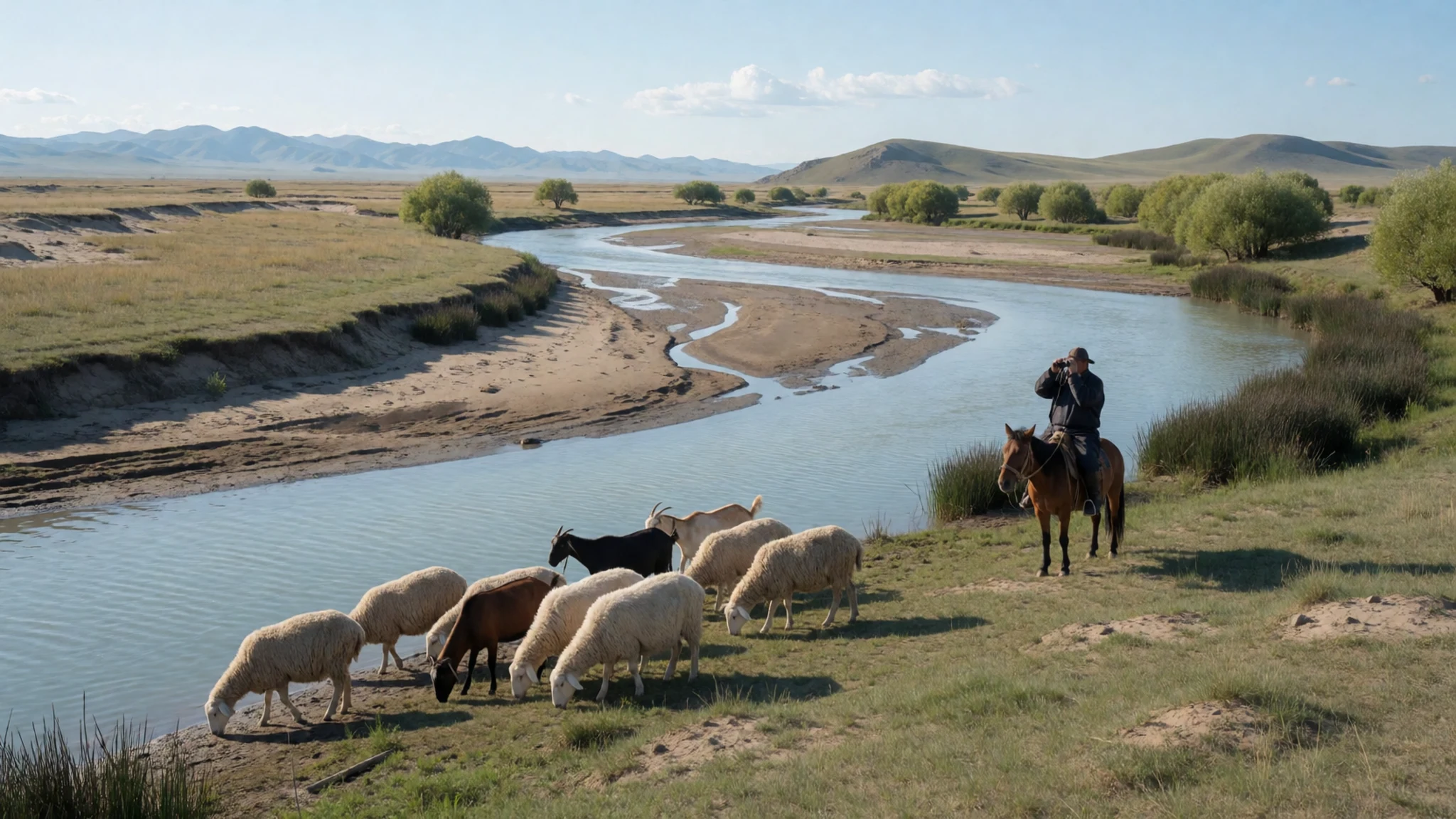
- Khangai foothills and Otgon Tenger — Khangai Mountains, Zavkhan aimag
The Khangai Mountains, where Zavkhan River begins, are high, rounded and grassy rather than jagged. The area around Otgon Tenger, a peak long treated as sacred by local people, suits slow walks and horse treks. Weather changes quickly at height, so carry waterproofs and warm layers even in summer, and ask herders before crossing their pastures.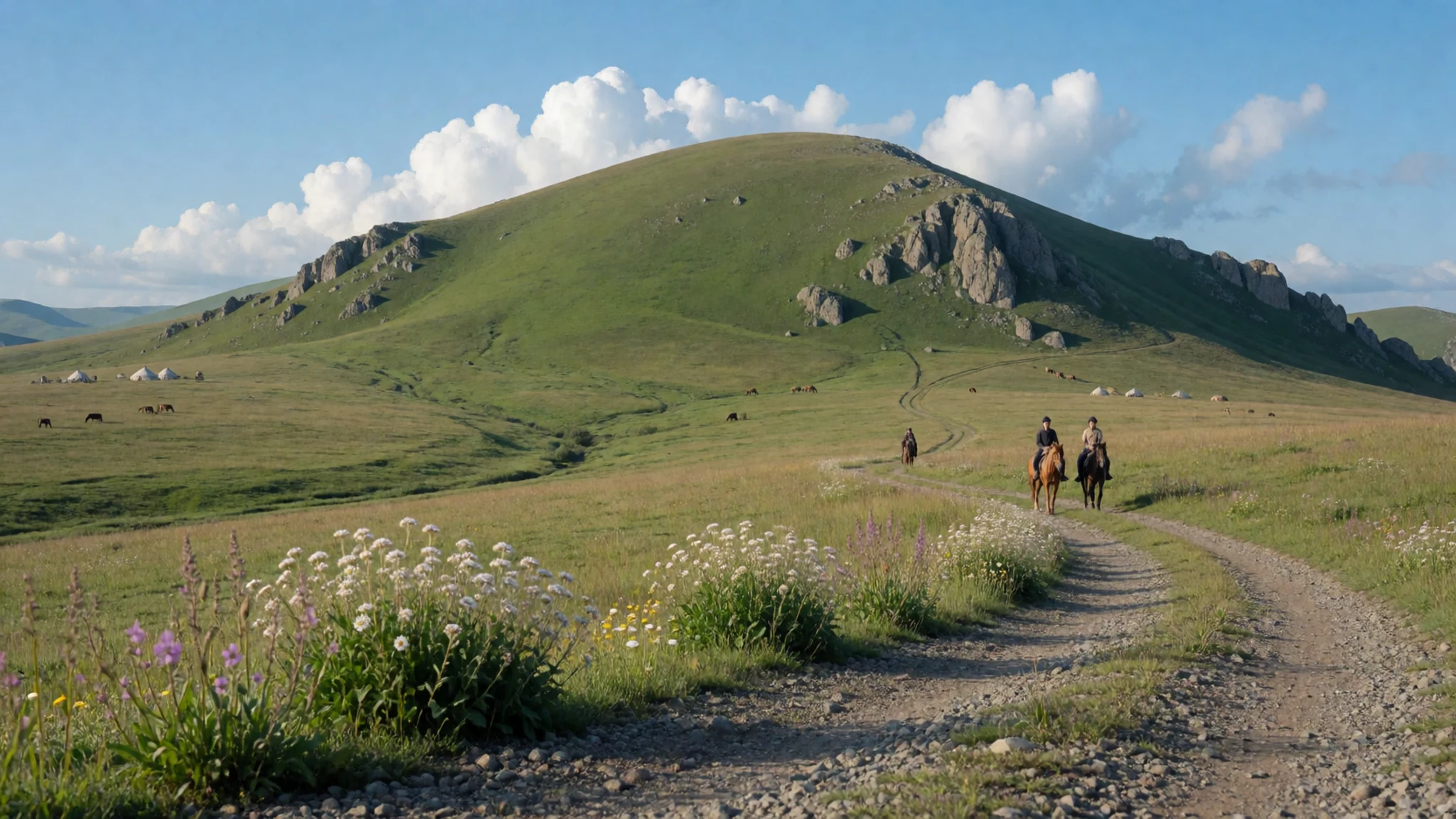
- Lake Khyargas — Western Mongolia, end of the river
Lake Khyargas is where Zavkhan River finishes its journey, a large lake in a wide basin of steppe on the far western side of the country. It is remote, so treat it as a proper expedition rather than a day trip, with a reliable driver, spare fuel, food, water and several days in hand.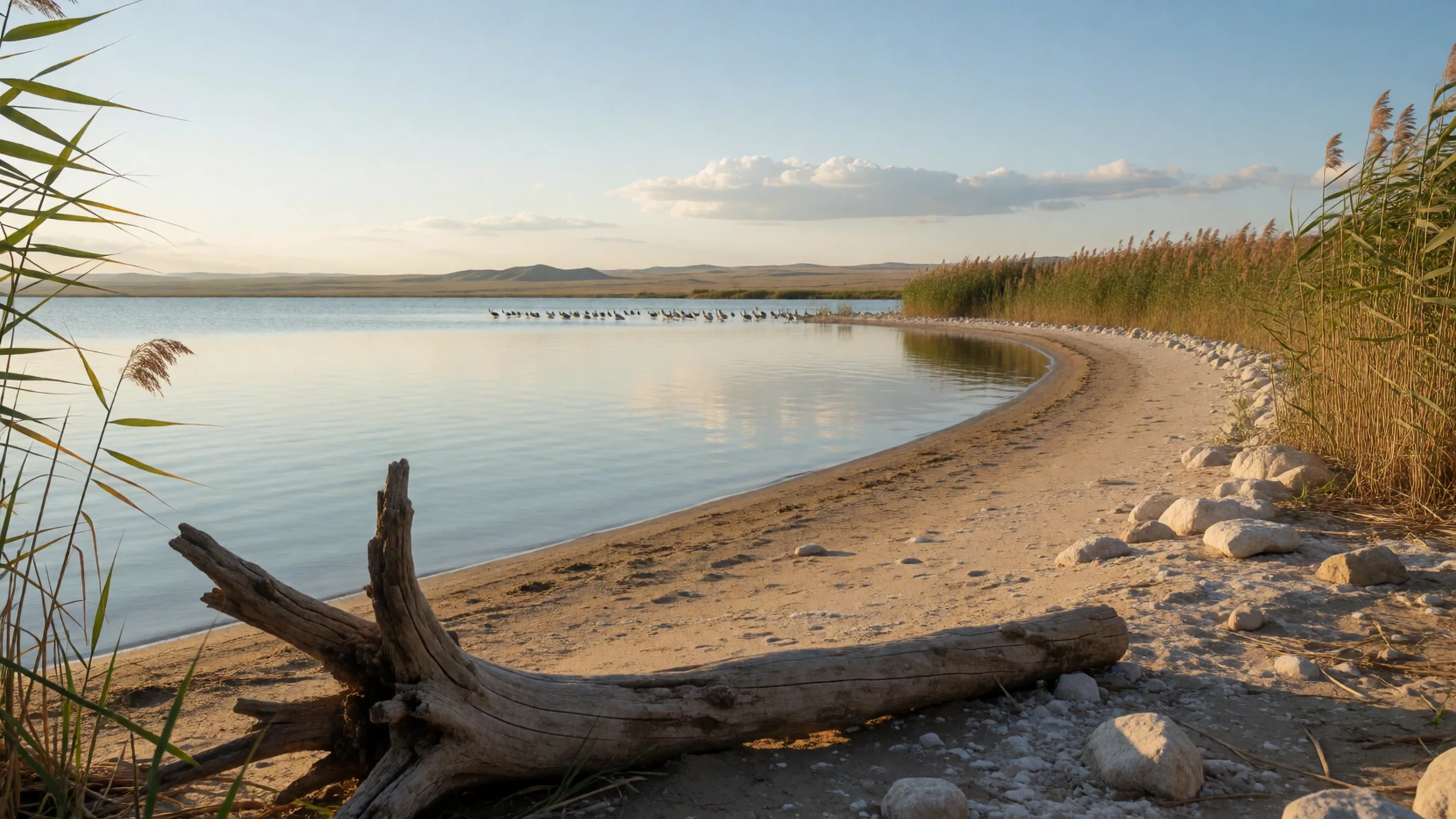
- Uliastai as a base — Zavkhan aimag
Uliastai is the provincial town of Zavkhan aimag and the practical starting point for reaching the river. Expect a small working Mongolian town rather than a resort: markets for supplies, simple places to eat, and drivers who know the local tracks. Stock up on cash, water and food here, because services thin out fast beyond.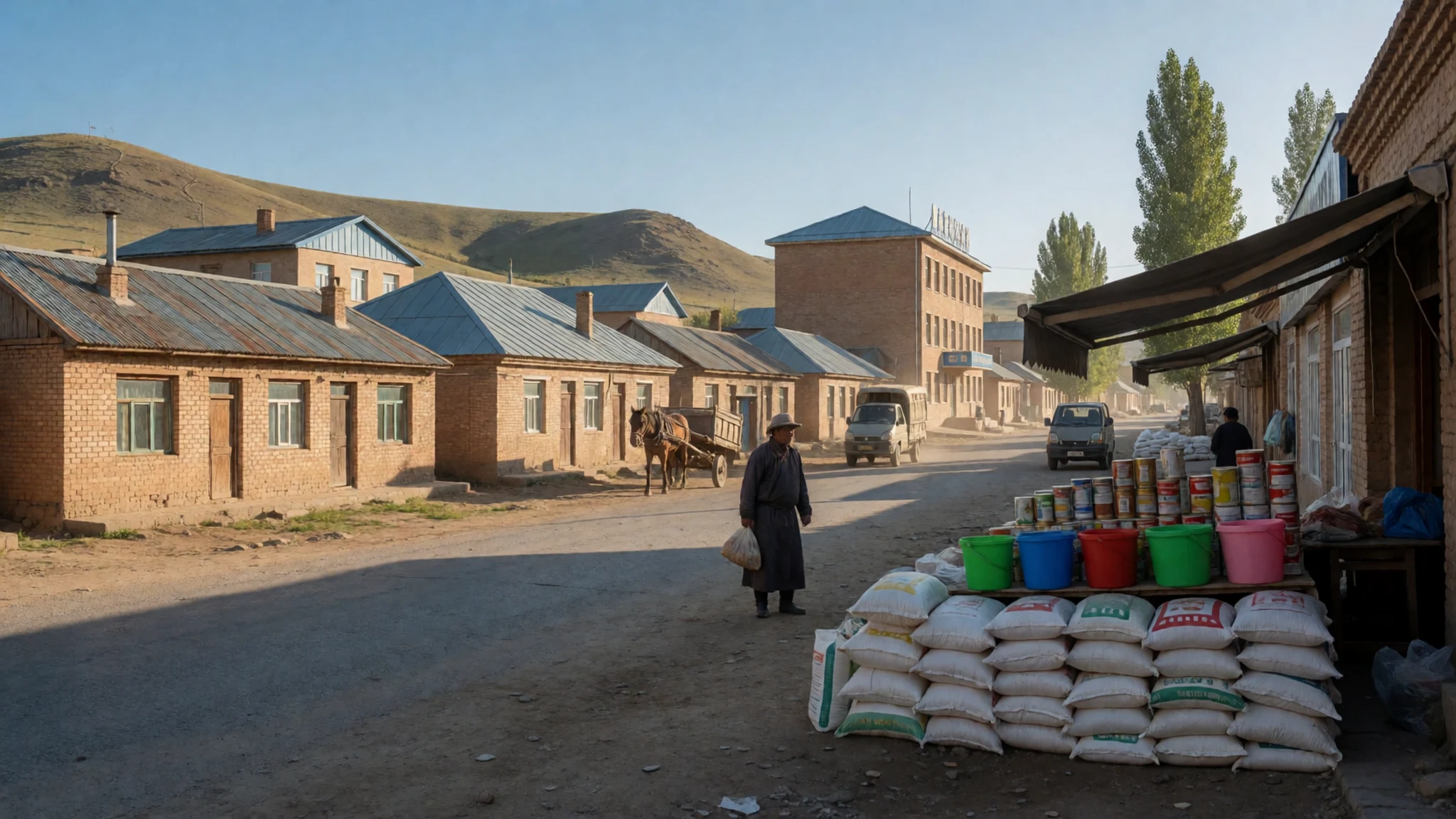
- A night in a ger — Valleys along the river
A tourist ger camp or a herding family's ger near the river offers a view of daily life that no monument can match. The first thing served is usually salted milk tea with a bowl of dried snacks. Accept it, ask about the season's pastures, and let the host set the pace of the evening.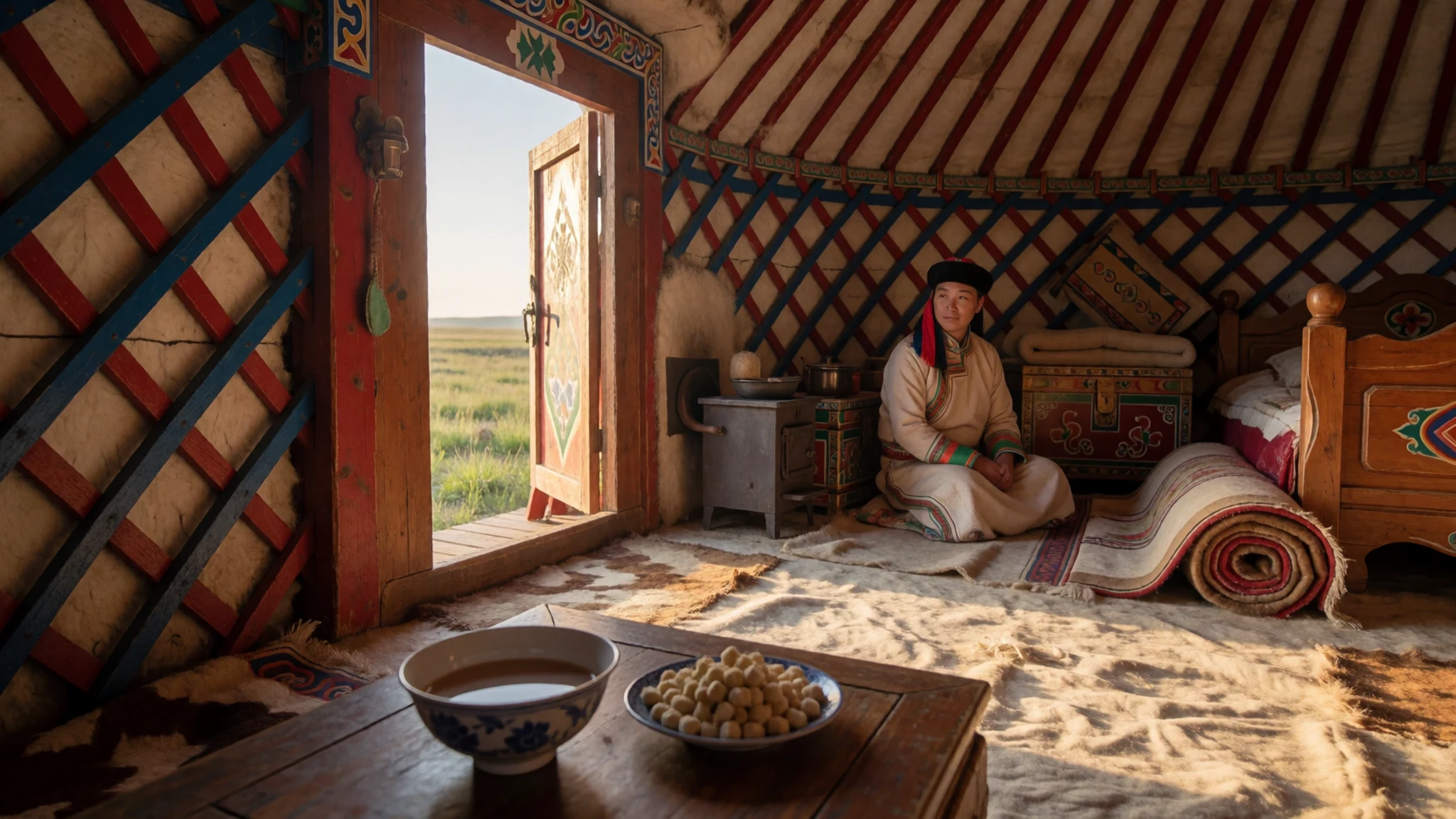
Culture
Zavkhan River runs through country where herding is still a living way of life, and the manners of the steppe shape every visit. Mongolians are generally direct: expect plain opinions and plain questions, and do not read bluntness as hostility. Hospitality matters more than schedule. A guest entering a ger is usually served salted milk tea and a dish of dried snacks, and refusing a gift is considered very rude, so even a small taste of curds or biscuits goes a long way. Western pleasantries do not always land as intended, so follow the local lead instead. Receive items with the right hand, palm up, and drink the same way. Dogs guard most gers and camps, so call out before approaching and let the host come out first. One sensitive subject is China: many Mongolians feel strongly about historical and cultural disputes, and the Chinese province of Inner Mongolia is commonly called southern Mongolia. Visitors do best by not raising the topic and not wearing anything linked to China. Tibetan Buddhist monasteries, where they survive, are active places of worship with resident lamas, and they deserve quiet, respectful behaviour. When a host offers tea, curds or any gift, receive it with your right hand, palm up, and take at least a small taste rather than refusing.
What to wear
Zavkhan River country is herding country, and the clothing of the steppe is built around that life. The traditional garment is the deel, a long wrap-over robe fastened at the side and tied with a bright sash. Summer deels are made of cotton or silk, winter ones are lined or trimmed with sheepskin or wool, and the high leather boots called gutal have thick soles and upturned toes. Herding families wear the deel daily, and many other people put one on for festivals and family occasions. In towns such as Uliastai, everyday clothing now looks much as it does elsewhere: jeans, fleeces, trainers and padded jackets, with the deel kept for celebrations. Herders often combine a deel with a modern jacket, hat and rubber boots for practical work. Visitors should dress for weather and distance rather than ceremony. Pack layers, because summer days can be hot and nights cool, plus a waterproof shell, a sun hat and sunglasses, and sturdy, broken-in boots with ankle support for uneven ground. Warm hats, gloves and thermal layers are essential in the cold months. Dress modestly in towns and at monasteries, with shoulders and knees covered, take hats off indoors, and avoid anything associated with China.
What to eat
- Buuz (бууз) — Small canteens and tea shops in Uliastai and along main routes
Steamed dumplings filled with minced meat, usually mutton, and widely regarded as Mongolia's national dish. They are eaten by hand, often with tea, and make a dependable first meal after a long drive on rough tracks.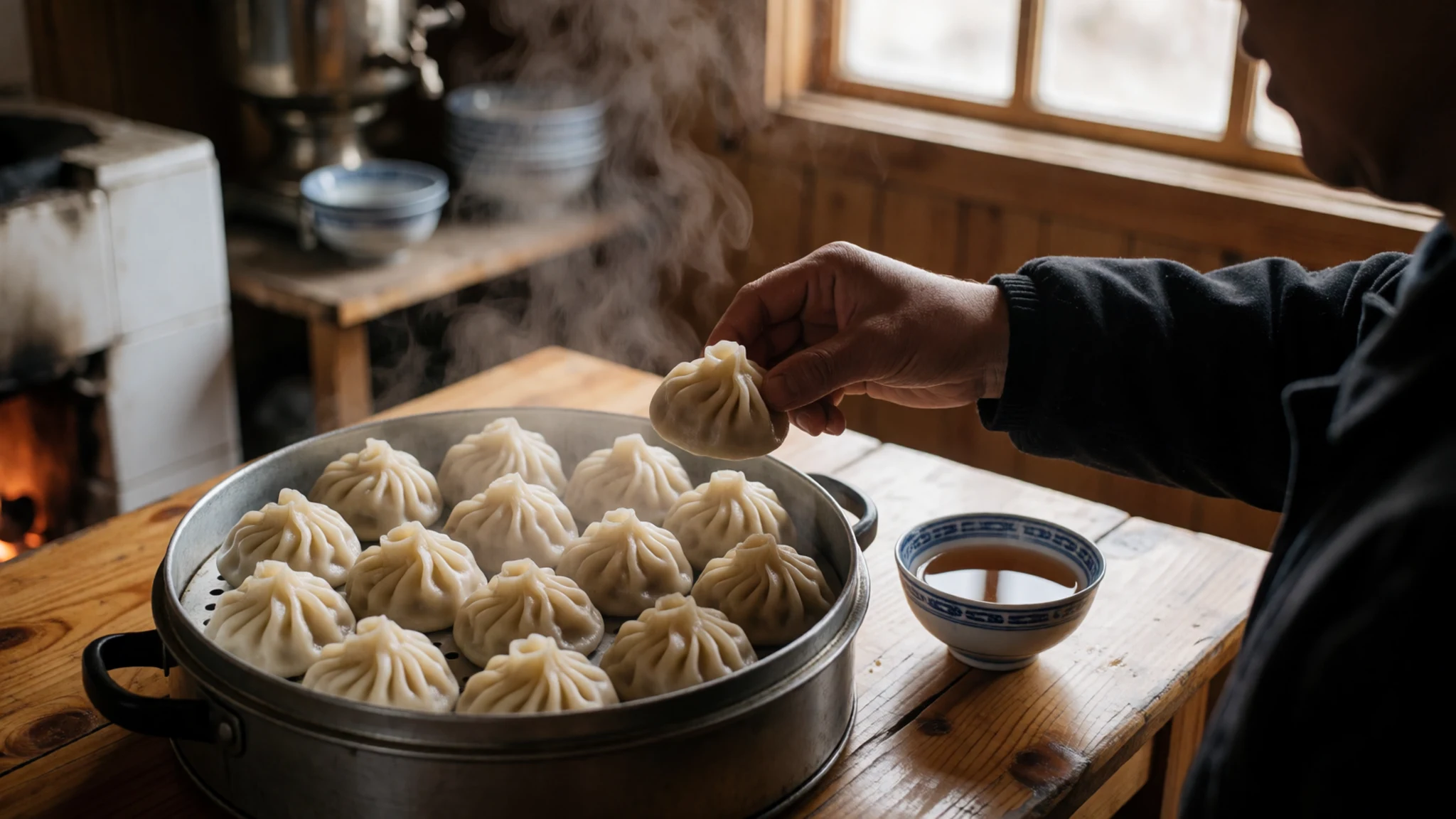
- Khuushuur (хуушуур) — Canteens, roadside stops and town markets
A flat pocket of dough stuffed with meat and onion, then deep-fried until crisp at the edges. It began as festive food and is now sold almost everywhere. A few make a filling lunch, though they can be greasy.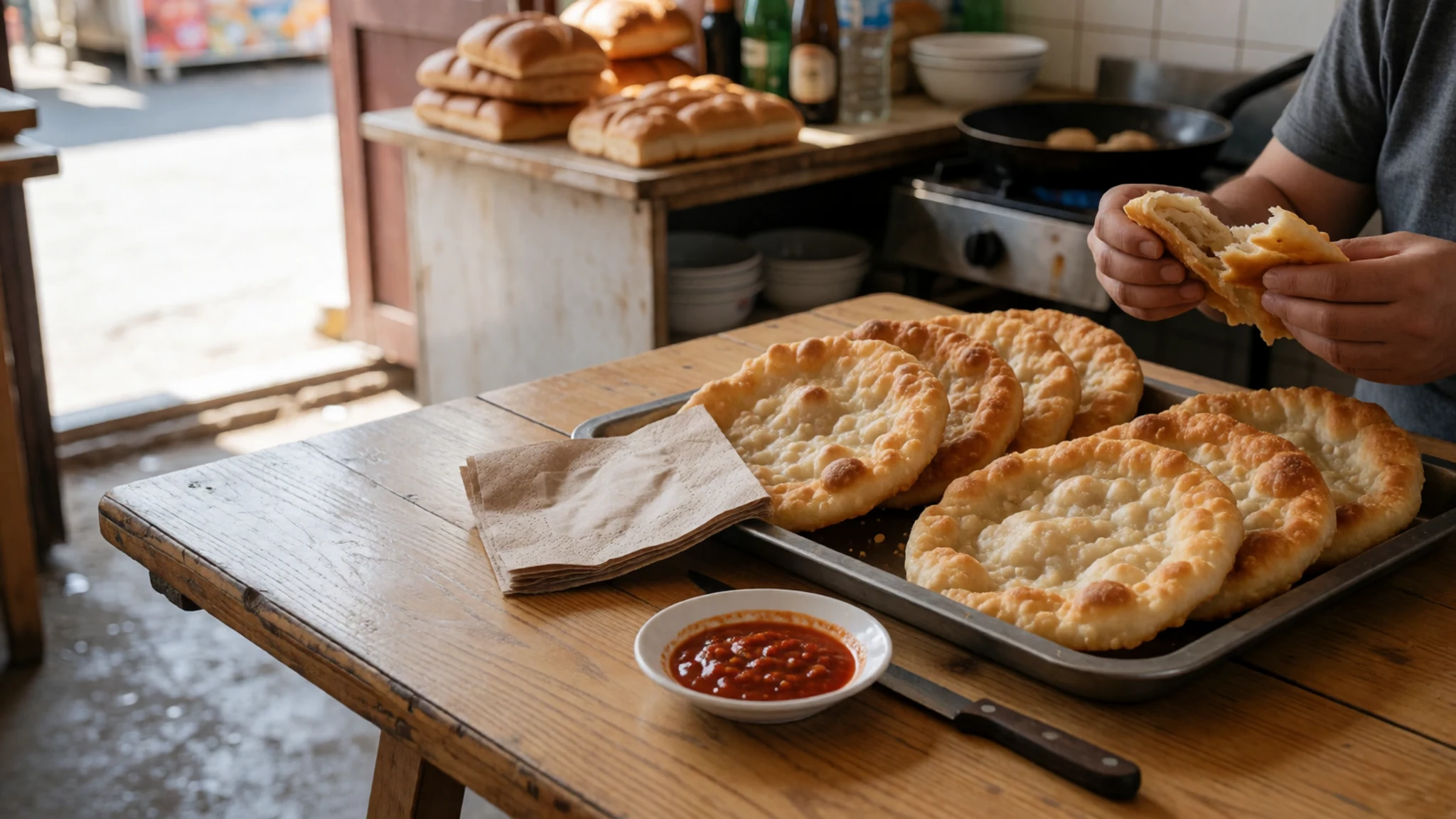
- Tsuivan (цуйван) — Everyday eateries in provincial towns
Stir-fried noodles with meat and a little vegetable, a hearty plate that suits hungry travellers. Portions are generous and the flavour is mild and salty, so it pairs well with a pot of tea. - Süütei tsai (сүүтэй цай) — Any ger, and most eateries
Salted milk tea, the drink offered first in any ger. It is milky, lightly salty and closer to a thin soup than English tea. Millet, rice or meat is sometimes stirred in to make it a meal. Take a few sips before judging. - Aaruul, byaslag and öröm — A herder's ger, or the market in Uliastai
Aaruul are dried curds, rock hard and meant to be dissolved slowly in the mouth. Byaslag is a soft fresh cheese and öröm a clotted cream. Herding families offer them to guests, and they are easiest to sample in a ger.
Plan it
Best time. June to September, when days are warm, the ground is green and travel is easiest; expect rain in some areas and cool nights. Winters are bitterly cold and make the tracks and camps hard going.
How long. 4–6
Getting there. Fly or travel overland from Ulaanbaatar to Uliastai, the provincial town, then continue by hired four-wheel-drive with a driver who knows the tracks. Check airline timetables and road conditions locally before you commit.
Budget. mid
Tips
- Arrange a driver or guide through a reputable operator in Ulaanbaatar or Uliastai, as signposts are scarce and distances are long
- Carry cash, spare fuel, food and plenty of water, because services thin out quickly away from the town
- Check current visa rules before booking, as the relaxed arrangements for UK visitors were time-limited
- Pack layers and waterproofs, since the weather can swing from hot to cold within a day
- Call out before approaching a ger and carry a stick or stone in case a guard dog charges
Etiquette
- Receive tea and gifts with the right hand, palm up, and take at least a small taste
- Ask before photographing people or entering a herder's pasture
- Avoid wearing anything linked to China or raising political topics
Nearby
Sources
- Wikidata Q2353197 (CC0)
- Wikipedia: Zavkhan River (rev 1368125217) (CC BY-SA 4.0)
- Wikivoyage: Mongolia (rev 5427090) (CC BY-SA 4.0)