Jiuzhaigou
Jiuzhaigou, People's Republic of China
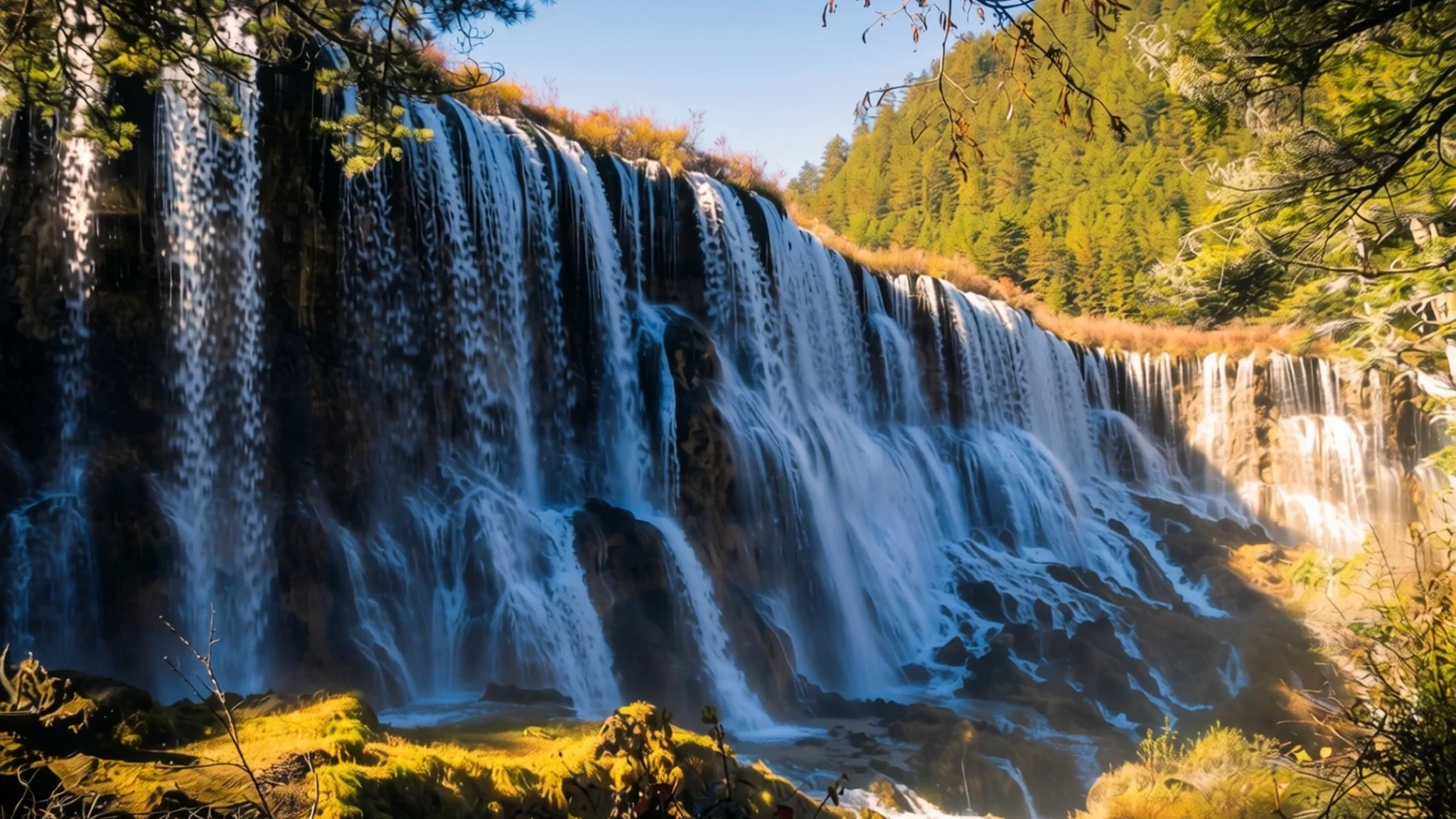
Jiuzhaigou offers stunning multi-level waterfalls and remarkably clear, colourful lakes set high within the Min Mountains of Sichuan.
The place
Jiuzhaigou is a protected nature reserve and national park situated in the northern part of Sichuan Province, deep within southwestern China. Stretching through a long, twisting valley that runs north to south, the landscape forms part of the Min Mountains along the edge of the Tibetan Plateau. The geography here is shaped by water, limestone formations and glacial activity, resulting in a complex network of aquatic ecosystems. Throughout the reserve, numerous multi-level waterfalls tumble over mineral terraces into pristine lakes whose waters shift in hue from emerald green to deep azure depending on the light and mineral content. Surrounding these aquatic features are dense, mixed forest ecosystems that change dramatically with the seasons, framed by towering mountain peaks in the distance. The valley's waterways ultimately drain into the Bailong River, a source of the Jialing River, which joins the broader Yangtze River system. Because the protected terrain encompasses steep vertical drops, the flora and fauna vary significantly across different zones of the park. Visitors navigating the valleys follow wooden boardwalks built above the valley floor to protect the delicate aquatic environment from foot traffic while offering uninterrupted views of the clear pools. Though remote, the valley welcomes travellers keen to witness one of China's most celebrated protected landscapes.
Its story
Jiuzhaigou translates literally to Nine Settlement Valley, taking its historic name from the nine Tibetan villages scattered along its forested lengths. For centuries, the remote valley was inhabited primarily by Tibetan and Qiang communities who lived in relative isolation, tending livestock and harvesting forest resources. For the outside world, the region remained largely unknown until the mid-twentieth century. That began to change when a prominent forestry scientist conducted a comprehensive survey of the area and was profoundly struck by its untouched grandeur, subsequently urging regional authorities to halt all commercial logging to preserve the ecosystem. Following these urgent conservation appeals, the provincial administration moved swiftly to restrict timber harvesting and establish a formal nature reserve. Facilities were subsequently developed to manage growing public interest while safeguarding the natural habitats, and the area officially welcomed visitors shortly thereafter. International recognition followed when the reserve was formally inscribed as a protected World Heritage site, cementing its status as an internationally significant ecological treasure. Today, the administration balances the preservation of fragile travertine lakes and old-growth forests with the management of visitors who come to experience the valley's distinct cultural and natural heritage.
What to see
- Nuorilang Falls — Central Jiuzhaigou Valley
Nuorilang Falls stands as one of the widest highland waterfalls in the region, plunging dramatically over a broad limestone terrace framed by dense alpine forest. The rushing water creates a constant mist that catches the sunlight during clear morning hours, creating shimmering rainbows across the rocky ledge. Wooden walking paths allow visitors to approach the upper viewing platforms safely without disturbing the fragile mineral deposits along the waterfall's edge.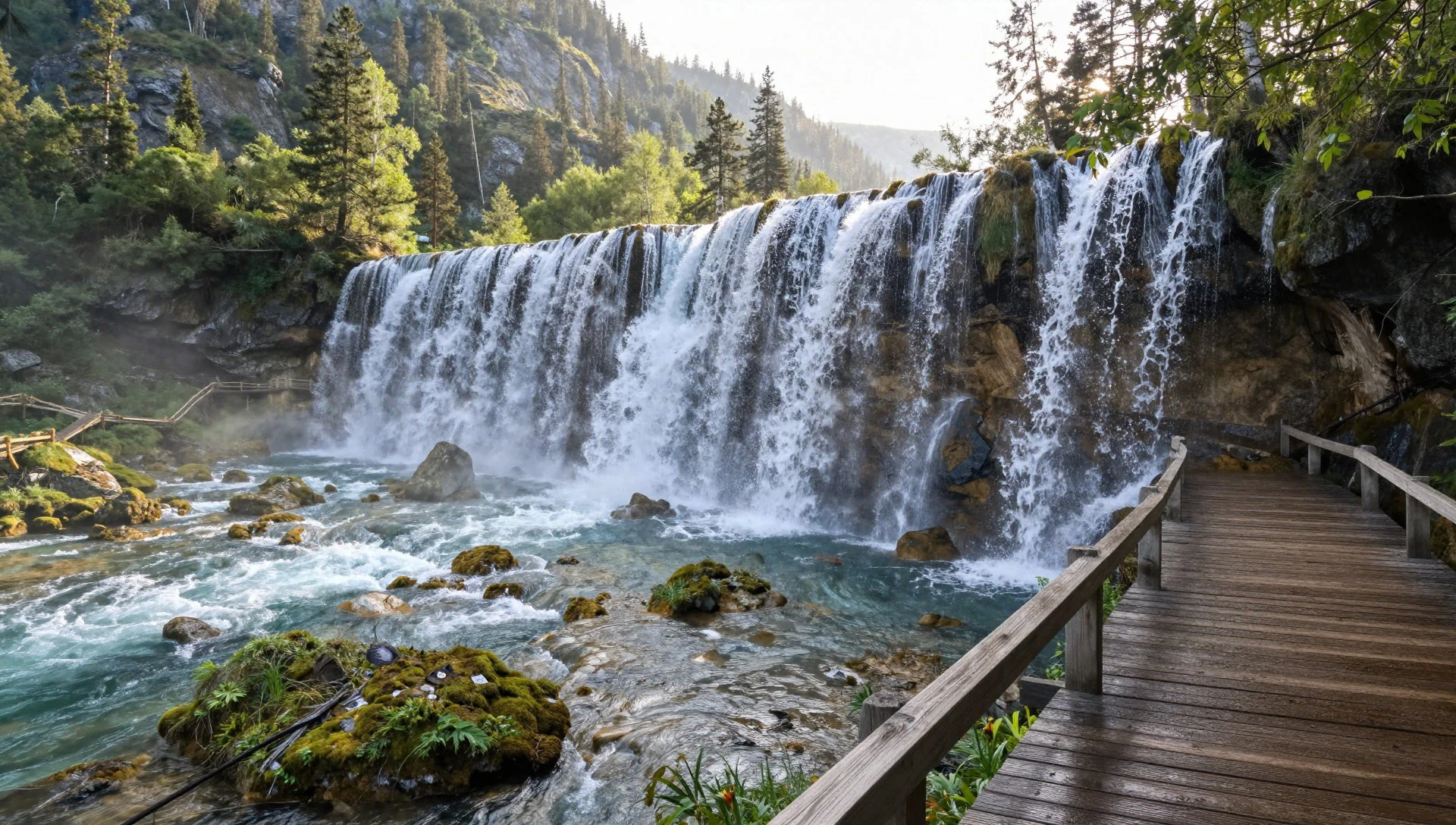
- Five Flower Lake — Rize Valley
Five Flower Lake in Jiuzhaigou is celebrated for its remarkably transparent waters that reveal complex patterns of fallen ancient tree trunks resting on the lakebed. The mineral-rich water reflects shifting shades of turquoise, amber and deep blue, creating a multicoloured mosaic beneath the surface. Boardwalks wind along the perimeter, offering travellers an elevated vantage point to observe the interplay of sunlight and submerged flora.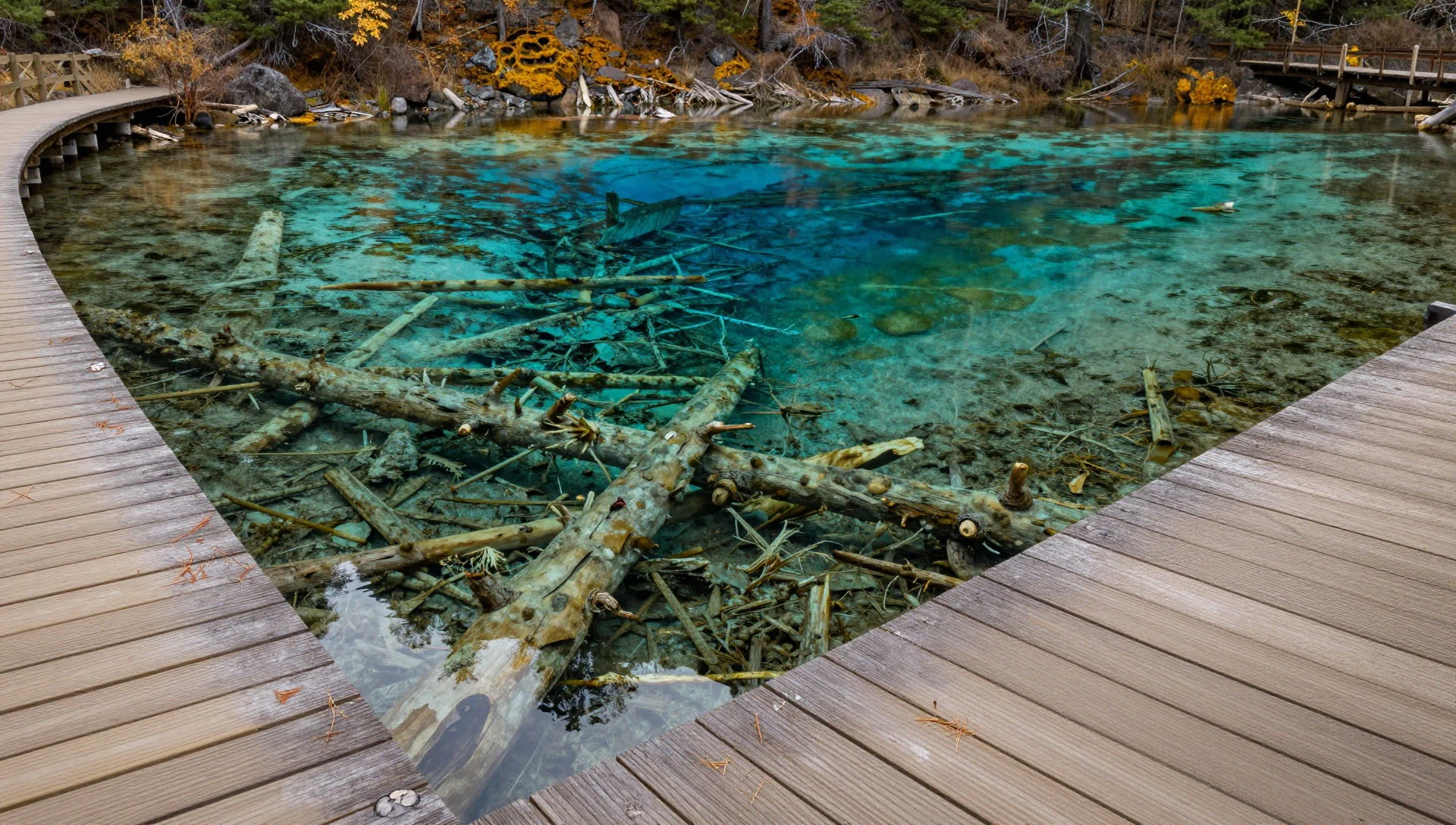
- Five Colour Pond — Zechawa Valley
Five Colour Pond is among the smallest yet most vividly hued bodies of water within the entire protected reserve. Even during colder winter months, portions of this mineral pool remain unfrozen due to underground thermal springs, maintaining its striking spectral colours. Visitors following the stepped mountain paths often pause here to admire the striking contrast between the bright aquatic hues and the surrounding alpine vegetation.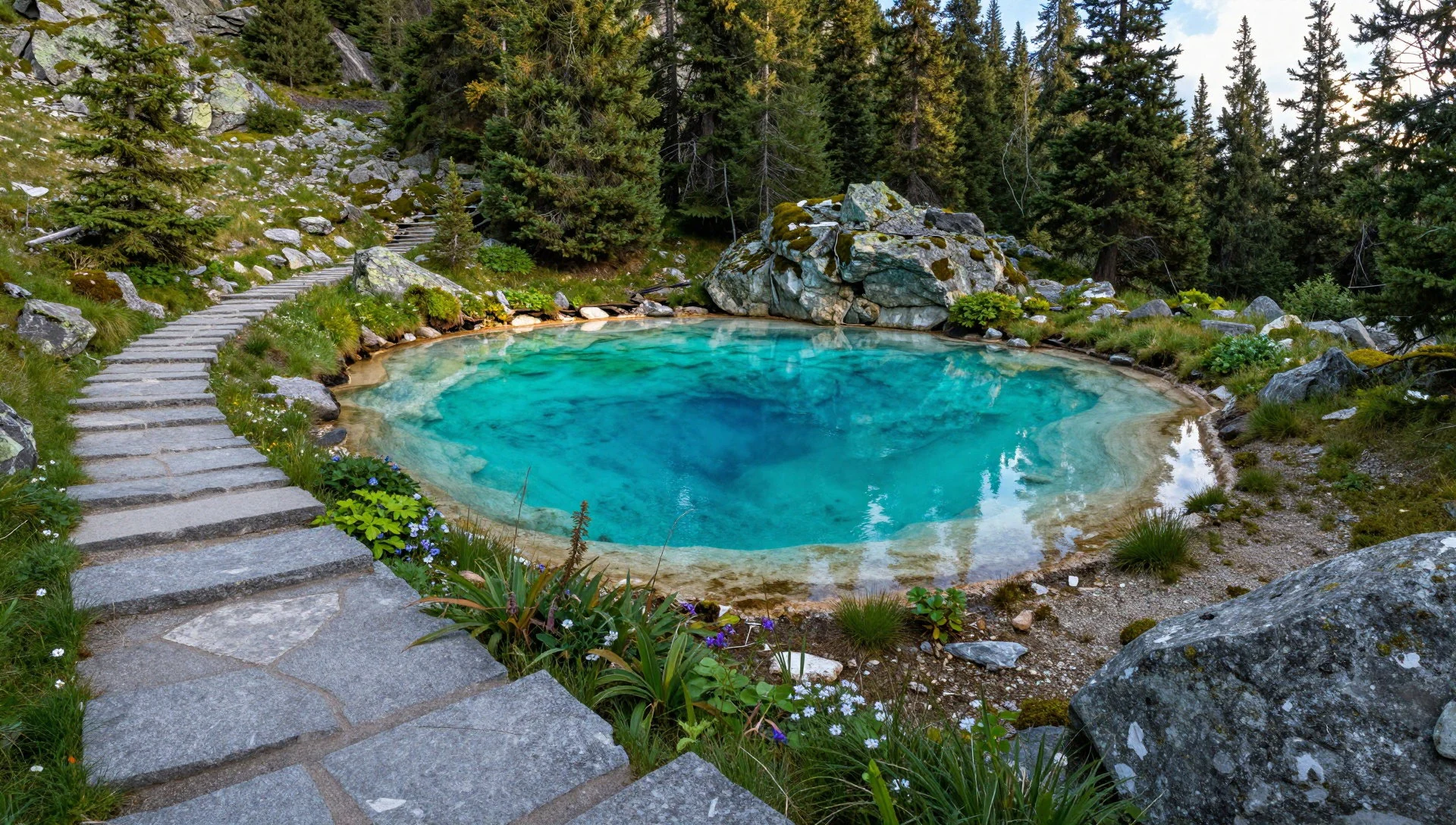
- Pearl Shoal Falls — Rize Valley
Pearl Shoal Falls in Jiuzhaigou showcases an energetic torrent of water breaking over a wide, sloping limestone pavement that resembles scattered pearls under the sun. The rushing stream splits around ancient boulders before plunging over the rocky drop into the forested valley below. A network of sturdy wooden boardwalks spans the roaring rapids, giving visitors a thrilling, close-up perspective of the churning mountain waters.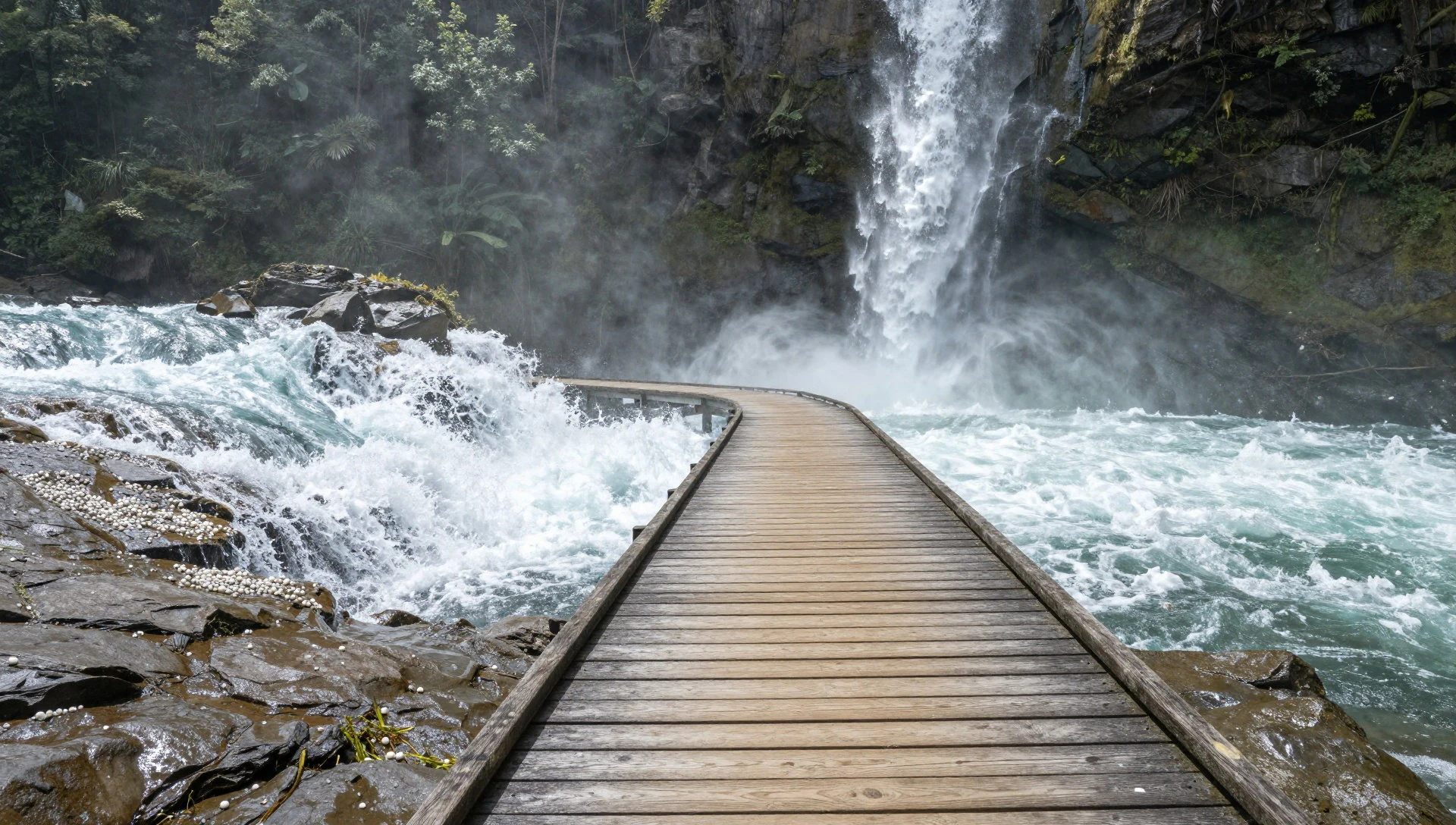
- Shuzheng Village — Shuzheng Valley
Shuzheng Village provides a traditional window into the local Tibetan heritage that has characterised the valley for generations. Traditional wooden dwellings with decorated lintels stand close to rotating prayer wheels and fluttering prayer flags strung across the pathways. Travellers walking through the settlement can observe traditional stone architecture and interact with community members who maintain their ancestral way of life within the national park.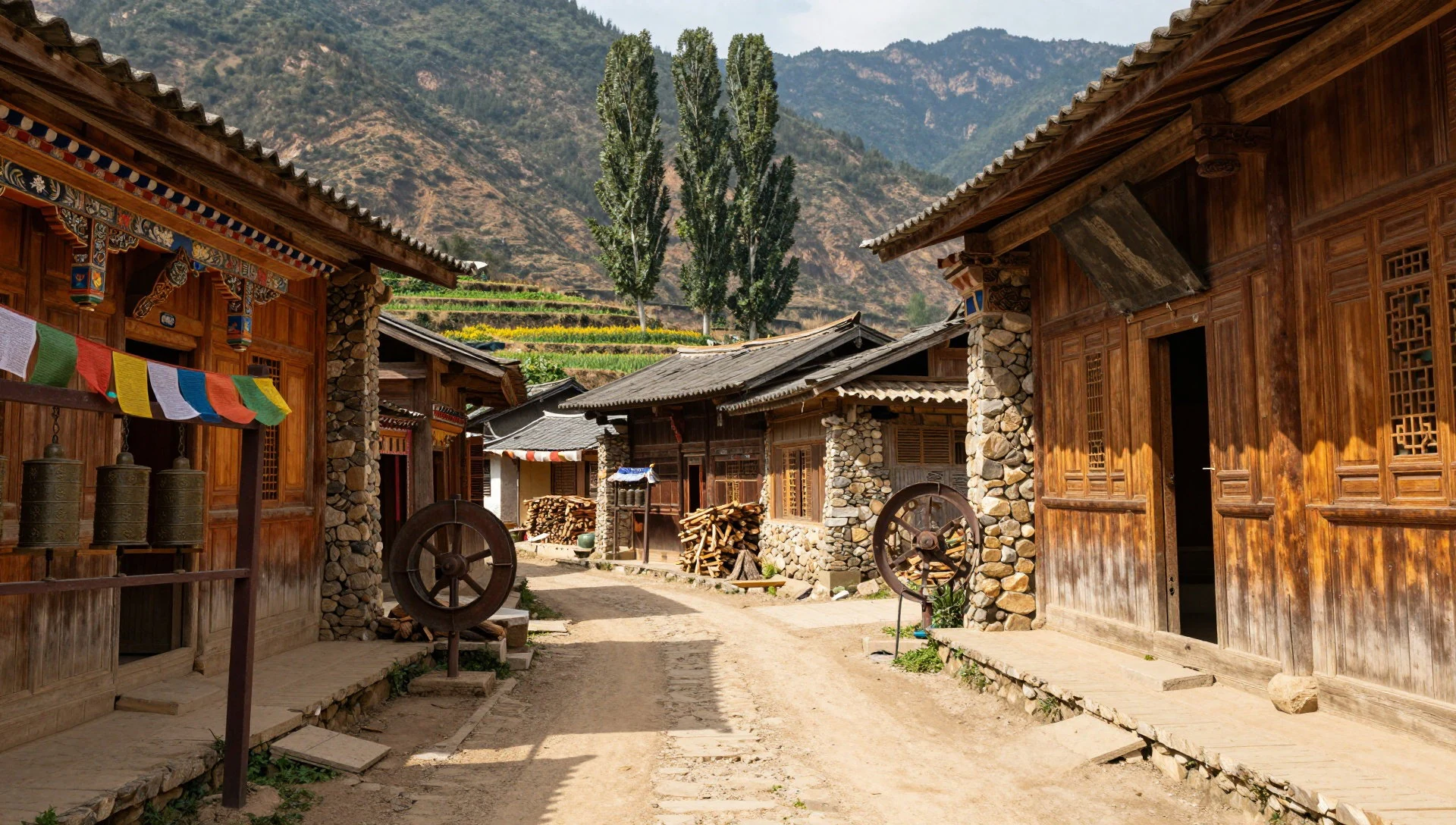
- Long Lake — Zechawa Valley
Long Lake stretches as the highest and deepest body of water in Jiuzhaigou, cradled directly beneath snow-dusted mountain ridges. Fed entirely by melting glacial snow rather than underground streams, its water level fluctuates subtly across different seasons without ever overflowing its natural banks. Walking along the perimeter trail offers sweeping panoramas of the vast, silent alpine lake framed against towering peaks.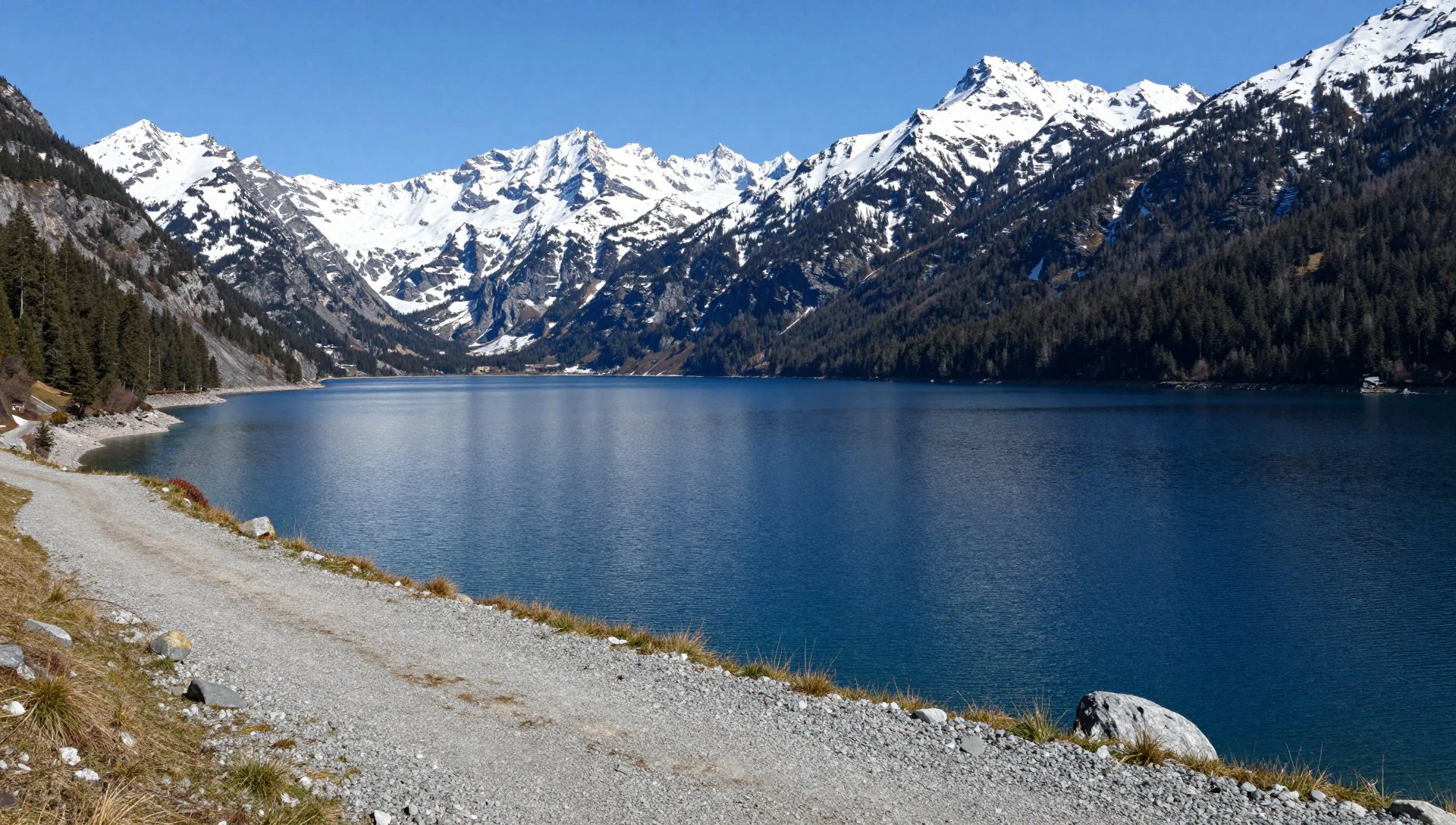
Culture
Jiuzhaigou is culturally distinct from lowland Sichuan, shaped profoundly by centuries of Tibetan and Qiang heritage. The indigenous residents preserve ancient traditions manifested in their village architecture, spiritual practices, and communal gatherings where music and circle dances play a central role. Performance art such as traditional Tibetan dance troupes recount historical legends and daily mountain life to visitors through elaborate costumes and rhythmic drumming. Spiritual life is deeply intertwined with the natural environment, evidenced by sacred mani stones carved with Buddhist mantras and colourful prayer flags fluttering from high ridges to bless the winds. Traditional crafts, including intricate silver jewellery and hand-woven textiles, reflect an aesthetic deeply connected to nomadic roots and alpine survival. When visiting local villages or attending cultural performances in Jiuzhaigou, always ask permission before taking photographs of residents and local elders.
What to wear
Traditional dress in Jiuzhaigou reflects the alpine climate and Tibetan heritage of its residents, featuring heavy woollen garments, long robes known as chuba, and decorative felt boots designed to withstand cold mountain winds. These traditional textiles are often edged with rich brocades and paired with coral and turquoise ornaments passed down through families, historically worn during festivals and community celebrations. Today, locals in the towns and villages mix practical contemporary outdoor wear with traditional garments, particularly during cultural events or when welcoming travellers. For visitors exploring Jiuzhaigou, dressing in layers is essential due to the dramatic temperature shifts between the chilly mountain mornings and strong daytime sunshine. Sturdy, waterproof walking shoes or hiking boots are mandatory for navigating the extensive wooden boardwalks and damp stone pathways. Visitors should also pack a warm fleece or windproof jacket, UV protection, and modest clothing that covers shoulders and knees out of respect for local Tibetan cultural sensibilities when entering village areas.
What to eat
- Yak meat hotpot — Traditional eateries in Shuzheng and local Tibetan villages
A warming soup simmered with tender slices of locally sourced yak meat, root vegetables, and mountain herbs, found in traditional eateries throughout the local Tibetan villages.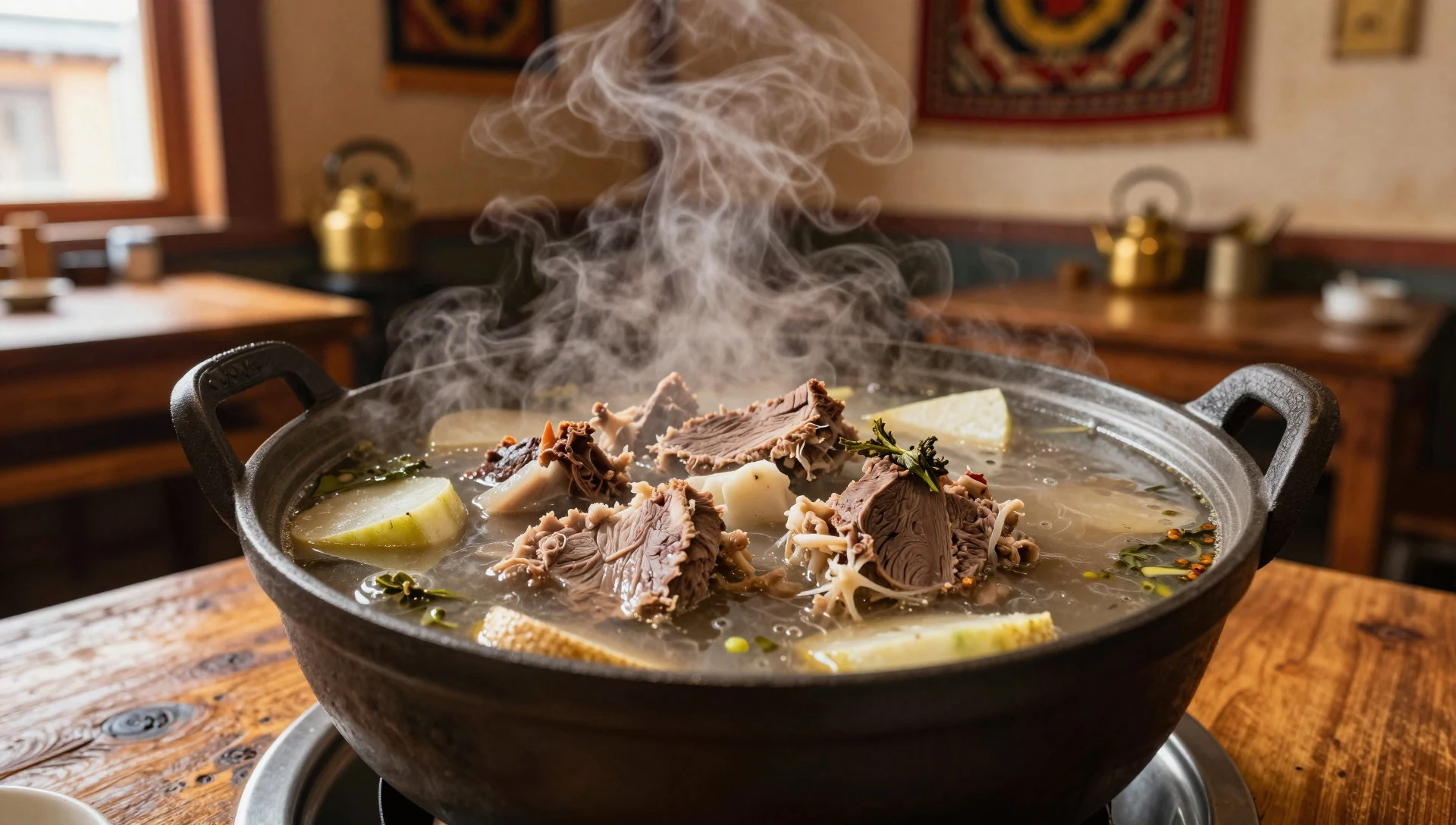
- Tibetan butter tea — Village tea stalls and local guesthouses
A traditional hot beverage churned from strong brick tea, yak butter, and salt, served in small bowls to combat the chilly mountain air at tea stalls across the valley.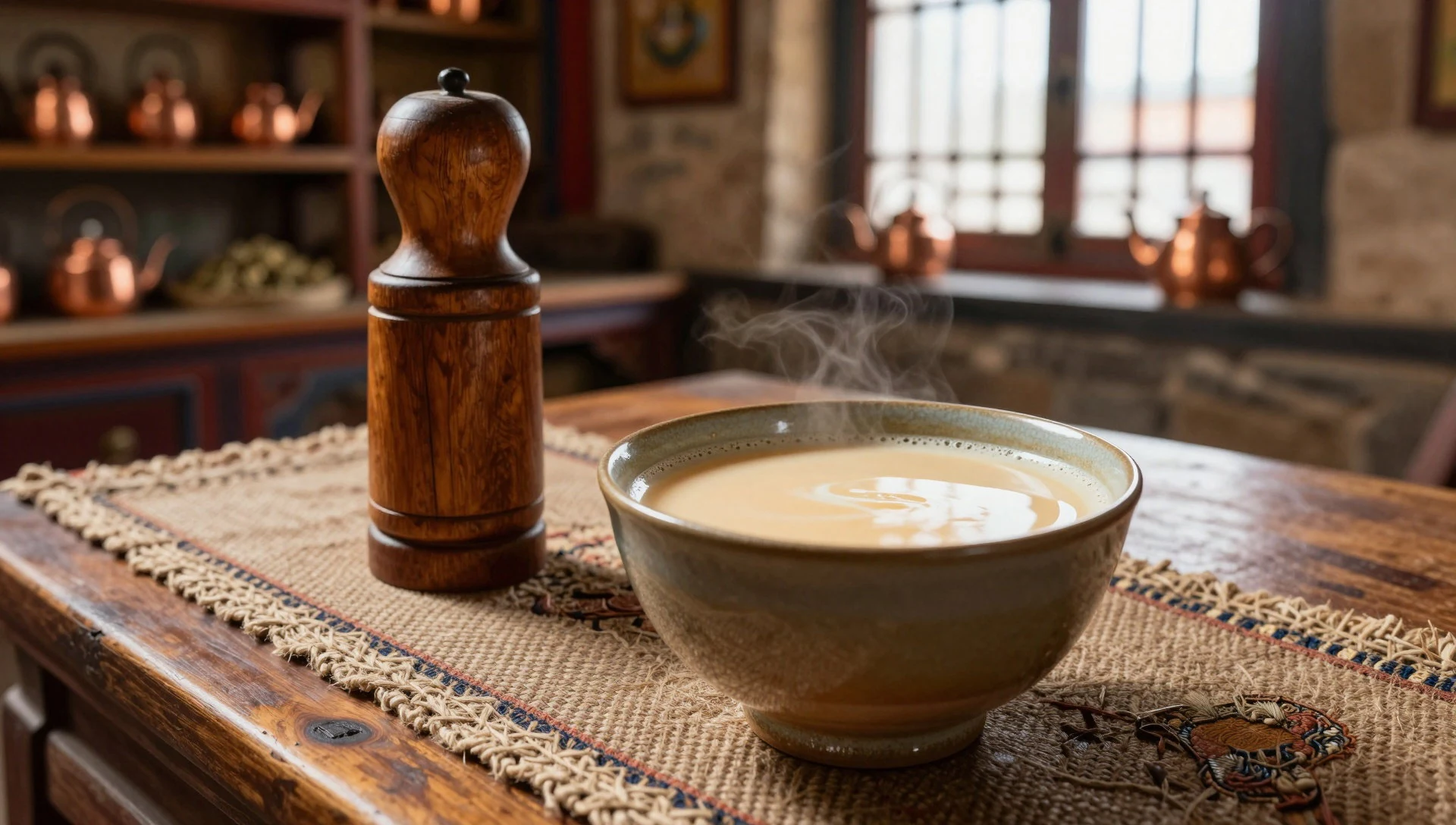
- Tsampa — Local Tibetan family-run eateries
Roasted highland barley flour kneaded together with butter tea or cheese, representing a staple energy food for travellers exploring the high-altitude trails.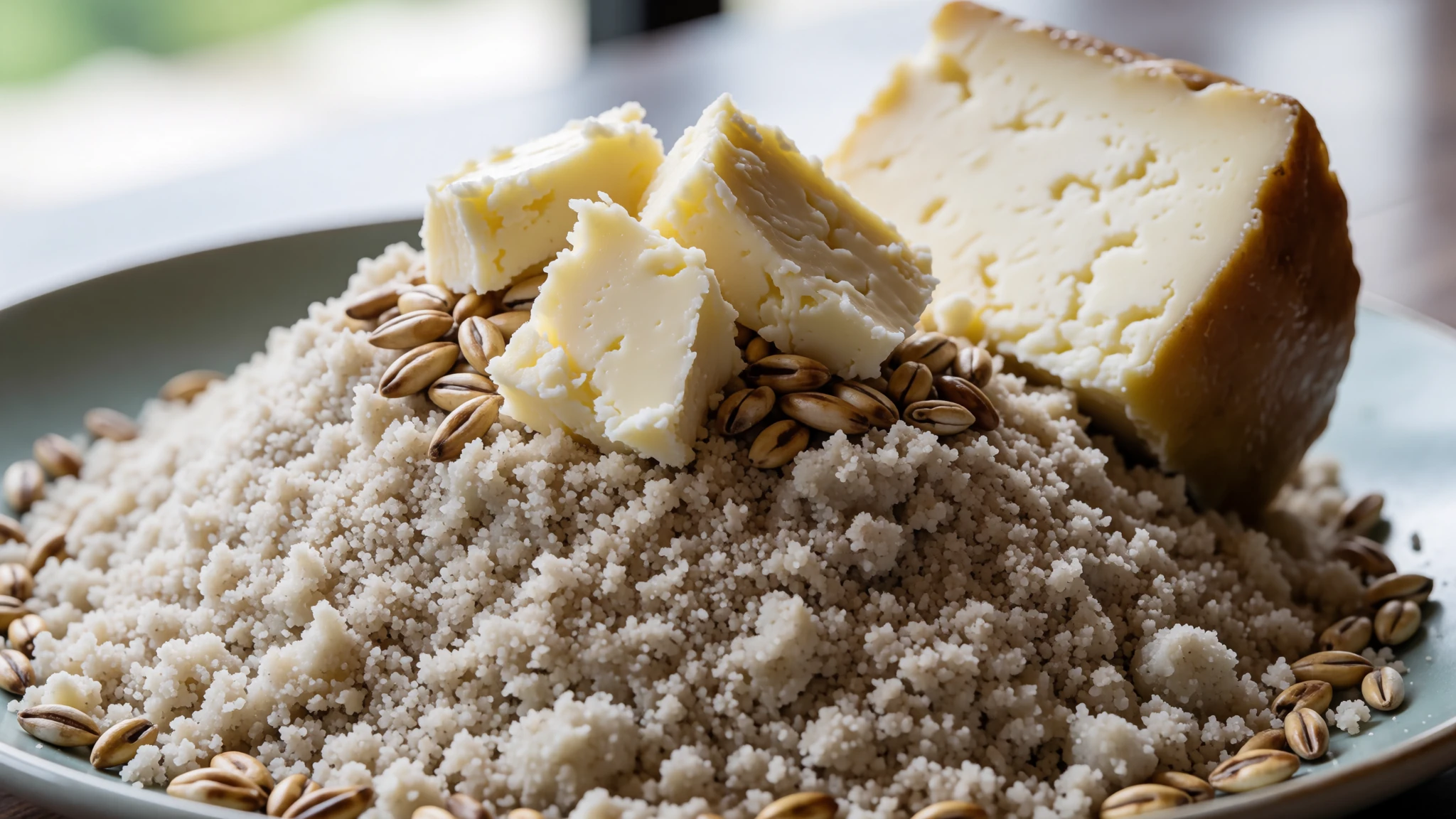
- Local Sichuan stir-fries — The central park HQ restaurant and visitor area
Standard regional Chinese stir-fry dishes featuring fresh mountain vegetables and spicy seasonings, available at the central park cafeteria area near the main visitor hubs. - Instant noodles and snacks — Shops right outside the main park entrance
Quick convenience options including ramen bowls and packaged snacks sold by vendors near the park entrance gates for visitors needing a fast trailside meal.
Plan it
Best time. March to April for spring blossoms, or October to November for vibrant autumn maple colours; July is the wettest month, with heavy rain from May through September, while winters feature frozen waterfalls but difficult road access.
How long. 3-4
Getting there. Fly into Jiuzhaigou Huanglong Airport, followed by a mountain road transfer of about 90 minutes to the reserve, or take a long-distance bus from Chengdu.
Budget. mid
Tips
- Arrive at the park gates early in the morning to beat the heavy tourist crowds
- Pack your own muesli bars and a refillable flask of water for the long boardwalk walks
- Prepare for high altitude by staying hydrated and walking slowly along the trails
- Check local weather updates beforehand, as mountain roads can close during heavy rain
Etiquette
- Always ask permission before photographing local Tibetan residents or monks
- Dispose of all personal rubbish properly or carry it out to protect the fragile reserve ecosystem
Nearby
Sources
- Wikidata Q4111 (CC0)
- Wikipedia (rev 1371997863) (CC BY-SA 4.0)
- Wikivoyage (rev 5293567) (CC BY-SA 4.0)
- Photo photos/01-1-nuorilang-jiuzhaigou-2023.jpg (CC BY-SA 4.0)
- Photo photos/02-1-jiuzhaigou-valley-wu-hua-hai-2011b.jpg (CC BY-SA 1.0)
- Photo photos/03-1-jiuzhaigou-valley-five-colour-pond-2011.jpg (CC BY-SA 2.0)
- Photo photos/04-1-jiuzhaigou-zhen-zhu-ta-pu-bu-pearl-shoal-2023.jpg (CC BY-SA 4.0)
- Photo photos/05-1-jiuzhaigou-valley-shuzheng-village-panorama-2011.jpg (CC BY-SA 2.0)
- Photo photos/07-1-jiuzhaigou-valley-long-lake-chang-hai-2011.jpg (CC BY-SA 2.0)


