Beijing
Beijing, People's Republic of China
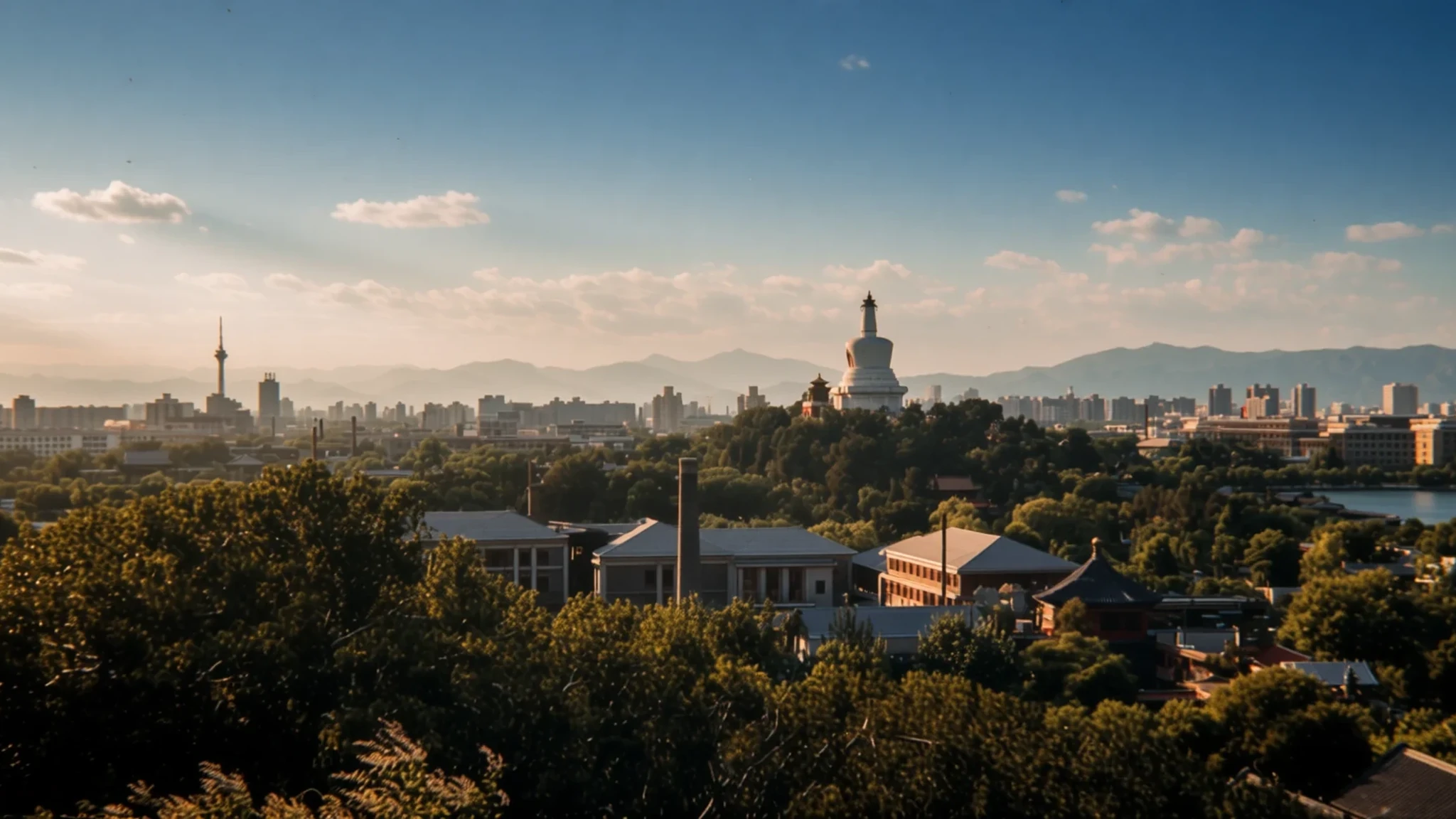
Beijing pairs vast imperial palaces and ancient alleyways with a humming modern metropolis that shapes global culture and commerce.
The place
Beijing stands in Northern China as a sprawling, direct-administered municipality surrounded largely by Hebei Province while bordering Tianjin to the southeast. Home to over 21.8 million residents, it ranks as the world's most populous national capital and functions as the political, cultural, and educational heart of the nation. The urban expanse is a dizzying mix of historical planning and rapid modern development, structured around concentric ring roads that slice through a vast grid. As a leading global city, it holds the headquarters of major state enterprises and top financial institutions, while serving as the principal transit crossroads for the country's vast rail and aviation networks. Despite the sheer density of glass towers and vehicular flyovers, everyday neighbourhood life often slows down in leafy lanes and public parks where residents gather to sing, play traditional board games, or practise morning exercise away from the heavy traffic.
Its story
The human story of Beijing stretches back hundreds of thousands of years, anchored by early archaeological discoveries in the limestone caves of Dragon Bone Hill at Zhoukoudian, where prehistoric inhabitants left enduring traces. Centuries later, the earliest fortified settlement known as Ji rose in the southern area of the modern municipality during the early Zhou period. This strategic terrain was later absorbed by the ancient state of Yan, which established its regional seat nearby and grew into a formidable power during the turbulent Warring States era. Over succeeding dynasties, emperors recognized the geographical significance of the northern frontier crossing, rebuilding and shifting the city centre to secure trade routes and defend against northern incursions. Imperial planners laid down the grand axes and massive defensive walls that would eventually define the imperial capitals of the Ming and Qing dynasties. Through dynastic falls, foreign occupations, and the radical transformations of the twentieth century, the city repeatedly reinvented its skyline while keeping its fundamental blueprint intact.
What to see
- Forbidden City — Xicheng District
View the sprawling ancient palace complex from the elevated paths of Jingshan Park, looking down over glazed imperial tiles and symmetrical courtyards that once housed emperors.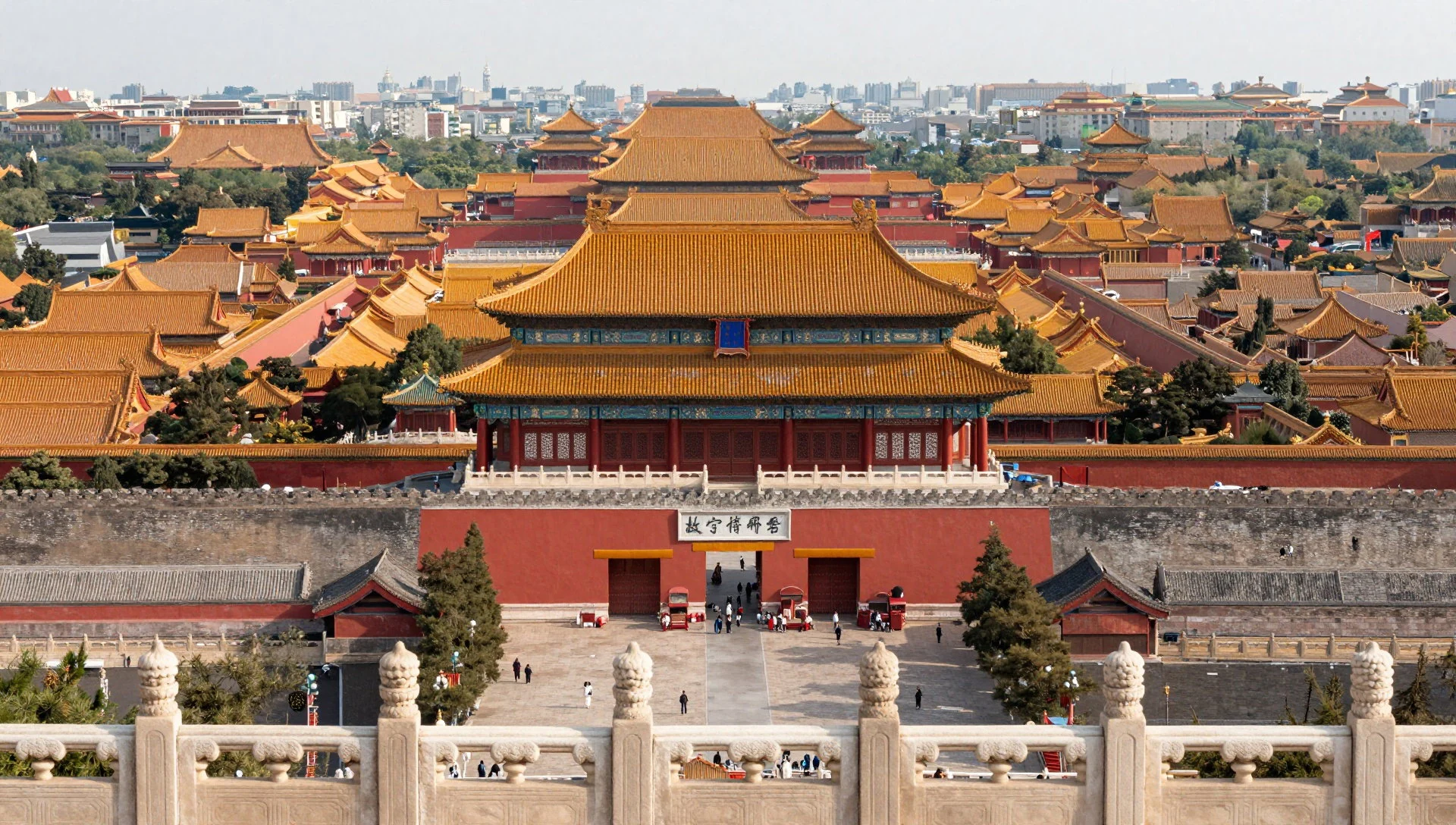
- Temple of Heaven — Dongcheng District
Wander through ancient cypress groves to admire the striking circular Hall of Prayer for Good Harvests, where Ming and Qing monarchs prayed for grain.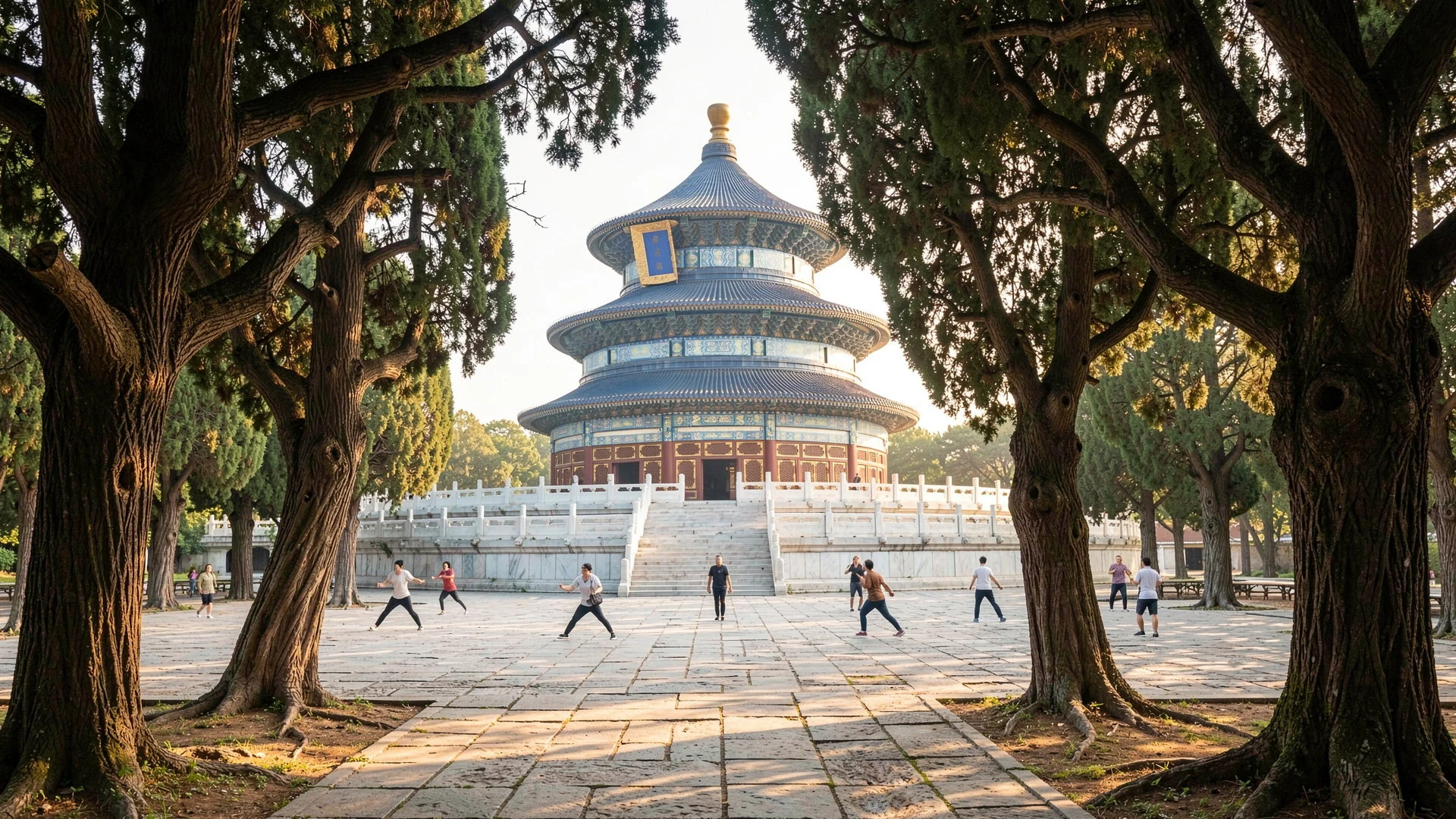
- The Great Wall — Outlying districts
Venture out of the urban sprawl to hike dramatic stone fortifications snaking across rugged mountain ridges, offering sweeping vistas of the northern frontier.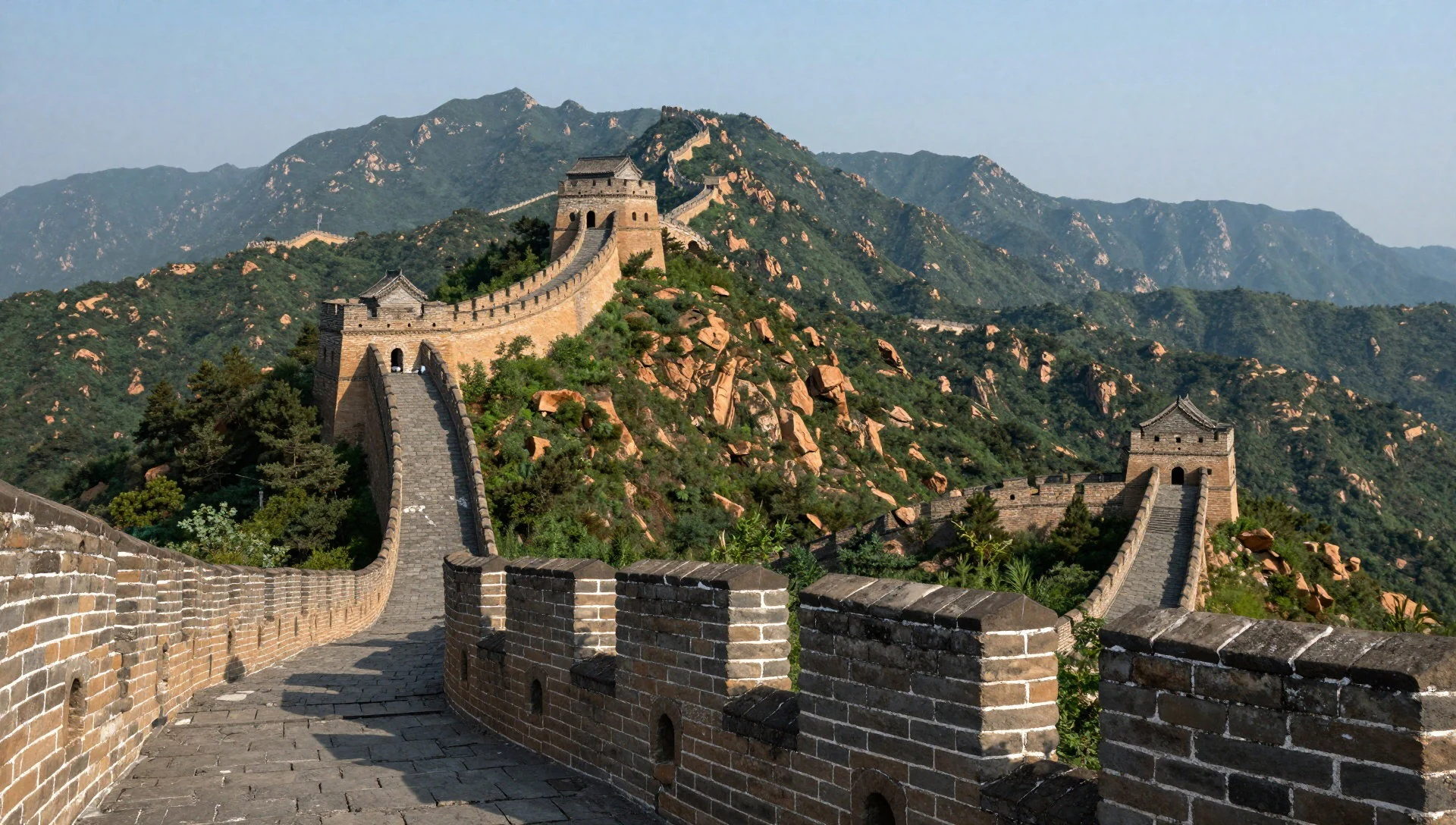
- The Summer Palace — Haidian District
Stroll along the ornate painted corridors bordering Kunming Lake and climb Longevity Hill to take in pavilions and temples set within imperial gardens.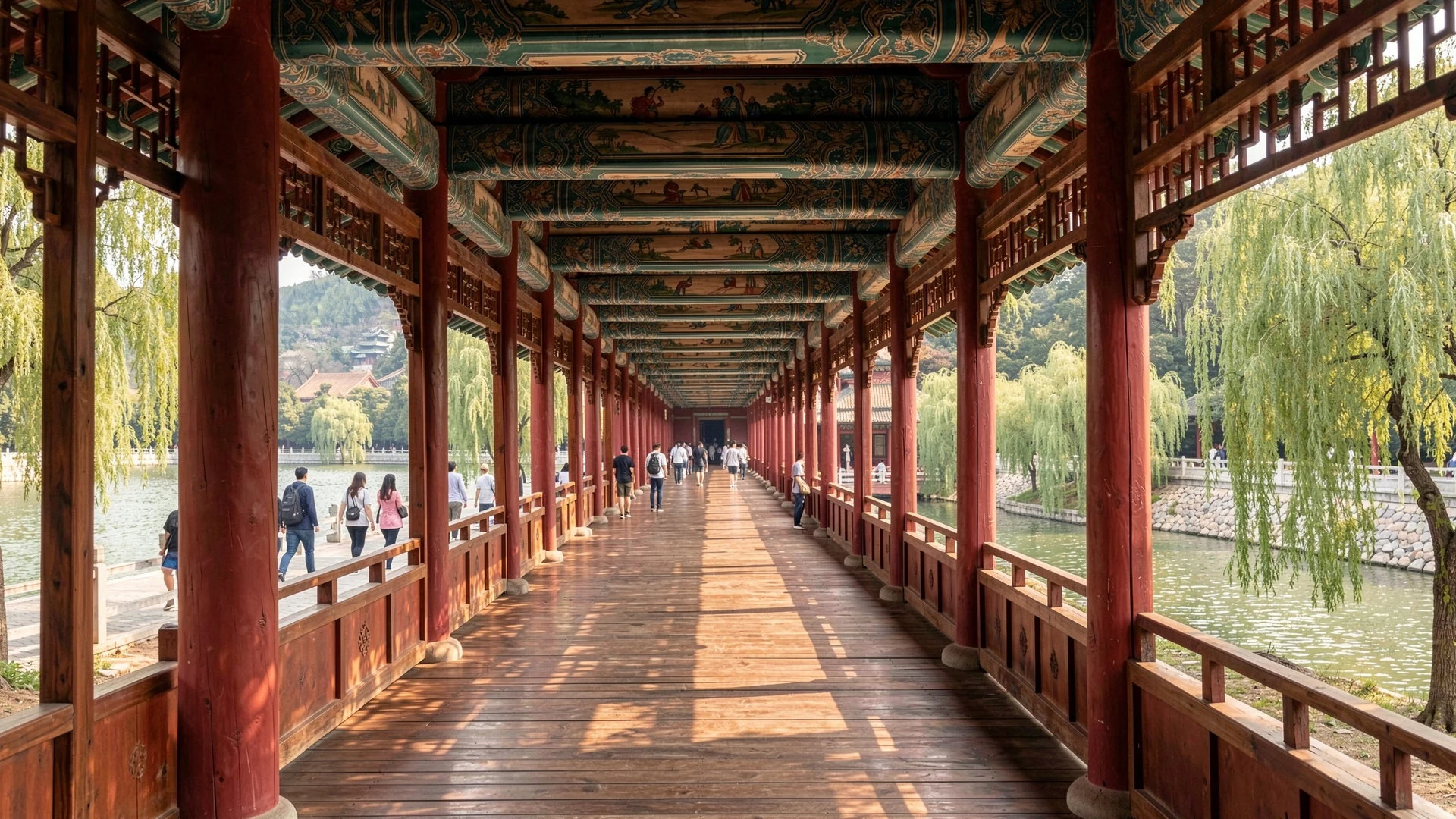
Culture
Urban life in Beijing moves to the rhythm of the local Mandarin dialect, which forms the phonetic foundation for standard spoken Chinese across the country. While older neighbourhoods maintain a slower cadence of community gossip and neighbourhood tea, the younger generation has driven a vibrant revival in nightlife, centering around creative hubs like Sanlitun, Houhai, and Wudaokou. Traditional arts retain a devoted following, particularly Peking opera, which combines stylized singing, elaborate facial makeup, and acrobatic martial arts into a revered theatrical tradition. Visitors will find that social interactions are governed by a mix of traditional politeness and modern urban efficiency, with hospitality expressed through sharing tea and communal dining. Always remove your hat and lower your voice when entering sacred temple halls or quiet memorial spaces.
What to wear
Traditional attire in Beijing historically reflected strict dynastic hierarchy, featuring silk robes and embroidered badges that denoted official rank during the Qing dynasty. Today, urban residents dress in a practical, contemporary mix of international streetwear, minimalist business casual, and seasonal outerwear suited to the continental climate. For visitors, layering is essential due to the sharp temperature swings between freezing winters and hot, humid summers. Lightweight, breathable fabrics work best for walking through sprawling historic sites in July and August, while sturdy walking shoes are non-negotiable for navigating ancient stone courtyards and uneven paths. Modest dress covering shoulders and knees is recommended when visiting active temples and cultural shrines.
What to eat
- Peking Duck — Speciality duck houses citywide
Crisp-skinned roasted duck carved tableside and wrapped in thin wheat pancakes with sweet bean sauce and spring onions.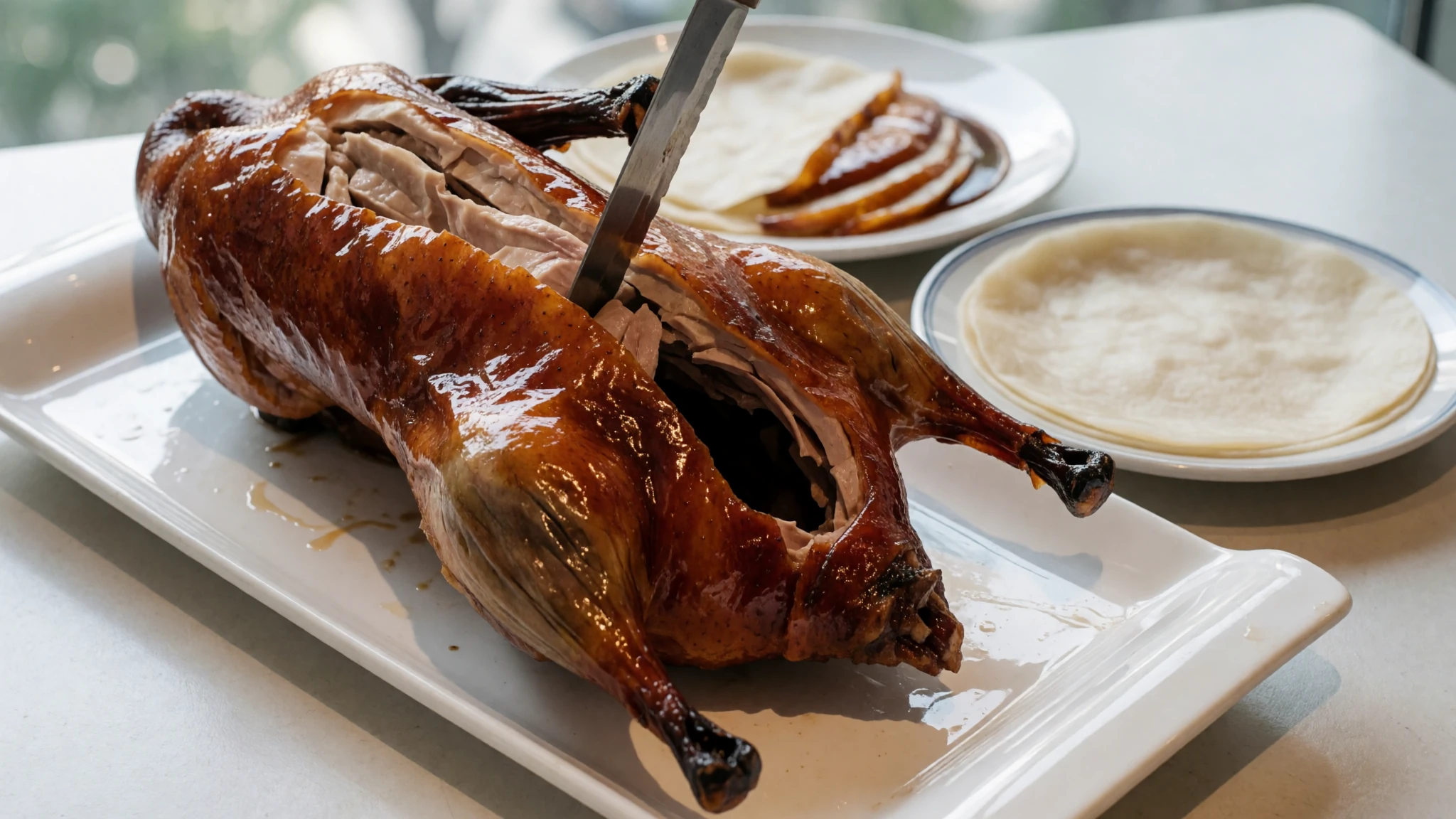
- Spicy Crayfish — Guijie street in Dongcheng District
Vibrant freshwater crayfish tossed in heavy chilli oil, Sichuan peppercorns, and garlic, best eaten messy with cold drinks.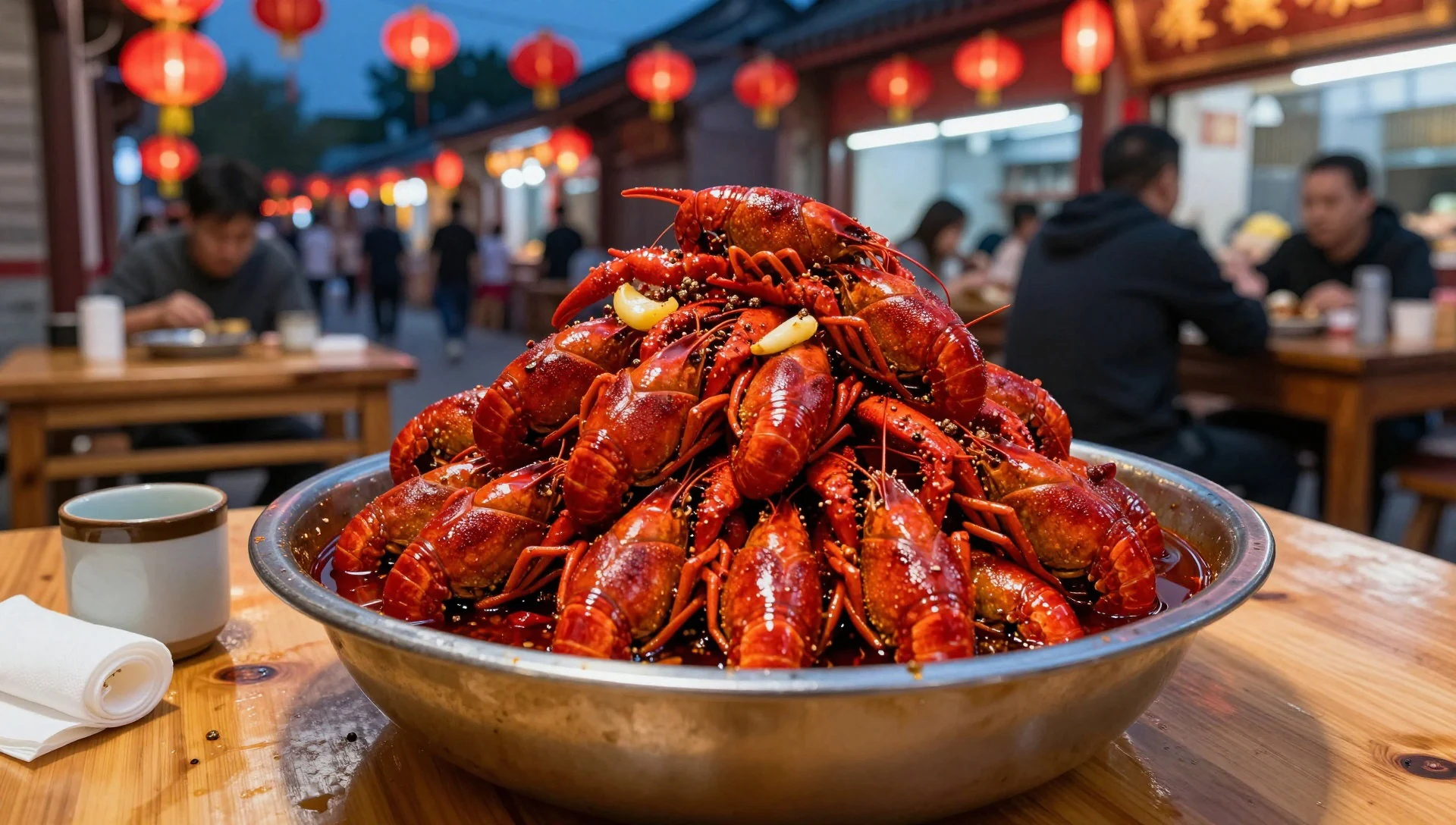
- Zhajiangmian — Traditional noodle shops and hutong eateries
Handmade wheat noodles tossed with a salty fermented soybean paste and fresh julienned cucumber and radish.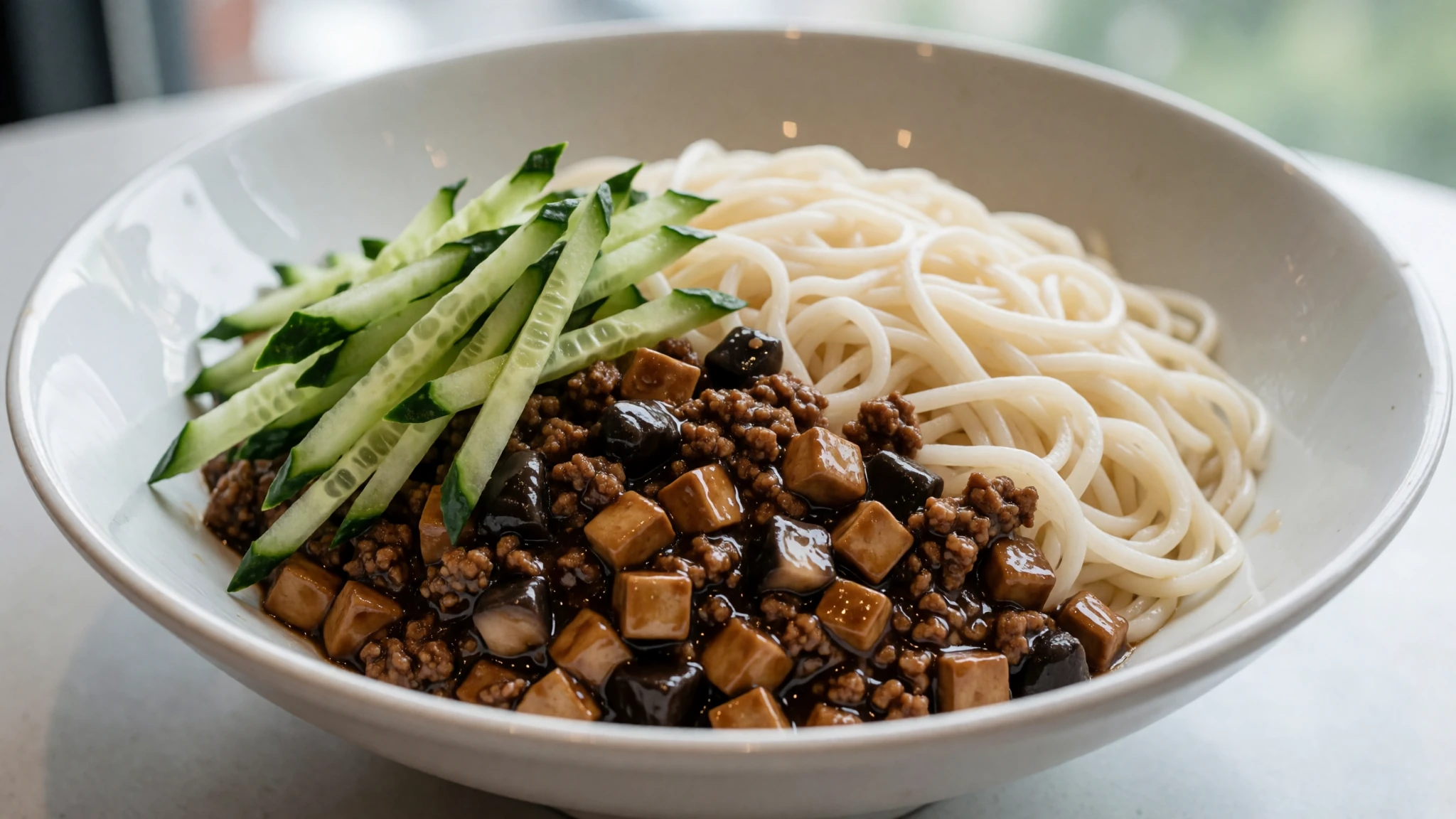
- Lamb Hotpot — Old-style Muslim restaurants across the centre
Thinly sliced mutton dipped briefly in a simmering copper chimney pot filled with clear broth and aromatic herbs.
Plan it
Best time. April to May and September to October bring mild, comfortable weather; July and August are notably hot and humid with seasonal rainfall.
How long. 3–4
Getting there. Arrive at Beijing Capital International Airport or Beijing Daxing International Airport, then connect to the city centre via the airport express rail or metro network.
Budget. mid
Tips
- Book major historical sites well in advance online
- Wear comfortable footwear for walking large palace complexes
- Keep a translation app ready for navigation and transit
- Download local payment apps before arrival
Etiquette
- Queue politely when boarding public transport
- Accept business cards or gifts with both hands
Nearby
Sources
- Wikidata Q956 (CC0)
- Wikipedia (rev 1382882116) (CC BY-SA 4.0)
- Wikivoyage (rev 5410584) (CC BY-SA 4.0)