Zhangjiajie
Zhangjiajie, People's Republic of China
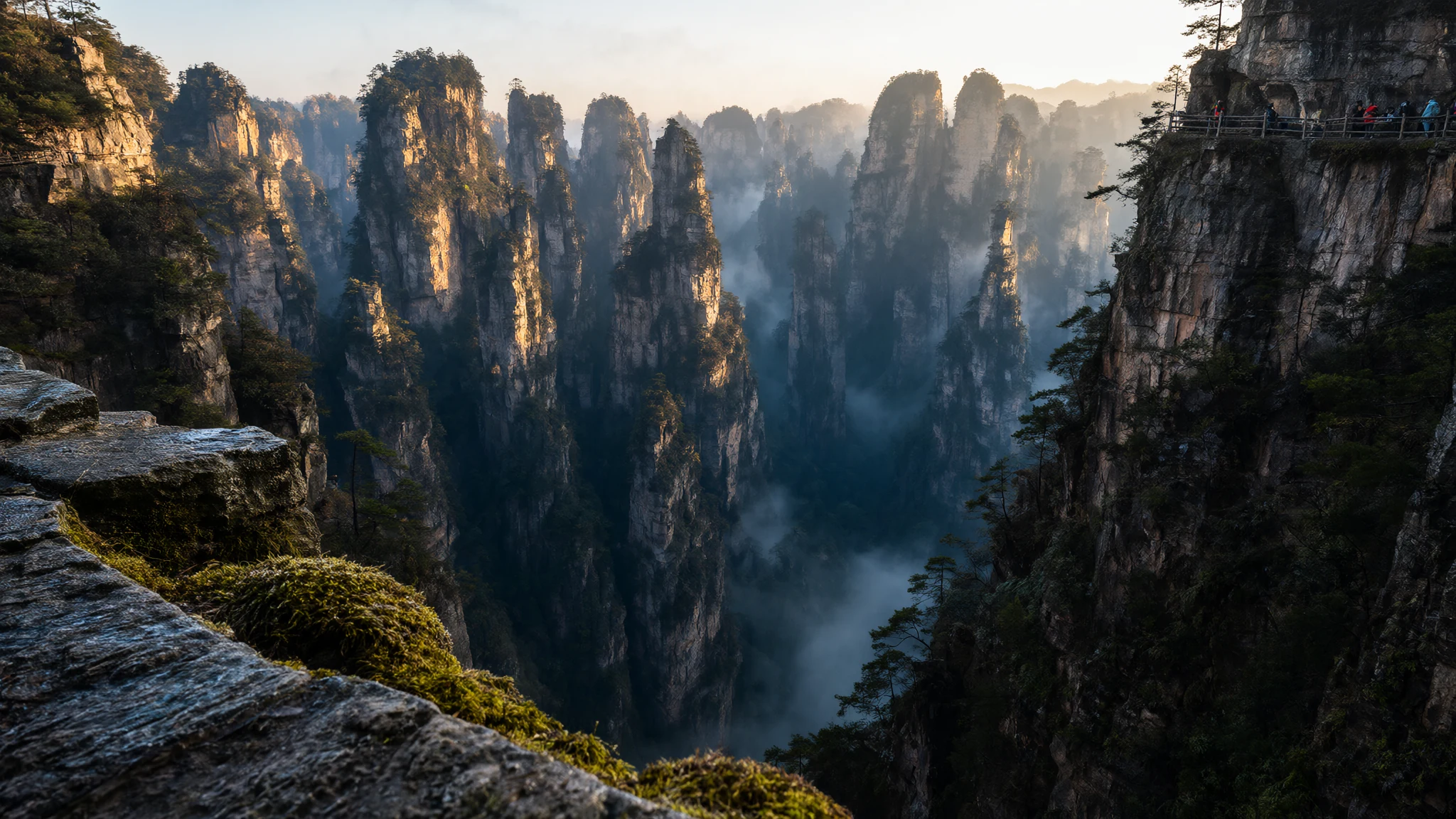
Explore towering quartz-sandstone pillars, deep forested ravines and dramatic peaks in China's first national park.
The place
Zhangjiajie is situated in Hunan Province within the People's Republic of China, anchored by the iconic protected area established in the year 1982. The topography here is defined by thousands of pillar-like geological formations that rise abruptly from dense forests, deep ravines, and river canyons. Unlike typical limestone karst topography found across other regions, these extraordinary vertical columns are composed of quartz-sandstone and siltstone shaped by centuries of physical weathering, winter ice expansion, and root action from clinging vegetation. Mist frequently wraps around the midsections of these soaring pillars, creating an ethereal landscape that has inspired traditional Chinese landscape painters for generations. Visitors navigating the park traverse steep stone steps, winding cliffside walkways, and panoramic viewpoints that overlook labyrinthine valleys of green foliage and jagged rock faces. The region experiences a humid climate with year-round moisture, which sustains the lush subtropical evergreen forests carpeting the slopes and valleys below the stone peaks. As a major protected site within the wider Wulingyuan Scenic Area, the park balances heavy visitor numbers with vast expanses of pristine wilderness, offering deep canyons and quiet ravines just a short distance from major viewing platforms. Whether approached through high-speed rail connections or regional roadways, the destination provides an immersive encounter with some of China's most distinctive highland scenery, where sheer vertical relief dominates every horizon and pedestrian trails offer intimate access to high-altitude forests.
Its story
The recorded history of Zhangjiajie took a transformative turn in the year 1982, when authorities officially designated a tract of these rugged mountains as the country's very first national forest park. Geological research revealed that these majestic landforms were shaped by tectonic uplift that displaced ancient river systems, leaving water currents and subsequent weathering to carve deep troughs through softer underlying siltstone while leaving tougher quartz-sandstone standing tall. In the year 1992, the wider Wulingyuan landscape received international recognition when it was inscribed as a UNESCO World Heritage Site, followed by its designation as a UNESCO Global Geopark. Global fame multiplied significantly after the release of a major science-fiction film in the year 2009, which used the dramatic topography as visual inspiration for its fictional floating mountains. Capitalising on this cinematic connection, authorities officially renamed one of the prominent quartz-sandstone pillars in January of 2010 to honour the association. Infrastructure within the protected area evolved to match its growing visitor numbers, notably featuring the construction of a record-breaking outdoor transport installation known as the Bailong Elevator, which lifts visitors up sheer cliff faces. Through decades of conservation efforts, the landscape has transitioned from a remote regional timberland into a celebrated international destination while maintaining the ecological integrity of its dense woodlands, rare plant communities, and complex geological formations.
What to see
- Zhangjiajie National Forest Park Core Area — Zhangjiajie National Forest Park
Wander through the foundational protected zone where thousands of quartz-sandstone pillars rise above dense subtropical forests. Walking trails wind along verdant valley floors and beneath towering vertical cliffs, offering close views of native flora, cascading streams, and the sheer scale of the weathered rock pillars that define the region.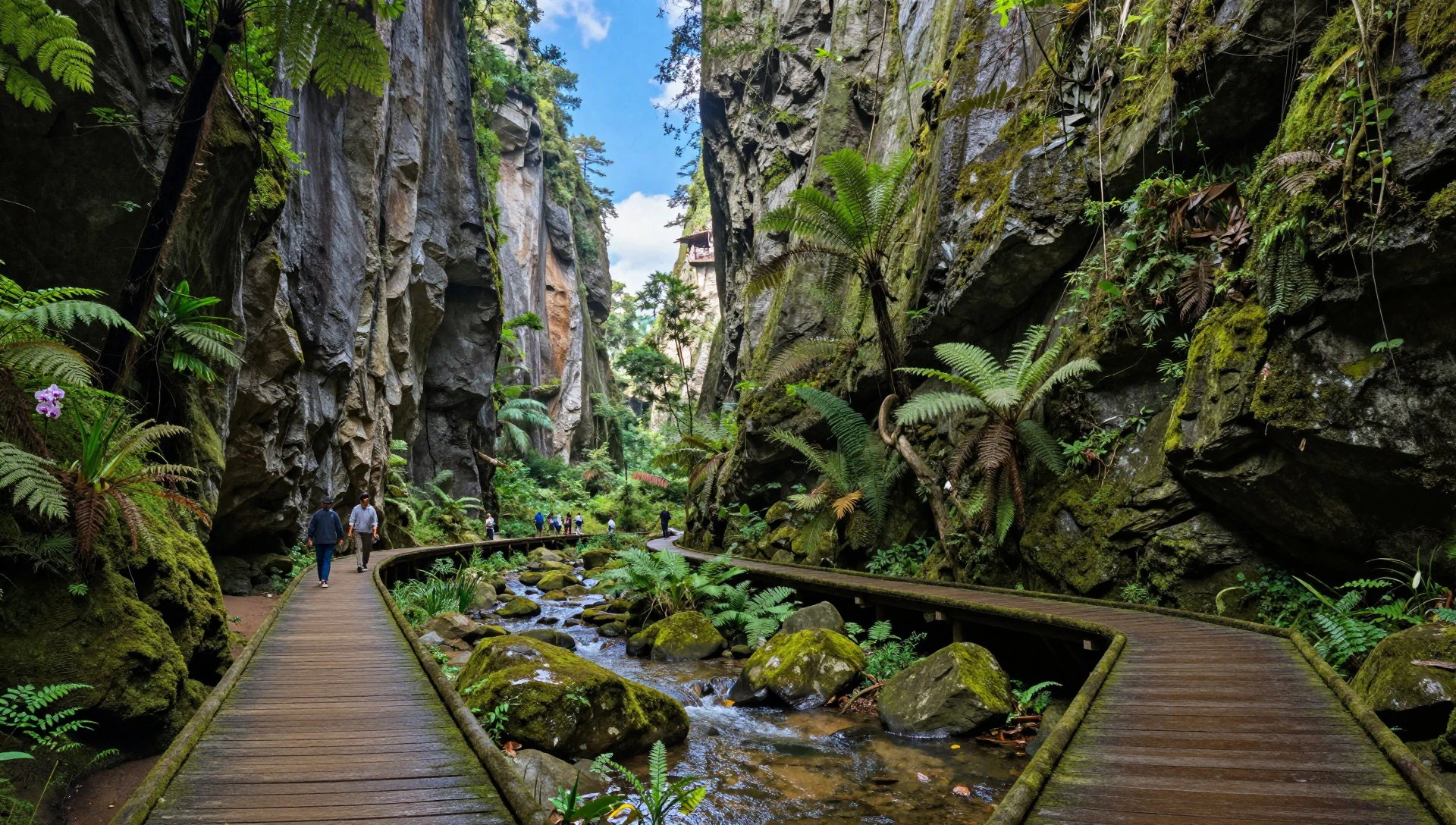
- Avatar Hallelujah Mountain — Wulingyuan Scenic Area
Stand before the famous Southern Sky Column, a towering quartz-sandstone pillar that gained global renown following its association with a blockbuster science-fiction film. The dramatic peak pierces the mountain mists, offering panoramic viewing platforms that capture the surreal silhouette of the stone column against deep valley backdrops.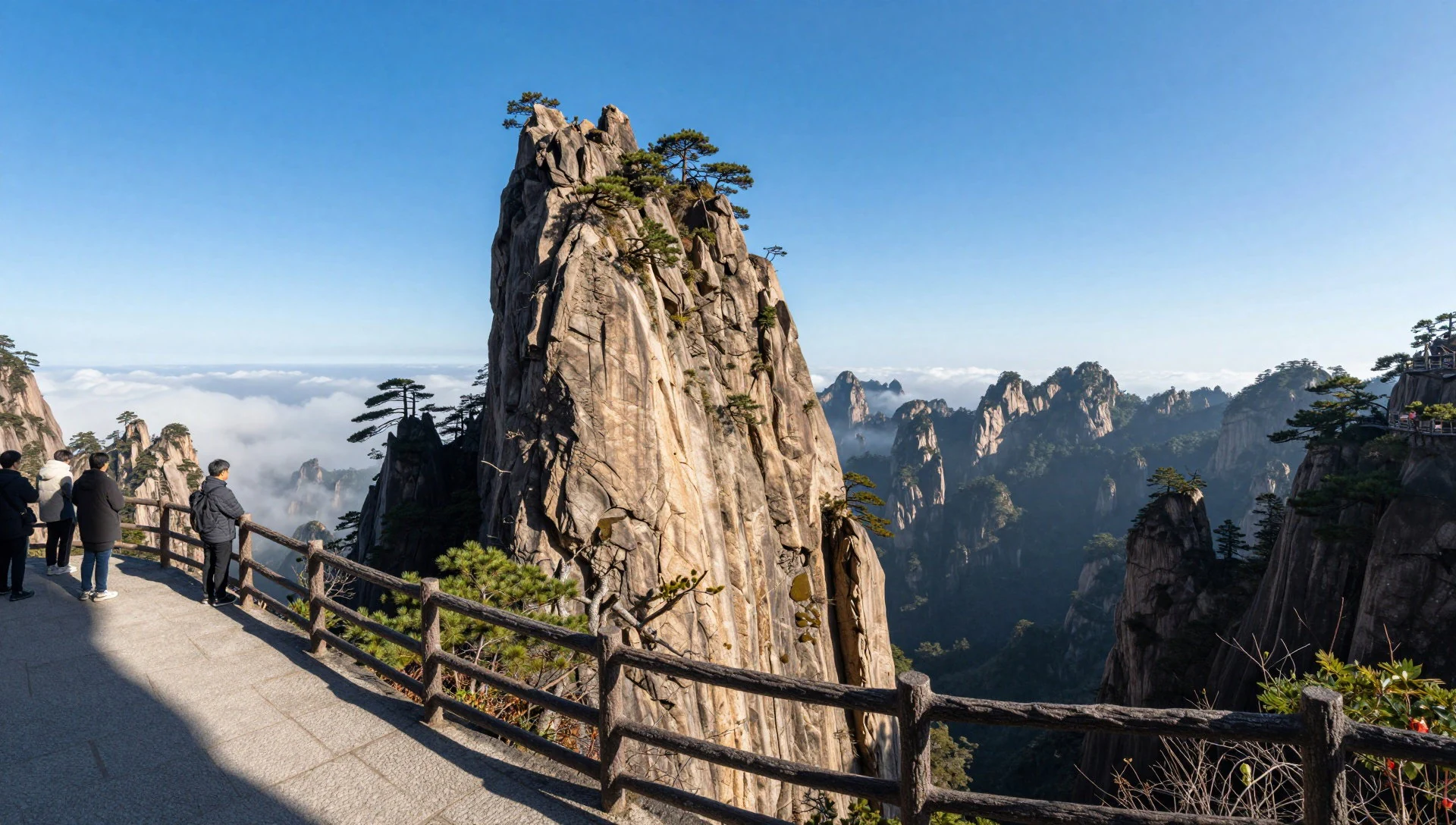
- Bailong Elevator — Wulingyuan Scenic Area
Ascend a sheer cliff face via a towering outdoor glass lift built directly into the side of a quartz-sandstone pillar. The engineering marvel climbs rapidly alongside vertical rock walls, providing fast transit to upper plateau trails while granting sweeping views across deep ravines and distant peaks during the ride.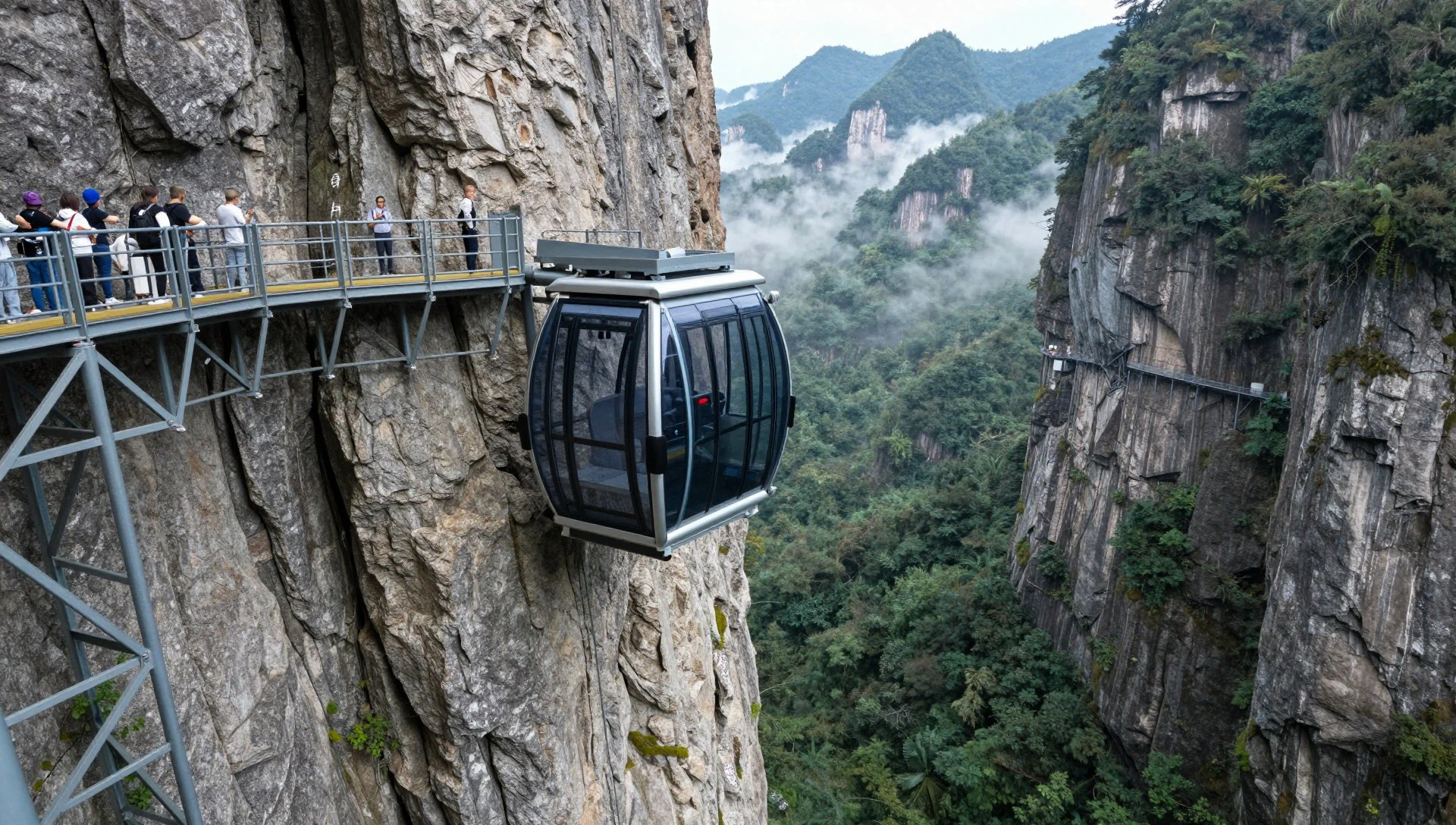
- Mount Tianzi Shan — Wulingyuan Scenic Area
Gaze across panoramic vistas from high-altitude viewing pavilions perched atop expansive mountain ridges. Named after a historical local rebellion leader, this section of the park features sweeping cloud seas, jagged stone peaks, and stone pathways that weave across dramatic overlooks and forested crests.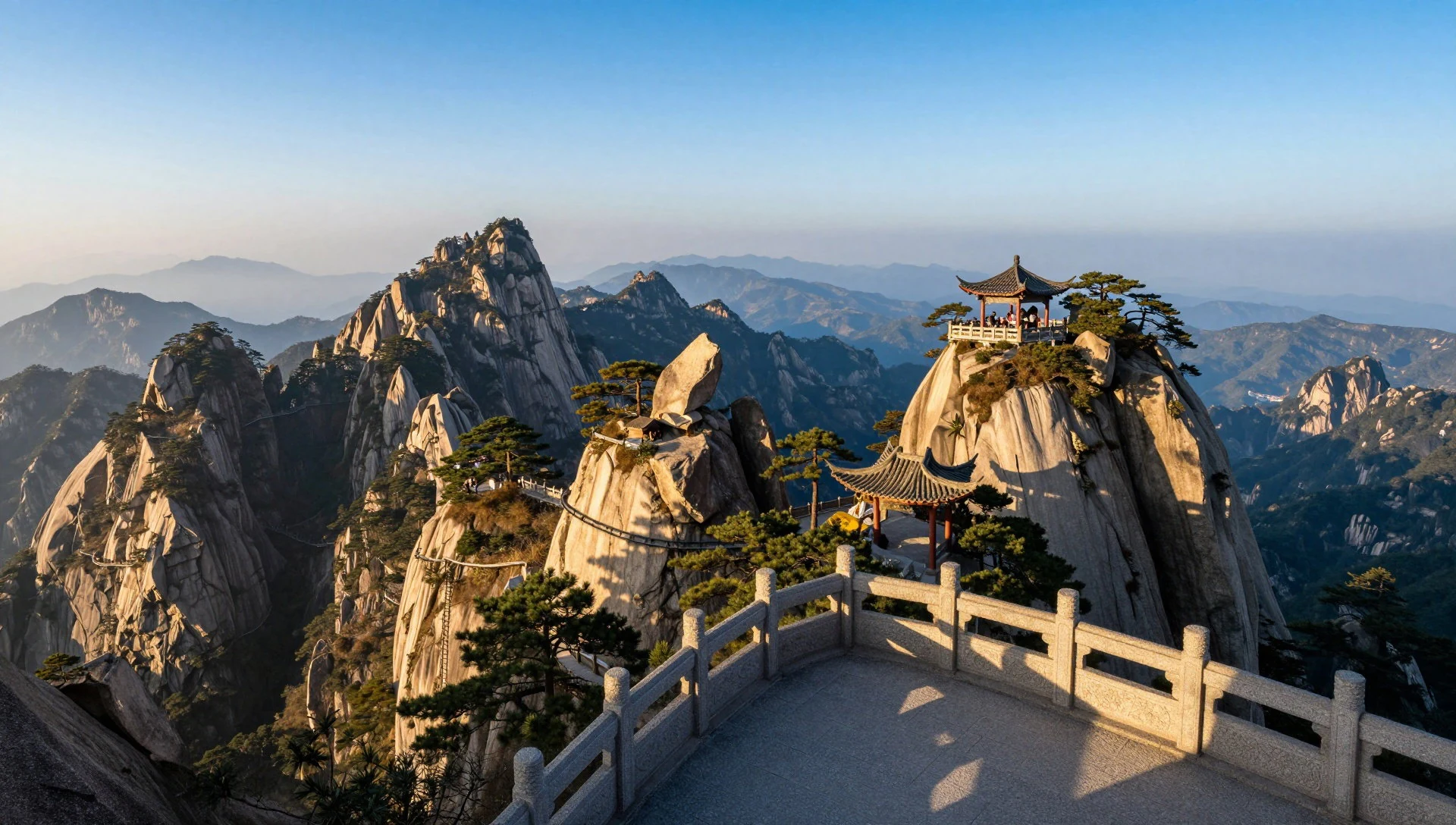
- Yangjiajie Scenic Area — Yangjiajie
Explore rugged frontier ridges and steep stone stairways located along the western ramparts of the park. Historically used as a mountain fortress stronghold by ethnic minority clans, this quieter sector features narrow canyon clefts, sheer rock walls, and wilder hiking paths away from the main tourist crowds.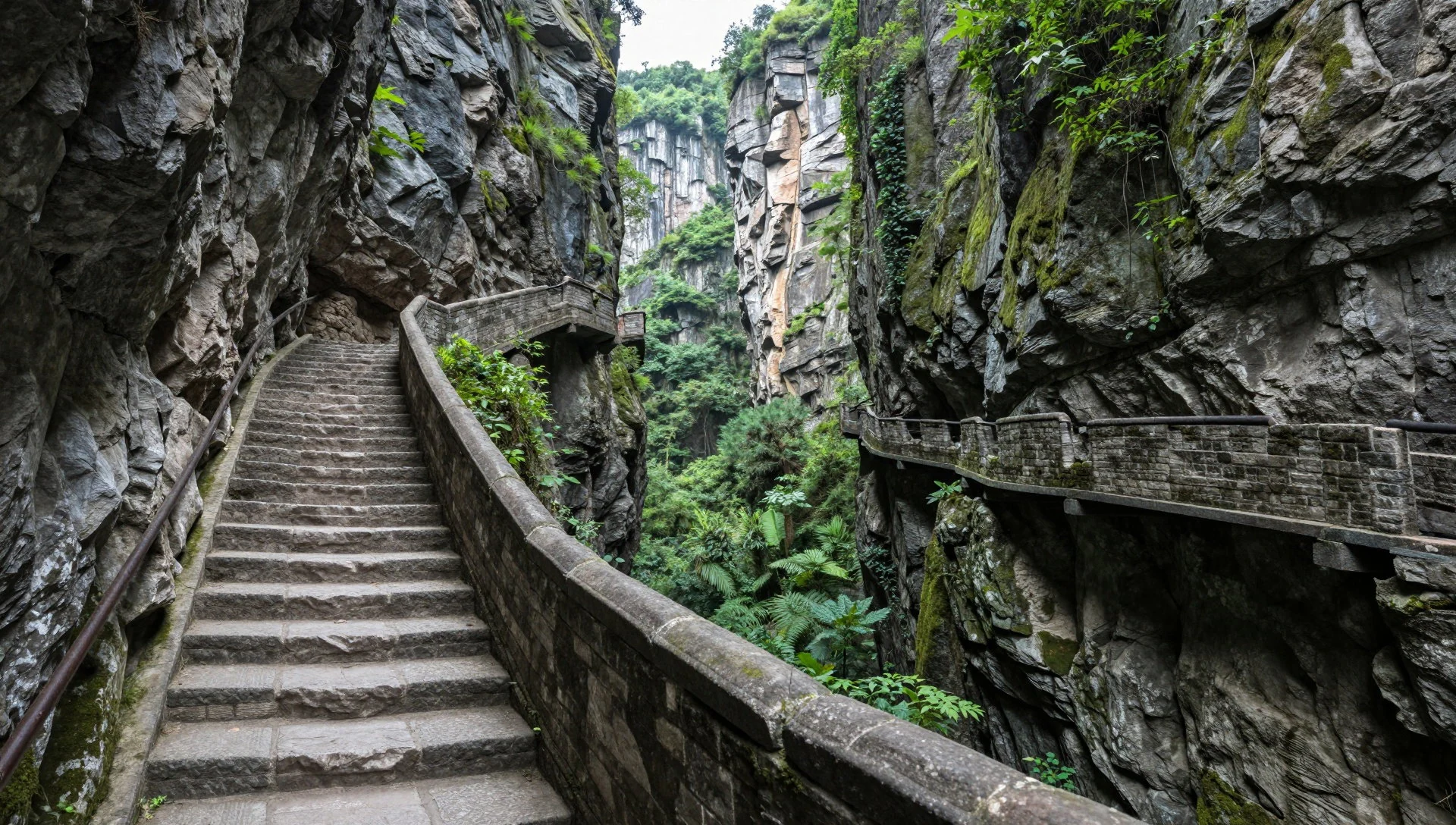
Culture
Zhangjiajie sits within Hunan Province, a region historically shaped by the cultural heritage of ethnic minority communities including the Tujia, Miao, and Bai peoples. Traditional village life in the surrounding valleys revolves around agrarian customs, distinctive stilt-style wooden architecture known as diaojiaolou, and vibrant textile traditions featuring intricate hand-woven brocades with geometric patterns. Local music and spirited folk dances, such as the hand-waving dance of the Tujia people, are preserved during seasonal festivals and community gatherings. Visitors today encounter a blend of modern tourism services alongside traditional crafts sold in mountain markets, where artisans display handmade silver ornaments and woven hemp goods. When visiting local communities or sacred natural sites, respect local customs, ask permission before photographing residents, and dress modestly out of respect for regional traditions.
What to wear
Traditional dress in the Zhangjiajie region is deeply rooted in the textile heritage of the Tujia and Miao ethnic minorities, who historically cultivated cotton and hemp to produce indigo-dyed garments, pleated skirts, and jackets adorned with elaborate cross-stitch embroidery and silver ornaments. While these traditional costumes are primarily reserved for festivals, weddings, and cultural performances today, older villagers in outlying mountain settlements still wear elements of everyday ethnic attire. Local residents now dress in standard contemporary casual clothing suited for rural towns and urban centres. For visitors exploring the park, practical outdoor wear is essential. Sturdy, grip-soled walking boots or hiking shoes are mandatory for navigating steep stone steps and damp mountain trails. Weather in the mountains changes rapidly, so lightweight waterproof layers, moisture-wicking fabrics, and a warm fleece for higher elevations are recommended regardless of the season. Modest attire covering shoulders and knees is appreciated when visiting rural villages outside the main park boundaries.
What to eat
- Tujia Smoked Bacon (La Rou) — Local village restaurants and mountain eateries
Pork belly cured with salt and spices, then slowly smoked over pinewood fires hanging from farmhouse ceilings until deeply flavoured and chewy. Find this staple specialty in local eateries and family-run restaurants throughout the mountain villages.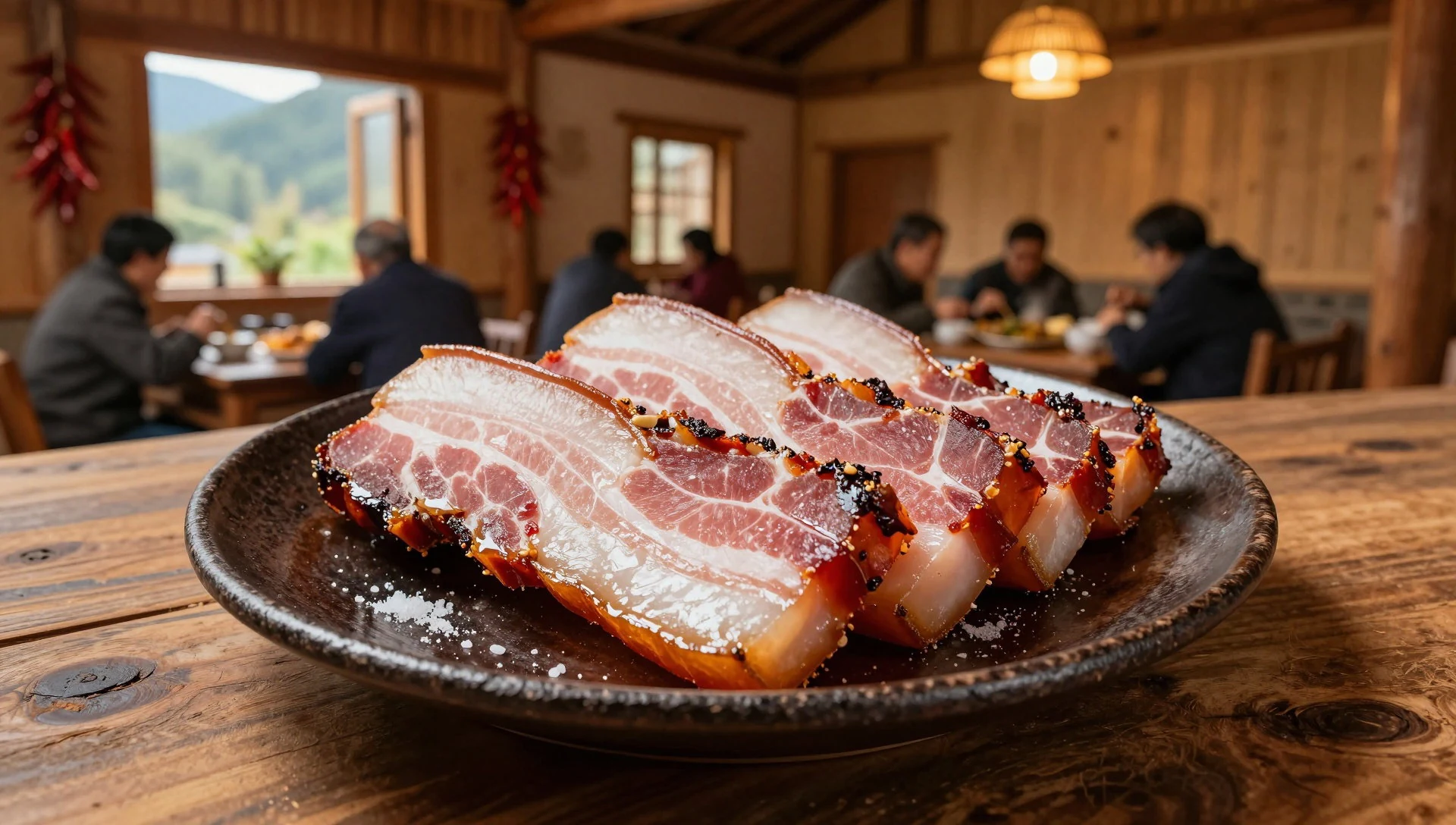
- Sanxiaoguo (Three-Down Pot) — Traditional dining houses in Zhangjiajie City
A hearty, bubbling hotpot combining pork, beef, or tripe with tofu, Chinese cabbage, and local mountain mushrooms simmered in a rich, spicy broth flavoured with dried chillies and Sichuan pepper. Look for this comforting dish in traditional dining houses.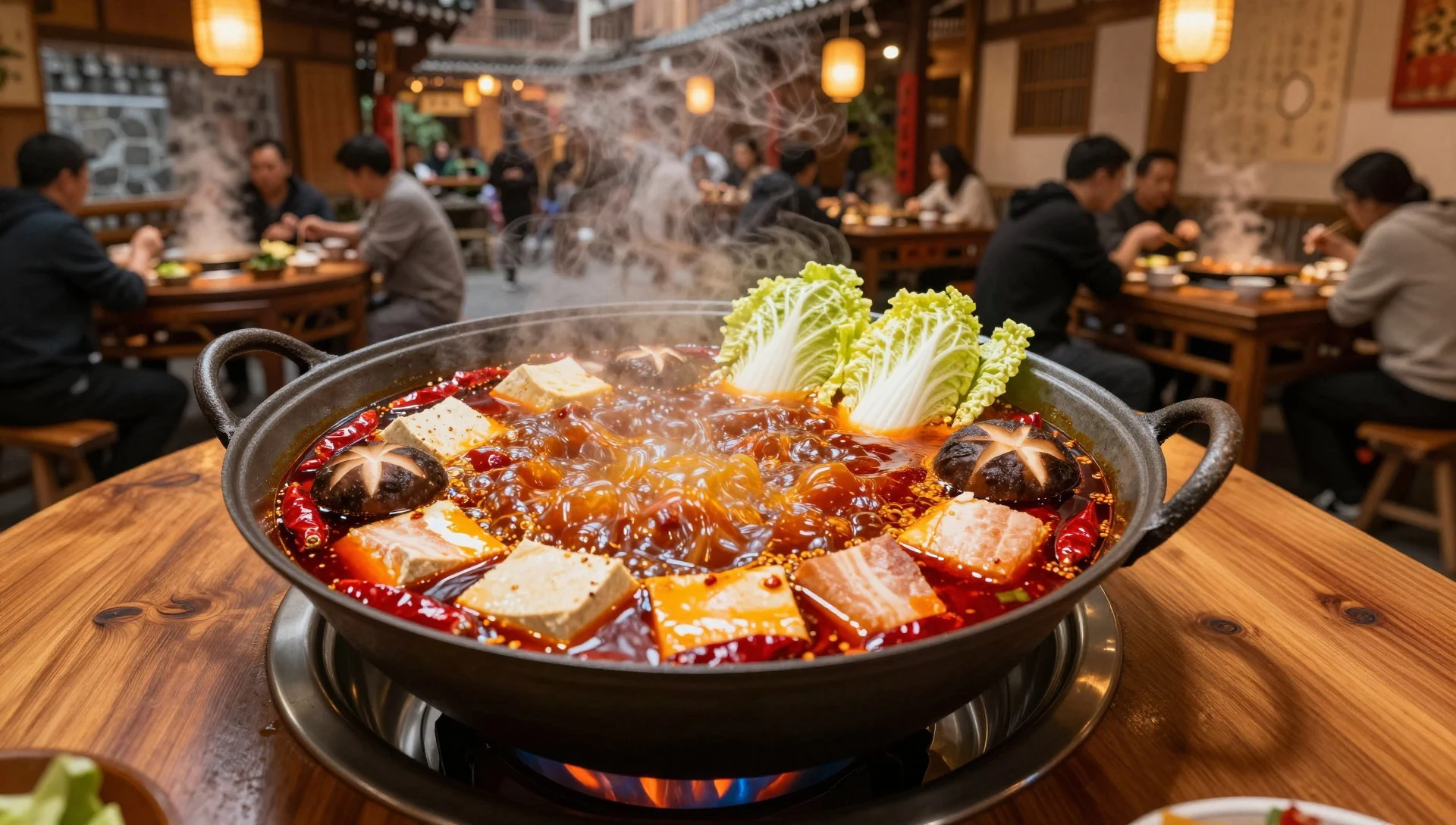
- Tujia Sour Fish — Riverside restaurants near the park gates
Fresh river fish fermented with sticky rice, salt, and chilli powder, then pan-fried or steamed into a tangy, spicy dish that reflects traditional preservation methods. Enjoy this distinct regional delicacy at riverside eateries. - Glutinous Rice Cake (Ciba) — Street vendors near Zhangjiajie Central Bus Station
Pounded sticky rice cakes shaped into flat rounds, fried until crispy on the outside and soft within, and typically dusted with soybean flour and brown sugar. Purchase these warm snacks from street vendors near market stalls.
Plan it
Best time. March and November offer the most comfortable temperatures and clear mountain views; July and August are the hottest months, June and July the wettest, while winter brings cold mist and occasional snow.
How long. 3
Getting there. Fly into Zhangjiajie Hehua International Airport or take a train to Zhangjiajiexi Railway Station, then board a direct bus to the national park.
Budget. mid
Tips
- Start park visits early in the morning to avoid peak tour group queues
- Wear sturdy walking boots with good grip for thousands of steep stone steps
- Carry cash for small shops and ticket booths in remote areas
- Check weather forecasts before ascending high mountain viewpoints
Etiquette
- Ask permission before photographing local residents in mountain villages
- Dress modestly when visiting rural communities outside the scenic area
Nearby
Sources
- Wikidata Q3895620 (CC0)
- Wikipedia (CC-BY-SA 4.0)
- Wikivoyage (CC-BY-SA 4.0)