Dalanzadgad
Dalanzadgad, Mongolia
Dalanzadgad is the practical gateway to the Gobi, a quiet desert town for stocking up before canyons, fossils and green valleys.
The place
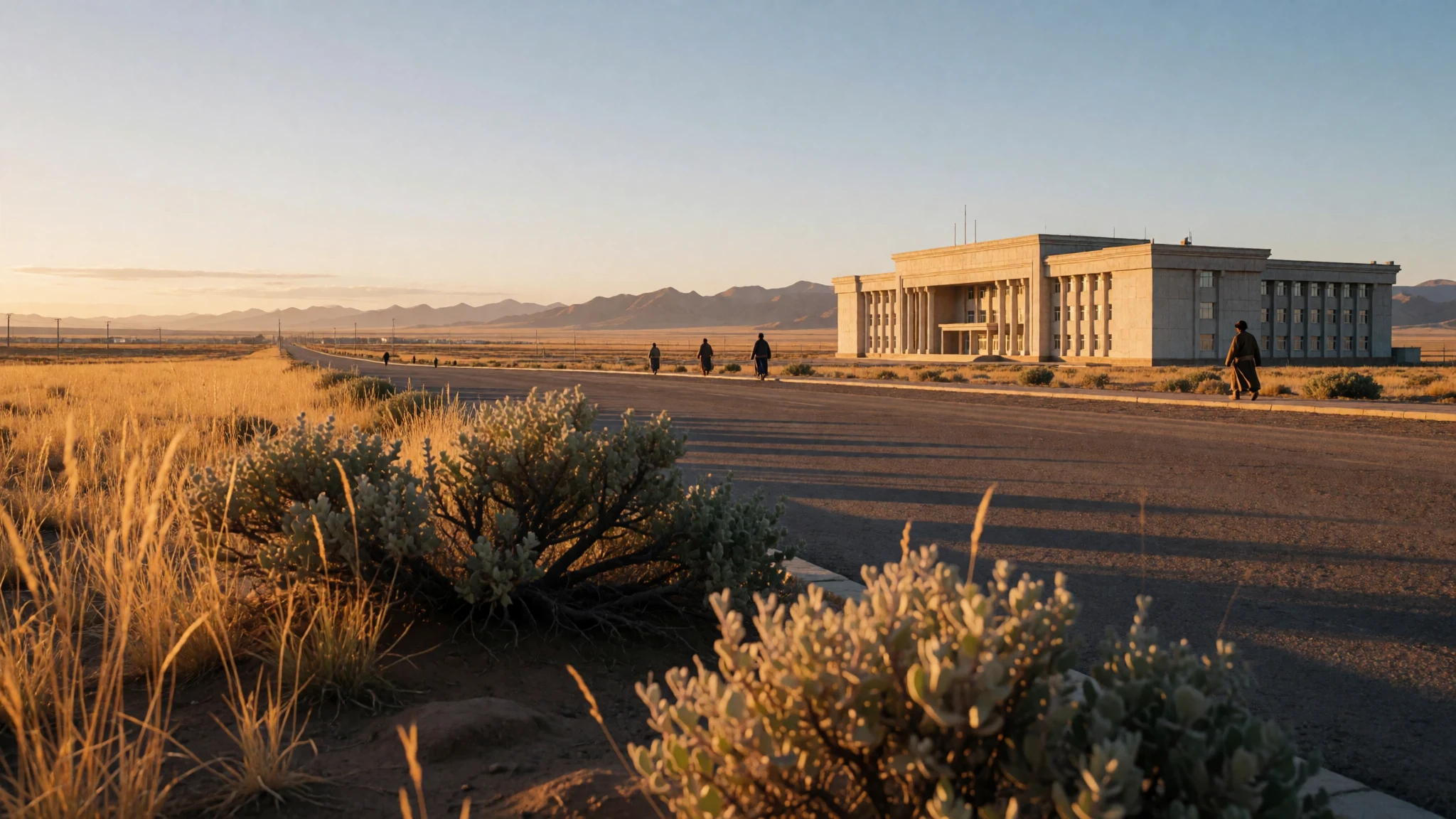
Dalanzadgad is the administrative capital of Ömnögovi Province, a desert-steppe region in southern Mongolia, and it stands at 1,470 m above sea level. About 19,000 people live here, which is small by most standards, though in the Gobi it counts as the big town. The streets are wide and low-rise, with an aimag administration building, a new shopping centre, a children's park, a museum and a small airport that links the town to Ulaanbaatar. Beyond the last buildings the land opens into gravel plain, scattered shrub and distant mountains. Nobody comes to Dalanzadgad for the town alone. It works as a supply point and staging post: tour operators stock up, drivers refuel, and travellers sort out food and water before heading to canyons, dunes and valleys farther out. A day here is still well spent. The museum gives context for the dinosaur fossils the province is known for, the supermarkets are useful for provisions, and evenings are quiet and unhurried. The climate is cold desert, with cold winters and warm summers, and by Mongolian standards the town is mild in winter. Distances in the province are large and tracks outside town can be rough, so most visitors travel with a driver. The name is usually translated as 'seventy springs', a reminder of how much water matters in this part of the Gobi. Expect dust, big skies and very few people.
Its story
The story of Dalanzadgad is bound up with water and movement in the Gobi. Its name, usually rendered as 'seventy springs', points to the reason a settlement could take root here at all: in a desert, a place with reliable water draws herders, animals and eventually officials. Mongolia's southern herders have long moved camels, goats and sheep across this country, following grazing rather than fixed addresses, and a town like Dalanzadgad grew as the point where that mobile life meets roads, schools, clinics and government offices. Today it is the seat of the province's administration, and its main buildings reflect that role. The wider landscape holds a far older story. Khermen Tsav canyon, a long drive from town, was an ocean bed millions of years ago. After the water was gone, wind and rain carved the red rock into odd, moon-like shapes, and the exposed layers have yielded dinosaur bones and eggs. Local accounts say the first full dinosaur skeleton was found there. That fossil heritage explains why a small desert capital has a museum of nature and history, and why palaeontology is part of the province's identity. The rhythm of life still follows the seasons and the herding year, even as new shops open in town. Visitors who expect an old walled settlement find something plainer: a working outpost at the edge of an enormous landscape, where the past is written in rock rather than in streets.
What to see
- Gobi Museum of Nature and History — Central Dalanzadgad
The town's main museum is the best first stop for making sense of the surrounding desert. It covers the natural history of the Gobi and the human story of the province, and it helps put the dinosaur finds of the region in context. Check locally for opening times before planning around it.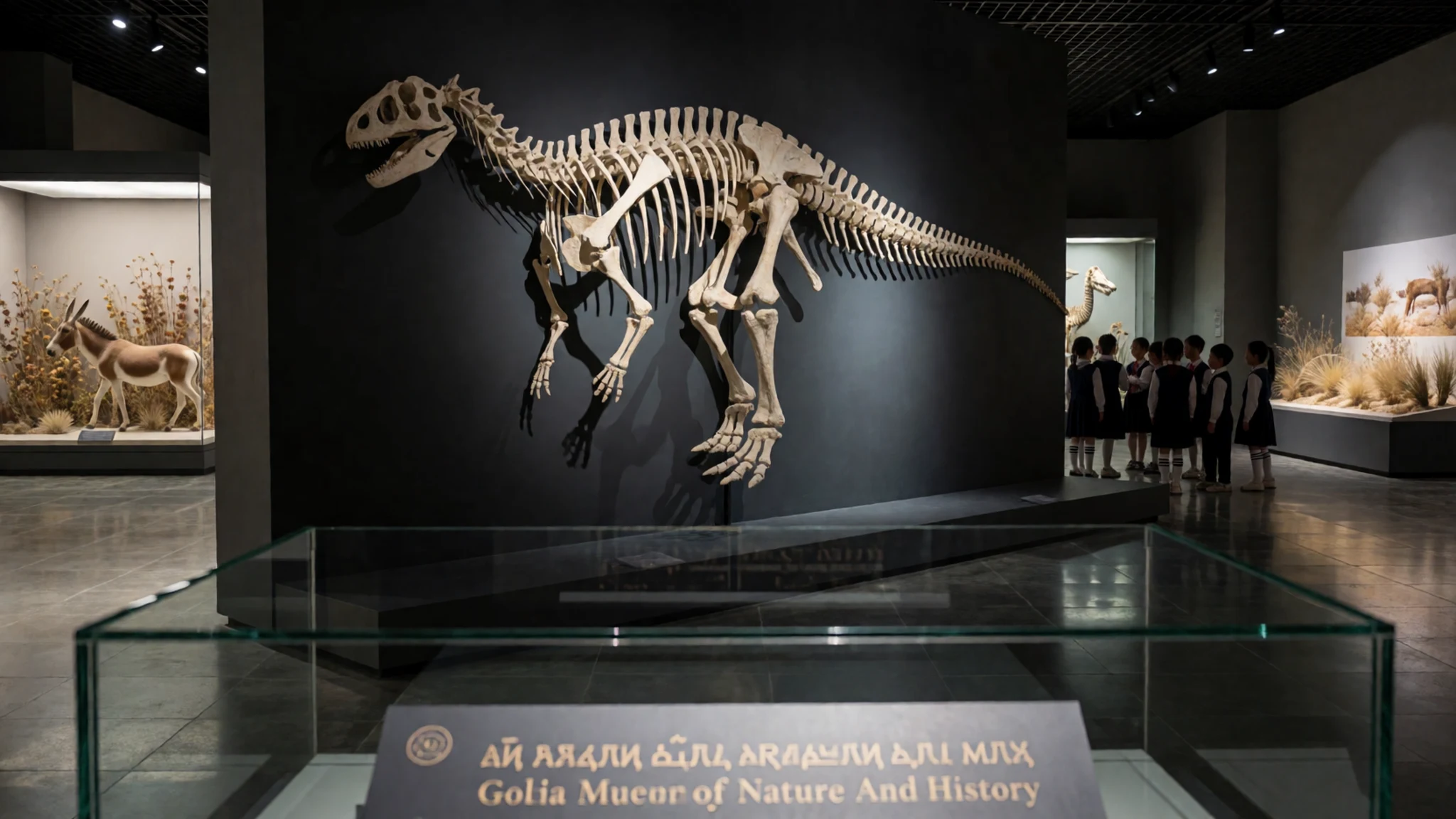
- Ömnögovi Province Culture and Recreation Centre — North-west of the centre
This is the town's public venue for performances, events and community life, and it shows Dalanzadgad as a living provincial capital rather than a tourist stop. Whether anything is on depends on the day, so ask at your accommodation. Even from outside, it gives a feel for the town's civic centre.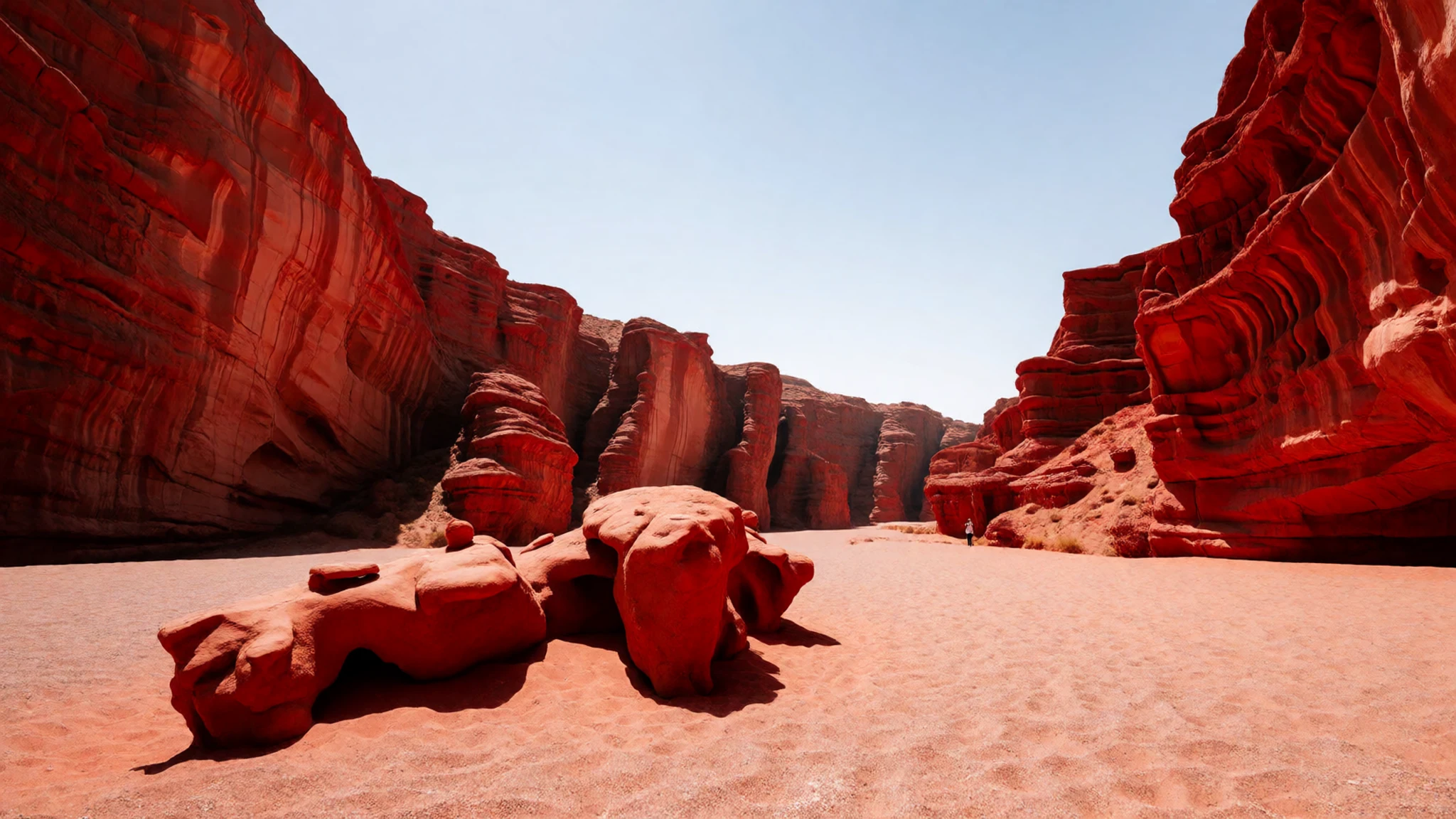
- Dalanzadgad Temple — Dalanzadgad town
A small Buddhist temple in town, useful for seeing how religious life continues in a modern Mongolian provincial centre. It is a modest place, not a grand monastery, and it is best visited quietly and briefly. Ask locally about when it is open, and dress respectfully if you go inside.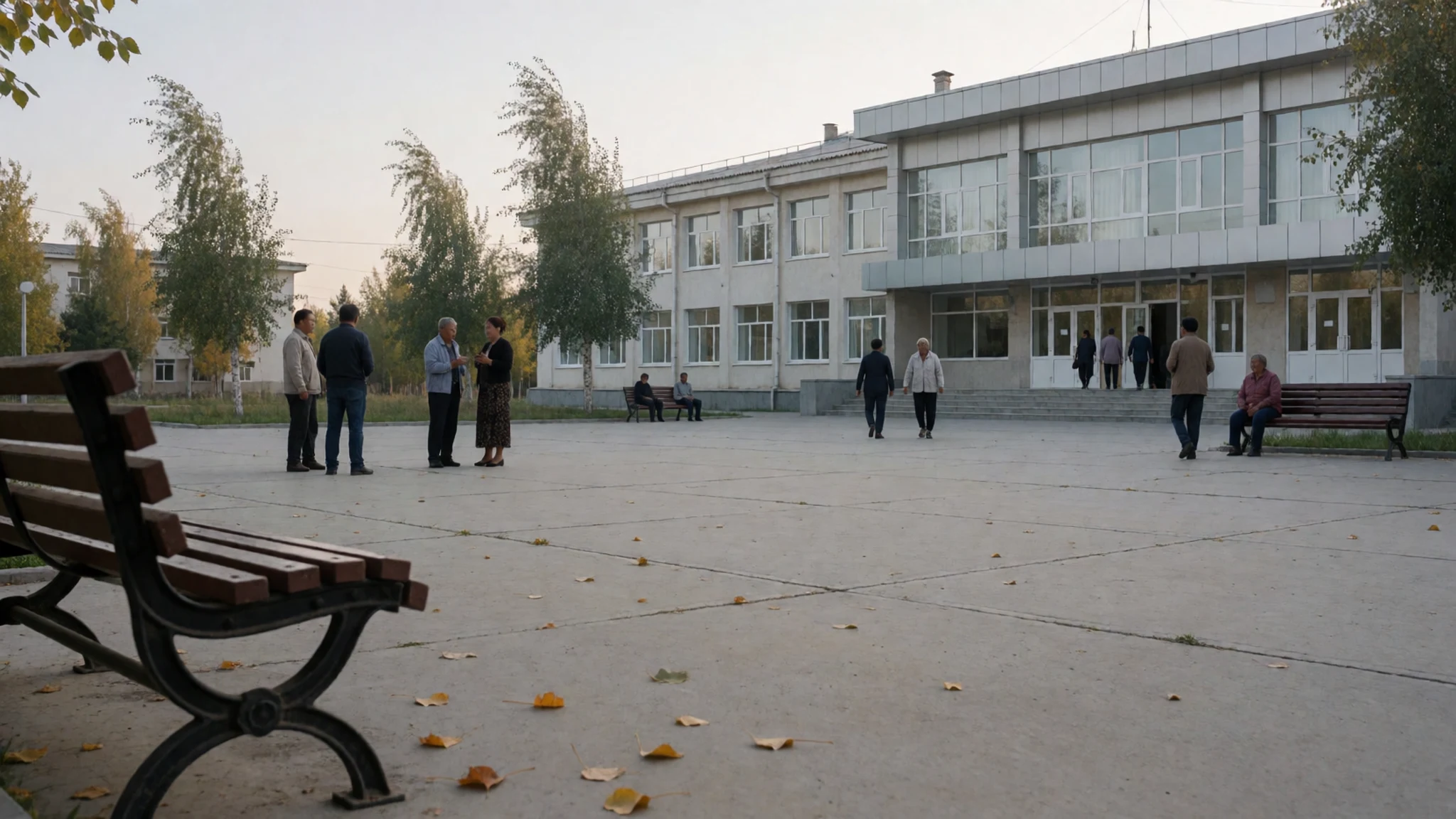
- Khermen Tsav Canyon — Remote Ömnögovi, far from town
A red-walled canyon roughly 450 km from Dalanzadgad, reached on a long desert journey rather than a day trip from town. Once an ocean floor, it was shaped by wind and water into moon-like forms, and it is known for dinosaur fossils and eggs. Go with an experienced driver and plan for overnight stays.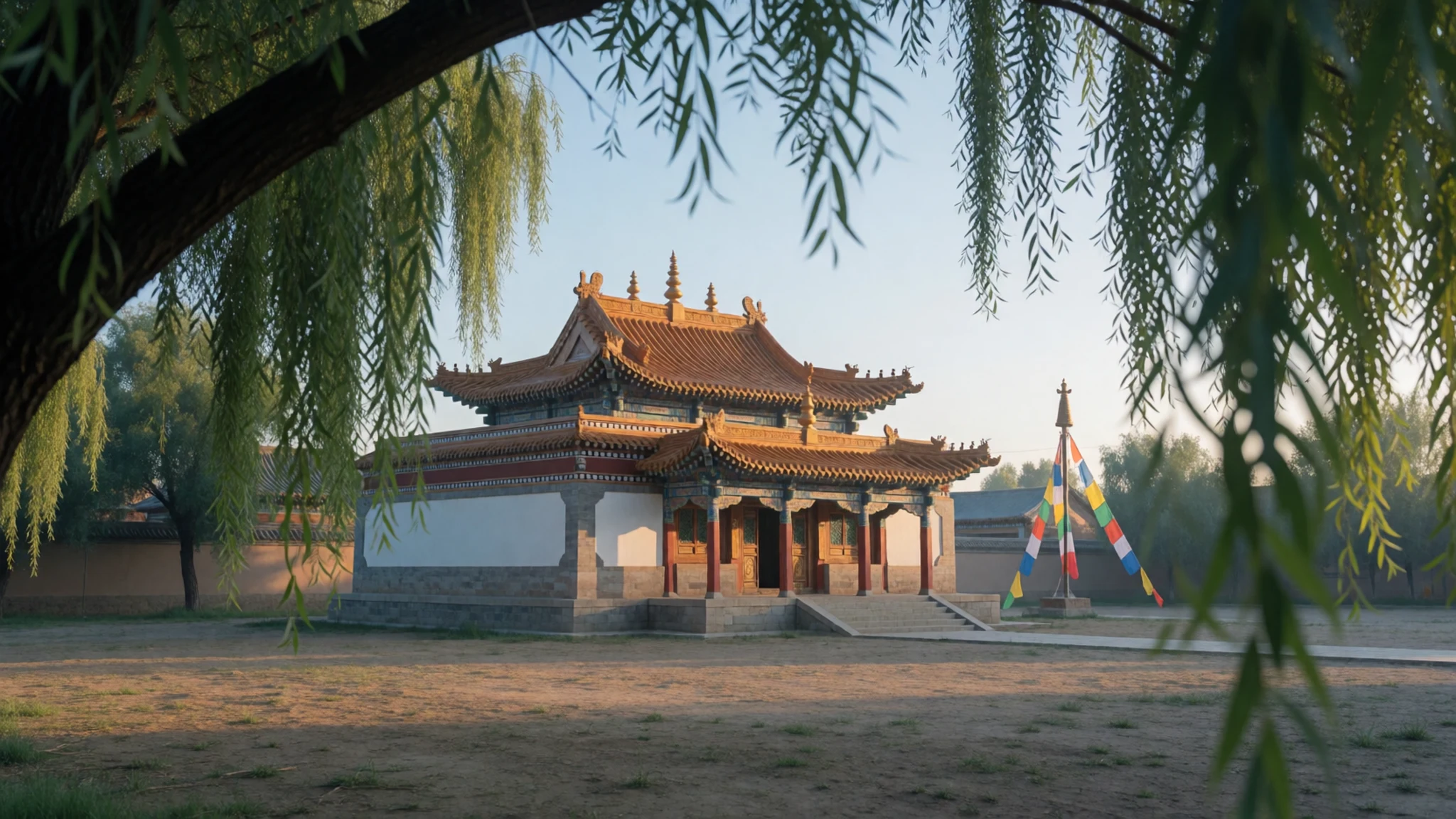
- Yolyn Am valley — Near Dalanzadgad
Near Dalanzadgad, this valley has a steppe micro-climate quite unlike the dry country around it, with running streams and lush grass. It is a popular excursion because the contrast with the surrounding desert is so strong. Weather can change quickly, so bring layers and check conditions with your driver.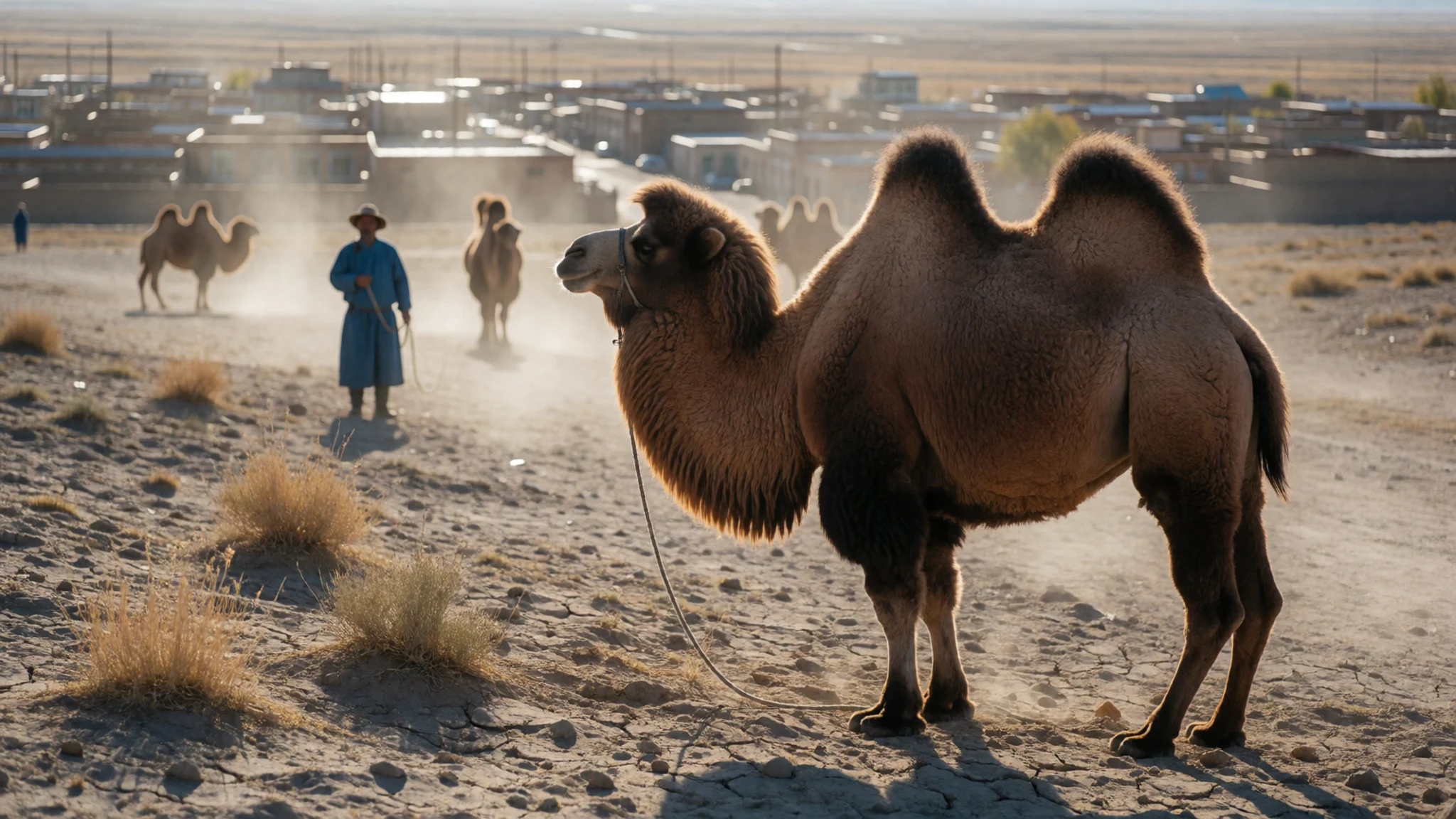
Culture
Dalanzadgad sits in a country where herding is still the backbone of rural life, and the culture of the town cannot be separated from that of the surrounding Gobi. Many residents have family ties to herding households, and camels, goats and sheep remain part of the local economy and identity. Hospitality is central. A visitor invited into a ger, the round felt tent of the steppe, will usually be offered tea, dairy products or something to eat, and refusing outright can seem cold. Buddhism has deep roots in Mongolia, and the small temple in town is part of a wider tradition of prayer, offerings and respect for sacred places, alongside older beliefs in the spirits of mountains, springs and open land. Water is treated with real care in a desert province, and that attitude shows in how people talk about springs and wells. Public life in town runs at an easy pace. Shops, offices and the culture centre give it the feel of a provincial capital, while the people you meet in markets and on buses often have stories about distant pastures and family camps. Mongolian is the language you will hear, with some English among tour staff and ticket agents. Learning a few greetings is welcomed, and patience goes further than hurry. When you enter a ger, step over the threshold rather than on it, and accept food or tea with your right hand or both hands.
What to wear
In Dalanzadgad, the traditional dress of the Mongolian steppe is the deel, a long, wrap-over robe with a high collar, fastened at the side and tied with a bright sash. It is made from wool, cotton or silk, with heavier lined versions for winter, and colours range from deep blue and burgundy to green. Herders wear it daily, and townspeople put it on for festivals, family celebrations and the summer Naadam season. Traditional boots, called gutal, are leather with upturned toes, and felt hats and fur-trimmed caps appear in the cold months. Day to day in town, most people dress as they would in any small city: jeans, jackets, fleeces and sturdy shoes, with warm coats and hats in winter. Practical clothing matters more than style when the wind blows dust across the plain. Visitors should dress in layers, because desert days can be warm and evenings cool, and winters are cold even though Dalanzadgad is mild for Mongolia. Bring a sun hat, sunglasses and a scarf or buff for dust. Closed, comfortable shoes or light boots suit rough ground, gravel and canyon walks. At the temple, cover shoulders and knees and remove hats. Modest clothing is not essential in town, but it is appreciated in homes, ger camps and religious sites.
What to eat
- Buuz — Local canteens and the town market
Steamed dumplings filled with minced meat, usually mutton or beef, with onion and a little seasoning. They are eaten with the fingers and are a staple of family meals and celebrations. Look for them in simple local canteens and market eateries, often served in generous plates.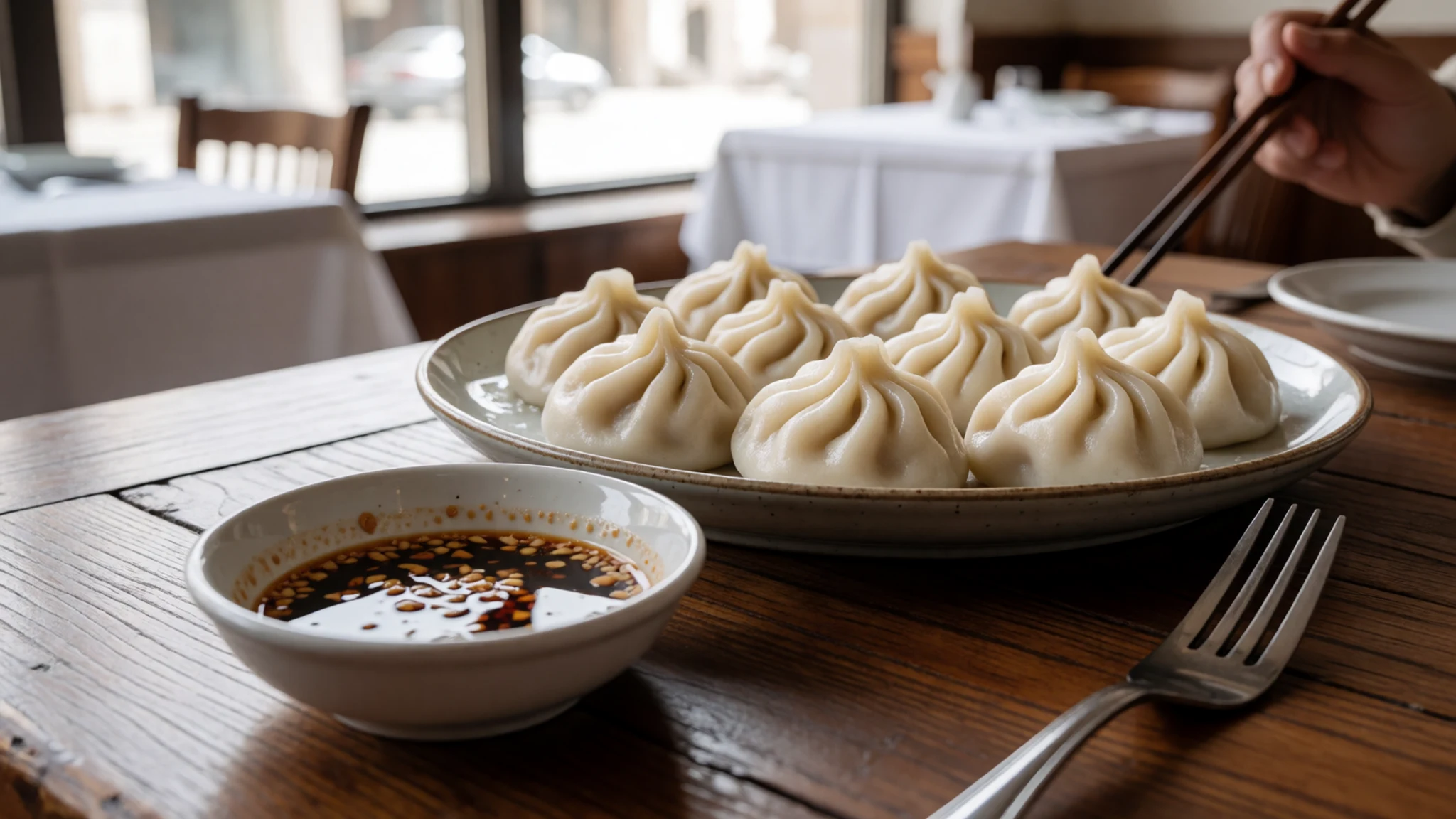
- Khuushuur — Canteen-style eateries and stalls near the market
A flat, fried pastry parcel of minced meat, crisp at the edge and juicy inside, and good for a quick lunch or a road-trip snack. It is best eaten hot, so ask for a fresh batch where you can see it being cooked.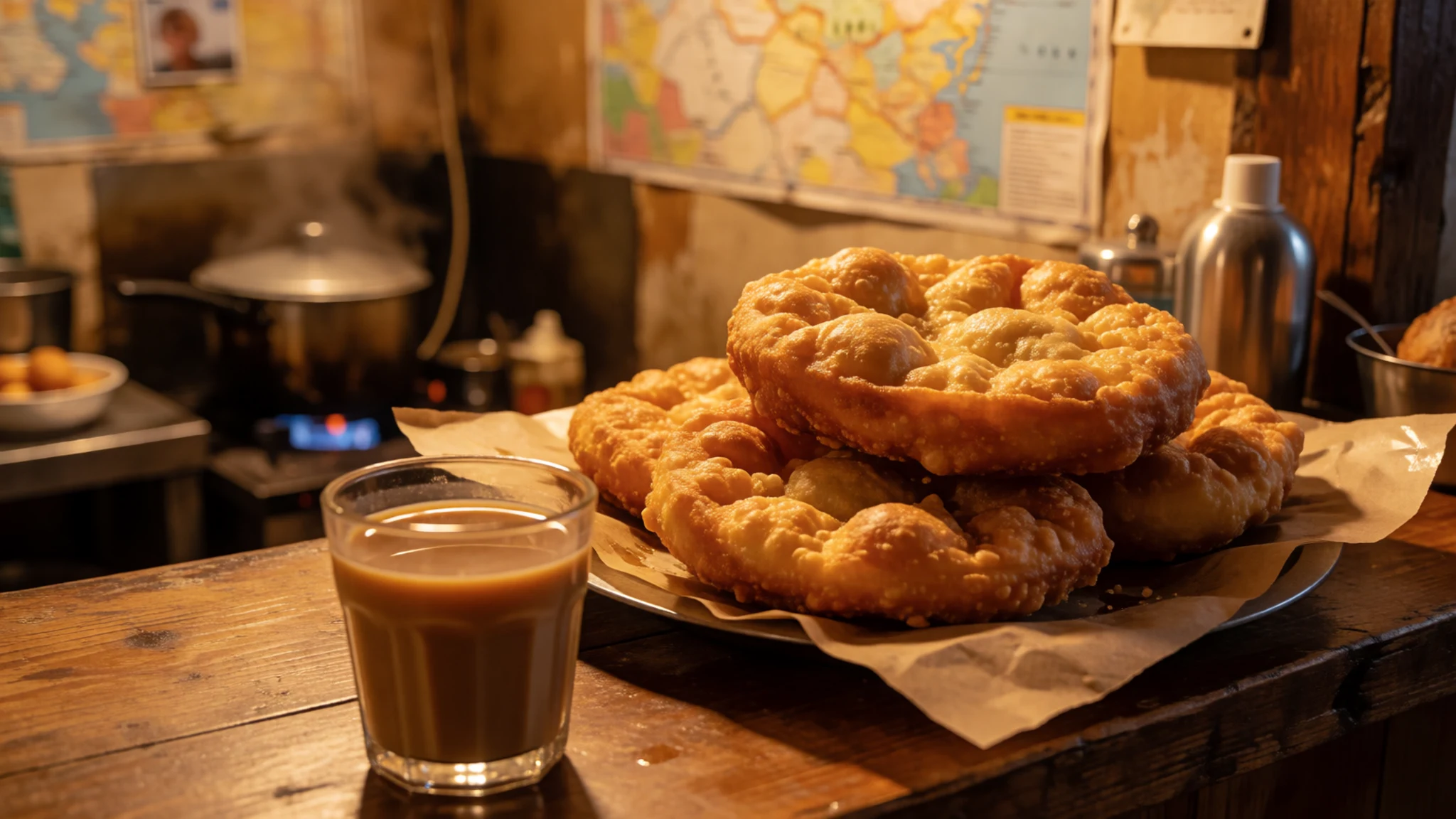
- Tsuivan — Ordinary restaurants and local canteens in town
Stir-fried or steamed hand-cut noodles with meat and a few vegetables, such as carrot and cabbage. It is hearty, filling food that suits a day of travel across the Gobi. Portions are often large enough to share. - Suutei tsai — Ger camps, homes and small cafés
Milk tea with salt, the everyday drink of Mongolian households. It tastes savoury rather than sweet and takes a little getting used to, but it is warming and offered almost everywhere. Expect it in any ger or home you visit. - Airag — Herder family camps in the warmer months
Fermented mare's milk, mildly fizzy and sour, traditionally made in summer by herding families. It is an acquired taste, so try a small bowl first. It is more likely to appear at a herder's camp than in town restaurants.
Plan it
Best time. May–June and September are the most comfortable, with warm days and cool nights. July and August are the warmest months, while winters are cold, though Dalanzadgad is mild by Mongolian standards.
How long. 2–3
Getting there. Dalanzadgad has its own small airport, with flights from Ulaanbaatar sold through local agents and airlines, so check the current schedule. By road, buses leave from the Bayanzurkh bus station in Ulaanbaatar twice daily and take about 10 hours. Minibuses from the Black Market are cheaper but slower and crowded.
Budget. mid
Tips
- Book flights and Gobi tours ahead in summer, when seats and drivers fill up.
- Carry cash, as cards may not work outside town, and top up supplies from the supermarkets before leaving.
- Bring plenty of drinking water and sun protection, because shade is scarce.
- Hire an experienced driver for remote sites such as Khermen Tsav; tracks are rough and distances are long.
Etiquette
- Ask before photographing people, their animals or their ger.
- Accept tea or food offered in a home, using your right hand or both hands.
- Dress respectfully at the temple and remove hats before entering.
Nearby
Sources
- Wikidata Q822808 (CC0)
- Wikipedia: Dalanzadgad (rev 1378616187) (CC BY-SA 4.0)
- Wikivoyage: Dalanzadgad (rev 5350238) (CC BY-SA 4.0)
- Photo: Dalanzadgad, Mongolia (Yastanovog) (CC BY-SA 4.0)
- Photo: Flag of Dalanzadgad City/Sum (CC0 1.0)
- Photo: Dalanzadgad sum location map (MongolWiki) (CC0 1.0)
- Photo: Relief map of Mongolia (NordNordWest) (CC BY 3.0)
- Photo: Khulan at sunset (Qfl247) (CC BY 3.0)
- Photo: Dalanzadgad airport (Brücke-Osteuropa) (Public domain)
- Photo: Aimag administration in Dalanzadgad (Brücke-Osteuropa) (Public domain)
- Photo: New shopping centre in Dalanzadgad (Brücke-Osteuropa) (Public domain)


Wildlife
- Wild ass (animal)
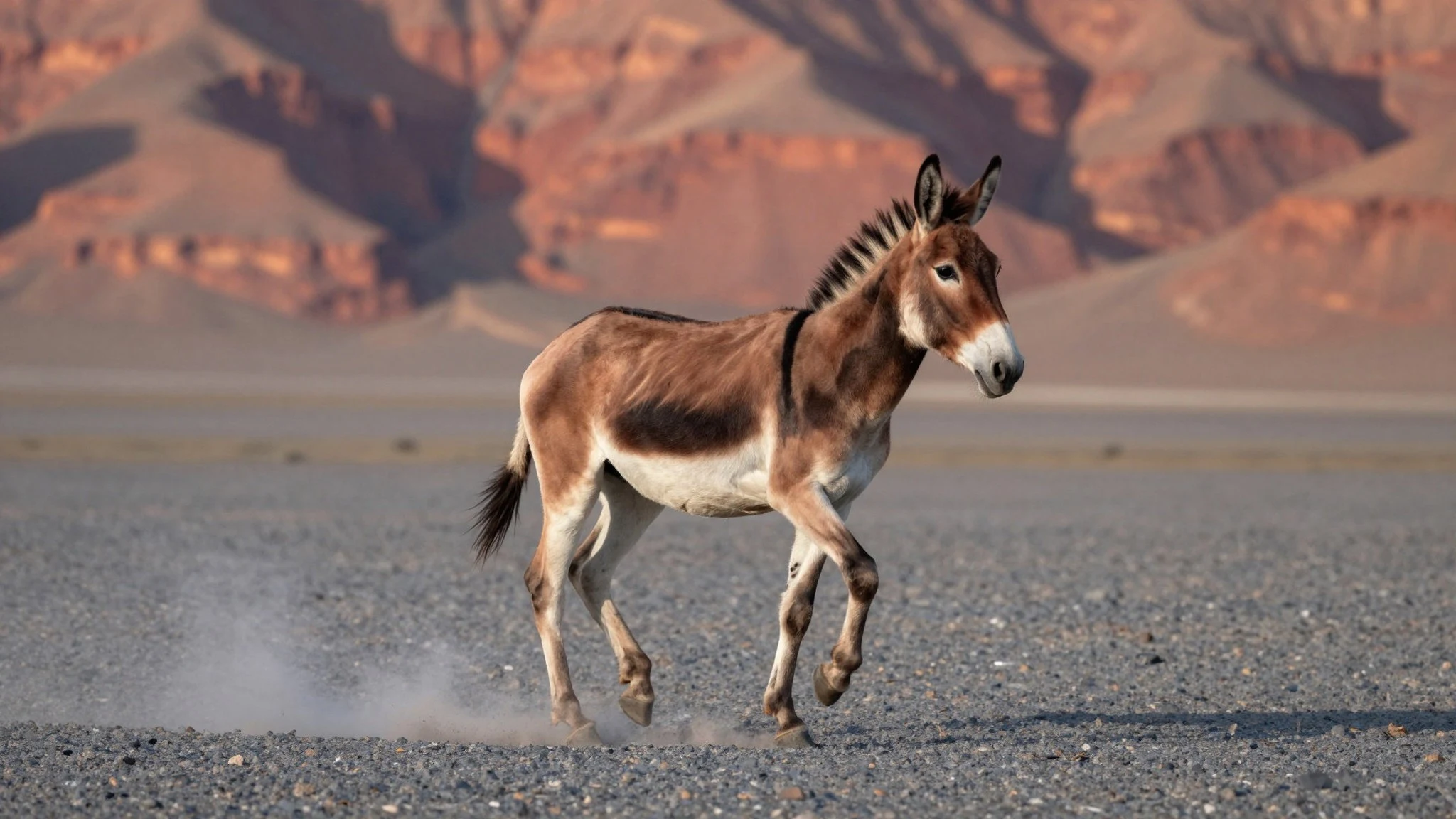
The Asiatic wild ass, or onager, is a wild cousin of the horse and the donkey: think of a shy, free donkey of Asia. Around Dalanzadgad it is elusive, so never count on a sighting. A display on Gobi wildlife there introduces it beautifully, alongside dinosaur fossils from the nearby red cliffs. If you search for it outdoors, go with a guide, keep a respectful distance, stay quiet and still, and never feed it.