Achit Lake
Achit Lake, Mongolia
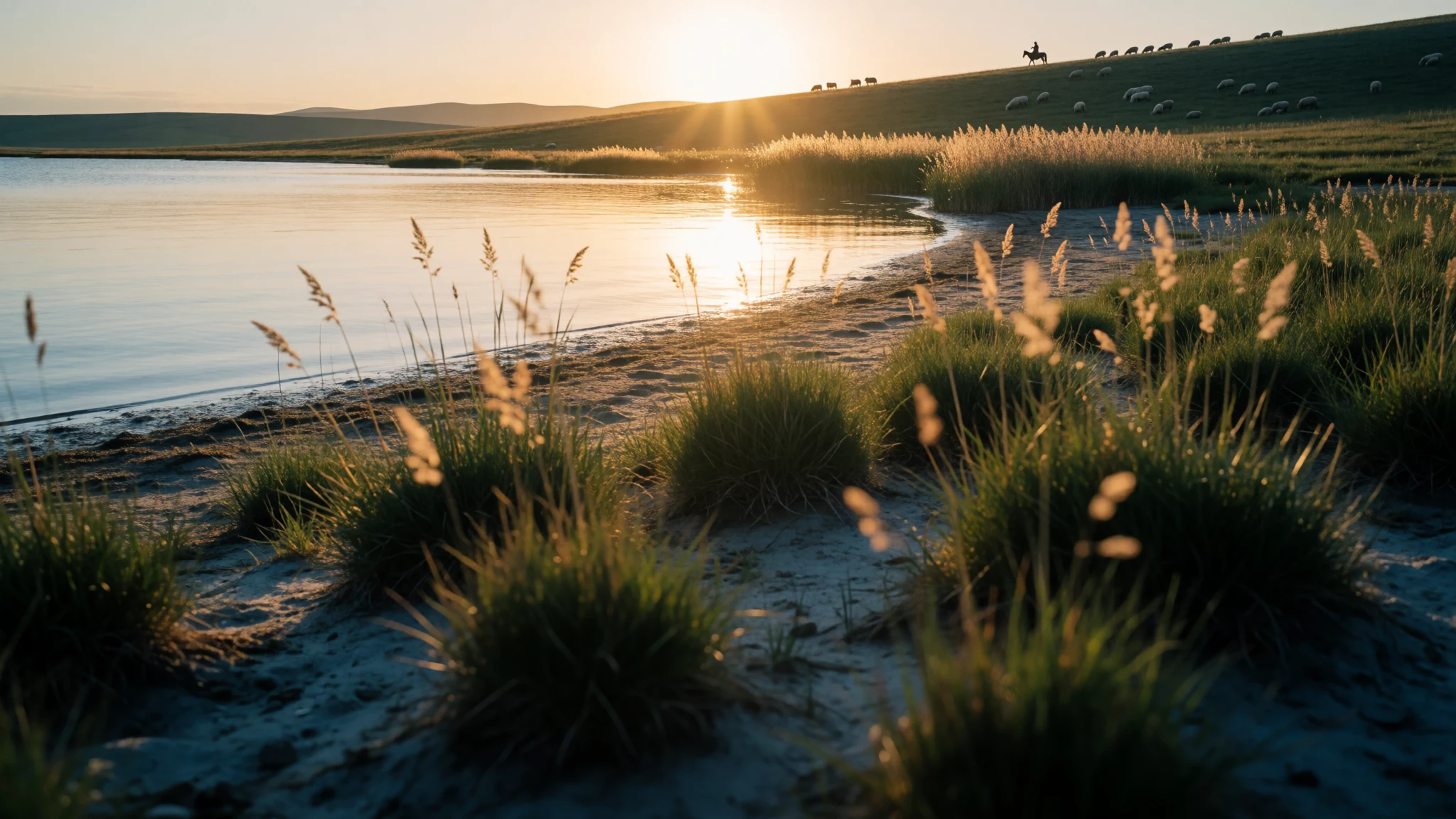
Achit Lake is a quiet freshwater lake in Mongolia's far west, where steppe, marsh and open sky come with almost no crowds.
The place
Achit Lake lies in the far west of Mongolia, a freshwater lake at 1,435 m above sea level. It sits in open country where the Altai ranges give way to broad, dry basins, and the landscape is mostly hilly grassland with very few buildings in sight. Streams and rivers run in from the surrounding slopes, and the shoreline is largely steppe: firm and grassy in many places, but marshy towards the north-west and north-east, where reeds, mud and shallow water merge. That mixture of wet edges and wide pasture makes the lake feel more like a pause in the grassland than a mountain jewel. It is quiet, spacious and plain in the best sense, and the main events are weather, light and the slow movement of herds.
Getting there is part of the experience. Western Mongolia is far from the capital, tarmac gives way to tracks quickly, and distances that look short on a map can fill a whole day in a vehicle. Few travellers come this way, so facilities are limited and a trip works best when it is self-sufficient, with a local driver or a tour operator who knows the routes. The climate is continental. Summer days can be warm or even hot, yet nights turn cool and rain can sweep in; winter is bitterly cold, and the lake country is then a place for experienced, well-equipped travellers only. Mongolia is known as the Land of Blue Skies, and on a clear day the lake's pale water against dry hills shows why the nickname stuck.
Its story
Achit Lake has no famous monument on its shore, and that absence is itself part of the story of western Mongolia. For most of its history this has been a land of herders, who moved horses, sheep and goats between seasonal pastures and left their mark in stone rather than in cities. Across the country, standing stones and rock drawings, some thousands of years old, record earlier peoples who passed through the same grasslands.
The Mongol Empire grew out of this herding world. Its founder, Genghis Khan, conquered a vast territory, yet he and his descendants left little built evidence of their power at home; the short-lived capital at Karakorum (Kharkhorin) is the main exception. After the empire broke up, Tibetan Buddhist monasteries became the most visible sign of the past, until the Stalinist purges of the twentieth century destroyed most of them. Only a few survive, and the best-known active ones stand in the centre and east of the country, far from the lake.
The far west has its own thread. Kazakh communities in western Mongolia keep a tradition of hunting foxes and hares with trained eagles in winter, when the animals show up clearly against snow. Travel here stayed difficult for outsiders within living memory, when a letter of invitation was needed to enter Mongolia at all. The rules are looser today, but the lake still feels remote, and its history is one of movement, weather and quiet continuity rather than built monuments.
What to see
- The open shore — Western Mongolia, around the lake
The shore of Achit Lake is the main sight: pale water, low hills and grass running right to the edge, with almost no buildings. It rewards slow time rather than a checklist of viewpoints. Bring binoculars, walk the firmer ground, and watch how the colours shift between morning haze and late afternoon light.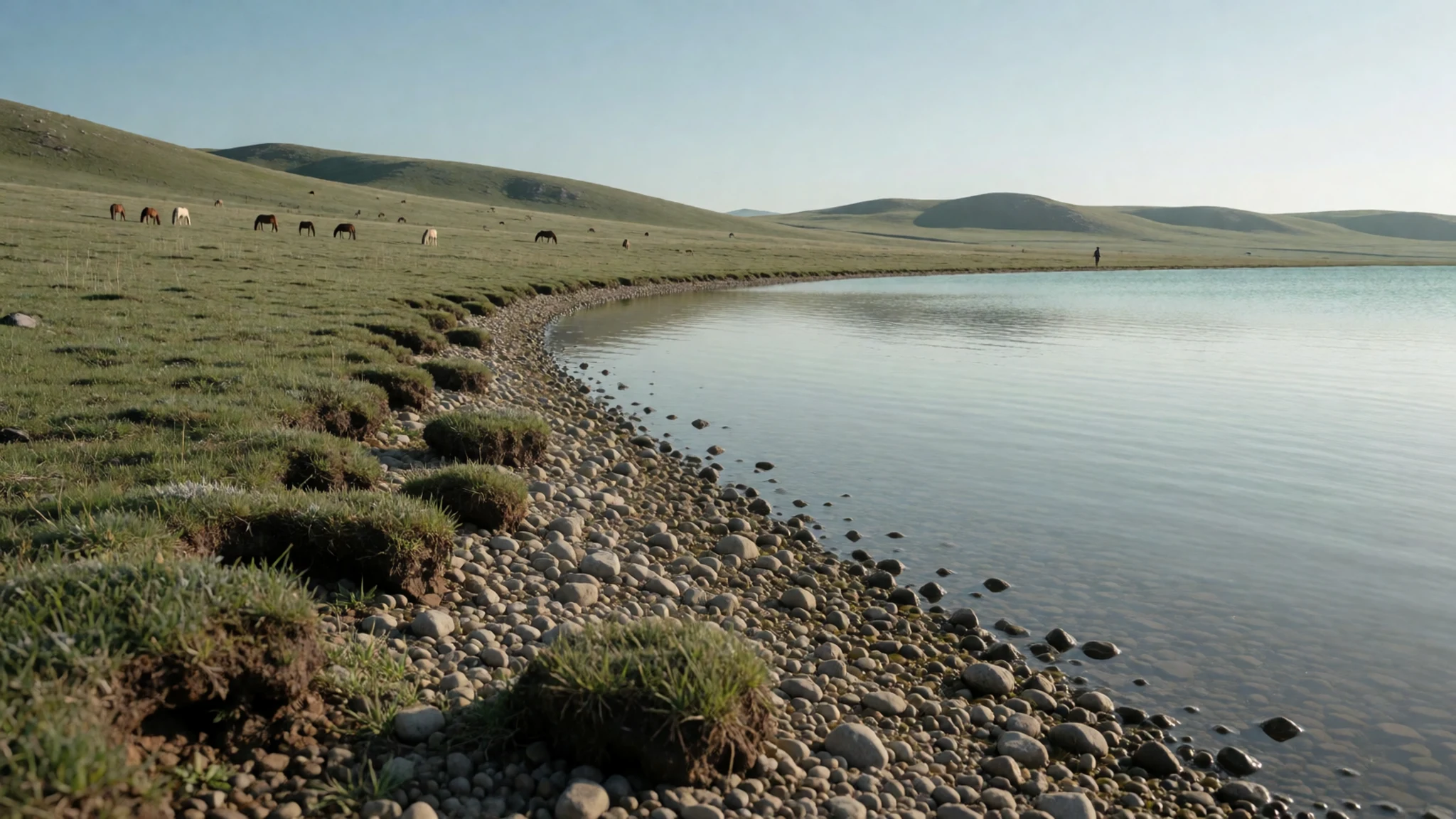
- The marshy north-west and north-east margins — North-west and north-east shores
Towards the north-west and north-east the ground turns swampy, with reeds and shallow water where rivers arrive. These soft edges are the likeliest places to spot waterbirds. Ask a local guide which patches are safe, since wet ground and vehicles are a poor mix, and keep to firm tracks.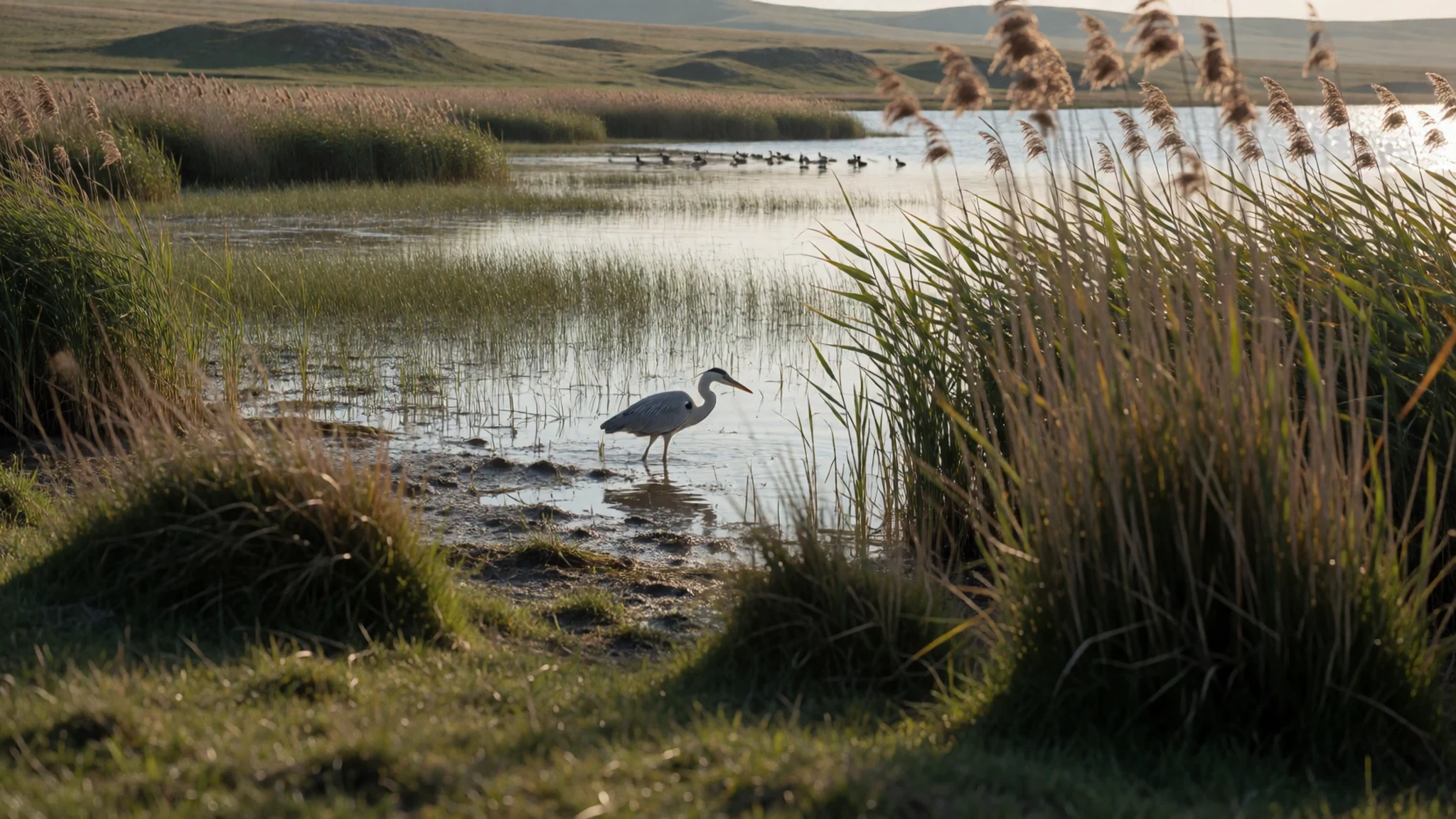
- The lake in autumn light — Lake shore, autumn visit
October brings cooler, clearer light and quieter shores. Local photographs from that month show the lake under a pale autumn sky. Autumn is short and nights are cold, so it suits travellers with warm layers who want sharp views. Check road and weather conditions locally before committing to the long drive.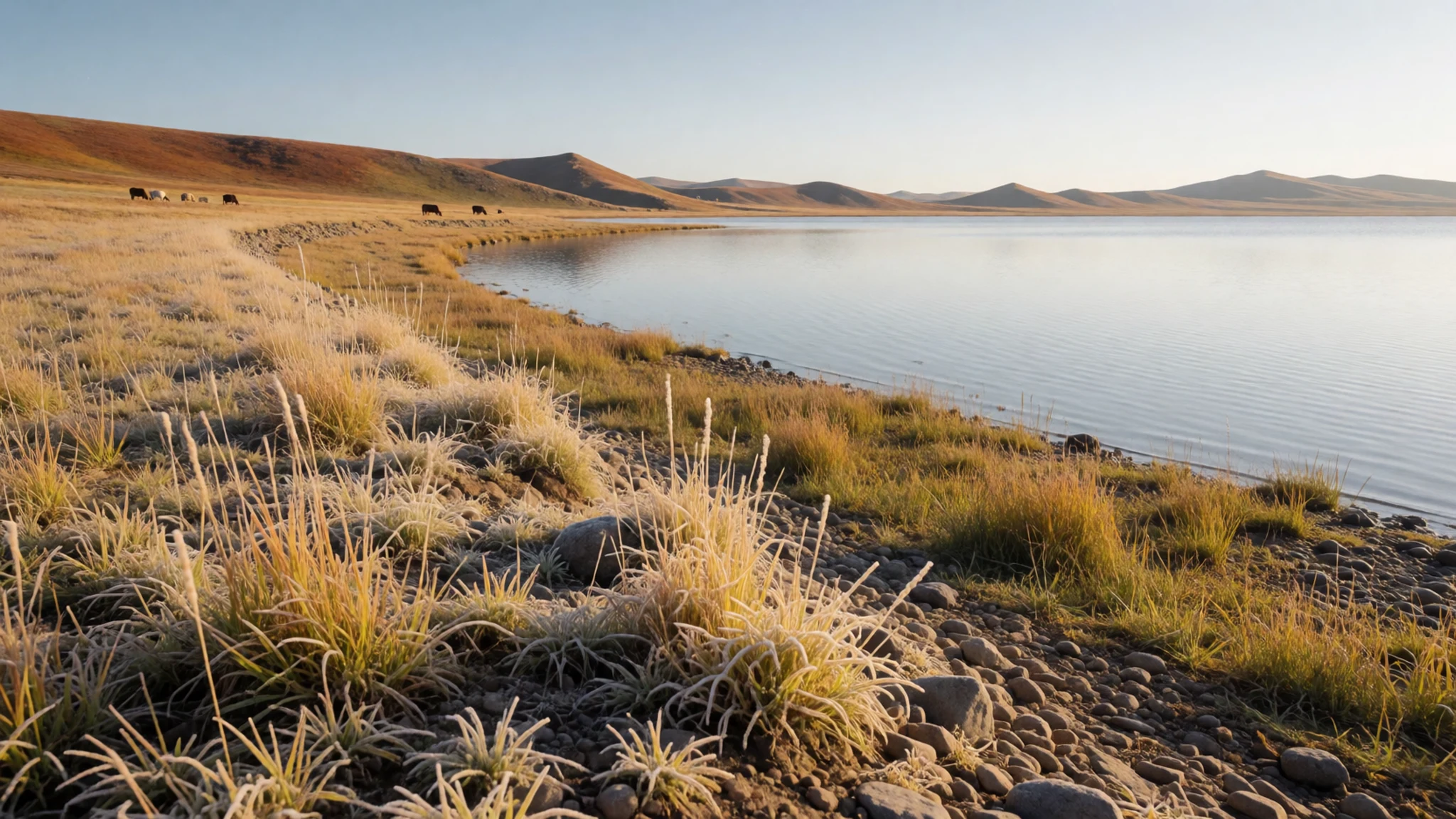
- Altai Tavan Bogd National Park — Far western Mongolia, Altai Mountains
Mongolia is mostly rolling steppe, but several mountain ranges rise from it, and the Altai Mountains in the west hold the highest peaks, in Altai Tavan Bogd National Park. It lies a long way west of Achit Lake, so treat it as a separate trip with its own planning and a guide.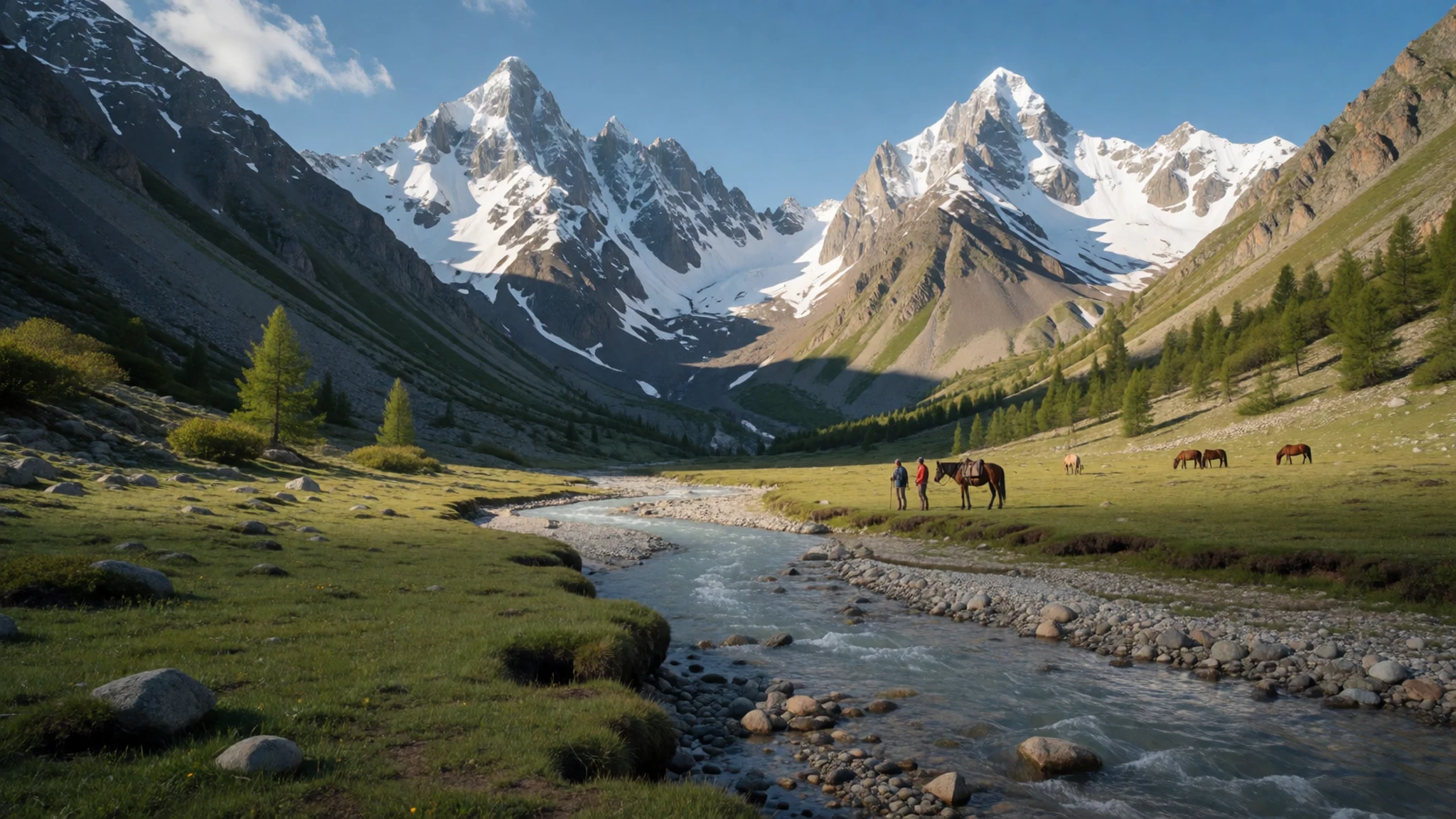
- Kazakh eagle hunting in winter — Bayan-Ölgii area, western Mongolia
In the cold months, Kazakh hunters in western Mongolia fly eagles at foxes and hares, which stand out against snow. Visits are arranged through local hosts or guides, and conditions are harsh. Treat it as an encounter with people at work, not a staged show, and always ask before photographing.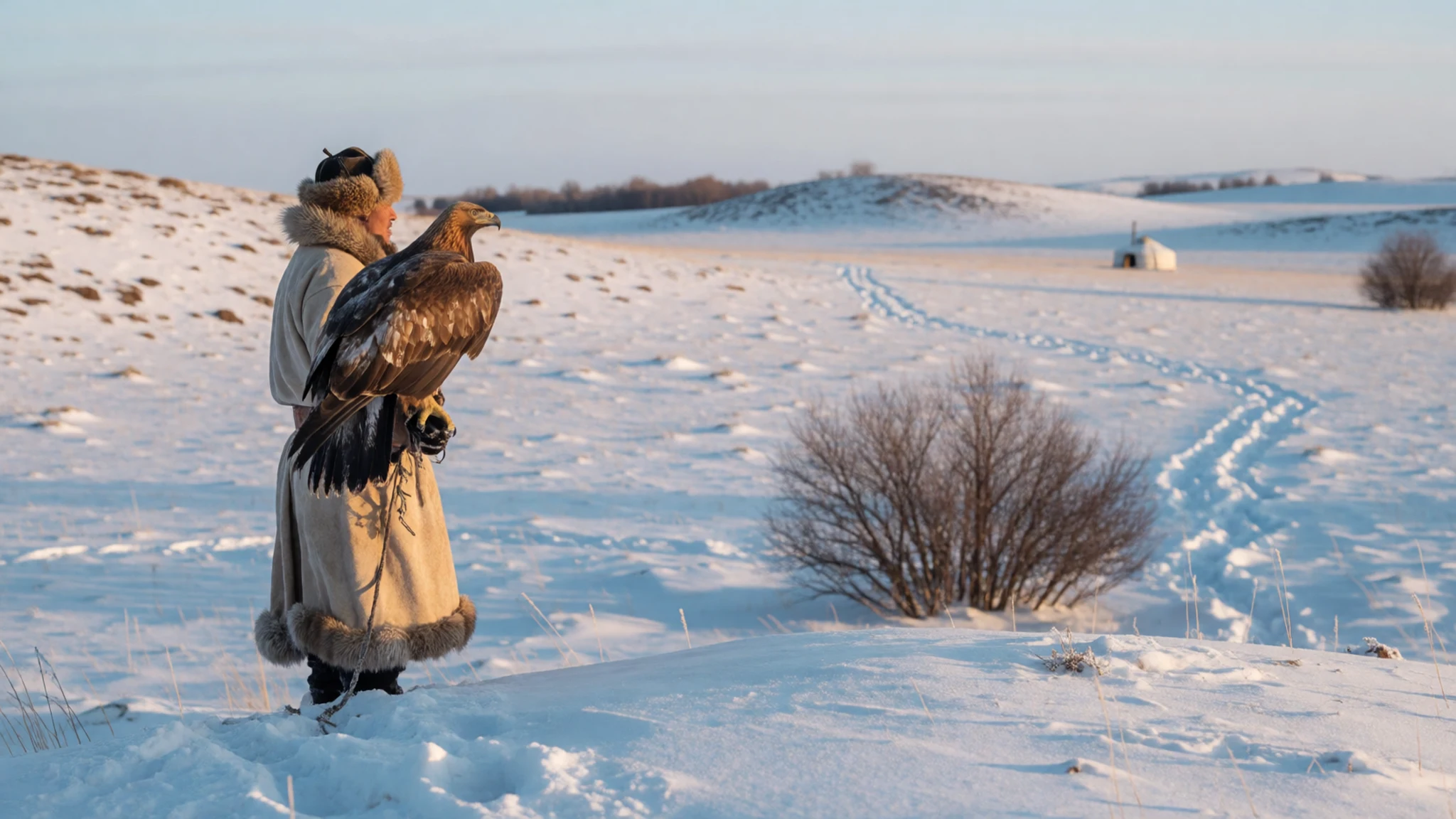
Culture
Achit Lake sits in a part of Mongolia where herding life shapes manners as much as the landscape. Mongolians are generally direct, and visitors should expect honest opinions and plain questions rather than elaborate small talk. Local good manners work better than imported pleasantries.
Hospitality is central. A household that offers tea, curds or other snacks expects them to be accepted, and refusing a gift is considered very rude. Items are passed and received with the right hand, palm facing up, and drinks are taken the same way. Taking even a small nibble from a plate of offered food shows respect. In the far west, Kazakh and Mongol communities live side by side, each with its own language, dress and customs, so it is better to ask than to assume.
Some topics need care. Many Mongolians feel strongly about China, and the Chinese province of Inner Mongolia is usually called southern Mongolia. Avoid wearing anything linked to China and steer conversation away from the subject. Dogs guard herds and camps, and these are working animals, not pets.
When a host offers tea, curds or any gift, always receive it with your right hand, palm up, and never refuse it outright; take at least a small taste.
What to wear
Around Achit Lake, traditional dress is the deel, a long wrap-over robe closed at the side and tied with a bright sash, made of wool, cotton or silk depending on season and occasion. Herders wear it for daily work, while festivals and family celebrations bring out richer silk versions, felt or fur hats and leather boots with upturned toes. Kazakh communities in the west add their own touches, including embroidered caps and the heavy fur coats and hats used by eagle hunters in winter.
Day to day, most people now wear practical modern clothes: jeans, fleece, padded jackets and sturdy boots, with a deel pulled on over them when the wind is cold. In towns, clothes are casual and neat; on the steppe, warmth and protection matter more than style.
Visitors should pack for big swings in temperature: a windproof shell, a warm mid-layer, thermal underlayers, a hat and gloves, plus sun protection even in summer, since the country is open and nights are cool. Sturdy waterproof boots suit marshy ground. Modest clothing covering shoulders and knees is courteous in towns and at any monastery, and it is wise to avoid anything associated with China.
What to eat
- Buuz — Town canteens and tea shops; family gers at festivals
Steamed dumplings filled with minced meat, usually mutton, and often called Mongolia's national dish. They are juicy inside, so bite carefully. Derived from Chinese baozi, they appear at celebrations and in everyday canteens, usually served hot in a batch.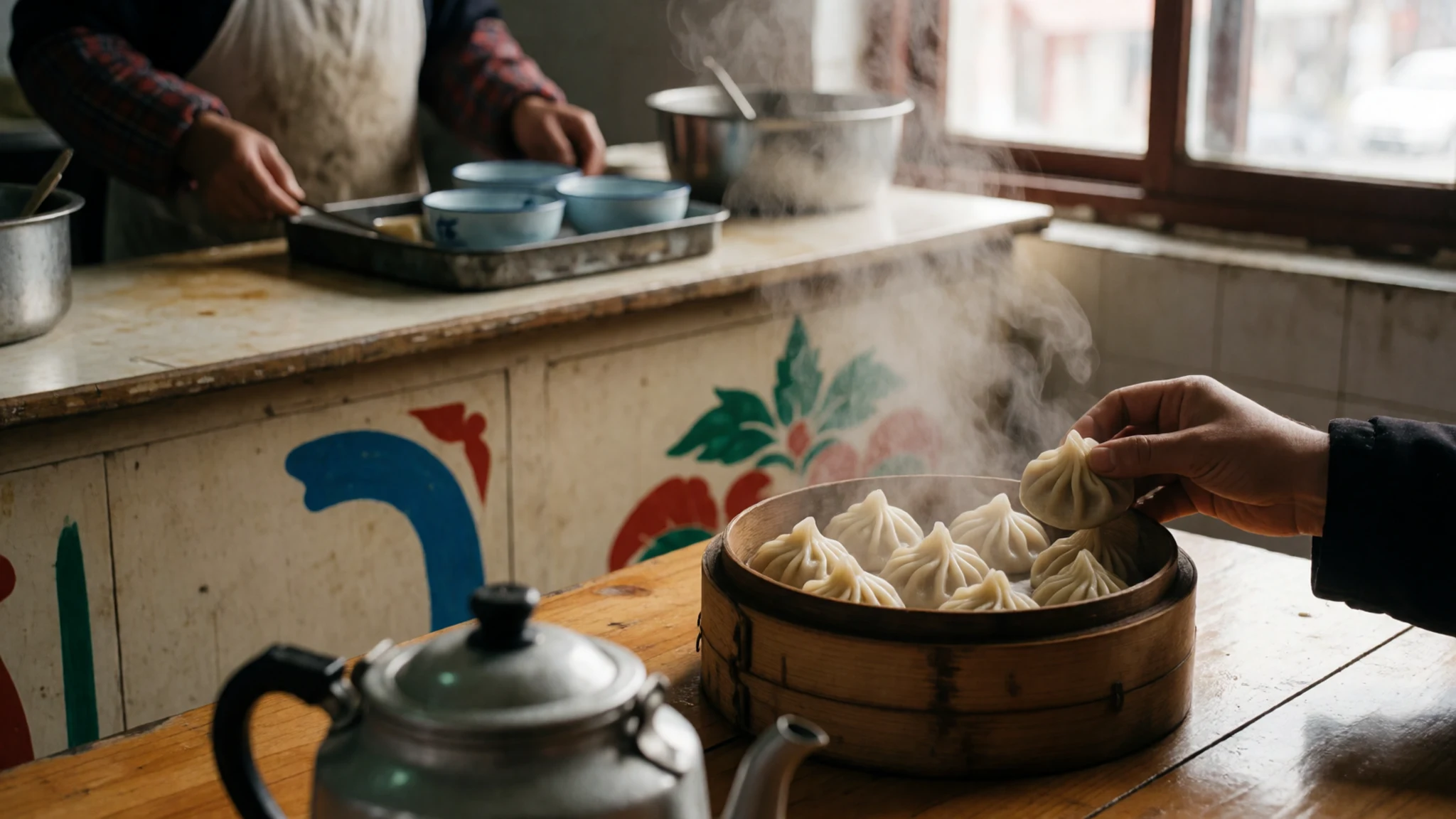
- Khuushuur — Roadside eateries and town canteens
Flat discs of dough folded around meat and onion, then deep-fried until crisp at the edges. Once a festive food, it is now sold almost everywhere and makes a filling lunch; a few are usually enough for one hungry traveller on a long drive.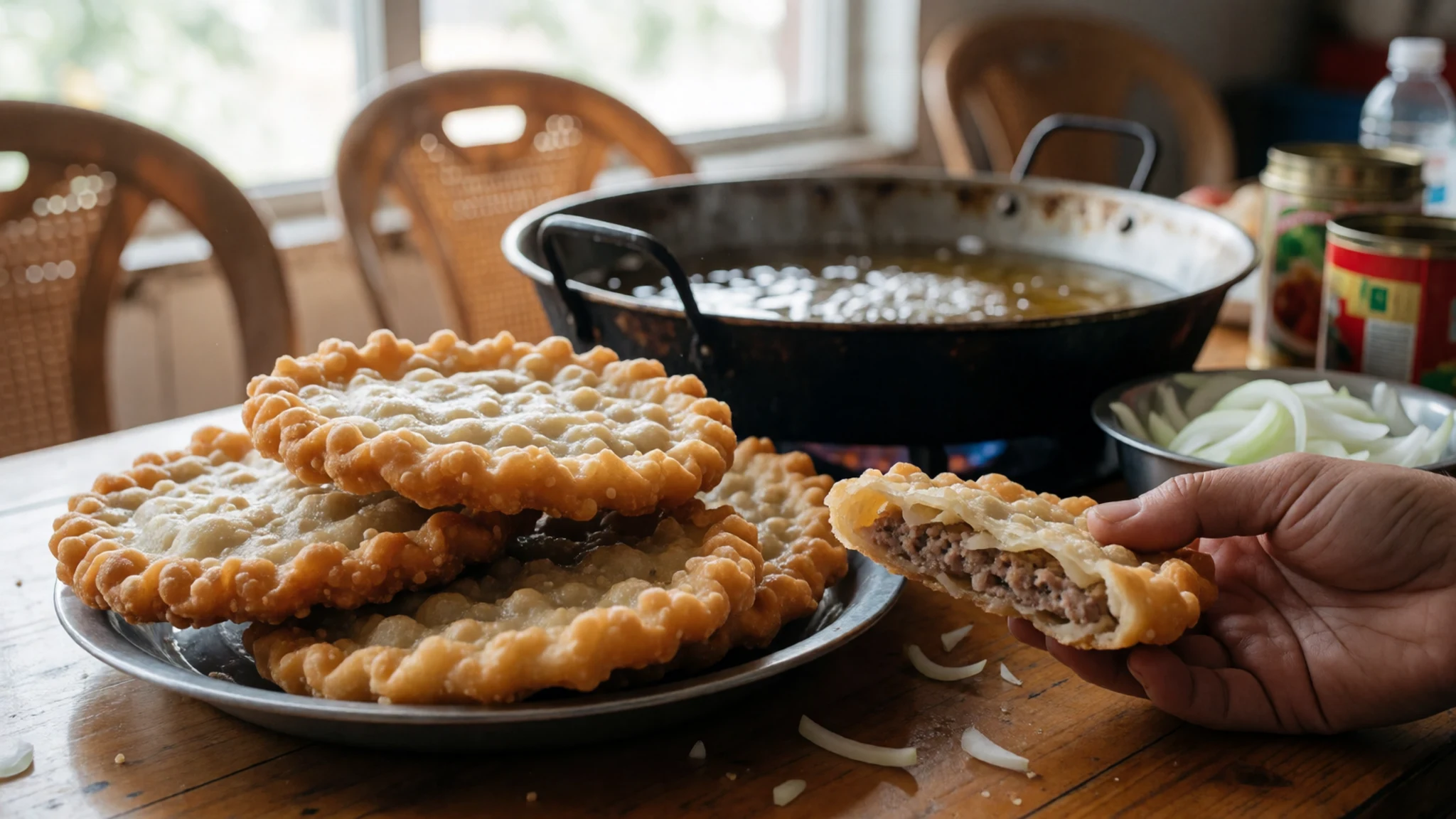
- Tsuivan — Canteens and small eateries in regional towns
Stir-fried noodles with chopped meat and some basic vegetables, frequently accompanied by a side of ketchup. It is simple, hearty and filling, a dependable choice after a long day on rough roads when the menu offers little else. - Süütei tsai — Any family ger or tea shop
Salted milk tea: boiled milk and water with a few tea leaves and a pinch of salt. It tastes closer to a thin soup than to British tea. It is the first thing offered in any home, and drinking it is part of accepting hospitality. - Aaruul — Family gers and local markets in regional towns
Dried curds, usually rock hard, eaten by letting a piece dissolve slowly in the mouth until it turns into cheesy putty. Herding families make it from milk and keep it as a snack; it travels well and rewards patience.
Plan it
Best time. June to September. Summer is the practical season, with warm to hot days, cool nights and rain in some areas. Winter is bitterly cold and suits only experienced, well-equipped travellers.
How long. 3–5
Getting there. Fly from Ulaanbaatar to a western regional town such as Khovd or Ölgii (check current schedules), then continue by 4x4 with a local driver over tracks to the lake; allow a long day for the last leg.
Budget. mid
Tips
- Go with a local driver or tour operator who knows the tracks; distances are long and signs are few
- Pack warm layers even in summer, as nights are cool and rain can arrive quickly
- Carry cash, water and spare food, because shops and services near the lake are limited
- Check current Mongolian entry rules before booking; recent visa relaxations may not be permanent
Etiquette
- Receive tea, food and gifts with your right hand, palm up
- Do not refuse hospitality outright; take at least a small taste
- Ask before photographing people, herds or eagle hunters
Nearby
Sources
- Wikidata Q968728 (CC0)
- Wikipedia: Achit Lake (rev 1365858165) (CC BY-SA 4.0)
- Wikivoyage: Mongolia (rev 5427090) (CC BY-SA 4.0)
- Photo: Lake Achit-Nuur, Oschtan (CC BY 3.0)
- Photo: Achit-Nuur lake, Landsat-7, NASA (Public domain)
- Photo: Relief map of Mongolia, NordNordWest and Виктор_В (CC BY 3.0)
- Photo: Ачит нуур 2010 он 10-р сард, baterdene_0933 (CC BY 3.0)
- Photo: Ачит нуур 2010 он 8-р сард, baterdene_0933 (CC BY 3.0)


Wildlife
- Red fox (animal)
The red fox is the biggest of the true foxes, a wild wanderer found across much of the northern half of the world. In western Mongolia, winter is the time to look, because a fox shows up clearly against the snow, as local Kazakh families have long known. Watch from a good distance, keep your voice low and your movements slow, and go with a local guide who knows the land. Never feed it; a wild fox should stay wild. - Tolai hare (animal)
The tolai hare is a yellow-brown or grey hare with long ears tipped in black, as if dipped in ink. It lives on steppe, grassland, rocky ground and river valleys, and it is mostly out at dusk and in the night, though sometimes it nibbles plants by day. Young hares often wander in daylight. Watch from afar, stay quiet and still, and ask a guide to help you. Never feed it.