Yolyn Am
Yolyn Am, Mongolia
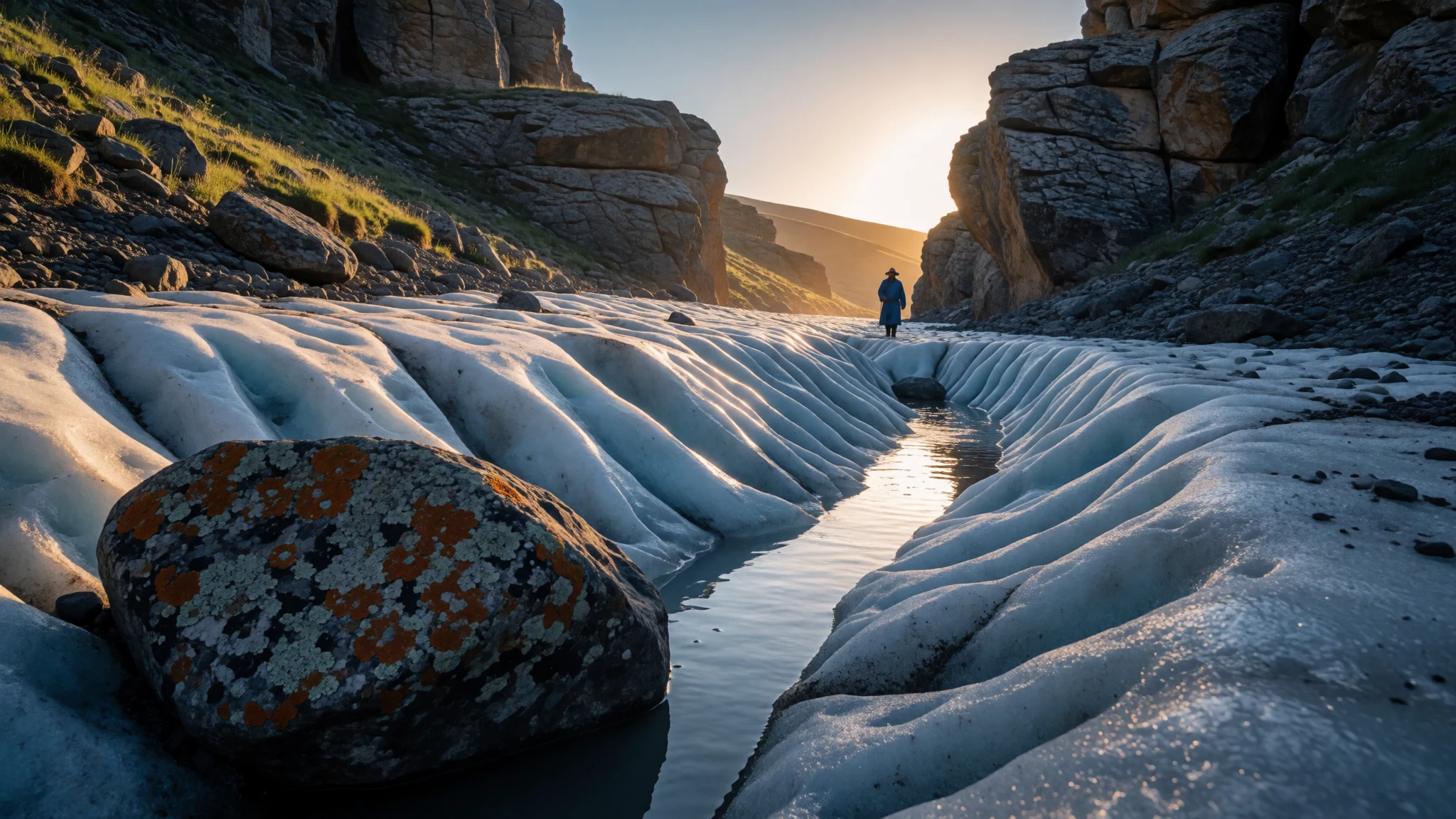
Yolyn Am is a narrow Gobi gorge where a long ribbon of ice lingers into summer, with lammergeiers gliding overhead.
The place
Yolyn Am lies in the eastern part of the Gurvan Saikhan mountains, in the far south of Mongolia, inside Gobi Gurvansaikhan National Park. It is a gorge in the true sense. The rock walls press in until the floor is little more than a path beside a stream, and the sky shrinks to a strip overhead. The name (Ёлын Ам) refers to the lammergeier, a large bearded vulture called yol in Mongolian, so English-language guides often render it as Vulture Valley or Eagle Valley.
Most people arrive expecting the Gobi of postcards, all dunes and bare gravel. This corner is different. The land climbs into steep, rocky ridges with grass on the lower slopes, and the gorge itself stays cold and shaded even when the plain outside is hot. Rainfall in the region is low, so the famous ice owes its existence to shade and winter cold rather than to wet weather. Meltwater and snow gather on the gorge floor, freeze, and thicken through the cold months into a sheet that runs a long way up the valley.
That ice has changed character. In earlier years part of it lasted all year round; now it tends to be gone by September. A visit in high summer can therefore mean damp rock and a bright stream rather than a frozen corridor, which is worth knowing before planning a trip around the photographs. The setting is impressive either way. The walk in is gentle enough for most reasonably fit visitors, though the ground is uneven and the park is a long way from any large town.
Its story
Yolyn Am's story is mostly one of birds, herders and ice rather than of monuments. The lammergeier that gives the gorge its name has an unusual habit: it carries bones high into the air and drops them onto rock to crack them open, then eats the marrow. Cliffs like these, with rising air and bare ledges, suit a bird that glides for hours looking for carcasses, and the gorge took its name from what local people saw circling above it.
For generations the surrounding mountains have been grazing country for nomadic herders, who move their animals between seasonal pastures and know each valley by the water, shelter and grass it offers. In a dry landscape the gorge was a cold, shaded place, and the ice was a natural landmark long before it became something visitors came to see.
The modern chapter began as the area came under protection within Gobi Gurvansaikhan National Park, which now frames how the valley is used. Tour companies in Ulaanbaatar fold it into southern Gobi circuits alongside the dunes and cliff sites. Tourism has brought ger camps and small souvenir stalls near the entrance, and with them some pressure on a fragile place.
The most telling part of the story is the ice itself. Older accounts describe a field that survived the summer; recent ones describe a field that is gone by September. Nobody can say exactly what comes next, but the change is a reminder that the gorge depends on a balance of cold, shade and snowfall, and that the Yolyn Am a traveller finds depends heavily on the year and the month.
What to see
- The ice-floored gorge — Inner gorge, Gobi Gurvansaikhan National Park
The tightest stretch of Yolyn Am is where the ice is easiest to appreciate: a pale, ridged sheet filling the floor between close walls. In late spring and early summer it can be crossed with care; later it thins to patches and running water. Meltwater makes the surface slippery, so footing matters more than speed.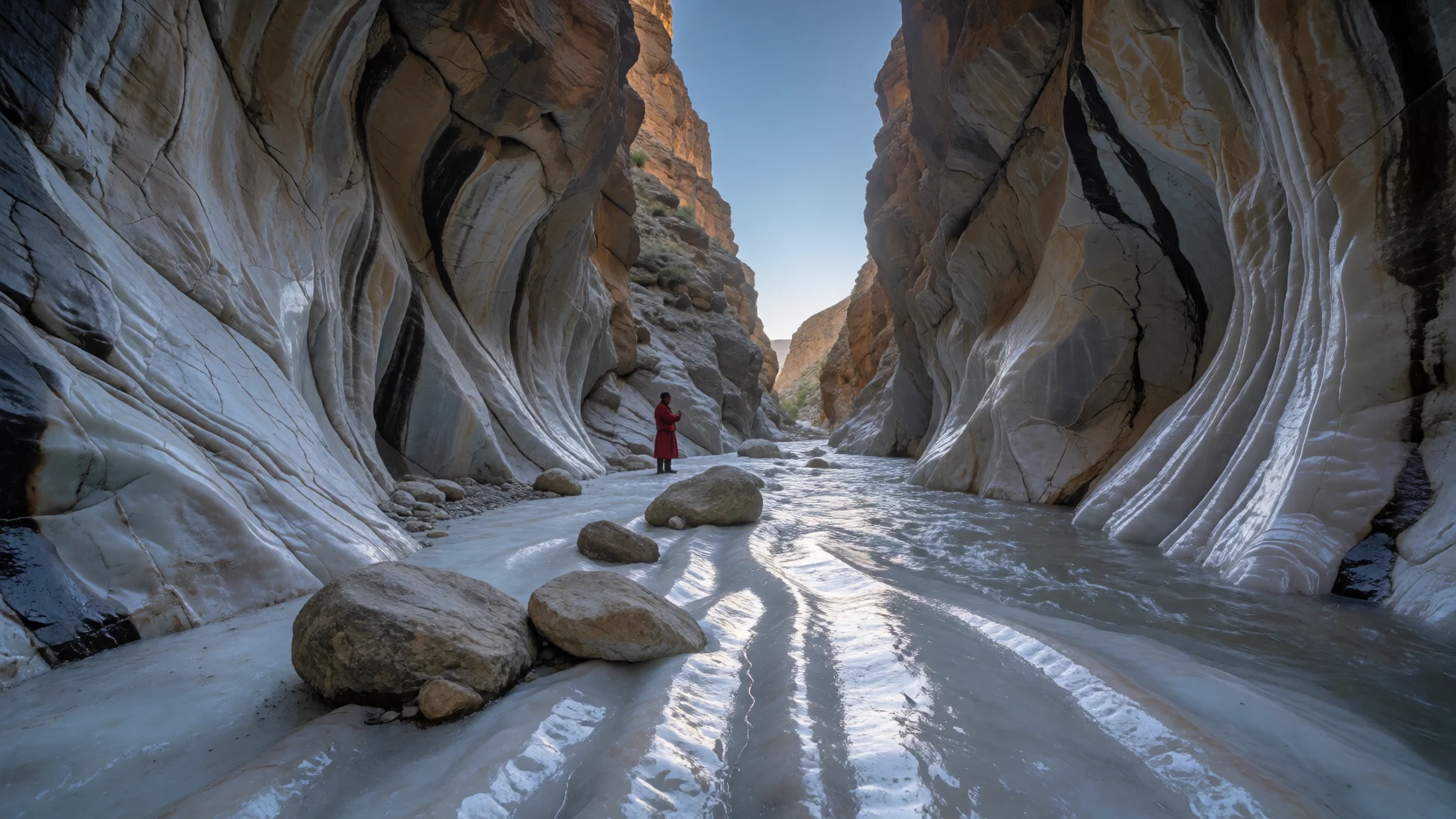
- The walk up the valley — From the park entrance into the gorge
The path follows the stream, crossing it on stones and passing between rising walls. Walking it slowly takes a good part of a morning, and the light changes as the sun clears the ridge. Horses are often offered near the entrance for part of the route; agree terms with the handler beforehand.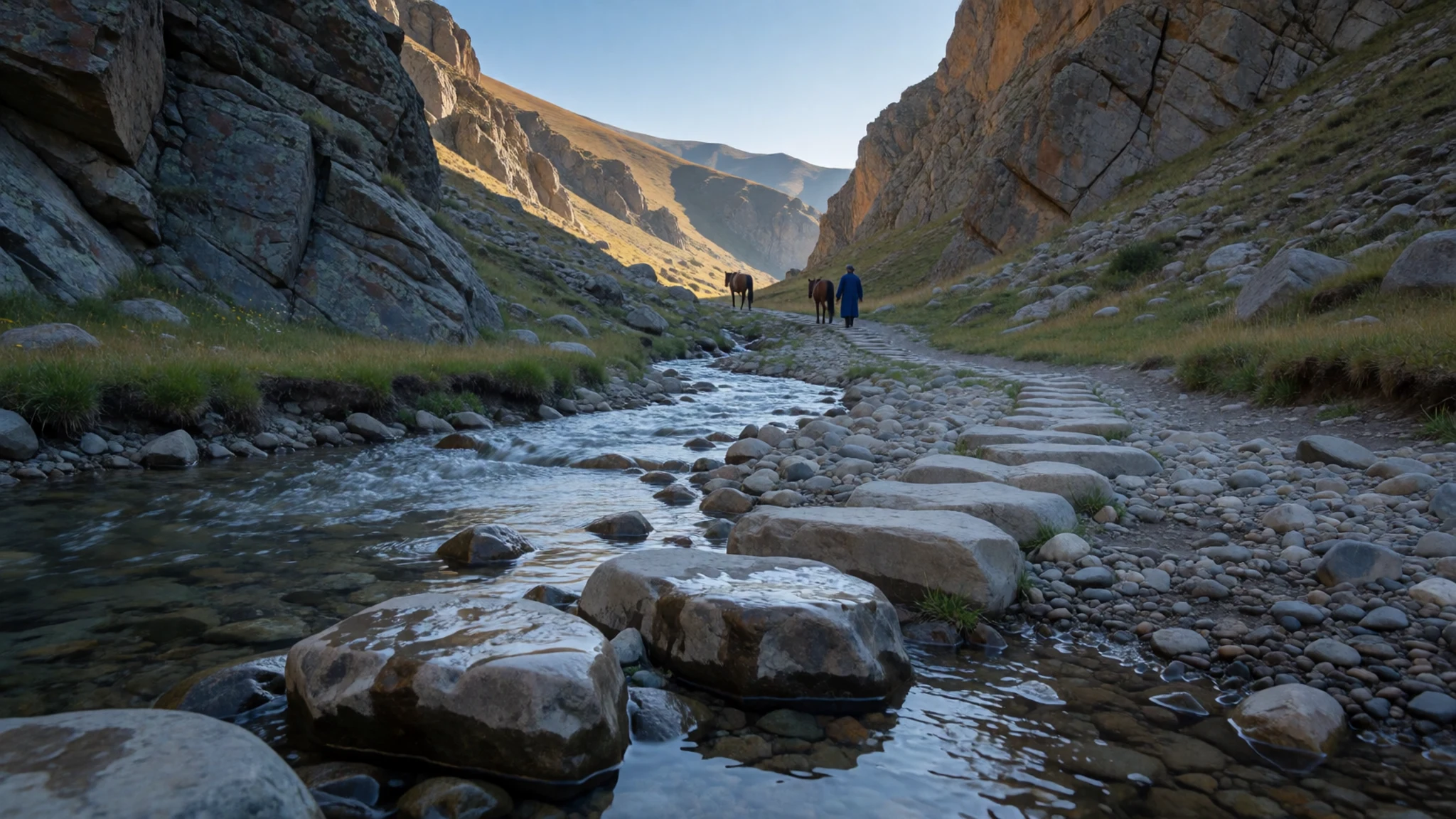
- Cliff ledges and the birds — Upper walls of the gorge
The rock faces are where the lammergeiers nest and patrol. Raptors are easiest to spot when warm air rises around midday, so pause and scan the ridgeline with binoculars. Ibex are sometimes seen on the steeper slopes. Patience matters more than a long lens, and early starts help.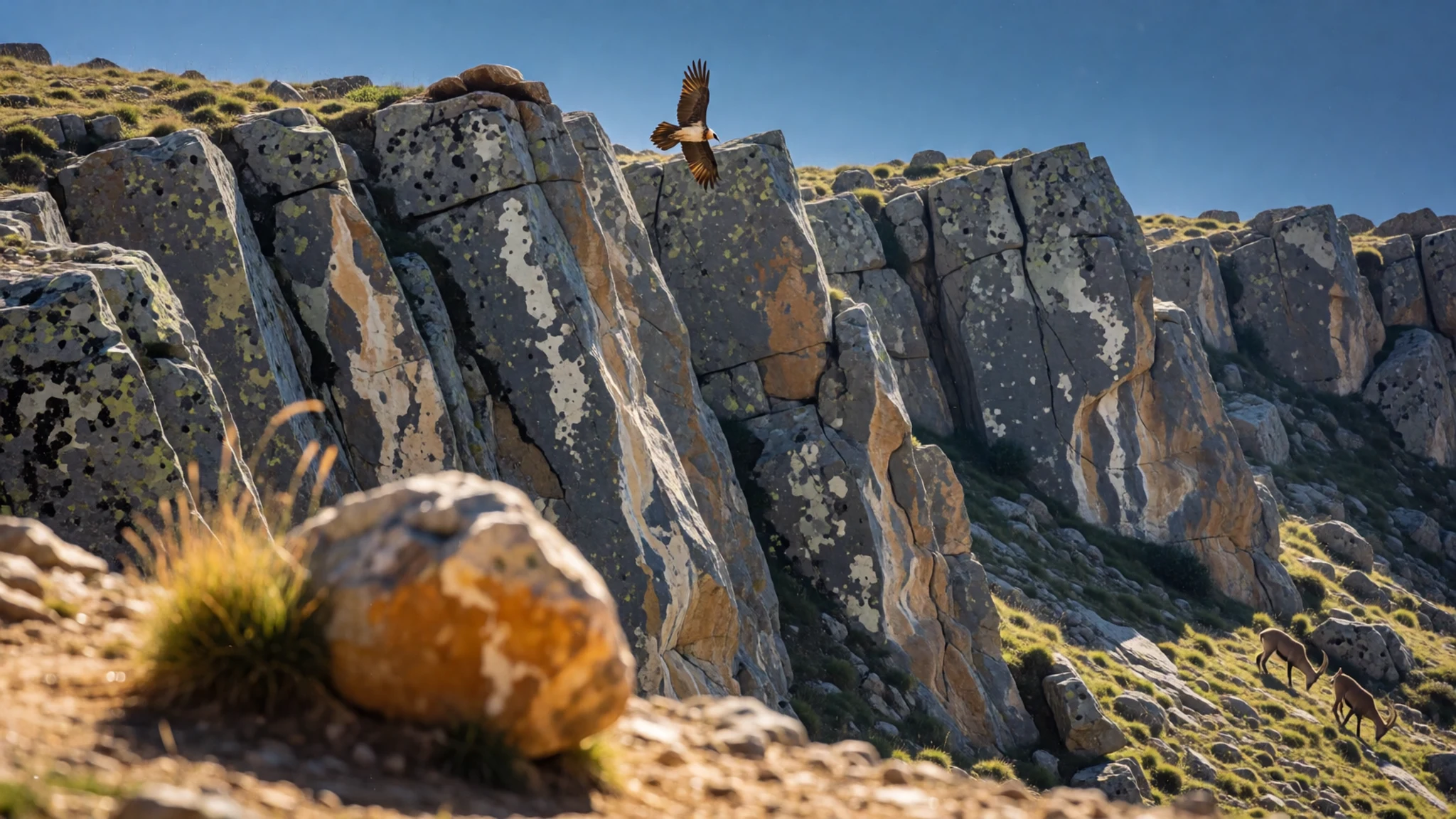
- The grassy upper slopes — Hillsides above the gorge mouth
Climbing out of the gorge, the ground opens onto grassy slopes with views across ridge after ridge of the Zuun Saikhan range. In summer small wildflowers dot the turf and herders' animals graze in the distance. It is a quieter place to sit, eat a packed lunch and take in the scale.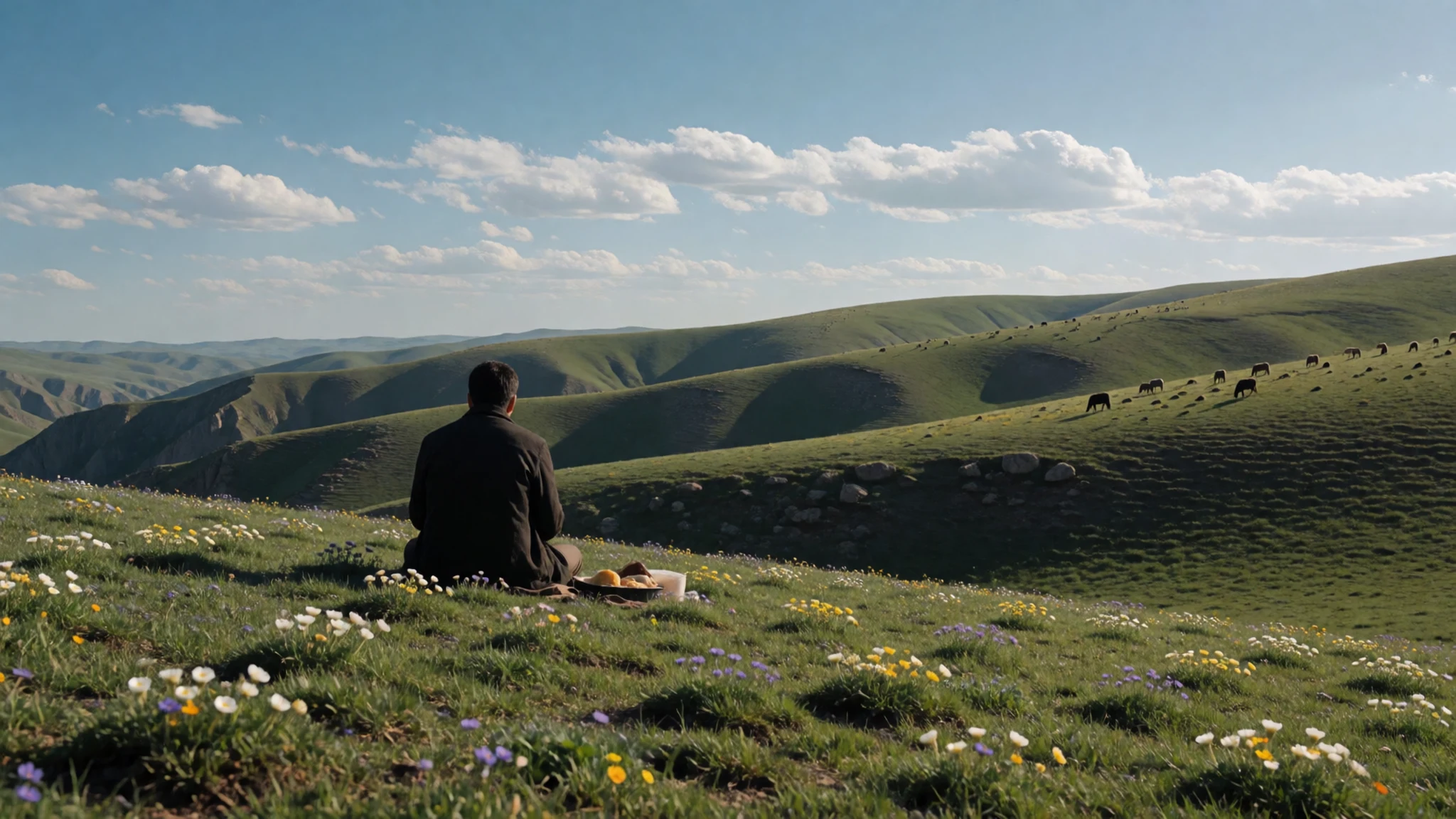
- The Gobi drive in — Plain between Dalanzadgad and the park
Much of the pleasure of Yolyn Am is the approach, across wide gravel plains with distant mountains and very large skies. Herds of camels and goats cross the tracks, and ger camps sit in the folds of the land. Allow time for stops; the journey is part of the visit rather than a delay.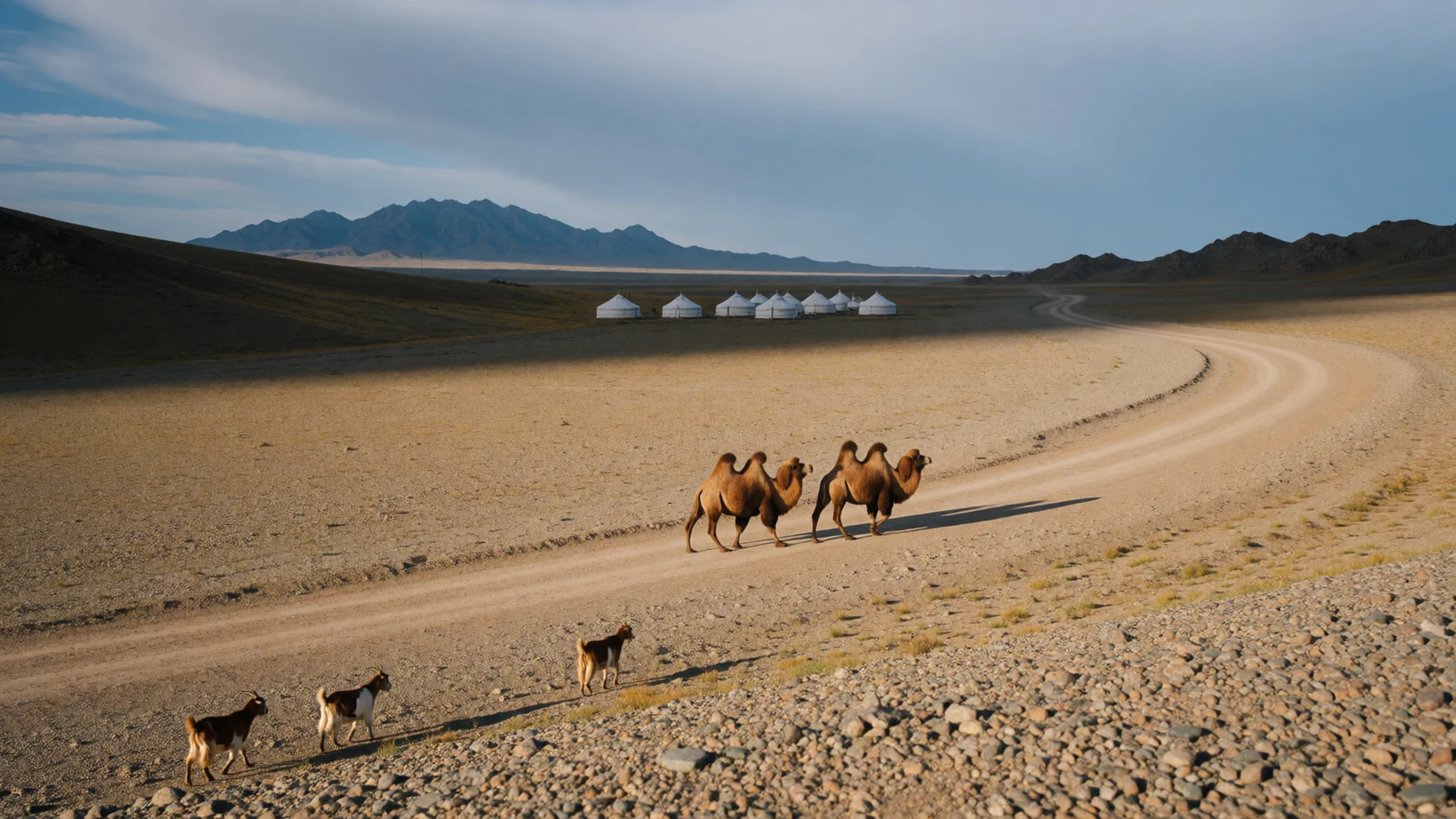
Culture
Yolyn Am sits in a landscape shaped by Mongolian herding life, and the culture a visitor meets here is mostly that of nomadic families. Households live in the ger, a round tent with a wooden frame and felt covering, and move their camels, goats, sheep and horses between seasonal pastures. Hospitality is a point of pride. A traveller who stops at a ger is traditionally offered tea or a dairy snack, and refusing everything outright can seem cold.
Spiritual life blends Buddhism of the Tibetan tradition with older shamanic practice and a deep respect for sky, mountains and water. On passes and hilltops visitors often see an ovoo, a cairn of stones and wood draped with blue silk scarves, where travellers and herders pause to ask for a safe journey. Such places are working shrines, not scenery, and local people treat them with care.
The Gobi also carries a tradition of resilience. Families here cope with harsh winters, dry summers and long distances, and they share information, fuel and food as a matter of course. Visitors often remark on how quickly strangers become guests. At the same time, tourism has changed the economy of the area, with some families now earning part of their income from camps, horse hire and crafts, so small purchases made directly from them matter.
When a herding family invites you into a ger, step over the threshold without touching it, accept tea with your right hand, and ask before photographing people or their animals.
What to wear
Yolyn Am's traditional clothing is the Mongolian deel, a long wrap-over robe closed at the side and tied with a bright sash. Everyday versions are made of wool or heavy cotton, while festival and wedding deels use silk and brocade in jewel colours, with contrasting trim at the collar and cuffs. Herders pair it with tall leather boots, called gutal, with upturned toes, and with felt hats or fur-lined caps in cold weather. The deel is worn daily by many older herders and brought out by everyone at Naadam and family celebrations.
In the south Gobi today, practical clothing dominates. Herders wear jeans or work trousers, fleece jackets, rubber or leather boots and scarves against dust, often with a deel over the top in winter or for formal visits. Younger people in the towns dress much as they would in any city, with sports clothing and trainers.
Visitors should plan for large swings in temperature: cold in the shaded gorge, strong sun on the plain, and wind at any hour. Layers work best, with a warm fleece, a windproof shell, a sun hat and sunglasses. Wear sturdy shoes with good grip, since the gorge floor can be icy or wet, and carry a scarf for dust. There is no strict dress code, but covered shoulders and knees are polite at any monastery or shrine.
What to eat
- Khuushuur — Canteens in Dalanzadgad and ger camps
A flat fried pancake filled with minced mutton or beef, crisp at the edges and juicy inside. It is a standard road meal in southern Mongolia and keeps well for a journey. Eat it hot, with a cup of tea, and expect a hearty portion.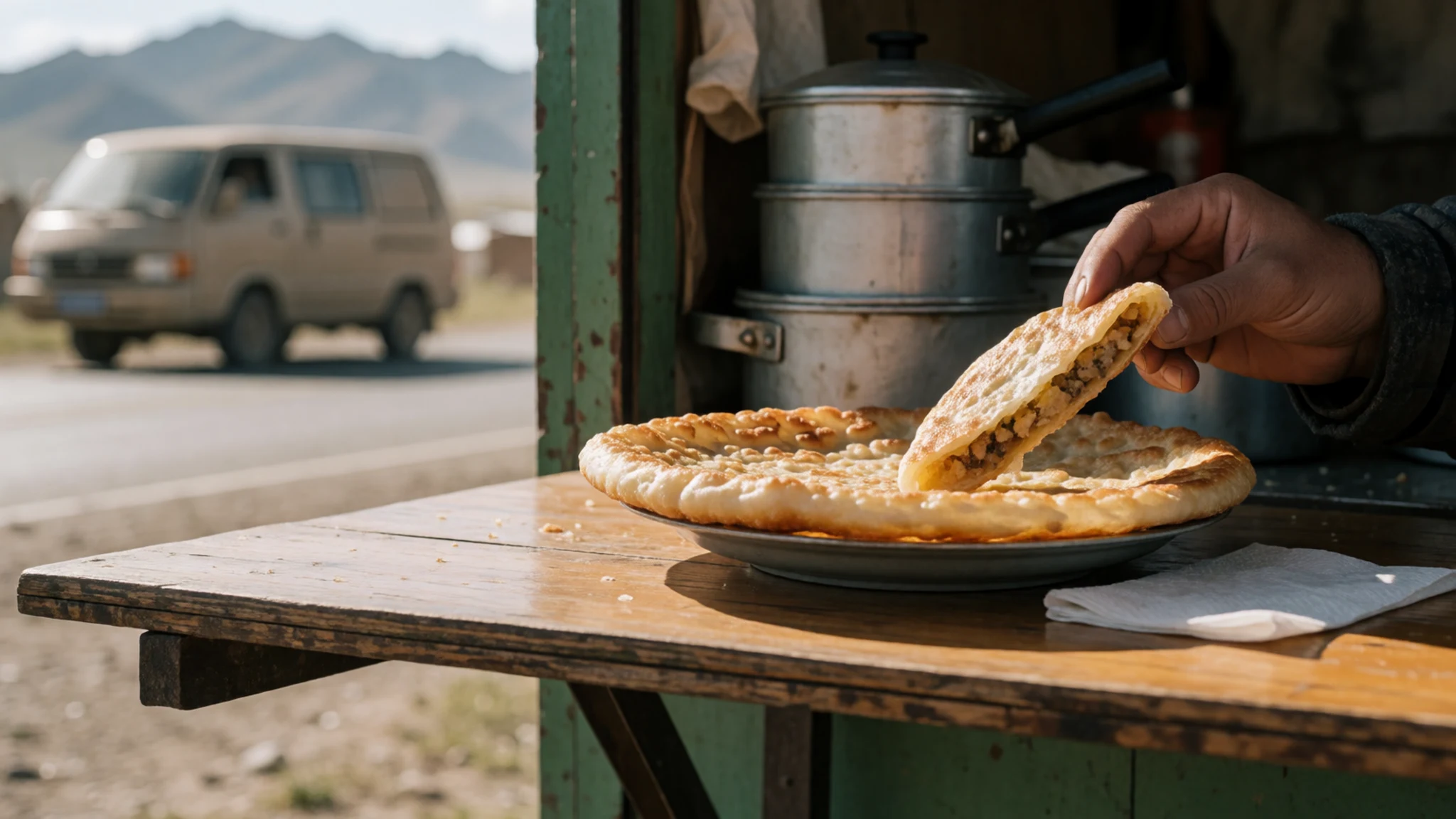
- Buuz — Family gers and small eateries in town
Steamed dumplings stuffed with chopped meat, onion and a little seasoning, often served in a pile. They are made in large numbers for holidays and for guests. Pick one up by the knot, bite a small hole to drink the broth, then eat the rest.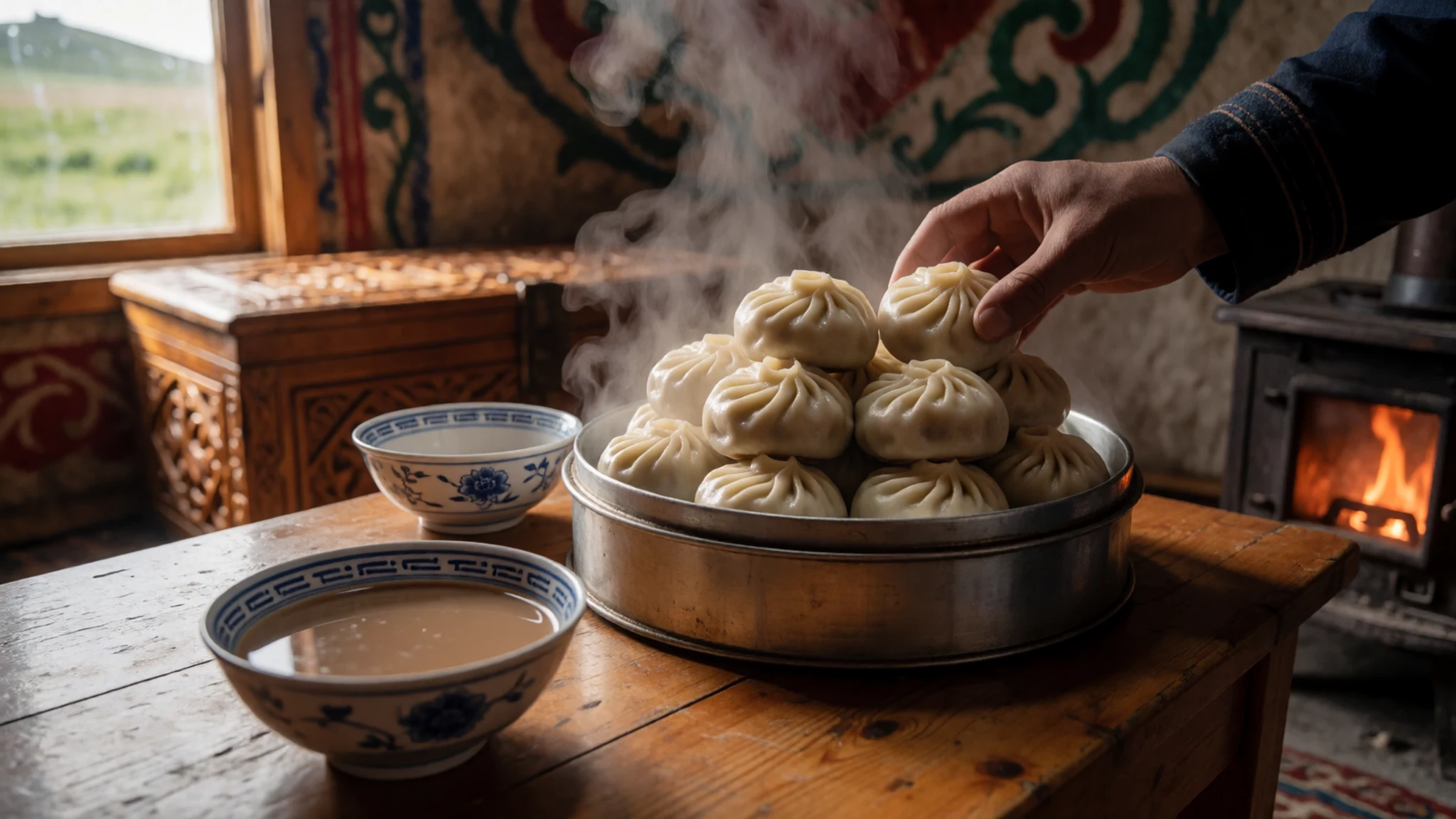
- Suutei tsai — Any ger, camp or roadside canteen
Salty milk tea, brewed with milk and often a little butter or millet. It is the first thing offered to guests and has a savoury taste that surprises many newcomers. It warms and hydrates in a dry climate, and accepting a cup is a polite start to a visit. - Tsuivan — Eateries and ger camps along the main tracks
Hand-cut noodles steamed with meat and vegetables, usually carrot, onion and cabbage, then finished in a pan. It is a filling, plain dish that suits a day of walking. Portions are generous, and sharing from one plate is normal. - Aaruul — Family gers and small shops near the park
Dried curds, hard and tangy, made in summer and stored for winter. Some are sour enough to make newcomers wince, others are mildly sweet. They are a classic herder's snack, easy to pack, and a good thing to buy from the family that made them. - Airag — Herders' gers in summer
Fermented mare's milk, lightly fizzy and sour, made through the warm months. It is offered to guests in a bowl and taken in small sips. Some visitors love it, others find it tough going; a polite taste is welcome, and a stomach unused to it should go slowly.
Plan it
Best time. June to August, when the gorge is open, the plain is green and the weather is warmest; the ice is thickest in late spring and early summer and tends to be gone by September. Winter is bitterly cold and the tracks are hard going.
How long. 2–3
Getting there. Fly from Ulaanbaatar to Dalanzadgad, the provincial town in the south Gobi, then continue by jeep or van with a local driver along dirt tracks to the park entrance. The last stretch into the gorge is on foot or by horse. Overland tours from Ulaanbaatar take several days each way.
Budget. mid
Tips
- Book transport and a driver-guide in Ulaanbaatar or Dalanzadgad well ahead for summer, as vehicles are limited
- Go early in the day, before tour groups arrive and while the gorge is coolest
- Carry cash, as cards are rarely accepted at camps, stalls and small eateries
- Bring plenty of drinking water and sun protection, because there is little shade on the plain
- Wear shoes with real grip; the ice and wet rock in the gorge are slippery
- Ask your operator or the park office about current entry arrangements, as these can change
Etiquette
- Take all rubbish away with you, since there are no bins in the gorge
- Do not climb on, remove or disturb stones at ovoo cairns
- Ask permission before photographing herders, families or their animals
Nearby
Sources
- Wikidata Q8054822 (CC0)
- Wikipedia: Yolyn Am (rev 1313587971) (CC BY-SA 4.0)
- Wikivoyage: Yolyn Am (CC BY-SA 4.0)
- Photo: CHRIS MICHEL BY MICHAEL MELFORD, Christopher Michel (CC BY 2.5)
- Photo: Fire ?!?, Rob Oo (CC BY 2.5)
- Photo: Eispanzer an der engsten Stelle der Geierschlucht, Bohndorf Film-Team (CC BY-SA 4.0)
- Photo: GOBI DESERT, MONGOLIA (34726416633), Christopher Michel (CC BY 2.5)
- Photo: GOBI DESERT, MONGOLIA (34726513003), Christopher Michel (CC BY 2.5)
- Photo: Gobi Desert, Mongolia (35351945922), Christopher Michel (CC BY 2.5)
- Photo: GOBI DESERT (35405115131), Christopher Michel (CC BY 2.5)
- Photo: GOBI DESERT, MONGOLIA (35405504751), Christopher Michel (CC BY 2.5)


Wildlife
- Lammergeier (animal)
Picture a very large bird with a beard that eats mostly bone: that is the lammergeier. Yolyn Am is a narrow Gobi gorge where a ribbon of ice lasts into summer, and these birds glide overhead there. Gliding birds are easiest to enjoy from a still, quiet spot, so find a place to sit and scan the sky. Keep well back from any nesting cliffs, go with a guide, and never offer food.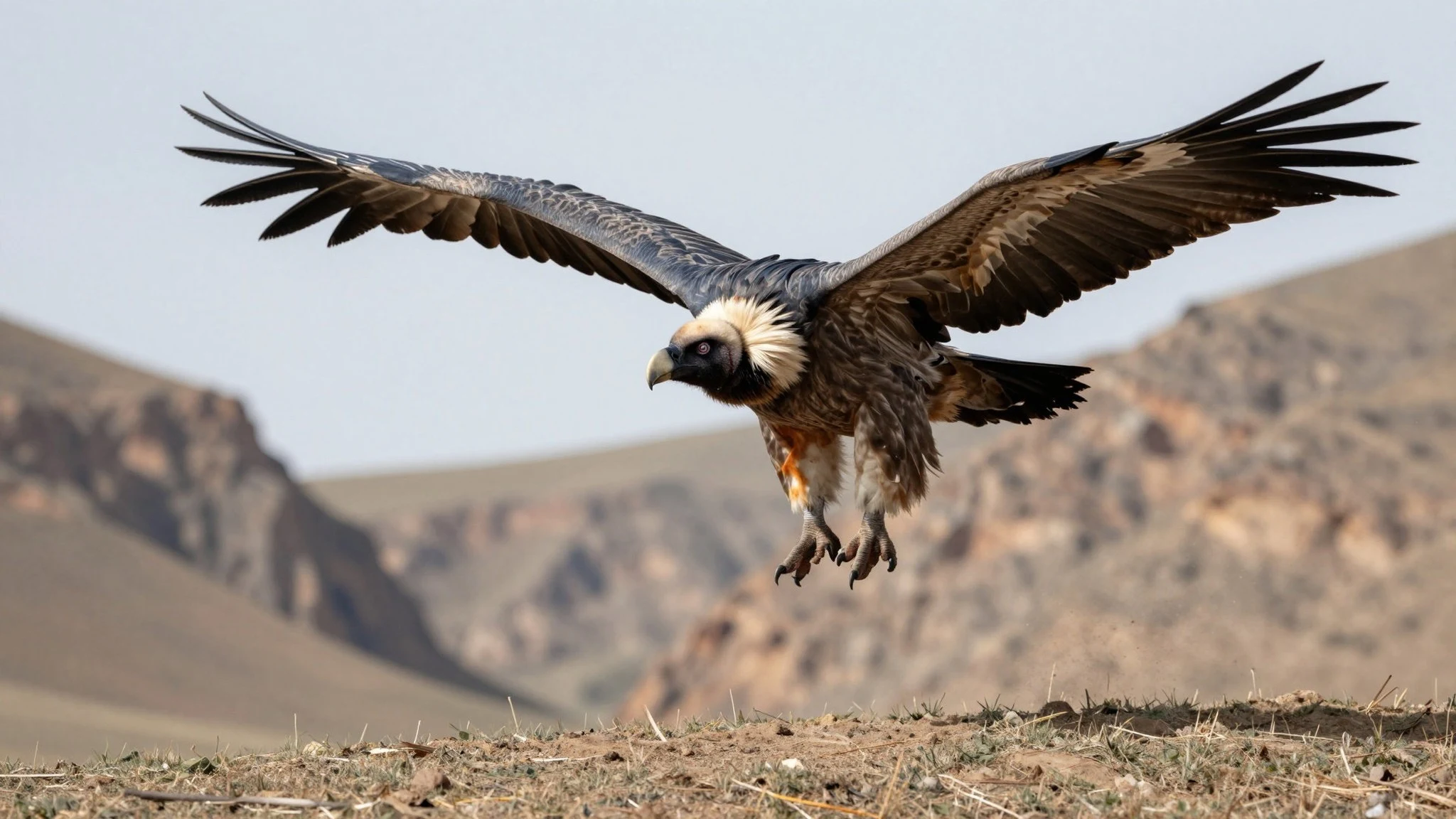
- Ibex (animal)
The Siberian ibex is a wild cousin of goats and sheep, at home on steep ground. In Yolyn Am you may sometimes spot one on the steeper slopes, though no sighting is promised. It is considered near threatened across its range, so tread lightly. Watch from far off with binoculars, stay quiet and still, let a guide lead you, and never feed it.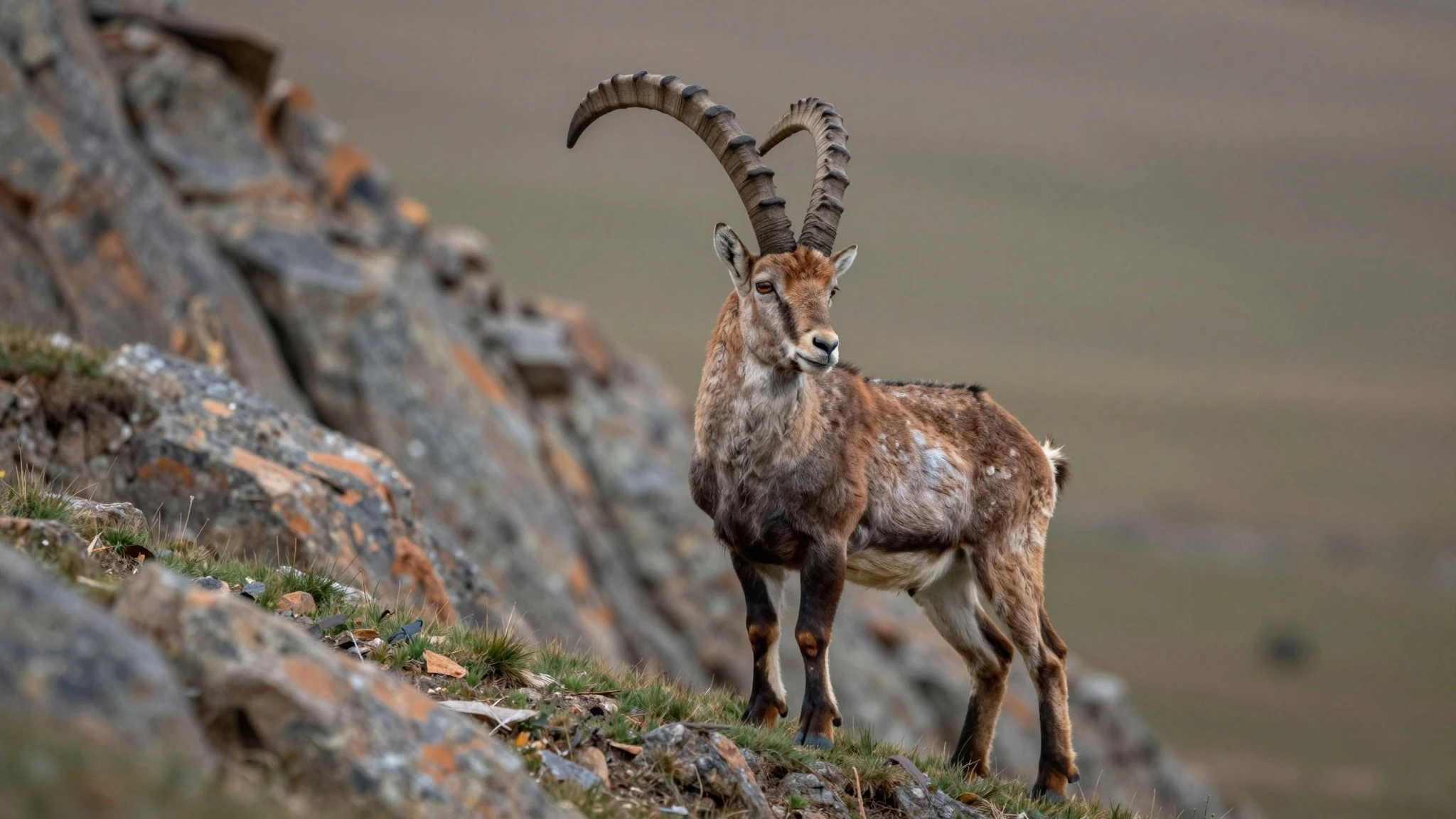
- Lammergeier (bird)
Picture a very large bird with a beard that eats mostly bone: that is the lammergeier. Yolyn Am is a narrow Gobi gorge where a ribbon of ice lasts into summer, and these birds glide overhead there. Gliding birds are easiest to enjoy from a still, quiet spot, so find a place to sit and scan the sky. Keep well back from any nesting cliffs, go with a guide, and never offer food.