Great Wall at Mutianyu
Great Wall at Mutianyu, People's Republic of China
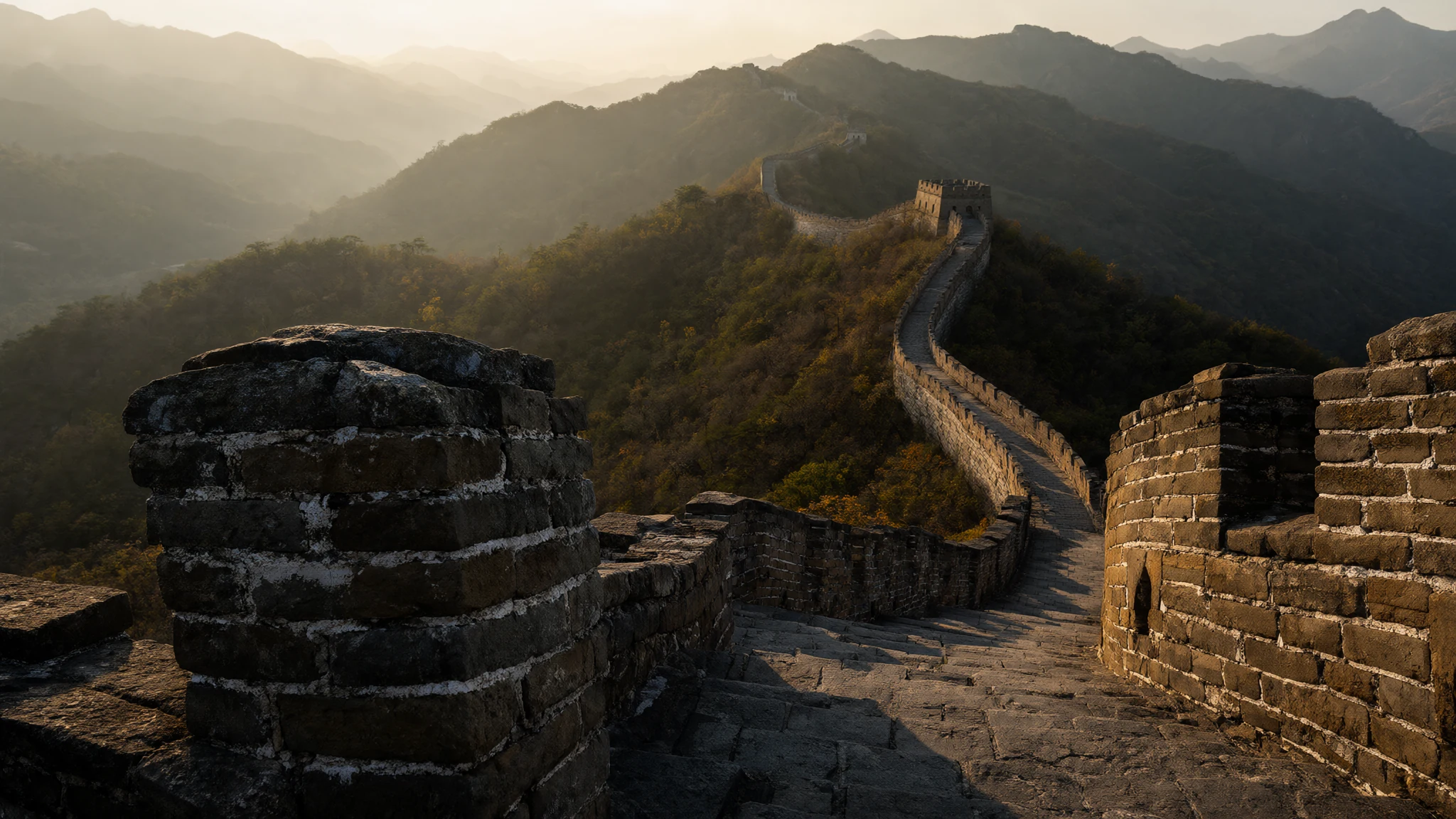
Climb granite ramparts and ancient watchtowers winding through dense northern woodlands, far from the denser crowds of Badaling.
The place
The Great Wall at Mutianyu sits within Huairou District, positioned north-east of central Beijing. Connected to Jiankou towards the west and Lianhuachi towards the east, this stretch functioned historically as a rugged northern fortification guarding the imperial capital and nearby imperial tombs. Built primarily from solid granite blocks, the defensive barrier features stone ramparts standing several metres high, topped by wide stone pathways that trace the sharp crests of surrounding mountain ridges.
What distinguishes this portion of the fortification is its dense clustering of defensive watchtowers along a stretch of stone wall. Both the outer and inner parapets are fully crenelated with protective merlons, allowing archers to fire safely from either side—a rare architectural layout across the wider defensive network. The central pass itself consists of three distinct watchtowers linked together on a shared terrace, creating an uncommon compound structure.
Beyond the stone masonry, the landscape is defined by rolling hills and deep valleys blanketed in dense woodland. Streams wind through the foothills below, and thick forest covers the slopes flanking the stone barrier. Visitors reaching the ramparts today can choose between steep stone stairways or mechanical cable lifts and gondolas rising from the forested valley floor, while a stainless steel toboggan track offers a swift descent back down to the trees.
Its story
The defensive line at Mutianyu has deep historical roots, with initial fortifications established here during the mid-sixth century under the Northern Qi dynasty, making this site older than the more famous Badaling sector. Centuries later, during the Ming dynasty, general Xu Da oversaw a major reconstruction campaign that laid down the grand stone masonry visible today over the older foundations. A fortified pass was established here, and further rebuilding followed as imperial commanders sought to secure the northern approaches.
During the sixteenth century, the Ming court put general Qi Jiguang in charge of the Jizhou, Changping and Baoding areas, where he drilled local guards. Recognizing vulnerabilities in the barrier design, Qi Jiguang successfully urged officials to install defensive abutments along the stone ramparts to improve command angles and troop protection. These enhancements solidified the fortification's reputation for superior construction quality and enduring structural resilience.
Modern preservation began when authorities approved restoration works for the site. Local district management subsequently established tourism operations, welcoming initial visitors before the wider complex achieved international recognition as a UNESCO World Heritage site. Later, international ties were cemented when local administrators signed partnership agreements with overseas communities, establishing formal links between the mountain village and rural towns abroad.
What to see
- Mutianyu Pass
The central defensive node of the site, featuring three interconnected watchtowers standing on a shared stone terrace. This unusual arrangement allowed garrison commanders to coordinate troop movements protected behind thick masonry walls.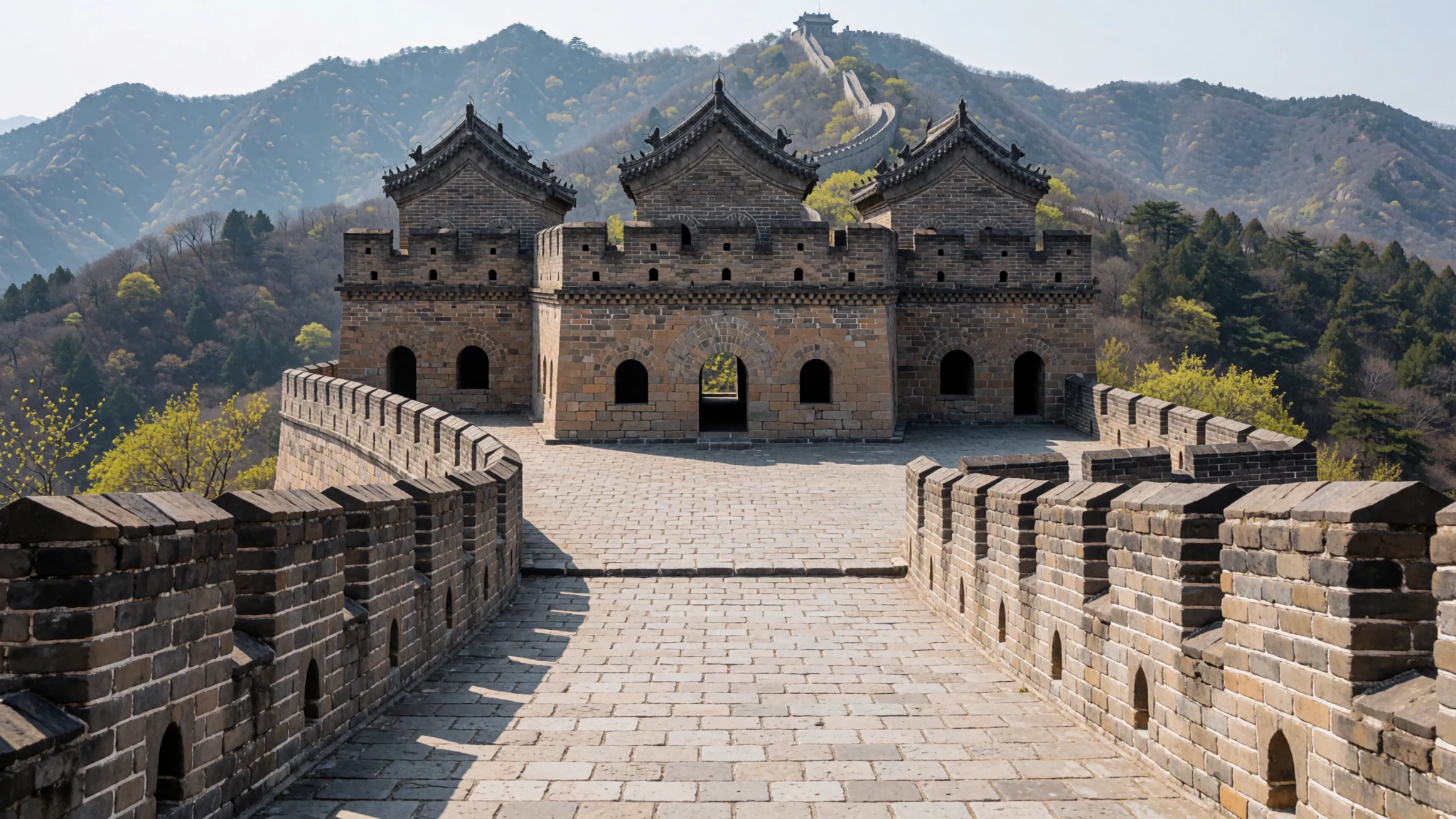
- Jiankou Wild Wall
A dramatic, unrestored section of fortifications stretching west towards Mutianyu. Known locally as the arrow nock due to its jagged mountain ridge profile, it offers challenging hiking across crumbling stone staircases.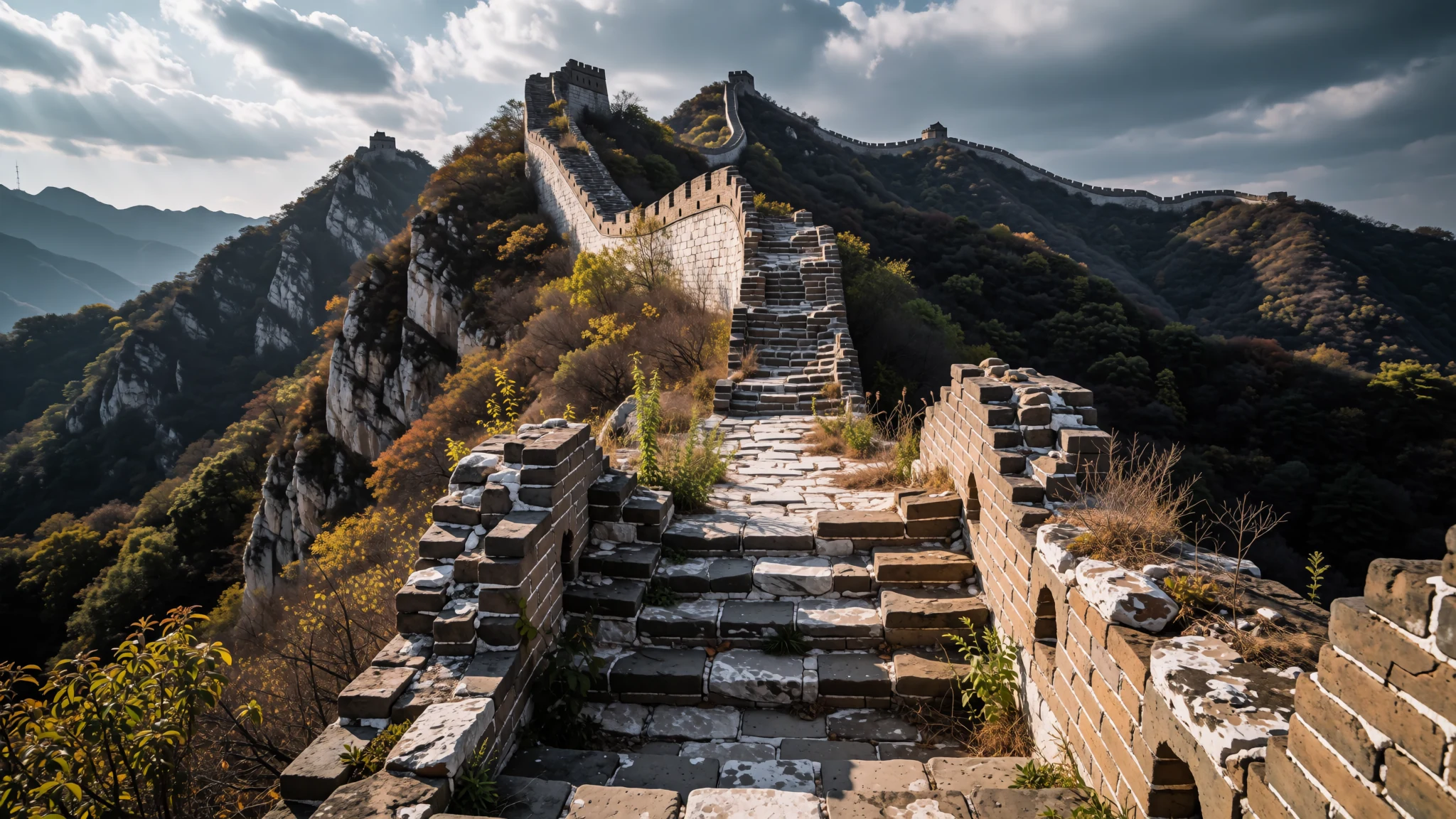
- Hongluo Temple
An extensive Buddhist temple complex situated in the southern foothills, established centuries ago to serve as both a monastic sanctuary and a spiritual retreat amidst ancient pine trees and flowing streams.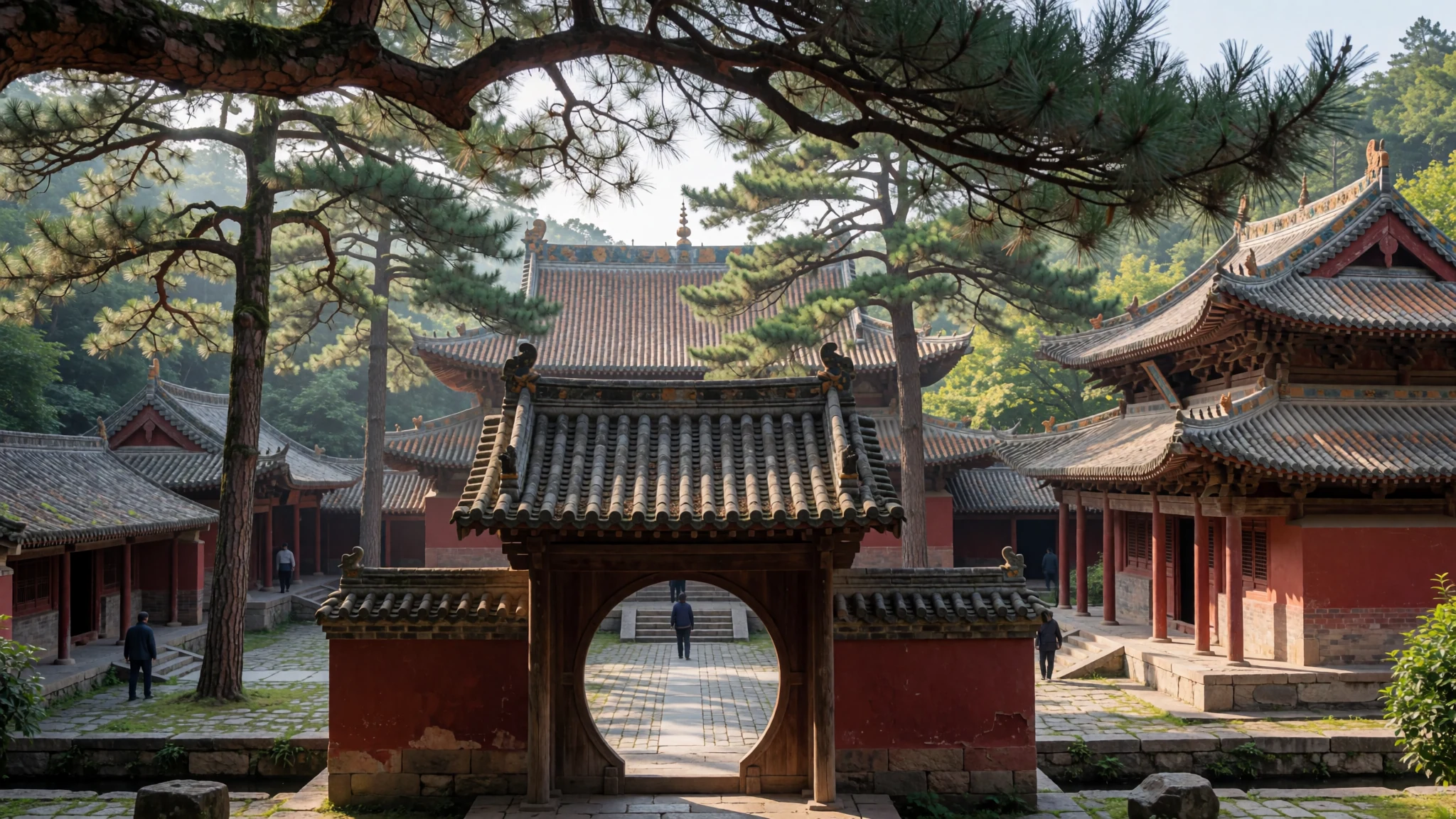
- Mutianyu Toboggan
A steel downhill slide running from the upper ramparts down to the valley floor. It provides a thrilling, winding descent through the trees for visitors looking for an alternative to walking or riding the cable car back down.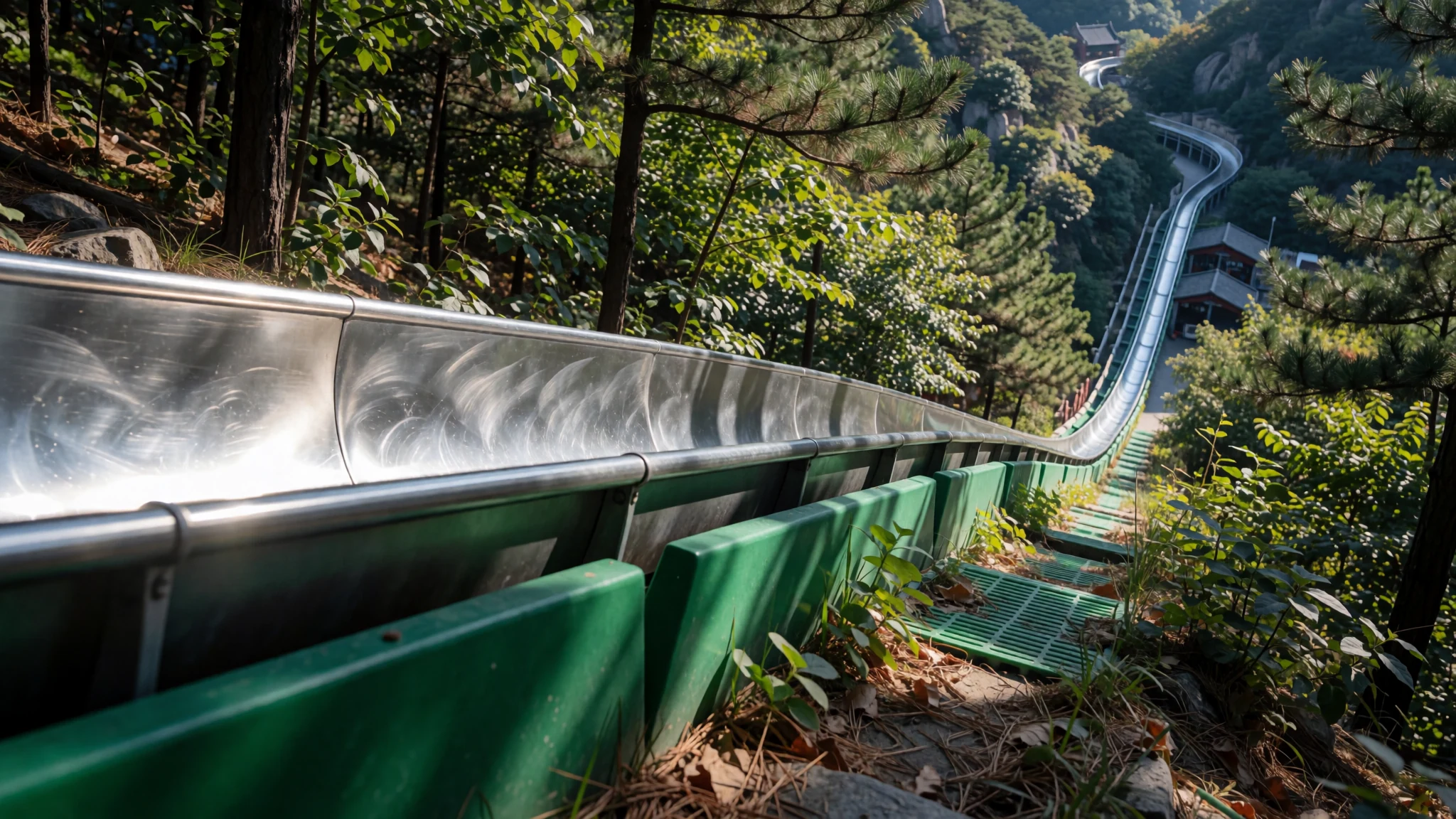
Culture
Surrounding the stone ramparts of Mutianyu is a rural mountain community deeply rooted in northern Chinese traditions, where local families have farmed valley plots and managed forest lands for generations. While traditional rural attire has largely given way to modern practical clothing, local craftspeople still produce regional folk items and seasonal harvest foods sold in the valley markets below the fortifications. Cultural life here is closely tied to the changing seasons, marked by spring blossoms across the mountain slopes and vibrant autumn foliage that draws visitors from the capital.
Traditional rural hospitality emphasises courtesy and community respect, especially around family-run guesthouses and small village eateries serving regional mountain cuisine. Visitors are encouraged to engage quietly with local residents and respect rural property boundaries when exploring lanes outside the main tourist zones. Always remove your hat inside sacred monastic halls and temples.
What to wear
Traditional dress in the rural valleys around Mutianyu historically reflected practical mountain life, featuring quilted cotton jackets, cloth trousers, and straw or woven hemp footwear designed to withstand cold winters and steep, rocky terrain. Today, local residents and domestic visitors wear contemporary casual clothing, including jeans, windbreakers, and modern sportswear suited to outdoor activities.
For international travellers visiting the stone ramparts, comfortable and practical attire is essential. The stone steps across the fortifications are steep, uneven, and weathered, making sturdy walking shoes or hiking boots mandatory. Layered clothing is recommended because mountain weather can shift quickly between bright sunshine and chilly valley winds, particularly during spring and autumn excursions. Sun protection such as hats and sunglasses is necessary during summer months when shade along the open stone walls is limited.
What to eat
- Huairou Rainbow Trout — Any local family-run eatery or valley restaurant in Huairou District
Locally farmed freshwater trout prepared across valley restaurants, typically grilled over open charcoal fires with cumin and chilli spices or served steaming in rich herbal broths.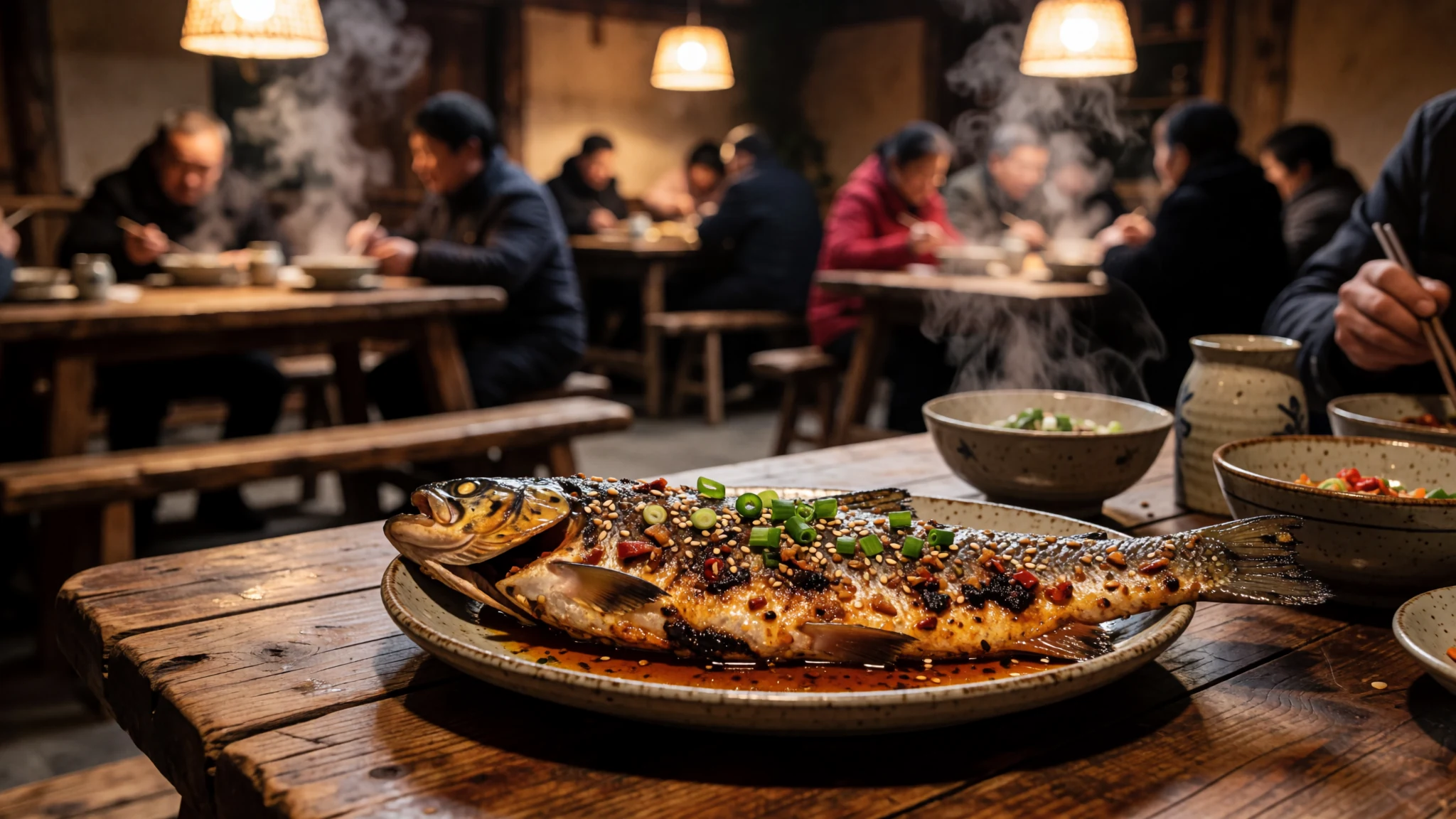
- Hand-Pulled Noodles — Traditional noodle shops near the main tourist village bus terminus
Stretchy wheat noodles tossed with garlic, scallions, and hot chili oil, providing a hearty, warming meal after a strenuous climb along the steep stone ramparts.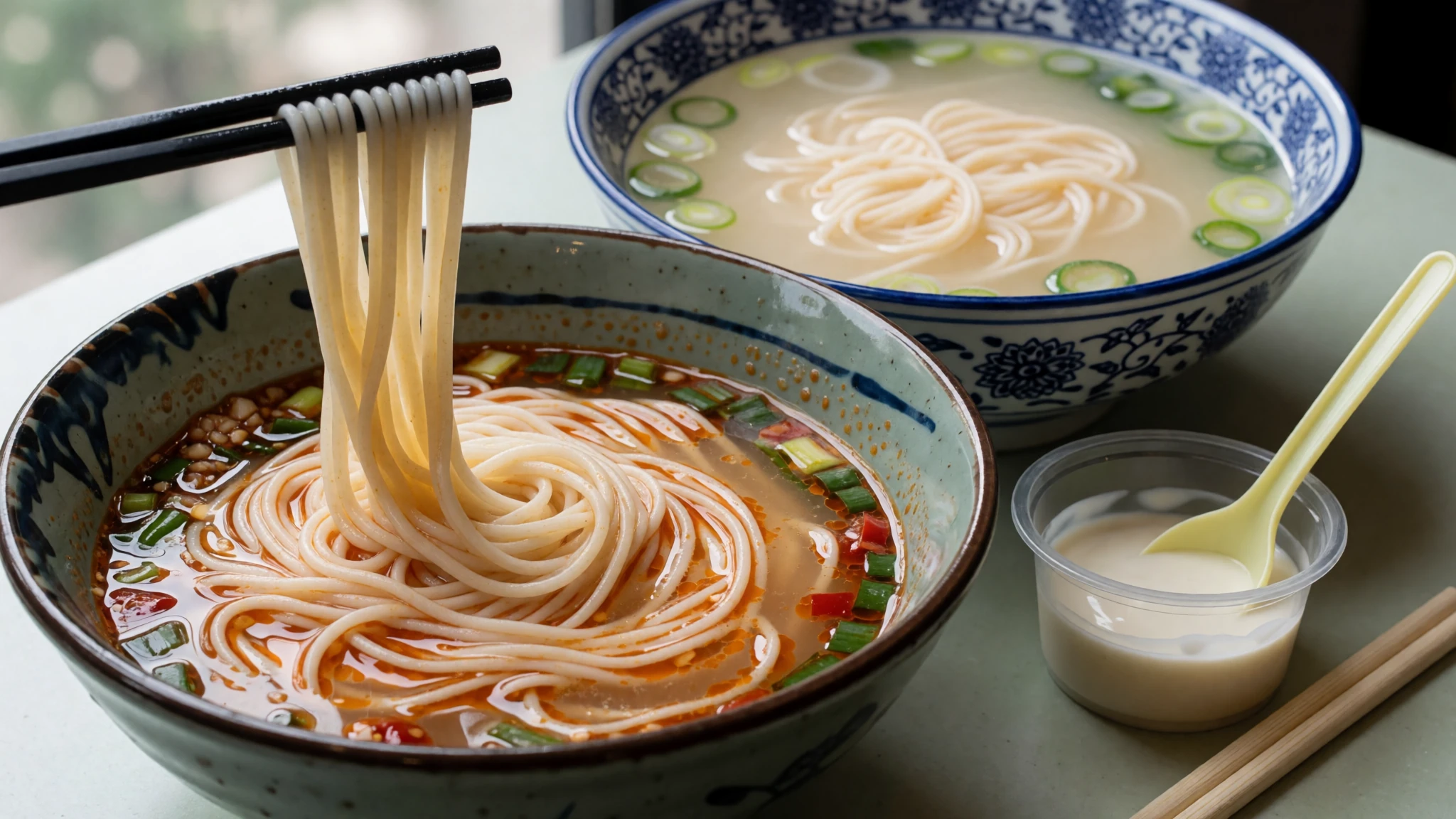
- Chestnut Stew — Country-style dining houses throughout the valley villages
Sweet local chestnuts braised with chicken or pork in a savoury soy-based sauce, celebrating the abundant nut harvests gathered from the surrounding mountain forests. - Stuffed Steamed Buns — Local morning markets and roadside food stalls in Huairou
Fluffy yeast buns filled with seasoned pork and seasonal wild mountain greens, served hot from bamboo steamers in village morning markets.
Plan it
Best time. September to November is the best window for clear autumn skies and vibrant foliage, as spring often brings windblown dust and sand that darkens the sky.
How long. 1–2
Getting there. Take the high-speed rail to Huairou South railway station or regional express buses from central Beijing, followed by local bus connections or a taxi to the Mutianyu tourist area.
Budget. mid
Tips
- Arrive early in the morning to beat the tour bus crowds from Beijing
- Wear sturdy hiking shoes with good grip for the steep and uneven stone steps
- Carry cash or ensure mobile payment apps are set up for ticket purchases and local snacks
- Bring plenty of water, as climbing the stone ramparts in warm weather is physically demanding
Etiquette
- Respect local mountain village customs and private property boundaries
- Always remove your hat inside sacred monastic halls and temples
- Keep noise levels down when visiting quiet rural areas and historical shrines
Nearby
Sources
- Wikidata Q212610 (CC0)
- Wikipedia (rev 1376126049) (CC BY-SA 4.0)
- Wikivoyage (rev 5239986) (CC BY-SA 4.0)
- Photo 01 (CC0 1.0)
- Photo 02 (CC BY-SA 4.0)
- Photo 03 (CC BY-SA 4.0)
- Photo 04 (CC BY-SA 4.0)
- Photo 05 (CC BY-SA 4.0)
- Photo 06 (Public domain)
- Photo 07 (CC BY 2.5)
- Photo 08 (CC BY 2.5)


