Ybycuí
Ybycuí, Paraguay
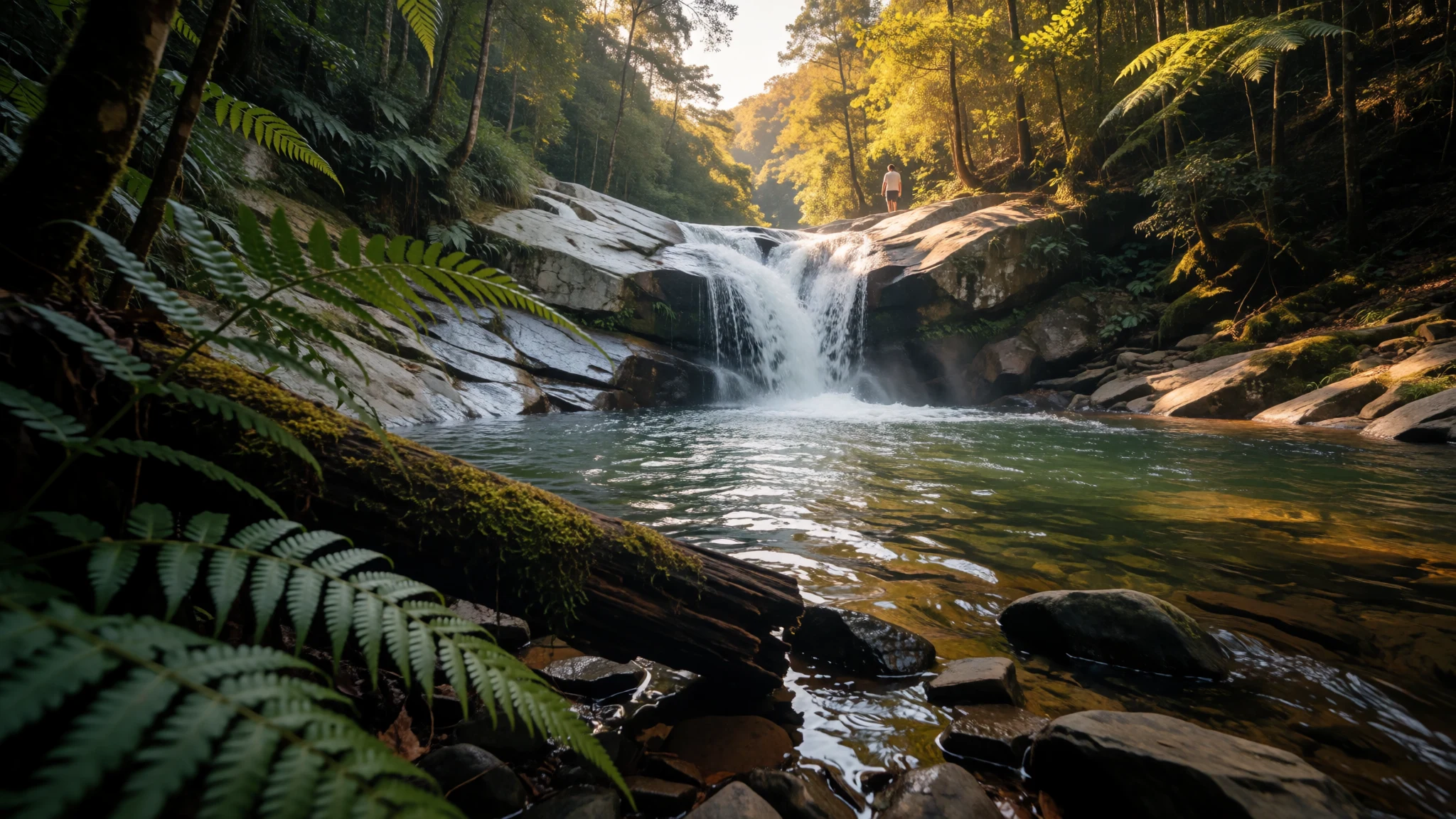
Ybycuí National Park strings forest waterfalls and cool swimming pools together with the ruins of a war-time iron foundry, within reach of Asunción.
The place
Ybycuí National Park sits in the department of Paraguarí in southern Paraguay, in a patch of green hill country that feels far from the flat farmland around it. The village of Ybycuí (Guarani: Yvyku'i) is about 120 km from Asunción, and the park lies further on, along a road that turns rough. What draws people is water. Shaded forest trails link a string of waterfalls, and several of them have clear pools below where swimming is possible. Under the canopy grow guatambú, black laurel, cancharana, cedar and rosewood, and the paths suit birdwatching, though seeing animals takes patience or a local guide. The climate is warm and humid. The yearly average is around 21°C, but summer days have reached 39°C and the coldest nights have fallen to 2°C, so conditions swing more than that average suggests. Rain feeds the falls, which means the wetter months show them at their fullest, while a dry spell can leave some of them thin. Besides the nature, the park holds the remains of an old iron foundry and a small museum, which gives a day here a second layer beyond swimming. Official camp sites inside the park make an overnight trip from the capital realistic, and the village has simple places to eat and sleep. Ybycuí is a rural, low-key destination: few services, patchy phone signal, and a pace set by the weather.
Its story
Ybycuí National Park carries an industrial past that surprises people who arrive only for the waterfalls. In the days of President Carlos Antonio López, the site at Minas Cué, better known as La Rosada, housed an iron-casting foundry and a store of arms. Tools, weapons and components for the Paraguayan navy's ships were made here, a sign of how much the state of that era wanted to produce its own metalwork. When the Paraguayan War reached the region, the works turned out bullets and guns. Allied troops eventually captured the foundry and destroyed it. What survives is a scatter of ruins, a dam across the stream, and a museum on the spot whose displays show the tools of the period and some of the guns made here. The forest has grown back over much of the ground, which is why a walk among the stonework feels quiet rather than monumental. Elsewhere in the area, the old home of Bernardino Caballero draws visitors keen on Paraguayan history, and a school farm called Mamorei works to teach local people the value of looking after nature. Together these give Ybycuí a story of making, destruction and slow regrowth, set beside streams that kept running through all of it.
What to see
- Museo de La Rosada — Inside Ybycuí National Park, at the old foundry site
The small museum at La Rosada, inside the park, explains the foundry that once stood here. Its cases hold tools from the ironworking years and guns manufactured on the spot. It is worth visiting before walking the ruins outside, since it gives the stonework and the stream a clear purpose.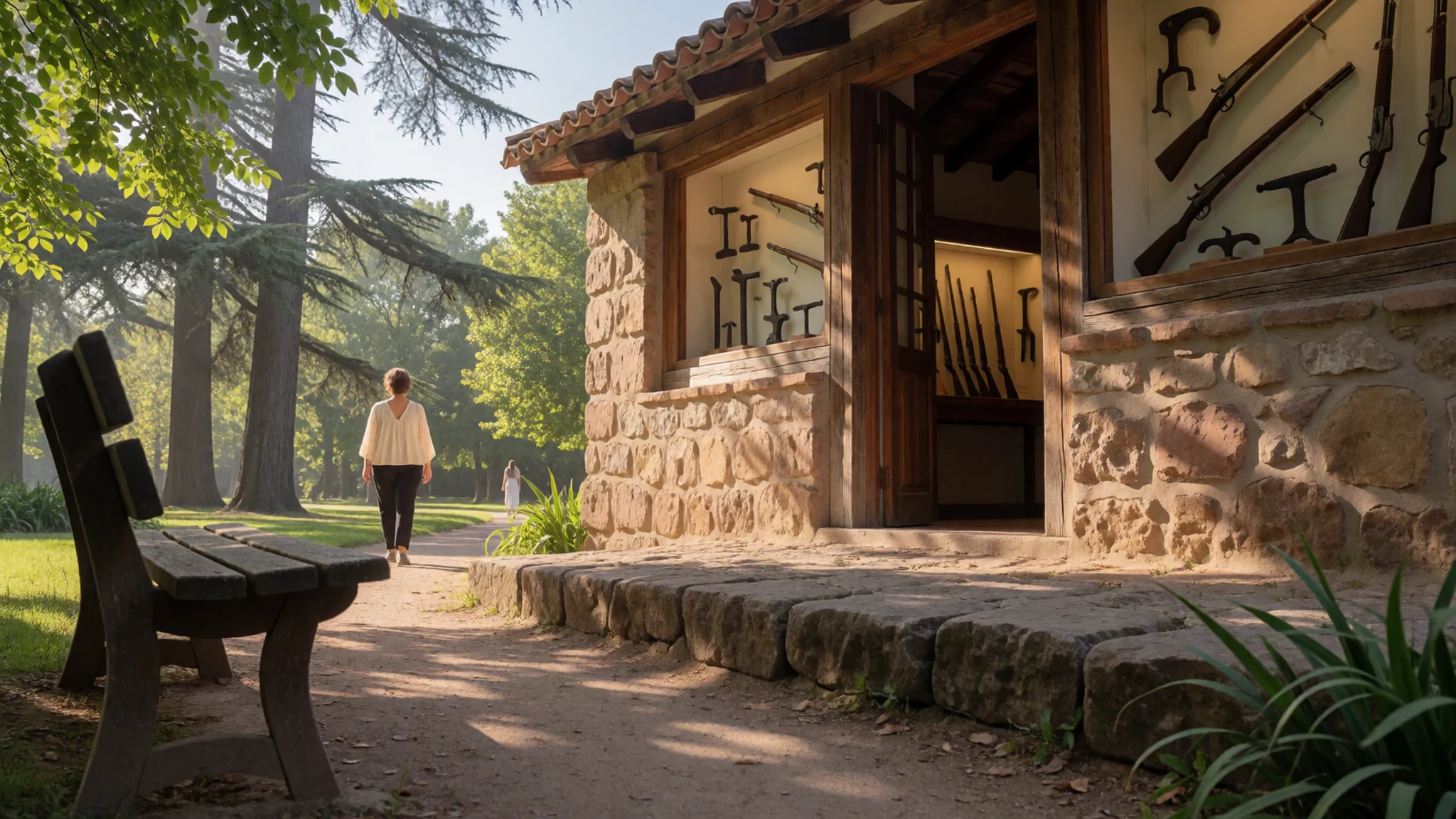
- Ruins of the old ironworks and dam — La Rosada, Ybycuí National Park
Beyond the museum, the foundry's remains lie among trees: walls, an entrance, and a dam holding back the stream. Moss and roots have softened the masonry. It is a good place for slow photography and for imagining the noise of furnaces where birdsong now fills the air.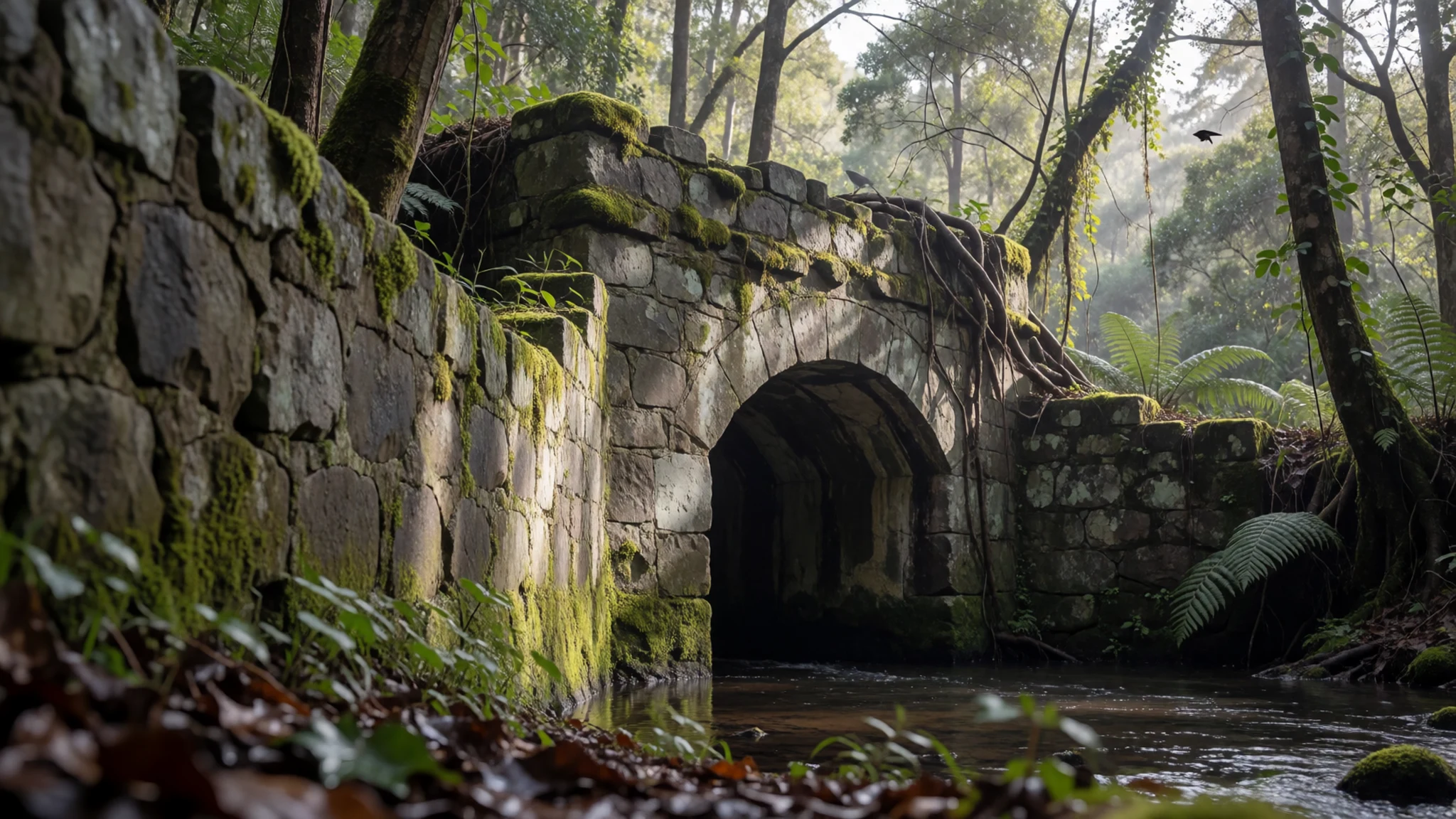
- Salto Cristal (Salto Minas) — Near the camping area, Ybycuí National Park
Salto Minas, also called Salto Cristal, is the fall most visitors head for, close to the camp sites. Clear water drops into a pool framed by forest, and trails nearby lead on to other falls. After heavy rain the flow is strong; in a dry spell it can be modest.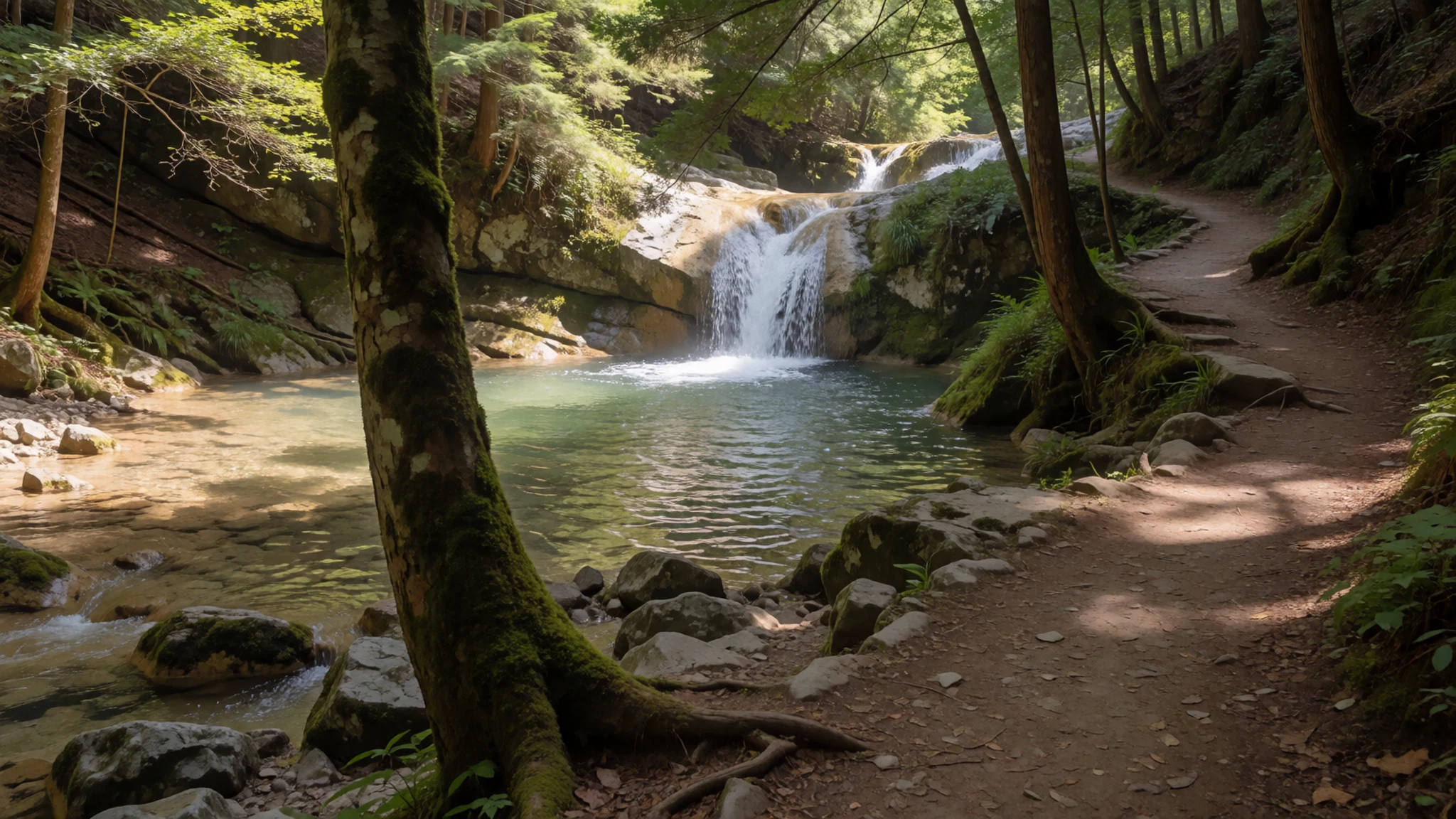
- The wider chain of waterfalls — Forest trails through the park
Salto Yruvu Kua, Salto Kuñatai and Salto Mbocaruzu, a pair of falls with whimsical names, sit along shaded paths. Most are linked by forest trails, so a day can be built around walking from one pool to the next. Wear shoes with grip, because rocks near the water stay slippery.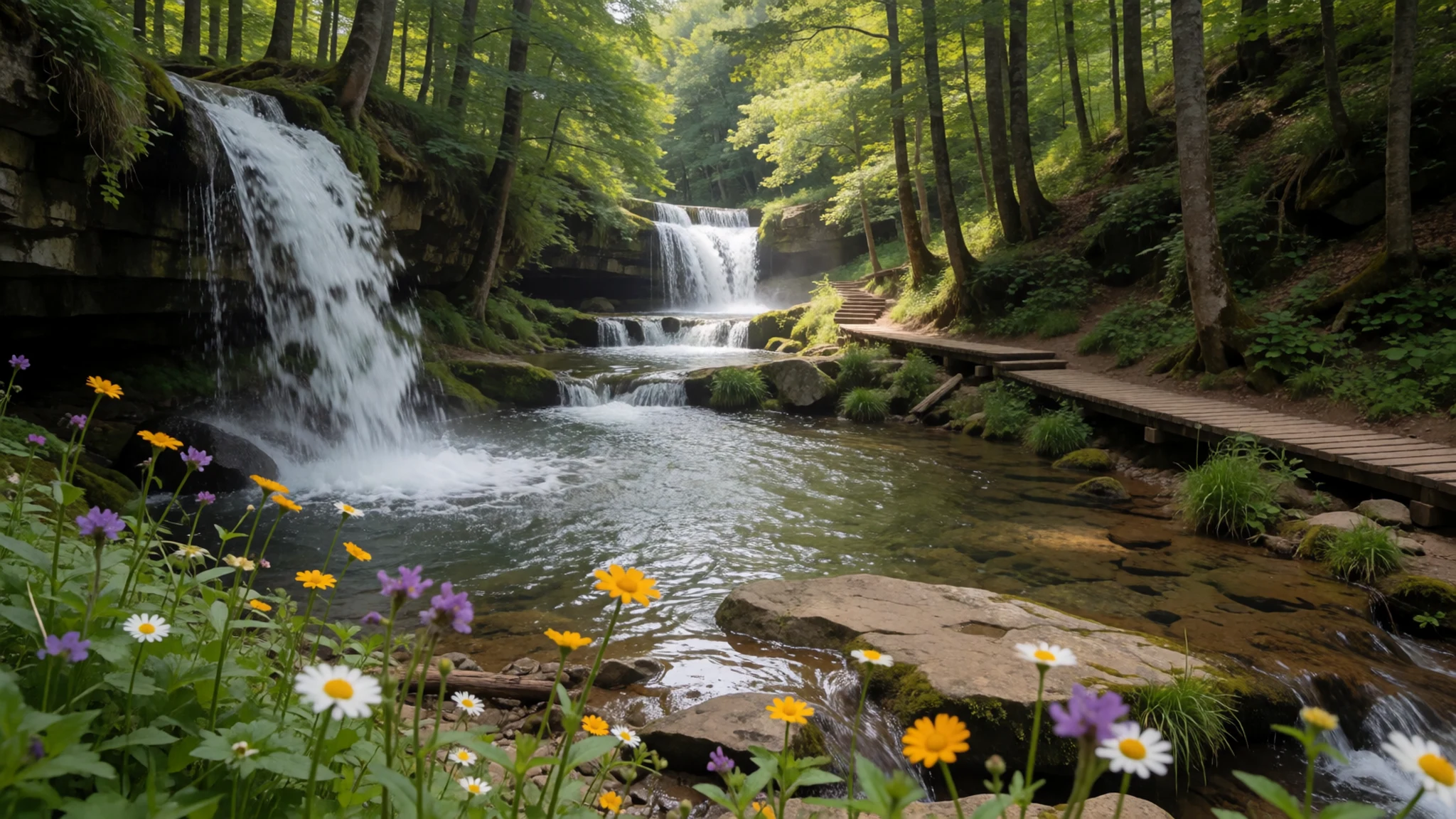
- Forest trails and birdwatching — Throughout the park
The woods around La Rosada reward early starts, when birds are most active and the heat has not built. Animals are shy, so a local guide helps a great deal. Even without sightings, the walks pass tall native trees such as cedar and rosewood and cool, shaded streams.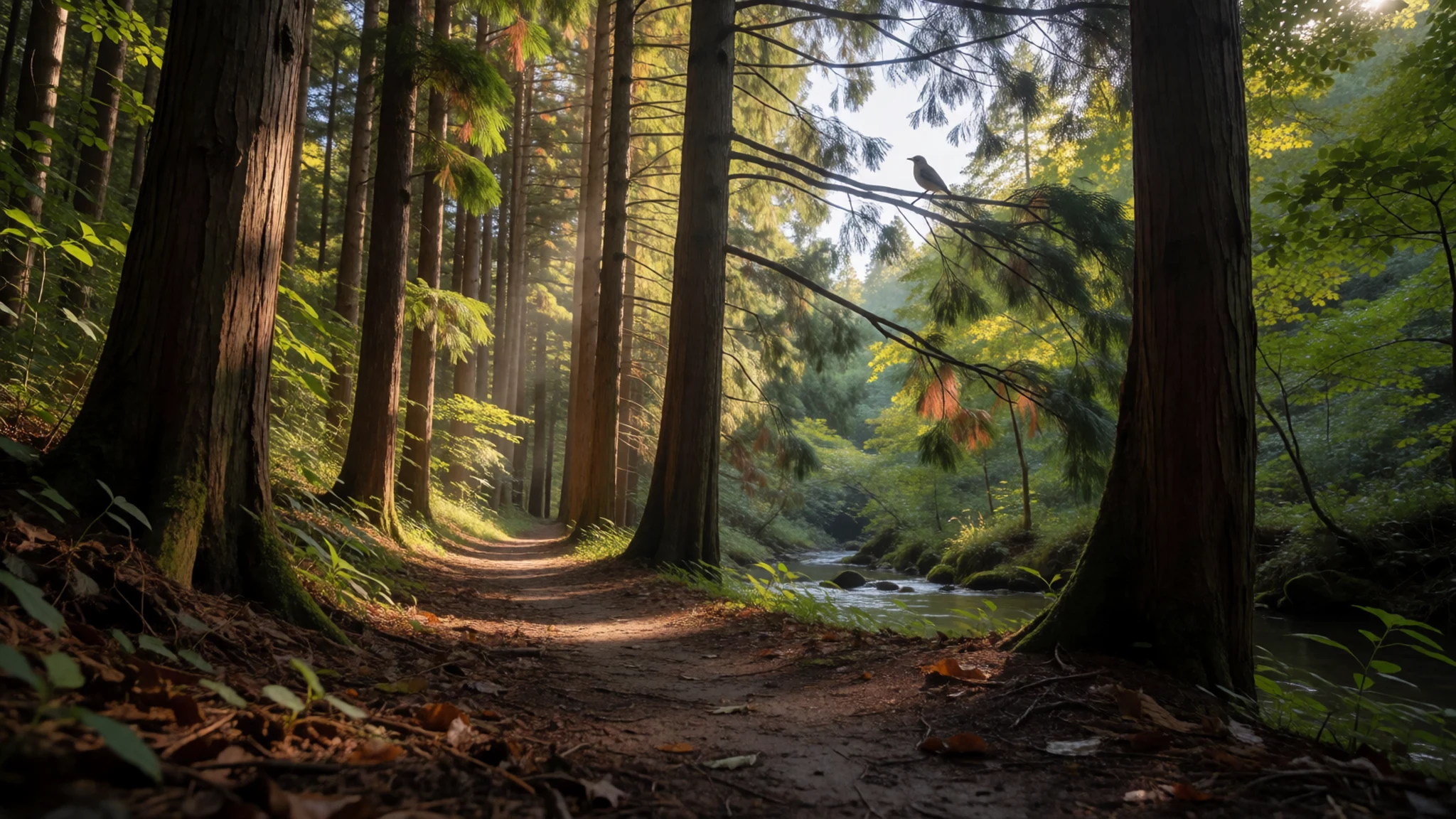
- Ybycuí village — The village, a taxi ride from the park
The village has simple places to eat and sleep and serves as a base when camping does not appeal. Visitors interested in history can ask about the old home of Bernardino Caballero, and the Mamorei school farm shows local work on conservation. Arrange transport to the park in advance.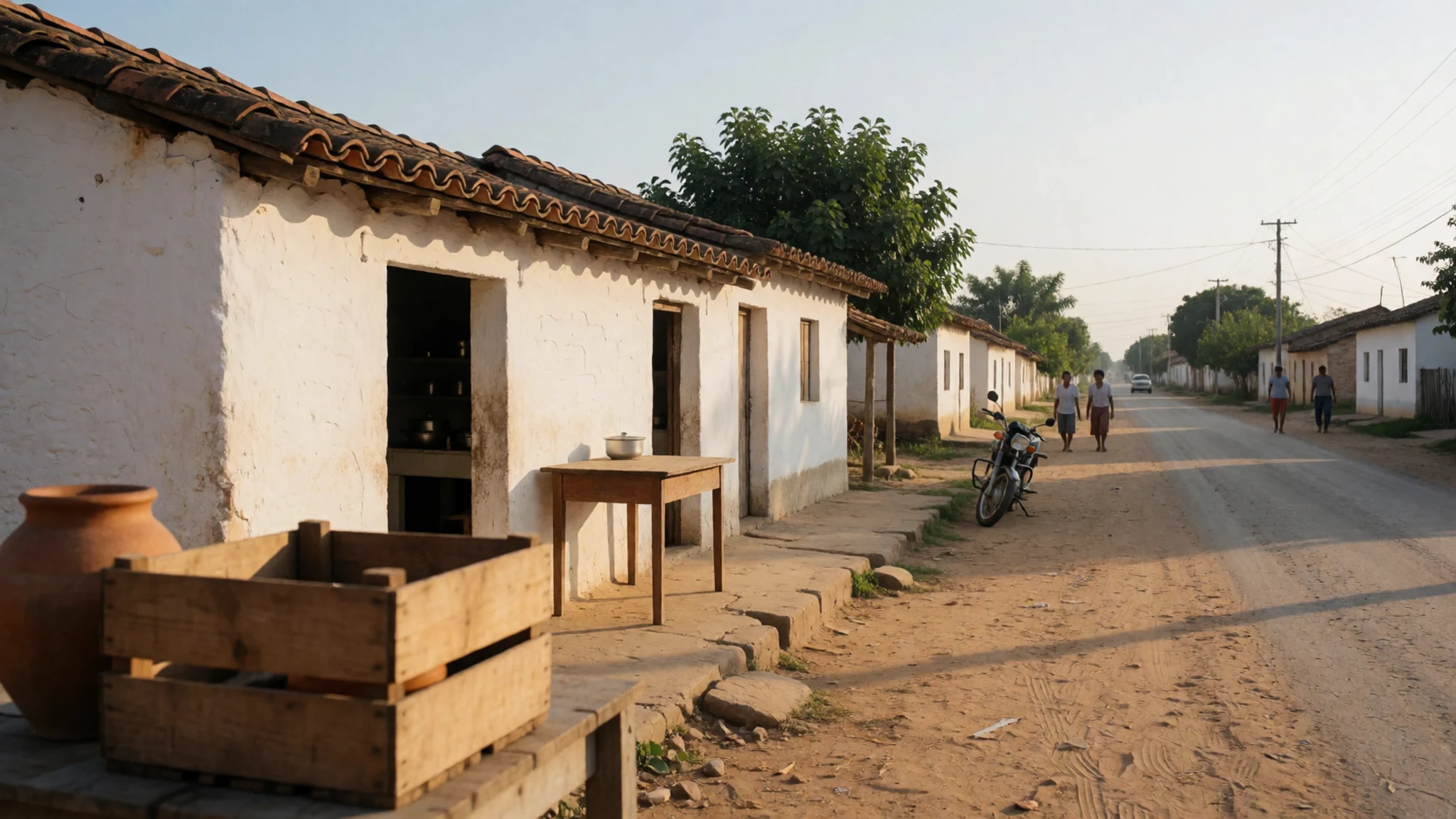
Culture
Ybycuí lies in a country where Guarani and Spanish are both everyday languages, and the village's own name, Yvyku'i, is Guarani. Life in rural Paraguay runs on unhurried courtesy: people greet one another, shake hands, and talk for a while before getting to business. The most visible habit is tereré, a cold infusion of yerba mate sipped through a metal straw from a shared cup, usually passed around a circle with a flask of iced water close by. In cooler weather the hot version, mate, takes its place. Being offered a turn is a gesture of welcome rather than a formality. Family outings, grilled meat and long afternoons by the water are ordinary here. The park's history also sits close to national memory. The Paraguayan War is remembered keenly, and the foundry ruins are treated as heritage rather than curiosity, so local guides, many from nearby families, are often glad to explain what happened and why it matters. The school farm in the area reflects a local interest in conservation, and that attitude shows in how the park is looked after. Spanish goes a long way with staff and drivers, and a few words of Guarani bring smiles. Take all your rubbish back out of the park, and ask permission before photographing people in the village.
What to wear
Ybycuí and the rest of rural Paraguay have their own traditional dress, though it now appears mostly at festivals, school events and folk dances. The best-known cloth is ao po'i, a light, finely embroidered cotton worn in warm weather, often in white, with blouses and dresses for women and shirts for men. Another craft is ñandutí, a spider-web style of lace made in bright or white thread, used on collars, tablecloths and fans. Hand-woven fabrics and striped ponchos belong to the cooler months. In daily life around Ybycuí, people dress simply and for the heat: cotton shirts, shorts or jeans, football shirts, sandals or trainers, and straw or cloth hats for farm work. Families heading to the pools wear swimwear under light clothes. Visitors should dress for a humid, warm climate with cold snaps in winter. Light, quick-drying clothes, a hat and sun protection suit the trails, while a rain jacket is useful in the wetter months. Shoes matter more than anything: choose closed footwear with a good grip for muddy paths and slippery rocks, and keep sandals for the pools. Insect repellent and long sleeves help in the evenings. Modest dress is not strictly demanded in the park, but cover up in the village.
What to eat
- Sopa paraguaya — Village eateries and roadside stalls
Despite the name, sopa paraguaya is a dense, savoury cornbread made with cheese, onion and milk. It is baked until golden and eaten warm as a side dish or a snack. Look for it at simple family-run eateries in Ybycuí and along the road.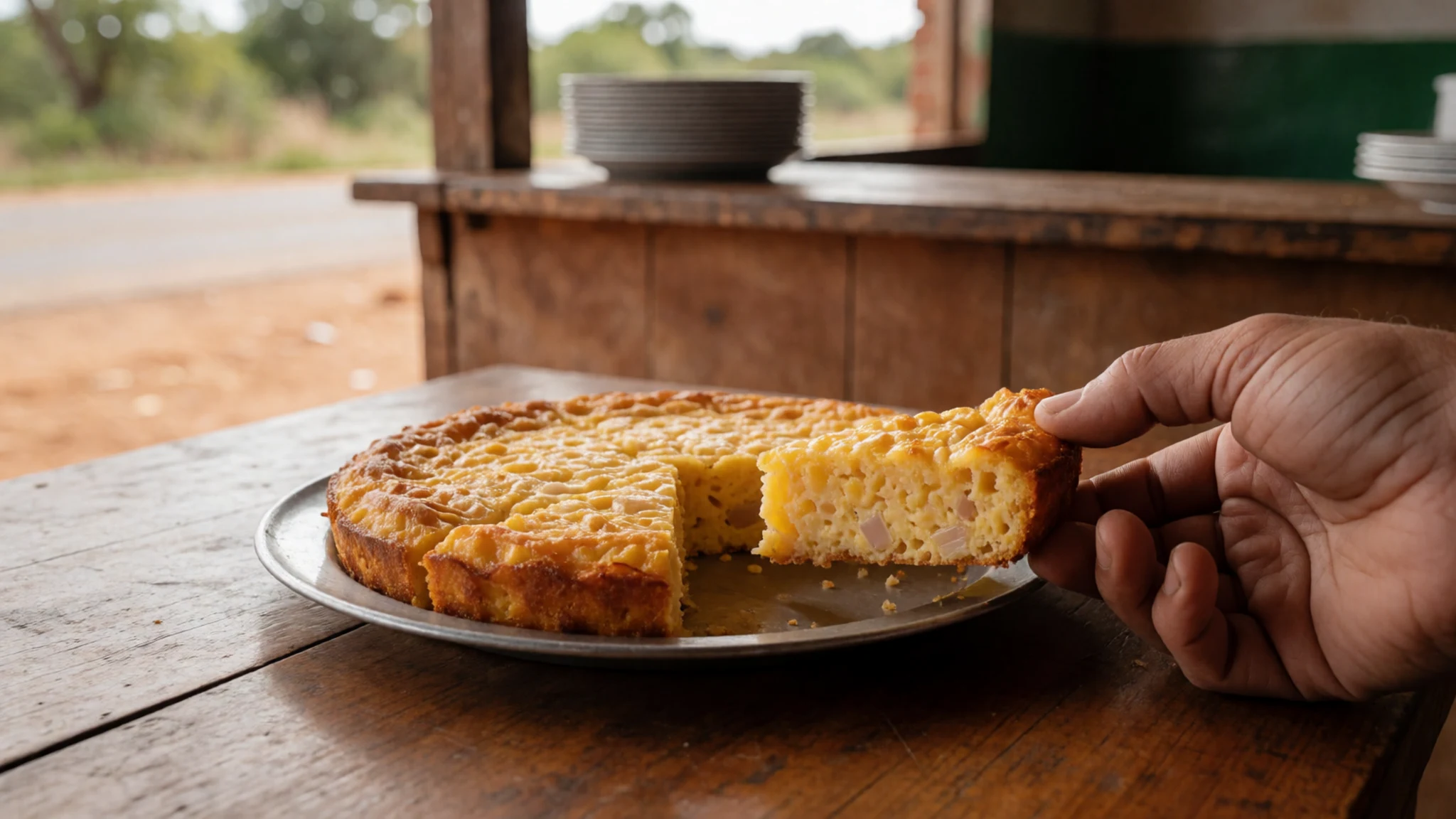
- Chipa — Bakeries and roadside sellers along the route
Chipa is a baked ring or roll made with cassava starch and cheese, chewy inside and crisp outside. Sellers often carry it in baskets on buses and by the roadside. It is easy to pack for a trail day and best eaten fresh and warm.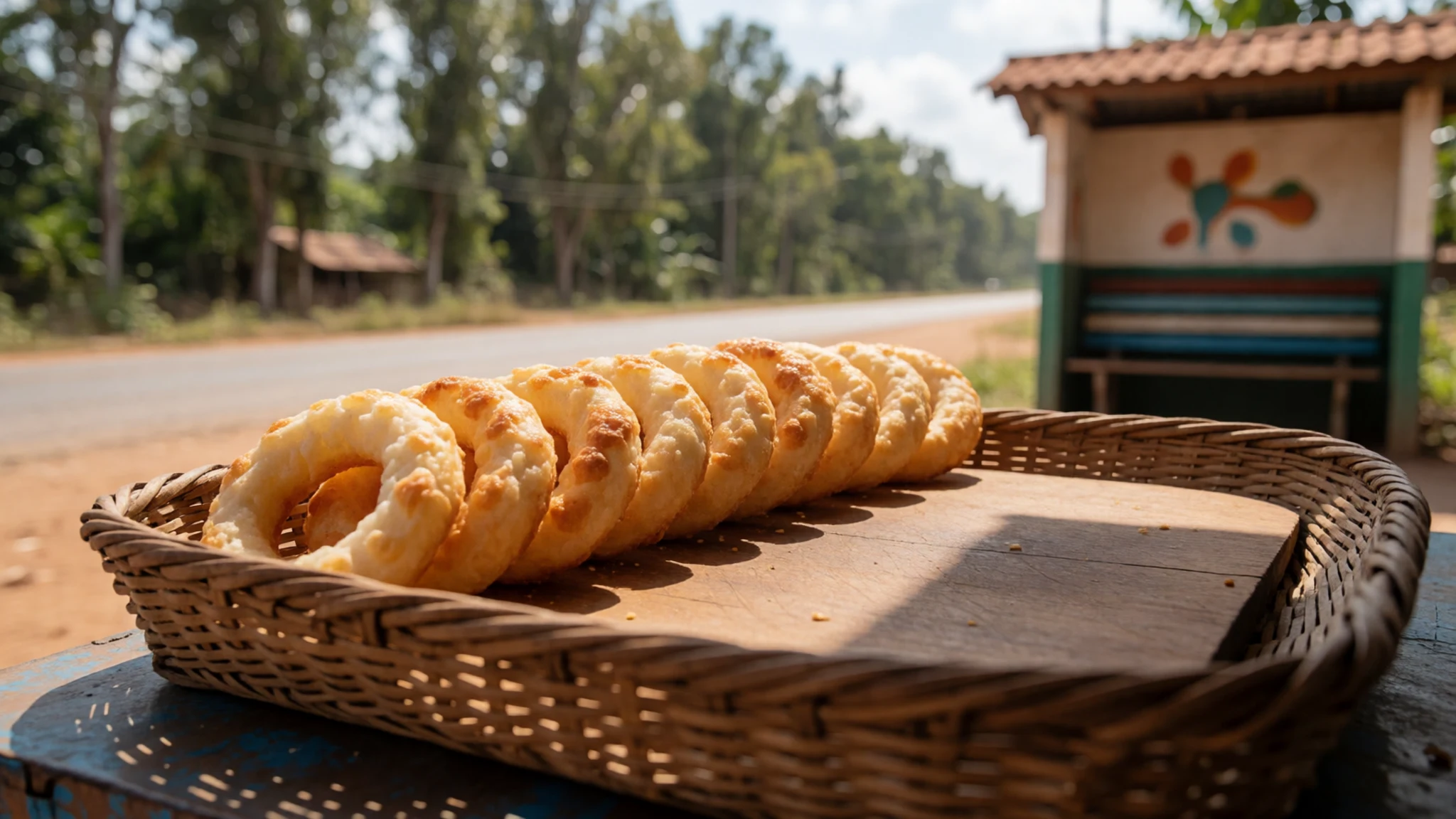
- Mbejú — Village stalls and home-style eateries
Mbejú is a flat cassava-starch cake, toasted on a griddle and sometimes filled with cheese. It has a slightly crunchy surface and a soft middle. It is popular with a morning coffee or cocido, a sweet, smoky hot drink, and is easy to find in small villages. - Bori bori — Home-style restaurants in Ybycuí village
Bori bori is a warming soup of chicken or beef with small dumplings made from cornmeal and cheese. It suits cooler or wet days after time in the park. Ask at village eateries what is on the menu, as many cook it in family-sized pots. - Asado with mandioca — Weekend grills and village restaurants
Grilled beef cooked slowly over embers is a staple of family gatherings, usually served with boiled mandioca (cassava) and salad. Vegetarian travellers should ask in advance, because meat features heavily in menus. Sharing a platter is the normal way to eat it.
Plan it
Best time. March–April and October–November, when the falls carry good water and the heat is less fierce than in high summer; the park is best after rain, though trails turn muddy, and the hottest days can reach 39°C.
How long. 1–2
Getting there. Asunción has the nearest major commercial airport. From the city, the park is about a three-hour drive, south on the main highway and then onto Route 18; the last stretch inside the park is rough dirt, so a high-clearance four-wheel-drive vehicle is the safe choice. By bus, services run from Asunción's main bus terminal towards Ybycuí or Salto Minas, and from the village a local taxi covers the final leg to the park.
Budget. low
Tips
- Check the park's official opening hours and camp-site arrangements with the Paraguayan national parks authority before travelling, as they can change
- Carry cash for camping, taxis and village eateries, as card use is unreliable
- Bring plenty of drinking water, insect repellent and sun protection
- Start walks early to enjoy cooler air and better birdwatching
- Hire a local guide if seeing animals matters to you
Etiquette
- Take all rubbish out with you and keep to marked trails
- Ask permission before photographing local people
- Greet staff and villagers politely before asking for help
Nearby
Sources
- Wikidata Q6063038 (CC0)
- Wikipedia: Ybycuí (rev 1384679015) (CC BY-SA 4.0)
- Wikivoyage: Ybycuí National Park (rev 5154728) (CC BY-SA 4.0)
- Photo: Alrededores de La Rosada (1) (CC BY 3.0)
- Photo: Alrededores de La Rosada (CC BY 3.0)
- Photo: Entrada a la Rosada (CC BY 3.0)
- Photo: Museo de La Rosada (CC BY 3.0)
- Photo: Parque nacional Ybycuí (CC BY-SA 4.0)
- Photo: Presa de la Antigua Fundición de Hierro - La Rosada (CC BY 3.0)
- Photo: Presa sobre el arroyo (CC BY 3.0)
- Photo: Represa de la fundición de hierro (CC BY 3.0)


