Rio de Janeiro
Rio de Janeiro, Brazil

Rio de Janeiro pairs dramatic granite peaks and golden beaches with a vibrant cultural pulse that feels alive at every turn.
The place
Rio de Janeiro—everyone just calls it Rio—is the capital and biggest city in Brazil's Rio de Janeiro state. It holds the position of the second-largest city in the country after São Paulo, while standing as the leading destination for international visitors across the nation. The municipality is home to a population of over 6 million residents, expanding to roughly 13 million people across its wider metropolitan area. It ranks among the most populous urban centres in the Americas, stretching between steep coastal mountains and the turquoise Atlantic waters.
The geography of Rio defines its character entirely. Forested hills rise abruptly from narrow coastal strips, creating natural barriers and dramatic lookouts over Guanabara Bay and the open ocean. Urban neighbourhoods nestle in valleys and along stretches of sand, such as the famous shoreline districts of the South Zone. The climate is tropical and humid, bringing warm days year-round with long spells of heavy rain between December and March that nourish the dense Atlantic rainforest clinging to the city's highest points. Life here spills outdoors constantly, from morning joggers circling urban lagoons to evening crowds gathering along the pavements of Ipanema and Copacabana.
Its story
Before European arrival, the region surrounding Guanabara Bay was inhabited by indigenous Tupi, Puri, Botocudo, and Maxakalí communities. Portuguese explorers first encountered the sheltered bay on the first day of January in 1502, naming the waterway the January River under the command of an expedition leader from Lisbon. The permanent settlement was formally established in 1565 by the Portuguese to secure the territory against French interlopers who had attempted to plant a colony on one of the bay islands.
Over subsequent centuries, Rio evolved from a colonial outpost into an imperial capital. In 1763, it assumed the role of capital for the State of Brazil within the Portuguese Empire. A pivotal moment arrived in 1808 when the Portuguese Royal Court fled Napoleon's forces and relocated across the Atlantic, turning Rio into the seat of the entire Portuguese monarchy. This marked a rare historical occurrence where the capital of a European colonial power shifted directly to a city within its overseas territories. Although Brazil declared independence in 1822 and eventually transitioned from empire to republic, Rio retained its cultural and political gravity, serving as the national capital until the seat of government moved inland to Brasília in the twentieth century.
What to see
- Corcovado and Christ the Redeemer — Tijuca Forest
Ascend the steep granite peak via the historic funicular railway from Cosme Velho or tackle the hiking trail starting at Parque Lage. At the summit, the colossal statue stands sentinel over the entire urban expanse, offering sweeping views across the Tijuca Forest and the sprawling coastal districts below.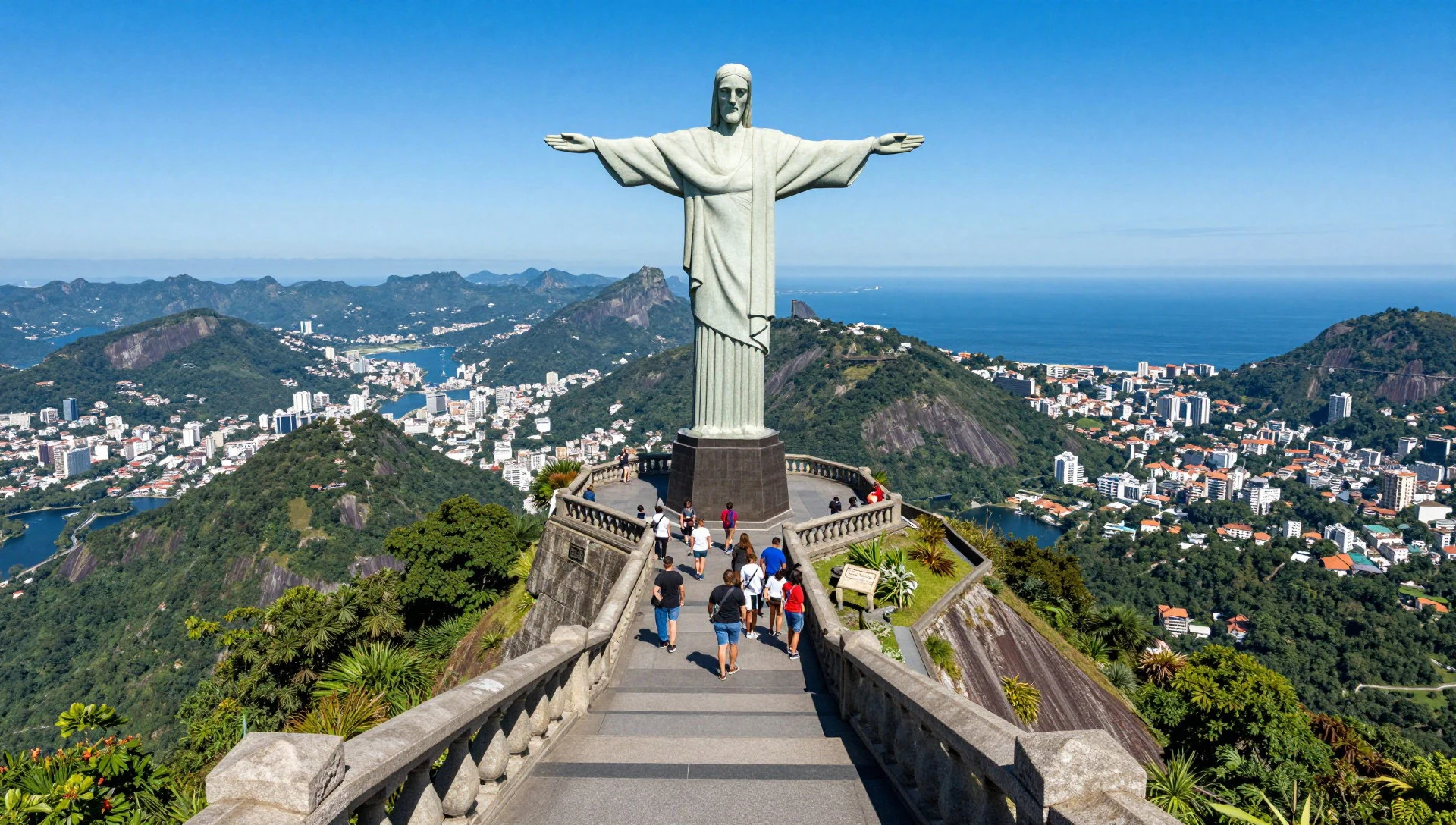
- Sugarloaf Mountain — Urca
Take the two-stage aerial tramway to the top of Pão de Açúcar for legendary panoramas of Guanabara Bay and the surrounding beaches. Visiting around sunset provides a particularly striking transition of light over the city, and adventurous travellers can also explore the unsigned walking path leading up to the intermediate station.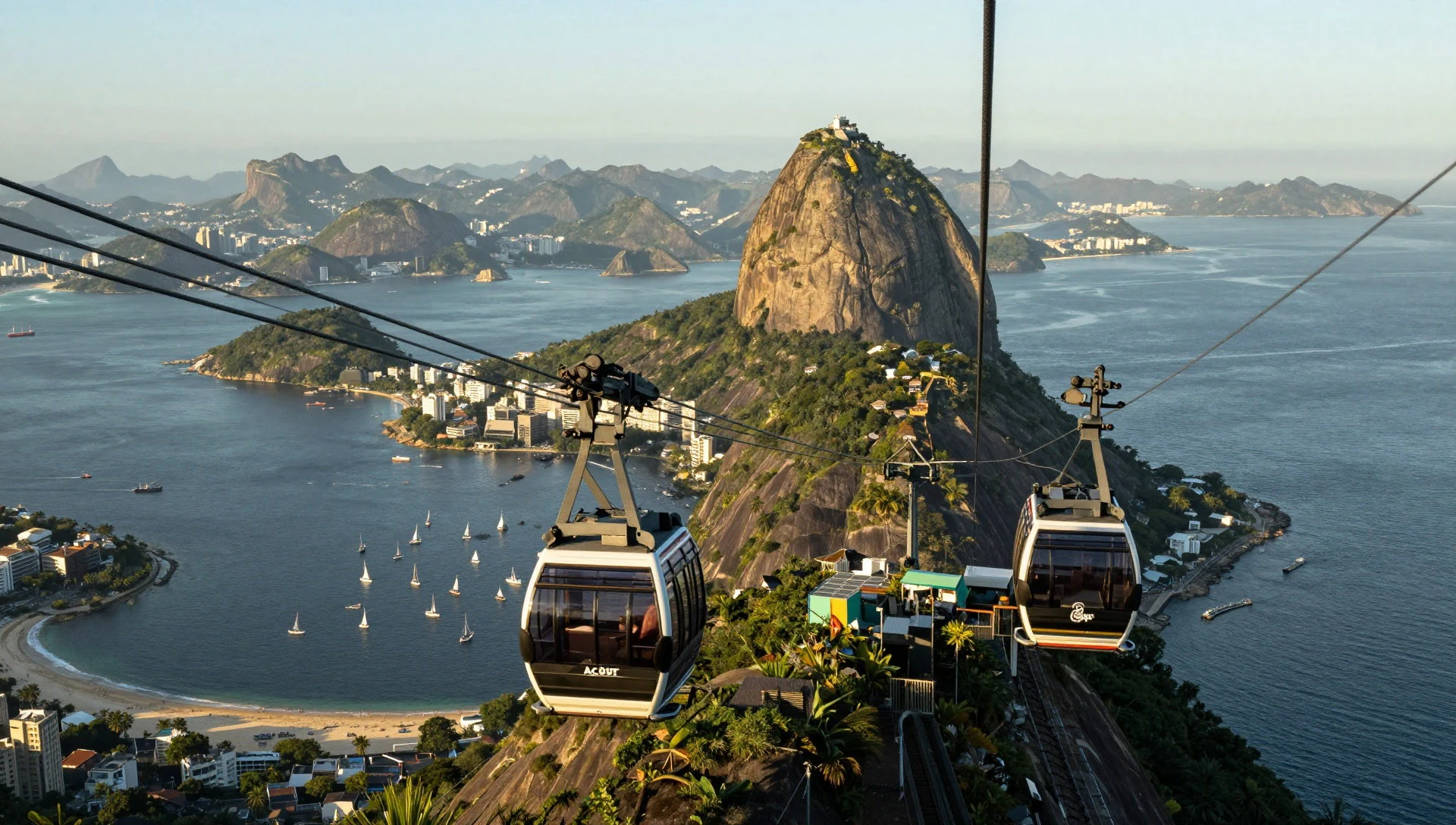
- Lagoa Rodrigo de Freitas — South Zone
A vast inland lagoon situated in the heart of the South Zone, ringed by a continuous track favoured by local runners and cyclists. Visitors can hire pedal boats on the water or relax at open-air kiosks while taking in uninterrupted sightlines toward both Corcovado and the neighbouring ocean beaches.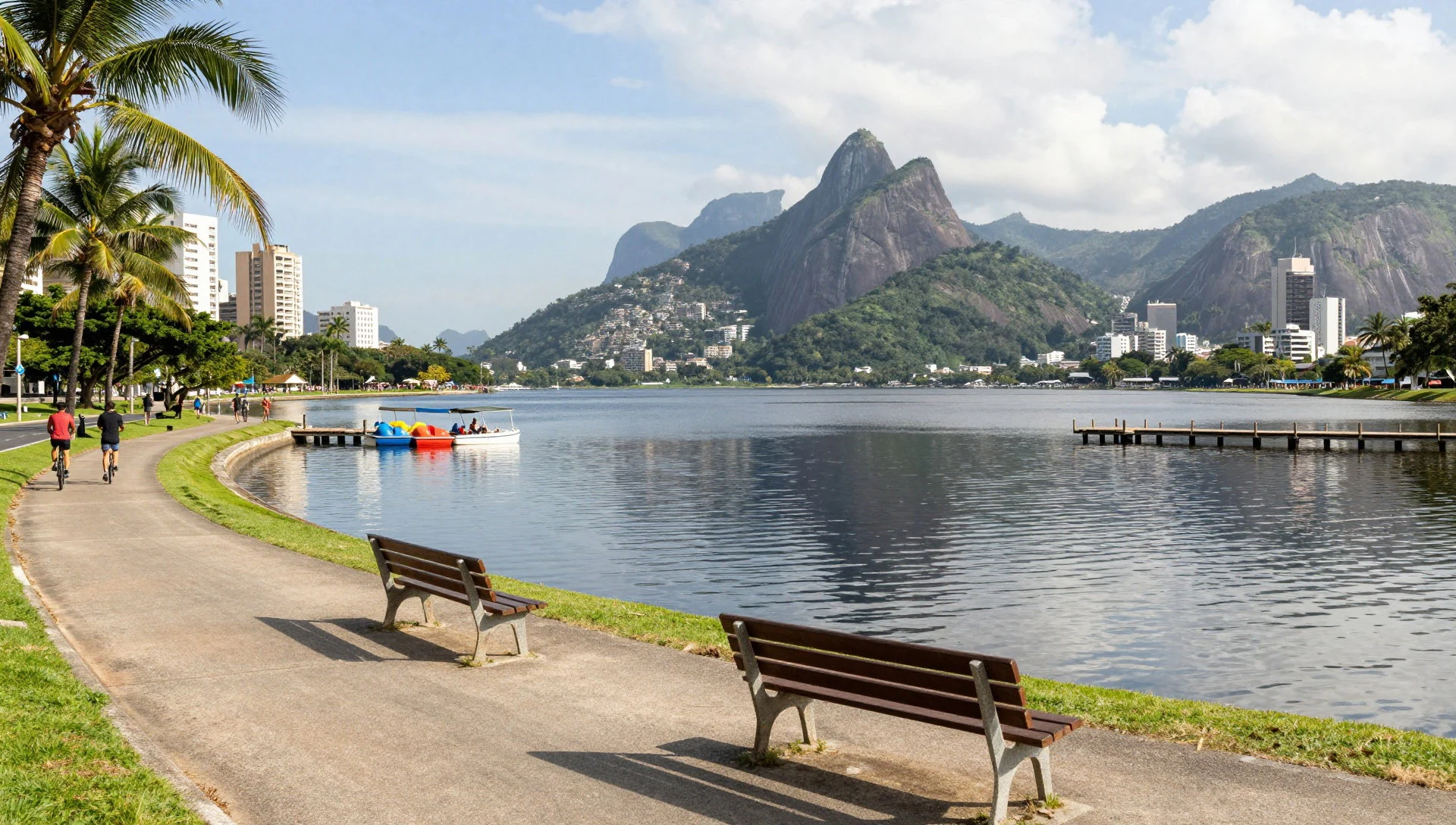
- Maracanã Stadium — Maracanã
Once the largest football arena on Earth, this iconic sporting temple remains a colossal monument to Brazil's national obsession with the game. Guided tours through the dressing rooms and player tunnels are currently suspended, but the stadium's historic world matches still make it a compelling place to visit.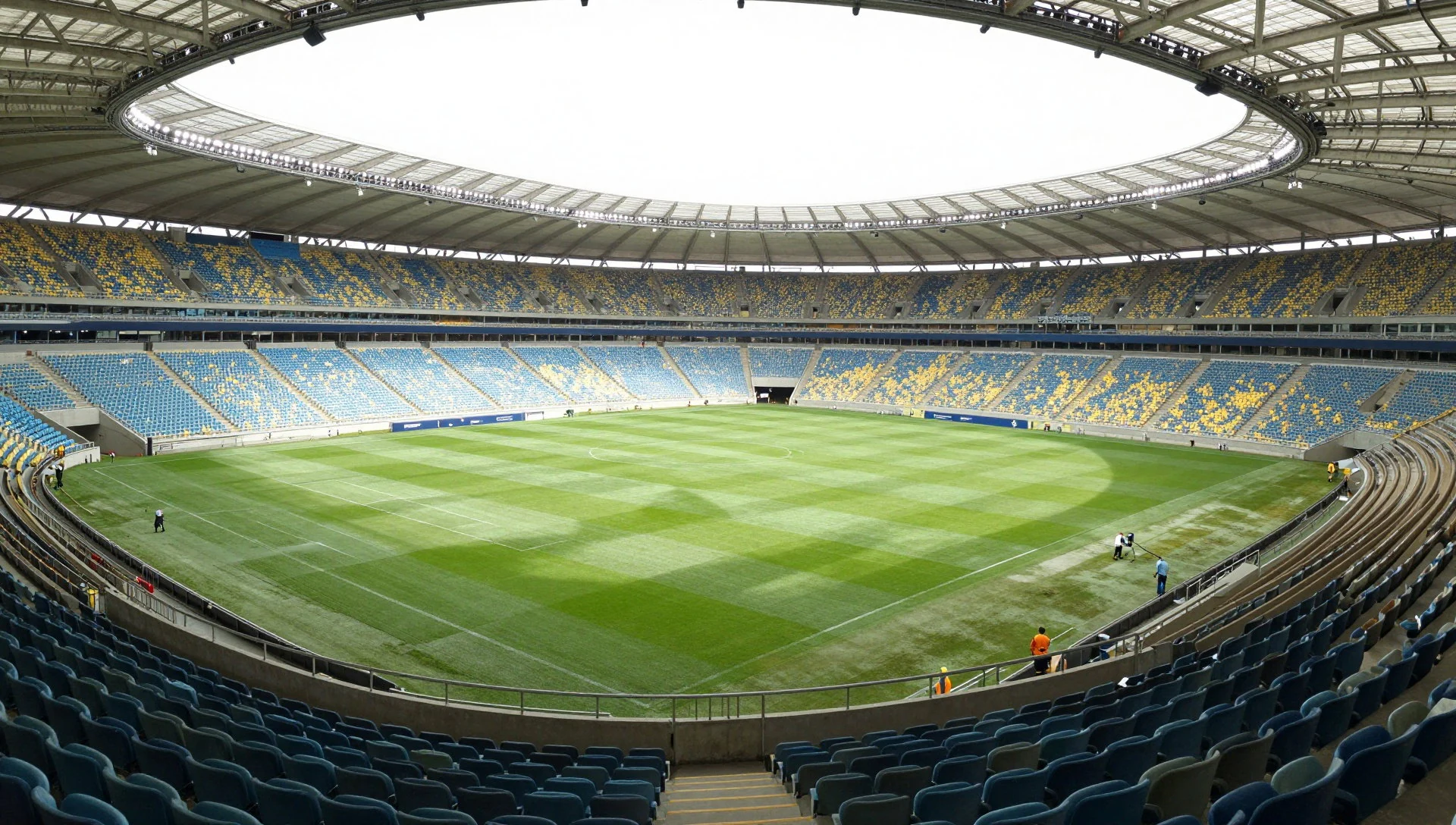
- Museum of Tomorrow — Porto Maravilha
Designed with a striking futuristic silhouette on the revitalised waterfront, this science museum explores sustainability, climate change, and the future of human civilisation. The surrounding pier offers pleasant breezes and wide perspectives across the bay alongside active public gathering spaces.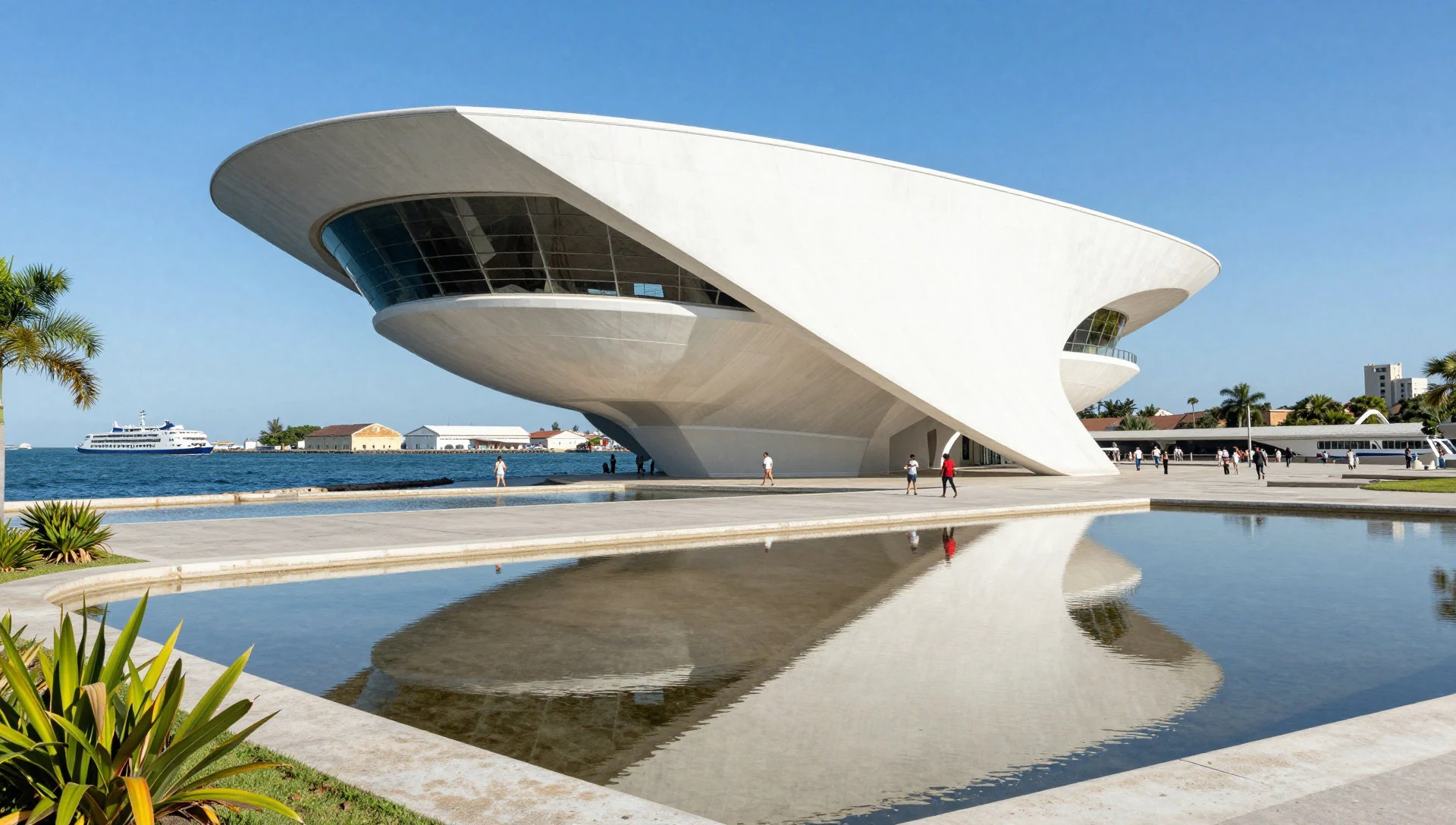
Culture
Rio de Janeiro functions as a primary cultural engine for Brazil, blending centuries of Portuguese, European, and Afro-Brazilian influences into a distinct local identity. Architectural styles range from sixteenth-century colonial churches to neoclassical public buildings and twentieth-century modernist landmarks. The city holds a proud cinematic legacy, having hosted the first recorded film screenings in the country and continuing to anchor national television production and international film festivals. Music pulses through every neighbourhood, from the gentle rhythms of bossa nova born in coastal bars to the thunderous percussion of samba schools preparing for the annual carnival celebrations. Social interaction is warm, expressive, and direct, with locals placing high value on personal warmth and community connections. Keep a close eye on your belongings in crowded public areas and avoid displaying expensive jewellery or electronics on the street.
What to wear
Traditional Brazilian attire reflects a blend of indigenous roots, European tailoring, and vibrant tropical aesthetics, though historical costumes are now largely reserved for festivals, regional folklore performances, and carnival processions. In daily life, carioca fashion is remarkably casual, practical, and heavily influenced by the year-round beach culture. Residents routinely wear lightweight fabrics, comfortable shorts, sleeveless tops, and sandals as they move effortlessly between coastal sands and city streets. Visitors should pack breathable cottons and linens to stay comfortable in the tropical heat and humidity. When exploring urban neighbourhoods away from the shore, casual wear remains entirely acceptable, but standard modesty applies when visiting religious buildings, where shoulders and knees should be covered. Sturdy trainers or walking shoes are essential for tackling steep cobblestone lanes or hiking up the forested mountain trails.
What to eat
- Feijoada — Traditional carioca restaurants and weekend market stalls
The undisputed king of Brazilian comfort food, this rich black bean stew simmers with generous cuts of pork and beef. It arrives accompanied by colourful side dishes including white rice, toasted manioc flour, collard greens, and crisp pork rinds, best enjoyed alongside a tart lime caipirinha.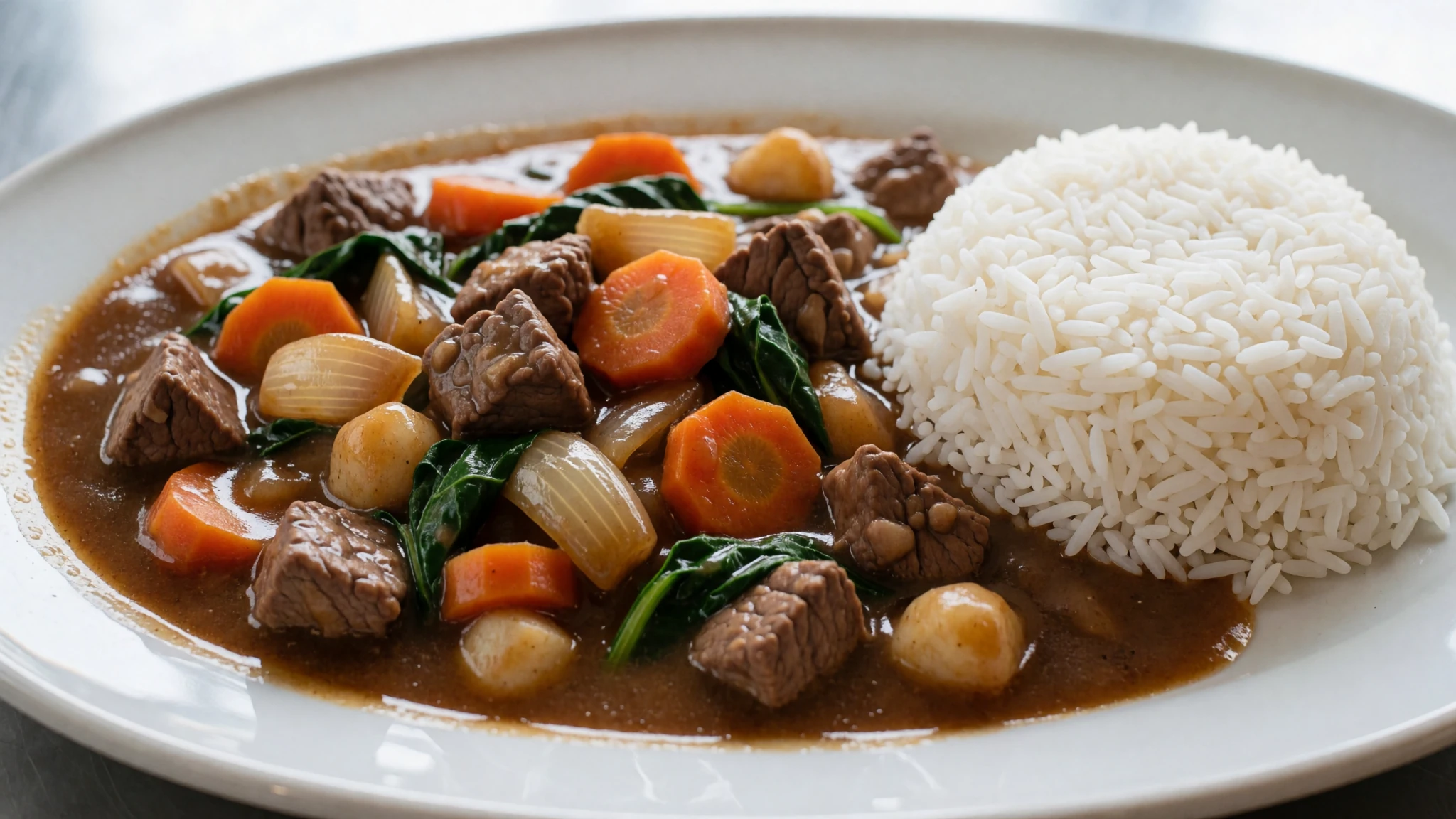
- Comida a Kilo — Neighborhood eateries throughout the city
A wonderfully practical buffet-style dining format found across the city where you load your plate with fresh salads, grilled meats, and hot local dishes, then pay simply by the weight of your meal. It offers an easy way to sample homemade Brazilian recipes at flexible portions.
- Churrasco Rodízio — Traditional steak houses across the South Zone
An all-you-can-eat grilled meat experience where waiters circulate continuously with skewers of succulent beef, lamb, and pork carved directly at your table. Accompanied by extensive salad bars and warm side dishes, it is a feast designed for hearty appetites. - Pão de Queijo — Bakeries and corner cafes citywide
Chewy, warm cheese rolls made from sour cassava starch and local cheese, offering a delightfully light texture with a savoury crunch on the outside. They make an ideal morning snack or afternoon bite alongside a strong coffee. - Açaí Bowl — Juice bars and beach kiosks
Deep purple frozen açaí berry pulp served thick in a bowl and traditionally topped with granola, sliced banana, and condensed milk. It provides a refreshing, energy-rich cool-down after a hot afternoon walking the coastal avenues.
Plan it
Best time. June to August offers the most comfortable weather, with cooler highs around 31 °C and the driest months of the year, while October is the hottest month and the wettest stretch runs from November to March.
How long. 3–4
Getting there. Galeão International Airport handles most overseas arrivals; airport buses run regularly along the beachfront districts of Copacabana and Ipanema.
Budget. mid
Tips
- Visit major mountain viewpoints early in the morning to beat the midday heat and cloud cover
- Use licensed yellow taxis or ride-sharing apps for evening travel around the city
- Keep local currency or cards handy, but avoid carrying large amounts of cash on public beaches
- Drink plenty of bottled water to stay hydrated in the tropical humidity
Etiquette
- Greet shopkeepers and acquaintances with a warm smile and polite acknowledgement
- Dress casually for the beach but cover up when entering shops or restaurants away from the sand
Nearby
Sources
- Wikidata Q8678 (CC0)
- Wikipedia (rev 1382239706) (CC BY-SA 4.0)
- Wikivoyage (rev 5386383) (CC BY-SA 4.0)