Yby Yaú
Yby Yaú, Paraguay
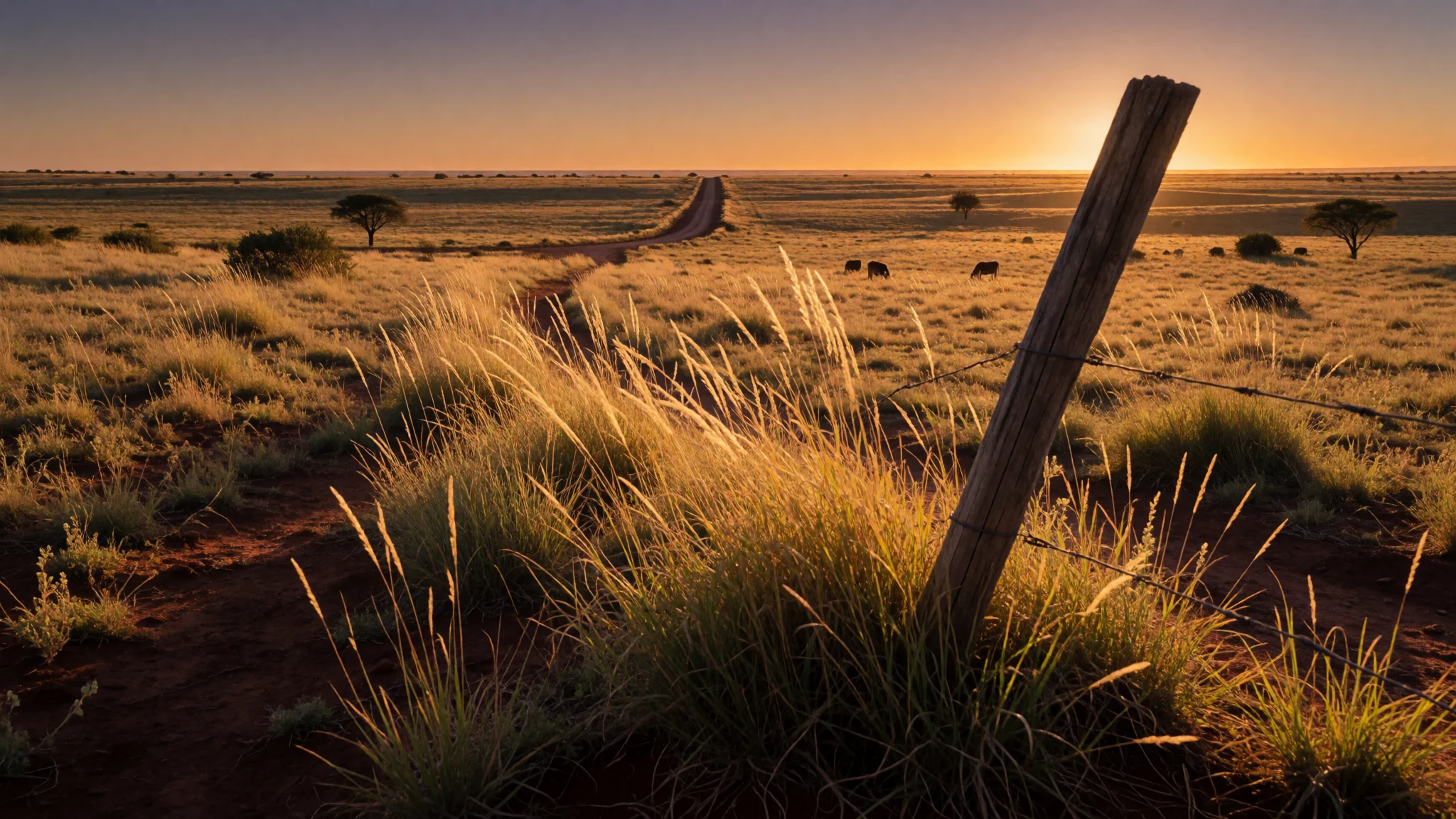
Yby Yaú is a working crossroads town in northern Paraguay, useful as a base for two rugged hills and for travellers who like places off the usual circuit.
The place
Yby Yaú (Guarani: Yvy Ja'u) is a district and city in the department of Concepción, in northern Paraguay. It sits at an elevation of 163 m, on the junction of two national highways, PY03 and PY05, a long road journey north of Asunción. That junction is the reason for the town: lorries, buses and local traffic pass through constantly, and the main streets feel like an extension of the road.
The landscape around is a mix of open farmland and ranching country, with isolated hills rising from the plain. Those hills are the nearest thing to scenery in the area and the main reason a visitor might stop for more than a meal.
The climate follows a clear pattern. Heavy rain falls from November to January, when dirt tracks can turn to mud and hill paths become slippery. The driest months run from June to September, which is the sensible window for walking. Even then, daytime heat can be strong, so early starts matter.
This is not a polished tourist town. Expect a practical place with everyday shops, bus stops and eateries, rather than a sightseeing circuit with guides and ticket desks. Visitors who enjoy watching ordinary Paraguayan life, and who are happy to plan carefully, will get the most from it. Anyone wanting museums, nightlife or a wide choice of accommodation will do better in a larger city.
Its story
Yby Yaú is a young settlement by Paraguayan standards. The facts record its founding as 1984, which makes it a product of the late twentieth century rather than the colonial era that shaped older towns along the Paraguay river. Its growth followed the roads: where two highways cross, people stop, trade, refuel and eventually settle.
The name comes from Guarani, the language that remains widely spoken across Paraguay alongside Spanish. Place names like this are a reminder that the land had Guarani-speaking communities long before modern towns were laid out, and that the language is still part of daily speech, not just a heritage label.
The surrounding department, Concepción, is mostly rural, and the town serves farms and ranches in the area. Its role is that of a service centre: shops, fuel, transport connections and a place to sleep between longer journeys.
The recent story has a darker note. A guerrilla group, the Ejército del Pueblo Paraguayo, has been reported as active in this part of the country, and it has been linked to kidnappings. That does not mean daily life in town is unsafe, but it explains why travellers are advised to check current official guidance before going and to avoid remote tracks and unplanned night travel.
So Yby Yaú is best understood as a town still defining itself: a crossroads community with a short history, a strong local language, and a landscape of hills that only a small number of visitors ever see.
What to see
- Cerro Sarambi — Northeast of Yby Yaú
Cerro Sarambi rises to 765 m and is described by Wikivoyage as the second highest independent mountain in Paraguay. It stands northeast of town, so it is a day-trip objective rather than a stroll. Go in the dry months, start early, and arrange local advice about access beforehand.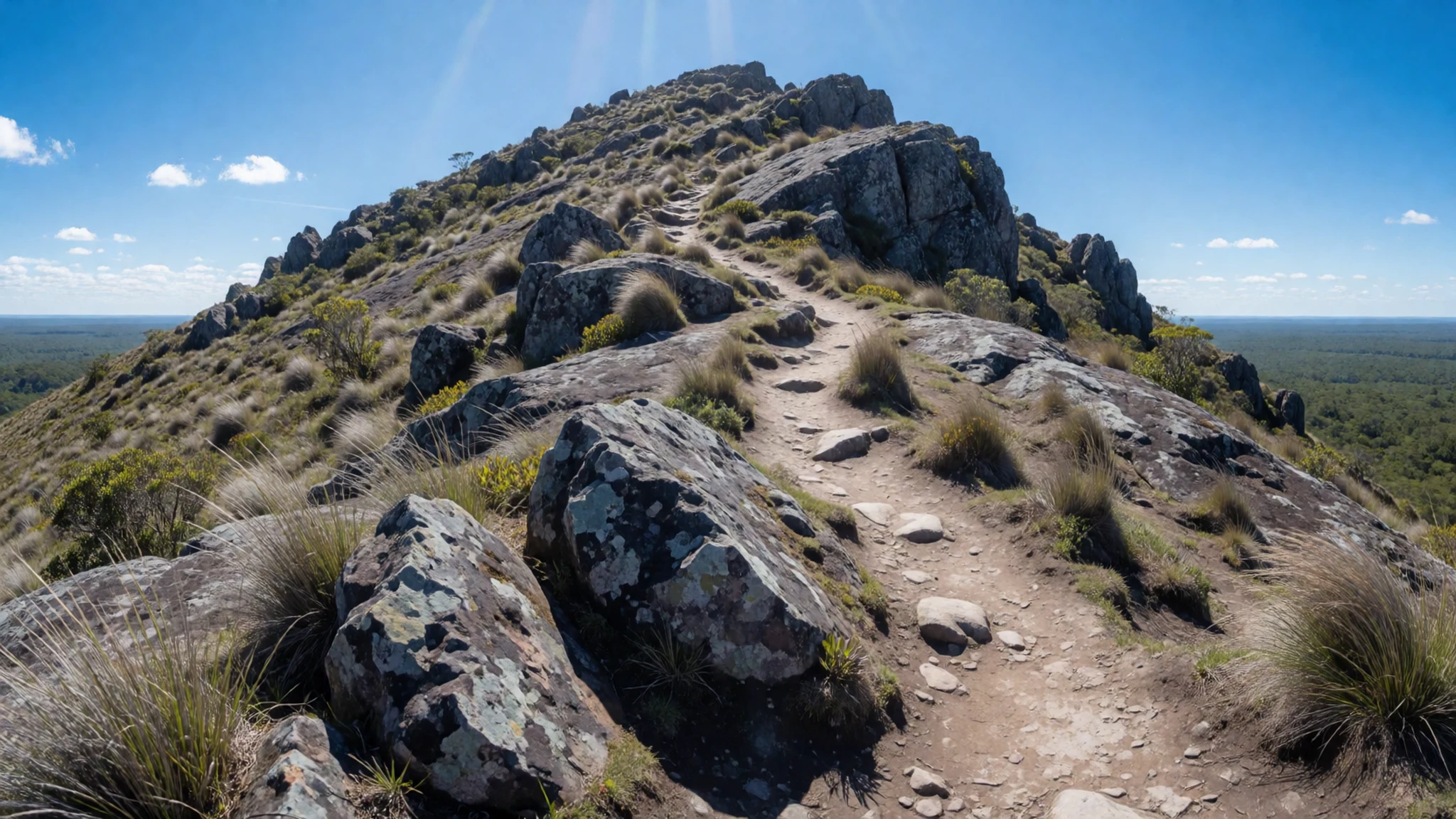
- Cerro Memby — Southeast of the town centre
Cerro Memby is a demanding climb closer to town. The middle section involves some exposed scrambling, where a fixed rope has been installed around a rock block. Treat the rope with caution, wear shoes with real grip, and do not attempt it in wet weather, when the rock is slick.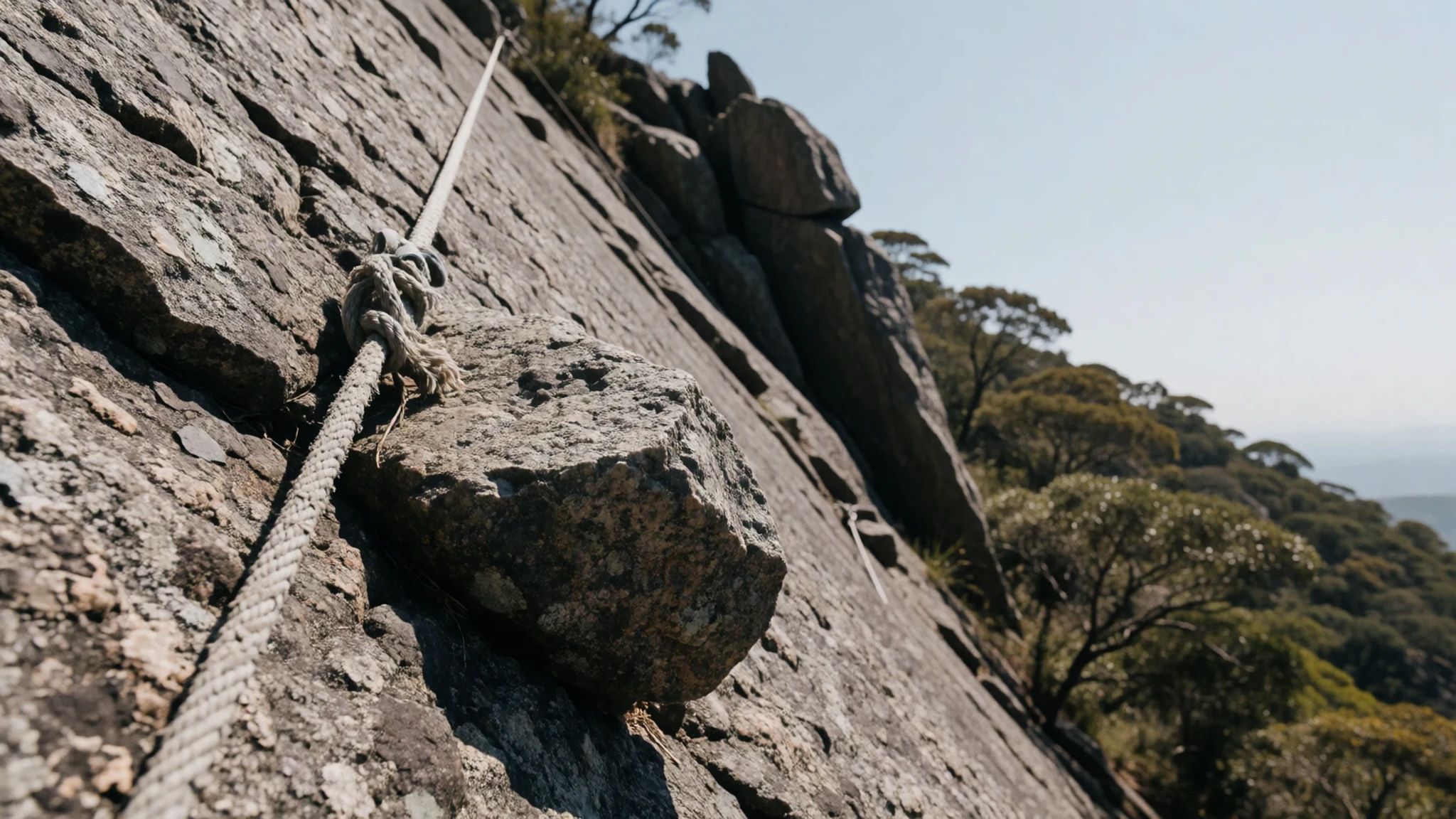
- The PY03 and PY05 crossroads — Town centre
The junction of Routes PY03 and PY05 is the town's reason for existing. Standing near it shows how the place works: lorries, coaches and motorbikes pass at all hours, and roadside shops serve them. It is a useful spot to understand the town, not a polished attraction.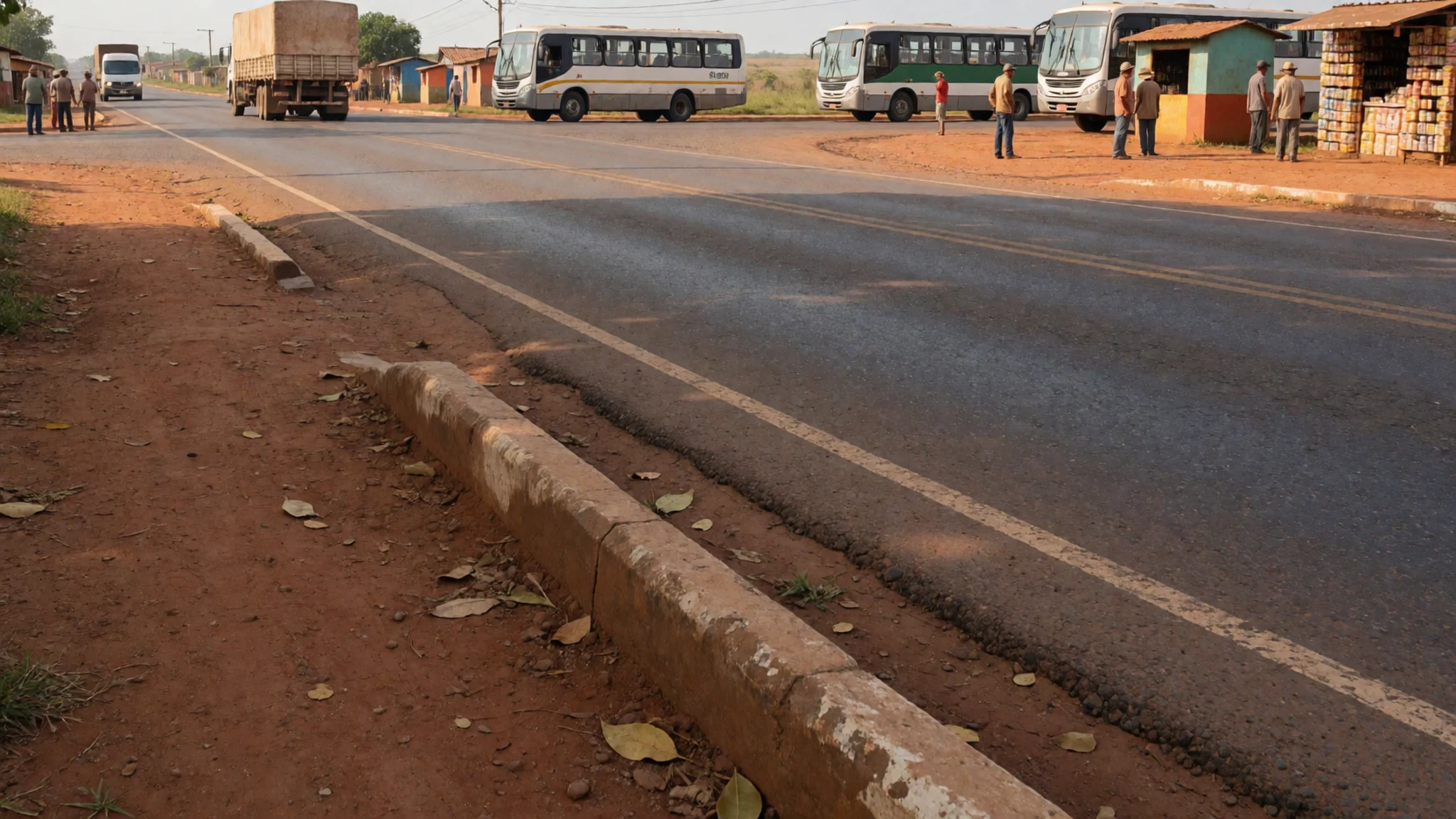
- Town streets and the plaza area — Central Yby Yaú
Walking the central streets gives a feel for northern Paraguayan daily life: small shops, people chatting in Guarani and Spanish, and thermoses of cold tereré carried everywhere. Go in the early morning or late afternoon, when the heat eases and the town is most active.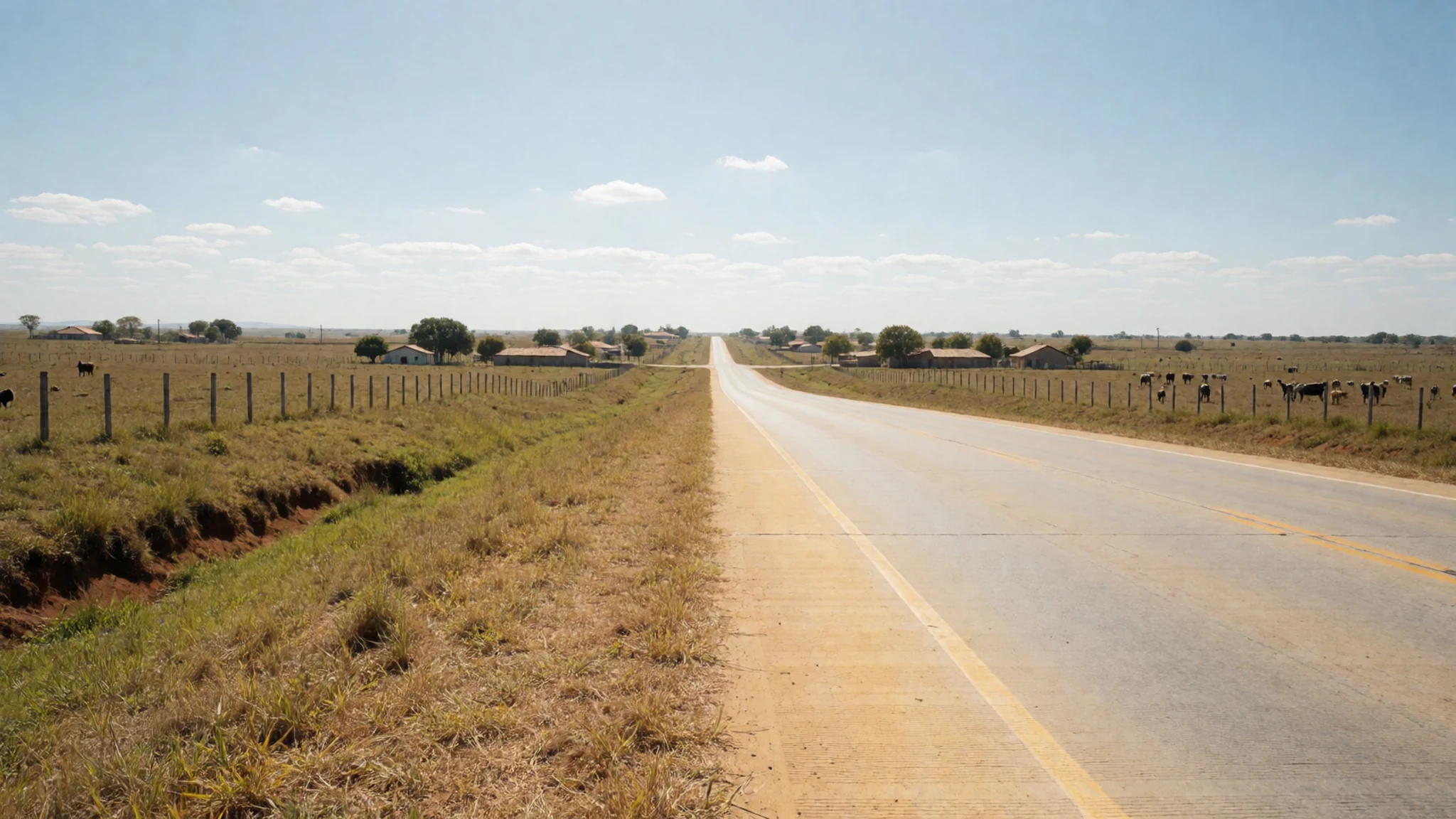
- The road towards Pedro Juan Caballero — Route towards the Brazilian border
The highway north-east towards Pedro Juan Caballero crosses open country, and photographs from the roadside show a wide horizon of fields and scattered trees. The journey is more a pleasure of landscape than a stop, so it suits travellers who enjoy long drives with a camera and plenty of water.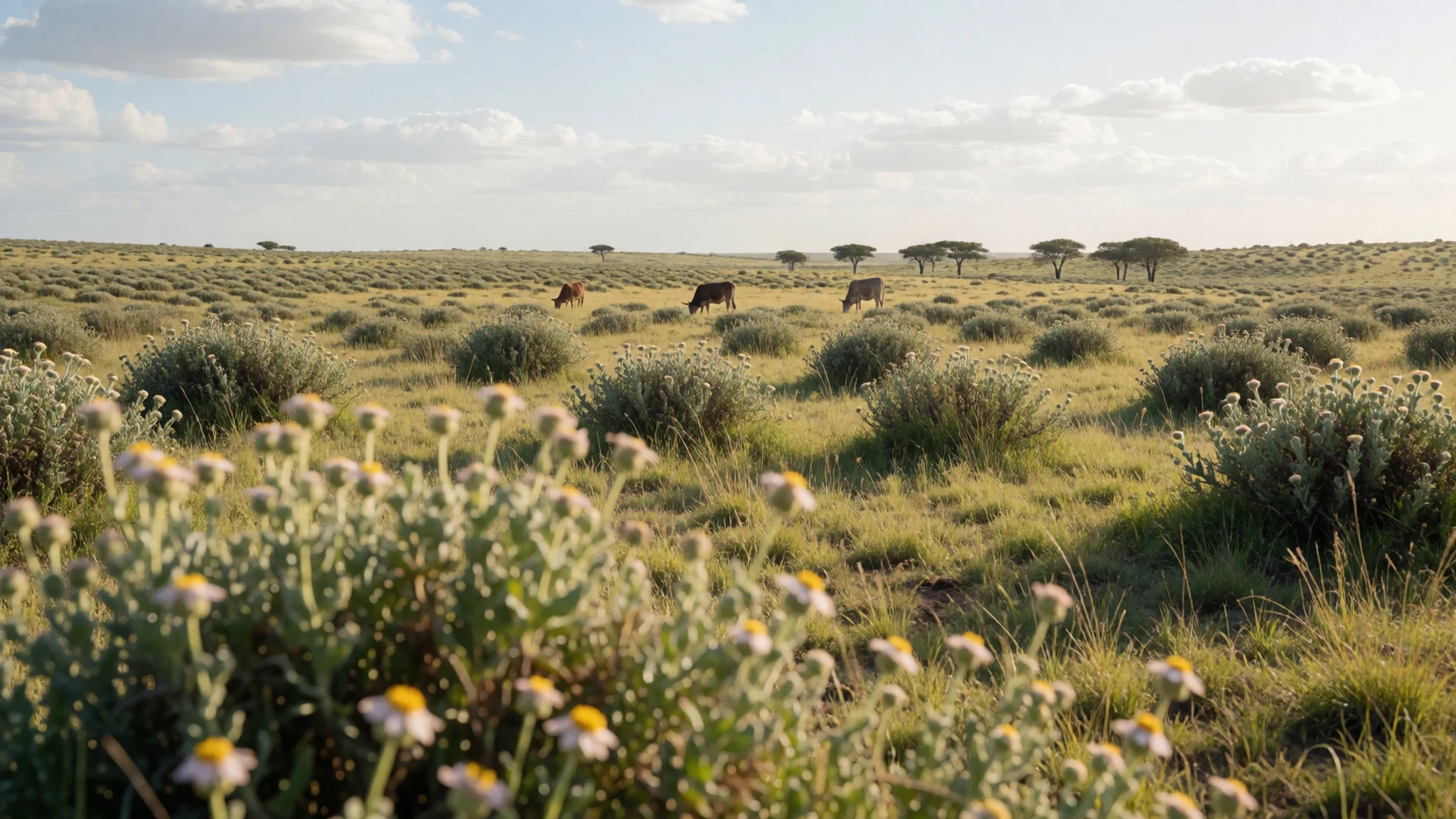
Culture
Yby Yaú is a Guarani-and-Spanish-speaking town, and the mix shapes everyday life. Most people use Spanish in shops and offices, while Guarani carries the conversation at home, in markets and among friends. Paraguay is unusual in the Americas for how widely an Indigenous language is used by everyone, not only by a minority, and visitors who learn a few Guarani greetings tend to get warm reactions.
The social ritual that stands out is tereré, cold maté-style tea made from yerba and iced water, sipped from a shared cup through a metal straw. In hot weather it is carried in a thermos everywhere: to work, on buses, to the roadside. It is a gesture of friendship as much as a drink, and the cup moves around a group in turn, with one person serving.
Town life is relaxed and family-centred. Weekends bring football, barbecues and long gatherings, and Catholic traditions colour the calendar, with saints' days celebrated in many Paraguayan communities. Local pace is unhurried, so errands and meals take their time.
The area is rural and conservative by temperament. People are generally polite and curious about foreign visitors, particularly in a place that sees few of them, and a friendly greeting opens most doors.
A courteous habit goes a long way here: greet people with a handshake and a buenos días before asking for anything, and always ask permission before photographing anyone.
What to wear
Yby Yaú has no distinct local costume of its own, but it shares the wider Paraguayan textile tradition. The best-known pieces are ñandutí, a fine spider-web lace embroidered on cotton, and ao po'i, a lightweight cotton cloth, often embroidered, used for blouses and shirts. Women's festive dress includes embroidered white blouses and full skirts, and men may wear embroidered shirts. These appear mainly at folk dances, school events and national or religious celebrations rather than in daily life.
In daily life, people in Yby Yaú dress for heat and work: cotton shirts, jeans or light trousers, caps or wide-brimmed hats, and sandals or boots. Football shirts are everywhere, and rural workers favour practical boots and long sleeves against sun and insects. Evenings are casual, with tidy clothes for church or family occasions.
Visitors should dress for strong sun and humid air. Light, loose cotton or linen with long sleeves covers skin against sun and mosquitoes, and a hat and sunglasses help. In June to September, nights can turn cooler, so a light layer is useful. Modest clothing, covering shoulders and knees, is sensible in town and in a church. For the hills, wear closed shoes with a firm grip, ideally trail shoes or light boots, since rocky and scrambling sections are slippery when wet. Carry a rain jacket in the wet season, from November to January.
What to eat
- Chipa — Bus stops, bakeries and roadside vendors
Chipa is a baked cheese-and-cassava-starch bread, chewy and slightly salty. It is the standard Paraguayan snack, sold warm from baskets by street vendors, at bus stops and in local bakeries. Buy it fresh and eat it the same day.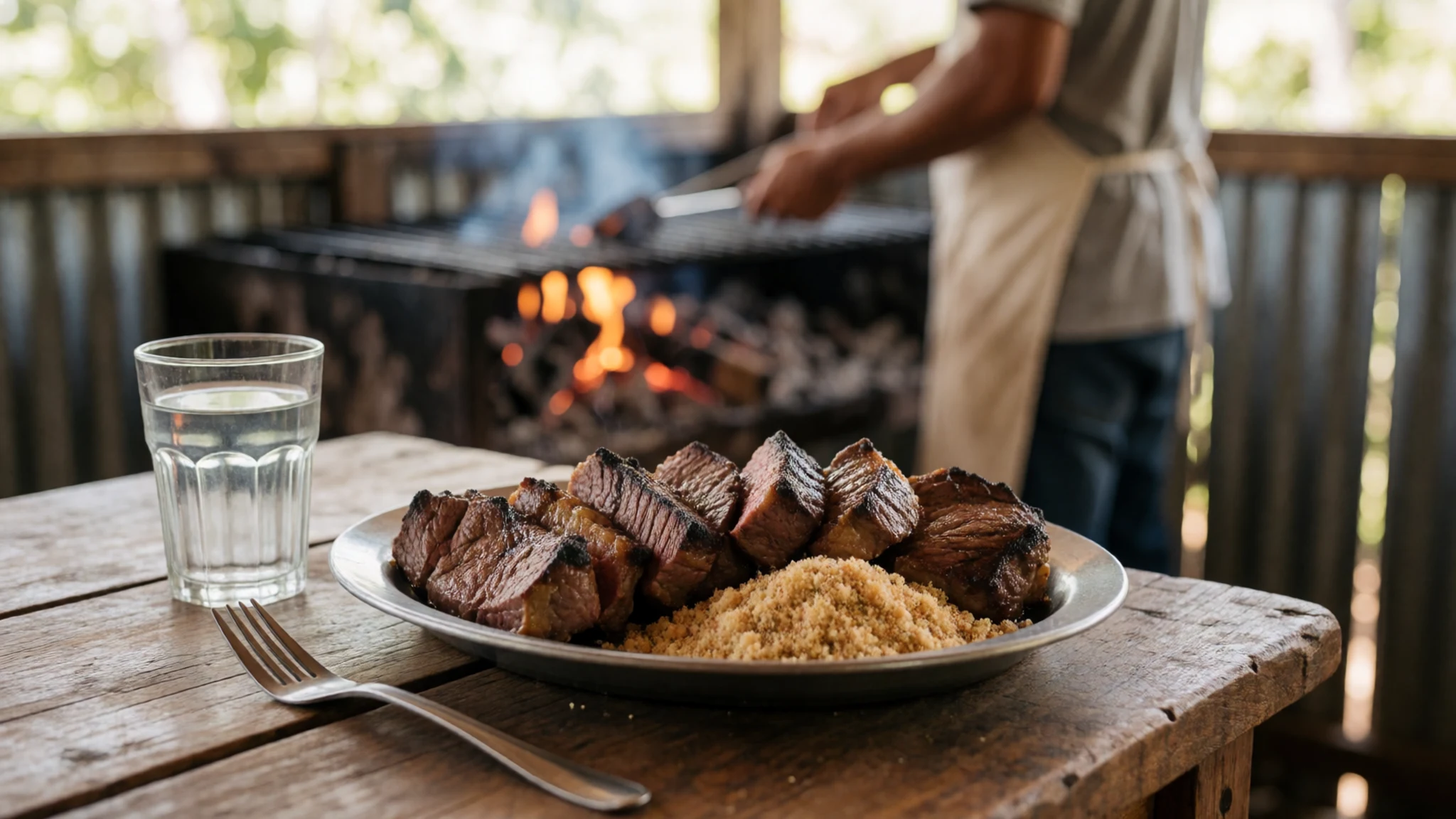
- Sopa paraguaya — Family eateries and home-style restaurants
Despite the name, sopa paraguaya is a dense, moist cornbread made with cheese, onion and milk. It is served as a side at family meals and barbecues, and it is filling enough to count as lunch with a salad.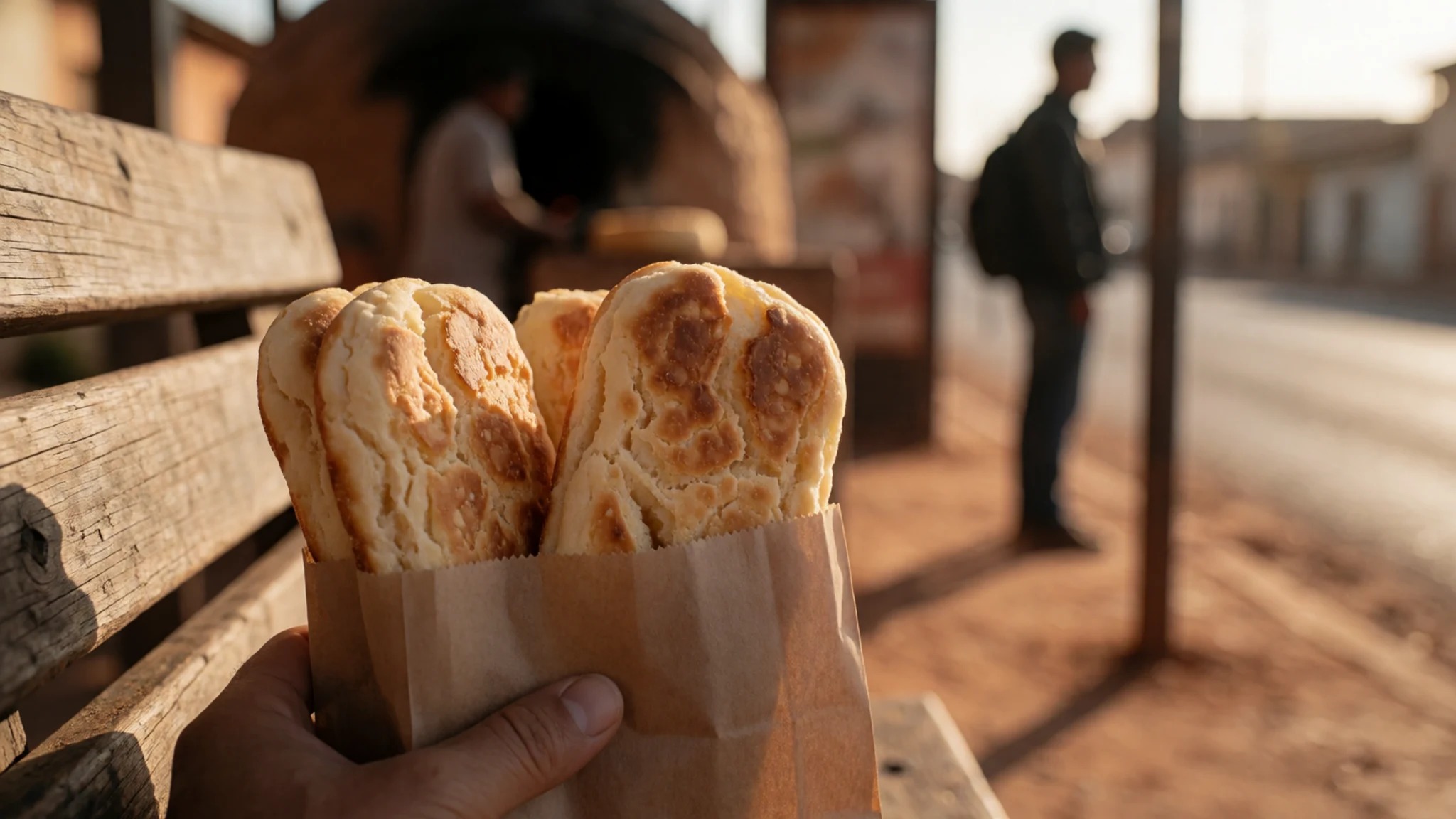
- Asado — Grill restaurants and family gatherings
Asado is grilled beef cooked over embers, the centrepiece of weekend gatherings in a cattle-farming region. Expect generous cuts served with mandioca (cassava) and salad. Portions are large, so sharing is common. - Mandioca — Everyday eateries and roadside stalls
Mandioca, boiled or fried cassava, accompanies most Paraguayan meals in place of potatoes. It is soft, mild and slightly sweet, and good with grilled meat or soup. Fried versions appear at roadside stalls as a quick snack. - Tereré — Everywhere, from shops to street corners
Tereré is iced yerba tea, often with crushed herbs added. It is drunk all day, and offered as a gesture of welcome. A cup is passed round a group, and a vendor or shop will usually sell the leaf and ice.
Plan it
Best time. June to September, the driest months, which suit hill walking and road travel. November to January brings heavy rain, muddy tracks and slippery rock, so avoid the hills then.
How long. 1–2
Getting there. Yby Yaú is 367 km from Asunción by road, a journey of about 6–7 hours by bus or car. From Pedro Juan Caballero or Concepción, buses take about 2 hours, with services running only in daylight hours. Check current timetables locally.
Budget. low
Tips
- Check current official travel advice before going, as armed guerrilla activity has been reported in the area
- Travel in daylight and avoid remote tracks after dark
- Carry cash in small notes, as cards may not be accepted everywhere
- Start hill walks at dawn to beat the heat and carry plenty of water
- Get local advice on access to the hills before setting out
Etiquette
- Greet people politely before asking questions or favours
- Ask permission before photographing people
- Accept tereré when offered, and return the cup only when you have finished
Nearby
Sources
- Wikidata Q1996327 (CC0)
- Wikipedia: Yby Yaú (rev 1384620317) (CC BY-SA 4.0)
- Wikivoyage: Yby Yaú (rev 5205844) (CC BY-SA 4.0)
- Photo: Yby Yaú aerial view, Cmasi (CC BY-SA 4.0)
- Photo: Acceso a Yby Yaú por la Ruta Nacional PY3, Ulises Icardi (CC BY-SA 4.0)
- Photo: Mirando hacia Pedro Juan, gomezminck (CC BY 3.0)
- Photo: Route 3 at Yby Yaú, Cmasi (CC BY 3.0)
- Photo: Route 3 passing through Yby Yaú city, Cmasi (CC BY 3.0)
- Photo: Route 5 at Yby Yaú, Cmasi (CC BY 3.0)
- Photo: Route 5 approaching Yby Yaú city (515), Cmasi (CC BY 3.0)
- Photo: Route 5 approaching Yby Yaú city (516), Cmasi (CC BY 3.0)


