Cerro Koi
Cerro Koi, Paraguay
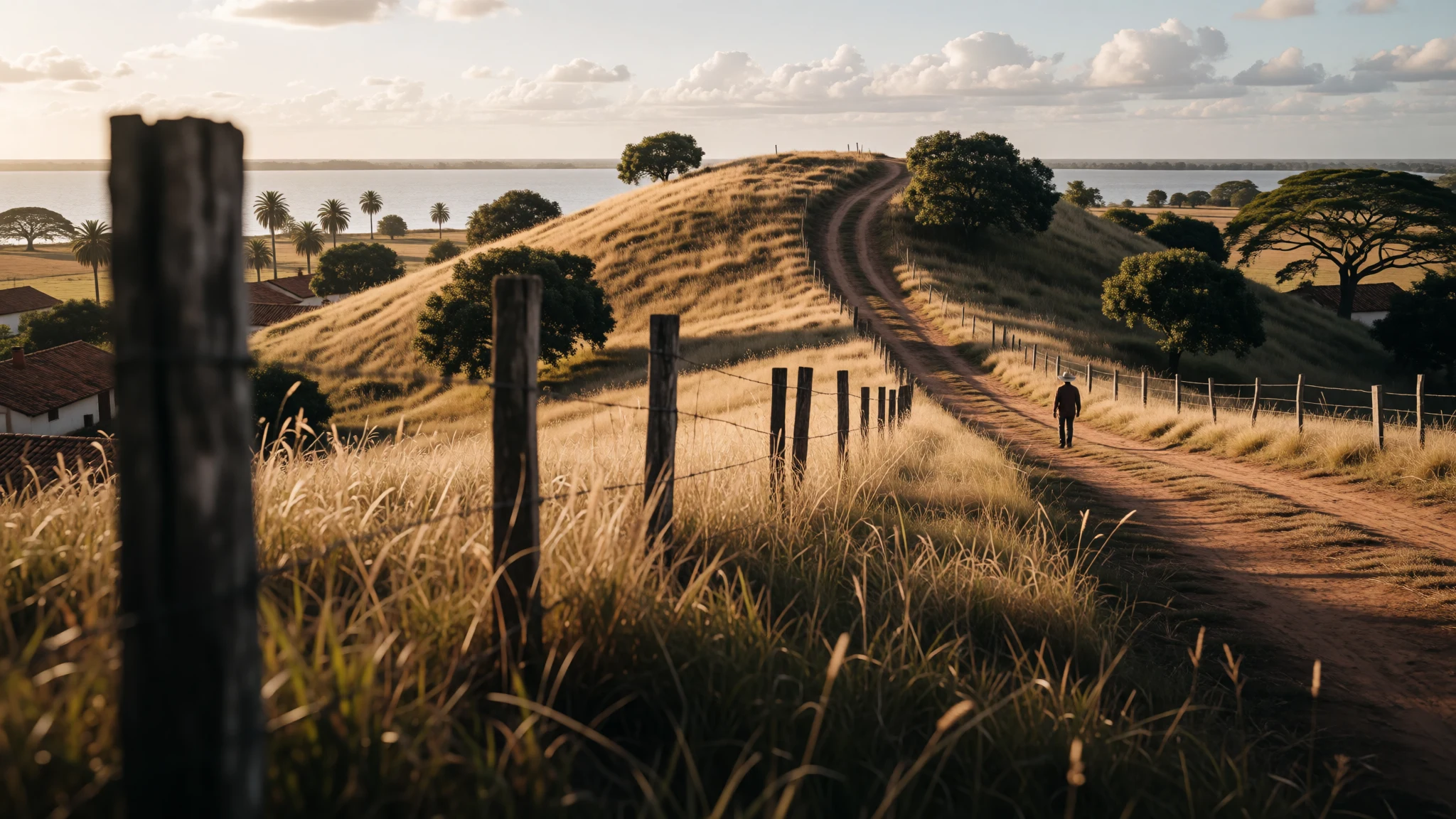
Cerro Koi is a modest hill beside Areguá in Paraguay, worth a slow day for its lake views, ceramics and strawberries.
The place
Cerro Koi (Coi Hill) is a small hill in the Areguá area of Paraguay, close to the shore of Lake Ypacaraí and within easy reach of the capital, Asunción. Wikidata classes it simply as a hill, and that is the right scale to keep in mind: this is a gentle rise in a gently rolling landscape, not a mountain, and the pleasure lies in what it overlooks rather than in any hard climb. From the higher ground the land opens towards the lake, with the red-tiled roofs and tree-lined streets of Areguá spread below. The town has long been where people from the capital go for cooler air, lake views and slow lunches, and the hill belongs to that weekend rhythm. Visits tend to be short and relaxed. The surroundings are a mix of scrub, trees and small farms, and the streets nearby are lined with ceramic workshops and cafés. Paraguay is mostly low and hot, so even a modest vantage point feels like an occasion. Everyday life carries on around it: families out for the day, potters at work, and growers tending fruit plots, with strawberries the crop the area is best associated with. Facilities on the hill itself are thin, so the town is the place for food, water and shade. Expect it to be busiest at weekends and public holidays, and calmest on weekday mornings.
Its story
Cerro Koi has little written history of its own, and it is better to say so than to invent one. What can be said is that the hill sits in a part of Paraguay where Guaraní and Spanish have lived side by side for centuries. The name appears both as Koi, in Guaraní-style spelling, and as Coi, in older Spanish-style spelling, and the two forms still circulate. The story of the hill is really the story of Areguá around it. The town grew on the edge of Lake Ypacaraí, and its mix of water, breeze and green slopes made it a natural escape from the heat of the capital. Families from Asunción built weekend houses here, and a railway line through the region once carried day-trippers out to the lakeside. That habit of leaving the city for a lazy Sunday has shaped the place ever since: cafés, craft stalls and old villas with deep verandas. Pottery and fruit growing gave residents a living beyond the visitors. The hill remains a landmark in that picture, a green marker above the town that locals use for orientation as much as for scenery. Anyone arriving expecting ruins or a monument will be disappointed. Those who come for the setting, the craft and the pace of a Paraguayan lakeside town tend to leave satisfied.
What to see
- The summit viewpoint — Cerro Koi, above Areguá
The top of Cerro Koi gives a wide outlook over Areguá's rooftops and across Lake Ypacaraí. Paths are modest and the climb is short, but the ground can be dusty or slippery after rain. Go early or late, when the light is softer and the heat is easier.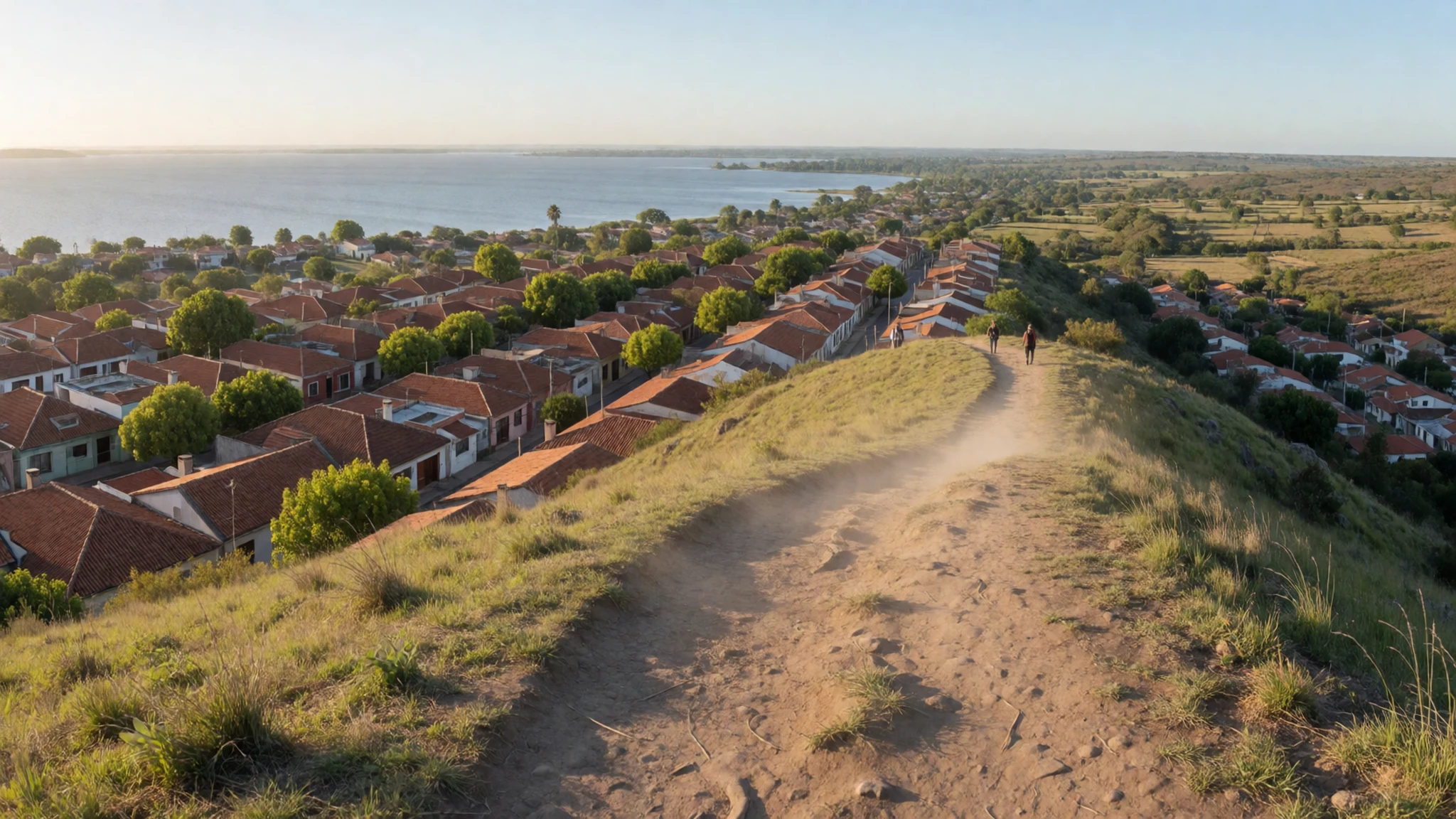
- Areguá town centre — Areguá centre
The centre of Areguá is a pleasant place to wander on foot, with older houses, shaded streets and a relaxed plaza. Cafés and small galleries fill the lanes. It is liveliest at weekends, when day-trippers from Asunción arrive, so weekdays suit anyone wanting quiet.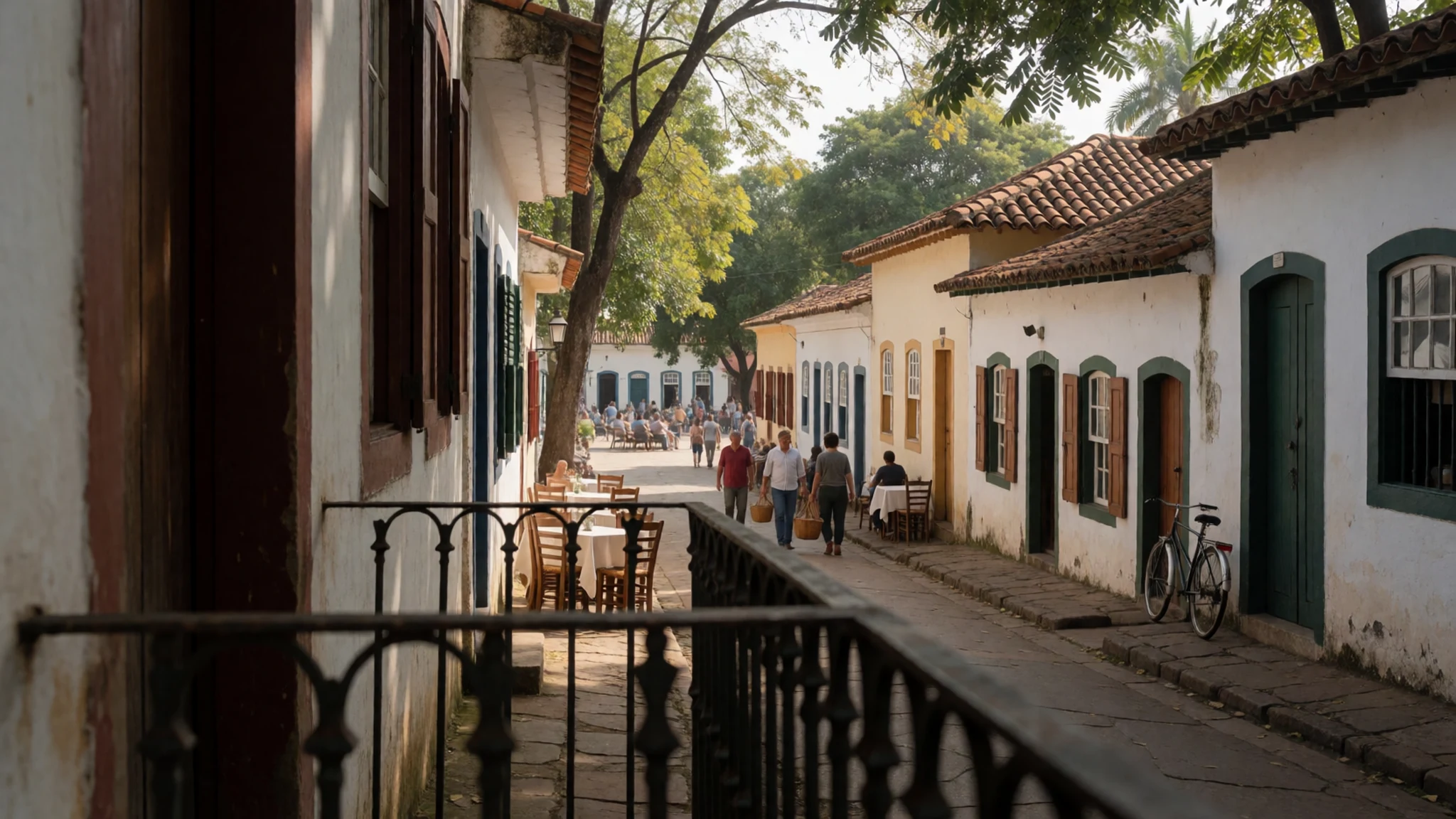
- Ceramic workshops — Main streets of Areguá
Areguá is known for its pottery, and many workshops and shops along the main streets sell hand-finished pieces. Browsing costs nothing, and some makers will explain how a piece is shaped and fired. Carry cash for small purchases and wrap fragile items well for travel.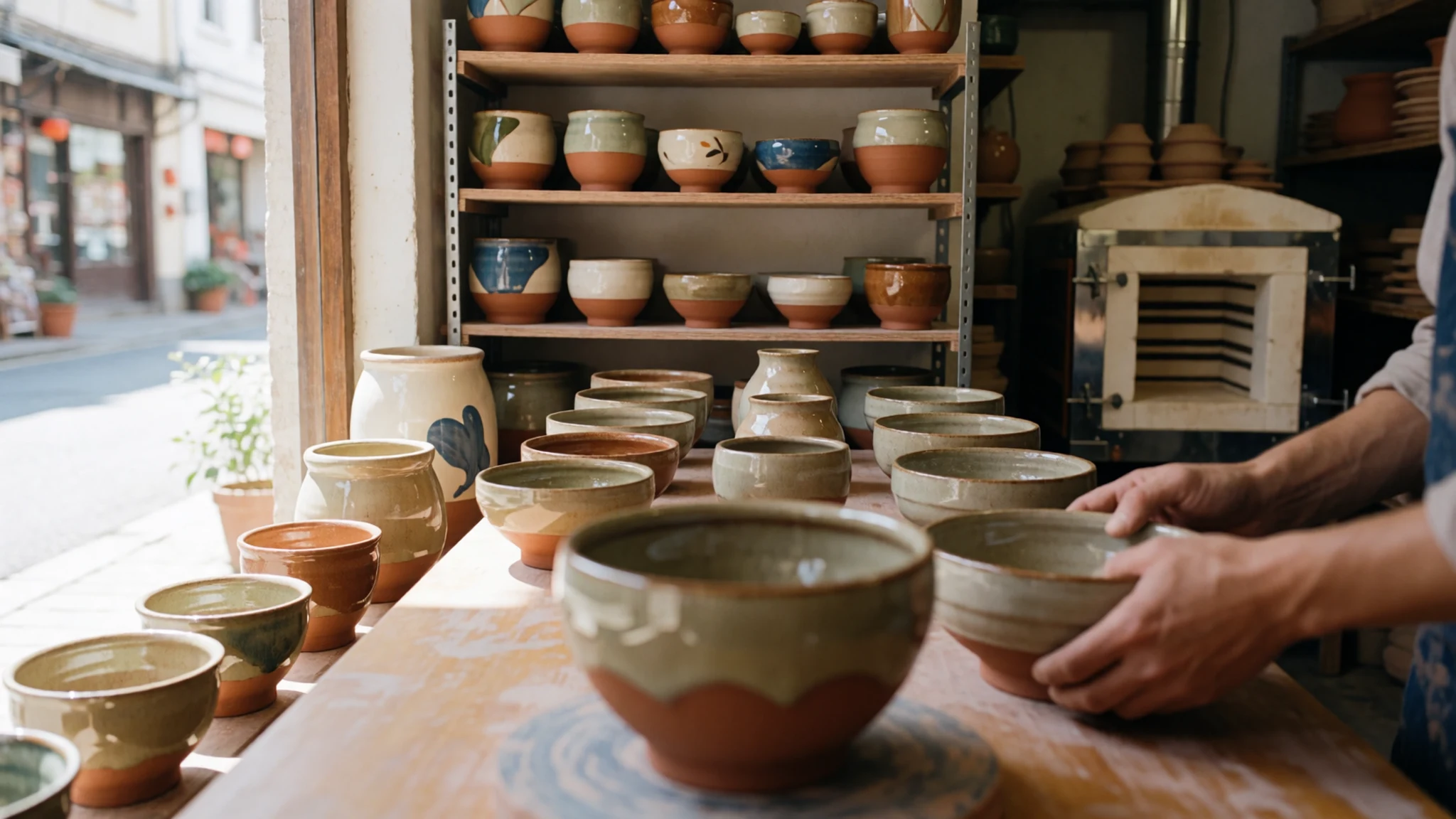
- Lake Ypacaraí shore — Lakefront, Areguá
The lakeshore below the town offers a flat, open stroll and a view back towards the hill. Families picnic and children play at the water's edge. Check local advice before swimming, as water quality and conditions can change with the season and recent rain.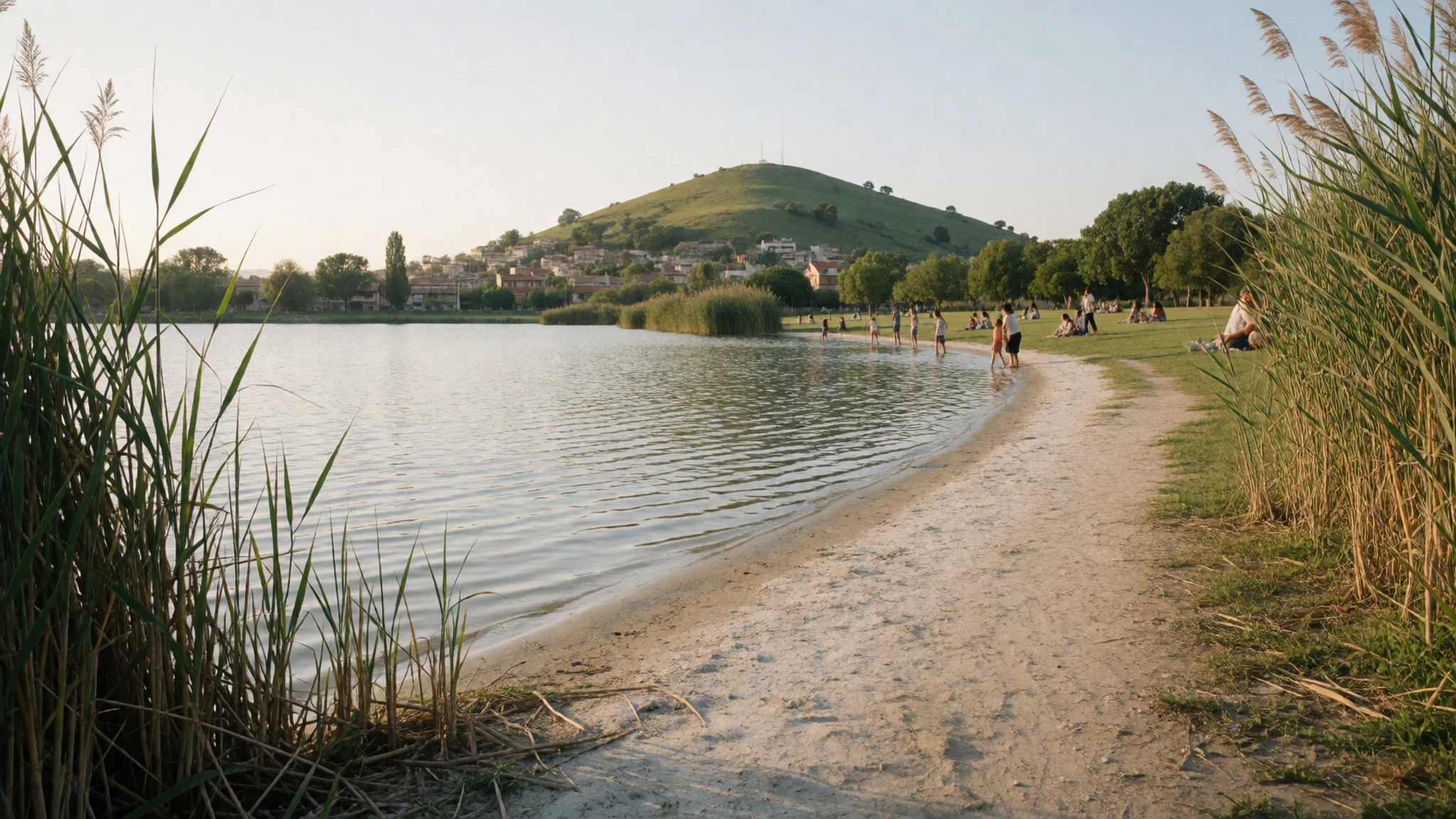
- Strawberry farms — Countryside around Areguá
Small farms around Areguá grow strawberries, and roadside stalls sell them fresh or as jam and sweets. Availability depends on the season, so ask locally before planning a visit around them. Early mornings are best, before the stock thins and the heat builds.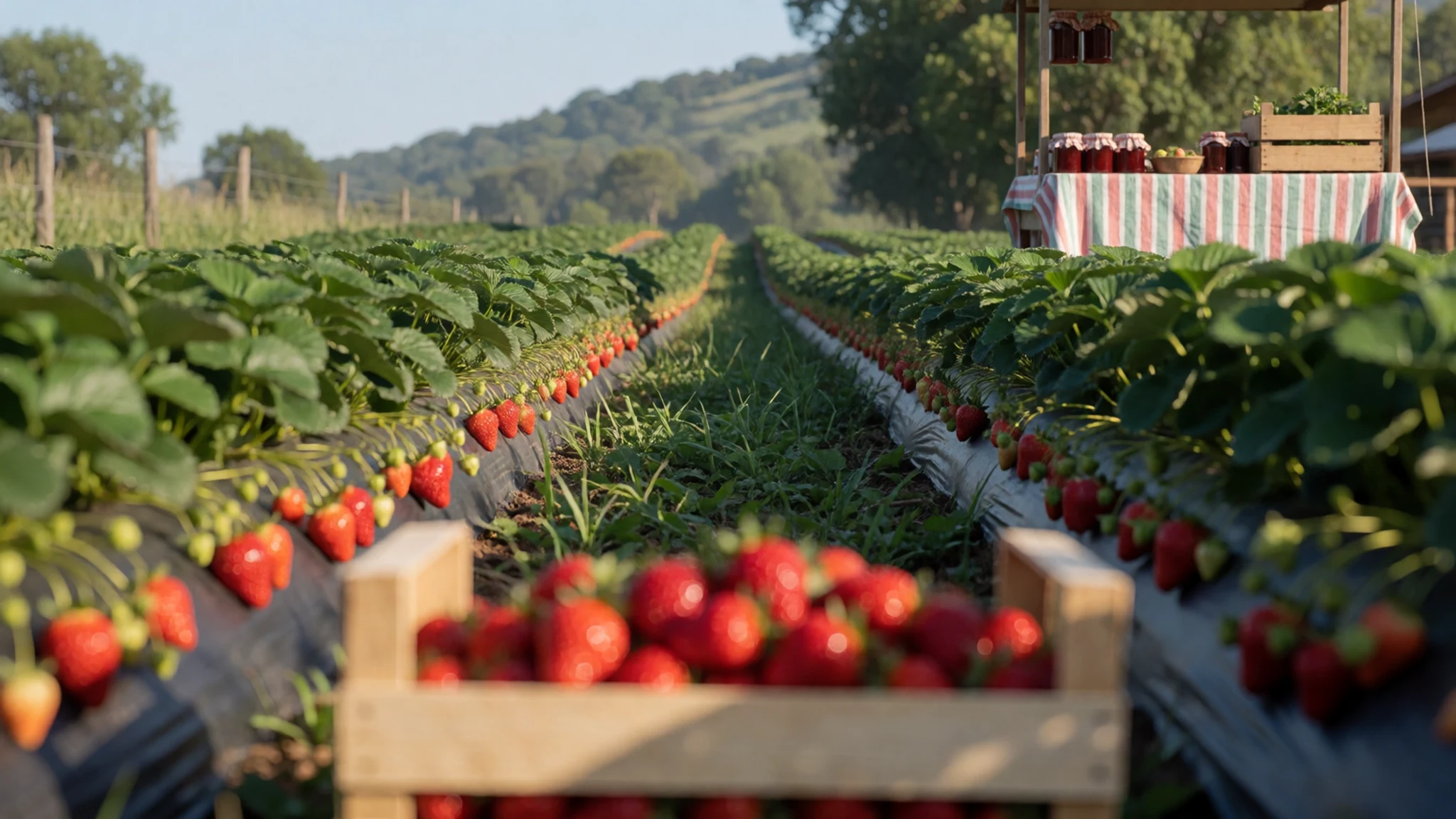
Culture
Cerro Koi lies in a country where two languages share daily life: Spanish for officialdom and Guaraní for warmth, jokes and home. Visitors will hear both on the streets of Areguá, often mixed within one sentence, and a few Guaraní greetings are received with delight. Hospitality is central to the culture, and nothing shows it better than tereré, cold yerba mate drunk from a horn or wooden cup through a metal straw, passed around a circle on hot afternoons. Craft traditions run deep in this region, from the pottery of Areguá to the fine lace and cotton work made in nearby towns. Music matters too: the Paraguayan harp and the guitar carry the polka and the slower guarania at festivals and family gatherings. Catholic feast days shape the calendar, with processions, food stalls and dancing in town squares. Weekends have a distinctly social feel, with families spending long hours at lunch, and weekday afternoons can be quiet during the hottest hours when shops close for a rest. Visitors are met with curiosity rather than distance, and a patient, friendly manner is repaid in kind. When a cup of tereré is passed to you, drink it all in one go, hand it back, and say gracias only when you want no more.
What to wear
Cerro Koi sits in a region whose traditional dress is built on ao po'i, a fine, lightweight cotton cloth, often embroidered in bright thread, and on lace work from nearby towns. Women wear it as a loose blouse or dress called a tipói at folk dances, festivals and school celebrations, usually with a full skirt and flowers in the hair. Men wear a white shirt in the same cloth with dark trousers for the same occasions. In daily life, people dress simply and for the heat: light cotton shirts, shorts or knee-length skirts, sandals and trainers, and football shirts at weekends. Smart casual is usual for a Sunday lunch or church, though nobody expects formality on a hillside outing. Visitors should pack breathable cotton or linen, a wide-brimmed hat, sunglasses and high-factor sunscreen, as the sun is strong for much of the year. Closed, grippy shoes suit the dusty hill paths better than flip-flops, especially after rain. Insect repellent helps near the lake in the evening. A light waterproof is useful in summer storms, and a thin jumper helps on cooler winter evenings. For churches and processions, cover shoulders and avoid very short shorts.
What to eat
- Sopa paraguaya — Cafés and family-run eateries in Areguá
Despite the name, this is a dense, savoury cornbread baked with cheese and onion, soft inside and golden on top. It is served at family lunches and festivals, and is easy to find in Areguá's cafés and bakeries as a filling side or snack.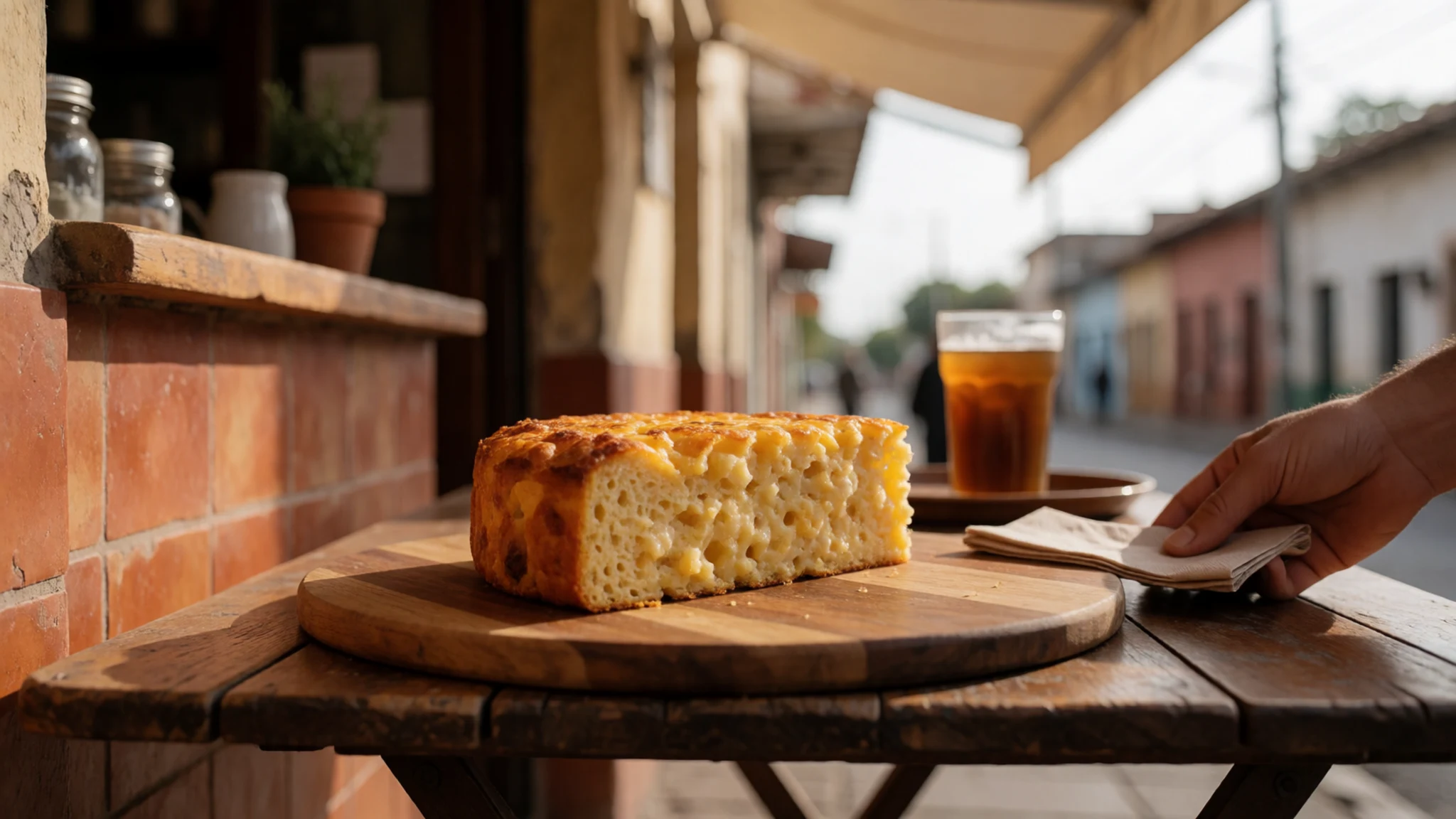
- Chipa — Street vendors near bus stops and the plaza
Chipa is a chewy cheese bread made with cassava starch, baked in rings or small rolls. It is eaten warm for breakfast or with tereré in the afternoon, and vendors sell it from baskets near bus stops and busy corners.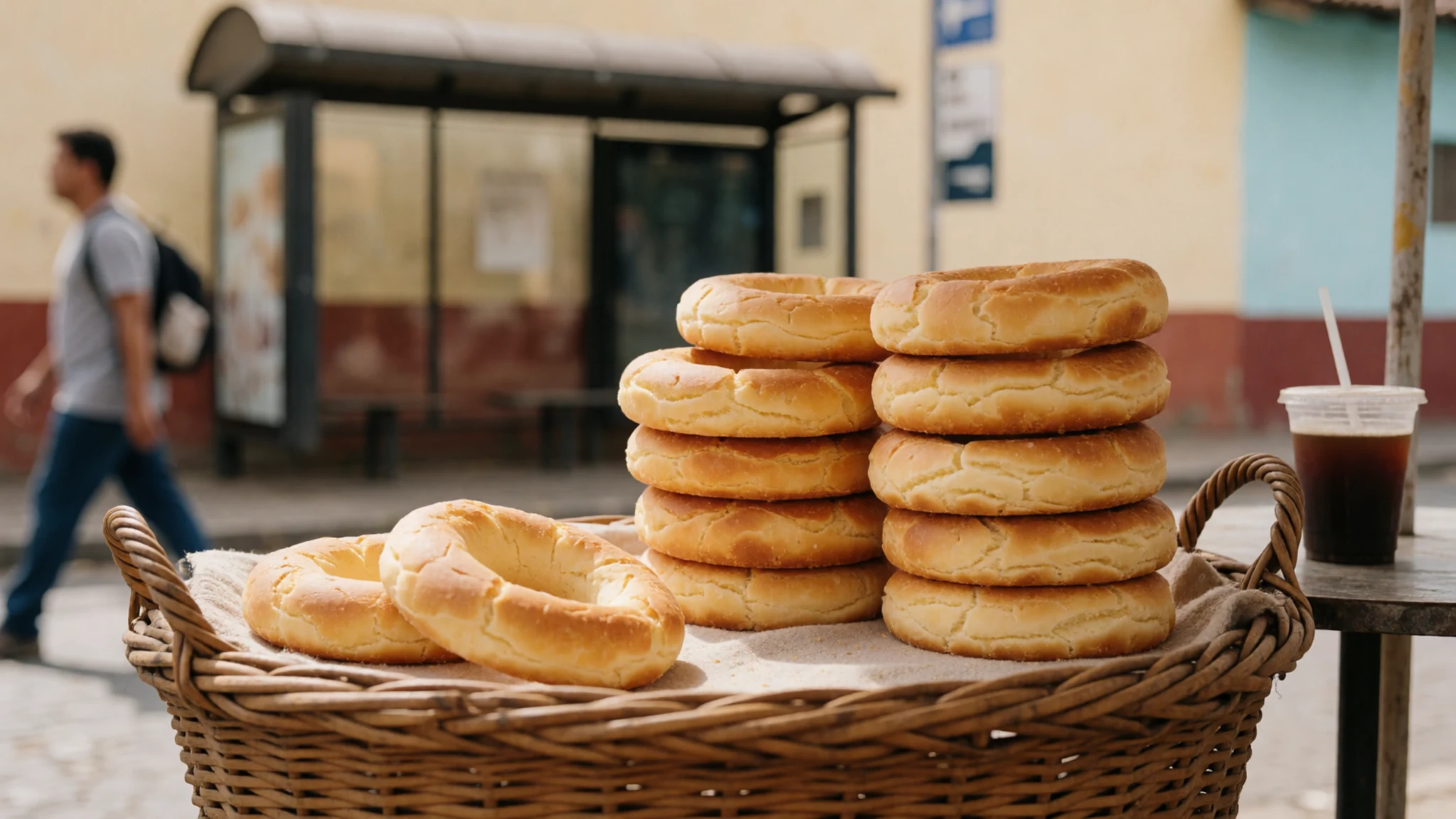
- Mbejú — Roadside stalls and market corners
Mbejú is a flat, griddled cake made from cassava starch and cheese, crisp at the edges and soft in the middle. It makes a cheap, filling snack and is often sold alongside chipa at roadside stalls and market corners. - Bori bori — Local lunchtime eateries
Bori bori is a thick chicken soup with small dumplings of cornmeal and cheese, rich and comforting. It is more a cool-season dish than a summer one, and local eateries tend to serve it at lunchtime on cooler days. - Fresh strawberries — Roadside stalls and farms around Areguá
Areguá is known for its strawberries, sold by the punnet, as jam, or with cream and sweet sauces. The season is limited, so ask what is available before expecting them. Roadside stalls and small farms are the usual places to buy.
Plan it
Best time. April–May and September–October, when the days are warm rather than fierce and the air is easier for walking. December–February is hot and humid with heavy storms, while winter evenings can feel cool.
How long. 1–2
Getting there. Fly to Silvio Pettirossi International Airport in Asunción, then take a local bus or taxi to Areguá, and finish on foot or by short taxi ride to the hill.
Budget. low
Tips
- Go early on a weekday for quiet paths and cooler air
- Carry cash for stalls and small workshops, as card use is patchy
- Bring water and sun protection, because shade on the hill is limited
- Check local advice before swimming in the lake
- Weekends are busier, so book any lunch you care about ahead
Etiquette
- Greet people with a friendly buenos días or buenas tardes before asking for anything
- Ask before photographing people or their stalls
- Take your litter with you from the hill and the lakeshore
Nearby
Sources
- Wikidata Q8344237 (CC0)
- Wikipedia — Cerro Koi (CC BY-SA 4.0)
- Wikivoyage — Paraguay (CC BY-SA 4.0)
- Photo: Areguá, Paraguay (1) — LUIS MILTOS (CC BY 3.0)
- Photo: Areguá, Paraguay (10) — LUIS MILTOS (CC BY 3.0)
- Photo: Areguá, Paraguay (11) — LUIS MILTOS (CC BY 3.0)
- Photo: Areguá, Paraguay (12) — LUIS MILTOS (CC BY 3.0)
- Photo: Areguá, Paraguay (13) — LUIS MILTOS (CC BY 3.0)
- Photo: Areguá, Paraguay (14) — LUIS MILTOS (CC BY 3.0)
- Photo: Areguá, Paraguay (15) — LUIS MILTOS (CC BY 3.0)
- Photo: Areguá, Paraguay (16) — LUIS MILTOS (CC BY 3.0)


