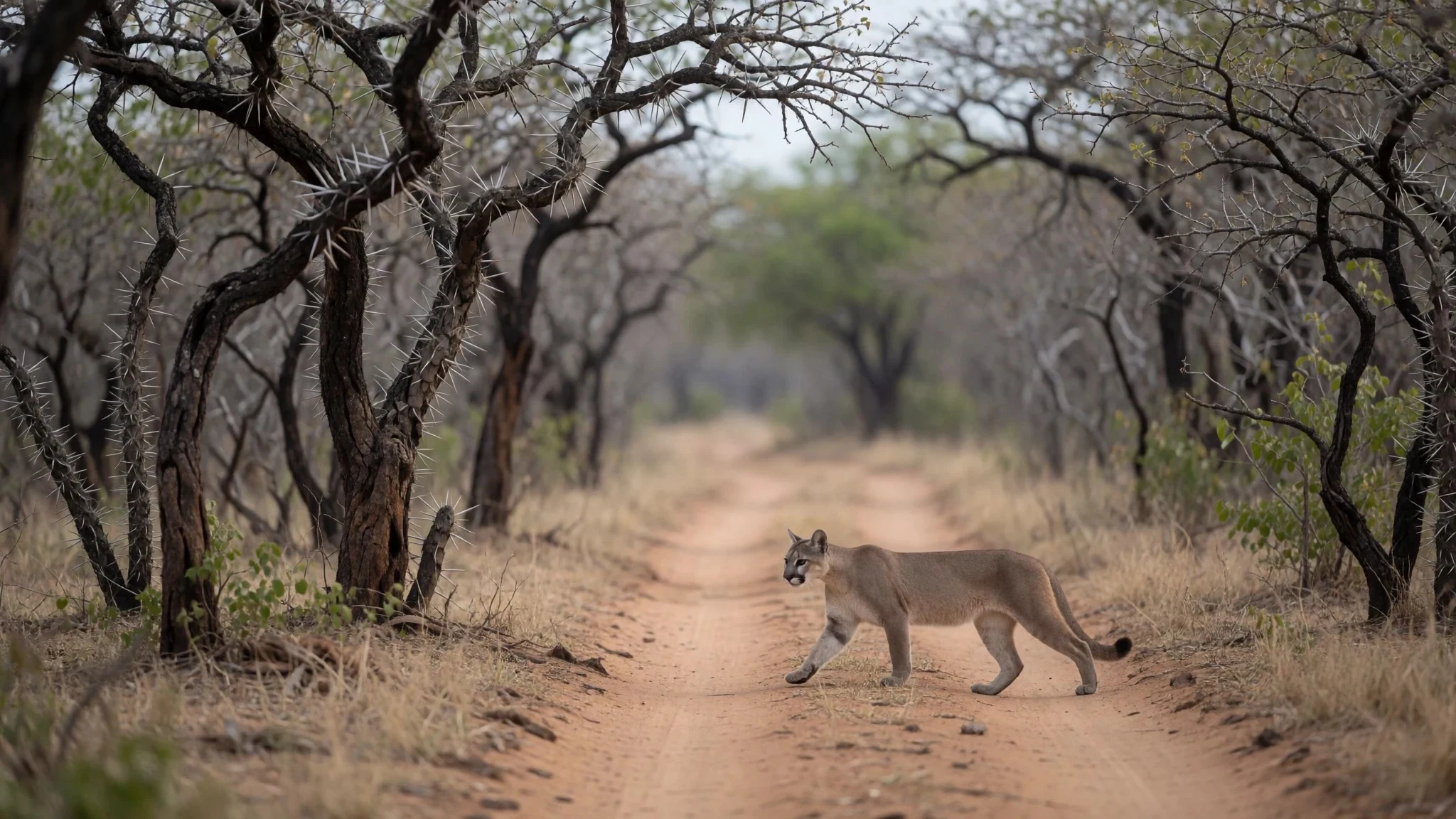
Defensores del Chaco
Defensores del Chaco, Paraguay
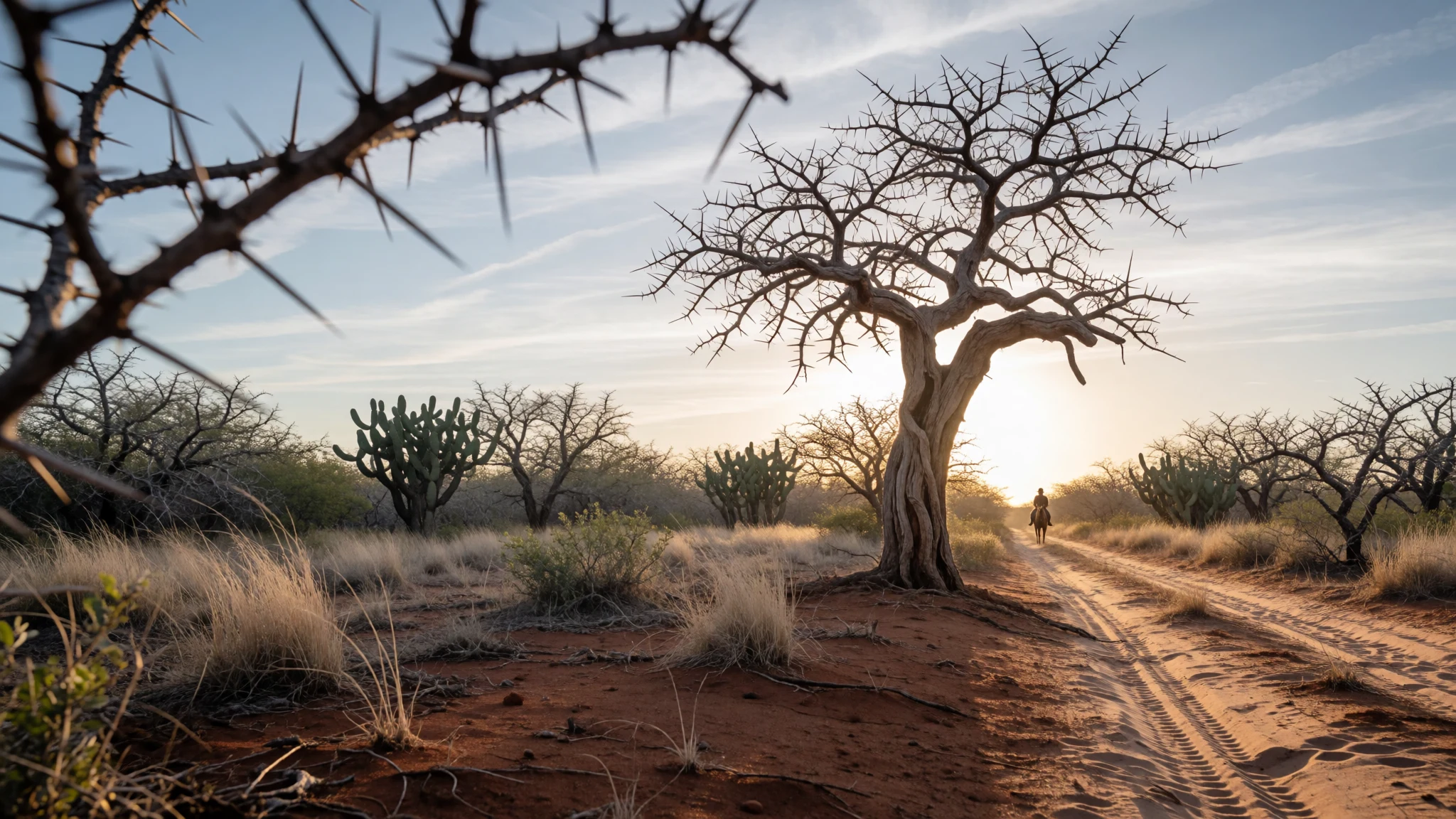
Defensores del Chaco is a remote Paraguayan national park of thorn forest and big skies, for travellers who want wilderness rather than comfort.
The place
Defensores del Chaco National Park lies in the Chaco Boreal, the dry northern lowland in the far north-west of Paraguay. It was created in 1975 and protects a stretch of thorn forest and scrub that few travellers ever reach. The land is flat, the soil is hard and the trees are low, spiny and tough: quebracho, palo santo and cactus rather than anything lush. Rain comes in a short wet season and largely disappears for the rest of the year, so the vegetation is built around waiting.
The park is remote even by Paraguayan standards. There is no town at its gate, no network of waymarked trails and no easy public transport. Most people who go arrange access through the environment ministry or a local guide, and many Paraguayans have never been, which is a large part of why the place is still mostly wild. Wildlife is the draw. Jaguar, puma, tapir and several kinds of peccary are known from the Chaco, though seeing any of them is a matter of luck. Birds, lizards and insects are far easier to find.
The name causes confusion. Paraguay's national football stadium in Asunción is also called Defensores del Chaco, and searches often mix the two up. Both names recall the soldiers of the Chaco War, and the stadium gets its own entry under the sights below. A visit to the park is best treated as a small expedition rather than a day out: heat, distance and thin services shape every decision, and the reward is silence, space and a very different Paraguay from the river cities.
Its story
The story of Defensores del Chaco starts with a war rather than a nature reserve. In the 1930s Paraguay and Bolivia fought over the Chaco, and the Paraguayan victory left a habit of public gratitude: places and institutions named for the defenders of the region. The national park, founded in 1975, carries that name into the wider Chaco landscape. Records for the park itself are thin beyond its founding, so the better-documented namesake is the stadium in Asunción.
That ground, in the Sajonia neighbourhood, began to rise in February 1916 and opened the following year as the Stadium de Sajonia, with a league match between two Asunción clubs. Paraguay's national team first played there in 1919. After Uruguay won Olympic football gold in 1924, the Paraguayan football association briefly renamed it Uruguay as a tribute, then went back to a Sajonia name.
When the Chaco War came, the stadium's central position made it useful as a munitions store and a gathering place for troops. Once the fighting ended, it was renamed for the soldiers who had returned victorious, giving it the name it carries today.
The post-war decades were a story of steady rebuilding. Prize money from the 1953 Copa América paid for a concrete stand, and the pitch was turned to run north to south. The ground staged the first Copa Libertadores final in 1960, installed floodlights in a friendly against Argentina in 1967, and in 1979 saw Paraguay win the Copa América and Olimpia lift the Libertadores in the same stadium.
What to see
- The thorn forest interior — Chaco Boreal, northern Paraguay
The heart of Defensores del Chaco National Park is dry forest and scrub, best seen on slow drives or walks with a guide. The trees are twisted and armed with thorns, the horizon is level, and the colour shifts from grey-green in the dry months to a brief flush after rain.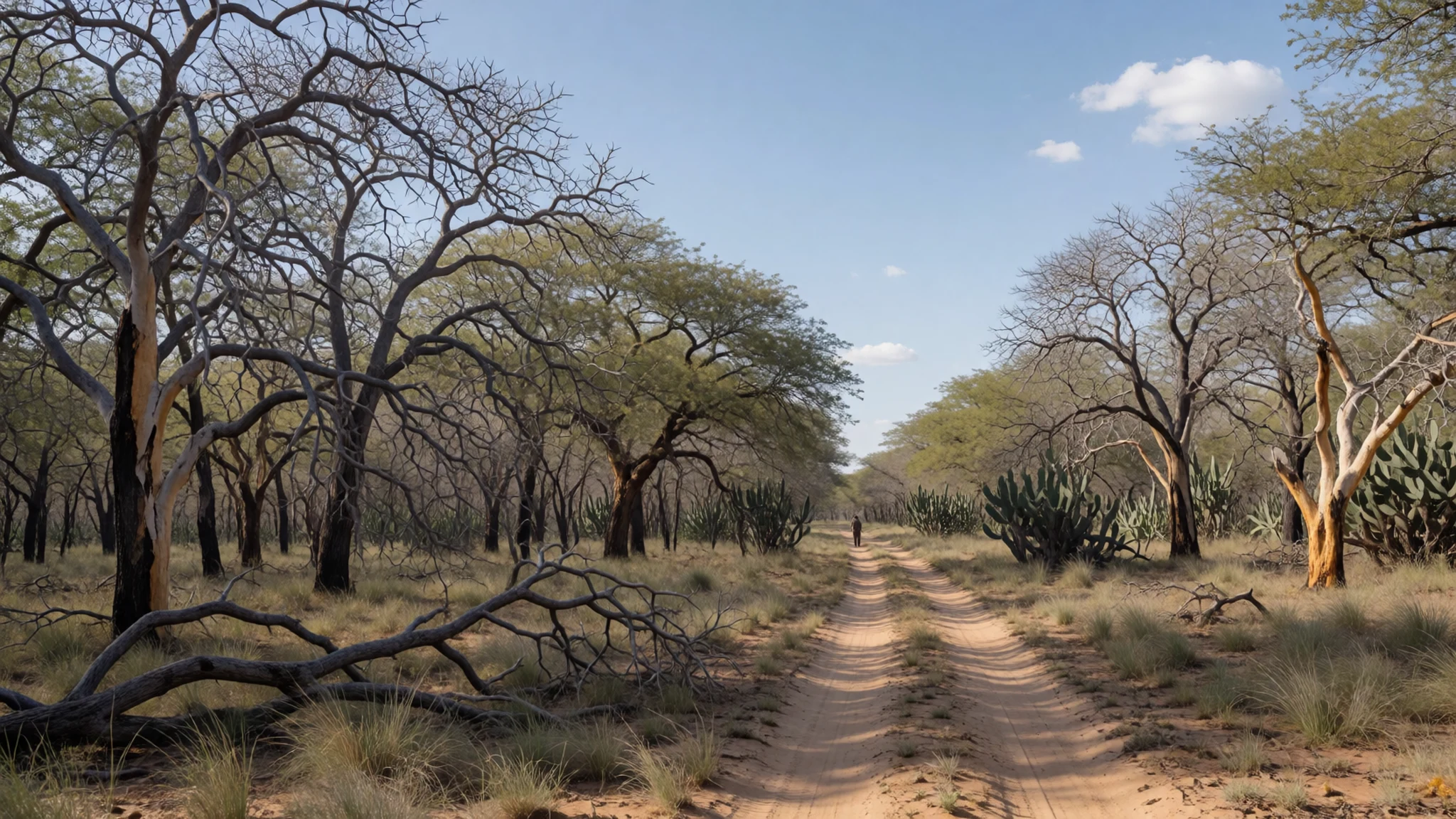
- Wildlife at dawn and dusk — Park tracks and waterholes
Animals in the park keep to the cooler hours. Fresh tracks on sandy trails, birds around any water and the occasional peccary or armadillo are realistic rewards; a jaguar or puma is a rare bonus. Patience and a guide who reads the ground matter more than a long lens.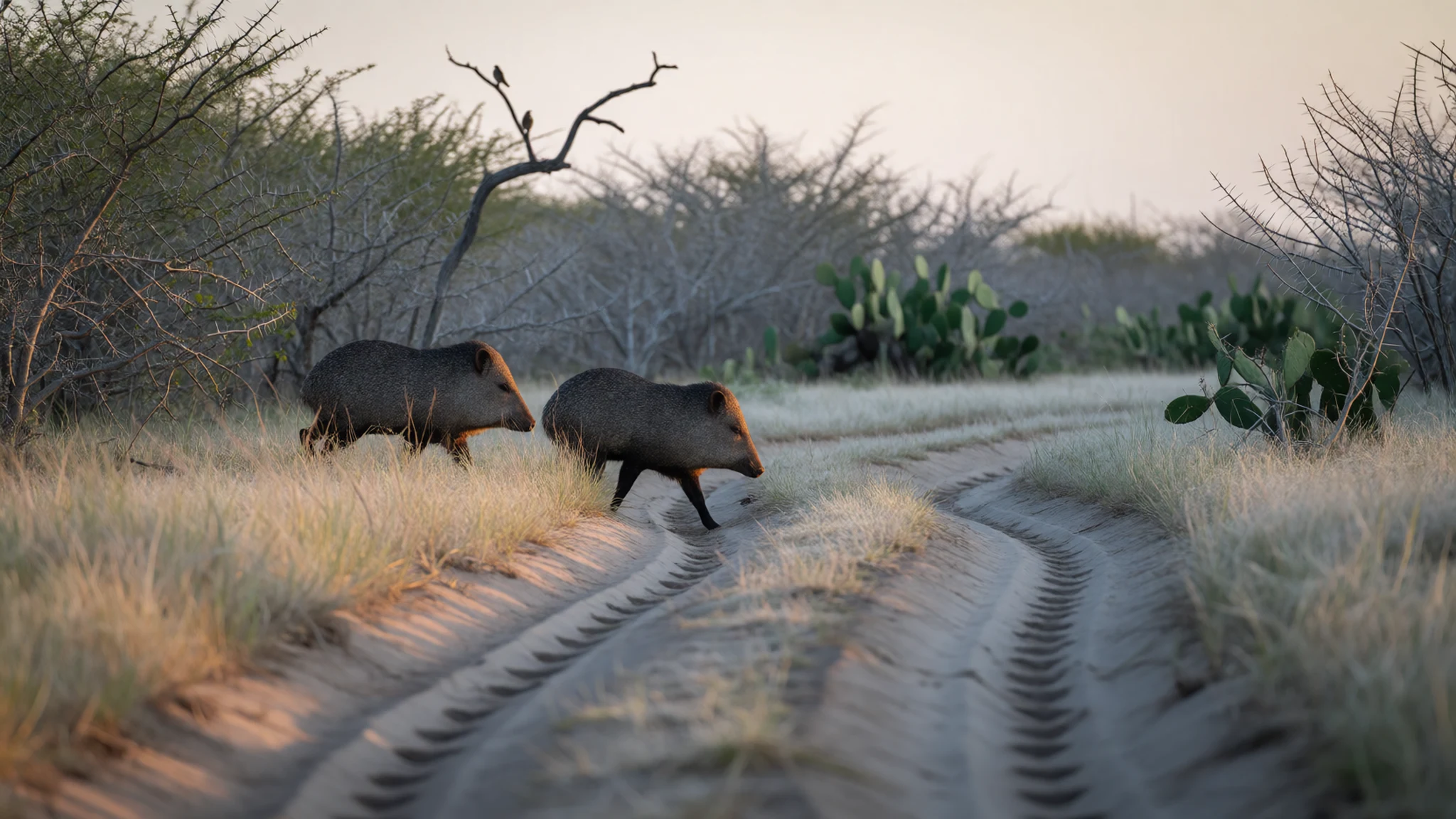
- Night sky over the Chaco — Anywhere away from the few settlements
With almost no artificial light for long distances, the sky above the park fills with stars once the heat of the day drains away. Camping or staying at a nearby ranch makes the most of it. Winter nights are noticeably cold, so warm layers are part of the plan.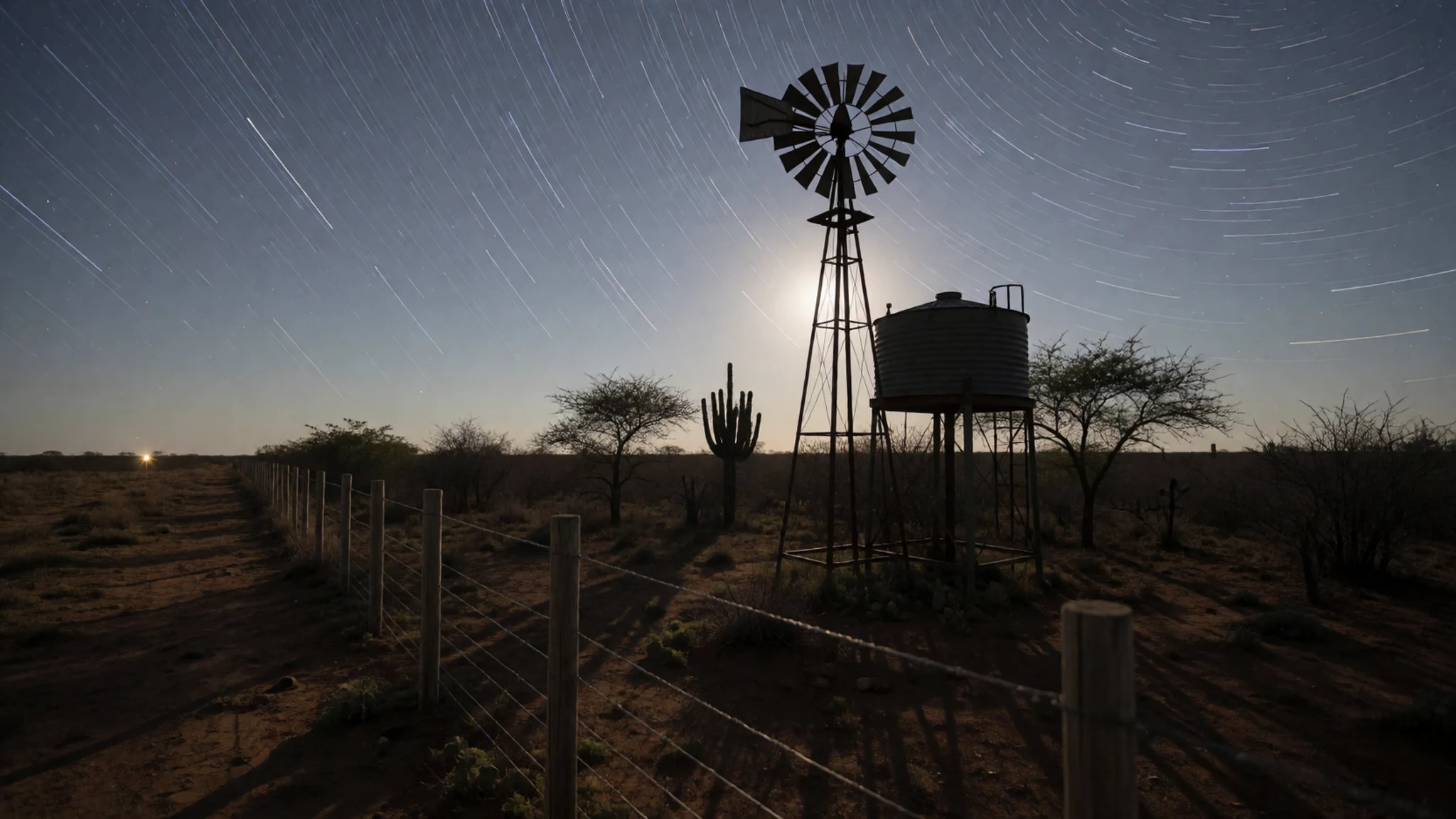
- Filadelfia and the Mennonite Chaco — Boquerón department, on the Transchaco road
Filadelfia is the main service town of the central Chaco, founded by Mennonite settlers who turned scrub into dairy and cattle country. It is the usual place to buy supplies, change plans and ask local operators about road conditions. Local museums on settlement history are worth asking about.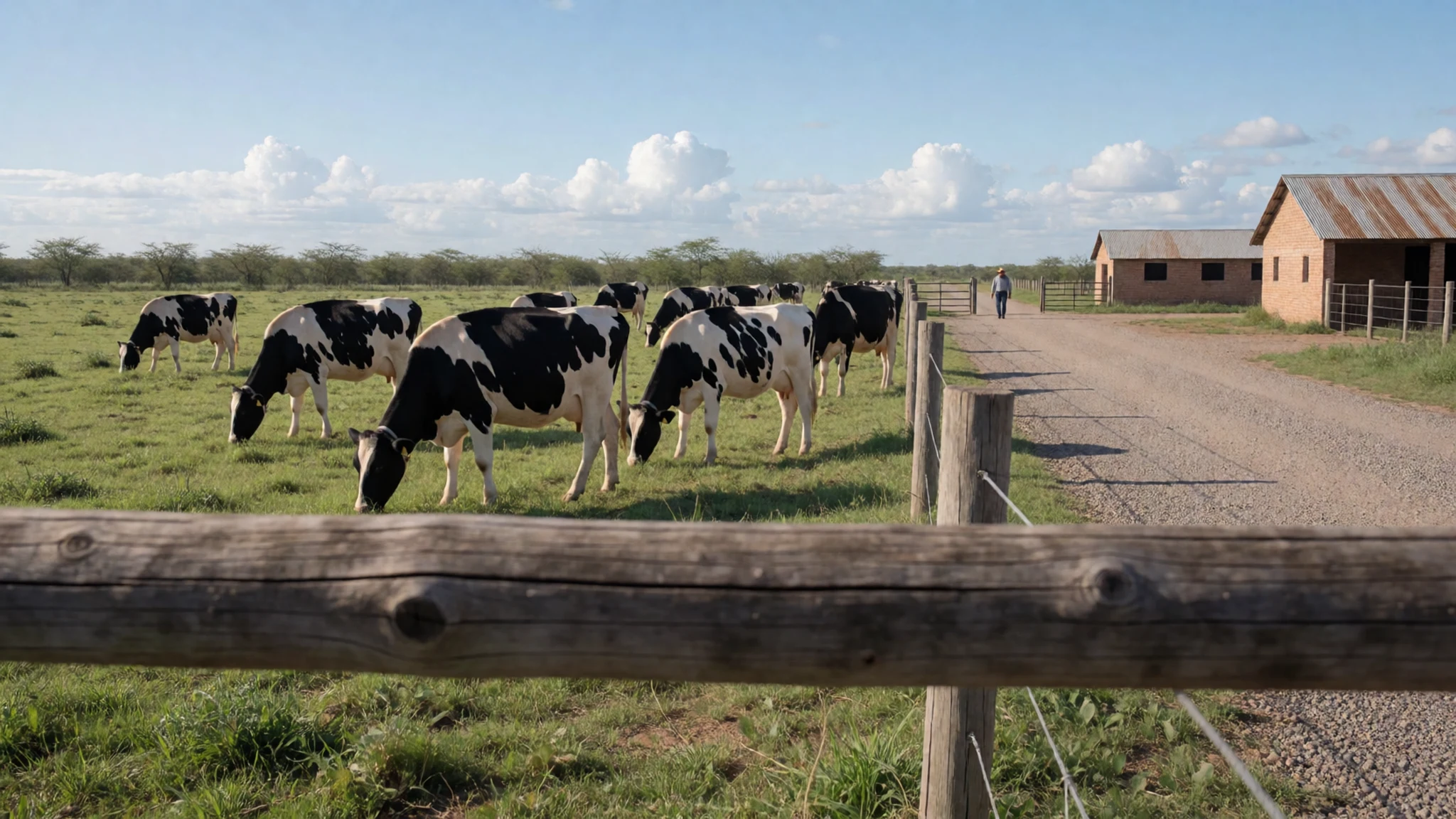
- Estadio Defensores del Chaco — Sajonia, Asunción
The football ground that shares the park's name stands in Sajonia, Asunción, and has hosted national-team games and the first Copa Libertadores final in 1960. On a match day the noise and colour are the point. Check the football association's official site for fixtures and any stadium visits.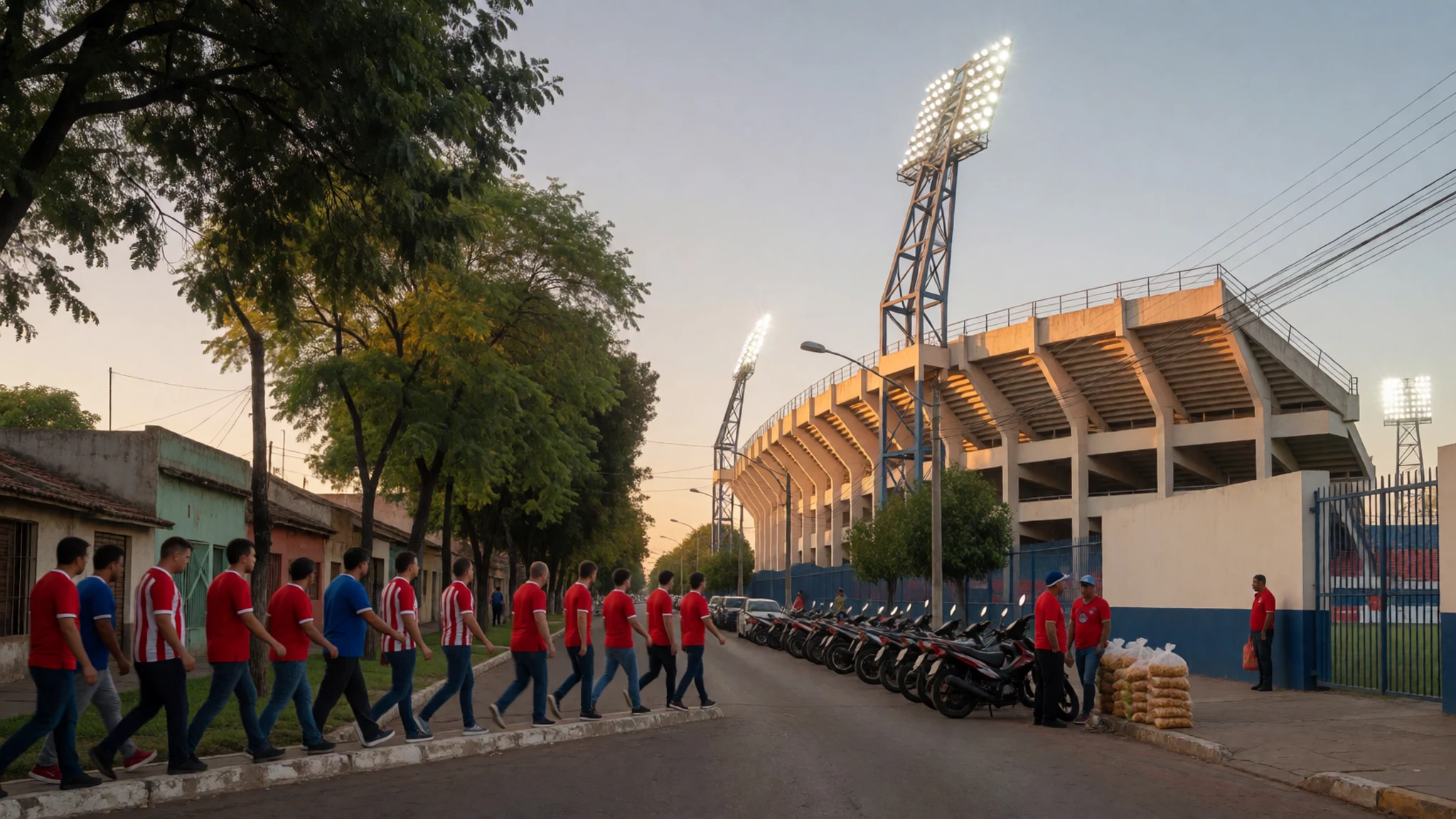
Culture
Defensores del Chaco National Park sits in a region where several Paraguayan worlds meet. Spanish and Guaraní are the country's main languages, and Guaraní is the one most often heard in everyday talk. In the Chaco, Mennonite farming communities, whose families arrived from Europe in the twentieth century and still speak a form of Low German at home, live alongside Indigenous peoples such as the Ayoreo, Nivaclé and Enxet. Cattle ranching, dairy co-operatives and mission history shape the towns along the road north.
Tereré, cold herbal tea sipped through a metal straw from a shared cup, is the social glue of the country. Sharing a round, with one person pouring for the group in turn, is a way of saying that everyone present belongs. Heat makes it a practical habit as well as a friendly one, and visitors are often invited to join.
Football is the other common language. The Chaco War is remembered in the names of streets, units and the national stadium, and match days in Asunción bring loud, partisan crowds. In the Chaco itself, life is quieter and shaped by distance, weather and the rhythm of ranch work, so plans are loose and patience is expected.
Ask before photographing anyone, keep to tracks that rangers or your guide approve, and treat Indigenous lands and communities in the northern Chaco as private places rather than sights.
What to wear
Defensores del Chaco National Park is far from any catwalk, but Paraguay has a clear textile tradition. The best-known is ao po'í, a fine, light cotton cloth, often white and embroidered by hand, made into blouses and dresses for festivals and national occasions. Ñandutí, the spider-web lace of Itauguá, is the country's other signature cloth. In the Chaco, Indigenous women have long made bags and other goods from plant fibre such as caraguatá, with patterns that differ from one community to another.
Everyday dress is practical. In towns people wear light cotton, jeans, football shirts and sandals, with wide-brimmed hats and long sleeves on ranches to deal with sun and insects. Rural men often wear boots and a ranch-style hat. Smarter clothes appear for church, weddings and national holidays, and dress is generally relaxed rather than strict.
For visitors, the park rewards a covered-up approach. Wear loose long trousers and long-sleeved light shirts to guard against thorns, sun and insects, with sturdy closed boots rather than trainers. A hat, sunglasses and a scarf for dust are all useful. In the cooler months, from June to August, nights can be cold, so pack a fleece or light jacket. In towns, shorts are fine, but covering shoulders is polite in churches and Mennonite communities.
What to eat
- Sopa paraguaya — Family eateries, bakeries and roadside cafés across Paraguay
Despite its name, this is a dense, savoury cornbread made with cheese, onion and milk. It turns up at family lunches, festivals and roadside stops, and is usually eaten alongside grilled meat or as a snack with tereré.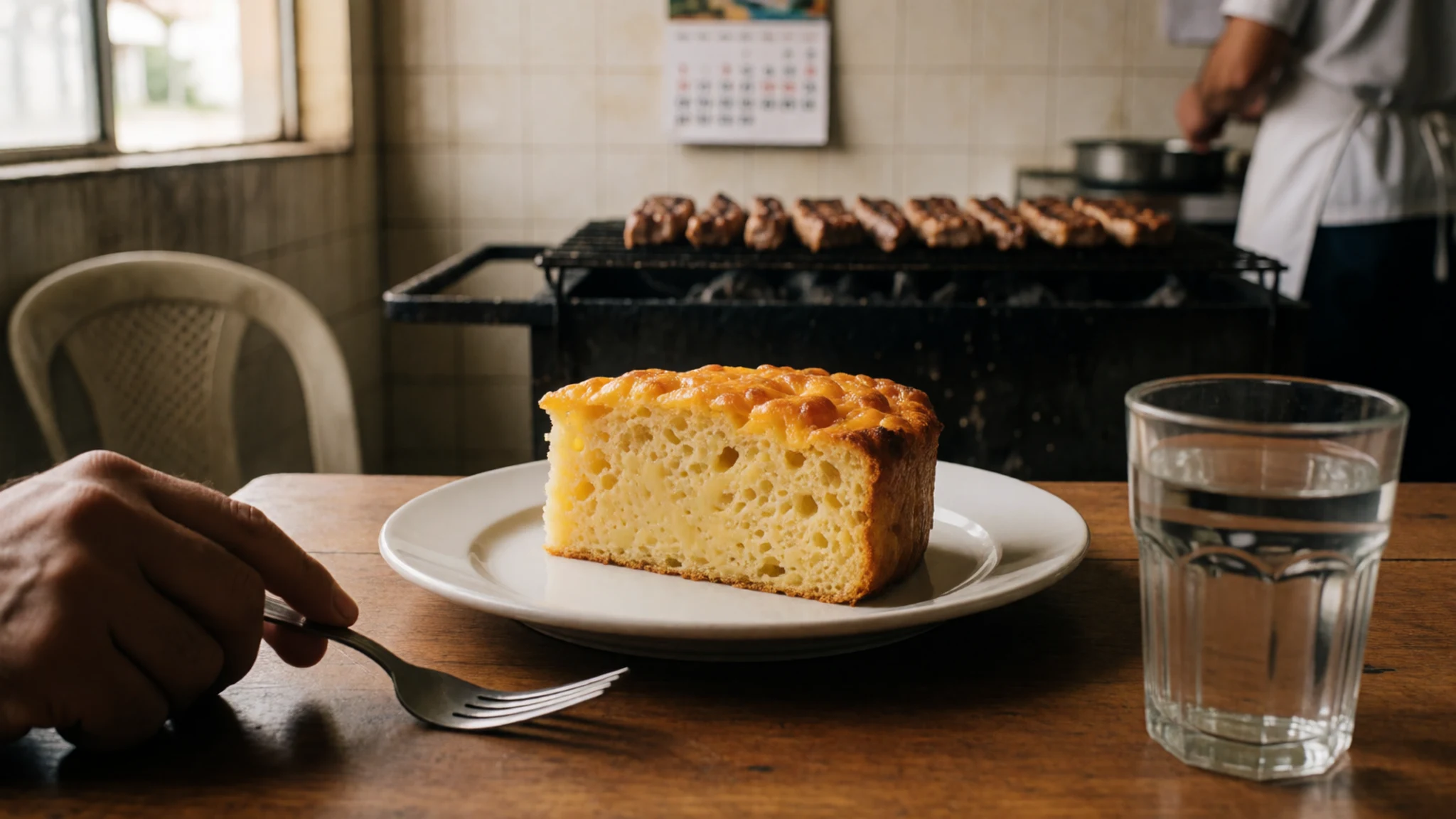
- Chipa — Bakeries, bus stations and roadside stalls on the way to the Chaco
A baked ring or roll of cassava starch, cheese and egg, chewy inside and crisp outside. It is the standard snack for a long drive and is often sold hot by vendors at bus stops and petrol stations.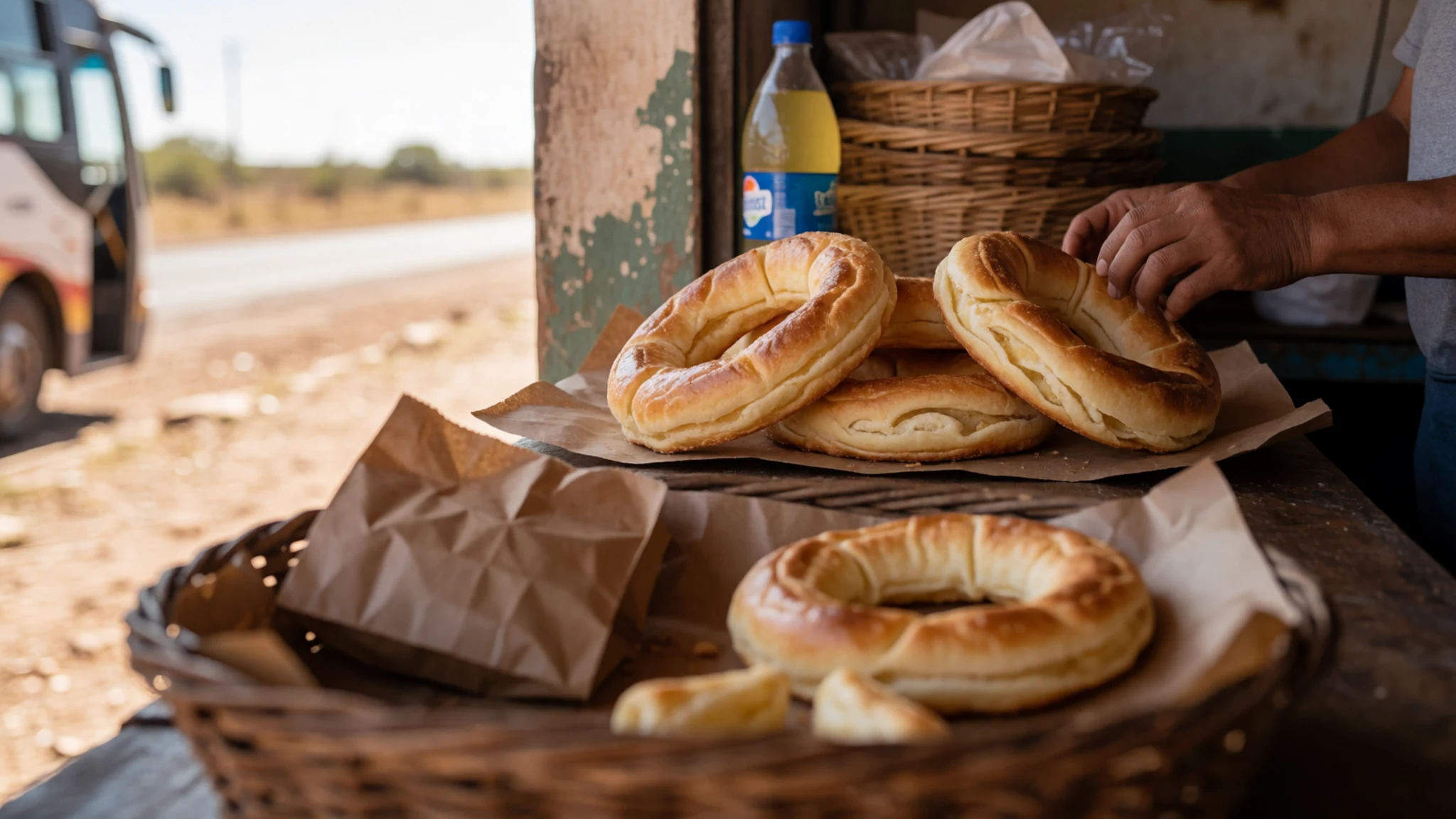
- Asado — Grill restaurants and ranch dining rooms in Filadelfia and along the Transchaco
Grilled beef is the centre of any celebration in cattle country, cooked slowly over embers and served with cassava, salad and sometimes a sharp tomato-onion relish. The Chaco, a ranching region, takes it seriously. - Mbejú — Market stalls and home-style eateries
A flat, pancake-like cake of cassava starch and cheese, cooked on a griddle and eaten warm. It is simple, filling and often served at breakfast or with afternoon tea. - Tereré — Everywhere, from petrol stations to ranch porches
Not a dish but a daily ritual: yerba mate steeped in cold water, often with crushed medicinal herbs, passed round in a shared cup. In Chaco heat it is as important as water on a long drive. - Mennonite cheese and dairy — Co-operative shops and supermarkets in Filadelfia
Filadelfia and nearby settlements are known for milk, cheese and sausages from farming co-operatives. They make useful picnic supplies before heading into the park, and are often cheaper than imported alternatives.
Plan it
Best time. June to September, when the Chaco is drier and cooler and tracks are most likely to be passable. Summer is extremely hot, and heavy rain can make dirt roads impassable.
How long. 3–4
Getting there. Fly into Silvio Pettirossi International Airport in Asunción, then travel north on the Transchaco highway to Filadelfia, which takes most of a day. The last leg into the park is on dirt tracks and usually needs a four-wheel-drive vehicle and a local guide.
Budget. mid
Tips
- Arrange access and a guide in advance through the environment ministry or a local operator, and check road conditions before leaving
- Carry more water, fuel and food than seems sensible; there are no services inside the park
- Bring cash, as card machines are rare away from Filadelfia and the larger towns
- Start walks at dawn and rest in the heat of the day; shade is scarce
- Pack insect repellent, sun protection and a warm layer for winter nights
Etiquette
- Ask permission before photographing people, and respect Indigenous and private land
- Follow rangers' instructions and keep to approved tracks
- Take all rubbish away and avoid disturbing wildlife
Nearby
Sources
- Wikidata Q12679228 (CC0)
- Wikipedia, Defensores del Chaco (CC BY-SA 4.0)
- Wikivoyage, Paraguay (CC BY-SA 4.0)
- Chaco Boreal Paraguay.jpg, Unknown author, via Wikimedia Commons (CC BY 1.0)

Wildlife
- Jaguar (animal)
The jaguar is the biggest cat in the Americas, a spotted giant whose strong jaws can crack a tortoise shell. Its pale golden coat carries rosettes along the sides, and a few jaguars are born dark. It is known from the Chaco, but seeing one is down to luck, so treat any glimpse as a gift. Watch from a long way off, stay still and quiet, go with a guide, and never offer food.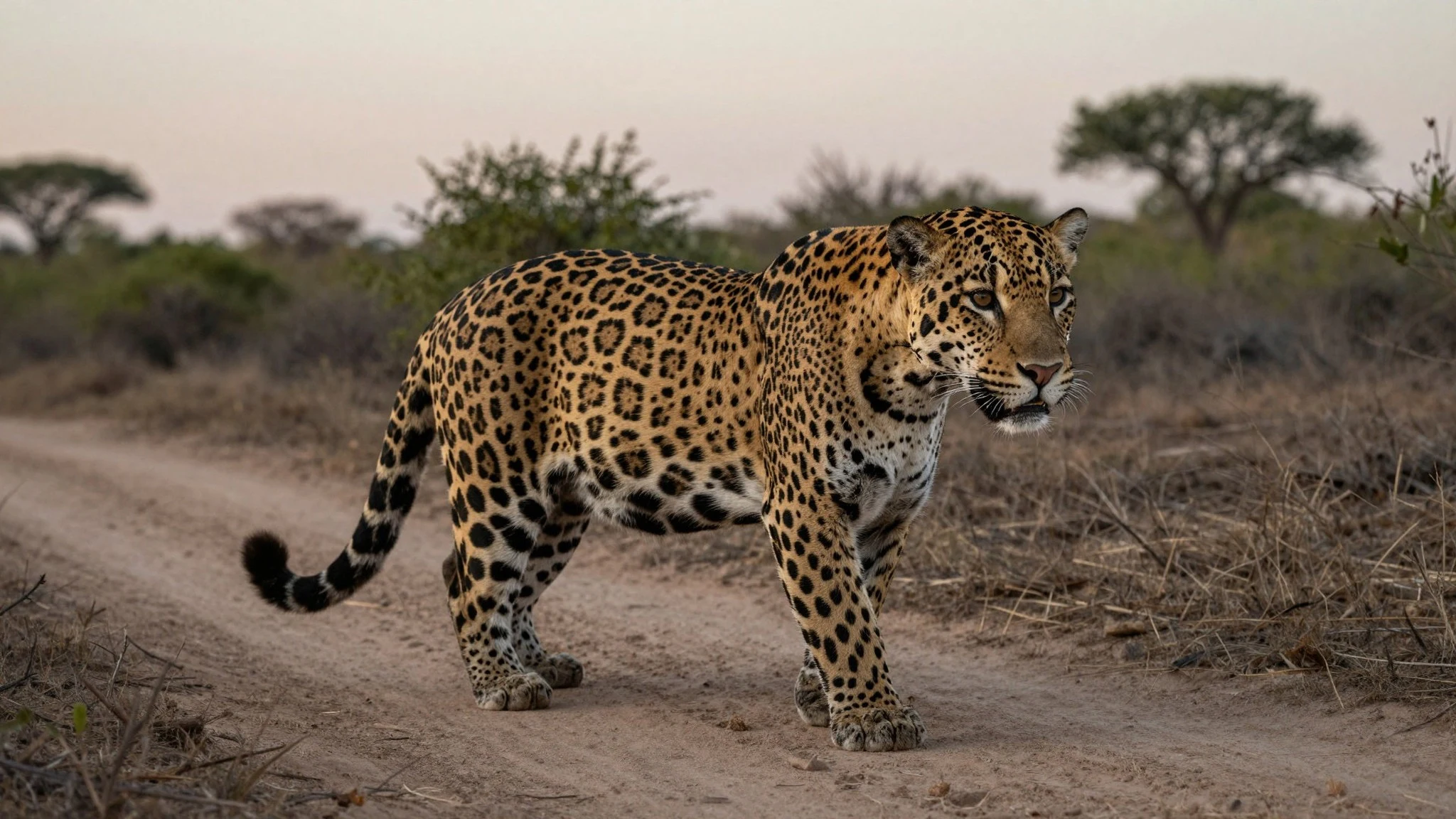
- Puma (animal)
The cougar, also called the puma, is a cat that has made its home almost everywhere in the Americas, from Canada down to Patagonia. It is known from the Chaco, though meeting one is a matter of luck. It likes thick undergrowth and rocky ground for creeping up on prey, yet also roams open country. Keep a respectful distance, stay quiet, let a guide lead you, and never feed it.