Trinidad del Paraná
Trinidad del Paraná, Paraguay
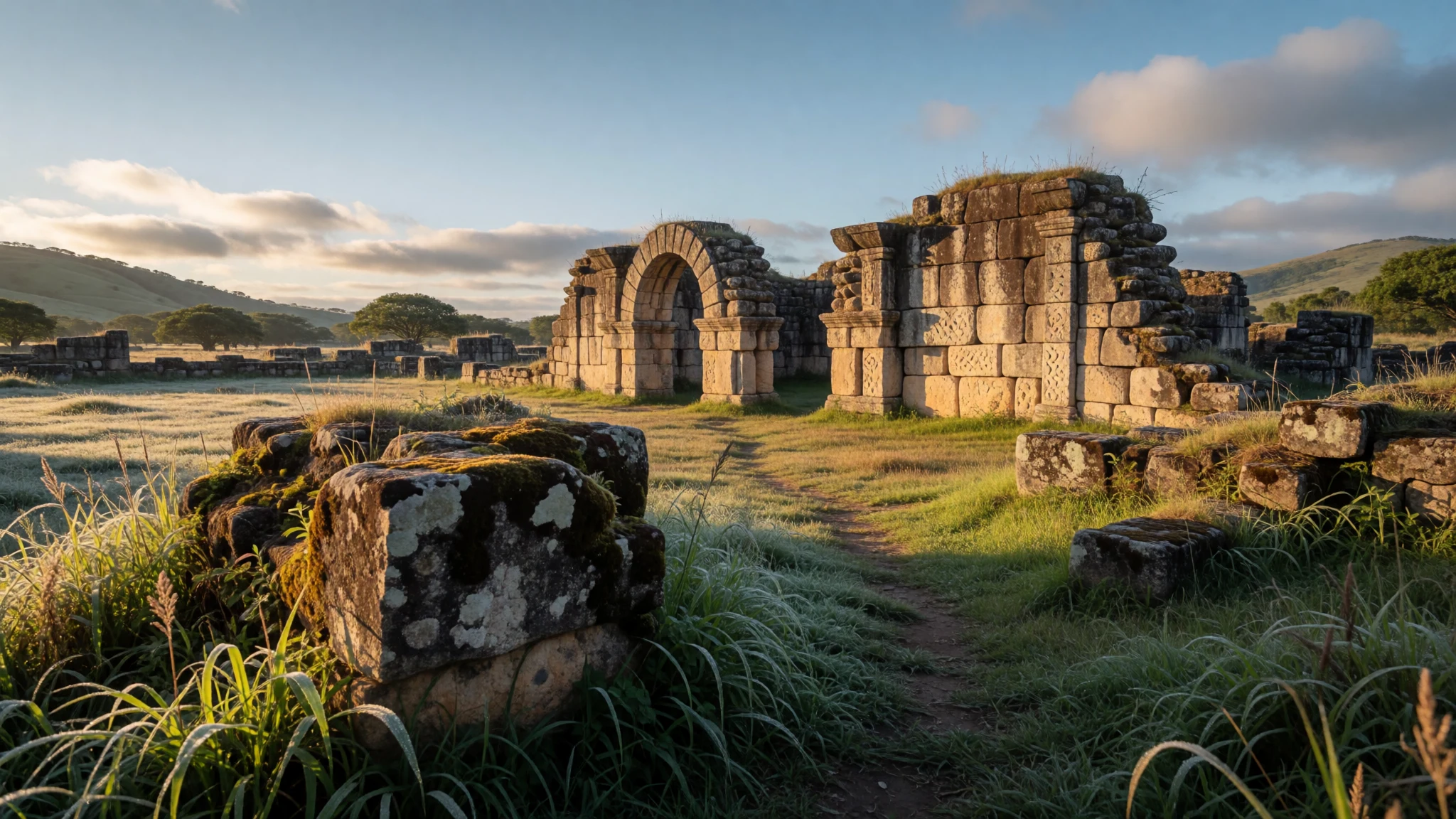
Explore the stone ruins of Trinidad del Paraná, a remarkable former Jesuit settlement showcasing indigenous craftsmanship and colonial history in southern Paraguay.
The place
Trinidad del Paraná stands as one of the most significant historical sites in the Itapúa Department of Paraguay. Formally known as La Santísima Trinidad del Paraná, this archaeological complex preserves the footprint of a self-contained society established during the colonial era. Unlike many urban ruins swallowed by modern development, the site rests quietly in a rural landscape near Encarnación, offering visitors an uninterrupted view of monumental stone architecture, intricate friezes, and expansive grass plazas. The layout reveals a meticulously planned community designed to integrate indigenous Guaraní populations with European religious traditions. Visitors wandering through the eroded archways and weathered stone carvings encounter silent testimony to a vast network of settlements once stretching across South America. The stone facades, carved pulpits, and standing bell towers capture the ambition of an era when missionary orders built remote sanctuaries that functioned independently of standard colonial governance. Today, the ruins remain accessible to travellers seeking a deep connection with the region's past, surrounded by quiet roads and local communities that maintain a gentle pace of life far removed from bustling metropolitan corridors.
Its story
The history of Trinidad del Paraná is rooted in the ambitious network of Jesuit reductions established across parts of modern-day Paraguay, Argentina, and Brazil. Founded as a self-sufficient colony, Trinidad was built to shelter and organise local indigenous populations within a structured religious and communal framework. The settlement featured standard civic and spiritual amenities, including a large central plaza for public gatherings, workshops, living quarters, and a monumental church. For decades, these reductions operated outside normal colonial administration, fostering unique cultural and artistic exchanges between European priests and Guaraní craftsmen. However, the political tides turned dramatically when the Spanish crown expelled the Jesuit order from its colonies. This decree triggered the abandonment of Trinidad del Paraná and its sister reductions, leaving the ambitious urban experiments to the elements. Subsequent years brought further disruption, as treasure seekers and rival groups searched the structures for hidden valuables, damaging statues and altars. Despite this turbulent chapter, the relative youth of Trinidad—being among the later reductions constructed in the region—meant its sturdy stone walls withstood much of the decay. Modern preservation efforts have since stabilised the remaining masonry, allowing contemporary visitors to walk through the exact courtyards and halls where an extraordinary cross-cultural experiment unfolded centuries ago.
What to see
- The Main Church Ruins — Trinidad del Paraná archaeological complex
At Trinidad del Paraná, the remains of the grand church display soaring stone walls and intricate carvings created by Guaraní artisans. Visitors can inspect detailed friezes, sculpted archways, and the remnants of the old pulpit, which survived decades of weathering and abandonment after the expulsion of the mission's founders.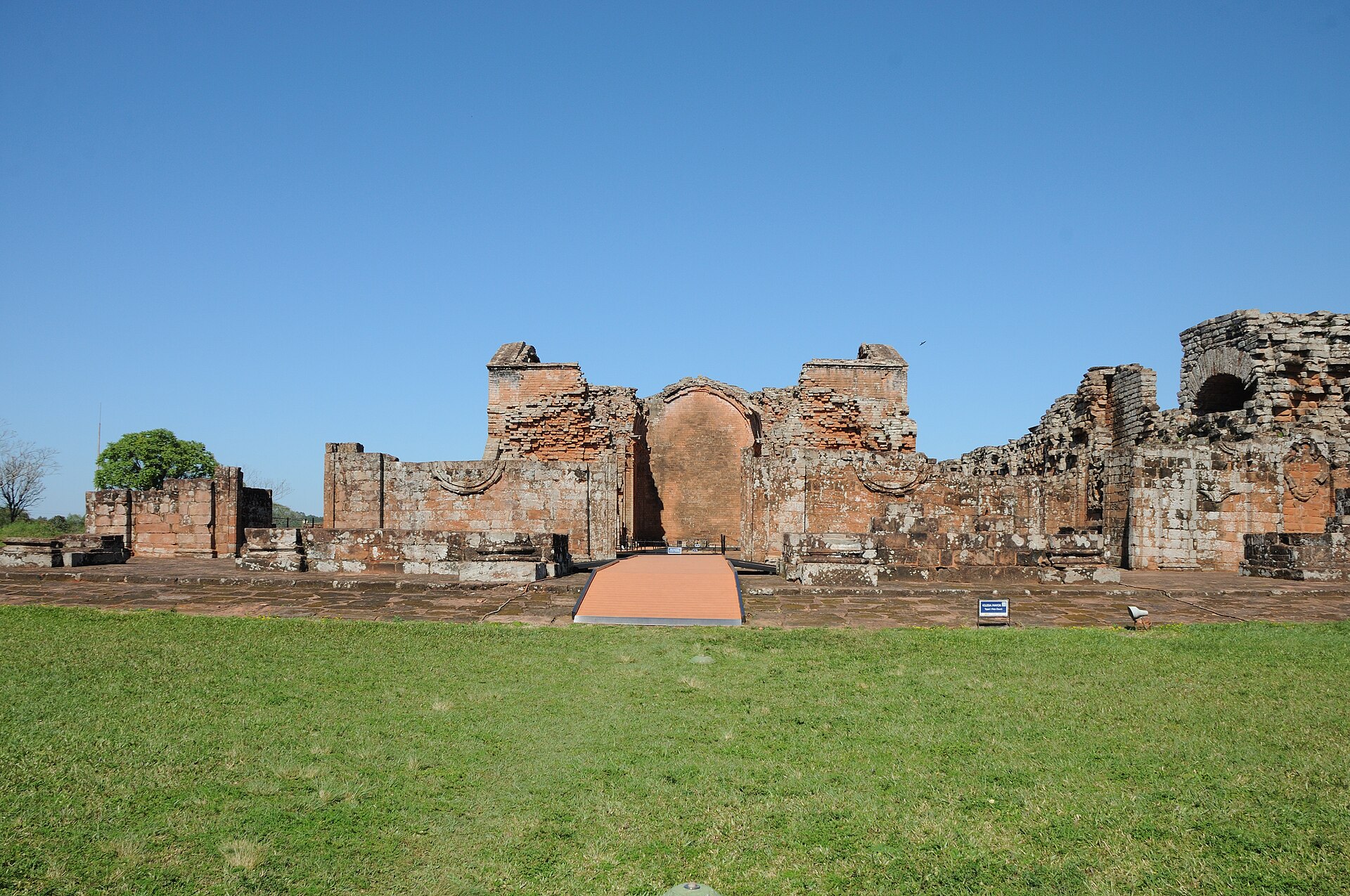
- The Central Plaza — Trinidad del Paraná archaeological complex
Trinidad del Paraná features a vast grassy public square that once served as the beating heart of daily life for the community. Here, inhabitants gathered for religious processions, civic announcements, and communal celebrations under the open sky, surrounded by the primary administrative buildings and workshops of the reduction.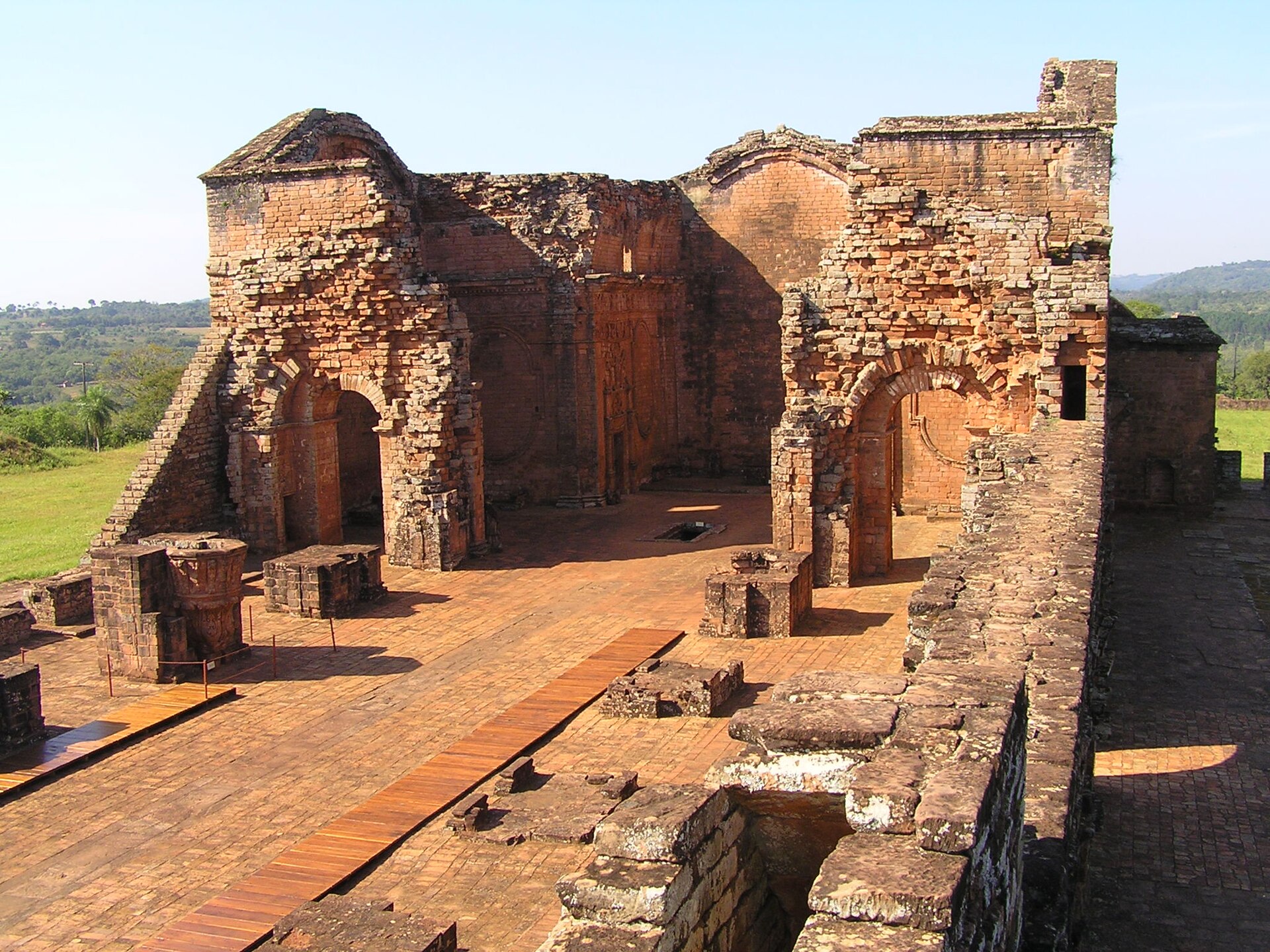
- The Bell Tower — Trinidad del Paraná archaeological complex
The sturdy stone bell tower at Trinidad del Paraná stands as one of the most complete vertical structures remaining on the site. Its weathered masonry provides an excellent vantage point for viewing the surrounding archaeological layout and appreciating the scale of stone construction achieved by local builders.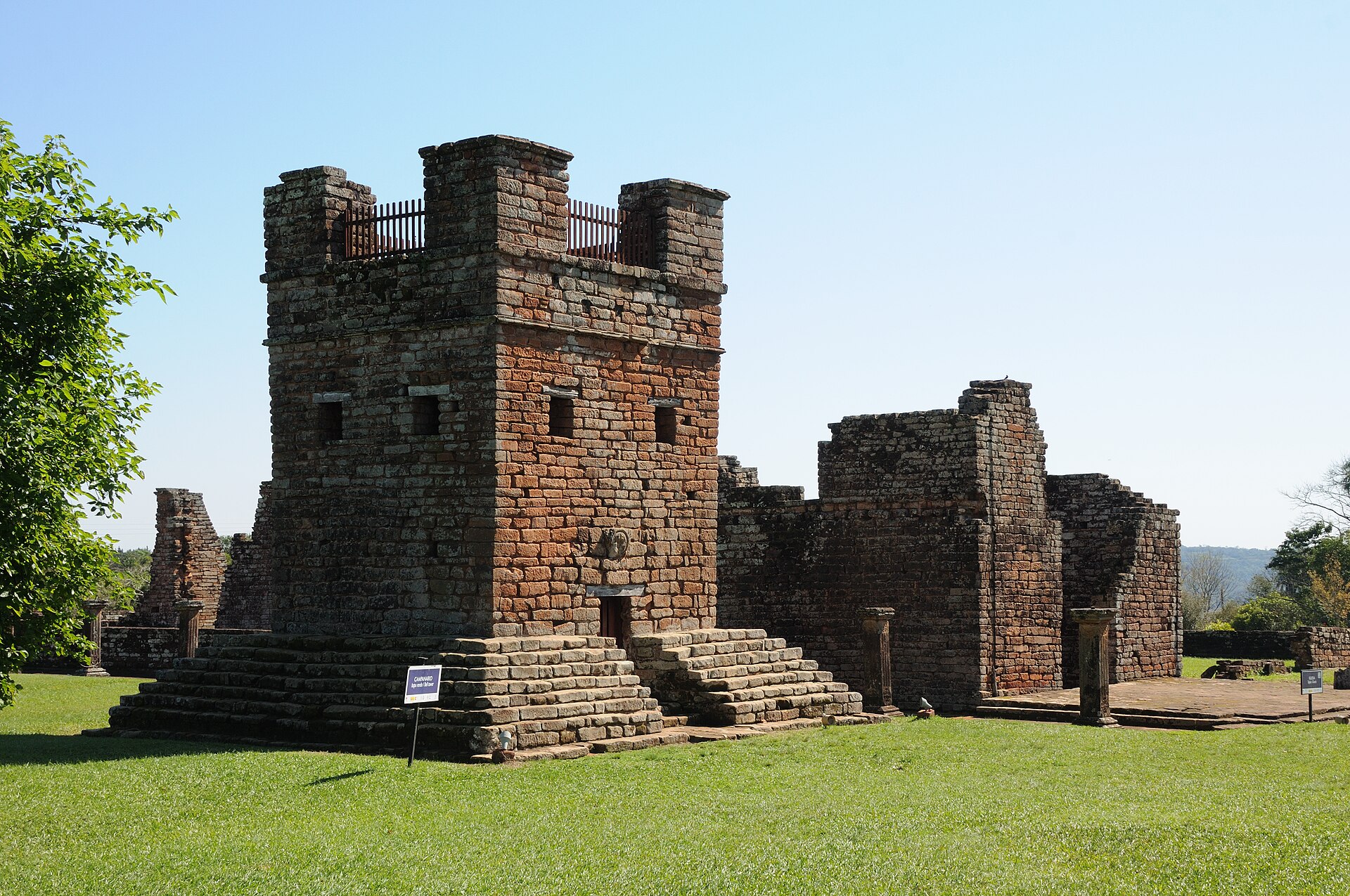
- On-Site Museum — Trinidad del Paraná archaeological complex
Trinidad del Paraná houses a compact exhibition space that displays salvaged artifacts, carved stonework, and interpretive panels detailing the daily routines of the mission. It provides helpful context for travellers before they explore the wider stone courtyards and residential quarters scattered across the grassy grounds.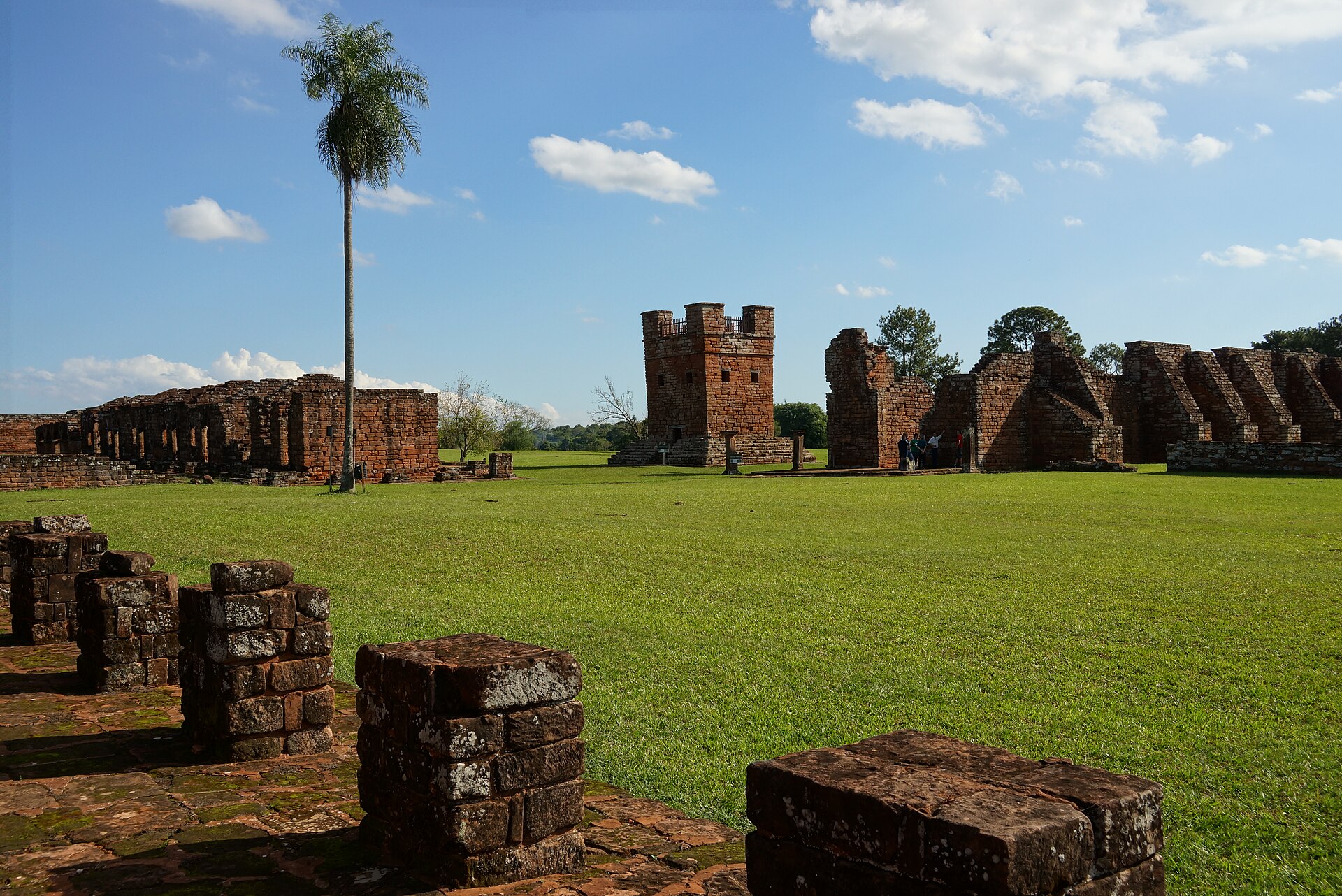
- Jesús de Tavarangué — Nearby rural area outside Trinidad
Located a short distance away from Trinidad del Paraná, these evocative auxiliary mission ruins offer another glimpse into colonial-era architecture. Visitors can examine unfinished archways and soaring walls that demonstrate the ambitious scale of construction undertaken before the expulsion of the missionary order from the region.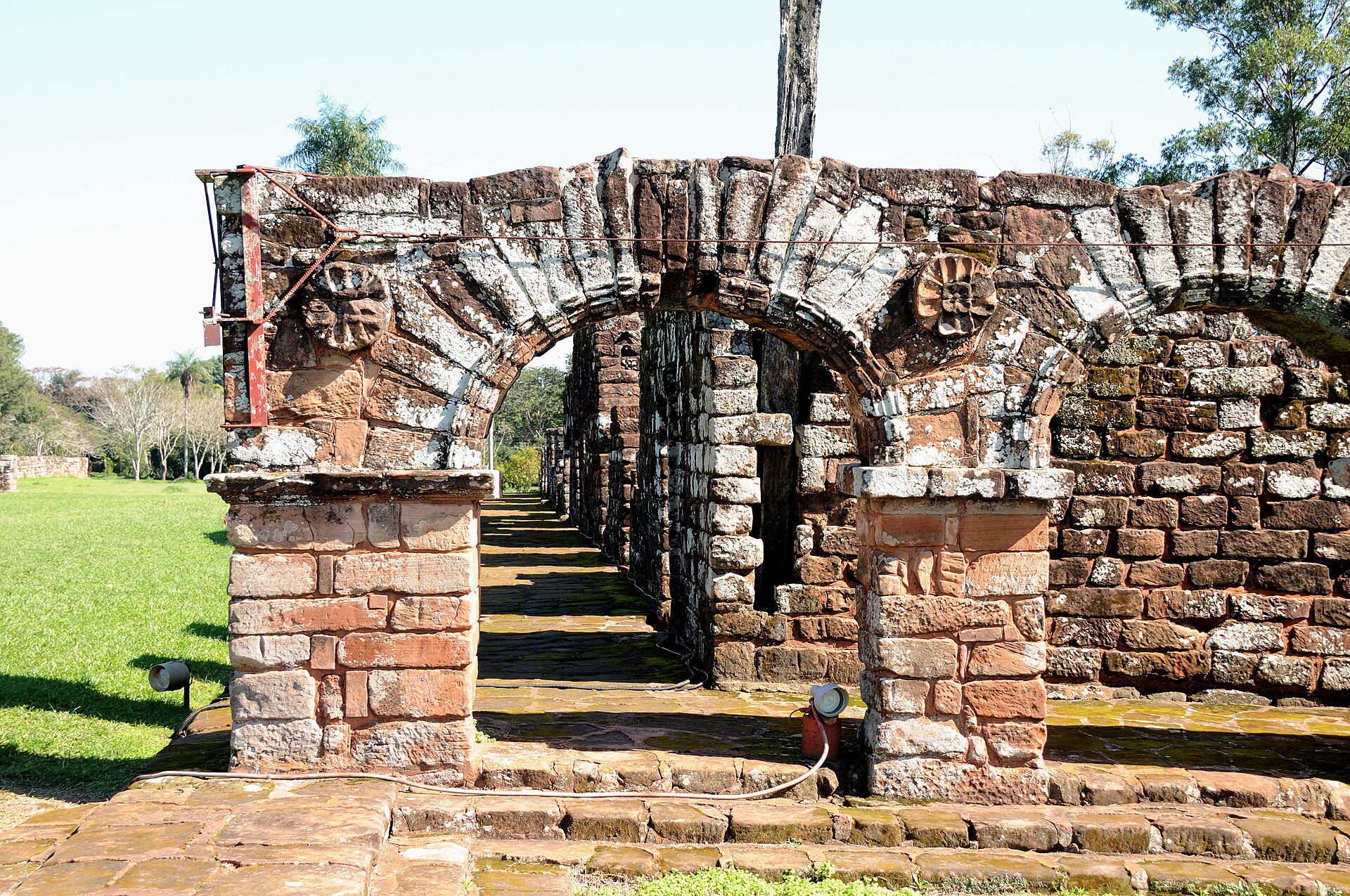
Culture
At Trinidad del Paraná and throughout the surrounding Itapúa Department, daily life blends rural Paraguayan customs with a profound awareness of the region's unique heritage. The local population speaks both Spanish and Guaraní, reflecting a bilingual society where indigenous traditions remain deeply woven into modern social interactions. Visitors will find communities that are warm, welcoming, and proud of their historical role in preserving the architectural legacy of the missions. Traditional music, local crafts, and regional culinary practices play a prominent part in community gatherings and festivals. Because tourism in this part of Paraguay is relatively gentle compared to busier global landmarks, travellers have ample opportunity to engage in unhurried conversations with local residents and artisans. When visiting Trinidad del Paraná and its surrounding sacred archaeological spaces, always purchase your admission ticket properly and respect the physical integrity of the stone walls by avoiding climbing on fragile carved surfaces.
What to wear
At Trinidad del Paraná, everyday attire reflects practical rural comfort suited to the warm subtropical climate of southern Paraguay. Local residents typically wear lightweight, breathable cotton shirts, trousers, and durable footwear appropriate for walking on uneven terrain and dusty pathways. Traditional Paraguayan textiles, such as intricate ñandutí lace or traditional ao po'i embroidered garments, are worn during special cultural festivals, national holidays, and civic celebrations rather than as daily wear. For visitors exploring Trinidad del Paraná, dressing sensibly for the climate is essential. Wear lightweight, loose-fitting clothing that offers protection from the sun, along with sturdy walking shoes or trainers designed for exploring rocky archaeological sites and grassy plazas. Bringing a hat, sunglasses, and high-factor sunscreen will ensure comfort during extended walks around the open-air ruins. When interacting with local residents in nearby villages or entering community spaces, modest, clean casual wear is always appreciated, and shoulders should generally be covered out of respect for local customs.
What to eat
- Chipá — Local bakeries and roadside food stalls along the main transit routes connecting Encarnación and Trinidad
A traditional Paraguayan baked cheese bread made from manioc starch and fresh cheese, often enjoyed warm from local bakeries or roadside food stands near regional transit routes. - Sopa Paraguaya — Traditional eateries and local family-run restaurants operating near the main road junction
A rich, savoury cornbread baked with onions, fresh cheese, and milk, traditionally served warm as a hearty accompaniment to grilled meats or enjoyed on its own. - Tereré — Any local shop, roadside stop, or public square where people gather to socialise
The iconic national cold herbal beverage prepared with yerba mate and iced water in a traditional gourd, shared communally among friends and travellers. - Empanadas — Small shops and refreshment stalls located near the main road connecting Ruta and the ruins
Flaky pastry turnovers filled with seasoned minced beef, chicken, or cheese, serving as a quick, satisfying snack for travellers on the go. - Mandioca — Local eateries and home-style food stalls serving regional Paraguayan dishes near the ruins
Boiled cassava root served as a stumpy, satisfying staple alongside daily meals across the region, prized for its comforting, earthy texture.
Plan it
Best time. March to May and September to November offer pleasant, moderate weather ideal for exploring the open-air archaeological ruins without intense summer heat.
How long. 2
Getting there. Frequent regional buses run from Encarnación toward Ciudad del Este and pass directly through Trinidad, taking about 45 minutes for the journey.
Budget. low
Tips
- Take an early morning bus from Encarnación to explore the ruins before midday temperatures rise.
- Carry local currency in cash for bus fares, entrance tickets, and small purchases at local stalls.
- Bring drinking water and sun protection, as shade is limited across the open archaeological site.
- Combine your visit to Trinidad del Paraná with a short trip to the nearby ruins at Jesús de Tavarangué.
Etiquette
- Always purchase your entrance ticket upon arrival and follow marked paths through the archaeological zones.
- Ask permission before photographing local residents or artisans working in nearby village areas.
Nearby
Sources
- Wikidata Q1366015 (CC0)
- Wikipedia (rev 1366154814) (CC BY-SA 4.0)
- Wikivoyage (rev 5265999) (CC BY-SA 4.0)