Ñacunday
Ñacunday, Paraguay
Ñacunday is a small, quiet national park in eastern Paraguay, built around one broad waterfall and the forest that surrounds it.
The place
Ñacunday National Park lies in the Alto Paraná department of eastern Paraguay, in the district that carries the same name. By national-park standards it is small, about 20 square kilometres, and almost everything in it revolves around one waterfall, Salto Ñacunday. The fall is 35–40 m high and about 110 m wide, so it reads as a broad curtain of water rather than a single plunging thread. The river then runs on for roughly 9 km before it joins the Paraná.
The forest around the falls is tropical and moist. Most trees stay green all year, though about 40% of them lose their leaves during the drier winter. Argentine cedar grows here alongside several kinds of palm and broad-leaved tropical trees, which gives the walk to the water a shaded, humid feel for much of the year.
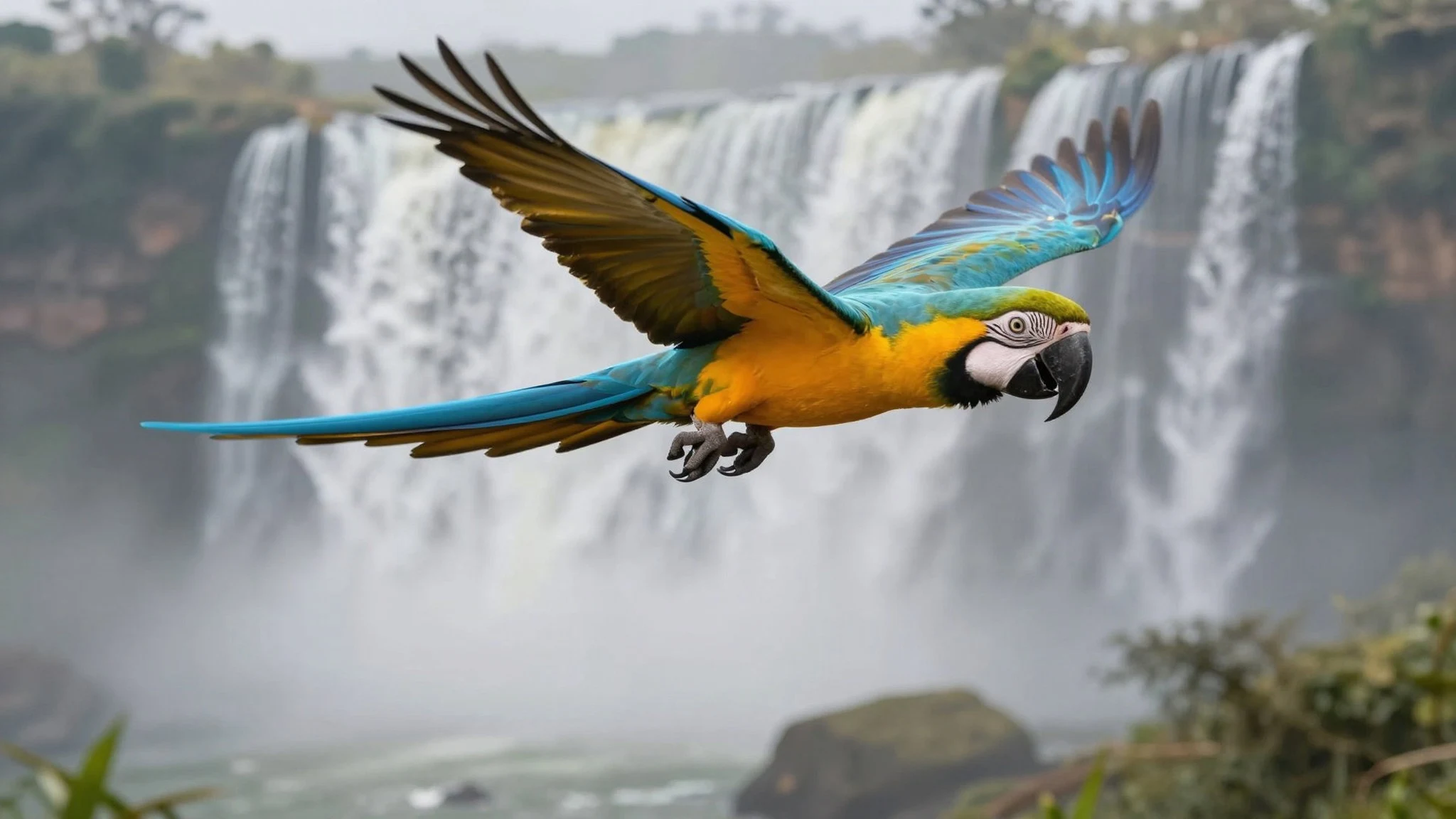
Wildlife is mostly small and shy: coatis, anteaters and porcupines are the animals most often mentioned. Big cats, jaguars included, are reported but a sighting would be luck rather than a plan. Birds are the better bet, with about 200 species recorded and colourful parrots and macaws among them.
The climate is sub-tropical, with reliable rain spread through the year, between 1,500 and 1,700 mm in total, and an average temperature of 21.5 °C. The park has no polished tourist programme, so facilities are modest. Visitor numbers, Paraguayan and foreign, have been rising, especially in the summer months.
Its story
Ñacunday National Park began in 1975, when the land was set aside as a pair of national forests rather than a single park. That early protection mattered because eastern Paraguay's forests have been under pressure from farming, and the falls sit in a district surrounded by fields. In 1993 the area was enlarged and the two forests were merged into one unit, which is the national park that exists today.
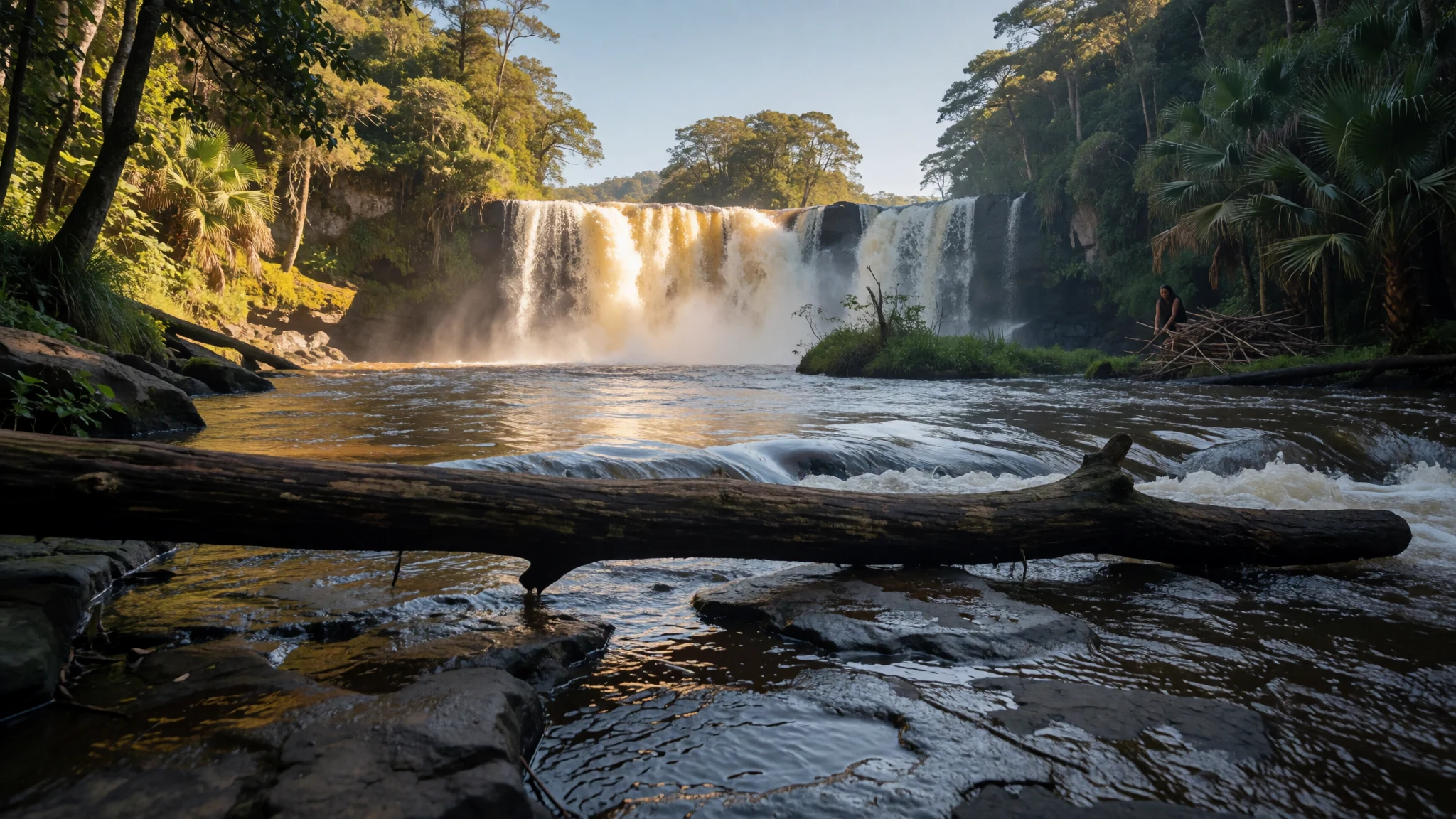
The landscape tells its own small story at the foot of the falls. Trees carried over the edge during floods have piled up against each other and against debris, and over time that jam has built a little island directly beneath the water. It is a slow, natural construction project, still shifting with each high river.
People are part of the park's history too. Members of the Mbya Guaraní community live in and around it. They are sometimes seen collecting firewood, food plants and medicinal plants, or taking honey from woodland bees, and they are allowed to hunt and fish within the park boundaries. Fields next to the park carry their crops. This makes Ñacunday less of an empty reserve and more of a working landscape where an Indigenous community and a protected forest overlap.
The waterfall's wider importance is recorded in Paraguayan sources, which treat it as a major fall for the country. Even so, the park has stayed low-key, with tourism growing gradually rather than arriving in a rush. For now, a visit feels closer to a country outing than a destination trip.
What to see
- Salto Ñacunday — Centre of Ñacunday National Park
The main reason to come. Ñacunday's fall spreads about 110 m across and drops 35–40 m, so the sound is a steady roar rather than a thunder. Water volume changes with the rains, which alters the colour and the spray. Seen from the lower side, the whole width of the curtain fits in one frame.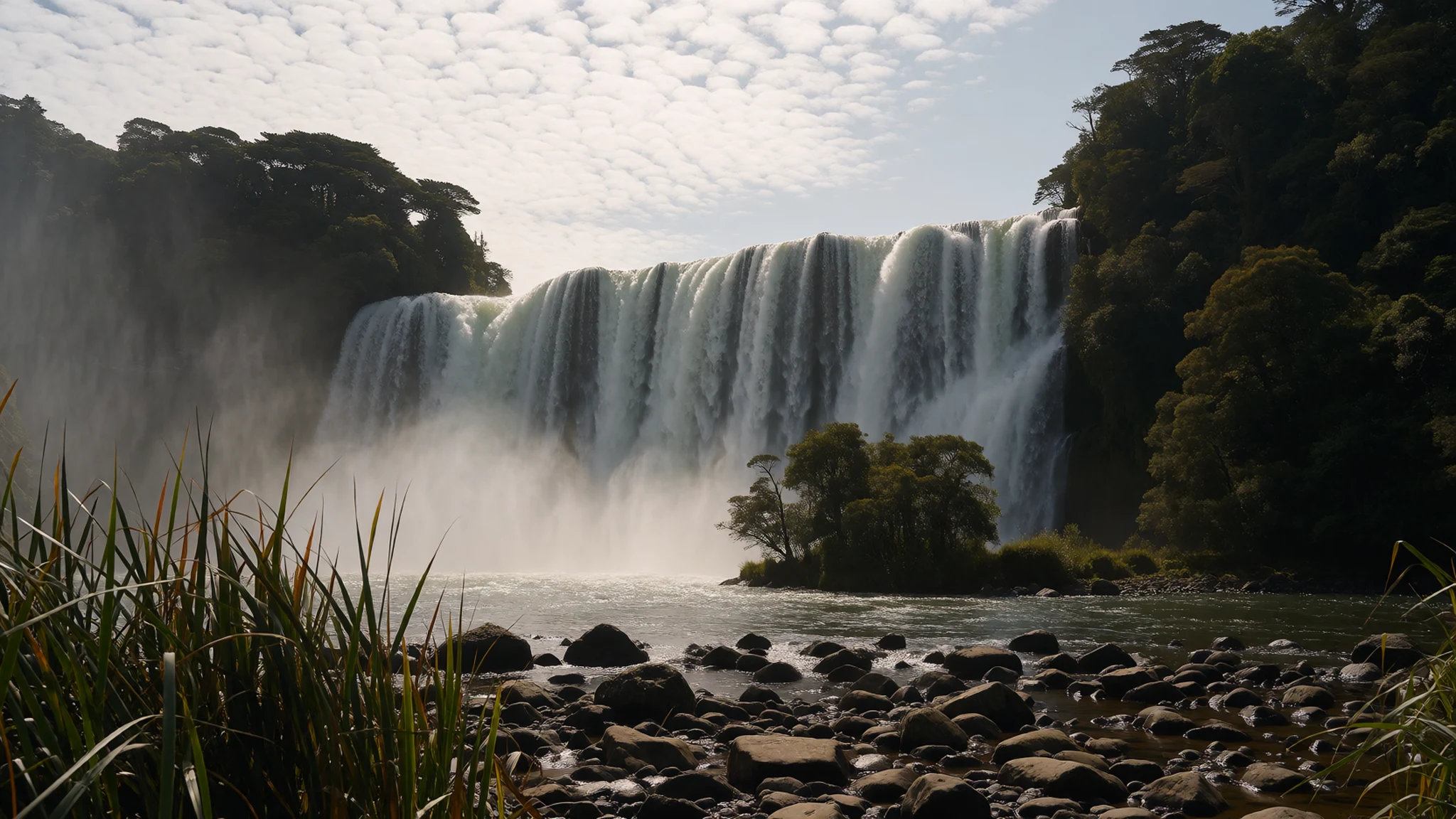
- The log island below the falls — Base of the falls
At the bottom of the fall sits a small island formed by trees that tumbled over the edge and jammed together with other debris. It is a good example of how a river builds its own landscape. Look at it from a safe viewpoint and let the water's force explain why nobody should try to reach it.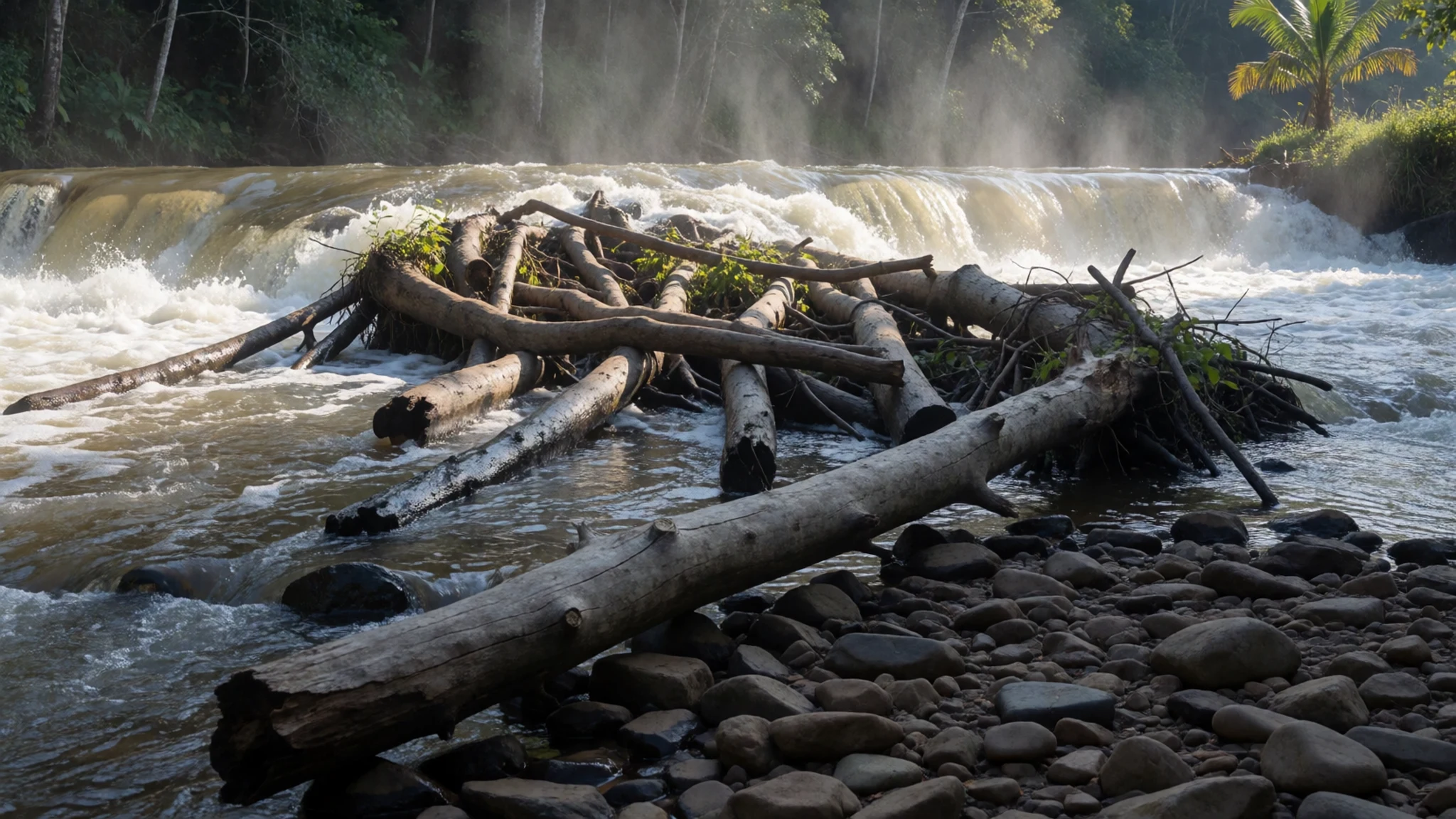
- Forest edge and bird-watching — Woodland around the falls
The moist forest around the falls is the place to slow down. Argentine cedar and palms shade the paths, and birdsong fills the early morning. Around 200 bird species are recorded, macaws among them. Bring binoculars and keep voices low, and the smaller mammals, such as coatis, may also show themselves.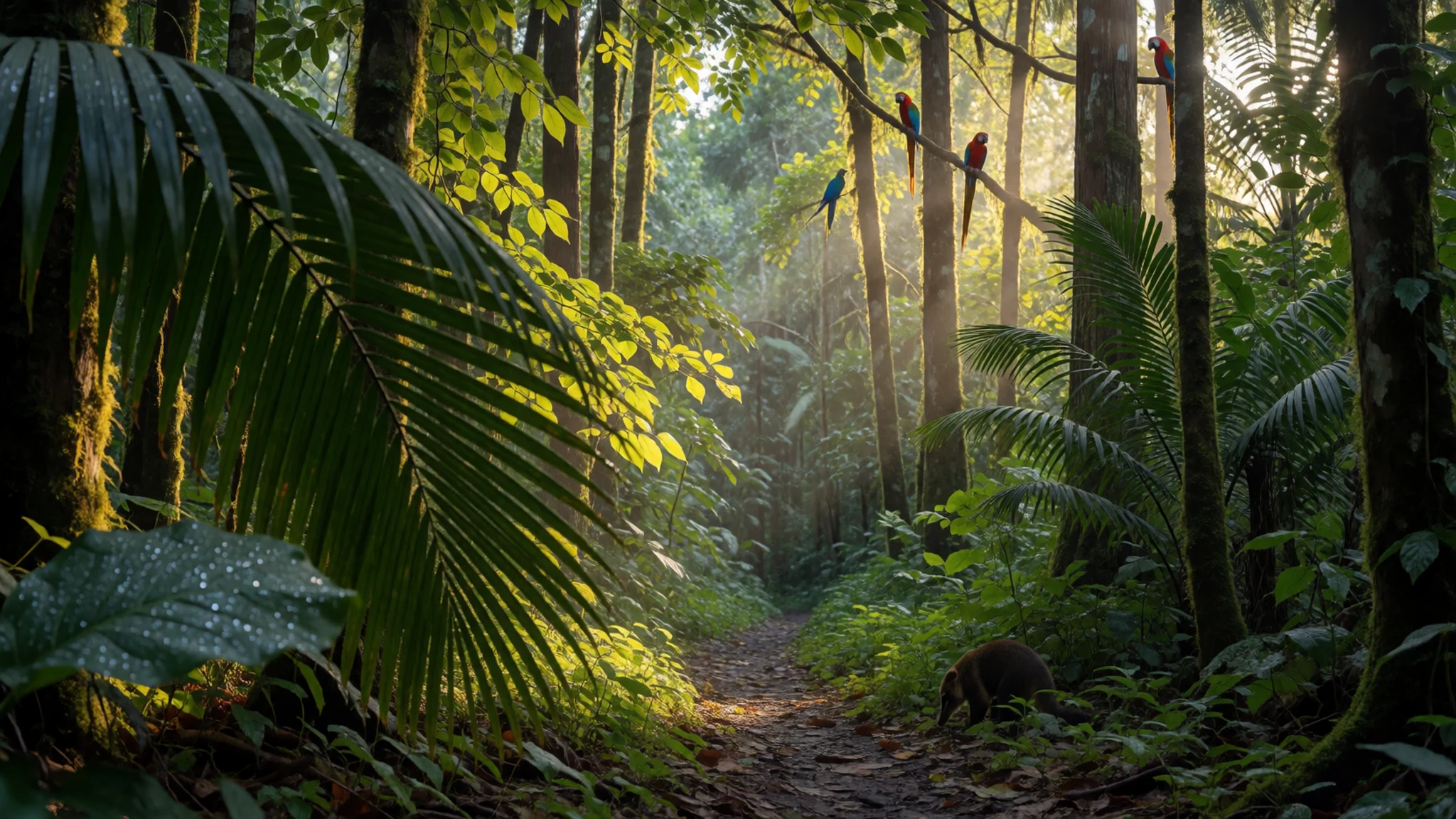
- The park entrance — Park access point
The gate is a modest, practical start rather than a grand one. It is where to ask about current access, conditions and any local rules before walking in. Photographs of it show a simple, low-key entrance that matches the park's unhurried character.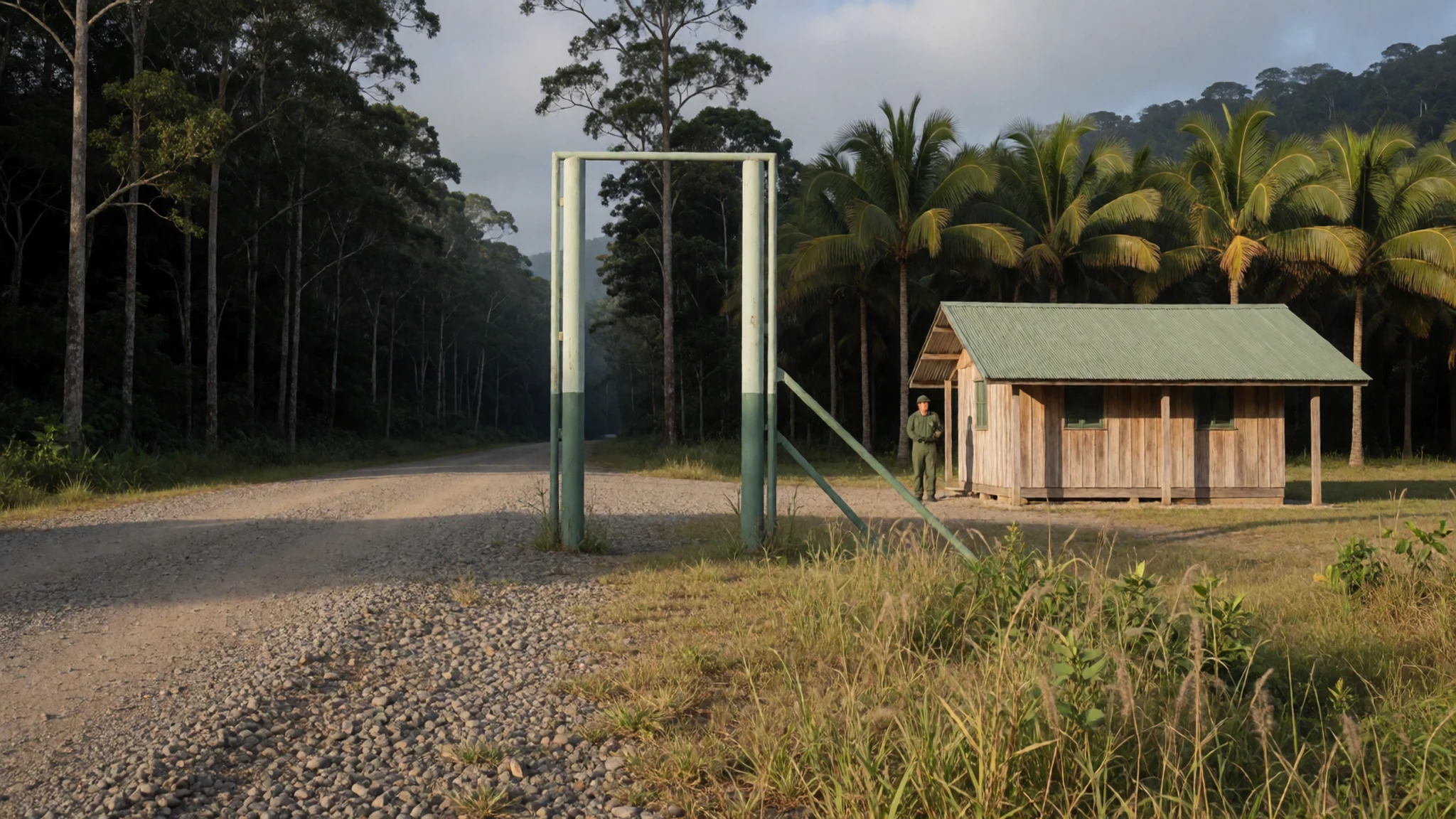
- The access road through farmland — Road into Ñacunday district
The approach to the park crosses open farming country, and it is worth treating as part of the visit. Fields, red earth and wide skies make a contrast with the dark forest ahead. It also shows why a protected block of woodland matters here. Drive carefully and allow extra time after rain.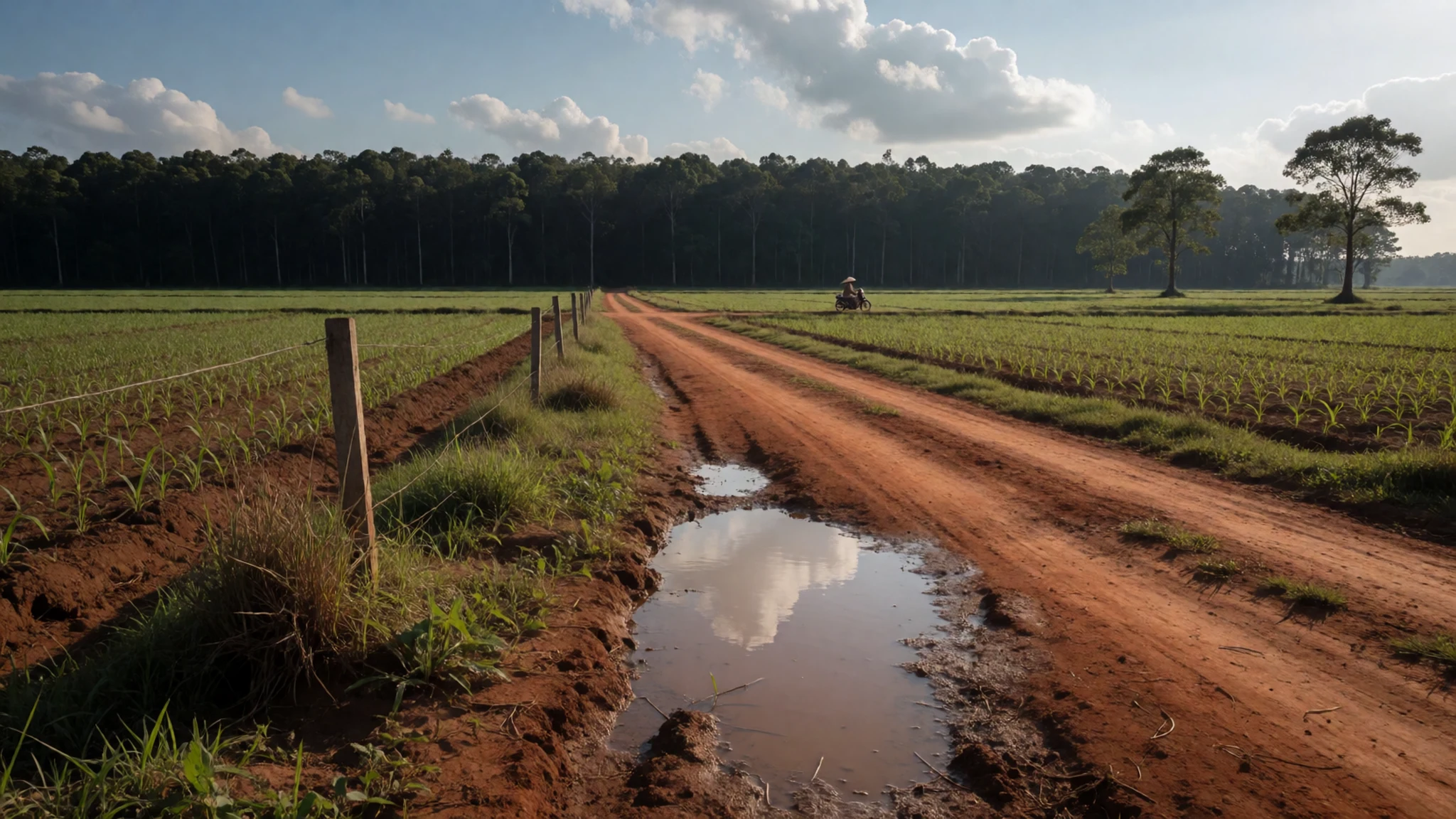
Culture
Ñacunday sits in a part of Paraguay where Guaraní heritage is part of everyday life. Guaraní is spoken alongside Spanish across the country, and visitors will hear both, often mixed in a single conversation. Around the park, the Mbya Guaraní are a living community rather than a display. They gather firewood, food and medicinal plants, collect honey from woodland bees, and plant crops in fields beside the park. They are also permitted to hunt and fish within its boundaries.
That has practical consequences for visitors. A person walking a forest path may be gathering plants, not wandering for pleasure, and the forest is their working landscape. The right attitude is the one you would bring to a neighbour's farm: friendly, unhurried and not intrusive.
Paraguayan social life is warm and relaxed. Greetings are usually a handshake or, among friends, a kiss on the cheek. Sharing tereré, the cold herbal infusion drunk from a communal cup, is a common gesture of hospitality across the country, and accepting a turn is polite. Rural areas tend to be early to bed and early to rise, so mornings are the best time for conversation and for the forest.
Ask before photographing any person, especially members of the Mbya Guaraní community, and respect a refusal without argument.
What to wear
Ñacunday has no single local costume, so the best guide to traditional Paraguayan dress is the national one. Ao po'i is a fine, lightweight cotton cloth, often embroidered, used for blouses, shirts and festive wear. Ñandutí is a delicate lace of radiating, spider-web patterns, associated with the town of Itauguá and used on dresses, tablecloths and decorative pieces. Both appear mostly at festivals, folk dances and formal occasions rather than in daily life.
What people actually wear in and around Ñacunday is simple and practical: cotton shirts, jeans or work trousers, caps or straw hats against the sun, and sturdy sandals or boots for farm work and wet ground. Football shirts are everywhere. Among the Mbya Guaraní community, everyday clothing is also usually modern and practical, and visitors should not expect costume.
For a visit, dress for a warm, humid, sub-tropical forest. Light, breathable long sleeves and trousers help with sun, insects and scratchy undergrowth, and a hat is useful on the open approach road. The paths near water can be muddy and slippery, so shoes with a good grip matter far more than style. Closed shoes or sturdy sandals suit better than flip-flops. Bring a light rain jacket, since rain is spread across the year. Modest, everyday clothing is appropriate around local communities; beachwear belongs elsewhere.
What to eat
- Sopa paraguaya — Roadside eateries and bakeries on the way from Ciudad del Este
Despite the name, this is a firm, savoury cornbread made with cheese, onion and milk. It is a staple of Paraguayan tables and works as a side with grilled meat or as a snack on its own. Look for it at roadside eateries and bakeries.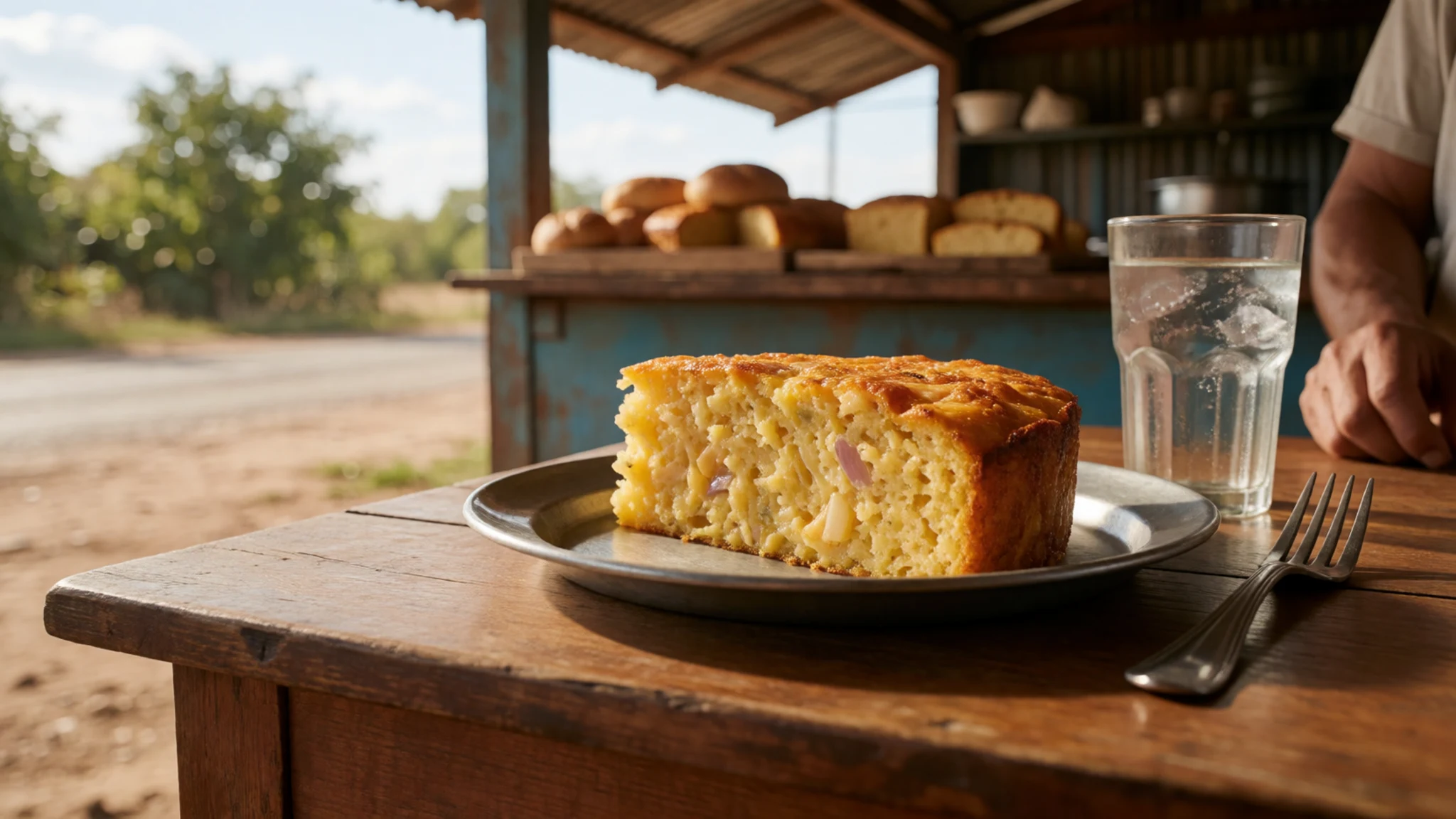
- Chipa — Bus stops, bakeries and street vendors
A chewy, cheesy bread ring made with cassava starch, sold warm in baskets by vendors. It is easy to carry and a good picnic item for a day at the falls. Buy it fresh in the morning if possible.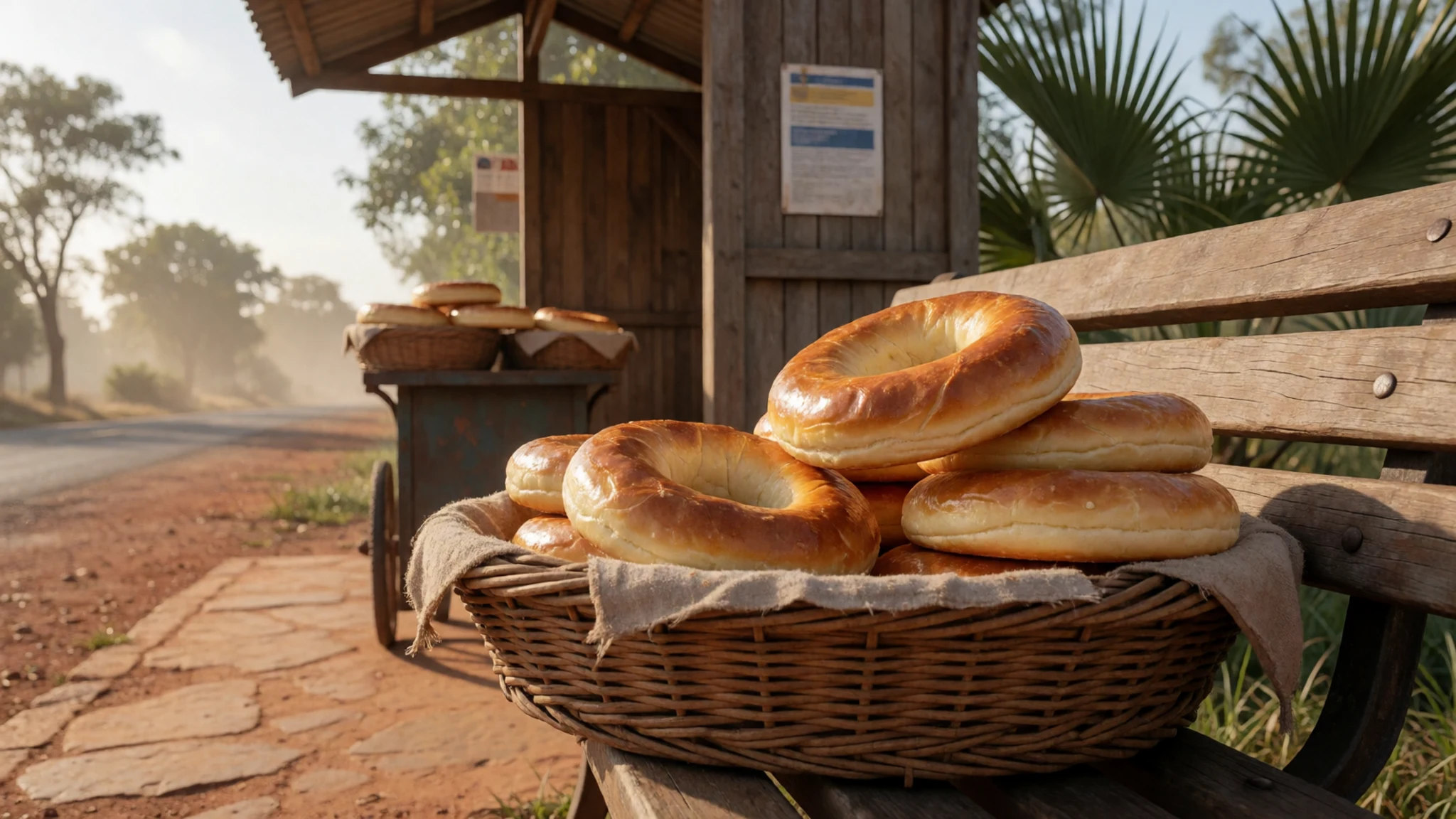
- Mbejú — Market stalls and small family cafés
A flat, griddled cake of cassava starch and cheese, crisp at the edges and soft inside. It is simple, filling and often eaten with coffee or tereré. Small family cafés and market stalls are the best places for it. - Asado — Local grill restaurants in Ciudad del Este and nearby towns
Beef grilled slowly over embers is the centre of a Paraguayan weekend meal. It arrives in generous cuts with cassava and salad, and portions are often meant for sharing. Eat it at a local grill rather than a tourist menu. - Tereré — Everywhere, carried in flasks by locals; shops sell the ingredients
Strictly a drink rather than a dish: yerba mate steeped in cold water, often with crushed herbs, passed around a group. It is the country's everyday cooler in warm weather, and offering a turn is a friendly gesture. Fill a flask before the hike.
Plan it
Best time. June to August are the coolest and driest months and the most comfortable for walking. Rain is reliable and spread across the year, between 1,500 and 1,700 mm in total, so bring a light waterproof whenever you go. Summer sees more visitors, and the falls look different with the water level.
How long. 1
Getting there. The nearest large airport with scheduled flights is Asunción. From the Asunción bus terminal, buses run to Ciudad del Este in roughly five hours. From there, take a taxi or local transport south for about an hour to the park, or drive the main southbound road and follow the signposted park access road. Check current road conditions locally before setting out.
Budget. low
Tips
- Go early in the morning for cooler air, better light and more birdsong
- Carry cash and water, as facilities near the park are limited and cards may not work
- Ask at the gate about current access and conditions, because the park has no polished visitor programme
- Wear shoes with grip, since paths near the water can be wet and slippery
- Allow extra time on the access road after heavy rain
Etiquette
- Ask before photographing local people, especially Mbya Guaraní residents
- Stay on marked paths and keep clear of the water's edge below the falls
- Take all litter away with you
Nearby
Sources
- Wikidata Q31133 (CC0)
- Wikipedia — Nacunday National Park (rev 1301656775) (CC BY-SA 4.0)
- Wikivoyage — Nacunday National Park (rev 5310074) (CC BY-SA 4.0)
- Photo 01-panoramico-de-acunday.png — Hugo Diaz Lavigne (Public domain)
- Photo 02-acunday-salto-vista-panoramica.png — Hugo Diaz Lavigne (Public domain)
- Photo 03-salto-del-acunday-panoramio-1.jpg — Rodney Damián (CC BY 3.0)
- Photo 04-acunday-entrada.png — Hugo Diaz Lavigne (Public domain)
- Photo 05-camino-al-parque-nacional-de-acunday-panoramio-1.jpg — Rodney Damián (CC BY 3.0)
- Photo 06-camino-al-parque-nacional-de-acunday-panoramio-2.jpg — Rodney Damián (CC BY 3.0)
- Photo 07-camino-al-parque-nacional-de-acunday-panoramio-3.jpg — Rodney Damián (CC BY 3.0)
- Photo 08-camino-al-parque-nacional-de-acunday-panoramio.jpg — Rodney Damián (CC BY 3.0)


Wildlife
- Jaguar (animal)
The jaguar is the biggest cat in the Americas, a spotted giant whose golden coat is patterned with rings. Big cats are reported around Ñacunday, but meeting one would be pure luck, so treat it as a lovely bonus rather than a plan. If you are lucky, stay very still and quiet, keep well back, and let your guide decide what is safe. Never offer food, and never follow it for a better look.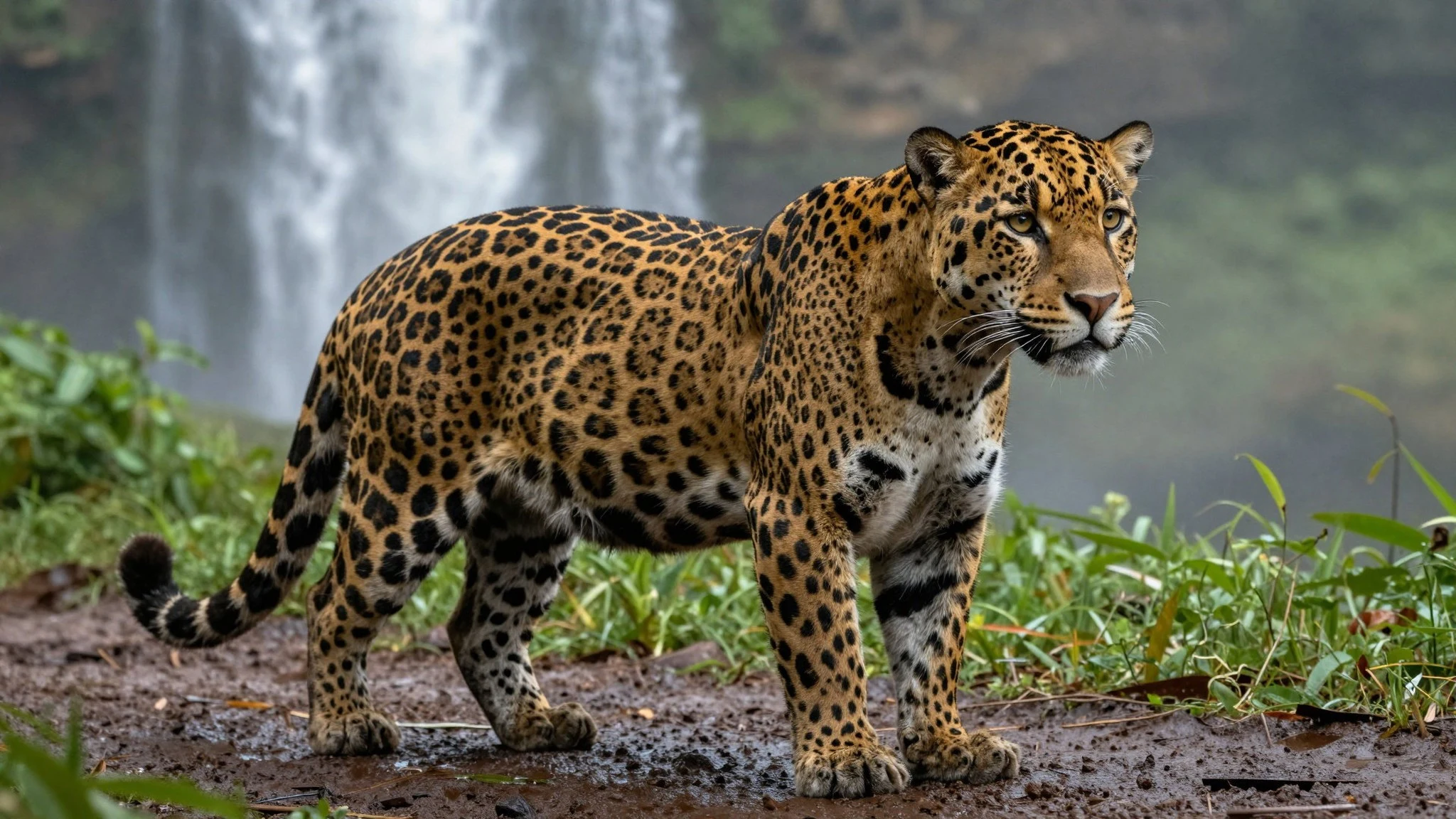
- Coati (animal)
The South American coati is a cousin of the raccoon, with a long tail that makes up about half of its length. Coatis are among the animals most often mentioned around Ñacunday, though like most local wildlife they are small and shy. Walk softly, speak quietly, and keep your distance so they stay relaxed. A local guide will know where to look. Never feed them, however bold they seem.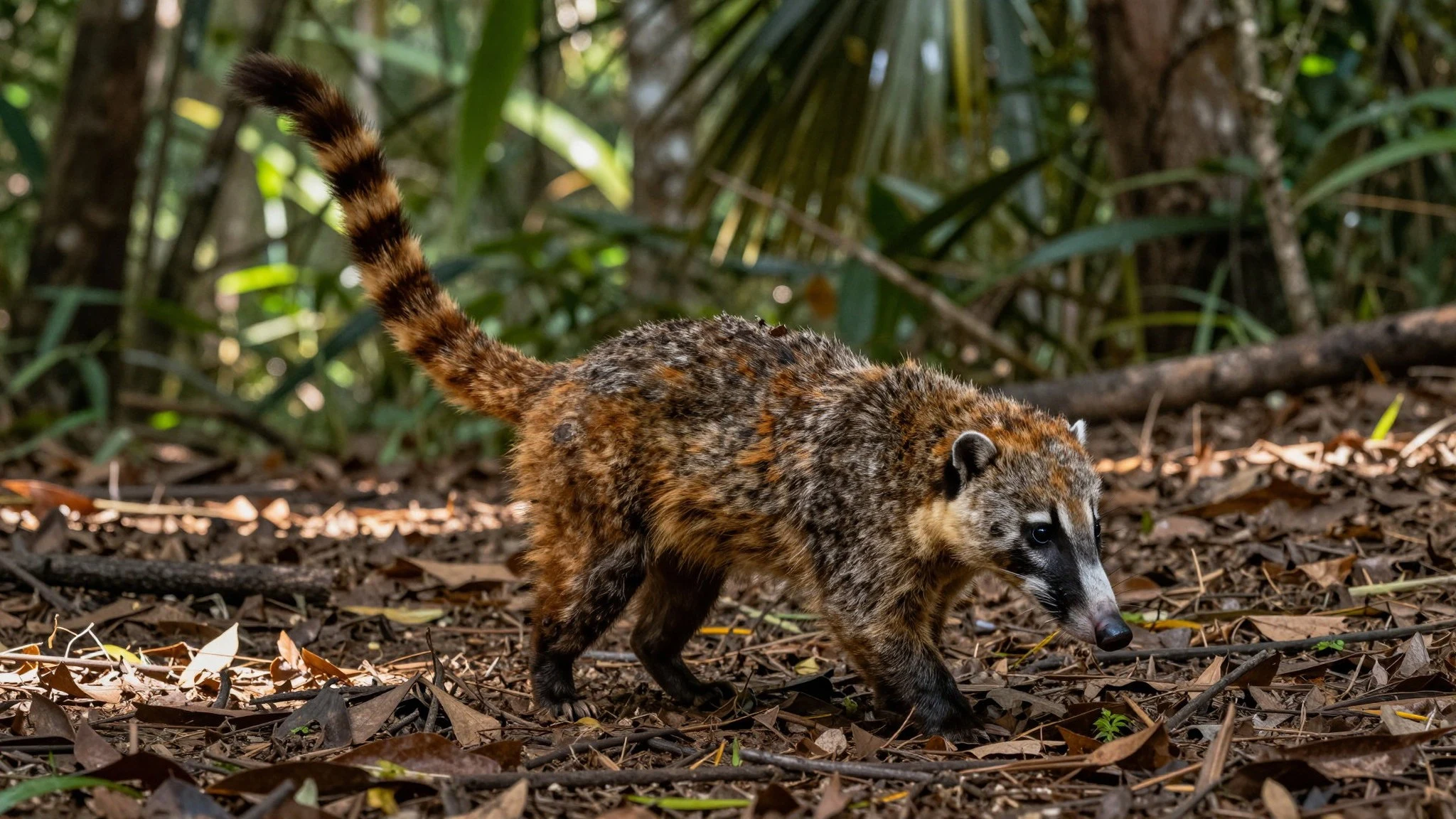
- Macaw (bird)
The blue-and-yellow macaw is a giant parrot dressed in blue on its back and golden-orange underneath, as if painted for a party. Birds are the best bet at Ñacunday, and colourful parrots and macaws are among those recorded. Watch from a respectful distance, ideally with binoculars, and keep your voice low so they do not take flight. A guide helps you find and name them. Never feed wild birds.