Mbaracayú Forest Nature Reserve
Mbaracayú Forest Nature Reserve, Paraguay
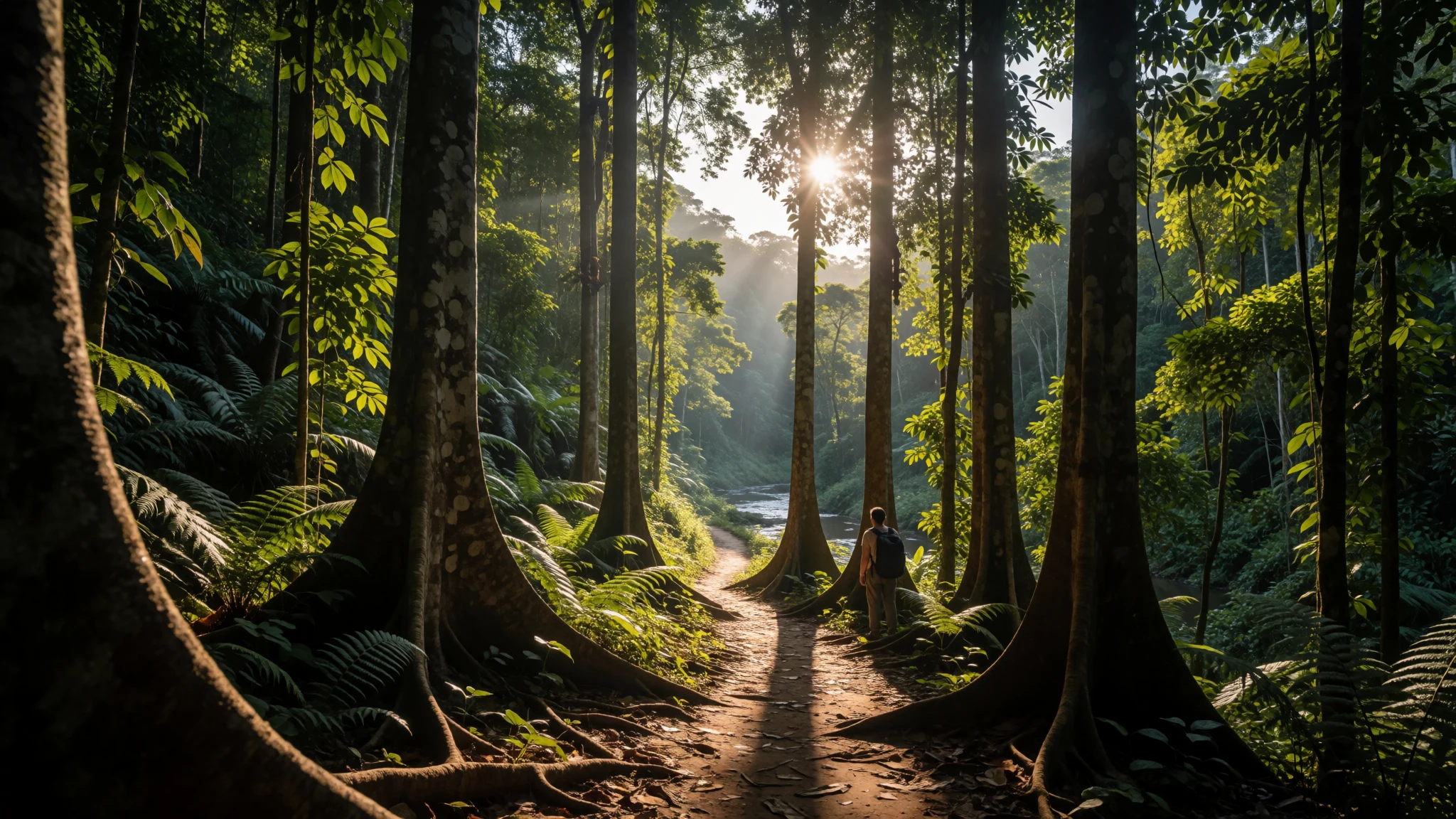
Mbaracayú is a protected block of humid Atlantic forest in eastern Paraguay, for travellers who prefer birdsong and quiet trails to monuments.
The place
Mbaracayú Forest Nature Reserve lies in eastern Paraguay, in the upper basin of the Jejuí Guazú river, not far from the Brazilian frontier. It protects tall, humid, subtropical forest of the kind that once covered a broad belt of the Upper Paraná region across Paraguay, Brazil and Argentina. Most of that belt has since been cleared for farms and cattle, and Wikipedia describes Mbaracayú as the largest unbroken piece of Alto Paraná Atlantic forest left in Paraguay. That is what makes it matter: it is a big enough block for the forest to function as a forest, rather than a scatter of remnants.
The reserve is run by the Moises Bertoni Foundation, a Paraguayan conservation body, and it is also seen as one link in a proposed trinational corridor meant to join forest areas in Brazil, Paraguay and Argentina. Nothing about it resembles a polished national park. Expect a working conservation site rather than a resort, with guided access, simple facilities and long distances on unpaved tracks.
Paraguay as a whole is still a quiet destination, and most foreign arrivals come from neighbouring countries. Mbaracayú is quieter still. Wikivoyage notes that some privately run Paraguayan parks charge steep entrance and accommodation prices, and names Mbaracayú among them, so it is worth budgeting honestly and asking the foundation directly before setting out. The climate is hot and humid for much of the year, with real heat in summer, and the forest is at its most comfortable for walking in the cooler months. The reward is space, shade, and a sense of how much of South America's interior once looked.
Its story
The story of Mbaracayú Forest Nature Reserve is mostly a story of an agreement. Rather than being carved out by a single decree, the reserve came from a partnership between the Paraguayan government, the Moises Bertoni Foundation, UNESCO and The Nature Conservancy. That arrangement was later confirmed by an act of the national parliament, which gave the protection legal weight.
The law declared the area a Paraguayan heritage site, set aside in perpetuity. Its stated purposes were wider than keeping trees standing. They included safeguarding the forest and its range of living species, looking after cultural resources, and encouraging economic activity that does not use the land up. That last point reflects the surrounding reality: eastern Paraguay is farming country, a major producer of beef and crops, and land pressure is the central issue for any forest here.
The reserve was later put forward to UNESCO as a proposed World Heritage Site. It is worth being clear about what that means: the proposal is a nomination step, and it should not be read as inscription. Visitors will see a protected area whose management is rooted in conservation science and in partnership with local communities, rather than a monument with a long dynastic past.
The name itself comes from the Guaraní language, which most Paraguayans speak alongside Spanish. The foundation that looks after the reserve takes its name from the Swiss-born naturalist Moises Bertoni, who studied the region's plants and animals. In that sense the place carries a thread of local natural history as well as modern policy: people have been trying to understand this forest for a long time, and the reserve is the most durable result so far.
What to see
- The forest reserve itself — Canindeyú, eastern Paraguay
The main reason to come is the forest: tall, humid canopy, shaded paths and a river basin that feeds the Jejuí Guazú. Visits are normally arranged through the Moises Bertoni Foundation, which manages access. Walk early, carry water, and treat it as a nature outing rather than a sightseeing list.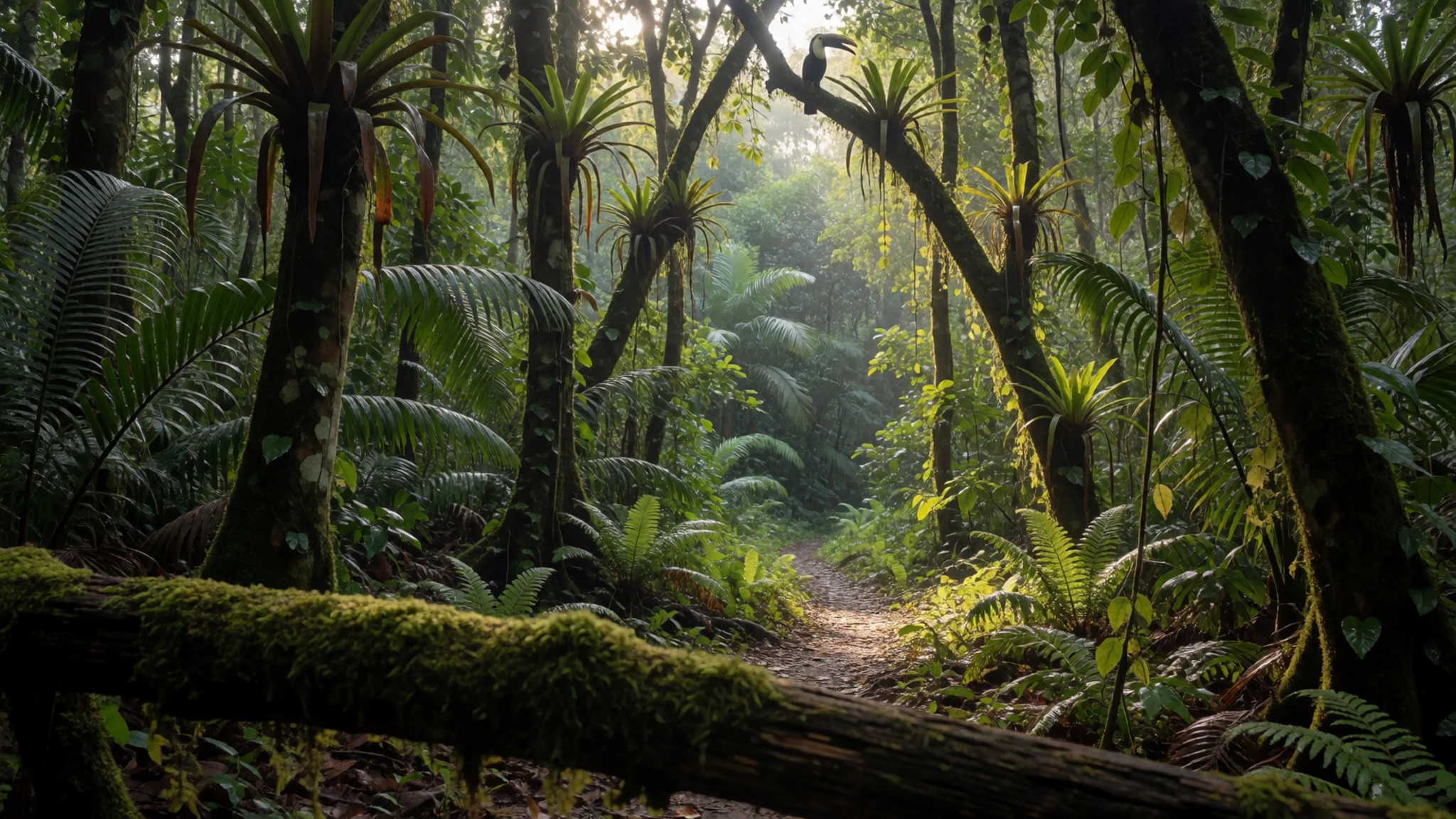
- Cerro Corá National Park — Amambay, northern Paraguay
A good companion trip for travellers who want a short, easier park visit. Wikivoyage recommends it for a day or two, combining short trails, historical interest and open landscape. It is a different kind of country from Mbaracayú, with hills and rock rather than deep forest, so the two contrast well.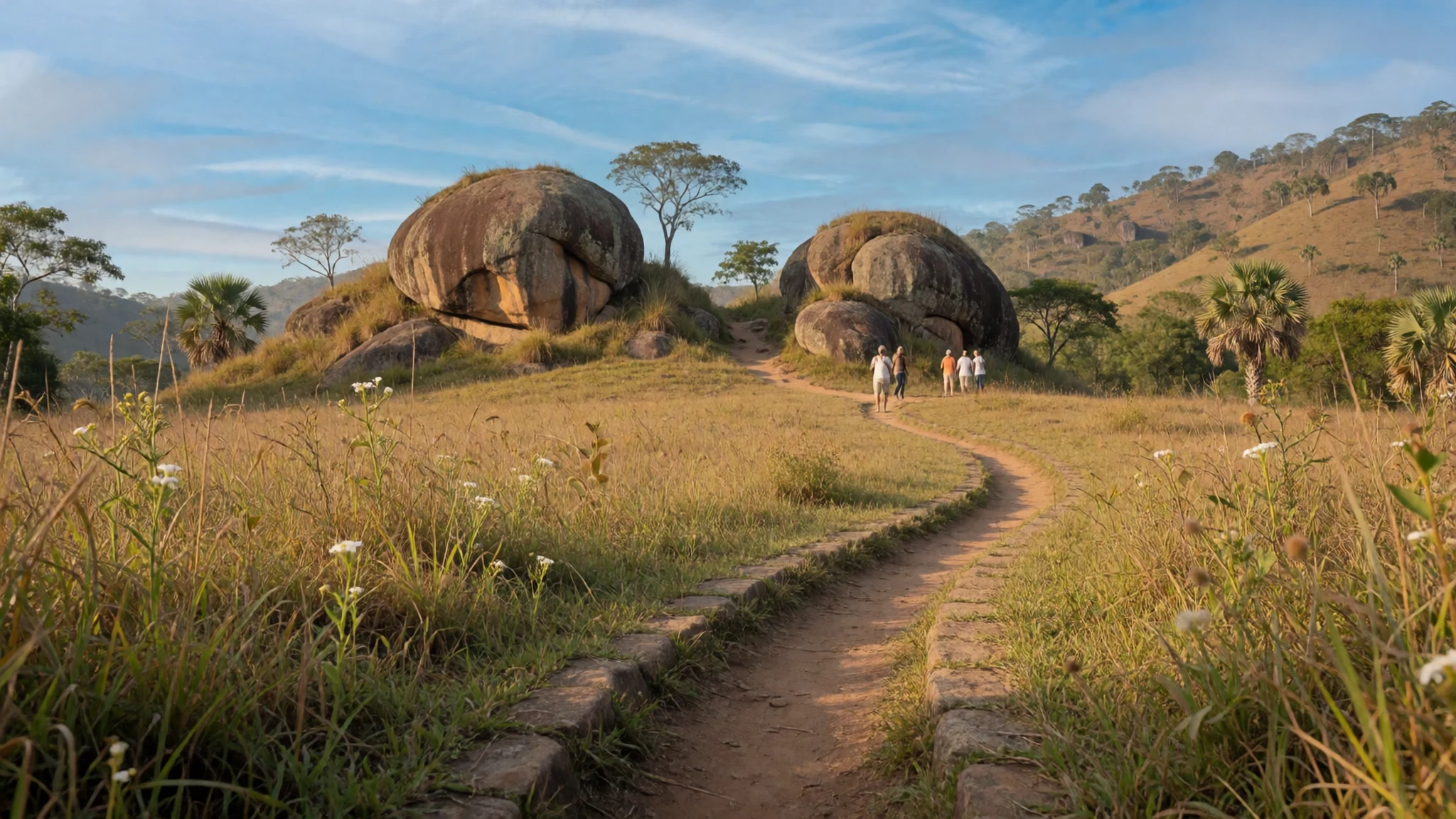
- Cordillera San Rafael — Between Encarnación and Ciudad del Este
A far larger nature reserve between Encarnación and Ciudad del Este, and another stretch of the same Atlantic forest region. It suits travellers who want to see more of the country's remaining woodland. Facilities and access vary, so ask locally and confirm arrangements before you travel.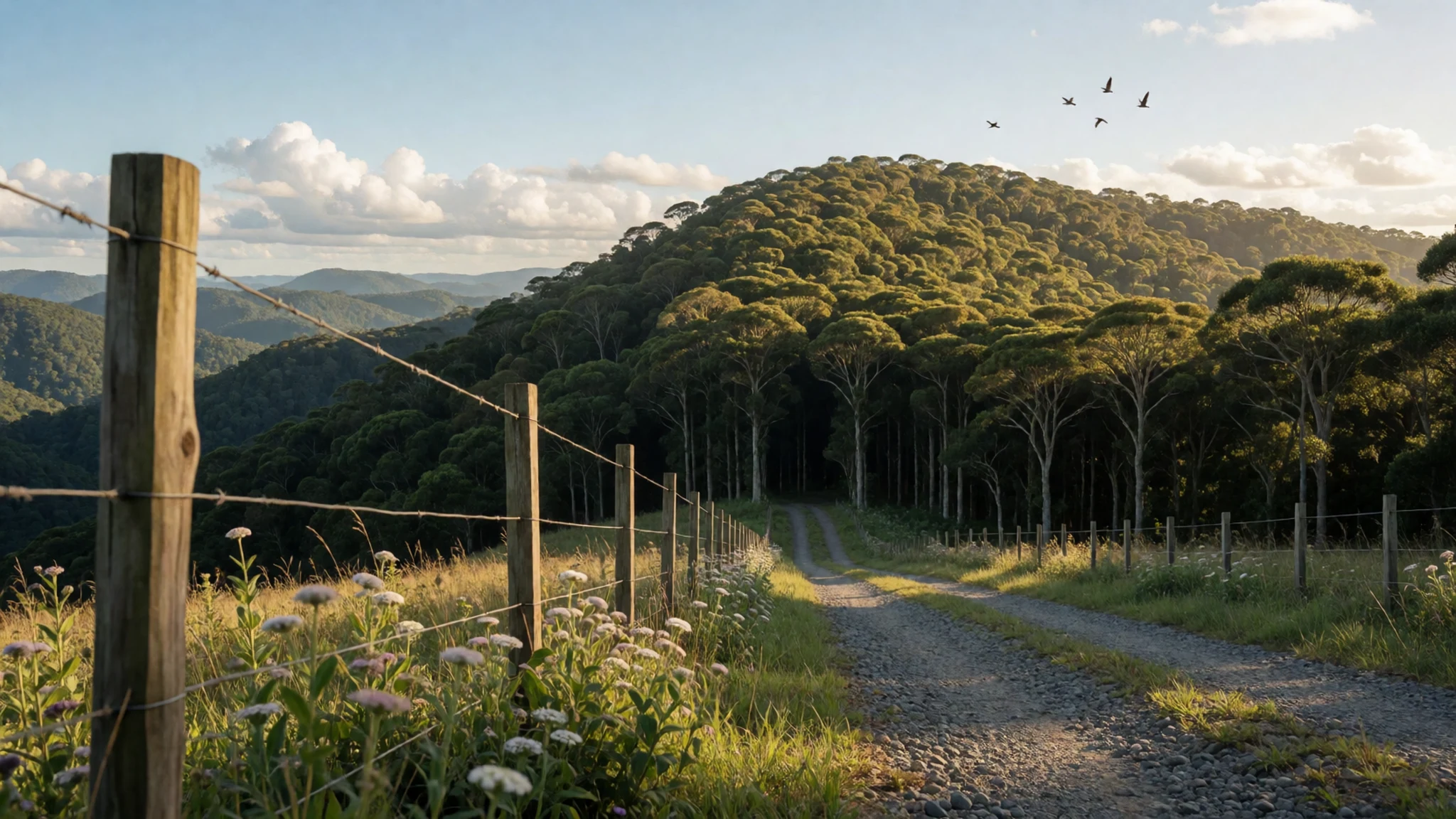
- Itaipu Dam — Near Ciudad del Este
The Itaipu hydroelectric dam on the Paraná river, shared with Brazil, is a large piece of engineering that shows the other side of Paraguay's use of its rivers. Wikivoyage says tours on the Paraguayan side are free, though some need early registration, so check the official site before planning.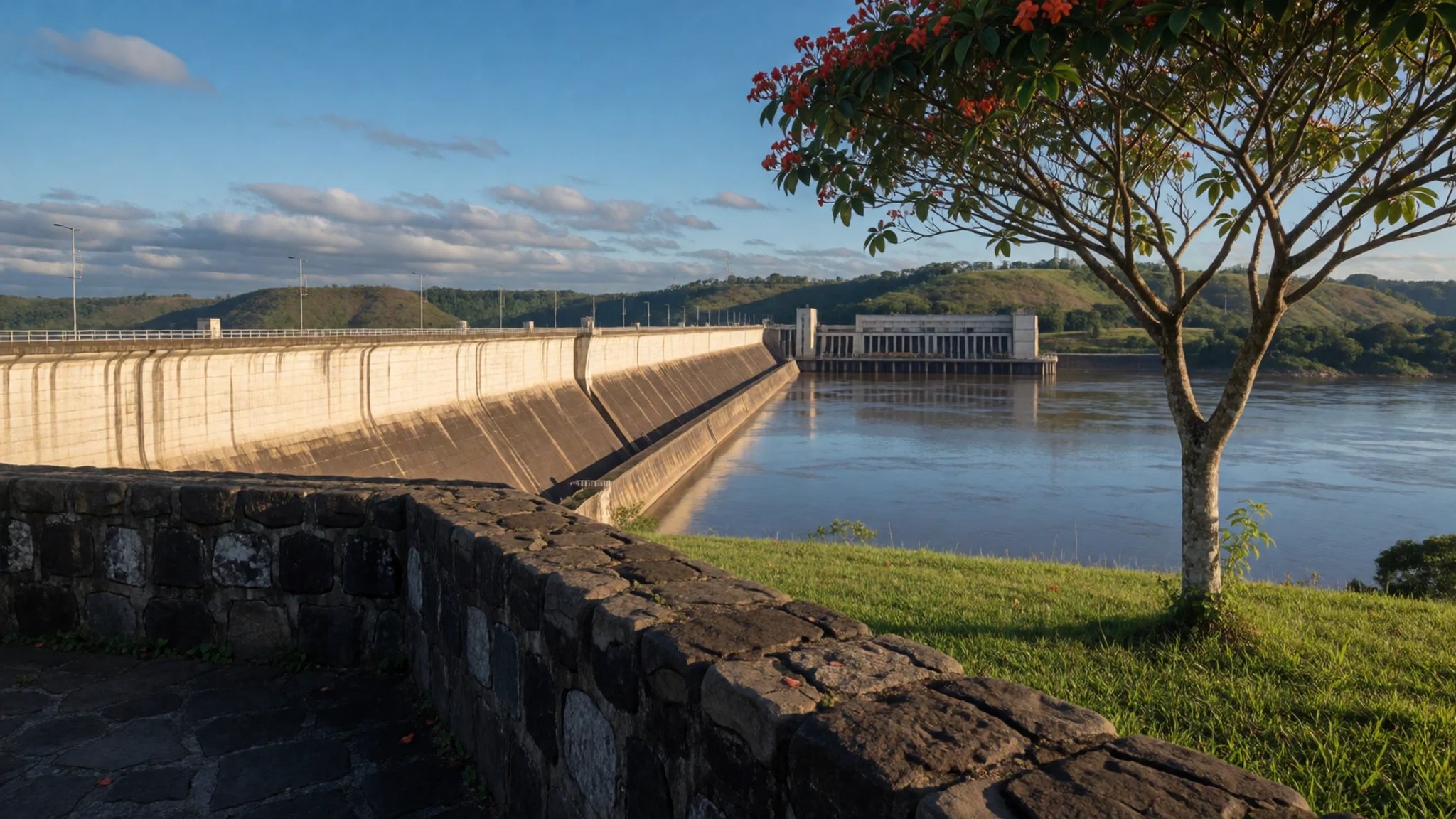
- Salto del Monday — Presidente Franco
A waterfall just south of Ciudad del Este, in Presidente Franco. It is smaller than nearby Iguazú but an easy and pleasant stop, particularly after rain, and it makes a sensible break on the long road between the forest and the border cities.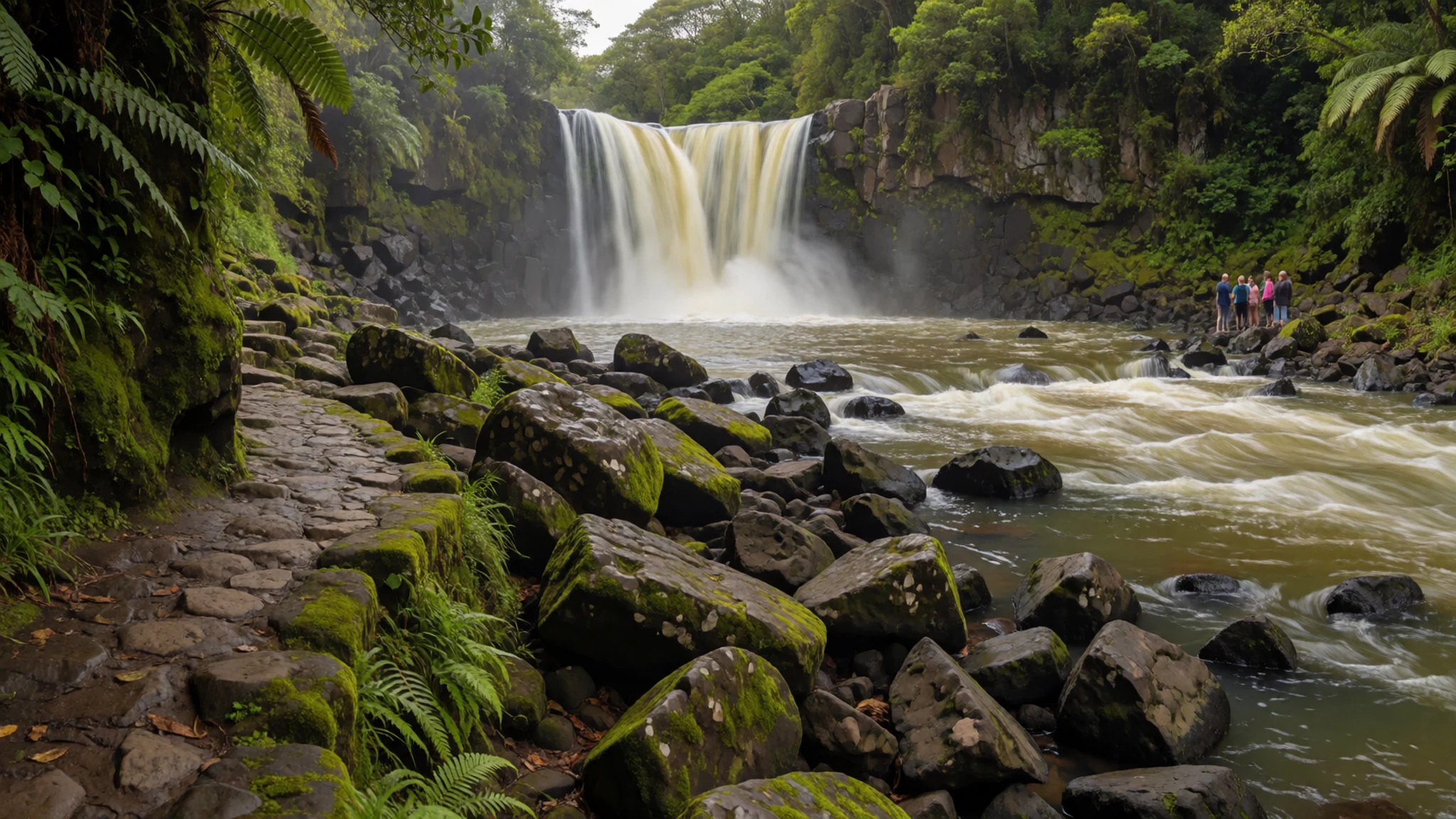
Culture
Mbaracayú sits in a country where Guaraní and Spanish are both everyday languages, and where a gentle, unhurried manner is valued. Paraguayans are generally polite and soft-spoken, and many cherish a calm approach to life that they call tranquilo. Nature matters to people here, which is part of why a conservation reserve has local support.
Time is treated loosely. Appointments often start late, and buses and flights rarely leave on schedule. That is not rudeness, and the easiest response is patience. Raising your voice or showing irritation in public is poorly received, and a relaxed tone gets further than a demand.
Food is the centre of hospitality. If a host offers a meal or a drink, accept it and say something kind about it; refusing can cause offence. Greetings are warm. Men usually shake hands, and women often greet each other and mixed company with a handshake and a kiss on the cheek. A common opening question is whether everything is all right, which is a greeting rather than a request for news.
Many people share tereré, the cold herbal infusion, from a single cup passed around a circle. If you are handed one, it is a sign of friendliness. Beef and cattle farming shape the countryside, and conservation sits alongside a farming economy, so conversations about land use can be sensitive.
On the reserve, follow your guide's lead, keep to marked paths, take rubbish out with you, and ask before photographing local people or staff, since a smile and a question first is the courteous way to do it.
What to wear
Traditional dress in Paraguay is tied to textiles that are still made by hand. Ao po'í is a fine, lightweight embroidered cotton used for blouses, shirts and dresses, and ñandutí is a delicate lace, worked in circular patterns, that appears on tablecloths, fans and festive clothes. Both are worn mainly for celebrations, folk dancing, school events and national occasions, and they are valued as craft rather than daily wear.
Everyday clothing is practical and casual. In towns, people wear light cotton shirts, jeans or shorts, and sandals, often with a cap or a straw hat against the sun. Rural workers favour long trousers, boots and shirts with sleeves, which protect against sun and insects. Football shirts are common everywhere. Dress is not strict, though people are generally tidy and modest in manner.
For Mbaracayú, dress for the forest. Choose lightweight, quick-drying long sleeves and trousers in muted colours, which help against insects, scratchy plants and strong sun. Sturdy closed shoes or light boots with a good grip are better than sandals, because paths can be muddy and uneven. Bring a hat, a light rain jacket, and spare socks. Summer is hot and humid, so layers that dry quickly are more useful than anything heavy, while winter mornings can feel cool.
In towns and churches, shorts and vests are not an issue, but covering shoulders is a courteous choice. A small daypack with water, sun protection and insect repellent completes the outfit.
What to eat
- Chipa — Bakeries, roadside stalls and bus stations across eastern Paraguay
A baked bread made with mandioca (manioc) flour, traditionally cooked in an outdoor clay oven called a tatacuá. It is dense, savoury and a little chewy, and it is the snack most people buy for a journey.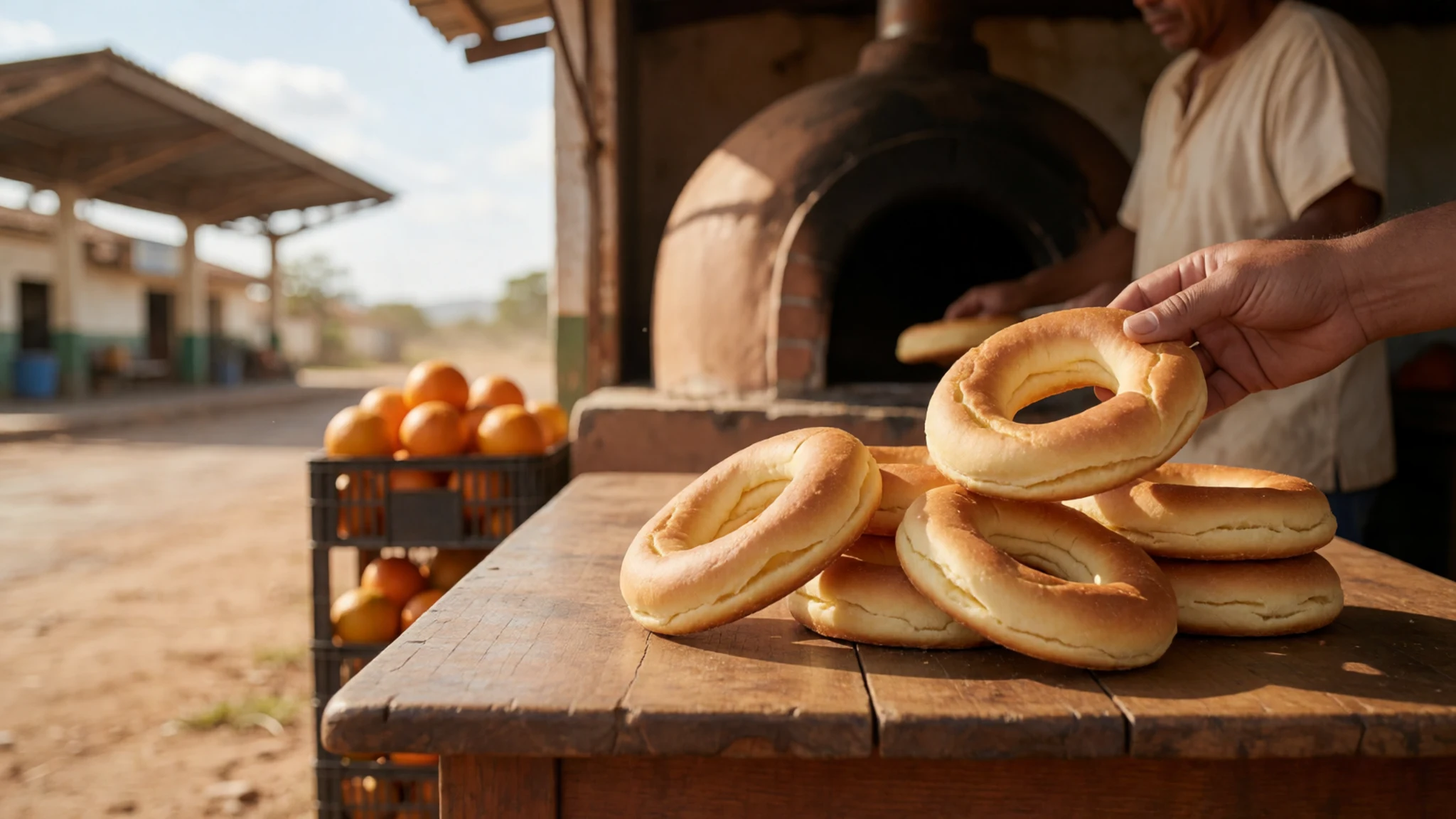
- Asado — Grill restaurants and family barbecues in towns near the reserve
Grilled beef is the national habit. Paraguay raises a lot of cattle, so cuts are usually good and fairly priced. The meat is cooked slowly over embers and served with salad and boiled or fried mandioca on the side.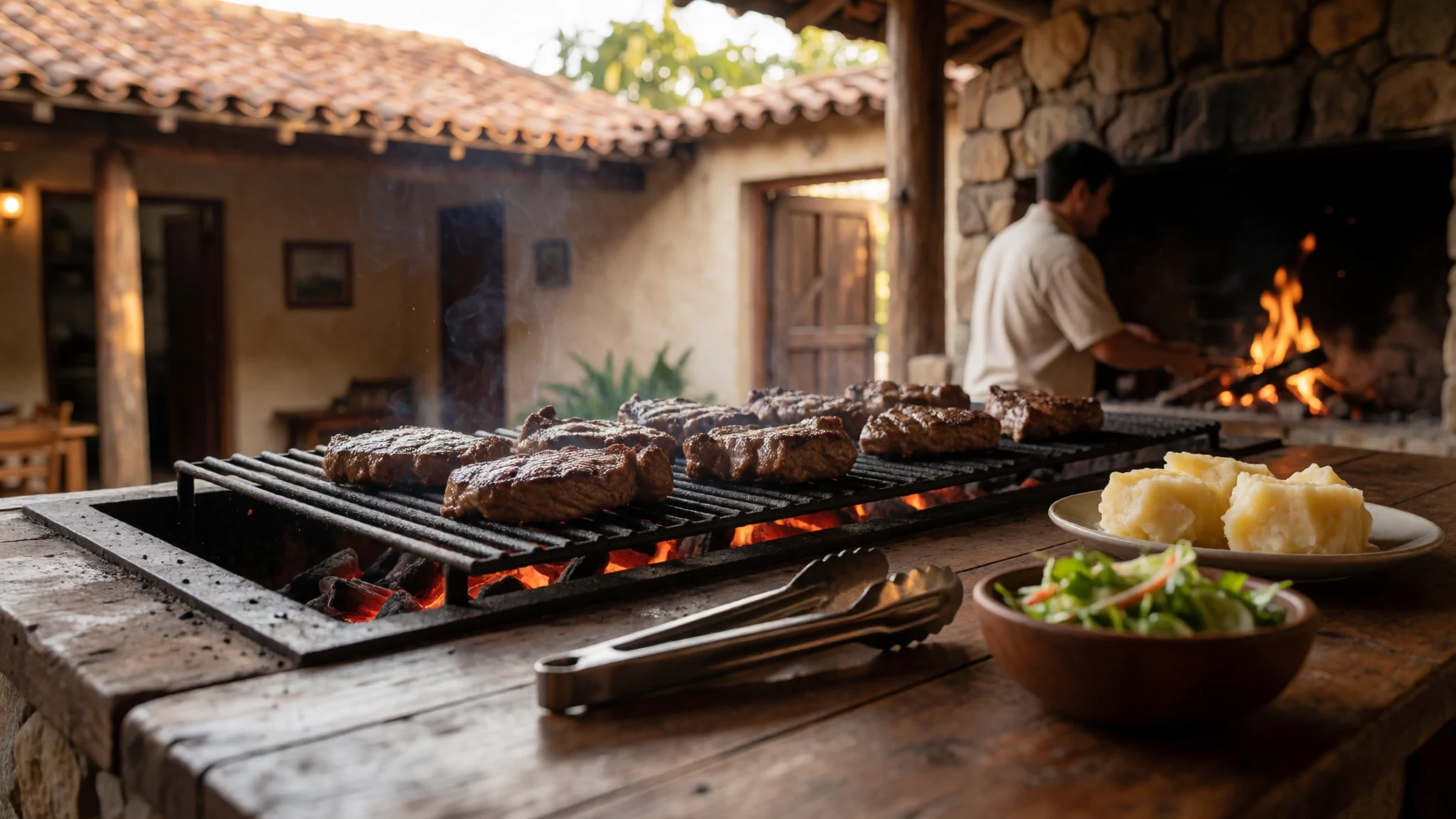
- Mandioca — Any local eatery or restaurant in Paraguay
Called mandi'o in Guaraní, this starchy root is eaten like a potato, usually boiled and sometimes fried. In many restaurants it arrives free at the table, the way bread would elsewhere, and it pairs well with grilled meat. - Empanadas — Street stalls and snack counters in towns and bus stations
Fried or baked pastry parcels filled with meat, cheese or sometimes chicken. They are an easy lunch when travelling, and they are rarely spicy, which suits anyone who finds chilli difficult. - Panchos — Street stalls in towns and near bus terminals
Paraguayan hot dogs, sold from carts and counters, often with sauces and toppings. They are cheap, filling and unfussy, and a common quick meal when there are long road journeys between destinations.
Plan it
Best time. May to September, when the weather is cooler and more comfortable for walking in humid forest. Summer is hot, wet and sticky, with heavy rain that can make tracks muddy and slow the journey.
How long. 2–3
Getting there. Fly to Asunción, the capital, then travel overland towards the reserve in eastern Paraguay by road, using a long bus ride or a hired car with a driver. The last leg is on unpaved tracks, so arrange the final transfer with the Moises Bertoni Foundation before you set out.
Budget. high
Tips
- Contact the Moises Bertoni Foundation well ahead to arrange access, guides and any overnight stay, and ask for current prices, since this reserve is privately run.
- Start walks early in the morning, when it is cooler and wildlife is more active.
- Carry cash as well as a card, since small towns near the reserve may not accept cards.
- Bring plenty of water, insect repellent and sun protection, and expect delays on buses and roads.
- Allow extra time for travel, because journeys across Paraguay rarely run to schedule.
Etiquette
- Follow your guide, stay on marked paths and take all rubbish out with you.
- Stay calm and patient when plans slip, as raising your voice is considered rude.
- Accept food or drink offered by hosts, and say something kind about it.
Nearby
Sources
- Wikidata Q28220777 (CC0)
- Wikipedia: Mbaracayú Forest Nature Reserve (CC BY-SA 4.0)
- Wikivoyage: Paraguay (CC BY-SA 4.0)
- Photo: Maracayu 1 (Hugo Diaz Lavigne) (Public domain)
