Cerro Tres Kandú
Cerro Tres Kandú, Paraguay
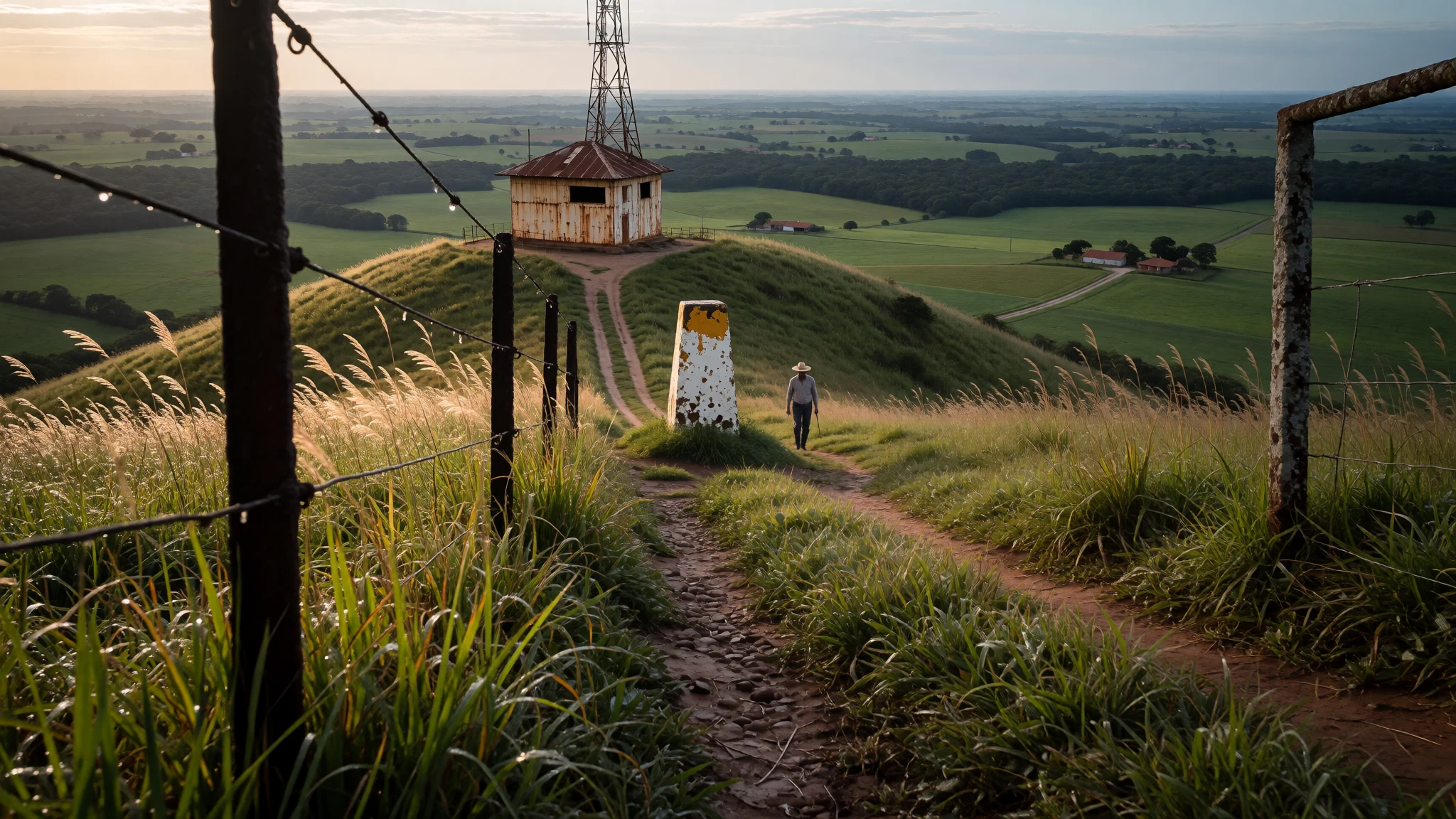
Cerro Tres Kandú is Paraguay's highest point, a modest, quiet hill in the Guairá countryside where the view and the lack of crowds are the draw.
The place
Cerro Tres Kandú is the highest point in Paraguay, at 842 m above sea level, which would barely register as a hill in much of the Andes. It stands in the Ybytyruzú range in Guairá Department, inside the municipality of General Eugenio Garay, in the eastern half of the country. The name comes from Guaraní, the language that still shapes how many Paraguayans talk about their landscape.
The summit is not a wilderness peak. For years the armed forces and the national electricity company, ANDE, kept radio relay equipment up here, because the height gave clear lines of sight across the surrounding lowland. Those installations are now abandoned, so the top has a slightly rusting, half-forgotten feel: a derelict building and old equipment sit near the sign that marks the national high point. Beyond them the land falls away into rolling green country.
Paraguay as a whole gets far fewer visitors than its neighbours, and this mountain is a small local excursion rather than a headline attraction. Crowds are not the concern. The practical issues are heat, rain, tracks that can turn muddy, and the absence of polished visitor facilities, so local advice on road conditions is worth asking for. People come mainly for the satisfaction of standing on a national high point, for the outlook, and for a day in the hills of Guairá.
Anyone expecting alpine drama should adjust their hopes. This is gentle terrain, valued for being a calm corner of a country where time outdoors matters a great deal to everyday contentment.
Its story
The hills around Cerro Tres Kandú sit in territory that was long home to the Guaraní, the main indigenous people of what is now eastern Paraguay. They hunted, moved with the seasons and grew food on small plots. The mountain's name is Guaraní, a reminder that the landscape had its own vocabulary well before maps and surveyors arrived.
The modern chapter is more practical. Height made the hill valuable for communications. The Paraguayan army chose it as a site for a radio repeater, a device that carries signals across ground too uneven for a direct line. ANDE, the state electricity company, later fixed its own radio equipment there. Once better technology arrived, both sets of installations were left to decay, and they remain as quiet ruins on the summit.
The wider country offers context. Paraguay has been a farming nation, with cattle ranches and huge soya plantations covering much of the east, yet wealth has been unevenly spread and political instability held back development for decades. Against that background, a hilltop with an abandoned relay station says something about how infrastructure comes and goes while the land stays.
Today the mountain's meaning is mostly geographic and local. It is the answer to the question of where Paraguay peaks, and a pleasant reason to spend a day in Guairá rather than in the capital or the border towns.
What to see
- The summit sign — Summit
A welcome sign marks the top of Cerro Tres Kandú as the highest point in Paraguay, and it is where most visitors take their photograph. Go for the small sense of achievement rather than any grand monument. The sign is simple, the surroundings are open, and the mood is relaxed.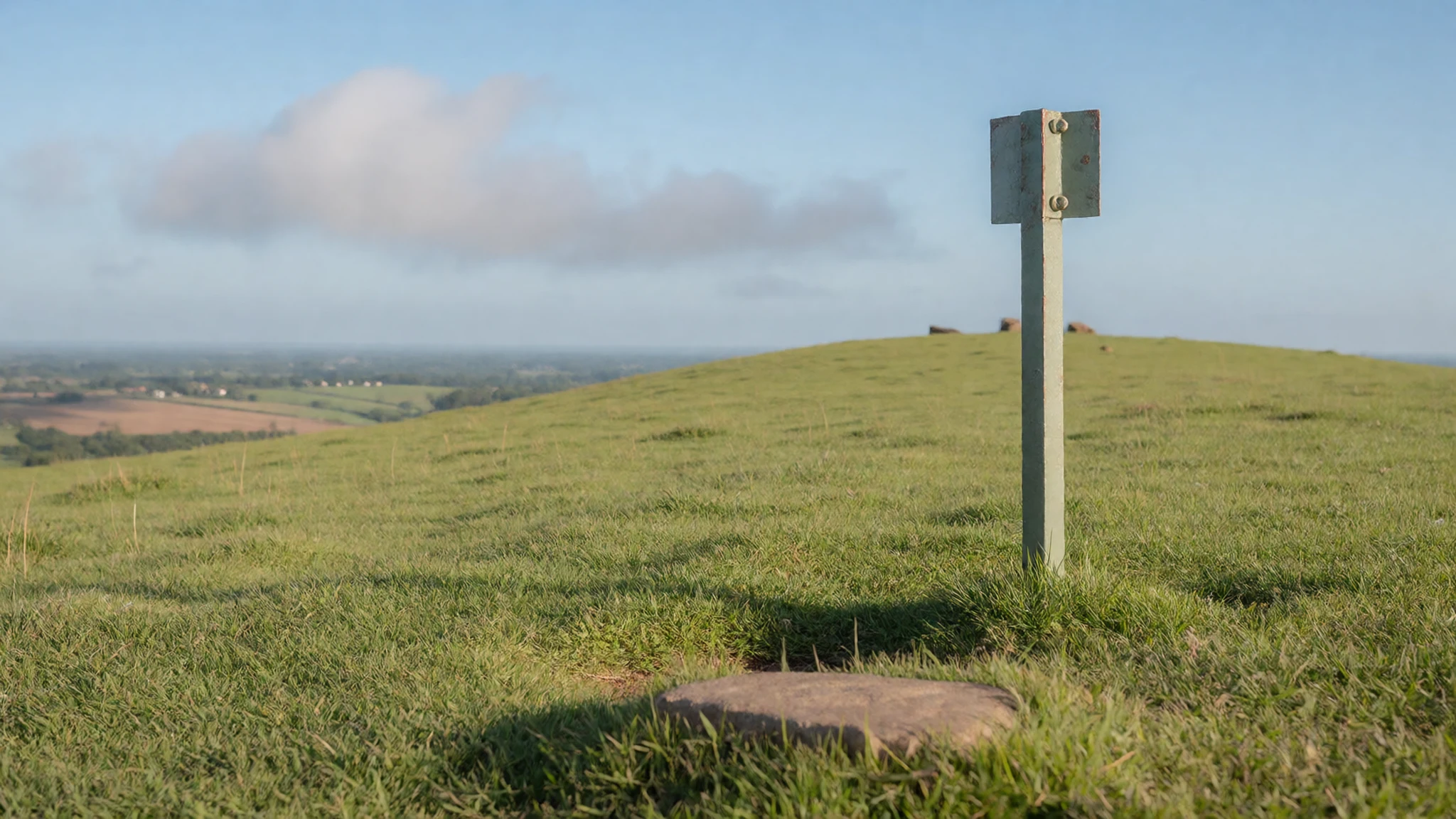
- The abandoned relay buildings — Summit
Near the top stand a derelict building and old telecommunications equipment left by the army and the national electricity company. They explain why the hill mattered for decades. Look from a safe distance, since the structures are neglected, and do not climb on rusting metal or enter damaged rooms.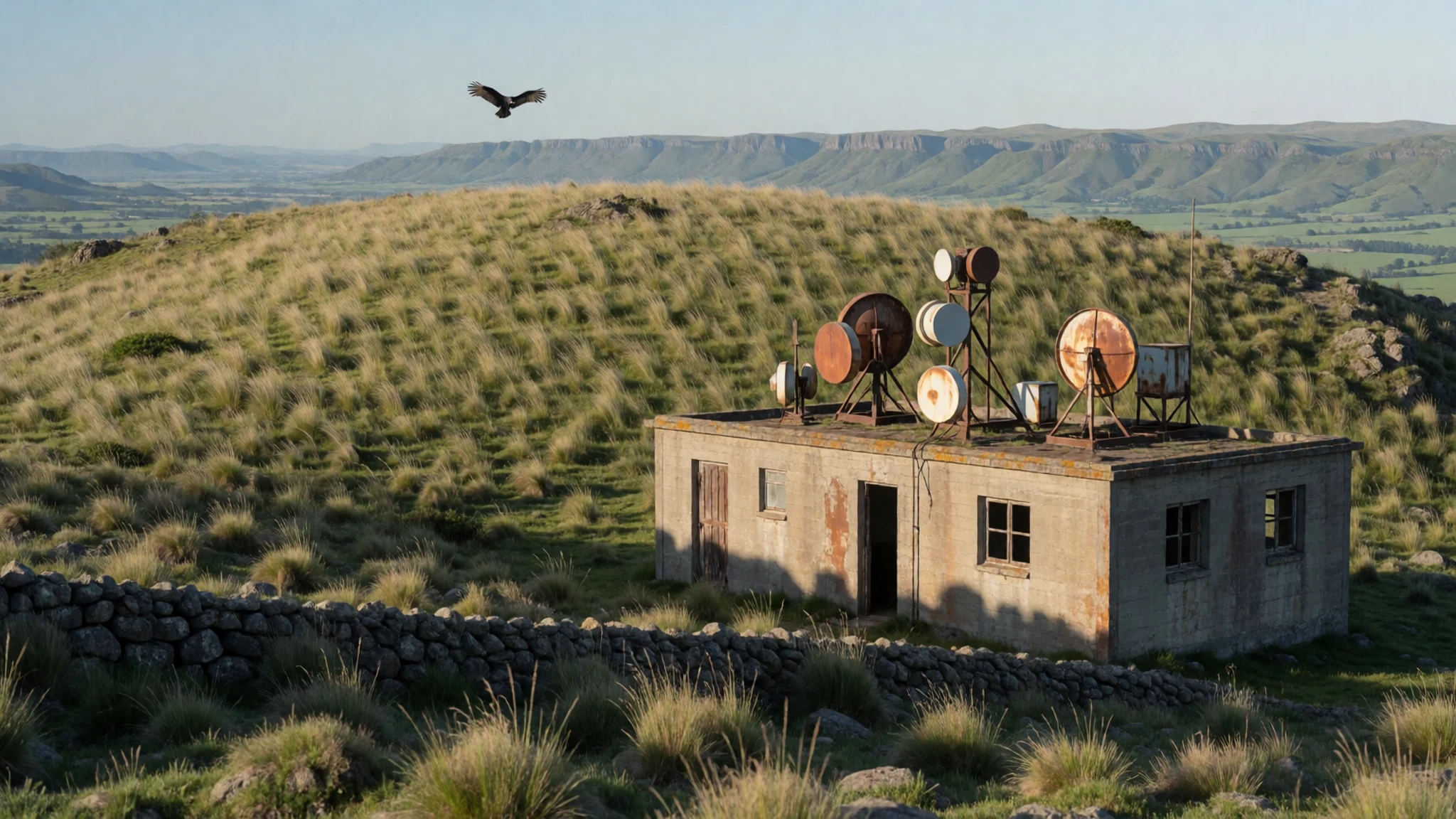
- The southern overlook — Summit area
An overlook on the mountain faces south across the lowlands of Guairá. Clear mornings give the best visibility, before haze and heat build up. It is a good place for a slow break, a drink of tereré if carried up, and a sense of how modest the surrounding relief is.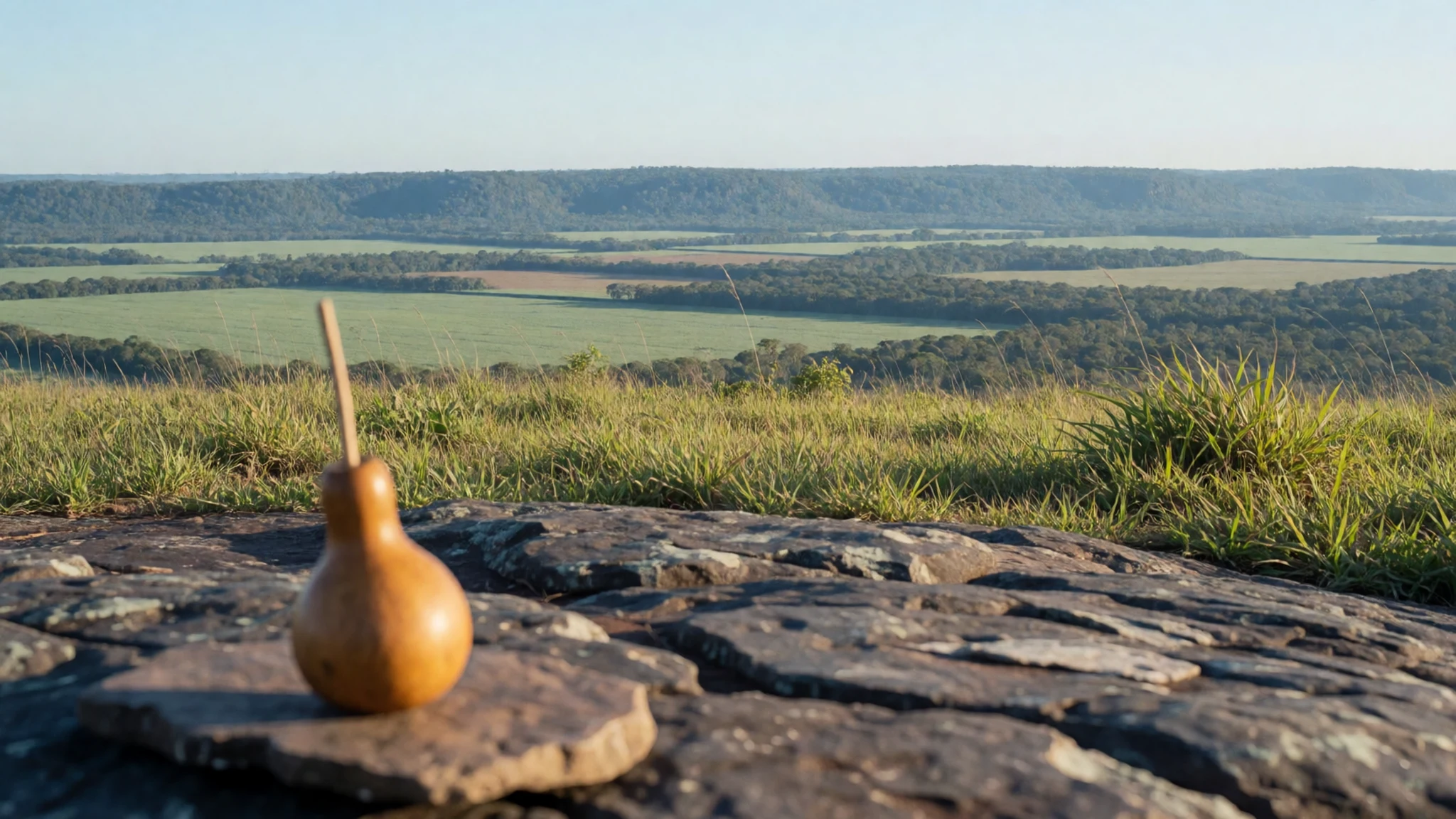
- The Ybytyruzú range — Guairá Department
Cerro Tres Kandú belongs to the Ybytyruzú hill range, and the countryside around it rewards unhurried exploring. Expect farmland, small settlements and green slopes rather than formal trails. Ask in General Eugenio Garay or nearby villages about local routes, conditions and whether any guide or permission is needed.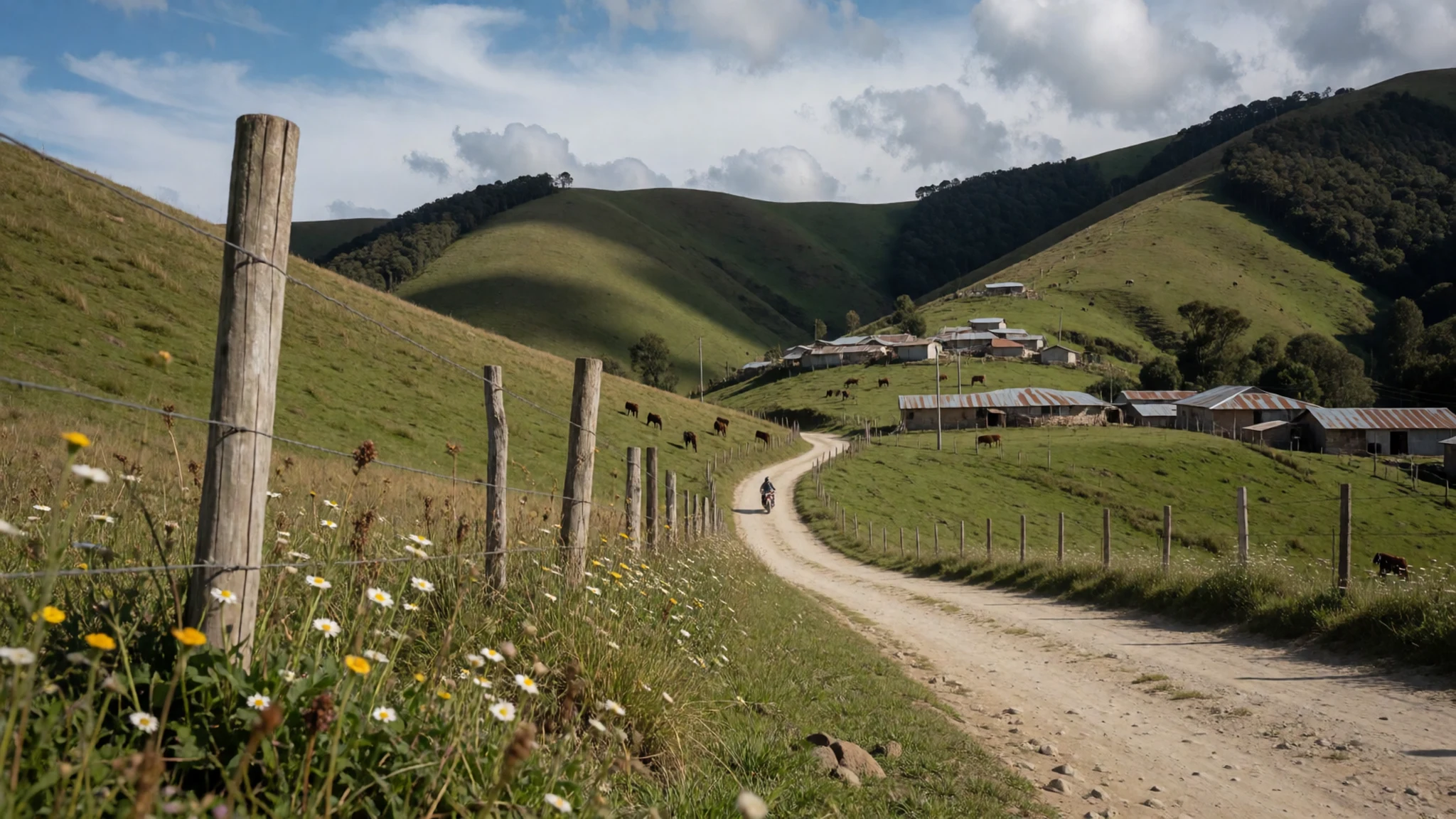
- Jesuit Missions of Trinidad — Southern Paraguay
For a longer trip beyond Guairá, the Jesuit Missions of La Santísima Trinidad de Paraná and Jesús de Tavarangué form Paraguay's only UNESCO World Heritage Site. They sit in the south of the country, so treat them as a separate journey rather than a side stop from the mountain.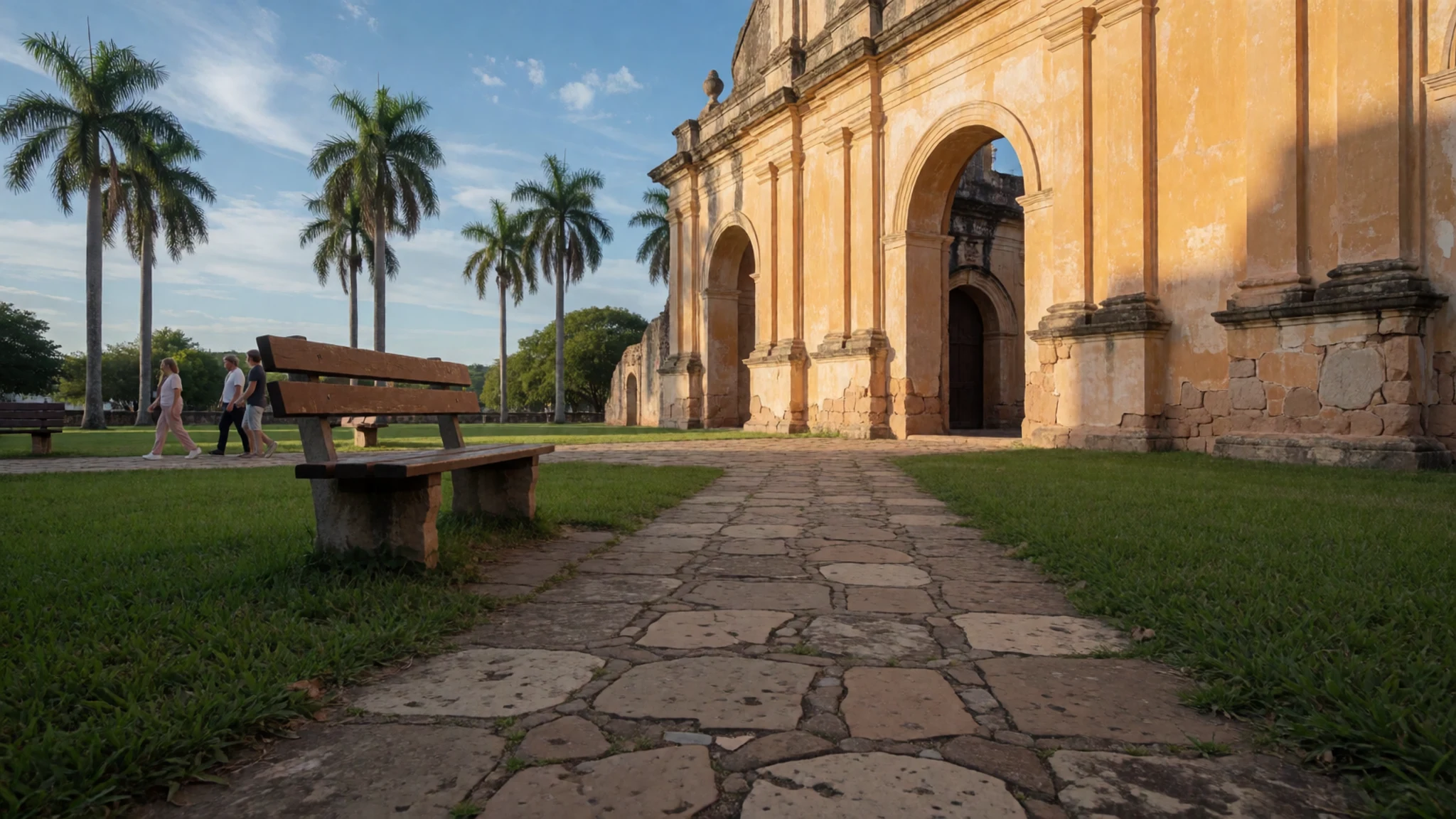
Culture
Cerro Tres Kandú sits in a part of Paraguay where daily life is unhurried and nature is treated as a source of comfort. Paraguayans are generally described as friendly, polite and soft-spoken, and a visitor in a rural area is likely to attract curious, kindly attention because few travellers come this way.
A word worth knowing is tranquilo, a value many Paraguayans hold dear: being calm and content with what one has matters more than displaying wealth. Time is treated flexibly, so appointments, buses and plans often start later than announced. This is not rudeness. Patience is expected, and raising one's voice or losing one's temper in public is poorly received.
Greetings are warm and physical. Men usually shake hands on meeting, while women and mixed pairs often add a kiss on the cheek. Instead of asking how someone is, people tend to ask whether everything is fine, with a phrase like "¿todo bien?".
Food is central to hospitality. If a host offers a meal or a snack, accepting it and saying something kind about it matters. Guaraní remains widely spoken alongside Spanish, and even a few words in either language are appreciated in villages near the hill.
In the villages below the hill, greet people with a handshake and a friendly "¿todo bien?", accept any food offered with thanks, and keep your voice calm if plans run late.
What to wear
Cerro Tres Kandú is a rural hill rather than a fashion destination, but Paraguayan dress still has a distinct tradition. Folk costume uses ao po'i, a lightweight cotton cloth with fine embroidery, made into blouses, shirts and dresses, and ñandutí, a delicate spider-web style of lace worked by hand. These are mostly worn at festivals, folk dances and national celebrations rather than every day.
In daily life around Guairá, people dress simply and for the heat: cotton shirts, jeans or light trousers, football shirts, caps and practical shoes or sandals. Farm work calls for long sleeves and sturdy boots, and city clothes in nearby towns are casual rather than formal.
A visitor should dress for the weather and terrain. Light, breathable layers work best, with a sun hat, sunscreen and a rain jacket for sudden storms. Closed shoes with good grip suit the hilltop and any muddy tracks. Long trousers help in grass and scrub. There are no strict modesty rules on the mountain, but in villages and small towns, shorts that are not too brief and covered shoulders are a courteous choice. In the cooler months, a fleece is useful for early mornings.
What to eat
- Chipa — Roadside stalls and village bakeries
A baked bread made with mandioca (manioc) flour, traditionally cooked in an outdoor clay oven called a tatacuá. It is chewy, often cheesy and eaten at breakfast or as a snack. Look for it at roadside stalls and village bakeries.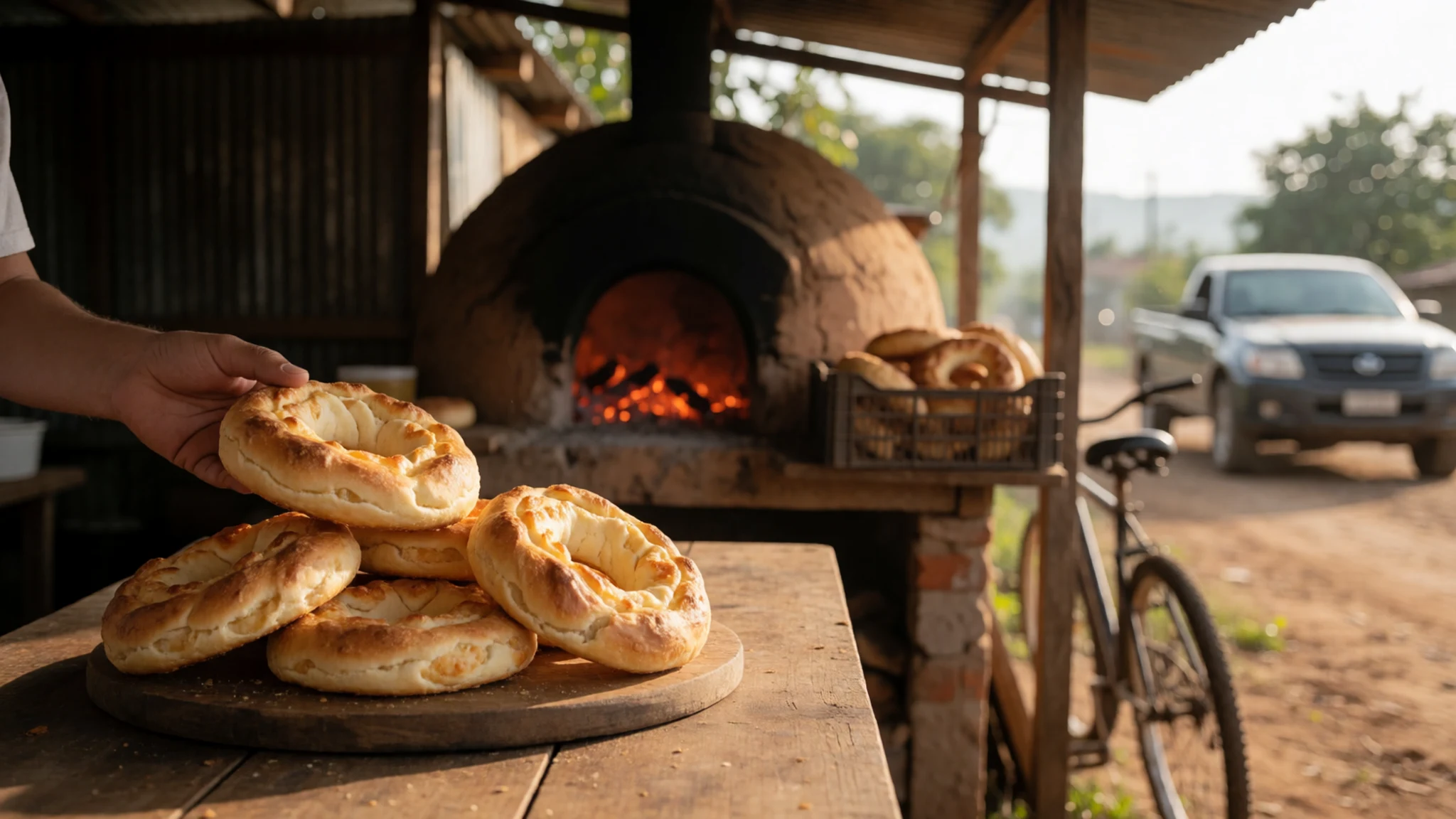
- Mbejú — Small cafés and market stalls in towns
A flatbread made from mandioca starch and Paraguayan cheese, usually cooked on a hot surface until lightly crisp outside and soft within. It is simple, filling and suits a mid-morning stop with a hot drink.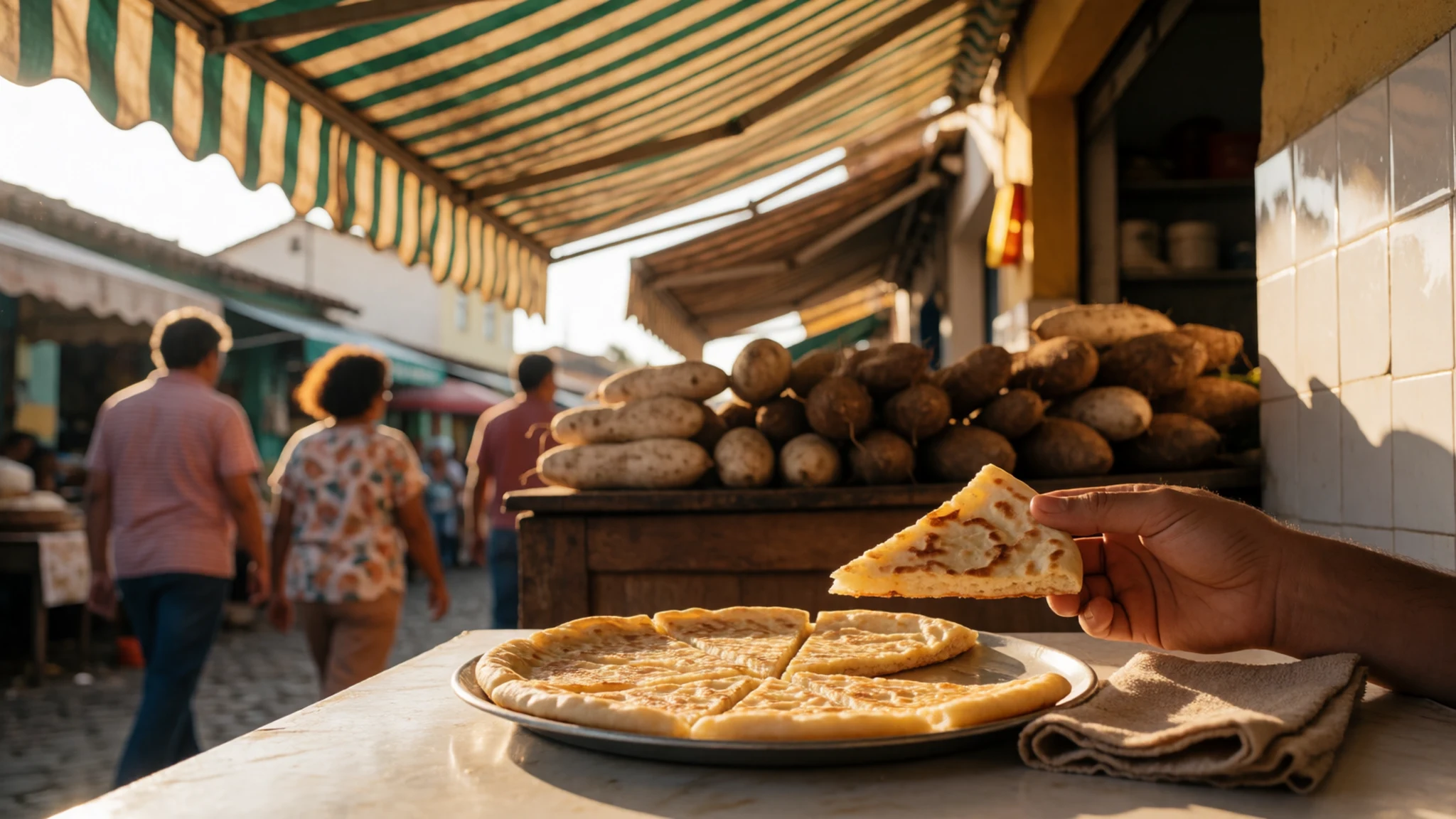
- Sopa paraguaya — Family-run eateries and home-style restaurants
Despite the name, this is a dense, savoury cornbread rather than a soup. It is baked with cheese and onion and served as a side or a snack. It appears at family meals and many local eateries. - Asado — Grill restaurants and roadside parrillas
Grilled beef is the standard Paraguayan meal, since the country has a strong cattle tradition. Meat arrives hot from a charcoal grill, usually with boiled or fried mandioca on the side. Food is not especially spicy. - Tereré — Everywhere, carried in a flask by locals
Cold water poured over yerba mate leaves, sipped through a metal straw from a shared cup. It is the everyday drink in hot weather, and often has herbs added. Being offered a turn is a friendly gesture.
Plan it
Best time. April–May and September–October are the comfortable choices, when daytime weather is milder for walking. Midsummer, roughly December to February, tends to be hot and humid with storms, and rain can make tracks muddy at any time of year, so check the forecast before setting out.
How long. 1–2
Getting there. Fly into Silvio Pettirossi International Airport near Asunción, then travel east by road into Guairá Department towards General Eugenio Garay. The last leg to the hill is by local transport or a hired car or taxi, so confirm the route and conditions locally.
Budget. low
Tips
- Start early to avoid midday heat and catch clearer views
- Carry water, snacks and cash, as there are few facilities near the summit
- Ask locally about road conditions after rain before heading up
- Pack sun protection and a light rain jacket
- Combine the hill with time in nearby villages rather than expecting a full day of trails
Etiquette
- Greet people politely and keep a calm, patient manner
- Avoid entering or climbing on the abandoned buildings
- Accept hospitality graciously if food or tereré is offered
Nearby
Sources
- Wikidata Q1055965 (CC0)
- Wikipedia: Cerro Tres Kandú (rev 1368753315) (CC BY-SA 4.0)
- Wikivoyage: Paraguay (rev 5395653) (CC BY-SA 4.0)
- Photo: Cerro Tres Kandú high point sign, Blervis (CC0 1.0)
- Photo: Abandoned building on Cerro Tres Kandú, Blervis (CC0 1.0)
- Photo: Cerro Tres Kandú overlook, Blervis (CC0 1.0)


